


More
    Home Blog Page 82

    Love Next Door: Reunited Friends, Old Flames, and New Dreams

    0

    Imagine a world where your childhood best friend lives next door, a world where the familiar scent of their cooking wafts through your open window, reminding you of simpler times. A world where the sound of their laughter echoes through the quiet streets, bringing a smile to your face. But what happens when this familiar comfort becomes complicated by a spark of something more?

    TL;DR

    • Cherish childhood friendships: They are often the most enduring and meaningful relationships in our lives.
    • Never give up on your dreams: Even if they seem out of reach, perseverance can lead to incredible rewards.
    • Embrace the unexpected: Life is full of surprises, and sometimes the best things happen when we least expect them.
    • Forgive and let go: Holding onto grudges can only hurt you in the end.
    • Seize the moment: Life is short, so make the most of every opportunity.

    Episodes 5-6

    Life is full of surprises, isn’t it? Just when you think you’ve moved on, life throws you a curveball—like reuniting with an old friend in your hometown. It’s like flipping open a dusty old novel, only to find that the story inside is far from over. Our tale begins with two childhood friends, whose paths cross once again, sparking a whirlwind of emotions that neither expected. But hold on tight, because this isn’t just another trip down memory lane—this is a rollercoaster of rediscovered dreams, old love letters, and a dash of drama that would make even Shakespeare blush.

    Reunited and It Feels… Complicated

    So, our heroine, full of zest and newly revived dreams, finds herself back where it all started. She’s on a mission to reclaim what was once lost, but life, as it often does, has other plans. Enter our hero, struggling to navigate the flood of feelings that come rushing back when he sees her. It’s almost like they’ve slipped back into their old, playful banter, but this time, there’s an undercurrent of something more. Something deeper. Could it be love? Or just the ghost of what might have been?

    Ah, the beauty of unspoken words and almost-forgotten love letters. Our heroine might be on a high, riding the wave of her newfound aspirations, but our hero? He’s neck-deep in emotional quicksand, trying to keep his heart from sinking under the weight of feelings he thought were long buried. And let’s be honest—if there’s one thing our girl knows how to do, it’s bulldozing her way through obstacles. It’s a clash of wills, emotions, and ten-year-old letters that might just change everything.

    The Plot Thickens

    Just when you think things couldn’t get more interesting, Episodes 5 and 6 roll in, proving that our drama is finally hitting its stride. With the initial awkwardness behind them, the characters are now fully embracing who they are, and the show is starting to shine. These two episodes were a delightful cocktail of emotions, leaving us eager for more. So, let’s dive in!

    Poor Seung-hyo. The guy’s having a rough time accepting that, yes, he still has feelings for Seok-ryu. It’s like he’s caught in an emotional tug-of-war, and his first instinct is to push her away. Classic move, right? After last week’s cozy hugfest, he’s suddenly all flustered around her. So, what does he do? Tries to kick her out of Atelier In as fast as possible. But just as he’s about to make his grand escape, who should appear? None other than his ex-girlfriend, Jang Tae-hee. You know, the gorgeous artisan who’s all set on winning him back. Oh, the drama!

    When Exes and Rivals Collide

    Let’s talk about this ex-girlfriend plot arc for a second. The funniest thing? Seung-hyo definitely has a type. Tae-hee and Seok-ryu are like peanut butter and jelly—they just click. But here’s the twist: Tae-hee soon realizes that rekindling things with Seung-hyo isn’t going to happen. Why? Because the guy practically glows with happiness when he’s around Seok-ryu. So, there goes the overplayed ex-girlfriend trope, right out the window. By the end of these episodes, Tae-hee’s aboard the SxS ship just like the rest of us.

    But don’t think Tae-hee’s storyline is just filler. No, she’s here to help Seok-ryu find the dream she’s been chasing all along. Remember the Namsan lock incident? The one where Seung-hyo helped Seok-ryu let go of her past? Well, it turns out that Tae-hee’s presence is a catalyst for Seok-ryu to discover her true passion. And what is that passion, you ask? Cooking! Yes, finally, a female lead in a K-drama who can actually cook. It’s a breath of fresh air, and the show takes its time to linger on these moments of culinary creation.

    Cooking Up Some Drama (Literally)

    Why are we watching Seok-ryu cook with such care? The answer becomes clear soon enough. When Seok-ryu, Seung-hyo, and the rest of the Atelier In crew visit Tae-hee’s workshop, the plot thickens. The place is filled with onggi and fermenting ingredients, and Seok-ryu is in heaven. She’s asking questions, soaking it all in, and later, she whips up a mean kalguksu for everyone, using fresh doenjang and other ingredients. As they fuss over the soup, it hits me—Seok-ryu’s dream has been staring her in the face all along, and she’s just now realizing it.

    But let’s not forget the awkward tension between Seung-hyo and Seok-ryu. After spending an evening drinking with her dad (which, let’s be honest, is a classic way to bond), Seung-hyo ends up in Dong-jin’s bed. The next morning? Seok-ryu mistakes him for her little brother, and the scuffle that follows is pure comedy gold—complete with Seung-hyo half-naked and spraining his toe. Talk about a wake-up call!

    As Seung-hyo starts to see Seok-ryu in a new light—especially after that moonlit moment in a field of earthenware pots—it becomes clear that he’s falling for her. Hard. But love isn’t that simple, especially when it’s wrapped up in years of friendship and unspoken feelings. So, what does Seung-hyo do? He pushes her away, doubling down on his avoidance, which only drives a wedge between them. Seok-ryu, ever the optimist, just wants to share her excitement about the cooking certification she’s secretly pursuing. But Seung-hyo’s cold shoulder? That’s a tough pill to swallow.

    Secrets, Lies, and Shady Influencers

    Now, let’s talk about Seok-ryu’s dad. Drama is brewing on the horizon. Seung-hyo spots her dad leaving a nightclub with a woman draped all over him, and it’s not long before the truth comes out—Dad’s in some serious legal trouble. Earlier, he’d welcomed two YouTubers into his shop, thinking they were harmless. But these NerTubers? They’re scammers, through and through. A “found” hair in the food, a “burn” from the soup, and a “damaged” luxury watch later, Dad’s drowning in debt. But he’s too scared to tell anyone.

    Seok-ryu, who adores her father, isn’t about to let these shady influencers get away with it. She’s got a plan to catch them in the act, but Seung-hyo beats her to it. He’s already set up an epic sting operation, complete with CCTV footage and a journalist friend, Dan-ho, who’s itching to expose this new wave of scam artists. When the scammers try to make a run for it, hilarity ensues. One guy runs into a pole, and Seok-ryu gives the other a piece of her mind (and a good whack with her purse). Seung-hyo finishes the job with a swift sidekick, and just like that, justice is served.

    But it’s not all fun and games. Seok-ryu ends up with a nosebleed, but she brushes it off—just a little too much work, she says. Seung-hyo, ever the hero, rips off his expensive tie to help stop the bleeding. And in a move that’s both sweet and slightly ridiculous, Seok-ryu’s little brother steps in to deliver a well-aimed kick to the last scammer. Moral of the story? Don’t mess with Seok-ryu’s family.

    My Point of View

    Now, let’s pause for a moment of reflection. If I were to offer a bit of friendly advice to our star-crossed duo, it would go something like this: Seung-hyo, my dear, pushing people away never works out well in the long run. You can only keep your feelings bottled up for so long before they come bursting out in the most inconvenient ways—like, say, a half-naked scuffle in your friend’s bed. And Seok-ryu? Keep doing you. Your passion for cooking is a joy to watch, and it’s clear that you’re on the right path. But don’t let Seung-hyo’s hot-and-cold routine throw you off. He’s got some issues to work through, but he’ll come around. Trust me.

    As for the rest of us? Let’s take a page from this story. Life has a funny way of bringing people back into our lives when we least expect it. Sometimes, it’s for closure. Other times, it’s to rekindle something that was never really extinguished. But no matter the reason, the key is to face those moments head-on, with an open heart and a little bit of humor. After all, life’s too short to hold back on love, dreams, or a good laugh.

    The Bromance We Didn’t Know We Needed

    The story doesn’t end here. The characters’ lives will continue to unfold, their paths intertwining in ways they never could have imagined. And who knows what adventures await them?

    Are you ready to embark on your own journey of love, loss, and rediscovery? Dive into the world of Love Next Door and experience the magic of a story that will stay with you long after the final page.
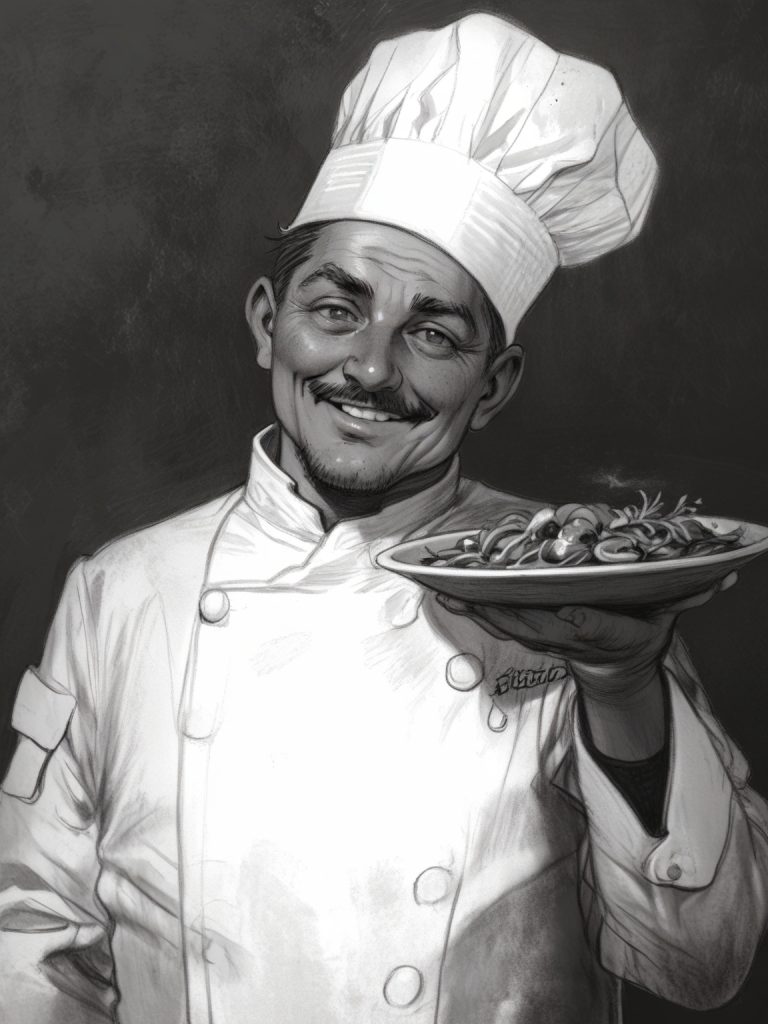
    Why Did Spaghetti Become America’s Pasta Darling? The Surprising Rise of Chef Boyardee

    0

    Imagine a world without the convenience of a canned spaghetti dinner. A world where pasta meant hours of labor, precise measurements, and a kitchen filled with aromatic but messy ingredients. It’s a world that once existed, but thanks to Chef Boyardee, it’s thankfully a distant memory.

    So, how did a simple pasta dish become a cultural icon? How did Chef Boyardee manage to turn a once-intimidating meal into a comforting staple? Buckle up, because the story of spaghetti’s rise to fame is as surprising as it is delicious.

    TL;DR

    • Spaghetti’s popularity in America can be attributed to its simplicity, affordability, and cultural significance.
    • Chef Boyardee played a crucial role in commercializing and popularizing spaghetti through his canned products.
    • While modern canned spaghetti often deviates from traditional Italian recipes, it remains a beloved and enduring symbol of American cuisine.

    Ah, spaghetti—the long, slender pasta that has become synonymous with Italian food in America. But have you ever wondered why spaghetti, out of hundreds of different pasta shapes, became the face of Italian cuisine in the United States? Well, it’s not like Italians voted on it. In fact, during my own limited travels in Italy, it doesn’t seem like any one type of pasta stands out as the clear winner. So, why does America have such a special relationship with spaghetti? Buckle up as we dive into this saucy journey of how a simple dish became a household favorite, and how Chef Boyardee played a starring role.

    The Early Days of Italian Food in America: Not So Glamorous

    Italian food in America hasn’t always been the chic, authentic experience we know today. In the words of Chef Hector Boiardi himself, Italian cuisine was pretty much peasant food when it first landed on American soil. “Italian food at the turn of the century wasn’t what it is today,” Chef Boiardi told NPR’s Michele Norris. Back then, French restaurants were all the rage. Fancy dinners? French. The finer things in life? French. If you wanted something Italian, well, you’d likely find yourself eating simple, hearty meals created by immigrants like Chef Boiardi, who served up home-cooked fare at his Cleveland restaurant during the 1920s.

    So, how did we get from rustic, home-cooked dishes to the processed, canned pasta we see today in every grocery aisle? The journey starts with Chef Boiardi himself, who wanted to share his food beyond the restaurant walls. Turns out, people wanted more than just a dining experience—they wanted to recreate the magic at home. And that’s where things started getting interesting.

    From Peasant Food to Processed Delights: The Evolution of Chef Boyardee

    Chef Boiardi’s restaurant specialized in what you’d call “peasant food”—simple pasta dishes made with fresh ingredients like tomatoes, herbs, and cheese. And while this was a big hit with diners, Chef Boiardi wasn’t about to stop there. Seeing that his customers wanted to make these dishes at home, the Boiardi family began packaging the pasta, sauce, and cheese, and teaching folks how to prepare it themselves. The wheels started turning: What if they could mass-produce this concept? What if they could jar the sauce and sell it nationwide? Spoiler alert: They did.

    The Boyardee family decided to set up shop in Milton, Pennsylvania, where they could be close to their tomato supply. And if you’re wondering why a tomato supply matters, get this: At the peak of their operations, the Boyardees were cranking out about 250,000 cans of pasta a day. That’s a lot of tomato sauce!

    But here’s where it gets fun. They even convinced local farmers to grow tomatoes just for them. Talk about dedication. They also grew their own mushrooms in-house to meet the demand. Think of it as farm-to-table, but with cans.

    From Fine Dining to Food for the Masses

    Chef Boiardi’s food might have started out as peasant fare, but his business skills were anything but modest. Pasta, especially canned pasta, had incredibly high profit margins. That’s probably one reason he got into the game—besides his passion for food, of course. His restaurant customers loved the idea of eating Italian at home, and soon enough, grocery stores and even the U.S. military were stocking up on Chef Boyardee products. Yes, that’s right: Soldiers were eating this stuff as rations during World War II.

    Imagine you’re a soldier, hunkered down in some foreign land, and what do you get as part of your ration pack? A can of spaghetti and meatballs, courtesy of Chef Boyardee. It’s almost like a slice of home, but canned, heavily processed, and probably not quite like what you remember from your neighborhood Italian restaurant. But hey, it’s the thought that counts, right?

    The Recipe That Built a Brand

    So, what made Chef Boyardee such a hit? Well, it wasn’t just the novelty of canned spaghetti. The original dishes Chef Boiardi created were simple but delicious. One of his classics was pasta served with a fresh marinara sauce. Want to make it at home? Here’s a rough idea of what you’d need:

    • 1 Tbsp olive oil
    • 3 cloves garlic (minced)
    • 5 fresh tomatoes (diced)
    • 2 Tbsp fresh basil (finely chopped)
    • 1 Tbsp honey
    • ½ tsp salt
    • ¼ tsp ground black pepper
    • 3 sprigs of parsley

    Sounds simple enough, right? That’s because it was. Italians of the time (especially immigrants) used what they had on hand, and fresh ingredients were key.

    But as the Boyardee brand grew, things started to change. Veal, pork, and beef sauces were popular with Italian immigrants, but when it came to mass production, certain adjustments had to be made. Chef Boyardee imported top-tier ingredients from Italy, including Parmesan cheese and olive oil. However, if you compare the original recipes with today’s canned products, you’ll notice a few, shall we say, modifications.

    Today’s Chef Boyardee: A Far Cry from the Original

    Take a look at the modern-day ingredients list for Chef Boyardee’s spaghetti and meatballs:

    • Tomatoes (Tomato Puree, Water)
    • Cooked Enriched Spaghetti (Water, Enriched Wheat Flour, etc.)
    • Meatballs (Pork, Chicken, Mechanically Separated Chicken, Beef, etc.)
    • Soybean Oil
    • High Fructose Corn Syrup
    • Modified Corn Starch
    • Citric Acid

    Notice anything missing? Like, say, olive oil? Yep, it’s been replaced by soybean oil. And high fructose corn syrup—well, let’s just say that wasn’t part of the original menu. Many of the ingredients and processes used to make today’s canned products simply weren’t available back in the 1920s.

    My Take: The Good, the Bad, and the Canned

    Now, I can’t resist throwing in my two cents here. Spaghetti’s rise to fame in America is a bit of a culinary Cinderella story. What started as humble, fresh, and flavorful dishes has evolved into canned pasta that—let’s be honest—barely resembles the original recipes. And don’t even get me started on the meatballs. Mechanically separated chicken? Seriously?

    But hey, spaghetti became popular for a reason. It’s easy to make, relatively affordable, and let’s face it—there’s something comforting about twirling those long strands of pasta around your fork. Even if the sauce comes from a can.

    What’s my advice? If you really want to experience what spaghetti was meant to be, try making your own marinara sauce at home. Trust me, it’s worth the extra effort. But if you’re in a pinch, I won’t judge you for grabbing a can of Chef Boyardee. Just know that you’re getting the processed version of an Italian classic.

    So Why Spaghetti?

    So why did spaghetti, of all the pasta shapes out there, become America’s go-to pasta? Honestly, it’s probably a mix of nostalgia, convenience, and good marketing. Chef Boyardee and other brands made spaghetti a household name by offering it in an easy-to-make, shelf-stable form. It’s not necessarily the best pasta out there, but it’s definitely one of the most accessible.

    Want to learn more about the fascinating world of food and history? Check out our other articles on culinary curiosities and cultural quirks.

    The Great AI ETF Misadventure: Why Following the Crowd Could Leave You High and Dry

    0

    “The AI revolution is here, and it’s promising to reshape our world. From self-driving cars to personalized medicine, the possibilities seem endless. But amidst this tech-driven euphoria, a new wave of financial instruments has emerged: AI-themed exchange-traded funds (ETFs). These ETFs offer investors a chance to ride the AI wave, but as we’ve seen with countless other investment fads, following the crowd can sometimes lead to a splashdown. In this article, we’ll dive into the ‘Great AI ETF Misadventure,’ exploring the pitfalls of blindly chasing the next big thing and offering some tips on how to navigate the AI investment landscape without getting burned.”

    TL;DR

    1. Diversification is key. Don’t put all your eggs in one basket.
    2. Timing is everything. Avoid buying at the peak of the hype.
    3. Do your homework. Research the underlying investments in AI ETFs.
    4. Be prepared to pivot. Markets can change rapidly.
    5. Consider alternative investment strategies. Explore other ways to invest in AI, such as individual stocks or sector-specific funds.

    There are plenty of cringe-worthy ways to lose money, but few sting more than watching your investment flop after you correctly predict the market’s next big thing. Enter the tale of woe for some unfortunate investors in three artificial-intelligence-themed exchange-traded funds (ETFs). Yes, you read that right—AI, the darling of the stock market, actually lost them money. Ouch.

    Let’s break it down: These funds, despite being perfectly positioned in the shiny AI landscape, managed to underperform. And, to add insult to injury, this happened at a time when AI is supposed to be on a rocket ship to success. Investors aren’t just feeling a bit let down—they’re utterly baffled.

    So, what’s the moral of this story? Let’s walk through this train wreck together and dive deep into the hazards of thematic ETFs. But don’t worry—I’ll sprinkle in some friendly advice along the way, with just a dash of sarcasm to keep things interesting.

    The AI Fund Flop: A Cautionary Tale

    Let’s have a moment of silence for those poor souls who poured their hard-earned money into AI-themed ETFs this year, only to see them underperform compared to the broader market. The S&P 500? Cruising. The MSCI World? Still doing fine. AI? Well, not so much. And this is before investors started raising eyebrows at AI superstars like Nvidia and Super Micro Computer.

    Why the disappointing returns? Isn’t AI supposed to be the golden child of investing? Well, not so fast. While Nvidia has been enjoying its time in the spotlight, these ETFs somehow managed to miss out on the stock’s meteoric rise. Here’s the kicker: these funds were designed to spread their investments, ensuring they didn’t put all their eggs in one basket. It’s the old diversification strategy—sounds smart, right? Except when your basket is filled with the wrong eggs.

    Take First Trust’s $457 million AI and robotics fund, for example. It has a mere 0.8% of its portfolio in Nvidia. Ouch. Meanwhile, they’ve got more invested in BlackBerry—yes, BlackBerry, the company you probably forgot about after your first smartphone. And then there’s WisdomTree’s $213 million AI fund, which also decided to give Nvidia just 3% of its attention.

    So what’s the lesson here? Sometimes, even with a diversified approach, the strategy can backfire if you’re not betting big enough on the right horse.

    The Temptation of Thematic ETFs: Why They’re Hard to Resist

    The world of ETFs has gotten weirdly specific. Whatever niche you can think of, there’s probably an ETF for it. Want to invest in Californian carbon permits? Sure, they’re down 15% this year, but hey, you never know! How about Chinese cloud computing? It’s down 21%, if you’re into that. Maybe pet care is more your speed—it’s up 10%, in case you were curious.

    But here’s the truth bomb: Thematic ETFs are tricky beasts. You think you’re investing in the future, riding the wave of innovation, but in reality, it’s more like gambling at a casino. Timing is everything, and more often than not, investors end up buying at the peak of hype—right before the bubble bursts.

    Why Even the “Winners” Struggled

    Ironically, Nvidia’s success actually made it harder for some AI-themed funds to beat the market. If you thought ETFs could simply latch onto Nvidia’s coattails and enjoy the ride, think again. Many funds capped their exposure to any one stock to avoid being over-reliant on a single company. Seems reasonable, right?

    Well, this strategy backfired big time. Nvidia now makes up more than 6% of the S&P 500, meaning these ETFs are underexposed to one of the biggest AI success stories. The result? A 20-percentage-point gap between the best and worst AI ETFs this year, with some barely making a dent in Nvidia’s rise.

    If you’re scratching your head, wondering how you could go wrong with an AI fund during an AI boom, you’re not alone. But don’t worry, it gets worse (because of course it does).

    Equal Weight vs. Market-Value Weight: A Battle of ETF Strategies

    Jay Jacobs, head honcho of thematic ETFs at BlackRock, explains that when you’ve got a “winner-takes-all” theme like generative AI, it’s best to be market-value weighted. In other words, the bigger the company (ahem, Nvidia), the bigger the slice of your investment pie should be. Makes sense, right?

    But not everyone agrees. Some funds prefer equal weighting, like Global X’s AIQ, which spreads its bets across a broader range of stocks. By capping its biggest holdings at 3%, it has far less exposure to Nvidia than BOTZ, another AI fund with a cap of 8%. The result? AIQ actually beat BOTZ this year, despite its more conservative approach.

    The takeaway here? Picking a theme is one thing. Picking the right strategy for that theme is a whole different ball game.

    My Take: Investing is Harder Than It Looks (But It Doesn’t Have to Be)

    Let me put this in plain English: If you’re thinking of diving into thematic ETFs, tread carefully. It’s easy to get sucked into the hype, especially when you’re bombarded with flashy fund names that promise to take you to the moon. But as history has shown us, these trends can crash just as quickly as they rise.

    So, here’s my advice:

    1. Do your homework. Don’t just invest in an ETF because the name sounds cool. Look at what it holds, how it’s structured, and whether it actually aligns with your investment goals.
    2. Don’t chase trends. The time to buy into a theme isn’t when everyone’s talking about it. By then, the price has likely been inflated beyond reason. Instead, be patient and look for opportunities when the hype has died down.
    3. Be ready to pivot. Themes come and go, and so do thematic ETFs. Just because you’ve invested in a hot sector doesn’t mean it’ll stay that way forever. Be prepared to make changes to your portfolio when necessary.

    The ETF Graveyard: When Themes Go Bust

    Let’s talk about the thematic ETF graveyard for a minute. Remember the dot-com bubble of the late 1990s? Internet-themed funds were all the rage—until the bubble burst. Many of those funds didn’t live to see the internet truly take off a decade later. More recently, the so-called “metaverse” ETFs that launched after Facebook rebranded to Meta? Six of them have already shut down. Oops.

    And here’s the kicker: The oldest thematic fund, the DWS Science and Technology mutual fund, has been around since 1948, but it’s lagged behind the broader market for decades. Despite golden ages for television, electronics, and tech, this fund just couldn’t keep up. It even has Nvidia in its portfolio now—but guess what? Still underperforming.

    Final Thoughts: Invest with Your Head, Not Your Heart

    The next time you’re tempted to jump on the AI bandwagon, remember: even the smartest algorithms can’t predict the future. While AI ETFs offer exciting opportunities, they also come with significant risks. It’s like trying to catch a falling star—you might get lucky, but the chances are slim. Instead of chasing the next big thing, focus on building a diversified portfolio that can weather any storm. And if you’re still feeling adventurous, why not explore other investment themes that might be less crowded, but just as promising? After all, who says you have to follow the herd to find a treasure?

    What we learned from Queen Woo so far…

    0

    What have we learned from Queen Woo so far? Well, let’s just say it’s been a royal pain in the neck. We’ve witnessed more backstabbing than a medieval jousting tournament, more scheming than a political convention, and more dramatic wardrobe changes than a reality TV star. But amidst all the chaos, we’ve also uncovered a few pearls of wisdom. Like, never trust a shaman who predicts your victory while simultaneously envisioning your demise. Or, always keep a spare crown handy, because you never know when a rival queen might try to steal yours. And most importantly, if you’re a queen, make sure your husband doesn’t have a penchant for dramatic exits. Trust us, it’s not good for business.

    TL;DR

    • Don’t trust appearances: Even the most seemingly loyal individuals can harbor hidden agendas.
    • Power is a double-edged sword: While it can grant you influence and control, it can also make you a target for those seeking to overthrow you.
    • Family can be your greatest asset or your biggest liability: Blood ties can be both a source of strength and a cause of division.

    A Historical Soap Opera with Royal Intrigue, Power Plays, and Too Much… Everything?

    Let’s face it, historical dramas are all the rage, and when they come packed with royal intrigue, power struggles, and a dash of romance, they’re hard to resist. But when we talk about Queen Woo, a Goguryeo drama centered on a resilient queen trying to hold onto her throne after her husband’s death—well, let’s just say the story had potential. Had being the operative word here.

    So, what did we learn from Queen Woo so far? Quite a bit about scheming ministers, battle-hardened royalty, and… gratuitous nudity. Yes, you heard me right. While the drama aims to capture the complexity of palace life, it often veers into unnecessary territory that leaves us wondering, “Was that really necessary?”

    CategoryDetails
    TitleQueen Woo
    GenreHistorical Drama, Political Drama
    SettingGoguryeo, 197 AD
    Main CharacterQueen Woo Hee (played by Jeon Jong-seo)
    PlotFollows Queen Woo as she struggles to maintain power after the king’s death.
    Key ThemesPolitical intrigue, power struggles, survival, betrayal, loyalty
    Supporting CharactersGo Nam-mu (Ji Chang-wook), Eul Pa-so (Kim Mu-yeol), Woo Sun (Jung Yumi)
    AntagonistsHae Dae-bu, Myungrim Eoru, Go Bal-ki
    Unique ElementsLevirate marriage custom, battle strategies, betrayal within the royal court
    CriticismExcessive nudity and sexual content, objectification of women
    DirectorJung Se-kyo
    Release Year2024
    Notable ConflictsThrone succession, political manipulation, family betrayal
    Overall ToneDark, gritty, with moments of political strategy and intense action

    Queen Woo: A Game of Thrones in Goguryeo?

    Our story kicks off in the year 197, right smack on the battlefield. The king of Goguryeo, Go Nam-mu (played by Ji Chang-wook), is engaged in a brutal war to reclaim lost territories. He consults a shaman, Sabi (played by Oh Hanee), who predicts a victorious outcome but omits the minor detail of seeing his bloody corpse in her vision. Kind of a big deal to leave out, don’t you think?

    As expected, Go Nam-mu pulls off an impressive victory, even managing to bring back the enemy general’s severed head as a souvenir. However, his injuries have ministers plotting behind his back, clearly not fans of his survival.

    Meanwhile, back at the palace, Queen Woo Hee (Jeon Jong-seo) is not your average royal. She’s brilliant, can predict battle tactics like a seasoned general, and matches wits with Prime Minister Eul Pa-so (Kim Mu-yeol) in chess matches that carry more weight than you’d think. Chess, after all, is a metaphor for life in Queen Woo—strategizing, anticipating, and trying not to get dethroned.

    But Wait, There’s a Love Triangle… and Chess?

    Did I mention this trio goes way back? Go Nam-mu first met Woo Hee when she saved him from a street scammer, and Eul Pa-so was observing the whole spectacle. Fast forward a few years, and Woo Hee marries the king’s second son, stepping in for her sister who thought being queen was too much work. Queen by accident, battle strategist by necessity, and caught in the middle of court politics—Woo Hee is the one to watch.

    But not everyone’s pleased with this unconventional trio. The court, filled with conniving ministers like West Minister Hae Dae-bu (Oh Dae-seok), disapproves of both Woo Hee’s lack of heirs and Eul Pa-so’s humble background. Seriously, they just can’t let people live.

    Cue the Scheming and Poisoning

    As palace intrigue goes, things take a turn for the worse when Woo Hee’s sister, Woo Sun (Jung Yumi), is manipulated into seducing Go Nam-mu by the shaman Sabi. Let’s just say that doesn’t go as planned. Instead, Sabi spikes Woo Sun’s drink, leading to a bizarre, deeply uncomfortable sequence where Woo Sun believes she’s with the king, but it’s Sabi who’s taking advantage of her. I mean, really?

    Things escalate as Go Nam-mu, now aware of the forces against him, starts pushing Woo Hee away for her safety. He’s determined to protect her but goes about it in the most frustrating way possible—by engaging in over-the-top sexual antics to make her hate him. It’s like watching a royal meltdown in real-time. And just when you think things can’t get worse—poison strikes. Woo Hee’s enemies get their wish as Go Nam-mu collapses, leaving behind a dangerous power vacuum.

    Levirate Marriage to the Rescue?

    Now, Woo Hee is left to fend for herself. What’s a queen to do when her husband’s dead, and the throne’s up for grabs? Prime Minister Eul Pa-so suggests a levirate marriage—because who doesn’t want to marry their late husband’s younger brother to stay in power, right? Enter the third prince, Go Bal-ki (Lee Soo-hyuk), a cruel tyrant with a penchant for terrorizing commoners. Clearly, Woo Hee’s options are limited, but the show must go on. Her entourage sets out on a mission to bring Go Bal-ki to the palace, but things get bloody quickly when they discover his reign of terror.

    Power Plays and Frustration: The Point of View

    Let’s talk for a second about what really irks me about Queen Woo. On one hand, you have a powerful female protagonist with a sharp mind and unyielding will. On the other, you have every single supporting female character reduced to sexual objects. It’s as if the writers sat down and thought, “How can we make this show grittier? Oh, I know—add more nudity!” Sigh.

    Look, I get it—sex sells. But does it have to be so… blatant? There are smarter ways to show power dynamics and control than throwing women into unnecessary sex scenes. Every female character except Woo Hee is introduced via a sexual encounter, and I can’t help but feel that the writers missed a huge opportunity to explore more meaningful ways of portraying these women.

    The Missed Potential

    And that’s the frustrating part—Queen Woo had so much potential. It’s got a stellar cast, including the always captivating Ji Chang-wook and Jeon Jong-seo. The political intrigue is juicy enough to keep us hooked. The historical setting of Goguryeo is one not often explored in dramas, which gives it an edge. And the relationship dynamics, especially between the Go brothers, are ripe for exploration.

    Yet, instead of leaning into these strengths, the show chooses to rely on shock value. This approach may grab attention, but it comes at the cost of deeper, more nuanced storytelling.

    Is There Hope for the Rest of the Series?

    We leave the first half of the drama with plenty of cliffhangers—Sabi’s divination changes, now showing Woo Hee on the throne instead of Woo Sun, setting the stage for more twists and betrayals. There’s still a lot we haven’t seen from the remaining princes, especially Go Gye-soo (Jung Jae-kwang), who has thus far been the most loyal. Maybe there’s a sliver of hope that the show will shift gears and focus more on the complex political and emotional struggles rather than just shocking its audience.

    But let’s be real. I’m wary. I’ll keep watching, but my faith in the storytellers has been shaken. There’s so much that could have been done to elevate Queen Woo into a true epic. I just hope they remember what made the show interesting in the first place: a powerful queen, navigating an impossible situation. Not all the unnecessary fluff.

    Heroic 7-Year-Old Girl Saves Family from House Fire in Malaysia

    0

    In Siwan, Pengerang, a young heroine emerged from the shadows of a burning home. At just seven years old, this tiny titan defied the flames, proving that courage knows no age. Her story isn’t merely a tale of bravery, but a testament to the indomitable spirit of the human heart.

    Imagine a child, a mere spark in the grand scheme of things, extinguishing a fire that threatened to consume a family. This isn’t a fairy tale, but a stark reality. In the face of danger, this young girl proved that heroes aren’t always cloaked in capes or wielding mythical weapons. Sometimes, they’re simply children with a will of iron and a heart of gold.

    TL;DR

    • A 7-year-old girl in Siwan, Malaysia, saved her family from a house fire by evacuating her grandmother and younger sister.
    • The fire, caused by an electrical short circuit, started in the kitchen and quickly spread.
    • The girl’s fast actions prevented a potential tragedy, pushing her grandmother’s wheelchair to safety.
    • Firefighters from the Siwan Volunteer Fire Department arrived to extinguish the blaze.
    • The girl’s father, who was at work during the incident, was relieved to find his family unharmed upon returning home.

    In the sleepy town of Siwan, Pengerang, Malaysia, on a quiet Saturday morning, a young girl achieved what most of us would struggle with in a crisis. This isn’t just another story about a house fire. It’s about a 7-year-old girl who turned a potentially tragic event into an inspiring tale of courage and quick thinking. Let’s dive into the details of this incredible event that turned a little girl into a household hero.

    A Morning Gone Wrong

    It was 11:30 AM, and while most of us were probably going about our daily routines, a quiet storm was brewing in the humble home of a 43-year-old single father, Chen Weirong. As the sun climbed higher, something more ominous started to rise—the unmistakable scent of smoke.

    The culprit? A fire sparked by a short circuit in the electrical wiring, which had already set the wooden door in the kitchen ablaze. But before we start pointing fingers at faulty wiring, let’s focus on the real story here—the lightning-fast response of a little girl with nerves of steel.

    A Young Hero Steps Up

    This is where our heroine, the 7-year-old daughter of Mr. Chen, comes in. Imagine being that young, smelling smoke, and seeing your home—the only place you know as safe—beginning to catch fire. Most children her age would have panicked, frozen in fear, or cried out for help. But not this girl.

    With the maturity and calm of someone three times her age, she immediately recognized the danger. She didn’t waste a second. Without thinking twice, she knew her priority: getting her wheelchair-bound grandmother and younger sister to safety.

    The Great Escape

    In what can only be described as a scene from a movie, this young girl quickly sprang into action. She managed to push her grandmother’s wheelchair out of the house, all the while ensuring her 81-year-old grandmother, who has weak legs and blurred vision, held onto her younger sister. It’s one thing to save yourself in such a situation, but to think about others—especially those who depend on you—is a level of bravery that’s truly remarkable.

    As the fire raged on, the Siwan Volunteer Fire Department, along with a local Taoist church, arrived just in time. Their timely intervention ensured that the fire didn’t spread further and cause more damage. But by the time they arrived, the most important task had already been accomplished—thanks to a 7-year-old girl, her family was safe.

    A Father’s Relief

    While all this was happening, Mr. Chen was at work, completely unaware of the peril his family was facing. He had left home at 5 AM that morning, taking his 4-year-old daughter with him, leaving his eldest daughter in charge of looking after her 1-year-old sister and their elderly grandmother.

    When Mr. Chen finally returned at 12:40 PM, he must have felt a wave of emotions—shock, relief, and immense pride. His home may have suffered damage, but his family, his most precious treasure, was unharmed. And he had his 7-year-old daughter to thank for that.

    The Real Hero

    Now, let’s take a step back and appreciate the gravity of what this young girl accomplished. How often do we hear about children being the heroes in situations like these? Not often. And when we do, it reminds us of the untapped potential and strength that lies within the young.

    But let’s not sugarcoat it—what this little girl did was extraordinary, and it shines a light on something we often overlook. Children, especially those who grow up in challenging environments, develop a kind of resilience and resourcefulness that’s truly awe-inspiring. This girl, tasked with responsibilities far beyond her years, rose to the occasion in a way that many adults might not have been able to.

    My Take on This

    I can’t help but wonder: what were you doing when you were 7? Playing with toys or playing games on the phone? Arguing over who got the last cookie? Meanwhile, this girl was busy saving lives. If this story doesn’t make you reflect on the immense capability of children, I don’t know what will.

    But here’s where I get a bit serious. This story is a wake-up call for all of us—parents, guardians, and society as a whole. We need to recognize the strength and intelligence that children possess. They’re often more capable than we give them credit for. And while it’s not ideal for a 7-year-old to be in such a position, it’s reassuring to know that when the time comes, they can step up.

    On a lighter note, though, maybe it’s time we start rethinking how we handle household safety. If a 7-year-old can figure out how to save her family from a fire, perhaps it’s time for the rest of us to brush up on our emergency response skills. After all, wouldn’t it be embarrassing if you were outdone by a kid?

    Recent Similar Events & Credible Sources

    1. Boy Saves Family from House Fire in Texas source
    2. 6-Year-Old Girl Saves Her Family From Burning House source

    These examples highlight the recurring theme of children acting as heroes during house fires. Each case involves a child saving their family members, often demonstrating remarkable bravery and maturity. These stories not only support the claims made in the article about children stepping up in life-threatening situations but also show that such events occur across different parts of the world.

    Final Thoughts

    The next time you hear someone say, “Kids these days,” remember this little girl from Siwan. She didn’t just save her family; she saved a piece of their future. Her story is a reminder that heroes aren’t born, they’re made. And sometimes, they’re made in the most unexpected places.

    Want to read more stories? Click here to explore our news section. Let’s celebrate the young heroes who are shaping our world, one brave act at a time.

    Are We Really Living the American Dream, or Is It All Smoke and Mirrors?

    1

    “The American Dream: a phrase so ubiquitous it’s practically a national anthem. It’s a promise of prosperity, opportunity, and the pursuit of happiness—a shimmering mirage that lures us forward. But is it real? Or is it just a carefully crafted illusion, a smoke screen designed to mask the cracks in the foundation?

    Think about it: we’re bombarded with images of success stories, of rags-to-riches tales that make us believe anything is possible. But what about the countless others who toil away, barely scraping by? Are they merely spectators in their own lives, watching the dream pass them by?

    TL;DR

    • The American Dream is often a mirage: The idealized vision of success and prosperity is not always attainable for everyone.
    • Debt plays a significant role: Many people rely on debt to maintain their lifestyle, leading to financial instability.
    • Government policies can impact economic opportunities: Policies that favor the wealthy over the working class can limit opportunities for many.
    • Consumerism can be a trap: The constant pressure to buy more can lead to financial strain and unhappiness.
    • Personal finance education is crucial: Understanding money management can help individuals make informed decisions and achieve financial stability.

    In today’s rollercoaster of economic news, the Bureau of Economic Analysis (BEA) has released a revised GDP report for Q2, and—surprise!—it’s been bumped up to a glorious 3.0%. According to this new report, the U.S. economy is thriving, thanks to—you guessed it—the “resilient consumer.” But before you start popping the champagne, let’s take a closer look. Because, to be honest, the numbers don’t quite add up, and there’s a lot more going on beneath the surface.

    The Government Says We’re Winning

    The headline, as covered by Bloomberg, paints a rosy picture. The economy is allegedly doing much better than expected. “Living the American Dream,” they say. Really? Well, if the dream involves working harder for less, paying more for essentials, and saving nothing, then sure, we’re thriving.

    But here’s the kicker: the government’s official release tells us that the GDP growth is thanks to a “resilient consumer.” Translation: people are still spending money, even if they’re dipping into savings or going further into debt. Now, don’t get me wrong, 3% growth is significant, especially when compared to the shaky Q1 numbers. But should we just accept this at face value? Call me skeptical, but this feels like more of a “pat-yourself-on-the-back” moment for government officials than an accurate reflection of how Americans are actually doing.

    Wait, What About That Labor Market?

    Speaking of skepticism, let’s not forget the recent bombshell about the labor market. Just a few days ago, the government backtracked on its previous claims of robust job growth. Oops. Turns out they overstated job gains by 88,000 jobs over the past year. That’s not a rounding error—that’s the biggest downward revision in 15 years!

    So, if the same folks who missed the mark by 38% on job growth are now telling us the economy is booming, how much faith should we really have in this revised GDP figure? It’s like being told your house is in perfect condition while watching the roof cave in. Yeah, I’m not buying it.

    The Illusion of Consumer Strength

    Let’s talk about this so-called “resilient consumer.” The government describes this group as the key to economic growth. But who are these resilient consumers, really? In my experience, they’re more like the “barely-hanging-on” consumers or the “I-don’t-have-enough-to-buy-a-house” consumers. Sure, there are always exceptions—some Americans are thriving—but for millions, it’s a paycheck-to-paycheck existence.

    And here’s the wild part: consumer spending did increase by 2.9% in Q2, exceeding expectations. Great, right? Except when you realize that this spending is often fueled by debt. More credit cards, more loans, more financial strain. So, are people really “resilient,” or are they just desperate to maintain a standard of living they can no longer afford?

    The Experts Weigh In

    Let’s pause and take a look at what the “experts” have to say about this revised GDP report. KPMG’s Chief Economist tweeted that the upward revision reflects stronger consumer spending due to “cooler inflation.” Apparently, consumers aren’t defeated. How heartwarming.

    Then there’s the Chief Economist at Comerica Bank, who chimed in to say that this GDP revision proves the U.S. economy is in “good shape.” Consumer confidence, they claim, will fuel even more growth in the second half of the year.

    Well, that’s one way to look at it. Another way? Consumers aren’t exactly confident—they’re just spending out of necessity, not because they believe everything is rainbows and butterflies.

    My Take: The Disconnect Between Numbers and Reality

    Let’s be real for a second. The government and economists love their numbers, but numbers don’t tell the whole story. Sure, GDP is up. But why? People are spending more, not because they’re thriving, but because they have to—whether it’s on rising rent, groceries, or just keeping the lights on.

    The labor market is supposedly deteriorating, and wages haven’t kept up with inflation. So, while the government pats itself on the back for this 3% growth, the reality on the ground is much bleaker. We’re told the economy is strong, but for many, it feels more like a train wreck waiting to happen.

    What’s Next? Brace for Impact

    Now, here’s where things get really interesting. The Federal Reserve is more concerned about the weakening labor market than about inflation right now. What does that mean for us? Most likely, we’ll see interest rate cuts in the near future. Sounds good, right? Well, not so fast. Lower interest rates mean more money printing, and that’s where the fun begins.

    If the Fed starts cutting rates and printing more money, we won’t feel the effects of inflation immediately. No, it’ll take time to run through the system. But don’t worry, by 2025 or 2026, inflation will be back in full swing. So enjoy the ride for now, because the long-term outlook? Not so rosy.

    The Bottom Line: Are We Really Thriving?

    So, to sum it all up, this revised GDP report might look good on paper, but the reality is much more complicated. Sure, there’s growth. But is it sustainable? Are Americans really “resilient,” or are they just doing whatever it takes to get by? The government can tell us the economy is booming, but until people stop struggling to make ends meet, that claim feels a little hollow.

    The next GDP revision will tell us more. But based on the government’s track record (remember that labor market fiasco?), don’t be surprised if the numbers change again. Until then, keep your expectations in check and stay skeptical.

    In a world where we’re told to focus on today, sometimes it’s worth looking at the long game. The economy might be growing now, but what happens when inflation comes back, or when interest rates drop, and we’re drowning in printed money? We’re about to find out.

    In the meantime, thanks for reading! Stay tuned for more economic updates, and remember: always question the headlines.

    No Gain No Love: What we learned so far…

    0

    This phrase, a playful twist on the adage “no pain, no gain,” encapsulates the essence of our journey through this unconventional K-drama. It’s a tale that challenges our expectations, a love story that’s far from conventional, and a lesson in life’s unexpected twists.

    But what does “gain” truly mean in this context? Is it solely about career advancements, material wealth, or societal status? Or is there a deeper, more profound gain to be found? As we’ve delved into the lives of Sohn Hae-Young and Kim Ji-Wook, we’ve discovered that the true “gain” might lie in the unexpected places—in the connections we forge, the lessons we learn, and the growth we experience.

    TL;DR

    • Life is full of unexpected twists: Plans can change, and sometimes the best things happen when you least expect them.
    • Don’t let your past define your future: Move on from past mistakes and focus on creating a better future for yourself.
    • Career and love can coexist: It’s possible to achieve both career success and personal happiness.
    • Be true to yourself: Don’t compromise your values or beliefs for anyone.
    • Friendship is valuable: Cherish your friendships and the support they provide.

    K-dramas are notorious for their over-the-top storylines, right? Well, “No Gain No Love” doesn’t disappoint. It’s a whirlwind of marriage contracts, career hustles, and an unconventional romance. But don’t dismiss it as just another cheesy drama—there’s plenty of life lessons wrapped in those melodramatic episodes. Whether you’re a K-drama fanatic or just someone trying to make sense of life, there’s more to learn here than you think. Let’s dive into Episodes 1-2 and unpack the chaos, wisdom, and wit that “No Gain No Love” brings to the table.

    The Premise: Marriage as a Career Move? Welcome to K-Drama Logic

    Ever thought about using marriage as a stepping stone in your career? Nope? Well, our heroine, Sohn Hae-Young, has. She’s a savvy career woman who realizes that the altar isn’t just about vows and eternal love—it’s a gateway to promotions, pay raises, and the corporate perks of a lifetime. Talk about romantic, right?

    From the get-go, Hae-Young (played by the fierce Shin Mina) figures out that in her world, tying the knot is less about love and more about leveraging her way up the corporate ladder. With marriage benefits like child support, salary hikes, and more vacation days dangling like a carrot, it’s no wonder she’s set on finding a groom to sign the dotted line of her contract marriage.

    Calculated Losses, Nerdy Heroes, and Petty Exes

    Our story opens with a bang—or should I say, a spreadsheet. Hae-Young lives her life with one thing in mind: balance sheets. She’s all about calculating gains and losses, whether it’s with her family, her emotionally vacant ex-boyfriends, or her job. Her life philosophy? “If you’re costing me, you’re out.” This girl doesn’t have time for anything—or anyone—that doesn’t tip the scale in her favor.

    Enter Kim Ji-Wook (played by Kim Young-dae), the convenience store clerk with nerd glasses, a mop of hair, and mysterious motives. But don’t let the nerdy façade fool you. This guy’s no pushover. In fact, he’s got secrets that would make any K-drama lead swoon-worthy. What’s he hiding? Is he an undercover spy, a part-time Avenger, or maybe just a secret genius? Who knows! But in true K-drama fashion, we’re here for the suspense.

    These two didn’t meet under the usual “fall into each other’s arms” trope. Instead, they met and instantly hated each other—classic! According to Hae-Young, Ji-Wook just randomly hates her, and she’s been doing him a solid by frequenting his store, giving him a valid reason to hold that grudge. Ah yes, we all need a solid foundation for the enemies-to-lovers trope, don’t we?

    The Secondary Love Line: A Bit of Sass, A Dash of Fangirling

    In a refreshing twist, “No Gain No Love” avoids the tired love triangle and opts for a separate secondary romance arc. Enter Nam Ja-Yeon (Hae-Young’s foster sister) and Bok Gyu-Hyun (the chaebol heir). Ja-Yeon, a webnovel writer of smutty romances, faces criticism from her readers for unrealistic love stories. Ironically, she hasn’t been in many relationships herself. But her biggest fan? None other than Gyu-Hyun’s mom—who’s secretly fangirling over the spicy scenes in Ja-Yeon’s stories. Honestly, same, lady. Same.

    Meanwhile, Gyu-Hyun is battling his own demons, including the looming threat from his father, Chairman Bok, who demands that he either takes their family company to number one in sales—or gets married. Because, obviously, marriage solves all corporate problems (insert eye-roll here).

    Corporate Drama Meets Personal Ambitions

    The corporate world in this drama isn’t just tough—it’s borderline absurd. At Ggulbi Education, where Hae-Young works, marriage isn’t just encouraged, it’s practically a requirement. The perks for married employees far outweigh those for singles. Want a raise? Get married. Dreaming of a promotion? Tie the knot! Forget meritocracy; here, it’s all about matrimony.

    Naturally, Hae-Young, being the sharp, calculating woman that she is, realizes that her single status is holding her back. And, to add insult to injury, her ex-boyfriend, Ahn Woo-Jae (Go Wook), rubs salt in the wound. He owes her money from his own wedding but promises to repay her—at her own wedding. The nerve!

    This, of course, sets Hae-Young on a mission. She needs a groom. And fast. In a month, to be precise. Because why not? But who will she rope into this fake marriage scheme?

    My Point of View: When Life Hands You Tropes, Make Them Your Own

    Let me take a moment to share some personal insight here. Watching this drama feels like a crash course in life. Sure, it’s exaggerated, but the core lessons are pretty relatable.

    • Marriage isn’t a magic fix. Hae-Young learns the hard way that while a contract marriage might solve her career woes, it won’t magically make life perfect. Relationships, whether fake or real, come with their own baggage.
    • Never underestimate the power of a spreadsheet. Seriously, Hae-Young’s meticulous approach to life might seem cold, but there’s something to be said about planning ahead. However, there’s also value in knowing when to let go of control.
    • Exes can be the worst. I think we can all relate to Hae-Young’s frustration with her freeloading, annoying ex. But here’s the real kicker: letting them dictate your happiness? Nope. Not today.

    The Contract Marriage Saga: Why Ji-Wook is the Perfect (Fake) Husband

    When it comes to Ji-Wook, it’s clear why Hae-Young picks him as her fake groom. He’s low-key, off the corporate radar, and fits her criteria of “average-looking and forgettable.” Sure, Ji-Wook might not be rolling in wealth or status, but he’s the right man for her scheme. However, Ji-Wook isn’t a pushover, either. He’s watched Hae-Young explode on her exes and isn’t exactly smitten by her. In fact, he flat-out refuses her offer at first. Smart man.

    But, being a K-drama lead, he can’t resist for long. After overhearing that Hae-Young wants to get married before her mother (who suffers from dementia) completely forgets her, Ji-Wook softens. Suddenly, our part-time convenience store worker transforms into a swoon-worthy hero, offering to step into her life, tuxedo and all. And that nerdy, forgettable look? Yeah, it’s gone—completely obliterated by his glow-up. Suddenly, Hae-Young’s little plan is teetering on the edge of disaster.

    What I Learned: The Irony of K-Drama Life

    Life’s irony is in full force here. For all her meticulous planning, Hae-Young is blindsided by the unpredictability of emotions. Ji-Wook, who starts as a simple means to an end, becomes a central figure in her life. And while we might snicker at the absurdity of a contract marriage, the real lesson is that control is often an illusion. Love, ambition, and career moves are messy—and that’s okay.

    “No Gain No Love” and Life’s Unexpected Twists

    What have we learned from our journey through “No Gain No Love”? That life is a complex tapestry woven with threads of ambition, love, and unexpected twists. It’s a game where the rules are constantly changing, and the ultimate prize might not be what we initially expected.

    As we’ve seen, the pursuit of “gain” can lead us down unexpected paths, sometimes even away from what truly matters. And love, in all its forms, can be a powerful force that both challenges and sustains us.

    So, the next time you find yourself weighing the pros and cons, calculating the risks and rewards, remember that there’s more to life than just the tangible. There’s the intangible—the connections, the experiences, the lessons learned. And sometimes, the greatest “gain” is simply the journey itself.

    Want to explore more unconventional K-dramas that challenge your expectations? Check out our other Korean drama articles and recommendations for a fresh take on the genre.

    Trump Denies Being “Weird” But Just Makes It Weirder

    0

    In a world where the line between reality and satire seems increasingly blurred, there’s one thing you can count on—Donald Trump’s talent for taking the ordinary and turning it into a spectacle. The latest episode? A passionate denial of his alleged “weirdness” that ironically manages to make him seem, well, weirder. It’s like watching someone furiously argue that they’re calm, only to end up red-faced and out of breath.

    This whole scenario feels like a case study in the art of overcompensation. By insisting he’s not weird—using the word eleven times in under a minute—Trump inadvertently raises more eyebrows. It’s as if he’s trying to convince himself as much as his audience. You start to wonder, what exactly does “weird” mean in Trump’s world? Is it simply a label that threatens his carefully crafted image, or is there something deeper at play?

    Perhaps, in his fervent denial, Trump is tapping into a universal fear—the dread of being seen as different, as odd, as “not normal.” Yet, in his relentless campaign to prove his normalcy, he ends up showcasing the very thing he’s desperate to deny. In a twist of irony, his rebuttal becomes a reflection of the very “weirdness” he wishes to escape

    TL;DR

    • Trump denied being “weird” multiple times during a Wisconsin town hall.
    • His overemphasis on the word made the situation stranger.
    • Minnesota Governor Tim Walz called Trump “weird,” sparking Trump’s reaction.
    • Trump used “weird” 11 times in just 40 seconds, leaving audiences confused.
    • Trump’s denial of weirdness ironically became the focus of the event.
    • The word “weird” seems to be a new political weapon, turning ordinary into extraordinary.

    Ah, Donald Trump. A name that’s synonymous with controversy, headlines, and well, weirdness—according to his critics, at least. But one thing’s for sure: when someone accuses Trump of being weird, he doubles down and makes things even weirder. Case in point? His recent tirade in Wisconsin, where he denied being “weird” a whopping 11 times in just 40 seconds. Yes, you read that right. Eleven. In forty. Seconds.

    Let’s unpack this, shall we?

    The “Weird” Showdown: Trump vs. Walz

    It all started when Minnesota Governor Tim Walz, the latest Democratic thorn in Trump’s side, called him weird. Walz didn’t just stop at Trump though; he lumped in Trump’s running mate, J.D. Vance, too. Naturally, Trump took offense and launched into an oddly defensive rant during a town hall in Wisconsin. Instead of brushing it off, Trump took the opportunity to emphasize, over and over, that he’s not weird. But when you say something that many times in such a short span, it makes people wonder: Is he weird?

    His exact words? “He is weird. He’s weird, I’m not weird, he’s weird. No, he’s a weird guy, he’s a weird dude.” And it didn’t stop there. Trump rambled on about how J.D. Vance, “top student, smart, great guy” was also not weird. It’s almost as if he was trying to convince himself as much as the audience. Strange, isn’t it?

    Transition words like “and,” “but,” and “so” pepper his speeches, creating a free-flowing, often disconnected monologue. He circled back to his original point: “We’re not weird. We’re solid people.” He seemed to believe that saying it enough would make it true. But was anyone convinced?

    Walz’s Play: Fear vs. Weird

    Let’s break it down. Tim Walz wasn’t calling Trump and his allies weird just for fun. It was a calculated political move. Walz explained that using the word “weird” takes away the fear that gives Trump and others on the right their power. “The fascists depend on fear,” Walz declared. “But we’re not afraid of weird people. We’re a little bit creeped out, but we’re not afraid.”

    It’s a brilliant tactic. Fear often leads to compliance, but being labeled weird? That doesn’t strike terror in the hearts of voters. It’s more like an awkward laugh and a shrug.

    So naturally, Trump’s insistence on denying the “weird” label only amplified it. The more he talked about it, the more it seemed like a sore spot. And guess what? His critics had a field day. After all, isn’t over-explaining a sign of defensiveness? Maybe, just maybe, there’s a little truth to it.

    Trump’s “Not Weird” Campaign: Getting Extra Weird About It

    Now, this whole weird debate didn’t stop in Wisconsin. No, Trump has been denying his weirdness on multiple occasions. “They’re the weird ones,” he said during a radio interview. Notice the finger-pointing? Classic Trump. In Montana, he insisted, “No, we’re not weird. We’re very solid people.” Sure, Mr. Trump, but who exactly is “we”? And does the constant repetition make it any more believable?

    Let’s face it—Trump’s denials are just making things weirder. It’s like when someone says, “I’m not mad,” but you can tell they’re furious. The denial only adds to the curiosity. Why is Trump so hung up on this? Is it insecurity? Or just another one of his off-the-cuff ramblings?

    The Personal Attack: Trump vs. Kamala Harris

    Speaking of insecurity, Trump also can’t seem to resist personal attacks, especially when it comes to Vice President Kamala Harris. During his Bedminster press conference, Trump was unapologetic: “I think I’m entitled to personal attacks. I do not have a lot of respect for her. I don’t have a lot of respect for her intelligence, and I think she’ll be a terrible president.”

    Not exactly subtle. But again, it’s not shocking coming from a man who’s built his political brand on being, well, not nice. Trump’s beef with Harris doesn’t just stem from policy differences. No, this feels more personal. She called him weird, after all.

    Instead of focusing on pressing issues like inflation or immigration, Trump veered into name-calling and hyperbole. He framed Harris as unintelligent and unpatriotic, doubling down on the idea that being nice isn’t in his playbook. But here’s the kicker: even as he flings insults, Trump claims he’s running a “very calm campaign.” Calm? Who’s he kidding?

    Trump’s Inflation Rant: Does It Hold Water?

    Let’s not forget that in between his denials of weirdness and personal digs at Harris, Trump tried to hit her on inflation. Standing in front of tables stacked with food items like cereal, deli meats, and milk, Trump lambasted Harris for rising grocery prices. According to Trump, the prices have skyrocketed since she took office, though he didn’t provide any sources for his claims—other than a vague mention of “the government.”

    Here’s the reality check: inflation did peak during the Biden-Harris administration, but it has since cooled. In fact, as of July, inflation was down to 2.9%, the lowest since March 2021. But hey, why let facts get in the way of a good rant?

    Trump’s Mixed Messages: Immigration, Energy, and… Weirdness?

    As if the weirdness denial and inflation talk weren’t enough, Trump also wandered into his usual topics: immigration and energy. And just like before, his claims didn’t quite add up. He tossed out his favorite talking points without much coherence, speaking for 45 minutes before he took any questions.

    Now, let’s be real. Trump has always been a master of deflection. When one topic starts to wear thin, he pivots to another. Immigration, energy, or even the 2020 election—it’s all fair game when it comes to keeping his supporters engaged.

    My Point of View: Trump and His Weird (Or Not Weird) Obsession

    Let’s take a step back. Why is Trump so hung up on the word weird? For a man who’s been called every name in the book, it’s strange (pun intended) that this particular label gets under his skin. Maybe it’s because weird implies something outside the norm, something hard to control. And if there’s one thing Trump doesn’t like, it’s being out of control.

    From a psychological standpoint, Trump’s over-the-top denials only feed the fire. The more he tries to shake off the label, the more it sticks. It’s like a self-fulfilling prophecy.

    And here’s the kicker: weirdness isn’t necessarily a bad thing. In fact, it could be Trump’s secret sauce. His unpredictability is part of what made him a political powerhouse. Love him or hate him, he’s not like any politician we’ve seen before. But when you try too hard to deny it, you take away the charm and replace it with defensiveness.

    Embrace the Weirdness, Mr. Trump

    At the end of the day, maybe Trump should embrace the weirdness. After all, it’s part of his brand. Denying it only makes him look, well, weirder. Instead of fixating on what his critics say, he could lean into the unpredictability that made him famous. Sure, it might not win over suburban women or moderates, but hey, it’s authentic.

    But isn’t that the beauty of politics today? The weirder things get, the more “normal” it all starts to seem. Maybe “weird” isn’t the insult Trump thinks it is. Maybe it’s just the new normal.

    So, what’s weirder—the fact that Trump keeps denying he’s weird or that we keep getting entertained by it? You decide. But one thing’s for sure: the next time Trump tells us what he’s not, we’ll be keeping an eye on what he accidentally shows us that he is.

    Curious about more moments like this? Check out other eyebrow-raising political antics in our Politics section. Trust us, the weirdness doesn’t stop here!

    Beer Promoter Cindy Tong: Who is she?

    0

    Meet Cindy Tong—she’s not your average beer promoter, not by a long shot. With her doll-like looks and viral fame on social media, Cindy has become somewhat of a celebrity in Singapore’s kopitiams. But what’s life really like for someone who has to smile through drunken antics and fend off jealous wives, all while making sure the beer flows smoothly? Spoiler alert: It’s not all glamour, and there’s definitely more to this job than meets the eye.

    • Cindy Tong is a viral beer promoter who gained popularity on social media, particularly Xiaohongshu.
    • She is more than just a promoter; she is a symbol of modern-day hustle and determination.
    • Cindy’s success story reflects the blending of traditional roles and the digital age, highlighting the importance of authenticity.
    • Her journey also showcases the challenges and rewards of crossing borders, both metaphorically and literally.
    • The article explores how Cindy uses her personality to connect with others and create a sense of community through her work.
    AttributeDetails
    NameCindy Tong
    Age27
    NationalityMalaysian (Johorian)
    OccupationBeer Promoter
    EmployerHollandia Beer Company
    Work LocationBK Eating House, Jurong West, Singapore
    Years in Occupation2 years
    Previous JobHairstylist
    ResidenceSkudai, Johor Bahru, Malaysia
    Travel RoutineCrosses Singapore-Malaysia border 6 days a week
    Famous ForDoll-like looks, viral on social media (Xiaohongshu)
    Followers on Xiaohongshu11,000+
    Challenges at WorkDealing with drunk customers, occasional handsy behavior, jealousy from customers’ wives
    Work Schedule6 hours per day (4:30 PM to 10:30 PM), Mondays to Saturdays
    Least Favorite TaskDrinking beer with customers
    Favorite AspectConvenient hours for cross-border travel
    Fame ImpactIncreased customers, more beer sales, and higher income
    LanguagesLikely fluent in Mandarin and/or Malay (common in Johor and Singapore)

    The Journey Begins: From Hairstylist to Beer Promoter

    Cindy didn’t grow up dreaming of becoming the “Prettiest Beer Promoter in Singapore.” Her journey started at 18 when she crossed the border from Johor Bahru (JB) to Singapore to work as a hairstylist. But, as many of us know, life has a funny way of taking unexpected turns. When a friend introduced her to a manager at Hollandia, a lesser-known beer brand, Cindy decided to take a shot—pun intended—at beer promotion.

    Now, two years later, she’s a fixture at BK Eating House in Jurong West, where patrons flock not just for a cold brew, but to catch a glimpse of her. Yes, you heard that right—people travel just to see Cindy in action. But don’t think it’s all roses and Instagram likes. Cindy’s daily routine includes a 2-hour commute, crossing the Singapore-Malaysia border six days a week, and working long shifts.

    Block 491 Jurong West Avenue 1’s BK Eating House coffee shop

    The Commute: A Test of Endurance

    Picture this: Cindy leaves her home in Skudai, JB at 2 p.m. every day to make it to her 4:30 p.m. shift in Singapore. She carpools with fellow beer promoters—yes, apparently there’s a whole carpool network of these ladies—arriving at the kopitiam about 30 minutes early. Now, that might not sound too bad, but here’s the kicker: she doesn’t get home until after 11 p.m., and that’s on a good day when the border traffic plays nice. If there’s a traffic jam (and let’s be real, there’s always a traffic jam), Cindy could be rolling into bed at 1 a.m. or later.

    Now, I know what you’re thinking: “Why on earth does she do it?” Well, Cindy has her reasons, and they’re pretty relatable. The hours may be long, but she only works six hours a day. Plus, the schedule is flexible enough for her to take care of her son before heading to work, and the pay, in Singapore dollars, makes all that travel worth it. After all, if you’re going to endure the soul-sucking commute, you might as well get paid well for it, right?

    The Reality of Being a Beer Promoter: Not Just Serving Drinks

    Here’s where things get a little more interesting. Cindy’s job isn’t just about opening bottles and pouring beer (though she does plenty of that). There’s also the matter of dodging handsy customers, dealing with wives who aren’t too thrilled about their husbands hanging around a pretty beer promoter, and navigating the occasional awkward interaction.

    Take, for example, the drinking conundrum. Many assume that being a beer promoter means you have to drink with your customers. And while some promoters may be all for that, Cindy? Not so much. “I don’t want to gain weight from my job, so I try to avoid drinking too much,” she explains. But here’s the catch—some customers won’t even order beer unless Cindy takes a sip with them. And let’s be real, if you were trying to make a sale, you’d probably do the same.

    Cindy has learned to politely sip on her drinks, all while trying to keep her composure and not get tipsy. Because after all, she still has to tally bills, serve more drinks, and—let’s not forget—make that long trek back to JB at the end of the night. The girl has stamina, I’ll give her that.

    Viral Fame: The Double-Edged Sword

    Let’s talk about Cindy’s newfound fame. Thanks to her viral status on Xiaohongshu (the Chinese social media platform), Cindy now has over 11,000 followers. Not bad for a job that most people don’t even think about, right? Her photos—featuring her big anime eyes, flawless skin, and svelte figure—have earned her plenty of attention. Some netizens even compare her to Hong Kong singer Kay Tse.

    But with fame comes its downsides. After she went viral, BK Eating House became packed with customers every night. “I never thought I would become this famous!” Cindy admits. And while the extra foot traffic has been great for business (both for Cindy and for Hollandia beer), it’s also meant longer hours and more exhaustion for her.

    And then there are the regulars—yes, the ones who used to stop by for a quick chat and a drink. These familiar faces have been showing up less often, wary of the crowds and the long wait for seats. Cindy, though, has been a good sport about it all, acknowledging that the viral fame has at least helped her earn more money. After all, beer promoters work on commission, and for every bottle Cindy sells, she makes a cool 10 cents. That may not sound like much, but when you’re serving up hundreds of bottles a night, it adds up, not forgetting tips and basic salary.

    According to the Straits Times, beer promoters earn 5-10 cents per bottle, $100 tips per night, and a basic salary of $1000

    My Perspective: Is Fame Worth the Price?

    Now, let’s get real for a second. We all dream of hitting the big time, right? Whether it’s going viral on social media or just getting a little recognition at work, fame sounds like the ultimate goal. But for Cindy, this sudden spotlight comes with a cost. Sure, she’s making more money, and yes, her Instagram is blowing up. But is it really worth the exhaustion and the extra attention from customers who don’t always have the best intentions?

    From my perspective, Cindy’s story highlights a reality we don’t often talk about. Fame might look glamorous on the outside, but the real work behind the scenes? It’s a grind. Cindy handles it with grace, but it’s clear that this isn’t a walk in the park. The long hours, the commutes, the tricky customers—it all adds up. At the end of the day, Cindy’s success is a testament to her resilience, but it’s also a reminder that not all that glitters is gold.

    The Jealous Wives and Handsy Customers: A Beer Promoter’s Battle

    You’d think Cindy’s biggest challenge would be keeping up with the beer orders. But nope, it’s actually dealing with the occasional jealous wife. Apparently, some women aren’t too thrilled about their husbands chatting up the local beer promoter. Cindy shrugs it off, explaining that some customers simply stop coming unless they have their wives in tow.

    And then there are the handsy customers. Let’s just say that after a few beers, some patrons get a little too friendly. Thankfully, Cindy’s company has trained her well. She knows how to read the room, monitor how much customers have been drinking, and strategically pour beers from across the table to minimize contact. Honestly, she’s got the patience of a saint.

    Final Thoughts: Cindy’s Not Going Anywhere

    Despite the challenges—the long hours, the awkward moments, the viral fame—Cindy has no plans to leave her job anytime soon. “The working hours are short, and it’s convenient for my daily border crossings,” she explains. And really, that’s what it comes down to. Cindy has found a job that works for her lifestyle, even if it means dealing with the occasional handsy customer or jealous wife.

    So, the next time you raise a glass at a kopitiam, spare a thought for the beer promoters like Cindy. They’re doing more than just serving your drinks—they’re juggling a million things at once, all with a smile on their face. Cheers to that.

    A 121-Year-Old Postcard Just Arrived in Swansea

    0

    Imagine receiving a letter from a time when the world was a vastly different place. No smartphones, no internet, no TikTok. A time when horse-drawn carriages were the norm and people wrote with quill pens. Well, that’s exactly what happened to the Swansea Building Society.

    A postcard, sent in August 1903, recently arrived at their offices. Yes, you read that right. 121 years late. It was like a time capsule, a message from a distant past, delivered to the present day.

    But how could a postcard take so long to reach its destination? Was it lost in a time warp, or perhaps it simply decided to take a leisurely stroll through history? Whatever the reason, this unexpected arrival has sparked a mystery that has captivated the world.

    TL;DR

    • A postcard sent in 1903 recently arrived at the Swansea Building Society, 121 years late.
    • The postcard was addressed to Lydia Davies, who likely no longer lived there.
    • The sender, Ewart, wrote a short message about not being able to get “the pair of these.”
    • Researchers are trying to uncover the story behind the postcard and trace Lydia’s descendants.
    • The postcard’s late arrival has sparked theories about time travel or being lost in the mail.

    Imagine this: You’re at work, drowning in the usual sea of bills, mortgage queries, and financial statements, when suddenly, something unusual pops up. No, not another letter from your aunt demanding to know why you still haven’t called. It’s a postcard. But not just any postcard—this one was sent 121 years ago.

    Yes, you read that right. The Swansea Building Society recently found themselves in possession of a postcard that had been mailed in August 1903, and for some unknown reason, it only just arrived. It’s as if the postcard took a detour to the Bermuda Triangle before making its way back to Wales.

    A Blast from the Past – Quite Literally

    It all began when an unassuming postman delivered the usual stack of letters to the Swansea Building Society’s office at 11 Cradock Street. Among the everyday paperwork, one postcard stood out. The date on it? August 23, 1903. It was addressed to a Lydia Davies, who, spoiler alert, probably didn’t live there anymore.

    Now, if you’re wondering what Lydia’s reaction was when she got the postcard, well, you’re about 121 years too late to ask. But the real question is: How did this postcard go missing for so long, and why did it finally decide to reappear in 2024?

    Unveiling the Postcard’s Journey

    Let’s dive deeper. The postcard’s front featured a print of The Challenge, a 19th-century painting by English artist Edwin Henry Landseer. Ah, the Victorian era—when people had all the time in the world to write elaborate letters instead of sending quick texts.

    The message on the back was short and sweet, written by a man named Ewart, who sent it from Fishguard, a coastal Welsh town. He wrote:

    “Dear L, I could not, it was impossible to get the pair of these. I am so sorry, but I hope you are enjoying yourself at home. I have got now about ten shillings [as] pocket money not counting the train fare, so I’m doing alright. Remember me to Miss Gilbert and John, with love to all from Ewart.”

    Now, what exactly was Ewart referring to when he mentioned “the pair of these”? A pair of shoes? Tickets to the opera? Perhaps it was something much more scandalous, but we’ll never know. What’s certain is that this postcard was meant for Lydia, the oldest of six children who lived at 11 Cradock Street back in the day.

    Social Media Sleuthing: The New-Age Detective Work

    So, what do you do when a century-old mystery lands on your doorstep? You take it to the modern-day Sherlock Holmes—social media, of course! The Swansea Building Society wasted no time in reaching out to the public to trace Lydia’s descendants and uncover the story behind this incredibly late delivery.

    Imagine getting a notification from your cousin, “Hey, did you hear about that postcard from 1903? It’s for our great-great-aunt Lydia!” Talk about family history unfolding before your eyes.

    As it turns out, Lydia Davies’ family had lived in that very house over a century ago. According to Andrew Dully, a researcher from the West Glamorgan Archives, Lydia’s parents, John and Maria Davies, had six children. Lydia, being the eldest, would have been around 16 years old when Ewart penned his letter.

    Theories on the Delay – Did This Postcard Time Travel?

    Now, let’s get to the fun part—how exactly does a postcard go MIA for over a century?

    One theory is that the postcard never actually reached its destination in 1903 and somehow got lost in the shuffle, only to reemerge later. Tracy Coleman, a researcher at the Royal Philatelic Society London, believes it may have been found in a charity shop and resent. After all, there’s nothing particularly unique about the stamp or markings that would make it a rare collector’s item.

    But wait—let’s not completely rule out time travel. Maybe it hitched a ride in a TARDIS or fell through a wormhole (I’m joking…or am I?).

    In all seriousness, though, the postcard was found in near-perfect condition. The handwriting, stamp, and overall appearance matched others from the early 1900s. It was as if it had been plucked straight out of a museum.

    My Point of View – A Message from the Past

    Now, let’s pause for a moment. Isn’t it fascinating how a single piece of mail can transport us back in time? This isn’t just about a late delivery; it’s about connecting with a part of history that has long since faded away. Lydia Davies probably had no idea her postcard would one day become a viral sensation, and Ewart—well, poor Ewart—was likely just trying to keep in touch.

    But it makes you think, doesn’t it? In our fast-paced, instant-message world, there’s something poetic about a postcard that took its sweet time getting to its destination. It’s a reminder that while we’re always in a rush, some things, even letters, find their way when the time is right.

    Wouldn’t it be funny if, in another 100 years, someone received a WhatsApp message you sent today? Now that’s a real “message in a bottle” moment.

    What Happens Next?

    The Swansea Building Society isn’t letting this mystery go unsolved. They’re committed to uncovering the full story and have even reached out to local archives to see what else they can learn about Lydia and her family.

    As for Ewart’s cryptic message about “the pair of these”? Your guess is as good as mine. Maybe it was something as simple as shoes, or maybe it was a coded message that Lydia would have understood instantly.

    Either way, this postcard has captured the imagination of people far beyond Swansea. Who knew a simple piece of mail could stir up so much intrigue? It’s like a real-life treasure hunt, but instead of gold, we’re searching for memories.

    Recent Events Echoing the Swansea Postcard Mystery

    Lost and Found Mail in the UK
    In 2021, a letter mailed in 1916 during World War I was finally delivered in London. The letter was lost in transit and arrived 105 years late, sparking similar curiosity as the Swansea postcard. This incident reveals how old mail can resurface under mysterious circumstances.
    Source: BBC News, February 2021

    Final Thoughts – A Tangible Link to the Past

    In a world where we’re constantly glued to our screens, a physical postcard from 1903 feels like a breath of fresh air. It’s a tangible reminder of how much our world has changed—and yet, some things remain timeless. Handwritten notes, the excitement of receiving mail, and the mysteries that connect us to the past.

    So, the next time you find yourself frustrated with a delayed Amazon package, just remember: At least it didn’t take 121 years to arrive.

    Now, if only Lydia could pop out of the history books and tell us what she thought of this little surprise.

    Who knows what other hidden gems are waiting to be discovered? Maybe you have a dusty old attic filled with forgotten treasures just waiting to be unearthed. Or perhaps you’ll stumble upon a mysterious message in a bottle, washed up on a distant shore. Whatever the case, keep your eyes open and your curiosity alive.

    And if you’re interested in more fascinating stories about historical mysteries, or the unexpected, be sure to check out our other articles in [History].