

More
    Home Blog Page 80

    Is Peace with Russia on the Horizon for Ukraine?

    0

    War has a funny way of pushing people to question everything—especially when it drags on for two and a half years. Ukraine, caught in the crossfire with tens of thousands dead and Russia steadily advancing in the east, is now facing a question that was once untouchable: Is it time to negotiate with Moscow?

    Interestingly, polls reveal a growing appetite for talks with Russia. Why? Because Ukraine’s counteroffensive last year didn’t quite live up to its expectations. Instead of reclaiming significant land, the war machine ground on. Yet, despite the increasing support for negotiations, a sizable chunk of Ukrainians still wants to fight until all Russian-occupied territory is back in Ukrainian hands.

    But here’s where it gets complicated—this is war, after all. Ukrainian President Volodymyr Zelensky aims to use captured Russian territory in the Kursk region as leverage in negotiations. A power move, no doubt. However, not everyone is jumping on the peace train. In fact, the military remains one of the most skeptical groups when it comes to brokering any deal with Russia.

    TL;DR

    1. Growing Divide: Some Ukrainians are now open to peace talks, while many in the military remain deeply skeptical of negotiations.
    2. Public Sentiment: Polls show a rising desire for peace talks, but the majority still want to fight for all Ukrainian territories.
    3. Military’s Skepticism: Only 18% of Ukraine’s veterans and soldiers support ending the war through negotiations.
    4. Veterans’ Perspective: Many soldiers believe stopping the fight could lead to Russia regrouping and invading again.
    5. Political Risk: President Zelensky faces increasing pressure as war fatigue grows, but agreeing to negotiations could be politically dangerous.
    6. Human Cost: With manpower shortages and mounting casualties, both military and civilian lives are being severely affected.
    7. Future Uncertainty: Peace negotiations may offer some respite, but they come with significant risks and doubts about lasting success.
    AspectDetails
    Start DateFebruary 24, 2022
    Primary PartiesUkraine vs. Russia
    CauseRussian invasion of Ukraine, aimed at controlling Ukrainian territory and asserting influence
    Key Conflict AreasEastern Ukraine (Donetsk, Luhansk), Southern Ukraine (Crimea, Kherson)
    Major Cities AffectedKyiv, Mariupol, Kharkiv, Odessa, Donetsk, Luhansk
    CasualtiesTens of thousands dead, including civilians and military personnel on both sides
    International ResponseSanctions against Russia, military aid to Ukraine, diplomatic efforts for peace
    Ukrainian GoalsRegain all occupied territories, including Crimea and Donbas regions
    Russian GoalsSecure control over Eastern Ukraine and maintain influence over the region
    Current StatusOngoing conflict, with some areas of stalemate and others witnessing continued fighting
    Humanitarian ImpactMillions displaced, severe damage to infrastructure, economic and refugee crises
    Peace EffortsNegotiations attempted but largely unsuccessful; no major ceasefire as of now
    Global InfluenceIncreased NATO presence in Eastern Europe, economic effects felt worldwide due to sanctions
    This table provides a brief summary of key aspects of the Ukraine-Russia war.

    The Soldiers’ Stand: No Deals, Just Determination

    Here’s the kicker: While most Ukrainians might be open to a peace deal, the Ukrainian military isn’t buying it. In fact, only 18% of veterans and active-duty military believe negotiations are the answer. And they’re not just voicing disapproval; 15% said they’d take up arms in protest if a peace treaty they disagreed with were signed. Talk about standing firm!

    Why is the military so resistant? It boils down to a deep distrust of Russia. Veterans and soldiers who’ve been fighting since Russia’s first invasion in 2014 are convinced Putin will only use a ceasefire to regroup and come back stronger. They’ve lost comrades, friends, and brothers in arms. Signing a deal that concedes territory feels like an insult to their sacrifice.

    One veteran, Ivan Panchenko, a seasoned fighter who started battling Russia in 2014, isn’t pulling any punches. He strongly opposes surrendering any land to Russia. “Russia has violated dozens of international treaties over the past 30 years—an agreement with them is worthless,” he remarked. Ouch. For Panchenko, peace isn’t about shaking hands; it’s about hurting Russia enough so they don’t dare try again.

    A Growing Divide: The Young vs. The Old

    While many in the military stand firm against negotiations, a shift is brewing among Ukraine’s younger generation. Polls show that younger Ukrainians are more willing to make compromises to end the war. They see the ongoing devastation—the death, the destruction—and they wonder, “Is it worth it to keep fighting?”

    Take, for example, 33-year-old schoolteacher Alla Pronina. Her husband is off at the front, and she’s watching her homeland be torn apart. After seeing last year’s counteroffensive fall short, she’s willing to accept giving up Russian-occupied land if it means bringing peace home. “Where can we go with this war?” she questions.

    It’s an incredibly tough call. Do you fight on and risk more bloodshed, or do you seek peace even if it means compromising on what was once non-negotiable?

    My Point of View: Is Peace the Way Forward?

    Now, let’s have a little heart-to-heart. Personally, I get it—war is ugly. The losses are immense. But if you ask me whether Ukraine should negotiate with Russia, I’d say it depends on the terms. You don’t just walk into a peace deal with a country that’s already proven it plays by its own rules. Putin’s Russia has a history of breaking agreements. If the deal on the table doesn’t ensure Ukraine’s security, it’s probably not worth the paper it’s printed on.

    But here’s the flip side: dragging the war on forever isn’t a solution either. Look, it’s not just Ukraine that’s feeling the fatigue. There’s war fatigue in the West, too. With every passing month, support for Ukraine’s defense efforts could start to wane. And let’s not even get started on the economy—every day this war continues is a day that drains resources from Ukraine’s future.

    Zelensky is in a tough spot. Any peace deal that gives up land is going to look like a betrayal to those who have sacrificed so much. But at the same time, keeping the war going indefinitely presents its own challenges. What happens if Ukraine runs out of men, ammunition, or even international support? It’s a delicate balancing act.

    Zelensky’s Dilemma: Keep Fighting or Seek Peace?

    Zelensky has to walk a fine line. On one hand, his government has lowered the conscription age to 25 to fill the ranks, but the quality of new recruits isn’t what it once was. Many of those being drafted now are older, less fit, and less motivated than the volunteers who rushed to defend their country when the war first broke out. Not exactly the army of battle-hardened warriors you’d hope for.

    Soldiers are even reporting that new recruits are being thrown into trenches after just one day of training. One 37-year-old soldier, speaking from the front lines, expressed concerns that inexperienced troops would face heavy casualties. The training they’re receiving? It’s outdated—Soviet-era instructions that don’t account for the modern challenges of warfare.

    Meanwhile, life goes on in Ukraine’s major cities. Bars and cafes are filled with young people enjoying their coffees and beers. It’s almost like the war doesn’t exist for them. That disconnect is real, and it’s painful for soldiers risking their lives at the front.

    “I don’t understand why society pretends nothing is happening,” a 45-year-old major lamented. His frustration is palpable. He sees the divide between those fighting and those living normal lives, and it’s a hard pill to swallow.

    The Politics of War: Peace Talks or More Fighting?

    Let’s face it, folks—continuing the war isn’t just a military issue; it’s a political one. Zelensky is staring down some serious political challenges. U.S. support, crucial to Ukraine’s efforts, could shift depending on the results of upcoming elections. If Western support dwindles, Ukraine may find itself standing alone.

    That’s not to mention the pressure Zelensky faces from within. Any move toward peace talks with Russia will likely be seen as a bad deal by many Ukrainians, especially those on the front lines. But here’s the thing: stopping the war isn’t as simple as pulling the plug. Any ceasefire carries massive political risks. Would Ukrainians accept a deal that doesn’t give them back all their territory? The polls suggest no, but there’s always a flip side to public opinion.

    References and Supporting Evidence:

    1. Zelensky’s Counteroffensive:
      • Reference: BBC News, “Ukraine War: Zelensky says counteroffensive making ‘progress'”, https://www.bbc.com/news/world-europe-65550427
      • Description: This article discusses the ongoing Ukrainian counteroffensive, which has been a key factor in influencing public opinion regarding negotiations. The progress or lack thereof of this offensive could significantly impact the feasibility of a peace deal.
    2. Growing International Support for Negotiations:
    3. Military’s Resistance to Negotiations:
    4. Generational Divide on Peace:
    5. Economic Impact of the War:
      • Reference: The Washington Post, “Ukraine War’s Economic Toll on Europe Is Growing”, https://www.washingtonpost.com/world/2022/12/15/ukraine-economy-russia-war-crisis/
      • Description: This article discusses the significant economic consequences of the war on Europe, including rising energy prices and disruptions to supply chains. These economic pressures could influence both sides’ willingness to negotiate.

    Final Thoughts: A War with No Easy Answers

    So, where do we go from here? Peace with Russia sounds nice in theory, but in practice, it’s a minefield. Ukraine’s military, veterans, and many older citizens are dead-set on reclaiming every inch of land. Meanwhile, younger generations and civilians feeling the weight of this long war are more willing to explore negotiations.

    If Ukraine does decide to sit down with Russia, they need to go in with their eyes wide open. As history has shown, Russia isn’t the most reliable negotiating partner. Any agreement would need to be ironclad to ensure lasting peace. The question remains: will peace come at the price of Ukraine’s future security? Or is continuing the fight a better bet?

    This war is far from over. Whether through talks or continued fighting, Ukraine’s fate hangs in the balance, and the choices made today will shape its future for years to come.

    Apple’s iPhone 16: Innovation or Just More Hype?

    0

    The Apple iPhone 16: A bite out of innovation or just another bite of the apple? As the tech world eagerly awaits the unveiling of Apple’s latest flagship, the question looms large: has the bitten fruit finally run out of juice? Or is the company about to serve up a technological feast that will leave us salivating for more? Let’s peel back the layers and see if this new iPhone is a sweet treat or a sour disappointment.

    TL;DR

    1. Incremental Upgrades – The iPhone 16 offers minor improvements, including a new Camera Control button and saturated color options.
    2. AI Features – Apple Intelligence brings AI integration, but its full potential won’t be available until future updates.
    3. New Color Controversy – The introduction of the “Desert Titanium” color has stirred online debate among users.
    4. Hardware-Software Fusion – The fusion of hardware and software, such as with the Camera Control, is polished but may feel unnecessary for some users.
    5. Ties to Other Products – Many features, like improved camera lenses, are designed to support Apple’s broader product ecosystem, like Vision Pro.
    6. Competitor Landscape – Apple faces strong competition from devices like the Google Pixel 9, which are making more prominent AI strides.
    7. Pricing and Value – Starting at $799, the iPhone 16 might feel like a high price for users looking for groundbreaking features.

    Apple’s iPhone 16 Event: Innovation or a Familiar Rerun?

    Ah, the Apple iPhone 16 launch—another year, another highly anticipated event. But let’s be honest, didn’t it all feel a bit… familiar? Sure, Apple is known for its flawless design, impeccable taste, and dedication to releasing polished products. But lately, it seems like they’re always showing up late to the innovation party. Don’t get me wrong, they still bring the best-looking gift—when they finally arrive. However, being fashionable isn’t always about arriving late. It’s about standing out, and lately, Apple’s starting to blend in.

    FeatureDescription
    Release DateExpected in Fall 2024
    ModelsiPhone 16, iPhone 16 Pro
    ColorsDesert Titanium (New), Black, Silver, Gold
    ProcessorA18 and A18 Pro chips
    CameraRearranged main and telephoto lenses, improved depth for spatial photos/videos
    New FeaturesCamera Control button, Apple Intelligence AI integration, saturated colors
    Operating SystemiOS 18 (with future Apple Intelligence updates in iOS 18.1)
    PriceStarting at $799 and up
    Key FocusAI integration, hardware-software fusion, future-proof A18 chip
    CriticismsLimited AI features at launch, incremental upgrades, mixed reviews on new colors
    CompetitorsGoogle Pixel 9, Qualcomm-powered Windows machines
    This table provides a quick overview of the main points surrounding the iPhone 16.

    The Apple Formula: Polished But Predictable

    If there’s one thing we can count on from Apple, it’s polished design. The iPhone 16 doesn’t disappoint in that department. Its look is sleek, and its function complements Apple’s wider ecosystem like a perfectly tailored suit. But is that enough? Apple’s biggest strength has always been in harmonizing hardware and software—creating devices that just work together. And that harmony is still here, but let’s face it: the symphony is starting to sound a little repetitive.

    Closing the Gap: Apple’s Custom Silicon Isn’t Untouchable Anymore

    Remember when Apple’s custom silicon gave them a massive lead over competitors? Those days were fun while they lasted. Now, though, the gap between Mac and Qualcomm-powered Windows machines is narrowing. No longer can Apple rest on its silicon laurels. Competitors are catching up. Apple, once the master of cool, calculated innovation, now seems to be reacting to what everyone else is doing.

    Take the Apple Vision Pro. Was it really a bold leap forward in virtual reality? Or just a cleverly timed response to Meta’s Quest headsets? Sure, it looks sleek, but it feels like Apple is chasing trends rather than setting them. And let’s not even talk about their rushed approach to AI, or as they like to call it, Apple Intelligence. It’s piecemeal at best, and feels like they’re cobbling something together because, well, everyone else is doing it.

    Camera Control: A Button That’s Cool, but Do We Really Need It?

    Speaking of things we don’t need, let’s talk about Camera Control. Don’t get me wrong, it sounds great—Apple loves its elegant, multi-functional designs—but when was the last time you heard someone say, “If only my iPhone had a dedicated camera button!”? That’s right, never. This is a classic case of Apple over-engineering a solution for a problem that doesn’t exist.

    Yes, it’ll feel great, and yes, you’ll love showing it off, but will it change how you use your phone? Probably not. It’s more style than substance. Kind of like Dynamic Island, remember that one? Technically useful, sure, but not exactly life-changing.

    The Color Controversy: Bronze or Bust?

    Now, let’s talk about the color that has everyone buzzing—or complaining. Rumor has it Apple’s adding a new bronze hue, dramatically named “Desert Titanium.” And guess what? People are already bashing it online. Was Apple trying to outdo itself with this? Apparently, the Blue Titanium wasn’t cutting it anymore, so they decided to spice things up. Whether you love or hate it, you can’t deny it’s causing a stir. But, really, does the color of your phone make that big of a difference? We all end up covering them with cases anyway, right?

    Apple Intelligence: The Big Letdown?

    Ah, Apple Intelligence—Apple’s take on AI. It’s coming, it’s “exciting,” and we should be pumped… or should we? As with most things Apple lately, they’ve given us just enough to tease but not enough to wow. The new iOS 18.1 update will bring some of the first Apple Intelligence features, but let’s not get carried away. Sure, the Writing Tools feature might be fun for some, but it’s hardly groundbreaking. And then there’s Priority Notifications, which sounds more like a glorified spam filter than an AI revolution.

    Everything else—image generation, a more intuitive Siri—will be trickling in over the next year or so. So, how exactly are we supposed to get excited about this when most of it’s still in development?

    My Take: Does Apple Still Have the Magic?

    Here’s the thing—Apple is still Apple. They make great products that work well together, but lately, it feels like they’re missing that spark that used to make them truly special. It’s like watching your favorite band play all their greatest hits, but without any new songs. Sure, it’s enjoyable, but you know deep down it’s not as exciting as it used to be.

    The iPhone 16 is a great phone. The A18 chip is solid, the Camera Control button will be fun to play with, and Apple Intelligence will eventually be useful. But will these features make you run to upgrade from the iPhone 15? Probably not. Apple’s biggest problem right now isn’t its competitors—it’s itself. They’re caught in a cycle of refinement without enough reinvention. And that’s fine if all you want is a polished, reliable phone. But if you’re looking for something truly revolutionary, you might be waiting a while.

    Everything Else Points Back to the Ecosystem

    Let’s not kid ourselves. Apple’s game isn’t about selling individual products anymore; it’s about locking you into their ecosystem. Want those fancy new AirPods? Better have an iPhone. Love Apple Fitness+ or Apple TV+? Guess what, those work best with your iPhone, too. Apple has mastered the art of creating devices that make you buy more devices. It’s brilliant, really, but also a little frustrating.

    1. Apple’s Focus on Refinement Over Revolution

    2. Competitors Narrowing the Gap in Custom Silicon

    3. Apple’s Response to Market Trends

    • Apple Vision Pro: While the Apple Vision Pro is a significant product, it has been criticized for being a latecomer to the mixed reality market, following the success of Meta’s Quest line.
    • Apple’s Focus on AI: Apple’s recent emphasis on AI features, such as Siri and Apple Intelligence, can be seen as a response to the growing importance of AI in the tech industry.
    • These recent events align with the article’s claims that Apple is focusing more on refinement and responding to market trends rather than driving innovation. While Apple continues to produce high-quality products, the lack of groundbreaking features in recent releases has led to questions about whether the company is losing its innovative edge.

    Final Thoughts: The iPhone 16 – More of the Same?

    So, should you upgrade to the iPhone 16? If you’re a die-hard Apple fan, probably. You’ll love the Camera Control button and the A18 chip, and hey, maybe you’re even into that new bronze color. But if you’re on the fence, it might be worth waiting. Apple Intelligence is still a work in progress, and there’s not enough here to justify dropping $799+ on what is, in essence, an iPhone 15 with a couple of new tricks.

    As with any tech giant’s new release, the jury is still out. Only time will tell if this latest iteration has truly bitten into the future or merely nibbled at the edges of innovation.

    But one thing’s for sure: the debate rages on. Are we witnessing the dawn of a new era in smartphone technology, or are we simply witnessing the latest chapter in a familiar story?

    Love Next Door Episodes 7-8: The Return of the Ex-Fiancé and More Twists

    0

    In the charmingly chaotic world of “Love Next Door,” where neighbors are closer than family and secrets are as tightly guarded as Grandma’s secret recipe for tteokbokki, the residents have learned that love can be found in the most unexpected places. But as Episodes 7 and 8 reveal, sometimes love can also come knocking at your door in the form of a very unwelcome ex-fiancé.

    Seung-hyo and Seok-ryu, our star-crossed lovers, were finally starting to find their rhythm, their hearts beating in sync like the gentle rhythm of a washing machine. But just as they were about to take their relationship to the next level, Hyun-joon, Seok-ryu’s ex-fiancé, decided to crash the party. And boy, did he bring the drama.

    Hyun-joon’s return is like a sudden downpour on a sunny day, drenching everyone’s hopes and dreams. It’s a reminder that the past can be a real wet blanket, especially when it’s soaked in betrayal and unresolved issues. But as the residents of “Love Next Door” know all too well, sometimes the messiest situations can lead to the cleanest resolutions.

    TL;DR

    • Love can be found in the most unexpected places.
    • The past can be a real wet blanket, but it doesn’t have to ruin the future.
    • Sometimes, the messiest situations can lead to the cleanest resolutions.
    • It’s okay to make mistakes and learn from them.
    • Forgiveness is a powerful tool that can heal even the deepest wounds.

    A Trip Down Memory Lane… or Not?

    Ah, childhood friends! They bicker, they play, and they love to dance around their feelings for each other until something—or someone—throws a wrench in the works. That’s the essence of “Love Next Door,” a show where two people, Seung-hyo and Seok-ryu, reconnect in their hometown, only to find that the past may not be the only thing stirring up old emotions. But let’s not get too sentimental just yet, because this week’s episodes 7 and 8 served up a heaping plate of chaos, courtesy of an unexpected visitor: the dreaded ex-fiancé.

    When Timing is Everything (And It’s Always Bad)

    Picking up right where last cliffhanger left us hanging, we find Seung-hyo on the verge of confessing his feelings to Seok-ryu. The atmosphere is just right—soft lighting, the night air, and a sprinkle of courage. But before he can get the words out, who should appear but Seok-ryu’s ex-fiancé, Song Hyun-joon? Yes, dear viewers, he shows up at the most inconvenient time, effectively raining on Seung-hyo’s parade. Talk about a buzzkill.

    Seung-hyo’s reaction is priceless. Imagine a mix of confusion, frustration, and a dash of, “Are you kidding me right now?” Hyun-joon’s timing is so bad that even the plot struggles to justify it. But, this is K-drama land, where logic takes a backseat to drama, and we’re all just along for the emotional roller coaster.

    The Parents Get Involved—Because of Course, They Do

    As if the situation wasn’t already awkward enough, Seok-ryu’s parents decide to join the party. Apparently, they’ve got some unresolved issues with Hyun-joon, and they’re not shy about expressing their anger. Now, for those of us keeping score, this is where things start to get confusing. Last we checked, Seok-ryu was the one who called off the wedding because she claimed she cheated on Hyun-joon. So why are her parents acting like he’s the one who did something wrong? Did we miss an episode?

    Seok-ryu, for her part, remains impressively consistent in her lack of interest in Hyun-joon. She’s done, over it, and ready to move on—except her parents didn’t get the memo. They’ve suddenly switched gears and are back to playing matchmaker, much to everyone’s frustration. At this point, I’m seriously questioning their parenting skills.

    Seung-hyo Steps Up, But Is It Enough?

    Despite the chaos, Seung-hyo doesn’t back down. He’s there for Seok-ryu, telling Hyun-joon to back off and whisking Seok-ryu away on his bicycle for a picturesque ride through cherry blossoms. It’s sweet, it’s romantic, and it’s just what we needed after the ex-fiancé disaster.

    However, the introduction of Hyun-joon feels forced, almost like the writers needed an extra layer of drama to keep us hooked. But honestly, the tension between Seung-hyo and Seok-ryu was already enough to carry the story. Adding an ex into the mix seems like overkill, but who am I to argue with the K-drama gods?

    The Almost-Confession That Wasn’t

    One of the highlights of these episodes is Seung-hyo’s growth. He’s more open, more honest, and finally ready to confront the unspoken issues in his relationship with Seok-ryu. In a beautifully shot night scene, he almost confesses his feelings again, but Seok-ryu stops him. She’s catching on to what he’s trying to say, and while she isn’t ready to hear it, the tension between them is palpable. This isn’t the grand confession we’re all waiting for, but it’s a step in the right direction.

    Jealousy, Confusion, and More Food Drama

    Just when things seem to be calming down, the show throws another curveball. Seung-hyo heads to lunch with Tae-hee (who seems to be stuck in the past, pining for her old boyfriend), only to spot Seok-ryu and Hyun-joon at a nearby table. Naturally, Seung-hyo is less than thrilled, especially when Hyun-joon eats Seok-ryu’s japchae—a dish that Seung-hyo never got to taste when she made it for him. Oh, the drama of uneaten food! It’s a small moment, but it perfectly captures the tangled emotions of our characters.

    The Confession We’ve Been Waiting For

    At long last, Seung-hyo can’t keep his feelings bottled up any longer. He rushes to Seok-ryu’s father’s tteokbokki shop, where she’s been practicing her cooking, and blurts out the words we’ve all been waiting to hear: “I like you.” It’s a simple confession, but the impact is anything but. Seok-ryu is so startled that she burns herself, and Seung-hyo rushes to her aid. It’s a classic drama moment—complete with water running over a burned hand—and it’s exactly what we needed after all the back-and-forth.

    But, true to form, Seok-ryu isn’t ready to respond just yet. They spend a sleepless night peeking out of their windows, missing each other by mere seconds. It’s the kind of will-they-won’t-they tension that keeps us glued to our screens, even as we yell at the characters to just get together already.

    A Countdown to Love

    In a hilarious twist, Seung-hyo and Seok-ryu decide to set an “expiration date” for his confession by choosing a perishable item at their local convenience store. The canned goods with a three-year shelf life are too far off, so they settle on milk with an 11-day countdown. It’s a playful moment that showcases their chemistry and adds a bit of lightness to the otherwise heavy emotional load.

    Parental Drama (Because of Course, There’s More)

    Just when you think things couldn’t get more complicated, Seok-ryu’s mother discovers her secret cooking classes and goes ballistic. She dumps Seok-ryu’s bag in the middle of the living room, confronts her over a cookbook, and all hell breaks loose. Seok-ryu’s parents are ready to disown her, and the argument that ensues is both exhausting and exasperating.

    At this point, it’s clear that Seok-ryu’s parents are more concerned with their own insecurities than with their daughter’s happiness. Seok-ryu’s frustration boils over, and she lashes out at her parents for always holding her to impossible standards. It’s a moment of catharsis, but also one that highlights the deep-seated issues within her family.

    Seung-hyo to the Rescue (Again)

    With her home life in shambles, Seok-ryu turns to Seung-hyo for support. He offers up his office kitchen for her to continue practicing her cooking, but their plans are once again interrupted by Hyun-joon, who just can’t seem to take a hint. He wants Seung-hyo to design a retirement home for his parents, but honestly, it feels like an excuse to stick around and cause more drama.

    When Seok-ryu finally delivers her dish, she collapses in pain, clutching her stomach. Both men rush to her aid, but it’s Hyun-joon she asks to take her to the hospital. Seung-hyo is crushed, and we’re left wondering if Seok-ryu’s decision was based on muscle memory or something deeper.

    Plot Twist: A Secret Illness Revealed

    As if the emotional roller coaster wasn’t enough, we’re hit with a bombshell revelation: Seok-ryu had stomach cancer three years ago and had 70% of her stomach removed. This revelation comes out of nowhere and adds a whole new layer of complexity to her character. But the real kicker? Hyun-joon has been walking around with a packet of her medical records. Talk about creepy.

    Mo-eum and Mudflat Man: A Comic Relief

    After all the drama, we need a break, and that’s where Mo-eum and Mudflat Man come in. Their budding romance is the lighthearted, feel-good storyline we didn’t know we needed. Mo-eum’s heroic actions during a car accident impress Dan-ho and his daughter, leading to some hilariously awkward moments between the two.

    When Dan-ho later reveals himself as Mudflat Man, it’s both funny and endearing. The two continue to cross paths, and their developing relationship offers a much-needed respite from the heavy drama of the main storyline.

    Why This Drama Works (and Sometimes Doesn’t)

    Let’s take a moment to break it down. “Love Next Door” is a classic K-drama that thrives on emotional tension, miscommunication, and the will-they-won’t-they dynamic. While the introduction of Hyun-joon feels unnecessary and forced, the chemistry between Seung-hyo and Seok-ryu keeps the story afloat. Their interactions are genuine, and the slow build-up to their eventual confession is both frustrating and satisfying.

    A Laundry Basket of Love, Lies, and Laundry

    And so, the laundry basket of love, lies, and laundry in “Love Next Door” continues to spin, churning up a whirlwind of emotions. As the characters navigate the stormy seas of their relationships, we’re reminded that love is a messy business, not unlike a laundry room full of tangled sheets and socks.

    But amidst the chaos, there’s also a glimmer of hope. The show teaches us that even in the messiest of situations, there’s always a chance for redemption, for forgiveness, and for love to triumph.

    So, if you’re ready to dive into a world of heartwarming moments, heartbreaking betrayals, and a whole lot of laundry drama, we invite you to join us in the “K-Drama” neighborhood. And while you’re here, why not explore other heartwarming tales of love, loss, and everything in between?

    Nikocado Avocado’s 250 Pounds Weight Loss Transformation

    Ah, Nikocado Avocado, the YouTube sensation known for his over-the-top mukbangs and theatrical antics. If you’ve spent any time on YouTube, chances are you’ve stumbled upon this larger-than-life character, quite literally. But in 2023, something unexpected happened. Nikocado Avocado, the self-proclaimed “King of Mukbangs,” turned the tables and embarked on a weight loss journey that left everyone, including his most loyal fans, speechless.

    Let’s dive into this transformation that’s as shocking as it is inspiring. And if you’re thinking this is just another fad diet story, think again. This tale is packed with twists, turns, and maybe even a panda costume.

    TL;DR

    • Personal transformation is possible: Nikocado Avocado’s journey proves that even the most dramatic changes are achievable with dedication and perseverance.
    • Online personas can evolve: Just as Nikocado transformed his physical appearance, he also evolved his online identity, demonstrating the fluidity of self-expression in the digital age.
    • Health and wellness are important: Nikocado’s journey highlights the significance of prioritizing physical and mental health, even in the face of challenging circumstances.
    • Breaking free from stereotypes: Nikocado’s story challenges preconceived notions about body image, weight loss, and online personalities, encouraging individuals to embrace their unique journeys.
    • The power of community: Nikocado’s journey demonstrates the importance of support and community in overcoming obstacles and achieving goals.

    From Mukbangs to Weight Loss: A Tale of Two Nikocados

    Nikocado Avocado, born Nicholas Perry, has made a name for himself by devouring mountains of food on camera, all while ranting, raving, and often crying—literally. His unique brand of entertainment has garnered him 3.9 million subscribers, but it came with a hefty price. His weight ballooned to a staggering 359 pounds, all in the name of content.

    However, in 2023, Nikocado decided it was time for a change. Instead of stuffing his face with spicy noodles, he shifted gears to focus on a healthier lifestyle. And boy, did he make it count. According to his own accounts, he lost 250 pounds or 113.4 Kilograms —yes, you read that right—250 pounds! That’s like shedding a whole other person!

    The Great Social Experiment: How Nikocado Fooled Us All

    In a video titled “Two Steps Ahead,” Nikocado pulled a fast one on his audience. Donning a panda head (because why not?), he revealed his new, slimmer self to the world. He declared, “Today, I woke up from a very long dream and I also woke up from having lost 250 pounds off of my body.”

    And here’s the kicker—this transformation didn’t happen overnight, and it certainly wasn’t all done in front of the camera. In fact, Nikocado admitted that many of the videos he posted over the past two years were pre-recorded. That’s right, while we were all watching him chow down on colossal amounts of food, he was actually focusing on his health behind the scenes. Talk about being two steps ahead!

    The Speculation and Controversy: Did Ozempic Play a Role?

    Of course, in the age of social media, no transformation goes unchallenged. As soon as Nikocado’s weight loss went viral, the internet exploded with speculation. Some fans and critics alike began to wonder if the YouTuber had used Ozempic, a controversial weight loss medication, to achieve such dramatic results.

    Even Kick streamer Ac7ionMan chimed in, suggesting that Nikocado’s success might be due to the “magic” of Ozempic. He claimed, “This guy was going to die young. Now he lives from taking a shot/pill.” Others echoed this sentiment, with comments like, “I pray he doesn’t have Ozempic,” and “Ozempic deadass a top 5 human invention.”

    But let’s pause for a moment here. Could Ozempic really be the secret behind Nikocado’s transformation? Or is it just another case of internet hysteria? While we can’t say for sure, it’s important to remember that weight loss, especially at this scale, is rarely straightforward. It often involves a combination of factors, from diet and exercise to mental and emotional health.

    Fat Shaming and Weight Stigma: The Dark Side of the Internet

    Nikocado’s weight loss journey has also brought to light another ugly reality: the pervasive issue of fat shaming and weight stigma. As he shed the pounds, Nikocado shared how people had previously labeled him as “fat,” “sick,” and “boring.” Sadly, these kinds of comments are all too common in our society.

    Fat shaming is a widespread problem, fueled by the misconception that obesity is simply the result of poor self-control or laziness. This stigma not only hurts those who struggle with their weight but also perpetuates harmful stereotypes. As the National Academies of Science, Engineering, and Medicine’s Roundtable on Obesity Solutions has pointed out, weight stigma can have serious consequences, from mental health issues to discrimination in healthcare and employment.

    Nikocado’s experience is a stark reminder that everyone’s journey with their body is different. Genetics, physiology, environment, and social factors all play a role in determining a person’s weight. So, before you judge someone based on their appearance, consider the complexities at play.

    My Two Cents: Is Nikocado’s Journey a Lesson?

    Now, Nikocado Avocado’s story is undeniably fascinating. It’s about transformation, deception, and perhaps a bit of trickery. But what can we learn from it?

    First off, let’s talk about the power of reinvention. Nikocado managed to completely change his narrative. He went from being the “King of Mukbangs” to a poster child for weight loss. That’s no small feat, and it’s a reminder that we all have the power to change our lives—no matter how deep we’re buried in a pile of spicy noodles.

    But let’s not ignore the fact that this journey wasn’t just about physical transformation. It was also a mental and emotional rollercoaster. Nikocado’s battles with ADD, OCD, and obesity are a testament to the fact that weight loss isn’t just about calories in versus calories out. It’s about addressing the underlying issues that drive our behaviors, whether they’re mental health struggles, emotional eating, or societal pressures.

    And finally, let’s address the elephant in the room—Ozempic. Whether or not Nikocado used this medication is still up for debate. But here’s the thing: even if he did, does it really matter? Weight loss is a personal journey, and what works for one person might not work for another. The important thing is that Nikocado found a way to take control of his health, and that’s something to be celebrated.

    Ozempic and Weight Loss Trends:

    Fat Shaming and Body Positivity Movements:

    • Increased awareness and activism: Recent years have seen a rise in body positivity movements and public discussions about fat shaming. Celebrities, influencers, and activists have been instrumental in challenging negative stereotypes and promoting self-acceptance.
    • Social media campaigns and challenges: Platforms like Instagram and TikTok have become hubs for body positivity content, with users sharing their personal stories and experiences. Challenges and hashtags have helped to raise awareness and create a sense of community.

    Mental Health and Weight Loss:

    • Research on the connection between mental health and weight: Studies have shown a strong link between mental health conditions like depression and anxiety and weight management. This highlights the importance of addressing both physical and mental health when working towards weight loss goals.
    • Increased emphasis on holistic well-being: There has been a growing recognition that sustainable weight loss requires a holistic approach that includes physical activity, healthy eating, stress management, and mental health support.

    Wrapping It Up: What’s Next for Nikocado Avocado?

    So, where does Nikocado go from here? Well, if his past is any indication, he’s not done surprising us yet. Whether he continues on his health journey or returns to his mukbang roots, one thing’s for sure—Nikocado Avocado will keep us all guessing.

    In the meantime, why not dive deeper into the world of diets and personal journeys? There are countless stories out there, each one as unique and fascinating as the next. So, grab your popcorn, settle in, and get ready for a wild ride.

    Why South Korea’s Dog Stroller Craze Is Outpacing Baby Strollers

    0

    In the heart of Seoul, where neon lights dance and ancient traditions intertwine, a peculiar phenomenon has taken root. A revolution, if you will, of the stroller kind. But this isn’t about the usual baby carriage parade; it’s a tale of two strollers, one filled with fur, the other with dreams.

    The dog stroller, once a novelty, has become a necessity in South Korea. It’s a status symbol, a fashion accessory, a symbol of a changing society. But beneath the surface, it’s something more: a reflection of a nation grappling with the weight of expectations, the allure of the individual, and the uncertain future of family.

    So, why has the dog stroller outpaced the baby stroller in this land of ancient traditions? Is it a sign of societal decay, a rejection of the past, or simply a harmless trend? Or perhaps, it’s a testament to the resilience of the human spirit, a refusal to conform to expectations, and a celebration of the simple joys in life.

    TL;DR

    • Dog strollers have become more popular than baby strollers in South Korea.
    • This trend reflects a cultural shift away from traditional family values.
    • The declining birthrate is a major concern for the government.
    • Economic pressures and societal expectations play a significant role in people’s decisions about parenthood.
    • Pet ownership can provide companionship and a sense of purpose.

    After a long day, 24-year-old Kang Seung-min pushed a stroller through a park in a Seoul suburb, looking for a moment of peace. But as she sat on a bench, a curious elderly woman approached, ready to dive into a conversation about motherhood. Classic, right? Well, Kang’s response was anything but traditional: “I’m not even married yet.”

    Cue the awkward silence.

    The woman’s gaze drifted to the stroller, expecting to find a baby. Instead, she was greeted by a brown poodle named Coco, Kang’s fur baby. Without missing a beat, the elderly woman delivered the quintessential old-school advice: “Start a family!” Kang’s reaction? She smiled and said, “I’d rather spend my money on my dog.”

    Now, this little exchange sums up a growing trend in South Korea and around the world. Childlessness, reluctance to marry, and spending on pets instead of babies are all hot topics right now. But in South Korea, the conversation has reached a fever pitch, for good reason. The country boasts the lowest birthrate in the wealthy world, and here’s where it gets wild—sales of dog strollers are skyrocketing, even outpacing baby strollers for the first time ever. Yup, you read that right.

    A Shift in Priorities: From Babies to Bichons

    In South Korea, dogs have become the new kids. Need proof? Gmarket, one of the country’s largest online retailers, reported that dog strollers outsold baby strollers last year. And this trend hasn’t slowed down—it’s continued well into this year.

    Dogs in strollers have become so common that a national broadcaster aired a segment titled, “‘Am I the Only One Annoyed By This?’ A Heated Debate Over Dog Strollers.” Apparently, it’s ruffling some feathers.

    And honestly, who could blame them? In many parts of the world—like the U.S.—we’ve seen the rise of pampered pets with elaborate birthday parties, doggy mansions, private jets, and yes, dog strollers. South Korea’s version, however, has an added layer of complexity: officials are concerned that these pampered pooches are contributing to the country’s demographic crisis.

    A ‘Demographic National Emergency’

    Let’s talk numbers. South Korea’s fertility rate is a shockingly low 0.72—far below the 2.1 needed to maintain the population. At a youth roundtable last year, South Korea’s labor minister, Kim Moon-soo, didn’t hold back. He scolded young people for prioritizing their pets over marriage and children. “They love their dogs and carry them around, but they don’t get married, and they don’t have children,” he declared.

    Cue the collective eyeroll from pet owners.

    Naturally, these remarks didn’t sit well with everyone. Critics, particularly from left-leaning political circles, fired back. They argued that the real culprits behind low birthrates are things like intense working conditions and low wages, not Fido. A recent poll showed that half of South Korean women aged 20 to 49 have no intention of having children. The reasons? Financial burdens and an overwhelming sense that children are simply not essential to their lives.

    The Irony of It All

    Here’s the kicker: South Korean President Yoon Suk Yeol, the man ringing the alarm bells about the birthrate crisis, doesn’t have children himself. Instead, he and his wife own a small zoo of 10 dogs and cats.

    His Instagram, by the way, is a goldmine of pet content. In one post, he cheekily captions a photo of two bichon frises staring at him while he enjoys a sandwich: “Sorry, this food’s only for daddy.”

    Yet in June, Yoon declared a “demographic national emergency” and called for government action to fix the plunging birthrate before it leads to an “existential crisis.” If that isn’t irony wrapped up in a cute bichon bow, I don’t know what is.

    When Strollers Go to the Dogs (Literally)

    For many young people like Kang, the idea of having kids just doesn’t fit into their plans—at least not right now. Kang’s not alone. Kim Bora, a 32-year-old freelance web designer, also isn’t rushing to have children. Instead, she’s focused on her bichon frise, Salgu (Korean for apricot). She’s even upgraded Salgu’s stroller to one that doubles as a car seat. Salgu rides in style with a heat pack in winter and an ice pack in summer. It’s luxury on wheels for man’s best friend.

    “I wouldn’t be able to take care of Salgu like this if I had a child,” Kim admits, echoing the sentiments of many young South Koreans.

    While the birthrate may be shrinking, the number of dogs registered in South Korea is skyrocketing, more than doubling since 2018. Along with it? A booming market for dog strollers.

    The ‘Mercedes-Benz’ of Dog Strollers

    Airbuggy, a brand originally known for baby strollers, has pivoted to meet the growing demand for—you guessed it—dog strollers. Their “Mercedes-Benz” model, the fall-winter “Grey Tweed” edition, will set you back a cool $1,100. This isn’t your average doggy stroller; we’re talking off-road tires and Scottish fabric.

    According to Yoon Hyun-shin, head of Pet Friends, South Korea’s largest online pet-commerce platform, dog-stroller sales have quadrupled since 2019. Clearly, the market demands it.

    The Pet vs. Parent Dilemma: My Take

    Okay, here’s where I weigh in. The question we’re all dancing around is this: Is South Korea really in a “demographic crisis” because of dogs? Or is the issue deeper, rooted in societal expectations and economic pressures?

    I’ll say it—blaming pet owners for not having children is a bit of a cop-out. The rising cost of living, relentless competition, and intense work culture are far more to blame. When young people can’t afford to buy homes, let alone raise kids, it makes sense that they’d choose a pet instead of a child. Dogs don’t need college tuition or extracurricular activities. They just need love, food, and the occasional $1,100 stroller. (Okay, maybe that’s not so occasional anymore.)

    Recent Events Related to the Article

    1. South Korea’s Dog Stroller Market Continues to Boom:

    • Source: Korean Times, “Dog Stroller Market Booms in South Korea,” https://m.koreatimes.co.kr/pages/article.asp?newsIdx=365753
    • Description: This recent article highlights the ongoing popularity of dog strollers in South Korea, emphasizing the increasing demand and the variety of options available in the market.

    2. Government Initiatives to Address the Declining Birthrate:

    3. Cultural Shifts and Changing Attitudes Towards Parenthood:

    • Source: The Guardian, “Why South Korean Women Are Choosing Pets Over Children,” https://www.businessinsider.com/south-korea-pet-industry-children-2019-1
    • Description: This article explores the cultural factors influencing South Korean women’s decisions to delay or forego parenthood, focusing on the role of societal expectations, economic pressures, and personal preferences.

    4. Debate Over the Impact of Pet Ownership on Demographics:

    • Source: The Diplomat, “South Korea’s Pet Boom and the Demographic Crisis,” https://m.koreatimes.co.kr/pages/article.asp?newsIdx=371697
    • Description: This analysis examines the ongoing debate about the potential impact of pet ownership on South Korea’s demographics, considering both the arguments for and against the correlation.

    5. Rising Costs of Living and Economic Challenges:

    • Source: The Korea Herald, “South Koreans Struggling with Rising Living Costs,” https://news.koreaherald.com/global_insite/view.php?ud=x94umoq
    • Description: This news article highlights the increasing economic burdens faced by South Koreans, including rising housing costs, inflation, and job insecurity, which can contribute to the decision to delay or avoid having children.

    The Bottom Line

    Sure, dogs aren’t going to solve South Korea’s population crisis, but they’re certainly giving people a reason to smile amidst all the societal pressures. For many, pets provide companionship and a sense of purpose that they may not find in parenthood—at least not right now. As South Korea navigates this cultural shift, one thing’s for sure: the dog strollers aren’t going anywhere. And while the birthrate conversation continues, perhaps the government could focus on creating a more livable, affordable environment for both babies and bichons.

    As the dog stroller continues to roll through the streets of South Korea, it carries with it more than just a furry companion. It’s a metaphor for a nation in transition, a society grappling with the complexities of modern life. It’s a symbol of hope, of resilience, and of the enduring power of love, whether it’s for a child or a canine companion.

    So, the next time you see a dog stroller, take a moment to ponder its significance. Is it a reflection of a society in decline, or a testament to its adaptability? Is it a sign of a lost generation, or a harbinger of a new era?

    Whatever your interpretation, one thing is clear: the dog stroller craze is more than just a trend. It’s a microcosm of the larger societal shifts taking place in South Korea, and it invites us to question our own assumptions about family, love, and the meaning of life.

    Want to explore more thought-provoking articles on culture, society, and the human condition? Check out our collection of insightful pieces that will challenge your perspective and spark new ideas.

    Kamala Harris vs. Donald Trump: A Debate Showdown That Could Change Everything

    0

    The stage is set, and the stakes couldn’t be higher. In one corner, we have Kamala Harris, the poised yet fiery Vice President looking to solidify her place in history. In the other, Donald Trump, the bombastic former President who’s itching for a political comeback. Their debate is more than just a battle of words—it’s a collision of ideologies, egos, and eras.

    TL;DR

    • The debate between Kamala Harris and Donald Trump is a critical moment in the 2024 presidential race.
    • Harris aims to position herself as a unifying figure and a fresh break from the past.
    • Trump seeks to reassert his political dominance and challenge Harris on policy and leadership.
    • Both candidates are preparing intensively, but with starkly different approaches.
    • Voters’ perceptions of their performances could sway key battleground states in the election.
    • Harris faces the challenge of distinguishing herself from the Biden administration, while Trump looks to emphasize his strengths on core issues like the economy and immigration.

    Word of Wisdom

    Alright folks, buckle up! This week, the political scene is about to get heated as Kamala Harris and Donald Trump face off in a debate that could redefine the race for the presidency. It’s like a high-stakes boxing match where words (and maybe some not-so-subtle jabs) fly. And this time, all eyes are on Vice President Harris. Why? Well, this debate is her golden chance to directly challenge Trump and prove she’s got what it takes to lead the nation. But let’s dive into what’s really going on, shall we?

    The Showdown: Tuesday Night Drama Unfolds

    Tuesday night’s debate is going to be the event to watch—think of it as political Super Bowl, minus the halftime show (unfortunately). For Kamala Harris, it’s not just about a back-and-forth with Trump. It’s her moment to shine, the kind that could make or break her campaign. If you’ve followed politics for even a hot minute, you know how important this face-to-face encounter will be, especially when her opponent is a former president who thrives on confrontation. But this isn’t just another day at the office; Harris has to prove that she’s presidential material, especially in a race as tight as this.

    Harris: The Spotlight Is On

    It’s been a whirlwind of a summer for Kamala Harris. Since stepping up as the Democratic nominee, she’s been riding a wave of momentum. But, and it’s a big but, this debate is her best shot at keeping that momentum going. The stage is set at the National Constitution Center in Philadelphia. Now, let’s be honest, this isn’t just about exchanging pleasantries and sharing policy details (though some would prefer that). It’s about showing America she’s ready to lead, especially when voters are seriously weighing their options as the campaign season intensifies.

    What’s at stake? Everything. If Harris can convince Americans that she’s the one to lead the country, her campaign could soar. But let’s not forget, Trump is no stranger to debates, and he’s eager to knock down her momentum faster than you can say “electoral college.”

    Trump’s Plan: A Strategy to Stop Harris

    On the flip side, Trump isn’t exactly sitting around twiddling his thumbs. His campaign is all about stopping Harris in her tracks. Over the last few months, she’s closed the gap in the polls, erasing his lead like a magic trick. You can bet Trump doesn’t like that one bit. He’s out to paint Harris as just another politician responsible for inflation, rising mortgage rates, and, well, every other issue you can think of. And let’s not forget his campaign’s go-to strategy: throw in a dash of personal attacks. Trump’s already accused Harris of dodging real policy discussions, and last week’s child care question didn’t do him any favors when he struggled to give a coherent answer.

    But this isn’t a new playbook for Trump. His campaign has consistently been, let’s say, a little light on details. And when it comes to Harris, expect him to keep lobbing the same old attacks. Remember when he falsely claimed she “turned Black” a few years ago? Yep, we’re in for more of that. Whether Harris bites back or brushes it off could shape how voters see her after Tuesday night.

    The Debate Rules: Let the Games Begin

    ABC News anchors Linsey Davis and David Muir will moderate the debate, and it’s going to be 90 minutes of (hopefully) policy-driven discussion, but let’s be real—it’s probably going to get spicy. And get this: the candidates’ microphones will be muted when it’s not their turn to speak. It’s almost like a teacher making sure the class clown doesn’t interrupt. Harris, a former prosecutor, might not love this format. Her team even hinted that it protects Trump from direct exchanges—something Harris was probably looking forward to.

    In a letter to ABC News, the Harris campaign said this format puts her at a disadvantage, which isn’t surprising. Harris’s sharp, prosecutor-like responses might get muted, literally, by the debate format. But hey, rules are rules. She’ll have to work within the confines and still find a way to land her points.

    A Tight Race: Swing States Matter

    Let’s talk numbers. The race is close, really close, especially in key battleground states. Think Pennsylvania, Michigan, Wisconsin, and then throw in Arizona, Georgia, Nevada, and North Carolina for good measure. The debate is happening just before early voting kicks off in some of these places, so you better believe both campaigns are paying close attention. For Harris, it’s all about showing up in places like Pennsylvania and Georgia—two states that could determine the winner. A recent CNN poll showed these two are neck and neck, with no clear frontrunner.

    And here’s where it gets interesting: if Trump holds onto North Carolina and wins Pennsylvania and Georgia, he’s got a real shot at the presidency. It’s a numbers game, people, and these states are critical.

    Fundraising: Harris Takes the Lead

    While Trump may be playing defense in the polls, Harris has some good news on the fundraising front. In August, her campaign raised a whopping $361 million compared to Trump’s $130 million. Entering the final sprint to November, Harris has $404 million in cash reserves, compared to Trump’s $295 million. Money talks, and right now, Harris is shouting.

    But numbers don’t always tell the whole story. While Harris is killing it in fundraising, a Sunday poll from the New York Times/Siena College showed something worth noting: 28% of likely voters said they still need more information about her, while only 9% said the same about Trump. So, yes, she’s got cash in the bank, but she still needs to get voters to know her better.

    Public Perception: Changing Minds

    Despite Harris’s efforts to moderate her stances, a chunk of voters still think she’s too liberal. According to the same poll, 47% of likely voters felt that way, while 32% said Trump is too conservative. That’s a tough spot to be in when you’re trying to win over voters who want “major change.”

    Voters are looking for someone who represents a break from the past. While 61% of likely voters say the next president should be different from Biden, only 25% say Harris fits that bill. Meanwhile, 53% think Trump does. Ouch.

    My Take: Breaking It Down

    Let me throw in my two cents here. This debate is Kamala Harris’s chance to not only stand up to Trump but show that she’s more than just the vice president. It’s about demonstrating she’s got the chops to lead this country, not just play second fiddle. Trump? Well, he’s got his strategy too. But here’s the thing—voters are tired of the same old song and dance. Harris needs to capitalize on that. She has to step away from the shadow of the Biden administration and offer something fresh.

    Trump, on the other hand, knows how to play the game. He’s been here before, multiple times. His strategy? Go after Harris’s record, exploit any flip-flops, and hit her hard on policy issues where she may falter. But there’s a fine line here. Trump’s team knows he needs to strike the right tone—especially considering Harris’s popularity and the fact that, well, she’s a woman. Optics matter.

    Final Thoughts: Ready for the Main Event?

    Tuesday night is shaping up to be a political thriller. Harris has everything to gain—and potentially lose. If she can successfully fend off Trump’s attacks and showcase her ability to lead, she’ll walk away stronger than ever. But if she stumbles, Trump’s team will seize the moment. Both candidates know that this debate could be a turning point.

    In the end, the voters will decide. But one thing’s for sure: this debate is going to be a defining moment in the race for the White House. Let’s grab some popcorn and watch how it all unfolds.

    No Gain, No Love: Episodes 3-4, The Tale of Fake Marriage and Jealous Exes

    0

    In the realm of love and lies, where hearts intertwine and secrets unravel, the tale of a fake marriage takes center stage. As the plot thickens in Episodes 3 and 4 of No Gain, No Love, the delicate balance between pretense and reality hangs by a thread.

    Hae-young, the woman caught in a web of her own making, finds herself navigating the treacherous waters of a contract-based union. Her fake groom, Ji-wook, a man of striking good looks and unexpected charm, proves to be more than just a pretty face. But as their bond deepens, the question looms large: can a marriage built on deception ever blossom into something real?

    Meanwhile, the specter of jealousy rears its ugly head as Woo-jae, Hae-young’s ex, watches their budding relationship with a mixture of envy and regret. His presence adds a layer of complexity to the narrative, forcing Hae-young to confront the ghosts of her past while grappling with the uncertainties of her present.

    With each passing episode, the lines between truth and fiction blur, leaving viewers to question the nature of love, the power of deception, and the ultimate price of playing the game of pretend.

    TL;DR

    • Fake marriages can be more than just a financial strategy: They can lead to unexpected emotional connections and personal growth.
    • Jealousy can be a powerful force: It can drive people to make irrational decisions and harm relationships.
    • Appearances can be deceiving: People may not always be what they seem, and judging them solely on their looks can lead to misunderstandings.
    • Love can blossom in unexpected places: Even in the most unlikely circumstances, true love can find a way to flourish.

    We’ve all heard of contract marriages, but what happens when one gets tangled in the luxury version instead of the knock-off they were expecting? That’s the wild ride Hae-young finds herself on in No Gain, No Love. A woman fresh from a breakup and hell-bent on securing both love and financial stability decides to rope in a fake groom, but—surprise, surprise—things don’t go as planned. Well, maybe they go too well. Ready for some dramatic K-drama flair? Let’s break it down.

    A Wedding with Extra Drama, Please

    Picture this: Ji-wook, the fake groom, struts into the wedding shop looking like a model fresh off a runway. Not your average fake husband, right? Of course, Hae-young wasn’t expecting this level of face card magic from her faux beau. Meanwhile, Woo-jae, her ex, is stewing like an overcooked pot of jealousy soup. His mind goes into overdrive as Ji-wook invents a ridiculously romantic backstory of their childhood love.

    Woo-jae, being the type of guy who likely googles “how to deal with jealousy” late at night, starts doing mental math—”Wait, if they were childhood friends, did they start dating immediately after we broke up? Was Ji-wook always in the picture?” But honestly, buddy, coming from someone who’s dabbled in two-timing, this is none of your business. Move along.

    Fake Wedding, Real Feels

    Meanwhile, Hae-young isn’t too thrilled by the fact that her fake groom forgot to inform her about his striking good looks. Rookie mistake, right? But Ji-wook seems to have a bit of a crush on her. It turns out, his brain is like a supercomputer, storing every single detail Hae-young blurts out at their convenience store hangouts. Awkward, but kind of adorable.

    Speaking of awkward, what fake marriage would be complete without the wedding proposal? Forget order and tradition, in this saga, we get the proposal after everything else. And guess what? Ji-wook goes above and beyond with his quirky charm. He uses color-coordinated cup yogurt to spell out “Marry Me” and tops it off with a ring made from Hae-young’s favorite jelly brand—now discontinued. Yeah, you read that right. Our boy Ji-wook hunted down the last batch because he just wanted to make her happy. Talk about commitment, even if it’s fake.

    You’d think that’d be the end of it, right? Well, buckle up. The wedding ceremony itself gives us a melancholy twist, with Hae-young’s mom taking pictures with relatives as part of her goodbye tour. It’s bittersweet and adds a layer of emotion that even a jaded viewer like me can’t help but appreciate. And, in true K-drama fashion, we get a bouquet toss that leaves one woman, Hee-sung, side-eyeing her boyfriend of ten years—who, surprise, surprise, is a serial cheater. Yikes.

    Money, Honeymoons, and a Little Trust Talk

    So what happens after the wedding? Honeymoon bliss? Not quite. Our newlyweds spend their first night counting the congratulatory money. Not exactly the steamy K-drama moment we were all hoping for, but it does lead to some insightful conversation about trust. Turns out, Hae-young knows next to nothing about Ji-wook. He opens up, revealing his strained relationship with his mom, who moved to Canada. It’s touching and adds depth to Ji-wook’s character—he’s not just a pretty face, after all.

    Hae-young, who has her own set of mommy issues, tells Ji-wook to live his life on his terms, despite his grandmother’s wishes. Sure, it’s all part of their fake marriage, but there’s a genuine connection brewing here. It’s sweet. And who doesn’t love a little emotional growth mixed in with their K-drama fluff?

    My Point of View: Fake It Till You Make It?

    Now, let’s take a moment to appreciate how ridiculously entertaining this setup is. If you’ve ever thought about faking a relationship for financial gain, I’d recommend maybe watching a few episodes of this drama before diving in. Sure, it starts with a contract, but the feelings? Oh, they get real real fast. The dynamics between Ji-wook and Hae-young are deliciously messy—on one hand, there’s undeniable chemistry, but on the other, there’s the looming shadow of a fake relationship. And let’s not forget Woo-jae, the ex who’s acting like a man who realized too late that he let a good thing slip through his fingers.

    It’s also a biting commentary on how people (yes, even in real life) can become fixated on external appearances—whether it’s a perfect spouse, a social status, or a seemingly idyllic life. But underneath all that glitz, we’re all just stumbling through our emotions, hoping for a happy ending, fake or not.

    Back to the Plot: Secrets, Lies, and… Canada?

    Fast forward to the post-wedding fallout. Ji-wook reveals to Hae-young that his wedding plot was actually a strategy to get his mom off his back. She’s been trying to get him to visit her in Canada, where she now lives with her new family. But he’s not having it. He’s got his own plans, which include starting a family of his own. Sure, it’s a fake one for now, but hey, baby steps.

    Meanwhile, back at the convenience store (because where else would you expect to find K-drama plot twists?), a new part-timer shows up. And while Hae-young might be preoccupied with Ji-wook, I don’t mind spending my days buying snacks from a place staffed with part-timers like these K-drama eye candy. Seriously, where do I sign up?

    When Internet Hate Turns Real

    Switching gears a bit, we also dive into the subplot involving Gyu-hyun, who’s busy leaving hate comments on a webnovel written by Ja-yeon, a high school classmate. Talk about having too much time on your hands. Instead of dealing with his personal issues, Gyu-hyun decides to spend his nights binging her romance novel and then writing Joseon-era-level hate. Dude, get a hobby.

    Of course, his antics backfire spectacularly. Ja-yeon decides to sue him, and honestly, I’m here for it. Gyu-hyun’s parents, a dysfunctional pair straight out of a soap opera, don’t exactly help the situation. His dad’s affairs, his mom’s snide remarks, and the looming threat of being disowned—classic K-drama chaos.

    But in the midst of all this drama, we see glimpses of growth. Ja-yeon, previously unfazed by negative comments, is shocked by the intensity of Gyu-hyun’s bile. And yet, through it all, she’s empowered enough to take action. Gotta love a strong female lead who knows her worth.

    Wrapping It Up: Is This Fake Marriage Turning Real?

    By the end of the episode, Ji-wook returns with a snazzy new haircut and a corporate job at Hae-young’s company. What gives? Apparently, he’s not done destabilizing her life just yet. There’s something endearing about this constant push-and-pull between them. And now that they’re working together, the fake marriage plot is only going to get juicier.

    Two weeks in, and this drama is still a total blast. It’s the perfect blend of humor, romance, and emotional depth. The wedding may have been fake, but the feelings? Oh, they’re getting real.


    Key Takeaways:

    1. Fake marriages can be more than just a financial strategy—they’re an emotional rollercoaster.
    2. Jealous exes will always stew, but it’s none of their business.
    3. Convenience store proposals might be the next big thing in romance.
    4. Never underestimate the power of a good haircut to change your life trajectory.
    5. Internet trolls, beware: you never know when the writer is going to fight back.

    So, will Hae-young and Ji-wook’s fake marriage turn into something real? Only time will tell. But one thing’s for sure—this drama is far from over.

    The Real Colt Gray: Who is he?

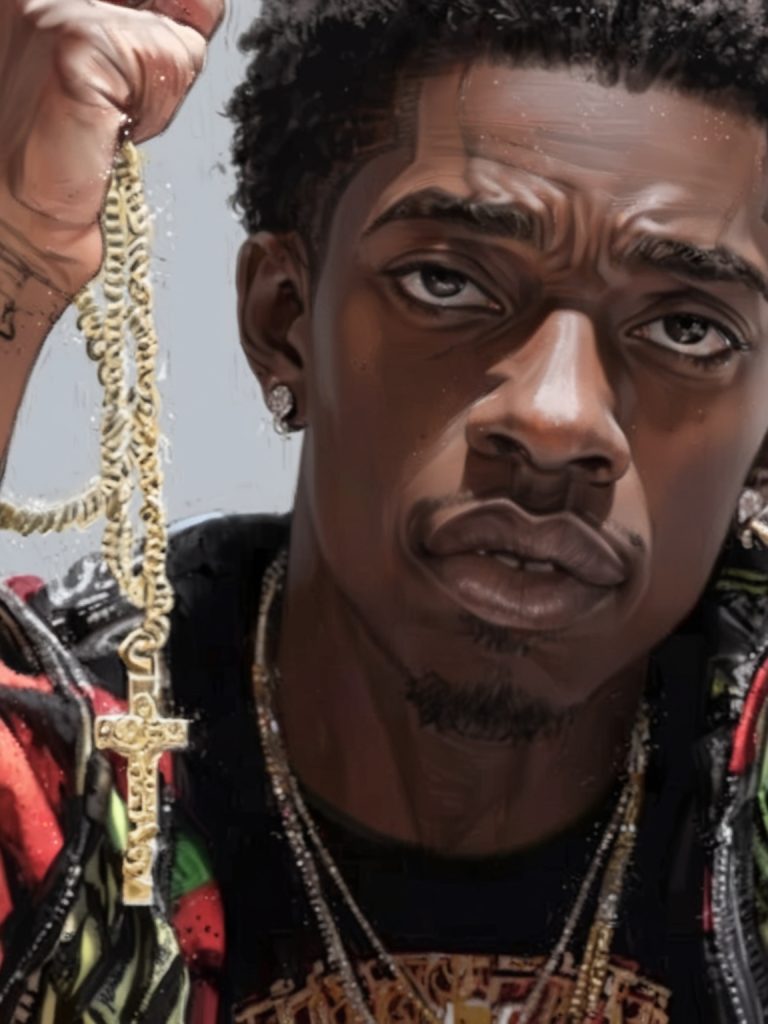
    Colt Gray – Who is he? Is he the troubled teen, the victim of circumstance, or the villain of his own story?

    Colt Gray’s identity seems to shift and morph with every passing headline. Is he the misunderstood soul, lost in a labyrinth of neglect and abuse? Or is he the cold-blooded killer, capable of such horrific acts?

    The answer, perhaps, lies somewhere in between. Colt Gray is a complex character of innocence and darkness, a paradox that defies easy categorization. He is a reflection of our society, a mirror held up to our fears and our failures just like Thomas Crooks…maybe?

    So, who is the real Colt Gray? Is he the boy who cried for help but was ignored? Or is he the monster who inflicted such pain upon others? The answer, it seems, is both, and neither. Colt Gray is a reminder that human beings are capable of both great good and great evil, and that the line between the two is often blurred.

    TL;DR

    • Prioritize mental health: Encourage early intervention for children struggling with mental health issues.
    • Strengthen gun control: Advocate for stricter gun laws to prevent access to firearms by individuals with dangerous intentions.
    • Improve child protection: Demand better resources and support systems for at-risk children and families.
    • Foster empathy and understanding: Promote compassion and understanding for individuals facing challenges.
    • Hold systems accountable: Encourage accountability for institutions that fail to protect vulnerable populations.

    When you hear about a 14-year-old involved in a school shooting, your first thought might be, “How did it come to this?” But for Colt Gray, the troubled Georgia teen accused of murdering two classmates and two teachers, the answer is rooted in a life of neglect, abuse, and a broken home. It’s a story that’s both heartbreaking and infuriating, shedding light on the failures of those around him.

    CategoryDetails
    NameColt Gray
    Age14 years old
    LocationJefferson, Georgia, USA
    Incident DateSeptember 7, 2024
    SchoolApalachee High School
    Charges4 counts of murder
    Casualties4 killed, 9 injured
    Victims2 students, 2 teachers
    WeaponAR-15 rifle (allegedly gifted by father)
    Family BackgroundTroubled, neglectful home, police involvement
    ParentsMarcee Gray (mother), Colin Gray (father)
    Previous IncidentsInvestigated for school shooting threats in 2023
    Mental HealthReported struggles, “begged for help”
    Legal ProceedingsCharged as an adult, bond hearing scheduled
    Community ImpactShock, calls for gun control, mental health focus
    This table provides an overview of Colt Gray’s background and the incident.

    A Childhood of Neglect

    Colt didn’t have the kind of childhood that builds strong, resilient individuals. Instead, he grew up in a home that could best be described as chaotic at best and abusive at worst. His mother, Marcee Gray, has a criminal record that would make anyone blush—domestic violence, drug possession, property damage, and even DUI charges. And his father, Colin Gray, despite perhaps trying his best, made the tragically poor decision to gift his troubled son an AR-15 rifle for Christmas. What could go wrong, right?

    According to former neighbors and landlords, Colt’s upbringing was marked by neglect and frequent visits from the police and child services. Lauren Vickers, who lived next door to the Gray family, recalls nights where Colt and his sister were locked out of the house, crying and banging on the door for their mother to let them in. Imagine that—a mother so disconnected that she couldn’t even let her children inside on cold nights.

    “It was constant abuse,” Vickers said. “It’s very, very sad.” And indeed, it is. But the real tragedy is that Colt’s cries for help went largely unheard. His aunt, Annie Brown, mentioned that Colt had been struggling with mental health issues and had been “begging for help from everybody around him.” But, as she put it, “the adults around him failed him.”

    The Making of a Tragedy

    So, how does a 14-year-old go from a neglected child to a school shooter? It’s a question that will likely haunt Colt’s parents, neighbors, and the entire community for years to come. The warning signs were there. In May 2023, the Jackson County Sheriff’s Office visited the Grays’ home after Colt allegedly threatened to shoot up his middle school on Discord. However, the case was closed after a few days because the police couldn’t confirm key details. And yet, despite this clear warning, Colt’s father bought him an AR-style assault rifle for Christmas later that year.

    Let that sink in. A child who had already been flagged for making threats was given a deadly weapon as a gift. If that isn’t a recipe for disaster, I don’t know what is.

    The tragedy culminated on a Wednesday at Apalachee High School in Winder, Georgia, where Colt allegedly opened fire, killing four people—two students and two teachers—and injuring nine others. The victims, identified as Teacher Richard Aspinwall, 39, Teacher Cristina Irimie, 53, Student Mason Schermerhorn, 14, and Student Christian Angulo, 14, didn’t stand a chance.

    My Take: The Unseen Villains

    Now, let’s get real for a moment. It’s easy to point fingers at Colt and label him a monster. But that’s too simple, too clean. The real monsters in this story are the systemic failures and the adults who should have known better. From his parents to child services, to the police, everyone who had a chance to intervene let this boy slip through the cracks.

    First off, let’s talk about his parents. Marcee, with her criminal background and substance abuse issues, was clearly unfit to care for her children. Locking them out of the house? Driving under the influence with her young son in the car? It’s hard to fathom how someone so irresponsible was allowed to retain custody. And Colin? Giving a troubled teen an assault rifle after he’d already been flagged for making threats? That’s not just bad judgment; it’s gross negligence.

    But they’re not the only ones to blame. What about the child services workers who responded to calls from concerned neighbors like Vickers? They came, they talked, and then… nothing. No follow-up, no action. It’s as if they were waiting for something terrible to happen before they’d step in.

    And let’s not forget the police. They visited the Grays’ home, knew about the guns, knew about Colt’s threats, and still didn’t see the need for more serious intervention. A polite suggestion to keep the firearms locked up and to keep Colt out of school until the matter was resolved? That’s it? How about, I don’t know, confiscating the weapons and ensuring the child gets the help he so desperately needed?
    A Community in Mourning

    In the aftermath of the shooting, the community is left reeling. Apalachee High School, once a place of learning and growth, is now scarred by tragedy. Sheriff Jud Smith captured the sentiment well when he said, “First and foremost, we wanna lift up our community, give our sympathies to our community, school system, kids, parents, that had to witness this today. Obviously, what you see behind us is an evil thing today.”

    But the evil isn’t just in Colt’s actions; it’s in the apathy and inaction of those who should have protected him—and by extension, his victims. The shooting didn’t happen in a vacuum; it was the end result of years of neglect, bad decisions, and missed opportunities.

    The Road Ahead: Lessons Unlearned?

    So, what happens now? Colt Gray will likely spend the rest of his life behind bars, and his parents may face their own legal consequences. But what about the bigger picture? Will this tragedy prompt any meaningful change, or will it just be another headline that fades into the background?

    Here’s the harsh truth: unless we start taking the warning signs seriously—unless we start holding parents, authorities, and systems accountable—this won’t be the last time we see a story like this. We need better support for at-risk youth, stricter gun control measures, and a child services system that doesn’t just go through the motions.

    Because if we don’t learn from this, we’re doomed to repeat it. And next time, it could be another community mourning its own senseless tragedy.

    Recent Events Related to School Shootings

    1. Oxford High School Shooting (2021): This Michigan school shooting resulted in four deaths and seven injuries, prompting increased scrutiny of school security measures and the role of parents in preventing such tragedies.
    2. Uvalde, Texas School Shooting (2022): This devastating event, which claimed the lives of 19 elementary school students and two teachers, sparked widespread outrage and calls for stricter gun control laws.
    DateSchoolCasualtiesShooter
    Feb 14, 2018Marjory Stoneman Douglas HS17 killed, 17 injuredNikolas Cruz
    May 18, 2018Santa Fe High School10 killed, 13 injuredDimitrios Pagourtzis
    Nov 14, 2019Saugus High School2 killed, 3 injuredNathaniel Berhow
    Mar 24, 2021Boulder King Soopers Shooting*10 killedAhmad Al Aliwi Alissa
    Nov 30, 2021Oxford High School4 killed, 7 injuredEthan Crumbley
    May 24, 2022Robb Elementary School21 killed, 17 injuredSalvador Ramos
    Jan 6, 2023Richneck Elementary SchoolTeacher shot, survived6-year-old student
    May 7, 2023Vladislav Ribnikar Elementary9 killed, 7 injured13-year-old student
    Aug 28, 2023Edward Waters University*3 killedRyan Christopher Palmeter
    Sep 7, 2024Apalachee High School4 killed, 9 injuredColt Gray
    Note: Some incidents may have occurred near schools but have significant impacts on school communities. This list represents only a selection of events.

    These recent events underscore the ongoing problem of mass shootings in the United States and the urgent need to address the underlying causes, such as gun violence, mental health issues, and systemic failures. They provide relevant context for the article’s discussion of the Georgia school shooting and the broader issue of preventing such tragedies.

    Final Thoughts: A Broken System

    Colt Gray, a name forever etched in the annals of tragedy. But is he truly the villain of his own story? Or is he a victim of circumstances beyond his control? The answer, as with many complex questions, is a nuanced one.

    As we delve deeper into the complexities of Colt Gray’s life, we are forced to confront our own biases and preconceptions. Are we quick to judge, or do we strive to understand? Do we see the monster, or do we see the human being?

    The real Colt Gray is a reflection of ourselves. He is a reminder that we are all capable of both good and evil, and that the line between the two is often blurred. He is a call to action, a challenge to examine our own lives and the world around us with greater empathy and compassion.

    So, let us not rush to judgment, but let us strive to understand. Let us seek to create a world where every child, regardless of their circumstances, has the opportunity to thrive. And let us remember that the real Colt Gray, the one who truly matters, is the one who lives on in our hearts and minds.

    For more thought-provoking articles on similar topics, be sure to check out our True Crime section.

    Atlanta Rapper Rich Homie Quan Dies at 34

    0

    The city of Atlanta, renowned for its vibrant music scene and iconic figures, has suffered a profound loss. Rich Homie Quan, a beloved rapper who defined the sound of Southern hip-hop, has tragically passed away at the age of 34. His untimely demise has sent shockwaves through the music industry and beyond, leaving fans and fellow artists in mourning.

    Quan, whose real name was Dequantes Devontay Lamar, was more than just a musician; he was a cultural icon. His music, characterized by its infectious melodies and relatable lyrics, resonated with audiences around the world. From his breakout hit “Type of Way” to his numerous collaborations with other Atlanta legends, Quan’s contributions to the music scene are undeniable.

    TL;DR

    • Rich Homie Quan, a prominent Atlanta rapper, has tragically passed away at the age of 34.
    • His music, known for its infectious melodies and relatable lyrics, resonated with audiences worldwide.
    • Quan faced challenges throughout his career, including personal struggles and the pressures of fame.
    • His death serves as a reminder of the importance of mental health and support systems within the music industry.
    • Let’s celebrate Quan’s legacy and continue to support the artists who follow in his footsteps.

    In a shocking turn of events, the Atlanta music community is mourning the loss of Dequantes Devontay Lamar, better known by his stage name, Rich Homie Quan. At just 34 years old, this talented rapper, who helped shape the sound of Southern hip-hop, has passed away. The Fulton County Medical Examiner’s Office confirmed the news to FOX 5, sending ripples of grief and shock through social media and beyond.

    The Sudden Announcement

    As news of his death broke early Thursday afternoon, social media platforms were flooded with posts and tributes. One of the first to break the news was Thugger Daily, a social media account that’s become something of an unofficial chronicler of the Young Thug and YSL trial. The account’s post quickly went viral, with fans and fellow artists expressing their shock and sadness.

    The Circumstances Surrounding His Death

    While TMZ reported that Rich Homie Quan’s family disclosed he died at his home on Thursday, the exact cause of death remains unconfirmed. Some reports suggest a drug overdose, but this has yet to be officially corroborated. The Fulton County Medical Examiner has scheduled an autopsy for Friday, September 6, which may provide more definitive answers.

    The Rise of Rich Homie Quan: From Baseball Dreams to Rap Royalty

    Rich Homie Quan’s journey into the music industry is one of grit, determination, and undeniable talent. Born on October 4, 1989, in Atlanta, Quan initially had dreams of becoming a professional baseball player. He played the sport while attending Ronald McNair Sr. High School and briefly pursued higher education at Fort Valley State University. However, financial struggles led him to drop out, and his focus shifted from sports to music.

    Quan’s foray into the world of hip-hop began in 2011 when he started making a name for himself in Atlanta’s vibrant trap music scene. His breakthrough came in 2013 with the hit single “Type of Way,” which catapulted him into the mainstream. The song was more than just a commercial success; it became an anthem, resonating with listeners across the country.

    A Career Marked by Highs and Lows

    Following the success of “Type of Way,” Quan continued to release music that showcased his unique style—a blend of melodic flow and catchy hooks that became his signature. In 2015, he released another hit, “Flex (Ooh, Ooh, Ooh),” which peaked at No. 26 on the Billboard Hot 100. These tracks solidified his place in the rap world, earning him nominations for various BET Hip Hop Awards, including Best New Artist and Best Club Banger, as well as an iHeartRadio Music Award for Hip Hop Song of the Year in 2016.

    But Quan’s career wasn’t without its challenges. In 2014, his father, Corey Lamar, was shot at his barbershop—a traumatic event that undoubtedly left a mark on the rapper. Despite personal setbacks, Quan continued to collaborate with other artists, including Young Thug and 2 Chainz, and was a key player in the Cash Money Records project, “Rich Gang.”

    However, his involvement in the music industry also brought him into the orbit of legal troubles. In 2017, he was stopped by police in Louisville, Georgia, where multiple drugs were found in his vehicle. Charged with felony drug possession with intent to distribute, Quan’s case was later dismissed, but the incident cast a shadow over his career.

    Rich Homie Quan’s Involvement in the YSL RICO Trial

    Rich Homie Quan’s name also surfaced in the high-profile Young Thug and YSL RICO trial. During the proceedings, former star witness Kenneth “Lil Woody” Copeland admitted that he and a friend, known as “Threat,” were responsible for a shooting that prosecutors attempted to link to Young Thug. However, Copeland testified that Young Thug had no involvement in the crime, distancing the rapper from the incident.

    While Quan himself was not directly implicated in this particular case, his association with the individuals involved highlights the often complex and dangerous world that many rappers navigate—a world where the lines between music, personal life, and legal issues can blur.

    Reflecting on a Legacy: Rich Homie Quan’s Impact on Music

    Rich Homie Quan’s contributions to music cannot be understated. His unique sound and emotional delivery resonated with a generation of hip-hop fans, influencing countless artists who followed in his footsteps. Variety once described him as part of a “rising generation of rappers who delivered songs with intense emotion and fiery passion.” Indeed, Quan’s music was more than just catchy hooks and beats; it was a reflection of his life experiences, struggles, and triumphs.

    As we reflect on his legacy, it’s clear that Quan’s impact on the music industry was significant. His collaborations with artists like Young Thug, 2 Chainz, Gucci Mane, and others helped shape the sound of Atlanta’s hip-hop scene in the 2010s. Though his life was tragically cut short, his music will undoubtedly live on, continuing to inspire and influence future generations of artists.

    My Take

    Now, let’s take a step back. I can’t help but wonder about the pressures Quan faced throughout his career. The music industry, while glamorous, is also notoriously demanding and, at times, ruthless. The constant need to stay relevant, coupled with personal struggles—like the shooting of his father and legal issues—undoubtedly took a toll on him. We often forget that behind the fame and success, these artists are human beings, grappling with their own set of challenges.

    Rich Homie Quan’s story is a stark reminder of the importance of mental health and the need for support systems within the industry. It’s easy to get caught up in the allure of fame, but without proper care and guidance, the pressures can be overwhelming.

    Related Recent Events

    1. Young Thug and YSL RICO Trial:
      • Reference: https://www.nytimes.com/2024/08/12/arts/music/young-thug-ysl-trial-resume.html
      • Description: The ongoing trial of Young Thug and members of his YSL collective continues to make headlines. While Rich Homie Quan was not directly involved in the trial, his association with the group and the broader Atlanta rap scene provides context for understanding the challenges faced by many artists in the region.
    2. Trap Music’s Continued Popularity:
      • Reference: https://www.billboard.com/charts/rap-song/
      • Description: Trap music, a genre that Rich Homie Quan helped define, remains incredibly popular. The continued success of trap artists highlights the enduring influence of Quan and his contemporaries on the music industry.
    3. Discussions on Mental Health in the Music Industry:

    A Talent Gone Too Soon

    As we await the results of the autopsy, the loss of Rich Homie Quan is already deeply felt by his fans, friends, and family. He was more than just a rapper; he was a father, a son, and a friend to many. His music, filled with emotion and passion, will remain a testament to his talent and the impact he had on the world of hip-hop.

    Rest in peace, Rich Homie Quan. Your voice may be silenced, but your legacy will continue to echo through the music you left behind.

    Queen Woo Sex Scenes Steal the Throne: Behind All The Porn

    0

    When a historical drama promises a tale of political intrigue and royal power, you might expect swords, schemes, and perhaps a few stolen glances. But Queen Woo has taken a different approach, offering a more… explicit interpretation of “royal power.”

    With its scandalous sex scenes and eyebrow-raising content, the series has sparked debates about the limits of artistic expression, the role of historical accuracy, and, well, the sheer amount of nudity one can cram into a single episode. Is Queen Woo a groundbreaking exploration of female sexuality, or is it simply a well-produced porn film with a historical backdrop?

    TL;DR

    • Don’t expect a traditional historical drama. Queen Woo is more focused on explicit content than political intrigue.
    • Consider cultural context. The explicit content might be perceived differently in South Korea compared to Western cultures.
    • Decide what you’re looking for. If you’re seeking a traditional historical drama, Queen Woo might not be for you.
    Queen Woo steamy scene: Screen Grab – TVING

    Let’s be honest—historical K-Dramas usually serve up political intrigue, elaborate costumes, and maybe a sword fight or two. But Queen Woo, a much-anticipated series, decided to flip the script, adding explicit sex scenes, lesbians, and, yes, an overabundance of “boobs” to the mix. It might sound like a recipe for gripping TV, but as viewers quickly found out, the balance between history and sensationalism fell apart faster than you can say “plot twist.”

    So, what’s the deal with Queen Woo? Well, the show premiered on August 29, 2024, with all the ingredients of a solid K-Drama: A strong female lead, a dramatic setting in ancient Goguryeo, and a stellar cast featuring Jeon Jong Seo, Ji Chang Wook, and Kim Mu Yeol. However, instead of focusing on Queen Woo’s political maneuvering and the kingdom’s power struggles, the series somehow managed to put sex and nudity front and center.

    Now, if you came for the history, you might be thinking: Where’s the actual story? Oh, it’s in there—somewhere. But you’ll have to sift through a lot of unnecessary explicit scenes to find it.

    Queen Woo steamy scene: Screen Grab – TVING

    Queen Woo: All Sex, No Substance?

    Let’s not sugarcoat things: The drama has been called out by critics and viewers alike for relying too much on explicit content. According to a review by TENASIA, Queen Woo could have been a ground-breaking historical drama focused on a queen’s quest for power. But instead, it opted to go the “sex sells” route.

    For example, Episode 1 kicks off the series with a bang—literally. You get a few glimpses of the historical setting, but then it veers sharply into graphic territory. It almost feels like the drama was trying to make sure everyone knew it had an R-rating right off the bat.

    If you’re wondering why this is a problem, it’s because Queen Woo had real potential. The story is about Queen Woo Hui, a widowed queen, who must leave the palace after the king’s death to choose the next ruler. It’s a narrative packed with political intrigue, strategy, and power dynamics. But instead of watching Queen Woo flex her political muscles, we get extended sex scenes. It’s like trying to watch a royal chess match, only to have someone constantly waving a neon sign that reads, “Look! More boobs!”

    The “Game of Thrones” Syndrome

    Here’s where it gets tricky. A lot of viewers have drawn comparisons between Queen Woo and Game of Thrones. And, to be fair, Game of Thrones is a natural comparison whenever there’s a mix of politics, power, and, well, lots of naked people. But whereas Game of Thrones managed to balance its risqué content with complex characters and a rich plot, Queen Woo feels like it’s using nudity as a crutch.

    In fact, Reddit users didn’t hold back in their critiques, with one commenter saying, “It’s like someone watched Game of Thrones and thought, ‘What this needs is less plot and more boobs.’” Ouch.

    It’s clear that viewers expected more depth from Queen Woo. Historical K-Dramas are known for their ability to mix action, romance, and political intrigue in a way that feels engaging and meaningful. Unfortunately, this series seems to be using explicit scenes as a shortcut to grab attention, rather than focusing on what really makes a historical drama shine: the story.

    Queen Woo steamy scene: Screen Grab – TVING

    Can Part 2 Redeem It?

    With all this said, Part 2 of Queen Woo is still on the horizon. Slated for release on September 12, 2024, there’s still hope that the series can shift its focus from shock value to substance. After all, the remaining episodes could delve deeper into Queen Woo’s actual role as a political player. We might finally see her step into the spotlight as a powerful and cunning ruler, choosing the next king not just with her hands, but with her mind.

    However, given what we’ve seen so far, there’s a chance the second half might double down on the same formula: more sex, less story. Only time will tell if Queen Woo can strike the right balance between historical drama and titillation, or if it will continue to disappoint fans who expected more from its premise.

    My Take: Was It Really Necessary?

    Now, let’s talk about the elephant in the room—or, should I say, the unnecessary nudity? In my view, Queen Woo missed an opportunity to be something truly exceptional. It could have been a K-Drama that put a strong female lead front and center, showing her outsmarting rivals and solidifying her place in history. Instead, it chose to be provocative for the sake of it.

    Don’t get me wrong—sex scenes can be used effectively in storytelling. When done right, they can add depth to characters and advance the plot. But here? It feels more like a distraction than anything meaningful. The show has Queen Woo, a potentially groundbreaking character, yet it keeps sidelining her with explicit content that doesn’t serve the story. It’s like trying to enjoy a gourmet meal, only to have someone constantly offering you junk food on the side.

    My advice to the creators of Queen Woo? If you want viewers to take your historical drama seriously, give them a story worth following. You’ve got a great cast, an intriguing setting, and a queen who deserves more screen time for her intellect, not just her looks. So, maybe tone down the gratuitous scenes and let the actual drama take center stage.

    What Can Viewers Expect Next?

    If you’re still on the fence about watching Part 2, I’d say there’s a glimmer of hope. The remaining episodes might focus more on the politics and power plays that should have been the heart of the series from the beginning. There’s still time for Queen Woo to recover from its shaky start.

    Of course, if you’re tuning in solely for the explicit content, you’ll probably get more of the same. But for those hoping to see Queen Woo’s true potential as a political player and historical figure, fingers crossed that Part 2 will deliver more than just “boobs out of nowhere.”

    Is Queen Woo a groundbreaking historical drama or a glorified soft-core porn flick? The answer, like many things in life, is a bit of both. While the series offers glimpses of intriguing political intrigue and strong female characters, it’s undeniable that the explicit content often overshadows the narrative.

    Whether you’re drawn to the controversy, the historical setting, or simply the, uh, visuals, Queen Woo is a series that will undoubtedly spark debate. But one thing is for sure: it’s a far cry from the traditional historical dramas we’re used to.