
More
    Home Blog Page 66

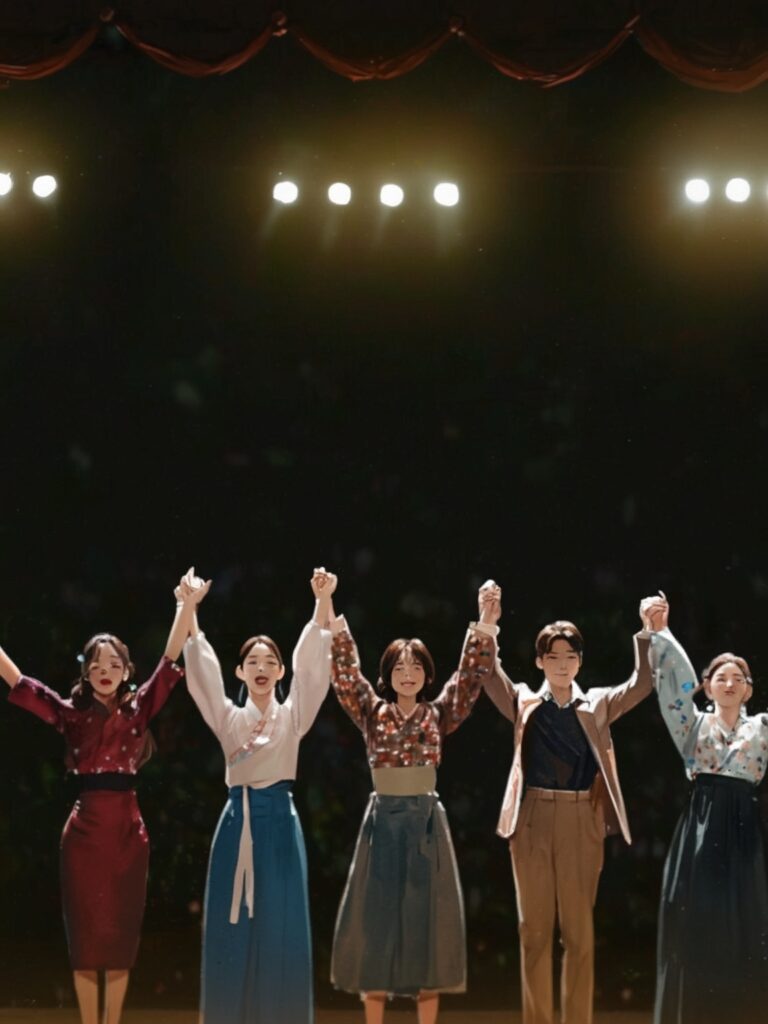
    Jeongnyeon – The Star is Born Finale

    0

    Our favorite stars have danced through trials and triumphs, learning to sparkle in their own unique ways without dimming the shine of others. But as the world shifts around them, it’s time to let go of the stage they’ve called home and embrace the uncertainty of what lies ahead. Let’s dive into the emotional and captivating conclusion of Jeongnyeon – The Star is Born.

    TL;DR

    • Jeong-nyeon’s Comeback: Jeong-nyeon returns to the gukgeuk troupe, where she must reignite morale and face an entrance challenge against Young-seo.
    • A Tough Farewell: Ju-ran’s emotional exit due to family obligations brings a tearful goodbye and a heartfelt performance.
    • Final Performance: Despite struggles, the troupe unites for one last, breathtaking show that leaves the audience in awe.
    • Themes of Resilience: The story highlights pursuing dreams, supporting one another, and finding individuality in a fading art form.
    • The Journey’s Message: Even in endings, creativity and passion inspire, leaving a legacy that shines on forever.

    The Gukgeuk Troupe: A Shadow of Its Former Glory

    Jeong-nyeon’s return to the gukgeuk troupe is far from the triumphant homecoming she might have imagined. Sure, there’s good news—Young-seo, Ju-ran, and Cho-rok have earned their promotions to full-fledged actresses. But the troupe itself is on shaky ground. With Ok-gyung’s abrupt departure, debt has piled up like a bad comedy of errors, and even the scriptwriter has jumped ship. What’s left is a shadow of the once-vibrant troupe, teetering on the edge of collapse.

    When Troupe Leader Kang meets with a supposed investor, things go from bad to worse. The investor, a former actress with a bitter vendetta, has no interest in saving the troupe. Instead, she and her shady partner, Mr. Go, aim to take over the property. The stress of it all pushes Troupe Leader Kang to her breaking point, leaving the group in desperate need of a savior.

    Rallying the Spirits: Jeong-nyeon’s Big Comeback

    Cue Jeong-nyeon, determined to lift morale and bring a spark of hope to the troupe. To officially rejoin, she must pass an entrance exam—but she decides to turn this mundane task into a spectacle. She proposes a public performance to rally interest, and Young-seo ups the stakes by suggesting a competition: whoever draws the largest crowd wins. If Jeong-nyeon loses, she’s out for good. Classic Young-seo, right? Yet this time, the challenge carries a friendly, almost mischievous edge.

    Despite Young-seo’s initial lead, Jeong-nyeon wows the crowd with her unique blend of acting and movement, filling the gaps in her voice with raw emotion. Her victory isn’t just a personal win; it reignites hope within the troupe and gives Troupe Leader Kang the push she needs to keep going.

    Ju-ran’s Heartbreaking Farewell

    Amidst the triumphs, heartbreak looms. Ju-ran is being forced into a marriage to secure her family’s financial stability, a reality she can’t bring herself to confess outright. Instead, she orchestrates a farewell disguised as a rehearsal, using the words of her character to say goodbye. Jeong-nyeon, ever perceptive, senses the truth but struggles to confront it.

    Their eventual farewell is gut-wrenching, filled with unspoken emotions. Ju-ran’s tearful goodbye to Young-seo is a testament to the deep bond they’ve shared, and her final embrace with Jeong-nyeon leaves a lingering ache. The poignancy of their connection, while never explicitly romantic, resonates deeply.

    One Last Curtain Call

    With Ju-ran gone, the troupe prepares for what may be their final performance. Troupe Leader Kang sells the property to pay off debts, while Young-seo sacrifices her pride to secure funds—though the troupe ultimately refuses the money. The spirit of camaraderie takes center stage, with everyone pitching in to make this last show unforgettable.

    Cho-rok steps into the role of the female lead, while Jeong-nyeon and Young-seo vie for the male lead. Jeong-nyeon’s audition is so breathtaking that even Young-seo concedes, taking on the antagonist’s role instead. The parallels between their onstage rivalry and real-life dynamics add layers of depth to the performance.

    The Grand Finale: A Masterpiece in Motion

    The troupe pours everything into their final show. Gone are the backstage rivalries; instead, mutual support and shared passion define their efforts. The highlight? Jeong-nyeon’s climactic scene, where she delivers a performance so powerful it leaves the audience in stunned silence before erupting in applause. The show ends on this high note, with a monologue reflecting on the future of gukgeuk:

    “These stars that graced the gukgeuk stage would go on to continue their paths as artists… Life is long, thus the stage is forever. The stars have merely dispersed, not disappeared, and they will shine on in the vast night.”

    My Take: A Bittersweet Perfomance

    Now, let’s talk honestly. This finale had everything—tears, triumphs, and the kind of performances that stay with you. But as much as I loved it, I couldn’t help but wish for a bit more breathing room. The rapid pacing, especially with Ju-ran’s departure, left some emotional threads feeling slightly rushed.

    And let’s address the elephant in the room: the unspoken queer undertones. The show danced around these relationships with subtlety, but wouldn’t it have been refreshing to see them explored more openly? The chemistry between characters like Ju-ran and Jeong-nyeon deserved more than lingering gazes and unsaid words.

    That said, the story nailed its central theme: finding your own light amidst change and uncertainty. Jeong-nyeon’s journey reminds us that success isn’t about replicating someone else’s greatness but embracing what makes you unique. Even when life forces you off your chosen path, there’s value in the pursuit of your dreams.

    Why This Story Resonates

    At its core, Jeongnyeon is a love letter to art and resilience. It acknowledges the harsh realities of chasing a dream—financial instability, personal sacrifices, and societal expectations—but doesn’t let them overshadow the joy of creation. Whether or not you stand on a literal stage, the story’s message is universal: your passion matters, even if the world doesn’t always applaud it.

    So, what’s the takeaway? Don’t wait for perfect circumstances to pursue what you love. Life may not give you a standing ovation, but it’s the small moments—the shared laughs, the hard-earned victories, the connections you build—that truly shine.
    15 Suspects Walked Away with a Deal in Singapore’s Biggest Money Laundering Scandal

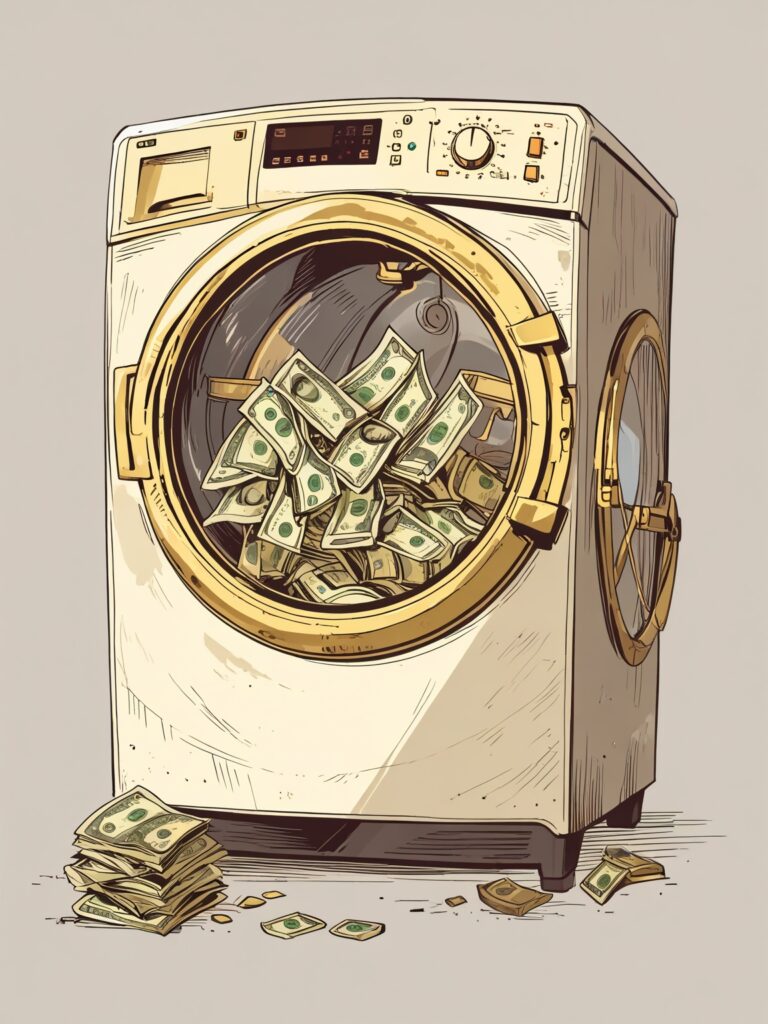
    Fifteen shadowy figures, cloaked in mystery, slipped away from Singapore’s high-stakes game of cat and mouse. In a twist that would make a Hollywood screenwriter blush, these alleged money launderers walked away scot-free, leaving behind a trail of ill-gotten gains and a city-state scratching its head.

    It’s a tale of billion-dollar heists, luxury lifestyles, and legal loopholes. A story where the rules of the game seem to bend, and the biggest winners aren’t always the most honest. As the dust settles on Singapore’s biggest money laundering scandal, we’re left to ponder: is justice truly blind, or does it wear a blindfold made of gold?

    TL;DR

    1. A Billion-Dollar Mystery: Singapore’s largest money laundering scandal involves a staggering sum of illicit funds.
    2. The Vanishing Act: Key suspects in the case mysteriously disappeared, evading justice.
    3. A Deal with the Devil?: The authorities struck a controversial deal with the fugitives, allowing them to forfeit assets without facing charges.
    4. A Flawed System?: The scandal exposes vulnerabilities in Singapore’s robust financial system and raises questions about its effectiveness.
    5. A Lesson Learned?: Singapore must strengthen its regulatory framework and international cooperation to prevent future such incidents.

    A Scandal Like No Other

    In a city-state known for its squeaky-clean image and rigid rule of law, Singapore’s largest-ever money laundering scandal has left everyone scratching their heads. The numbers are mind-boggling—S$3 billion in illicit wealth, assets forfeited worth S$1.85 billion, and suspects walking away without a single charge. That’s right, folks. It’s like a blockbuster movie, but with less action and more luxury cars, golf club memberships, and gold bars. Let’s dive into what went down, why it matters, and what it says about justice in a globalized world.

    The Big Players and the Bigger Loot

    It all started in August 2023 when Singapore police arrested 10 individuals born in China, accused of laundering staggering amounts of money. Meanwhile, 17 other suspects vanished faster than you can say “offshore account.” These foreign nationals were allegedly neck-deep in schemes involving illegal gambling and unlicensed money lending in China. The funds? Spent on everything from posh real estate to collectible gold bars.

    Fast forward to now: 15 of the 17 fugitives have agreed to surrender S$1.85 billion worth of assets. What’s the catch? They won’t face any charges, but they’re also permanently barred from returning to Singapore. In simpler terms, they’re grounded for life—but in a mansion somewhere else.

    Why the Deal Was Struck

    Here’s where it gets sticky. The Singapore Police Force explained that extraditing the suspects would be next to impossible. Their whereabouts remain a mystery, and the evidence is, let’s just say, “less than robust.” Singapore’s public prosecutor even advised against pursuing legal action due to these challenges.

    Oh, and those flashy red Interpol notices? Withdrawn. Yes, the global alarms have been silenced. It seems this scandal’s conclusion hinges on pragmatism, not dramatic courtroom battles.

    The Fallout: More Than Just Frozen Assets

    While the cases of the 15 fugitives are closed, two individuals remain under investigation. Their assets, totaling S$144.9 million, are frozen tighter than a bank vault. Meanwhile, Singapore’s banking sector, real estate agents, and financial institutions are still reeling from the scandal’s fallout. After all, the revelation that luxury homes and club memberships were being snapped up with dirty money is not exactly a confidence booster for an aspiring global financial hub.

    “The rich always seem to have a way out, don’t they? If I stole a pack of gum, I’d probably be hauled off to jail, but these people launder billions and walk away with a handshake deal. It makes you wonder if justice is just another luxury item these days—reserved for those who can afford it. Meanwhile, the rest of us are left to pick up the pieces of a system that clearly plays favorites.” – Priya Tan, 32, Singapore

    Lessons in Luxury and Loopholes

    The scandal revealed glaring vulnerabilities in Singapore’s regulatory framework. How did these individuals manage to launder billions right under the nose of one of the world’s strictest financial systems? Clearly, it’s time for a review. The Monetary Authority of Singapore and other watchdogs must step up to tighten their checks.

    What’s My Take? A Little Perspective

    Let’s not mince words—this case leaves a bitter aftertaste. On one hand, Singapore avoided a potentially endless and costly legal pursuit. On the other, the decision to let these suspects off without charges might send a troubling message: if you’re rich enough, you can negotiate your way out of trouble.

    But let’s consider another angle. Singapore’s pragmatic approach—seizing assets and barring entry—might actually be smarter than pursuing untraceable suspects. Think of it as damage control rather than a full-blown battle. Still, the fact that these individuals got away without serving time isn’t exactly comforting.

    Moving Forward: What Needs to Change?

    1. Enhanced Oversight: Financial institutions need stricter regulations and better tools to detect suspicious transactions in scams.
    2. Global Cooperation: Money laundering is a cross-border crime. Singapore must collaborate more effectively with international agencies to track suspects.
    3. Transparency: Authorities should offer more clarity about such cases. The public has the right to understand the reasoning behind these deals.

    Justice or Just Business?

    This case is a wake-up call for Singapore and the global community. It highlights how money, power, and international loopholes often outmaneuver justice. While the city-state has managed to recover billions, the lack of accountability for the culprits leaves room for skepticism.

    At the end of the day, Singapore remains a symbol of order and efficiency, but this scandal has shown that even the mightiest systems have their blind spots. It’s a lesson for all of us—not just about crime and punishment, but about the cost of compromise in a world where money often speaks louder than morals.

    Behind Qoo10’s Collapse

    0

    Qoo10, once a rising star in the e-commerce galaxy, has now become a cautionary tale. It’s a story of ambition, missteps, and the harsh reality of the digital marketplace. Like a house of cards built on shaky foundations, Qoo10’s empire crumbled under the weight of its own aspirations.

    TL;DR

    • Diversification can be risky: Expanding too quickly can strain resources and lead to financial instability.
    • Transparency is crucial: Open communication with stakeholders is essential for maintaining trust and loyalty.
    • Prioritize customer experience: A strong focus on customer satisfaction is key to long-term success.
    • Ethical business practices are non-negotiable: Misleading customers and suppliers can have severe consequences.

    The recent turmoil surrounding Qoo10 has left many scratching their heads. How did a once-thriving e-commerce giant in Singapore end up on the brink of collapse? Let’s break it down, complete with insights, a dash of wit, and some lessons for anyone running a business—or just shopping for a deal online. Buckle up, because this story is part corporate strategy, part drama, and entirely fascinating.

    The Rise of Qoo10: From Pioneer to Powerhouse

    Source: https://www.qoo10.sg/

    Before Shopee and Lazada started dominating our screens with catchy jingles and celebrity endorsements, there was Qoo10. Founded in 2012, Qoo10 quickly became a game-changer, offering an online marketplace that connected consumers and retailers. Back then, online shopping was clunky, risky, and about as organized as a toddler’s toy bin. Qoo10 brought order, variety, and trust to the chaos, winning over Singaporeans long before Amazon’s full-fledged entry into the local market.

    For years, Qoo10 was the go-to platform, setting the stage for the e-commerce revolution. It wasn’t just a shopping site; it was the spark that ignited a cultural shift toward online retail.

    The Strategy That Backfired: Acquisition Spree

    As the competition heated up with Shopee and Lazada gaining ground, Qoo10 took a different route. Instead of flashy ads or free shipping wars, they went on a shopping spree of their own—buying up other e-commerce platforms. Among their purchases were:

    • TMON (2022): A South Korean marketplace.
    • WeMakePrice (2023): Another Korean platform.
    • Wish (2024): A U.S.-based discount shopping platform, acquired for a whopping USD $173 million in cash.

    On paper, these acquisitions seemed brilliant. By snapping up competitors, Qoo10 appeared to be building an empire. But here’s the twist: this empire was more like a house of cards. The funds for these purchases, as we later learned, came from questionable sources, including redirected payments meant for merchants on their platforms.

    The Cracks Begin to Show

    Source: WeMakePrice

    In July 2024, whispers of delayed payments to merchants surfaced. First, it was WeMakePrice, where merchants claimed they hadn’t been paid since May. Then TMON followed suit. By mid-July, South Korean authorities were investigating, and the situation spiraled. Merchants fled, authorities issued loans to affected businesses, and Qoo10’s CEO, Young-bae Ku, was called for an emergency hearing.

    Source: TMON

    During this hearing, Ku admitted that funds from WeMakePrice and TMON had been used to buy Wish—a staggering revelation. Although he claimed the money was returned, the damage was done. Trust evaporated, and the domino effect began.

    From the text found on the TMON and WeMakePrice

    고객님께 사과와 안내 말씀 드립니다.

    현재 티몬 앰은 운영되고 있으나 고객, 파트너사의 혹시 발생할 수 있는
    주가 피해를 막고자 당분간 주문 불가할 수 있는 점 유의하시기를 바랍니다.
    아울러 사용할 수 없어 소멸한 적립금의 경우 추후 재지급될 수 있도록 할 예정이오니

    참고해 주시면 감사드리겠습니다.

    심려와 불편을 끼쳐드려 죄송합니다.

    This translates to:

    “We would like to apologize and inform our customers.

    Currently, Timon is in operation, but we are aware of any potential issues that may arise with customers and partners.

    Please note that orders may not be available for the time being to prevent stock price damage.
    In addition, we plan to allow for the points that have expired and cannot be used to be reissued at a later date.

    I would appreciate your consideration.

    We apologize for any inconvenience or inconvenience caused.”

    The Fallout Hits Singapore

    Source: https://www.qoo10.sg/

    For a while, Singapore seemed insulated from the chaos. Qoo10 continued operating, and shoppers remained blissfully unaware. But by mid-August, cracks appeared closer to home:

    • Mass layoffs hit Qoo10’s Singapore headquarters, with over 80% of staff reportedly let go.
    • Merchants began reporting payment delays.
    • By September, the Singapore Police and the Monetary Authority of Singapore (MAS) got involved.

    MAS eventually suspended Qoo10’s payment services, effectively cutting off their ability to process transactions. This was the beginning of the end.

    “I used to love Qoo10. It was my go-to for everything, from gadgets to groceries. But lately, things have been weird. Orders are delayed, customer service is a nightmare, and now this? It’s like watching a once-great company crash and burn. I guess even online giants aren’t invincible.” – Sarah Ho, 32, Singapore

    Lessons from the Qoo10 Saga

    Source: https://www.qoo10.sg/

    Here’s where the Mr-Know-All in me comes out: what can we learn from this? Plenty.

    1. Diversification is a Double-Edged Sword: Expanding through acquisitions is risky if not backed by strong financials. Qoo10’s aggressive buying spree was like maxing out your credit cards to buy businesses—it works until the bill comes due.
    2. Transparency Is Key: When merchants started experiencing payment delays, Qoo10’s initial response was to blame “technical glitches.” The truth eventually came out, but by then, their reputation was in tatters.
    3. Don’t Put All Your Eggs in the “Cash Basket”: Paying USD $173 million in cash for Wish might have seemed bold, but it drained resources that were desperately needed elsewhere.
    4. Trust Is Everything in E-Commerce: Platforms like Qoo10 thrive on trust—between the platform, its merchants, and its customers. Once that trust is broken, recovery is nearly impossible.

    My Take: A Slow-Motion Train Wreck

    Honestly, the signs were there all along. Qoo10’s focus on acquisitions over customer experience was a gamble that didn’t pay off. Instead of adapting to compete with Shopee and Lazada’s savvy marketing and seamless user experiences, Qoo10 tried to buy its way to the top.

    Here’s the kicker: this wasn’t just poor strategy—it was hubris. When you’re at the top, it’s easy to think you’re invincible. But as we’ve seen, even the mighty can fall, especially when their foundation is as shaky as Qoo10’s turned out to be.

    What Happens Next?

    As of now, Qoo10’s future looks bleak. With investigations ongoing in both Singapore and South Korea, the platform’s operations have ground to a halt. Merchants are still waiting for payments, employees have been laid off, and the company’s reputation is beyond repair.

    Could someone buy the remnants of Qoo10 and rebuild it? Perhaps. But it would take a miracle—and some deep pockets—to restore trust and viability.

    Finally

    The Qoo10 saga is a caution for businesses and consumers alike. For businesses, it’s a reminder that growth should never come at the expense of sustainability. For consumers, it’s a lesson in choosing platforms wisely—because when things go south, it’s the merchants and shoppers who pay the price.

    And to think, all of this could’ve been avoided if someone had just asked, “Can we really afford this?”

    Jake Paul vs. Mike Tyson: A Circus Match?

    0

    It was a spectacle, a sideshow, a boxing match—or something in between. When Jake Paul, the internet sensation turned pugilist, squared off against the legendary Mike Tyson, the boxing world was left scratching its head. Was it a clash of titans, or a carnival sideshow?

    On one side, we had the brash, young YouTuber, known more for his social media antics than his boxing prowess. On the other, the formidable force of nature, the former heavyweight champion of the world. It was a matchup that seemed straight out of a surreal dream.

    Was it a genuine fight, or a carefully orchestrated performance? A battle of skill, or a battle for attention? As the two stepped into the ring, the lines between sport and entertainment blurred. It was a spectacle that left many questioning the very essence of boxing.

    TL;DR

    1. Timing is crucial in boxing: Age and physical decline can significantly impact performance.
    2. Showmanship can outweigh skill: In today’s entertainment-driven world, charisma and marketing can make a big difference.
    3. Legacy matters: Consider the long-term impact of decisions on one’s reputation and legacy.

    The Fight That Got Everyone Talking

    Let’s dive into the gloves-off madness of Jake Paul and Mike Tyson, two names you wouldn’t expect to hear in the same boxing conversation. On one corner, we have Jake Paul—YouTube’s golden child turned “boxer.” On the other, Mike Tyson—the living legend whose name still sends chills down spines. What happens when these two worlds collide? Well, nothing extraordinary unless you count a payday dressed up as a fight.

    In this analysis, we’ll explore their backgrounds, break down the fight, and, of course, throw in some witty takes. Strap in, because this ride is as unpredictable as Jake Paul’s career choices.

    A Tale of Two Fighters

    Jake Paul: The Social Media Maverick

    Jake Paul was born in 1997 in Cleveland, Ohio, a year when floppy disks were still a thing. He rose to fame on Vine, a platform that could’ve been Twitter’s cooler sibling if it hadn’t been unceremoniously axed. Jake transitioned to YouTube, creating content filled with pranks, yelling, and what can only be described as reality TV’s chaotic younger cousin.

    In 2018, Jake Paul pivoted to boxing. He’s fought 12 times professionally, with a record of 11 wins and one loss. However, critics argue his career is more about entertainment than skill, with hand-picked opponents who either don’t box professionally or are past their prime.

    Controversy follows Jake like a shadow. From bizarre statements to questionable educational programs, he’s a master at turning drama into dollars.

    Mike Tyson: The Heavyweight Hurricane

    Mike Tyson’s story couldn’t be more different. Born in 1966 in Brooklyn, New York, Mike’s early life was marred by crime and hardship. By 20, he became the youngest heavyweight champion in history—a feat that still stands. With 50 wins, 44 knockouts, and a career spanning decades, Tyson is undeniably a boxing legend.

    However, Tyson’s personal life has been a rollercoaster of legal issues, financial woes, and bizarre incidents (ear-biting, anyone?). Despite his storied past, Tyson remains a beloved figure in the sport.

    The Fight: Showtime or Nap Time?

    On November 15, 2024, Jake Paul and Mike Tyson faced off at AT&T Stadium in Arlington, Texas. At 58 years old, Tyson stepped into the ring against a 27-year-old Jake Paul. The match had all the makings of a spectacle—flashy entrances, dramatic press conferences, and, of course, controversy.

    Here’s how the eight-round fight unfolded:

    1. Rounds 1–3: Tyson started strong but quickly slowed. Jake landed more punches, showcasing better stamina.
    2. Rounds 4–6: Tyson looked gassed, throwing fewer punches while Jake maintained control.
    3. Rounds 7–8: The fight turned into a snooze-fest. Jake landed more punches but didn’t press for a knockout. Tyson, barely moving, seemed to age three years with every jab.

    By the end, Jake Paul won via unanimous decision. It wasn’t a fight; it was a glorified sparring session.

    “The fight was like watching a high school drama club put on a Shakespeare play—it had all the theatrics but none of the substance. Jake Paul seemed more interested in playing the role of a villain, and Mike Tyson looked like he just wanted a nap. Honestly, I paid for a boxing match and got a comedy special instead. At least the nachos were good.” – Melissa Carter, 34, Denver, Colorado

    My Take: Was It Worth It?

    Let’s be real: this fight wasn’t about boxing—it was about money and spectacle. Jake Paul earned a whopping $40 million, while Tyson walked away with $20 million. And the audience? Well, they paid to watch an underwhelming display of missed punches and lost potential.

    Jake Paul’s strategy is clear. He’s transforming boxing into professional wrestling, prioritizing theatrics over technique. And it’s working—he’s pulling in younger audiences who couldn’t tell a jab from a cross.

    Tyson, on the other hand, shouldn’t have been there. Watching him struggle was like watching a beloved rock band try to stage a comeback with broken instruments.

    Lessons from the Ring

    What can we learn from this odd pairing?

    1. Timing Matters: Boxing, unlike other careers, is a young person’s game. Tyson’s performance was a stark reminder that even legends have their limits.
    2. Marketing Over Skill: Jake Paul has proven that charisma can outweigh talent in today’s entertainment-driven world. Love him or hate him, you can’t ignore him.
    3. The Value of Legacy: Tyson’s return to the ring may have tarnished his image slightly. Sometimes, it’s better to leave the gloves hung up.

    Final Thoughts

    Jake Paul and Mike Tyson gave us a fight that wasn’t really a fight. It was a business transaction wrapped in boxing gloves. For fans of the sport, it was disappointing. For fans of drama, it was a payday well-earned.

    Should this fight have happened? Probably not. Did it teach us anything new? Also no. But it did remind us that the lines between sport, entertainment, and spectacle are blurrier than ever.

    In the end, Jake Paul is the anti-hero boxing didn’t ask for but can’t look away from. Tyson? He’s still the legend, even if this match added a small asterisk to his legacy.

    Do Cows Have Best Friends?

    0

    “Do cows have best friends? It’s a question that might seem a bit udderly absurd at first. But as we delve deeper into the bovine world, we’ll discover that these gentle giants might have more in common with us than we think.

    Sure, they might not exchange witty banter or share secrets over a cup of coffee. But their social bonds, emotional depth, and capacity for affection are surprisingly human-like. So, let’s moo-ve beyond the stereotypes and explore the heartwarming reality of bovine friendship.”

    TL;DR

    • Cows form strong friendships with other cows.
    • They can experience a range of emotions, including joy, sadness, and curiosity.
    • They have complex social behaviors and communication skills.
    • Treating cows with kindness and respect is important.

    When you think about cows, you might picture them lazily grazing in a field, mooing every now and then, seemingly without a care in the world. But buckle up, because there’s a lot more to these humble creatures than meets the eye. Turns out, cows are emotional, social, and even philosophical beings. Yes, you read that right. They watch sunsets, mourn for their lost friends, and—wait for it—have best friends.

    Let’s unpack this fascinating world of bovine BFFs, behavioral quirks, and what it might mean for us as humans.

    Do Cows Really Have Best Friends?

    Yes, they do! Research suggests that cows form deep bonds with specific herd mates, much like us humans. When separated, they exhibit visible signs of stress—like increased heart rates and agitation. Think of it as the cow version of missing your bestie after a long summer camp.

    What’s even more interesting is their ability to recognize one another, even after long periods apart. They can identify faces and remember interactions. In other words, cows are emotional creatures with the capacity for friendship, attachment, and memory.

    Bovine Sunsets and Mourning Behaviors

    Now, let’s get poetic. Ever seen cows watching a sunset? Yes, it’s a thing. These gentle giants seem to enjoy the beauty of nature, standing still and gazing at the horizon. It’s as if they’re quietly reflecting on their day—or maybe just enjoying the changing colors like we do.

    Cows also grieve. When a member of their herd dies, they show signs of mourning, standing near the body or appearing visibly distressed. It’s a stark reminder that animals, too, experience emotions that go beyond basic instincts.

    Cow Chronicles: A Redditor’s Personal Tale of Bovine Bonding

    According to satyris:
    Let me paint you a picture. The field near my house was shaped like a saucepan, with the handle conveniently outside my window. Every morning and afternoon, the cows stayed out of sight, lounging at the bottom of the field. But as the evening approached, like clockwork, they strolled up toward the house to play.

    And play they did! They had a dirt pit where they would roll around, mount each other (let’s call it “boys being boys”), and, well, just cow around. Their curiosity was contagious. I often wandered out to the fence to say hello, and they would gather around, their big eyes filled with intrigue. The braver ones stepped forward, and for a moment, we connected.

    Farmers, Calves, and Lessons in Compassion

    Here’s a heartwarming story to make your day. I once met farmers who had calves born with front leg deformities. These little ones couldn’t walk properly, and euthanasia seemed like the only practical option. But the farmers’ kids refused to give up.

    Instead, they bottle-fed the calves, treated them like pets, and gave them a second chance at life. These calves, now adopted into the family, would eagerly greet visitors, nuzzling against them and begging for ear scratches. Imagine pulling into the driveway, only to be welcomed by a cow trying to lick your face. It was surreal, adorable, and oddly human.

    What Can We Learn from Cows?

    Let’s get philosophical for a moment. If cows can form deep friendships, enjoy sunsets, and grieve for their loved ones, maybe it’s time we reconsider how we perceive them—and other animals.

    Here’s the thing: empathy isn’t exclusive to humans. Cows remind us that relationships, emotions, and connections are universal. They challenge us to treat all creatures with kindness and respect, whether they’re grazing in a field or nuzzling against a farmer’s car.

    Points to Ponder: My Perspective

    1. Friendship is Universal: Watching cows interact with their besties makes you realize how important relationships are—no matter the species.
    2. Living in the Moment: Cows enjoying a sunset remind us to slow down and appreciate the little things. If they can do it, so can we.
    3. Empathy as a Lifestyle: If a calf with deformities can still find joy and connection, who are we to complain about our bad days?

    The Bigger Picture: Why It Matters

    Why should we care about cows’ emotional lives? For starters, it sheds light on how we treat animals in agriculture and beyond. If these creatures have complex emotions, maybe we owe them more than just a fleeting thought.

    Perhaps it’s time to move toward practices that respect their social and emotional needs. Ethical farming, reduced industrialization, and better animal welfare standards aren’t just fancy buzzwords—they’re a moral obligation.

    Final Moo-sings

    Cows aren’t just lazy grazers; they’re living, feeling beings with quirks, friendships, and a zest for life. From their evening playdates to their heartfelt mourning rituals, they offer us a glimpse into a world rich with emotion and connection.

    So, the next time you drive past a field of cows, slow down and take a moment. You might just spot a pair of besties watching the sunset, silently teaching us the value of companionship, empathy, and living in the moment.

    Because if cows can find beauty in a sunset and solace in a friend, what’s stopping us?

    Is Iran’s Supreme Leader in a Coma?

    0

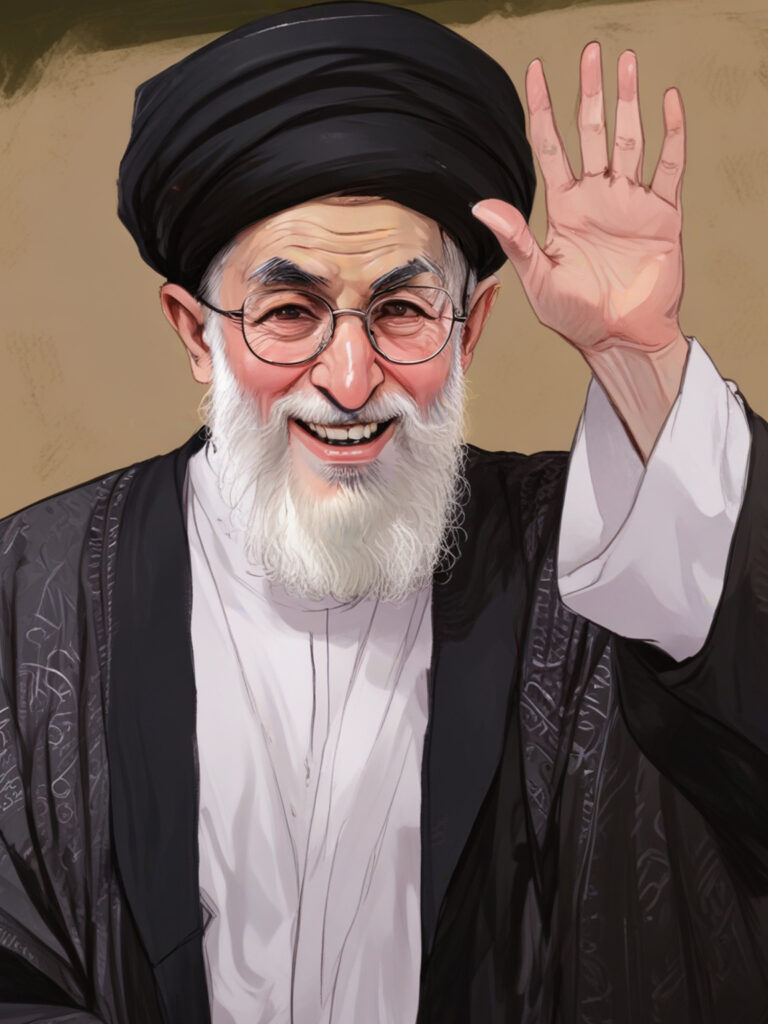
    Speculative reports are swirling like a sandstorm from Tehran, claiming that Iran’s Supreme Leader Ayatollah Ali Khamenei has slipped into a coma. At 85 years old, the enigmatic leader’s health has become a topic of international intrigue, raising questions about the future leadership of one of the most geopolitically significant nations on Earth.

    But wait! Before jumping to conclusions, let’s dive deeper into these reports and their implications.

    A Successor in the Shadows?

    Rumors suggest that senior Iranian officials secretly elected a successor back in September. Allegedly, the ailing Ayatollah might have abdicated his position before his eventual passing. Who’s the supposed heir to this powerful position? Reports point to none other than his 55-year-old son, Mojtaba Khamenei.

    Mojtaba, who is reportedly groomed for this role, has been a controversial figure in Iranian politics. If true, this decision marks a significant shift towards a dynastic approach in the governance of the Islamic Republic—an ironic twist for a regime that prides itself on its revolutionary ideals.

    Mixed Signals from Tehran

    Source: https://x.com/Khamenei_fa/status/1858197854013026615

    Amid the coma rumors, Ayatollah Khamenei’s official X (formerly Twitter) account posted a picture of him meeting Iran’s Ambassador to Lebanon, Mojtaba Amani. The caption casually mentioned that the meeting happened “at noon today,” as though nothing was amiss.

    So, what’s the truth? Was this a strategic move to squash rumors, or was it an old photo carefully timed for damage control? Either way, it has done little to quell speculation.

    A Health Crisis Amid Conflict

    It’s important to note that these rumors come during a critical period for Iran. The nation is deeply embroiled in an intensifying conflict with Israel, with missile strikes, proxy wars, and fiery rhetoric fueling the fire. Last month, Ayatollah Khamenei delivered his first sermon in five years, openly backing Palestinian and Lebanese groups like Hamas and Hezbollah.

    In a dramatic display of defiance, Khamenei held a gun while declaring that Israel “won’t last long.” Whether a calculated political move or a sign of desperation, the timing of this sermon has raised eyebrows.

    The Bigger Picture

    Iran’s potential transition of power doesn’t just impact its citizens—it has far-reaching implications for global politics. A leadership change during this volatile time could reshape alliances, disrupt energy markets, and even influence the ongoing Israel-Palestine conflict.

    If Mojtaba Khamenei indeed takes over, his leadership style and policies will come under intense scrutiny. Will he follow in his father’s footsteps, or will he bring his own flavor to Iran’s political scene?

    Reading Between the Lines

    Here’s my two cents: this situation feels like a blend of Shakespearean drama and 21st-century political theater. The secrecy surrounding Iran’s leadership succession reeks of paranoia, but let’s face it—politics and transparency rarely go hand in hand, especially in authoritarian regimes.

    The possibility of Mojtaba Khamenei stepping into his father’s shoes raises serious questions about Iran’s direction. Dynastic leadership may consolidate power, but it can also alienate those who hoped for reform or change. And what about the timing? The region is already a powder keg; a leadership shake-up could light the fuse.

    What’s Next?

    For now, the truth about Ayatollah Khamenei’s health remains shrouded in mystery. If these reports are accurate, the coming weeks could mark a turning point in Iran’s modern history. Whether Mojtaba Khamenei officially steps up or the Supreme Leader bounces back with a vengeance, one thing is certain: the world is watching.

    ‘APT.’ = Bad Influence, says Public Health Malaysia

    0

    When Bruno Mars and Blackpink’s Rosé dropped their banger ‘APT.’ on October 18, it seemed destined to be on repeat—everywhere. And let’s be real, with its addictive riff and lyrics, it was only a matter of time before it dominated social media and playlists worldwide. But not everyone is swaying to the beat.

    While the song has fans dancing in their kitchens, it’s also sparked some heated debates across the Causeway. Public Health Malaysia (PHM), a Facebook page with over 1.1 million followers, is sounding the alarm on the track’s alleged “negative Western influence.”

    TL;DR

    1. Don’t Overreact: While some concerns about the song’s lyrics are valid, it’s important to maintain perspective.
    2. Critical Listening: Encourage critical thinking and media literacy, especially among younger audiences.
    3. Cultural Exchange: Embrace cultural diversity and use it as an opportunity for learning and understanding.
    4. Balance and Moderation: Enjoy music responsibly and be mindful of the messages it conveys.
    5. Open Dialogue: Foster open and respectful discussions about cultural differences and societal values.

    What’s the Fuss About ‘APT.’?

    For the uninitiated, ‘APT.’ is short for “Apateu,” the Korean word for “apartment.” But in this context, it refers to a popular Korean drinking game. PHM isn’t too thrilled about the lyrics, which they claim glorify behaviors that clash with traditional Eastern cultural values.

    Here’s what they flagged as problematic:

    • “Kissy face, kissy face, sent to your phone. But I’m tryna kiss your lips for real.”
    • “Turn this apateu into a club, I’m talkin’ drink, dance, smoke, freak, party all night.”

    According to PHM, these lines promote “seductive behavior” and could desensitize people to harmful influences, especially since the song is widely used in the background of TikTok and Instagram videos. The concern? Kids memorizing the lyrics without realizing the messages they’re absorbing.

    Western vs. Eastern Values: The Eternal Clash

    PHM’s critique dives deeper than just a catchy tune. They argue that the song represents a “symbolic meeting place” where Western and Eastern cultural values clash—and not in a good way. In their view, this normalization of Western behaviors is a slippery slope, especially for impressionable youth.

    In an era where global music knows no borders, this tension is nothing new. Chart-topping songs often flirt with themes of love, rebellion, and indulgence. But should this automatically spell doom for cultural values?

    What the Internet Thinks

    Netizens, never ones to hold back, had mixed reactions.

    • One sarcastically wrote, “People just want to enjoy the melody? Why not you go live in a cave?”
    • Another suggested, “If you’re taking the song this seriously, maybe you need your brains checked.”
    • And then there’s the ever-relatable, “Apa ini?” (“What is this?”).

    While some shared PHM’s concerns, others dismissed them as over-the-top. After all, isn’t music meant to be enjoyed, not dissected?

    “The song is catchy, no doubt, but calling it a ‘bad influence’ feels like a stretch. People have been listening to party anthems for decades without turning into reckless rebels. Let’s not forget, it’s just a song—are we really going to start policing every beat and lyric now? Maybe the real issue is how little we trust people to think for themselves.” – Amelia Tan, 28, Kuala Lumpur

    Let’s Talk About the Bigger Picture

    Now, let me break it down:

    First off, PHM’s worries aren’t entirely off-base. Kids today are sponges, and music is a powerful medium. But does every catchy line turn us into soju-chugging party animals? Probably not.

    Music often mirrors societal trends rather than creating them. Songs like ‘APT.’ reflect modern lifestyles, not an active agenda to corrupt morals. If anything, it’s a reminder for parents and educators to step up and discuss the content kids consume—rather than blame Bruno Mars or Rosé for a cultural apocalypse.

    My Two Cents (Because You Asked)

    Let’s put things into perspective:

    1. Context Matters:
      Yes, the lyrics might raise eyebrows, but how often do we actually take pop songs literally? Most of us don’t turn into cowboys after listening to Lil Nas X’s ‘Old Town Road.’
    2. Blame the Algorithm, Not the Artists:
      If this song’s everywhere, it’s likely because algorithms think we like it. Maybe we should question why these platforms keep pushing certain trends rather than bashing the artists themselves.
    3. Culture Isn’t That Fragile:
      Eastern values have withstood centuries of change. One pop song won’t dismantle them overnight. Instead of fearing Western influence, maybe we can teach kids to appreciate both sides while staying rooted in their own heritage.

    What Can We Learn From This?

    This debate highlights a key point: balance is everything.

    • Instead of banning songs or clinging to extremes, let’s foster open discussions about media literacy.
    • Encourage kids (and adults) to critically evaluate the content they consume.
    • And hey, maybe loosen up a little. Dancing to ‘APT.’ won’t automatically make you a cultural sellout.

    Final Thoughts

    Whether you love it, hate it, or secretly hum it in the shower, ‘APT.’ is a reflection of our times. It’s catchy, controversial, and unapologetically modern.

    So, what’s the takeaway? Enjoy the song if it makes you happy. Discuss its themes if you’re concerned. But don’t let it divide us over what is, at its core, just music.

    After all, life’s too short not to dance—even if it’s to a song about apartments.

    Climate Change: Giant Cut-Outs of G20 Leaders Sinked

    0

    The world is drowning, not in water, but in apathy. As the oceans rise and the temperatures soar, our leaders seem to be sinking deeper into denial. A recent, symbolic act has made this stark reality even more apparent. Giant cut-outs of G20 leaders were submerged, a chilling metaphor for their failure to address the looming climate crisis.

    It’s a double-edged sword. While these leaders are literally sinking, figuratively speaking, they’re also letting the world sink with them. Their inaction is a betrayal of future generations, a disregard for the planet’s health, and a testament to their own shallow understanding of the crisis at hand.

    TL;DR

    • Indigenous communities play a crucial role in climate action and environmental protection.
    • Recognizing Indigenous land rights is essential for mitigating climate change.
    • The G20 summit and COP29 talks are critical opportunities for global climate leadership.
    • The world needs bold action, not empty promises, to address the climate crisis.
    Bruna Prado – stringer, ASSOCIATED PRESS

    In a striking display of resistance, Indigenous protesters in Rio de Janeiro submerged large cut-outs of G20 leaders in water, calling for urgent action on climate change. The demonstrators carried banners emblazoned with the words “We are the answer,” emphasizing their plea for world leaders to recognize Indigenous voices as key to combating climate change and reducing CO2 emissions.

    A significant demand from the protest was the legal demarcation of Indigenous lands in Brazil, a long-standing issue tied to environmental preservation and Indigenous rights.

    “The sight of those giant cut-outs sinking felt symbolic, like watching the weight of their inaction finally pull them under. As an Indigenous woman, I see my people fight every day for the land and water that sustain us, yet these leaders gather in air-conditioned rooms debating who should pay. It’s exhausting, but seeing our voices rise in protest gives me hope that maybe, just maybe, they’ll finally start listening.” – Clara Mendes, 32, Manaus, Brazil

    G20 Summit and COP29 Talks

    Bruna Prado – stringer, ASSOCIATED PRESS

    This demonstration precedes the G20 summit in Rio, set for Monday and Tuesday, which coincides with the second week of the United Nations COP29 climate conference in Baku. Negotiators at COP29 are grappling with setting a new financial target for climate action, focusing on how much developed nations will allocate to help tackle global warming. A unified message from G20 leaders could inject critical momentum into these discussions.

    However, tensions remain high. Developed nations are pressing wealthier developing countries to share the financial burden, while the latter argue that the primary responsibility lies with the world’s richest economies. The talks face an additional challenge with the return of U.S. president-elect Donald Trump, who is poised to withdraw the United States from the Paris Agreement once again. Trump’s recent appointment of an oil industry CEO as energy secretary has further raised concerns about the global climate agenda.

    Security Measures in Rio

    Ahead of the G20 meeting, Brazilian authorities have ramped up security, deploying troops, armored vehicles, and naval ships. With several protests planned in the coming days, tensions are expected to escalate as demonstrators seek to push their climate demands to the forefront of the summit agenda.

    This bold action by Indigenous protesters underscores the urgency of addressing climate change and amplifying voices that have long been marginalized in global environmental discussions.

    Brewing Love Episodes 3-4: Beer, Empathy, and Matchmaking

    0

    A bubbly brew of love, laughter, and a whole lot of heart, Brewing Love is a delightful concoction that’s sure to leave you feeling warm and fuzzy.

    As our intrepid heroine, Yong-joo, continues her quest to win over the brooding brewmaster, Min-joo, the stakes rise higher than a towering stack of beer kegs. With each sip of life’s challenges, she uncovers a deeper understanding of love, friendship, and the art of persuasion.

    1. Empathy is Key: Understanding others can build strong connections.
    2. Don’t Be Afraid to Be Yourself: Authenticity attracts genuine relationships.
    3. Laughter is the Best Medicine: Humor can lighten the mood and bring people closer.
    4. Perseverance Pays Off: Keep trying, even when things get tough.
    5. Community is Important: Supporting each other can make a big difference.

    In the vibrant world of brewing, emotions bubble up like yeast in a vat. Yong-joo, our tenacious beer saleswoman, battles nosy matchmaking ahjummas, ambitious colleagues, and skeptical villagers to win over Min-joo, the brooding brew master. And let’s be honest, winning the heart of a man who has a Ph.D. in pushing people away? That’s a challenge worth its own K-drama series.

    But as the saying goes, sincerity moves mountains—or in this case, a brew master’s guarded heart.

    The Battle of Empathy and Cream Buns

    Dragging Min-joo out of his metaphorical man cave, Yong-joo spends her days on his hop farm, playing detective to understand his brewing secrets. It’s all part of her strategy to win him over for a lucrative business deal. But instead of gaining clarity, Yong-joo seems to inspire more confusion in Min-joo. Her selfless acts—like helping the villagers while ignoring her own needs—strike a nerve.

    Cue the unexpected: Min-joo, who claims he doesn’t care, turns up with iced coffee, cream buns, and even ties her hair for her. Romantic? Maybe. Over-the-top K-drama fluff? Definitely. The employee ahjumma duo, smelling romance, decide to push this along by scripting a play. Spoiler alert: The plot includes a mountain adventure, a rescue mission, and—you guessed it—a happily-ever-after scenario.

    Mountain Confessions: More Than Just Campfire Talk

    When our leads are “accidentally” stuck in the mountains, Min-joo opens up about his sensitivity and why he’s distanced himself from others. People saw his empathy as a weakness, exploiting it until he withdrew entirely. Yong-joo, in her ever-blunt fashion, kicks off her military boots and assures him he’s not weird—he’s kind.

    This moment hits harder than Min-joo’s perfectly brewed ale. Yong-joo’s honesty and support chip away at his defenses, and for the first time, Min-joo begins to see that maybe vulnerability isn’t so bad.

    Corporate Schemes vs. Genuine Connection

    Back in Seoul, corporate drama brews. Ah-reum, a rival saleswoman, returns to the village with a tempting proposal for the villagers: expand the brewery, rake in profits, and lose their beloved Naro beer’s identity in the process. It’s capitalism at its finest.

    Yong-joo, being the moral compass, exposes the risks. She proposes a simpler collaboration that protects the villagers’ hard work and heritage. But as with all good deeds, misunderstandings arise. The villagers accuse Yong-joo of wanting to “steal” Min-joo for her own gains.

    Meanwhile, Ah-reum leverages Yong-joo’s motivations against her, planting seeds of doubt in Min-joo’s mind.

    Festival Fiasco and Redemption

    When a scheduling error leaves the village festival beer-less, Yong-joo saves the day through her connections. She doesn’t use this act of kindness to manipulate Min-joo, unlike others we could mention (ahem, Ah-reum). Instead, she lets her actions speak louder than her words.

    Min-joo, ever the empath, sees through the noise. He publicly announces he will collaborate with Yong-joo, shutting down the drama in one fell swoop.

    Brewing Bonds, Not Just Beer

    Let’s pause and reflect on the dynamics here. Yong-joo’s sincerity is her superpower. She’s not just trying to seal a business deal; she’s also trying to protect the villagers’ dreams and Min-joo’s integrity.

    Min-joo, on the other hand, is a walking contradiction. He avoids people but secretly craves connection. Yong-joo’s kindness is the lifeline he didn’t know he needed. This dynamic is a lesson in how empathy, though often undervalued, can forge the strongest bonds.

    Would I root for them? Absolutely. But I’d also hand them both a self-help book on communication—because these two are masters of saying everything except what they actually feel.

    Corporate Intrigue Meets K-Drama Tropes

    Min-joo’s collaboration comes with conditions:

    1. Naro beer remains untouched.
    2. All meetings are on his turf.
    3. He gets to hire Chan-hwi, the toast-truck owner, as his assistant.

    Wait, a toast-truck guy in a brewery? Sure, it’s unconventional, but this is K-drama land, where logic takes a backseat to comedic relief.

    Yong-joo also brings Ah-reum onto the team, showing us that she’s not here for petty rivalries. Instead, she values teamwork and inclusivity—a refreshing twist in the usual cutthroat corporate drama.

    Rain of Romance and Brewing Chemistry

    The episode ends with classic K-drama theatrics: a rain-soaked jog, lingering glances, and Min-joo questioning his feelings. Spoiler: They’re his. Min-joo might have fallen first, but Yong-joo’s sincerity and resilience make her impossible to resist.

    Final Thoughts

    Episodes 3 and 4 serve up a perfect mix of humor, drama, and heartwarming moments. The brewing romance between Yong-joo and Min-joo is a testament to how understanding and kindness can bridge even the widest gaps.

    The villagers’ drama, corporate schemes, and matchmaking antics add layers to the narrative, making this more than just a love story. It’s a tale of community, resilience, and the power of staying true to oneself.

    Would I keep watching? Absolutely. But let’s hope Yong-joo takes a break to process her feelings soon—because suppressing emotions isn’t healthy, even in K-drama land.

    Dongjae the Good or the Bastard Episodes 9-10: Hero or Headache?

    0

    Is Dongjae a hero or a headache? A saint or a sinner? A beacon of hope or a blight on society? In Episodes 9 and 10 of this twisted tale, we delve deeper into the enigmatic character of Dongjae, a man whose morality is as murky as the waters he treads.

    Is he a righteous prosecutor, fighting for justice and truth? Or is he a self-serving opportunist, using the law as a tool to further his own agenda? As Dongjae navigates a maze of deceit and double-crosses, we’re left questioning his every move.

    TL;DR

    • Dongjae’s character is multifaceted and enigmatic.
    • The series delves into the complexities of morality and justice.
    • The plot is filled with twists and turns, keeping the audience engaged.

    Farewell to Our Loveable Weasel, Dong-jae

    Who knew a tale about a prosecutor with questionable morals could be this entertaining? Dong-jae’s story isn’t your classic “hero’s journey” — he’s a weasel, a schemer, and maybe even a borderline villain. And yet, here we are, rooting for him. As this rollercoaster of a series wraps up, Dong-jae finds himself wrestling with his misdeeds, the law, and even his own pride. The question is: will he come out of it a hero, or just as messed up as before?

    Episode Recap: From Courtroom Sparring to Schemes in the Shadows

    Dong-jae kicks things off in true “good guy with a messy past” fashion. In court, Attorney Kang steals the show, deftly tearing down prosecutor Shi-woon’s arguments, making Dong-jae look like he’s barely holding it together. But it’s Dong-jae, after all, so he’s got his own tricks.

    In a move only he would try, Dong-jae digs — literally — for dirt on his rival, Wan-sung. While working at a construction site, Dong-jae spots a strangely colored patch of ground that sends his detective instincts into overdrive. Is this guy actually turning into a hero, or just deepening his own trouble?

    The Midnight Stakeout: Dong-jae Saves the Day (Sort of)

    The suspense heats up with an undercover operation. Dong-jae and his friends stake out the construction site, and when things go south, Dong-jae rushes in like some self-proclaimed knight in shining armor. Of course, he’s a second too late. The police swoop in and steal his thunder. Typical Dong-jae luck.

    But when his courtroom testimony reveals an incriminating recording of Wan-sung, the tables turn dramatically. Even as Wan-sung tries to charm his way out of trouble, the walls close in, and Dong-jae’s big moment shines — he finally has Wan-sung where he wants him. The best part? Dong-jae’s sarcastic “Cut the crap” line as Wan-sung loses it. Classic.

    Dong-jae’s Fall from Grace: Can He Ever Redeem Himself?

    Here’s the kicker: after all that, Dong-jae still has to face the consequences of his questionable choices. Disciplinary action awaits him, but hey, if he’s going down, he’s going down fighting. The courtroom drama might be over, but for Dong-jae, it’s a different trial now. Despite his heroic efforts, his past catches up to him, resulting in his dismissal from the prosecutor’s office. Ouch.

    This isn’t the first time we’ve seen Dong-jae tripping over his own mistakes. But even as he loses his job, there’s a sense that maybe, just maybe, he’s found a sense of purpose.

    Dong-jae’s New Chapter: From Prosecutor to Avenger?

    Two months later, he’s back — not as a prosecutor but in a new role with the Ministry of Justice. Now, he’s tasked with rooting out corruption in the very system he once exploited. How poetic. Attorney Kang even tells Dong-jae he’s still got potential, a sentiment that clearly hits him harder than he’s willing to admit.

    Dong-jae may have fallen out of favor as a prosecutor, but his new position as part of a “corruption task force” might just be the redemption arc we were waiting for. And, unsurprisingly, he dives right in with that familiar smirk.

    A Fresh Perspective: Why We Love a Flawed Hero

    As a viewer, it’s oddly satisfying to watch Dong-jae go through these ups and downs. Unlike typical courtroom dramas where everything ties up neatly, this series leaves us with mixed emotions. Dong-jae may not be the most likable character, but he’s relatable — imperfect, a little selfish, and absolutely shameless at times.

    But maybe that’s why we can’t help but root for him. We’ve all made mistakes, taken shortcuts, or made selfish choices. Dong-jae just does it with more flair, and perhaps a little more recklessness than most of us would dare.

    The Good, the Bad, and the Totally Hilarious: My Take on Dong-jae’s Journey

    Dong-jae is the quintessential “love to hate him” character. He’s that one friend who drives you crazy with his terrible choices, but you still invite him to every party because, well, he’s hilarious. His resilience, despite his flaws, makes him stand out in a world of “perfect” protagonists.

    Imagine trying to help someone like Dong-jae in real life. He’s a master at sidestepping accountability, but deep down, there’s a desire for change, no matter how stubborn he is. For all his missteps, his growth by the end of this series is undeniable. He’s learned, albeit the hard way, that no amount of charm or scheming can save him from himself.

    Final Thoughts: Why We’ll Miss Dong-jae and His Wicked Sense of Humor

    The series may be over, but Dong-jae’s character has left a mark. There’s a unique pleasure in watching someone as unfiltered as him navigate a rigid, often hypocritical system. His antics, his sarcasm, and his grudging moments of genuine growth make him more than just a side character. He’s the reason we tuned in, laughed, and even rolled our eyes a few times.

    As the K-Drama story concludes, Dong-jae’s transformation from selfish schemer to justice-driven “corruption hunter” feels satisfying. He may not be wearing the hero’s cape, but his self-awareness and reluctant courage make him the kind of “hero” we didn’t expect but secretly rooted for all along.

    So, here’s to Dong-jae: the lovable weasel, the shameless fighter, and, perhaps most importantly, the relatable anti-hero who reminds us that everyone deserves a second chance — even if they make you question your sanity in the process.