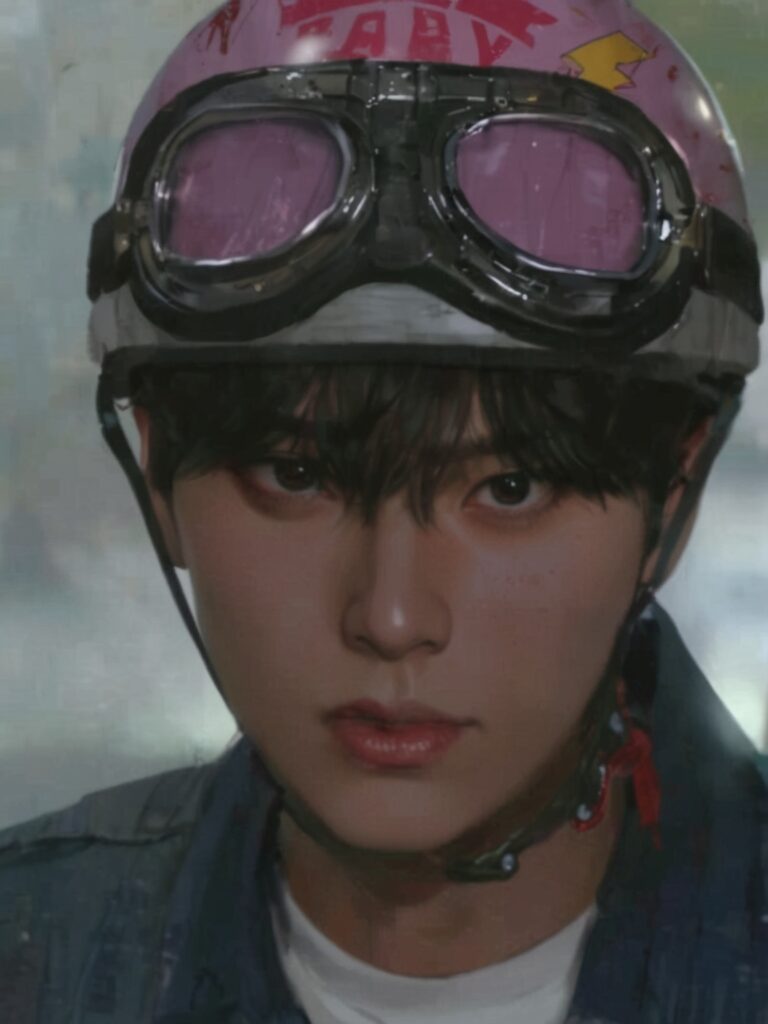
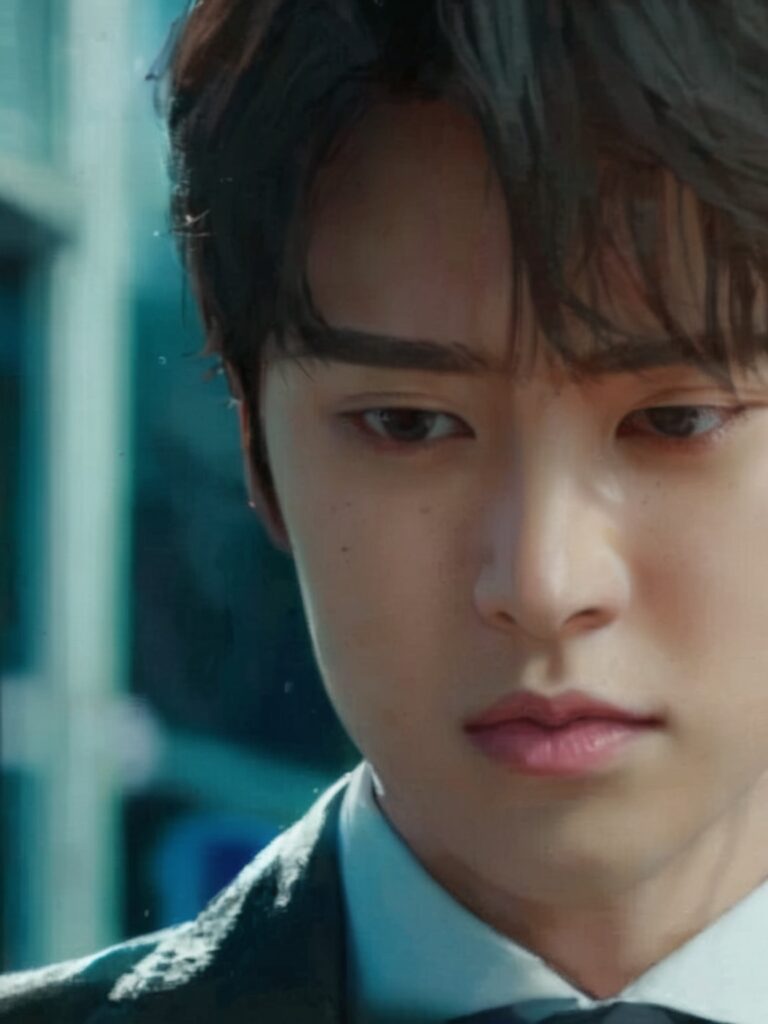
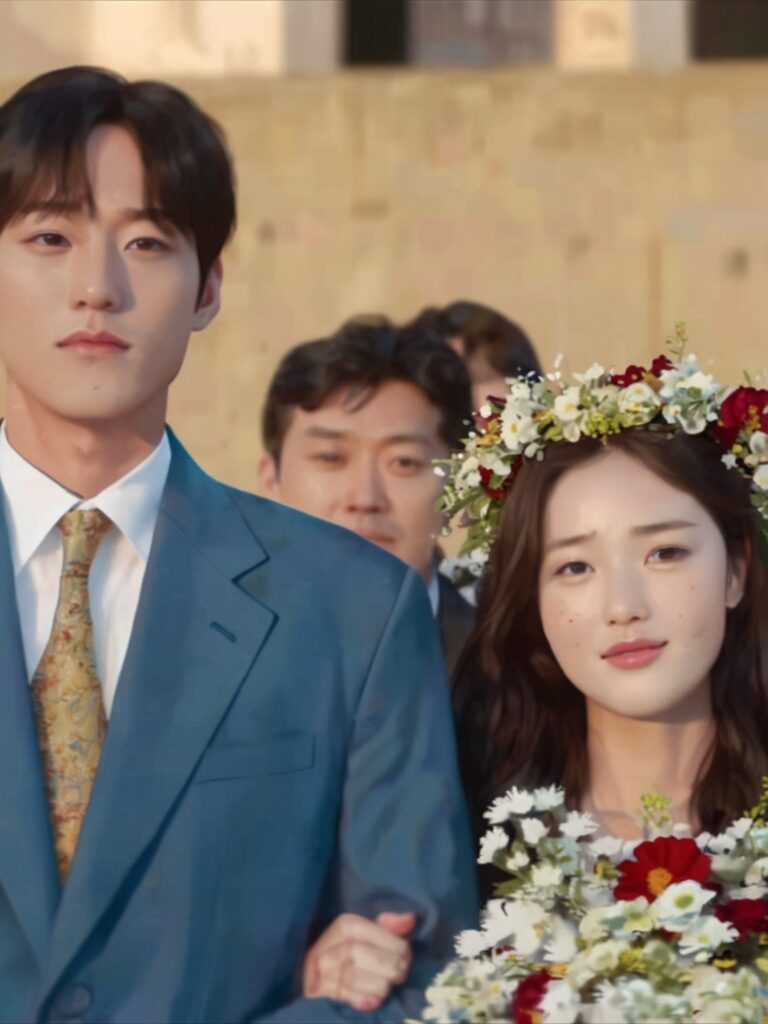
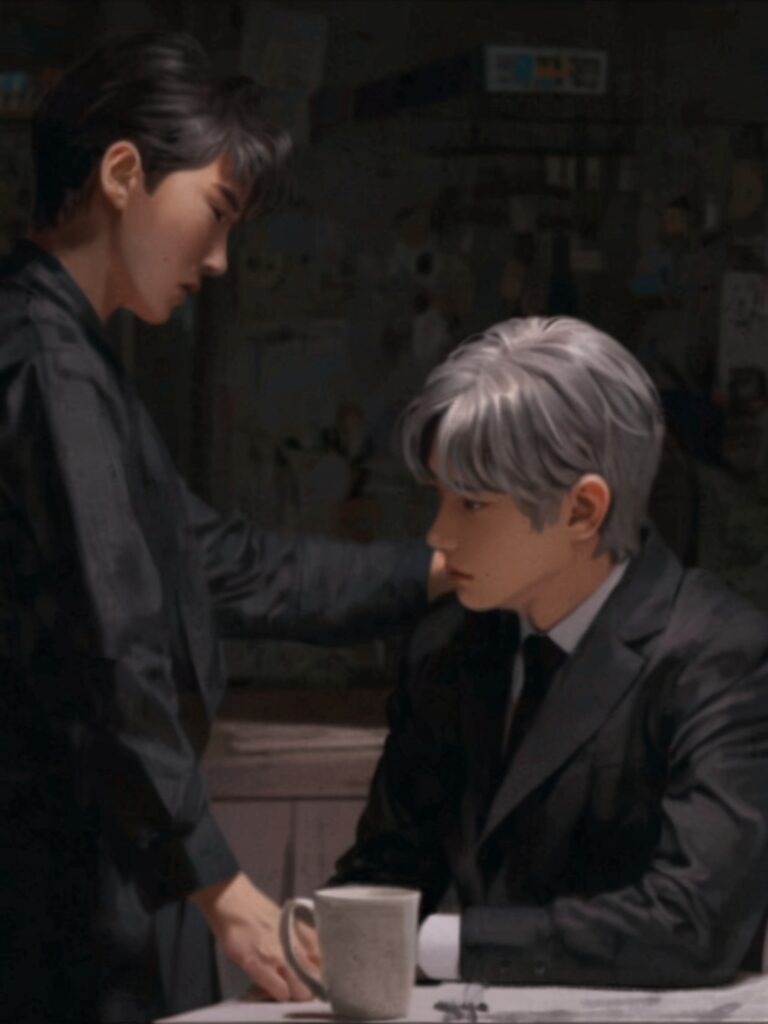
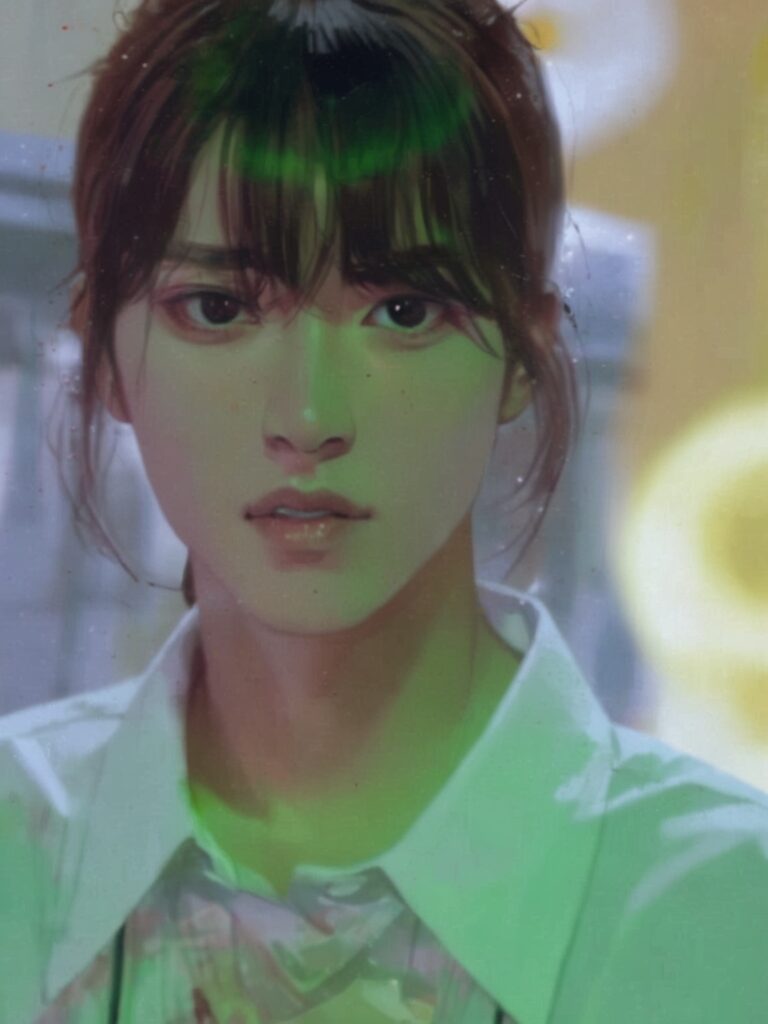
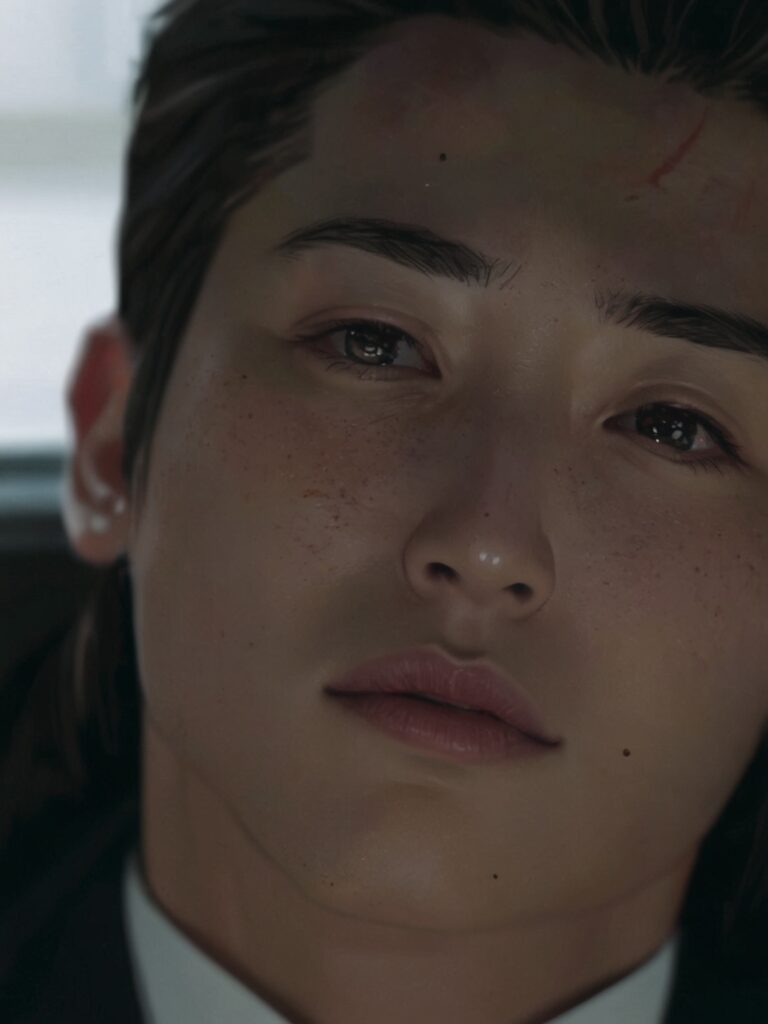
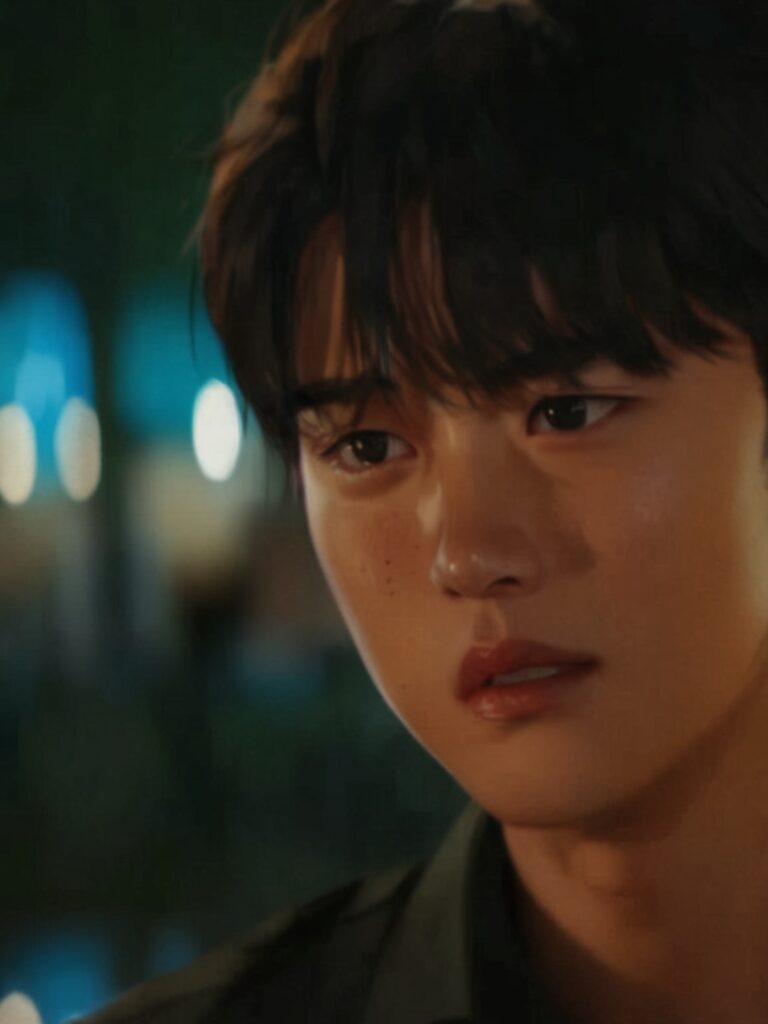
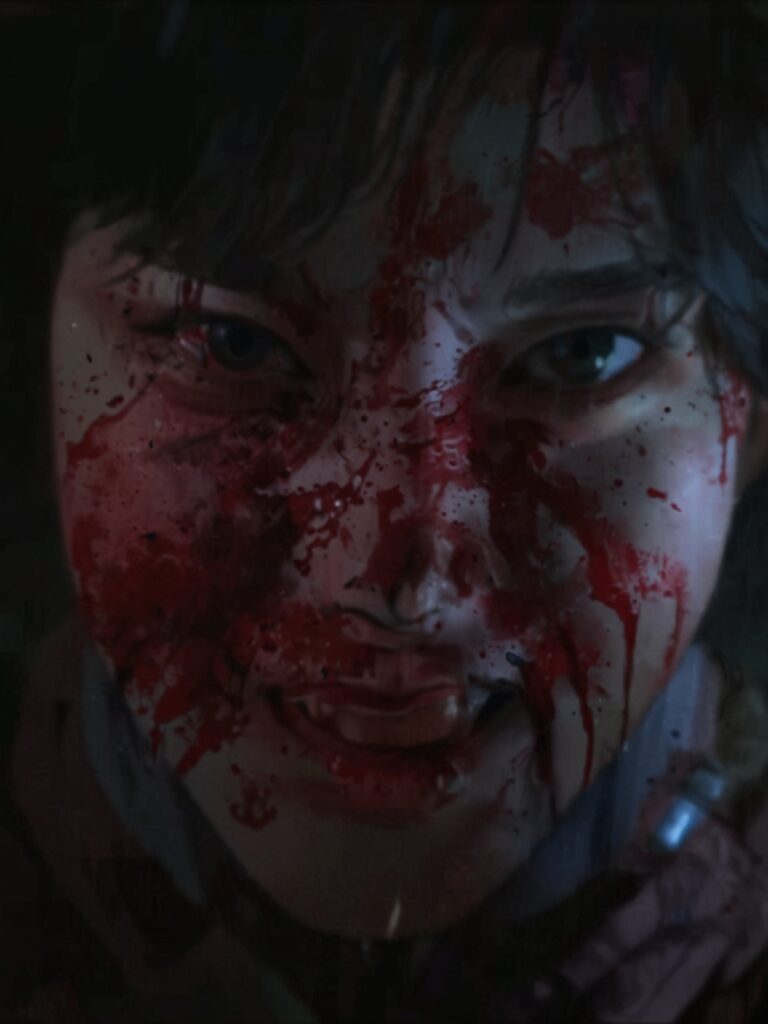
“Crushology 101” keeps serving up chaos like a late-night snack you can’t resist. In episodes 3 and 4, our heroine, Hee-jin, finds herself at the center of a love square so tangled it might need its own GPS. Two very different guys vie for her attention. One is a chaebol heir with a poker face. The other is a student council regular whose nervous energy is sometimes endearing, sometimes cringe. Meanwhile, a famous sculptor flirts with Hee-jin on the side, just to mix things up. By the time credits roll, alliances have shifted, secrets spill out, and our girl weighs whether her next romantic move is worth the risk.
If you thought episode 2 was dramatic, buckle up. We’re diving into betrayal, a locked room, and a private eye who moonlights as a relationship guru. Along the way, we’ll unpack key moments, take a closer look at power dynamics, and explore what Hee-jin’s journey tells us about modern dating. Plus, stick around for my personal perspective on who deserves her heart and why this drama is anything but a “nothing burger.”
Crushology 101: MBC TV
TL;DR
Hee-jin finds herself in a complicated four-person love situation.
A famous artist shows a dangerous side, leading to a dramatic confrontation.
One admirer reveals long-held feelings in a heartfelt way.
Another potential love interest realizes he needs to act fast.
The episodes explore themes of power abuse, unspoken love, and setting personal boundaries.
Friendship and romantic feelings create messy and relatable situations.
Hee-jin grows stronger and wiser through her experiences with love.
From Shirt Drama to Lockdown Panic
Crushology 101: MBC TV
The Shirt Incident That Refuses to Die
Long story short: Jae-yeol, our awkward yet oddly charming student council rep, steps up with a confession. He still wants to see Hee-jin. Why? Because she never returned that oversized shirt he gave her. Cue collective eye-roll. Hee-jin hands it back on the spot and reminds Jae-yeol that their “thing” ended. Yet fate (and the writers) insist they’re stuck together at a crucial meeting for department reps.
…and so, we return to the hallway of second chances. Hee-jin has a new task: interview Ah-rang, a sculptor whose masterpieces adorn galleries worldwide. He’s also notorious for ghosting journalists. Naturally, he shows up on campus just when she least expects it.
Crushology 101: MBC TV
Flirty Sculptor and Jealous Bystander
When Ah-rang saunters in, he’s all smooth charm. Hee-jin mentions the interview; he grins. He’s in. Meanwhile, Jae-yeol watches from a distance, his cheeks coloring like a ripe tomato. Ah-rang’s pedigree? Top-tier celebrity artist. Ji-won’s pedigree? Chaebol heir with deep pockets and deeper secrets. And then there’s Jae-yeol—a regular student whose biggest qualification is a tragic backstory straight out of K-drama school.
His mother’s latest beau gets prime time over him. He’s got abandonment issues and zero chill. We’re supposed to root for him, but honestly? He sometimes feels like a walking emotional support commercial.
Trapped in the Closet (Literally)
After the interview, Hee-jin and Jae-yeol stay late to tidy up. Plot twist: they get locked in a storage room with zero cell service. Perfect recipe: small space, no help, and Hee-jin’s stomach decides now’s the time for drama. Cue hemmed-in panic and a hammer-wielding rescue. Jae-yeol busts the lock. Hee-jin’s relief is palpable. Cold shoulders thaw into genuine smiles. For five glorious minutes, they’re just two students bonding over bad ventilation and digestive distress.
Crushology 101: MBC TV
Pajama Parties and Private Eyes
Sister-Zoned at Sunset
Ji-won, the cool chaebol oppa, swoops in with an invite: a pajama party with Hee-jin’s crew. She says yes. At dinner (catered by someone who clearly has unlimited funds), the girls debate whether Ah-rang’s studio invite is code for true love or a midlife crisis. Ji-won, unruffled as ever, offers sage advice: Hee-jin will know Ah-rang’s intentions when the moment arrives. He sounds so calm, you almost forget he’s secretly nursing feelings of his own.
He’s so polite. So reserved. So classic second lead it hurts. He’ll play the supportive friend again, and then—if he doesn’t step up—lose her to a dude with a better pick-up line.
When Jealousy Calls in Backup
Speaking of backup: Jae-yeol and Ji-won forge a flimsy truce. Their target? Ah-rang. Rumor has it, the sculptor nets college girls like Pokémon. Jae-yeol uses his editing skills to snoop on Ah-rang’s amateur podcast interview. He listens to a snippet between Ah-rang and a Hee-jin colleague. Whatever they’re whispering, it’s enough to push him over the edge.
Rather than explain, he drags Hee-jin during her date, lectures her about past mistakes, and storms off. She’s hurt. He’s dramatic. We’re conflicted.
Detective Ji-won to the Rescue
Ji-won, bless his strategic soul, hires a PI. Surprise: Ah-rang has a roster of ten-plus one-night flings. His method? Flattery, late-night studio sessions, and a casual disregard for consent. Once the receipts are in hand, the boys plan a friendly heads-up for Hee-jin.
But the universe laughs. Hee-jin catches Ah-rang in a clinch with another girl before Jae-yeol or Ji-won can intervene. It’s cringe. It’s cathartic. It’s that moment you rewind three times because it’s so satisfying.
Crushology 101: MBC TV
The Climactic Showdown and Heartbreak
Bucket of Ice Justice
Hee-jin confronts Ah-rang. His response? “It’s my private life.” Ouch. Suddenly, Hee-jin’s trauma from ex-boyfriend Jerk McJerkface is a handy survival skill. She hoists an ice bucket over his head like it’s the most natural thing in the world. The splash is symbolic. Her empowerment? Even more so.
After the meltdown, Ah-rang’s career crashes. His sponsors—wait for it—are courtesy of Ji-won’s family foundation. He’s dropped. Unceremoniously. Publicly. And deservedly.
Picking Up the Pieces
Heart bruised twice in two weeks, Hee-jin declares a temporary moratorium on boy drama. Romance radar? Totally busted. Meanwhile, Jae-yeol and Ji-won start reading tea leaves to gauge each other’s interest. Ji-won notes Jae-yeol’s renewed closeness with Hee-jin. Jae-yeol misreads cues and suspects Ji-won has snagged her heart. Cue more jealousy.
Confessions in the Rain
Jae-yeol, fueled by soju and regret, blurts out a heartfelt confession: he’s liked Hee-jin since before she even noticed him. Flashbacks confirm it. He’s fallen first and he’s fallen hard. Under neon streetlights (and maybe a drizzle), he begs Hee-jin to stop inhabiting his thoughts. She’s taken aback. But she listens. And that’s a start.
Meanwhile, Ji-won, watching from afar, has a revelation: he’d better hurry or lose her forever.
Crushology 101: MBC TV
Themes, Motifs, and Soul-Searching Insights
Power Dynamics and Predators
If episodes 3-4 teach us anything, it’s that power can corrupt even the most talented. Ah-rang’s artistic genius comes with strings attached. He’s a predator hiding behind cultured banter. This isn’t unique to K-dramas. It’s a reflection of how fame and influence can warp intentions.
Second Lead Syndrome
Ji-won’s character arc embodies the painful grace of unspoken love. He’s patient. Polite. Predictable. Too predictable. He risks becoming background music in Hee-jin’s life because his emotional brakes are too strong. Second lead syndrome is real, folks. It’s the fear of scaring someone away by being honest.
Healing by Setting Boundaries
Hee-jin’s ice-bucket moment isn’t just comedic relief. It’s a turning point. She’s been through heartbreak before. This time, she refuses to be the damsel in distress. She wields cold hard truth like a weapon. Her self-worth rises.
Friendships vs. Feelings
Our girl has two guys in her corner. They bond over saving her from see-through relationships. But friendship and romance aren’t the same. Jealousy seeps in. Alliances shift. It’s messy. It’s human. It’s painfully relatable.
Crushology 101: MBC TV
My Point of View
Let’s get real. “Crushology 101” could have leaned into cliché territory. Instead, it zigs when you expect it to zag. Ah-rang’s betrayal is brutal but justified by character design. Ji-won needs an emotional wake-up call. He’s been starring in his own silent film for too long.
Jae-yeol’s confession is a highlight. It’s raw. It’s imperfect. His timing is questionable—blame the alcohol—but his honesty shimmers through. Hee-jin’s journey mirrors what many of us experience: fumbling through crushes, getting burned, building walls, and then daring to fall again. That’s the messy beauty of modern dating.
Plus, can we talk about aesthetics? Sunlight filters through cherry blossoms like nature’s Instagram filter. Every frame is a painterly postcard. And Hong Min-ki’s cameo? I’m still waiting, but I’ll be here with popcorn.
Final Thoughts and What’s Next
By episode 4, Hee-jin stands taller. Sure, she’s bruised. But she’s wiser. She knows her value. She knows that not every invitation is sincere. She knows the difference between a heart that beats for her and a heart she’s propelling with pity.
Who will she choose? Will Ji-won seize his chance? Will Jae-yeol refine his timing? Or will a brand-new contender glide in with better lighting and better lines?
Stay tuned. Because if there’s one thing “Crushology 101” promises, it’s that real growth often comes through romantic ruin. And if it leads to a killer confession under the rain, I’m here for every dripping moment.
At long last, Way Back Love arrives at its poignant conclusion. In Episodes 5 and 6, Jung Hee‑wan’s bucket list is nearly checked off. Meanwhile, Kim Ram‑woo’s time as a visiting reaper ticks down. Along the way, love blooms, secrets unravel, and choices become a matter of life and death. In this extended review, we’ll explore every heartfelt moment, unpack character twists, and offer fresh insights you might have overlooked. Additionally, we’ll weave in SEO keyphrases like “Way Back Love finale,” “reaper love story,” and “Korean drama review” to help fellow fans find this guide.
By the end, you’ll understand exactly why these final episodes hit so hard—both emotionally and narratively. Prepare for flashbacks, family confrontations, rooftop fireworks, and a choice that changes everything. Let’s get started.
TL;DR
Hee-wan completes her bucket list, leading to a reunion with Ram-woo’s mother and a release of shared guilt.
Ram-woo faces a warning about interfering with the human world as his time as a reaper nears its end.
Hee-wan and Ram-woo share poignant moments as they confront the reality of their limited time together.
A friend’s dream foreshadows a crucial moment, highlighting the connection between the living and the spectral.
Hee-wan is given the choice to live, but it means letting Ram-woo go, leading to a final, heartfelt embrace.
Even after Ram-woo’s final departure, his memory empowers Hee-wan to embrace life and remember their love.
The finale explores themes of guilt, forgiveness, free will, and the enduring power of love beyond death.
Flashback to Ram‑woo’s Arrival
The episode opens with a glimpse of tragedy. After his fatal accident, Ram‑woo stands before his assigned reaper (Krystal’s cameo). Inked in sorrow, he admits his regrets. The reaper, in turn, confesses that she tempers her own remorse by returning to the living world for special assignments. Intrigued, he asks if he could ever become a reaper himself. That simple query plants the seed of curiosity—and potential rule-breaking—that will haunt him later.
On the Road to Mom
In the present timeline, Ram‑woo sends Hee‑wan on a mission: find his estranged mother. Her only lead is his father’s wife (Kim Ji‑soo’s cameo), who once paid his birth mother to stay away. At first, the stepmother is guarded, refusing to reveal the woman’s whereabouts. Nevertheless, Hee‑wan delivers a vulnerable confession about running away from her own problems. Specifically, she admits she fled out of fear—mirroring Ram‑woo’s mother’s guilt years ago. That honesty cracks the steely veneer. Soon enough, the stepmother divulges that the mother has been hiding at a rural art gallery.
Bus Confessions
On the countryside bus, tension simmers. Ram‑woo argues that revisiting the past will only bring more pain. Conversely, Hee‑wan insists that clearing the air is essential, especially since his mother shoulders blame for his death. He counters, reminding her that she isn’t at fault either. Frustration mounts until they fall silent—exhausted by grief and regret.
Heartfelt Reunion at the Gallery
Stepping into the gallery, Hee‑wan feels jittery. The mother, initially surprised, greets her with warmth. Their conversation sways from polite small talk to raw emotion. Ultimately, Hee‑wan admits she handed Ram‑woo the winning observatory ticket bearing her name. Prepared for a torrent of anger, she steels herself for a scolding. Instead, Ram‑woo’s mother responds with tears. She confesses that she spent years blaming herself too. In a powerful moment, she embraces Hee‑wan, telling her to release the guilt.
With tensions eased, the mother retrieves Ram‑woo’s old jacket. Draping it around her shoulders, she remarks how it still feels warm. Watching this, Ram‑woo hovers unseen, moved to tears. After the mother hands the jacket to Hee‑wan, the lights—mysteriously fixed earlier by the reaper—blink on. That silent cue signifies the completion of Hee‑wan’s bucket‑list task: seeing Mom.
Panic in the Forest
Yet another rule lurks. With the last list item done, Ram‑woo must vanish. Realizing this, Hee‑wan bolts into the night, retracing their steps through the forest. However, all she finds is emptiness. Heart racing, she whispers his name into the darkness. No answer.
Warning in the Underworld
A brief flashback shows Ram‑woo with fellow spectral coworkers. One warns him that reapers who meddle too deeply with human affairs disappear—erased from both realms. The cautionary tale looms large. Does helping Hee‑wan violate his assignment? The question hovers unspoken.
Rescue by a Kiss
Panic-stricken, Hee‑wan stumbles into a clearing. There, Ram‑woo quietly awaits. Relief floods her face. She rushes forward and presses her lips to his. In that kiss, she unburdens her grief: after his death, she felt frozen in time. Now that she’s tasted life alongside him again, she craves more.
A Warning Dream
Intercut with their reunion, art‑department sunbae Young‑hyun (Shim Eun‑kyung) tosses and turns in bed. In her nightmare, she sees Hee‑wan atop a rooftop, fireworks exploding below. Also, Young‑hyun can see reapers—an unusual gift she revealed during a previous scene. Her concern over Hee‑wan intensifies, but she can’t reach her phone calls.
Last Day for Bucket List Bliss
Hee‑wan’s final sunrise dawns. To mark her last day, she and Ram‑woo tackle one more set of tasks: buying her father a new suit, performing a random act of kindness, and enjoying a mundane date. For the first time in ages, she laughs without constraint. Even Young‑hyun’s unanswered texts can’t dampen the joy.
Sunset Decisions
As dusk settles, Hee‑wan asks the question on every viewer’s mind: “How will I die?” Ram‑woo’s downcast eyes answer truthlessly. He then offers her a loophole: She can choose to live. Yet tears well when she realizes living means letting him go. In a final embrace, he promises he’ll always be with her—in spirit if not in sight.
Solitude and Despair
After Ram‑woo vanishes with the last fireworks, Hee‑wan returns to her bare apartment. Every corner echoes with memories. No amount of brightness can fill the void. Meanwhile, Young‑hyun races across town. Guided by her dream and scraps of memory, she locates Hee‑wan’s rooftop perch.
A Spectral Reunion
Shocked, Hee‑wan demands that Young‑hyun leave. Yet when Young‑hyun suggests that even reapers feel pain, Hee‑wan hesitates. At that moment, Ram‑woo rematerializes beside her. His timing couldn’t be more cinematic: fireworks burst overhead. He gently steers her back from the ledge. Together, they stand, bathed in light.
Final Farewell
After the fireworks fade, Hee‑wan apologizes for being unable to save him. Ram‑woo smiles softly. “Saving yourself is saving me,” he reminds her. Their bond transcends existence. Then, with a whispered incantation—saying his name three times—he disappears for the last time.
Epilogue: Life After Loss
Time marches on. Hee‑wan embraces spring. She reconnects with family, rekindles friendships with Tae‑kyung and Hong‑suk, and bonds with Young‑hyun over shared stories of grief. They agree that grief isn’t a permanent state but a souvenir we revisit now and then.
At her graphic design showcase, Hee‑wan unveils her final project: a piece featuring Ram‑woo’s handwriting. It reads: “Nothing comes back and nothing is repeated. Because everything is real.” Standing before her classmates, she closes her eyes and breathes in the memory of stars—just like Ram‑woo once taught her.
When she opens them, she smiles. “I’ll remember you. I’ll keep living. Because loving myself means loving you.”
Themes Unpacked
Guilt and Forgiveness. Hee‑wan and Ram‑woo’s mother each carry secrets that wound them. Only by confronting the past do they find release. In doing so, the show illustrates how self‑forgiveness can heal deeper than time alone.
Free Will vs. Destiny. While reapers follow cosmic rules, the human heart defies them. Hee‑wan’s choice to live—despite the price—underscores that we aren’t mere pawns of fate.
Love Beyond Mortality. More than a gimmick, the reaper trope highlights love’s endurance. Ram‑woo’s final promise—that love lives in memory—offers a gentle balm for anyone who has said goodbye.
The Power of Secondary Characters. Young‑hyun’s perspective bridges two worlds. Her ability to see spirits and her steadfast loyalty offer a fresh dynamic that keeps the story grounded.
Point of View: What Really Resonates
Truth be told, a few threads felt undercooked. The warning about disappearing reapers hinted at dire stakes, yet never reemerged. Was Ram‑woo flirting with erasure? If so, we deserved closure. It felt like an open invitation for a sequel rather than a narrative payoff.
Still, the emotional core remained rock solid. Every laugh, argument, and tear slide effortlessly between scenes. Grief here isn’t a one‑note melody. It’s a symphony of joy, heartbreak, and acceptance. That complexity keeps viewers invested.
Furthermore, the show’s visual storytelling—especially the fireworks—deserves praise. Fireworks symbolize fleeting beauty: a perfect metaphor for Hee‑wan’s journey. In those bursts of light, we see both celebration and sorrow.
Finally, the decision to give Hee‑wan agency over her fate elevates the drama above typical fantasy romances. She isn’t a passive participant. Instead, she stands at a crossroads, wielding the power to choose life. That choice rings with modern resonance: amid loss, we still decide how to move forward.
By now, you’ve probably realized that The Divorce Insurance is far more than a quirky premise about insuring marriages against splits. Episodes 5 and 6 take us on a wild ride that spans FSS investigations, dance lessons, tarot readings, mountain tigers, and—surprise!—flaming sparks flying between our beloved team members. In this deep-dive recap, we’ll break down every twist, tease out the insurance-policy shenanigans, spotlight those adorable felines masquerading as tigers, and unpack the romance that’s hotter than a volcano at midnight. Plus, stick around for fresh insights on modern marriage, relationship rescue, and my candid take on where this drama is headed.
Amazon Prime Video – The Divorce Insurance
TL;DR
The team faces regulatory issues with their divorce ceremony concept.
They pivot to marriage counseling through fun activities to keep clients together.
A high-risk couple, Mirae and her traveling photographer husband, becomes their focus.
Finding Mirae’s husband leads to a surprising mountain adventure with a real tiger.
They orchestrate a low-budget vow renewal for the couple.
Romantic sparks fly between team members Ah-young & Woong-shik, and Ki-joon & Han-deul.
Subplots involving a rival insurer and a mystery hacker add suspense.
Episode 5: When Insurance Regulations Become Your Worst Enemy
Amazon Prime Video – The Divorce Insurance
Regulatory Mix-Up: The week kicks off straight at the FSS (Financial Supervisory Service) office, where Ki-joon and Han-deul endure a stern lecture. Apparently, hosting a divorce ceremony as part of an insurance policy violates the rule that you can’t provide consumers with “items exceeding thirty thousand won” during contract solicitation. The FSS argues no divorce ceremony could possibly cost less than that. Ouch. Now, our divorce-prevention dream team has to keep the first ten policyholders married until their contracts expire—or kiss their project (and likely their jobs) goodbye.
Why This Matters:
Client Retention & Risk Management: If just one of those inaugural ten breaks down, the entire insurance pilot is scrapped.
Regulatory Compliance: It’s a textbook example of how real-world financial oversight can throttle even the quirkiest startup ideas.
Stakes Raised: We’re no longer watching lighthearted matchmaking. Lives and livelihoods hang in the balance.
Prevention Through Leisure: Turning Clients into Marriage Marathoners
Amazon Prime Video – The Divorce Insurance
Setting Up Shop: Determined to outwit the FSS, Team Divorce morphs into part-time marriage counselors. Their strategy? Curate bonding experiences that rekindle lost sparks. Think dance classes, cooking workshops, and group outings. In swoops Ah-young’s blind-date instructor, Park Woong-shik—villager extraordinaire, jack-of-all-trades, and occasional Seollal entertainer.
Meet the Experts: Enter PhDs in behavioral analysis, relationship coaches, and a tarot-reader-for-hire. Each expert rates the ten couples by divorce risk. Inevitably, the same name tops every red-flag list: Mirae. And guess what? Mirae was one of the first ten signups. Cue the collective panic.
Key Takeaways:
Data-Driven Relationship Rescue: Yes, you can quantify “love maintenance.”
Cross-Functional Teamwork: From dance floors to boardrooms, everyone’s pitching in.
Foreshadowing Danger: When multiple assessments converge, run for the hills.
Mirae & Hyun-jae: Tarot Troubles and Long-Distance Love
Tarot vs. Reality: Han-deul and Ki-joon track down Mirae—café owner by day, tarot guru by night. She’s miffed to see them because they’re here for insurance, not love advice. “I’m not your life coach,” she huffs, shuffling her cards. Yet when Han-deul begs a reading on their marital mission, Mirae lays out a surprisingly optimistic spread. Han-deul blurts out their real reason: “We need you to stay married, or we all get fired.” Oops.
The Distance Dilemma: Mirae explains that her husband Hyun‑jae, a globetrotting documentary photographer, has spent more time tracking tigers than attending date nights. He’s somewhere on assignment in Korea, and she hasn’t a clue where. She agrees to hit pause on the divorce… but only if the team locates him.
Episode 6: Into the Mountains (and the Mouth of a Tiger)
Amazon Prime Video – The Divorce Insurance
Tracking a Photographer: Armed with nothing but a grainy social‑media snapshot, Ki-joon and Han-deul mount a rescue operation worthy of a spy movie. They pinpoint a remote village outside Seoul. Naturally, they summon the rest of Team Divorce for backup—because two flailing adults in the woods is only half as fun as four.
Woong‑shik’s Village: Plot twist: Park Woong‑shik is the village head. He welcomes them with his trademark grin and the faint whiff of overpriced barbecue. He warns them that the mountains here have “spirits” (read: dangerous wildlife). Ki‑joon boasts that he’s a human GPS. Famous last words.
Tiger! As expected, they get lost. And, predictably, they stumble upon an actual tiger. Yes, a real one. Cue the dramatic crescendo. Suddenly Hyun‑jae appears, camera in hand, living his best documentary life. He snaps a million‑dollar shot, then joins the trio in a frantic sprint back to safety.
Vow Renewal Under Budget Constraints
Amazon Prime Video – The Divorce Insurance
A Cheaper Ceremony: Safe at base camp, Hyun‑jae vows to do anything for the rescue squad. They ask him to reconcile with Mirae. He hesitates—old wounds and all that—but Ki-joon invokes Schrödinger’s cat: “You won’t know if it’ll work unless you try.” Sold.
DIY Vows for Under ₩30,000: Back in the village, they pivot from divorce ceremony to vow renewal. With help from Woong‑shik and the villagers, they craft a heartfelt micro‑wedding—flower garlands made from foraged blossoms, hand‑written vows, and local percussionists banging gourds. And yes, the tiger reappears on a distant ridge, as if giving its blessing. Cinematic perfection on a shoestring budget.
Community Engagement: When locals invest, the vibe goes from bland to blockbuster.
Symbolic Resonance: The tiger isn’t just eye candy. It embodies trust, courage, and the wild side of love.
Sparks Fly: Romance Among the Rescue Crew
Ah‑young & Woong‑shik: Back at HQ, Ah‑young flirts shamelessly with Woong‑shik. He responds with egalitarian awkwardness. Picture two kittens learning to pounce. Ish‑ ish sparks.
Na‑rae & Jeon‑man: Late one night, Jeon‑man tip‑toes around the “Is it still a thing?” question about Na‑rae. Ki‑joon blurts out, “It’s over.” Meanwhile, Na‑rae’s definitely not done yet. Han‑deul, the resident knitting-whisperer, drops subtle hints about Ki‑joon’s future. Get your popcorn ready.
Ki‑joon & Han‑deul: Their payphone moment: Han‑deul consults her “future self” about success. Ki‑joon steals the receiver and solemnly intones, “Remember today.” Heartstrings: severed. The next morning, Ki‑joon blurts out, “Will you move in with me?” Freeze frame. We’ll have to wait until next week for the answer—and possibly the tissue alert.
Subplots to Keep You Up at Night
Amazon Prime Video – The Divorce Insurance
Rival Insurance Company: A new player is launching its own divorce insurance. Spoiler: they’re shady enough to report Team Divorce to the FSS. Corporate espionage, anyone?
Mystery Hacker: Someone’s been using the team’s office computers to funnel information to a “faceless person.” Data breach much? Our heroes risk wrongful implication in illicit dealings.
Team Leader Na’s Backstory: We only got a taste, but his confession about sacrificing family time for sales glory hints at deeper character complexity. He’s not just comic relief—he’s the cautionary tale of work-life imbalance.
Themes & Takeaways
Commitment vs. Convenience: Insurance can’t buy love, but it can buy a second chance.
Community as Catalyst: Sometimes you need a village—literally.
Risk Management in Relationships: Quantifying divorce risk feels cold, yet it drives the plot.
Love in Unexpected Forms: Tigers and tarot cards? Sure, why not.
My Point of View
Honestly, Mirae and Hyun‑jae’s arc stole the show this week. Casting Han Sun‑hwa and Kwak Shi‑yang for just two episodes feels criminally underutilized. Their chemistry crackles, and the tiger cameo? Chef’s kiss. It’s rare for a K‑drama to blend fantasy (talking tigers, anyone?) with financial compliance drama. Yet, here we are, emotionally invested in a micro‑wedding budgeted under ₩30,000.
Meanwhile, I’m intrigued by the shady rival insurer. It feels like this will escalate into a David‑versus‑Goliath saga, with Team Divorce forced to scramble for every renewal. And the faceless hacker subplot? Perfect breeding ground for conspiracy theories. Could it be Team Leader Na’s old sales rival? Or maybe Jeon‑man moonlights as a whistleblower?
As for our main pairing, Ki‑joon and Han‑deul, their bond is finally stepping out of the friend zone. The payphone scene? Peak K‑drama artistry. Yet I can’t shake the feeling that the final move—“Will you move in?”—might trigger a whole new set of insurance clauses. What if moving in together counts as “cohabitation,” invalidating the policy? Now that’s a drama I’d binge.
Ki‑joon & Han‑deul’s Next Step: Cohabitation clause? Apartment hunting montage?
Na‑rae’s Feelings: Will she confess, or let Jeon‑man slide away?
Community Bonds: Will the villagers return as unexpected allies?
Final Thoughts: The Divorce Insurance isn’t just another romantic comedy. It’s a sharp, sometimes surreal look at love under contract, where every clause carries both comedic potential and genuine emotional weight. Episodes 5 and 6 raised the stakes—literally in mountainous terrain—and deepened our investment in every character’s journey. If you thought insurance was dull, think again. Because here, it’s fueling the hottest new K‑drama on air.
Stay tuned, keep your policy documents at hand, and maybe invest in a sturdy avalanche whistle. The next episodes promise more twists than a mountain trail—and possibly more tigers. 🐯
When you hear “Hospital Playlist,” you probably expect cozy camaraderie, warm bedside visits, and just enough medical jargon to make you feel smart without Googling half the time. Instead, Resident Playbook opens with a helicopter landing on the roof of Yulje Hospital’s Jongno branch. Talk about dropping you right into the deep end. Four years after we last peeked into the lives of Lee Ik‑jun and co., our return to the Yulje universe is rough, fast, and absolutely relentless—at least in the first two episodes.
Netflix: Resident Playbook
TL;DR
Resident Playbook starts with a much darker and more intense tone than Hospital Playlist.
The show introduces four new first-year OB-GYN residents with distinct personalities and motivations.
Oh Yi-young’s main driver is her significant debt, offering a unique perspective in a medical drama.
The series explores the challenges and growth of the interns, including their mistakes and moments of connection.
Mentors, both supportive and manipulative, shape the interns’ experiences.
Despite the drama, there are moments of normalcy and subtle hints of romance.
The show realistically portrays the financial burdens and power dynamics of medical training.
1. A Cold Open That Freezes You Solid
Netflix: Resident Playbook
Almost before the opening credits even roll, we see OH YI‑YOUNG (Go Yoon‑jung) being prepped for emergency surgery—without gloves. Cue sweaty palms. The tense scene plays out like an action flick, and honestly, I spent a solid thirty seconds checking that I hadn’t accidentally clicked on The Trauma Code: Heroes on Call. Then we snap back: Yup, this is Resident Playbook. Yi‑young’s nightmares of being bound to an operating table, her organs auctioned off to pay debts, set the tone. It’s dark. It’s bleak. And it says loud and clear: this isn’t your grandma’s medical drama.
2. Introducing the New Intern Crew
Netflix: Resident Playbook
Once the shock settles, the pace slackens to something more familiar. We meet four first‑year OB‑GYN residents who will carry the show. You’ll need a cheat sheet—names, faces, motivations—but thankfully, the series helps you along. Let’s break them down:
Oh Yi‑young – Our lead, thrust back into residency after quitting once. She’s here not out of noble desire to save lives but to pay off ludicrous debts and dodge a bank teller’s wrath.
Kim Sa‑bi – A textbook overachiever with zero bedside manners. Think “robot cross‑bred with a medical encyclopedia.”
Eom Jae‑il – Ex‑idol with a heart of gold and a diagnosis habit of seeing zebras when it’s probably just a horse.
Pyo Nam‑kyung – Yi‑young’s old academic rival, image‑obsessed and perpetually out of focus in Episode 1—just as in high school.
3. Oh Yi‑Young: The Debt‑Driven Doctor
Yi‑young’s backstory is a whirlpool of privilege gone wrong. Her rich dad was supposed to bankroll a hospital. He got scammed. She racked up debt trying to maintain her chaebol lifestyle. When the “too hard” residency forced her to quit, she thought she was done. Reality forced her back. Now every procedure is a step toward financial freedom—or closer to organ‑harvesting nightmare. It’s cynical, but you can’t help rooting for her. After all, who hasn’t chosen a career for reasons less than noble?
Netflix: Resident Playbook
4. Kim Sa‑bi: The Human Calculator
Netflix: Resident Playbook
Sa‑bi’s quest to bag the most signed consent forms reads like a scoreboard obsession. She approaches patients like equations. Naturally, this backfires—especially when a cancer patient refuses to sign off on another round of treatments. Sa‑bi’s emotional blind spot is painfully hilarious: she literally has robot sound‑effect flashbacks whenever empathy is required. Thankfully, senior resident GU DO‑WON (Jung Joon‑won) reminds her that medicine isn’t a track meet. There’s no medal for most forms filed.
5. Eom Jae‑il: Diagnosing the Heart
Netflix: Resident Playbook
Jae‑il traded K‑pop dreams for scrubs, and one thing hasn’t changed: he overprepares. His backpack is a survival kit—complete with power bank and fabric cleaner for spilling incidents. Yet his kindness shines. He might see every headache as a potential brain fracture, but he’d also volunteer to hold your hand during surgery. He’s that friend who thinks you need a sandwich—and then actually walks to Subway to get it. (No Egg Drop cameo? Travesty.)
6. Pyo Nam‑kyung: The Rival in the Wings
You’d expect the academic arch‑rival to be front and center. But Nam‑kyung floats in the background, wrists adorned with perfectly matched scrubs and designer masks. She’s drowning in duties—plus a demanding cancer patient who insists on four dressing changes a day. The resulting yogurt‑on‑scrubs scene is slapstick gold. It’s clear she values image over everything, until the weight of real work forces a re‑evaluation.
7. Faculty Focus: Mentors and Monsters
Professor Seo Jung‑min – The Department “Witch”
Seo’s nickname hints at her reputation. She corners Yi‑young for forgetting basic suture disposal. Yet when code blue erupts in a hospital convenience store, Seo praises Yi‑young’s steady hand. It’s tough love, but it lights a spark in our reluctant heroine.
Myung Eun‑won – The Fox Returns
Remember Eun‑won, the manipulative “fox” from Hospital Playlist? She’s climbed the ranks and sharpened her tricks. Daily morning reports aren’t training—they’re intel for her personal climb. Protocols get bent so she can curry favor with wealthy patients. When she baits Yi‑young into booking a fake emergency C‑section, then pins the chaos on her, you’ll loathe her so effectively you might forget she’s technically on “our” side.
8. Panic, Passion, and Hallway Deliveries
One minute, Yi‑young is ready to bolt; the next, she’s weeping over a stranger’s newborn in a hospital corridor. That hallway delivery scene is pivotal. It reminds her—and us—that medicine, at its core, is messy, human, and miraculous. It’s a sharp turn from nightmares to tears in under a minute. Bravo.
9. Coffee Breaks and Quiet Growth
Despite the high drama, there are moments of calm. Sa‑bi consults charts late at night and figures out pre‑eclampsia just in time. Nam‑kyung’s misread text sends her sprinting to the mall, convinced her patient died—only to learn the room has better lighting. Jae‑il lingers in the cafeteria, making friends over pasta. These bits of normalcy keep the series grounded.
10. Debt, Dreams, and Doctorhood
What grips me most is how debt drives Yi‑young’s every move. Money isn’t a minor subplot—it’s the beating heart of her arc. That’s new. Rarely do medical dramas acknowledge the crushing financial realities of training. Resident Playbook spotlights it, and it stings. We chuckle at the bank teller’s cameo, but we also wince. Who would choose six‑figure debt for a job that doesn’t pay immediately?
11. Subtle Romance on the Horizon
Do‑won’s gentle teasing—leaning in close to remind Yi‑young of her debts—flirts with something more than mentorship. The banter, the stolen glances, the backstage family ties… It all hints at a slow‑burn ship. You’ll find yourself rooting for them. Me? I’m already boarding that ship, break‑a‑bottle style.
12. New Insights into K‑Drama Medicine
Authenticity through Inefficiency: These interns mess up. A lot. Instead of glossing over mistakes, the show lingers on them. It feels real.
Financial Footnotes: Tuition, living costs, debts—medical training isn’t free. Acknowledging this grounds the drama in 2025’s reality.
Power Dynamics: From hazing to hierarchy, the series doesn’t shy away from hospital politics. You’ll see why newbies are both essential and expendable.
13. My Point of View
Netflix: Resident Playbook
Here’s the truth: spin‑offs rarely stick the landing. They play it safe, rehashing familiar beats. Resident Playbook? That misstep helicopter scene at the start was a promise. This spin‑off isn’t here to coast on past glories. It’s carving its own identity. The show’s willingness to embrace darkness, then pivot to warmth, shows guts. It’s a roller‑coaster, and I’m strapped in for the ride.
14. What to Watch For Next
Netflix: Resident Playbook
Debt Showdown: Will Yi‑young ever pay off her loans, or will her internal conflict deepen?
Sa‑bi’s Soft Side: Can she translate brainpower into bedside warmth?
Jae‑il’s Destiny: Will the ex‑idol shrink under scrutiny or rise to champion awkward kindness?
Nam‑kyung’s Transformation: Will the mirror‑obsessed intern learn to look beyond herself?
Romantic Ripples: How will Do‑won and Yi‑young navigate professional boundaries—and personal attraction?
15. Final Thoughts
Episodes 1 and 2 of Resident Playbook shake off the fluff of its predecessor’s comfort food vibe. Instead, it serves up gritty neon lights, lofty dreams, and a side of midnight donuts in the break room. It’s urgent yet tender, cynical yet hopeful. Most importantly, it knows its characters aren’t superheroes—they’re interns fumbling through life, stubbed toes and all. And that, dear fellow binge‑watchers, is why I’m already counting down the hours until Episode 3 drops.
At last, the roller-coaster that is The Art of Negotiation reaches its climax in Episodes 11 and 12. If you thought M&A teams only crunch numbers in glass towers, think again. This finale pulls back the curtain on boardroom politics, family tragedy, and the messy human emotions lurking behind every spreadsheet. Moreover, it teases a second season that promises more twists than a pretzel factory.
In this final review, we’ll:
Unpack the long-awaited backstory of Ju-no.
Revisit the high-stakes disciplinary hearing.
Trace the steps that unearthed the Jumbo Pharmaceutical scam.
Explore the tragic fallout for Ju-no’s family.
Break down the final showdown in the boardroom.
Peek at the epilogue’s setup for Season 2.
Offer fresh insights on corporate greed, loyalty, and redemption.
Share my own take on why this drama resonates far beyond its M&A premise.
By the end, you’ll know why The Art of Negotiation deserves its place among the best Korean business dramas, and why you should already be drafting your fan theories for Season 2.
1. Ju-no’s Backstory Unveiled
For weeks, the writers dangled hints about Ju-no’s past like a cat toying with a mouse. Finally, we learn the full story—and it’s juicier than any stock market tip.
CFO Ha’s Version: A tale of integrity tested by temptation. He claims that Ju-no, ever the stoic protege, turned down a lucrative side deal with a stern lecture on corporate ethics.
Ju-no’s Version: A cautionary fable of how CFO Ha fell for a high-stakes scam and wove a web of lies so intricate that only he couldn’t see the strings.
Why it matters: This dual narrative sets up the central conflict. On one hand, you have the man who holds Ju-no’s career in his hands. On the other, the young executive determined to clear his family’s name. And because neither side is entirely reliable, we’re forced to question every motive—just like in real-world M&A dramas.
2. The Disciplinary Hearing: Truth vs. Reputation
Cut to the present day. Sanin Corporation convenes an ad hoc committee to investigate anonymous tips accusing Ju-no of insider trading. In attendance:
CFO Ha (the accused’s former mentor).
CCO (Chief Compliance Officer).
Disinterested Board Members (who really just want this over with).
Despite the ominous setting, Ju-no remains eerily calm. He faces allegations of leaking sensitive documents and profiting off them. Yet every answer he gives, while technically honest, paints him in a worse light. The goal? Termination, legal action, and public humiliation.
Key moment: CFO Ha offers Ju-no an “olive branch”—admit guilt, resign quietly, and spare the company a scandal. Predictably, Ju-no refuses. Because if there’s one thing worse than losing your job, it’s living a lie.
3. Unearthing the Jumbo Pharmaceutical Scam
Rewind to the fateful due diligence on Jumbo Pharmaceutical. On paper, Jumbo looks like a gold mine:
Professor Ko’s Pitch: Revolutionary drugs, cutting-edge research, and sky-high profit margins.
CFO Ha’s Approval: He’s dazzled by the numbers and assures Ju-no it’s a sure thing.
Ju-no’s Team: Approves the deal—until they sniff out something rotten.
The Warehouse Revelation
Late nights at a rundown warehouse reveal “researchers” rebottling generic meds and slapping on new labels. It’s a textbook pump-and-dump scheme:
Pump: Insiders hype up the stock.
Dump: They offload shares at a massive profit.
Collateral Damage: Anyone who bought in late—like Ju-no’s older brother—gets burned.
At this juncture, CFO Ha was neither brilliant nor malicious; he was simply incompetent. He missed the red flags because he was busy basking in the glory of a huge payoff. And that oversight sets the stage for everything that follows.
4. The Tragic Fallout: Brother, Debt, and Despair
Here’s where the drama goes from corporate thriller to heart-wrenching tragedy.
Big Bro’s Discovery: Ju-no’s brother spots the forged documents.
Bribe & Loan: Professor Ko visits him, slips him a bribe, and big bro borrows ₩100 million to buy Jumbo stock.
Stock Crash: As soon as CFO Ha catches on, he dumps his shares. Prices plummet.
Ju-no’s Advice: He tells his brother to sell immediately—advice that seems prudent, until it’s too late.
Desperation Kicks In: His brother steals from his bank, buys more shares, hoping for a rebound.
No Rebound: There is no second spike. Instead, his brother faces ruin.
Final Act: Unable to cope, he takes his own life—leaving a daughter in Hawaii and a legacy of debt.
In one fell swoop, the M&A team’s neat corporate puzzle becomes a human tragedy. The letter stating Ju-no owns 50,000 shares of Jumbo isn’t proof of insider trading—it’s the final piece of a story about guilt, atonement, and a man trying to make amends for his brother’s death.
5. The Showdown: Boardroom Justice
Armed with the true timeline, Ju-no flips the script. He exposes CFO Ha’s market manipulation:
Technician Jang’s Heist: The former scam accomplice infiltrates Professor Ko’s office disguised as a delivery guy and nabs the laptop.
Chaotic Tech Moment: No one can hack the drive—so CEO Cha from Chacha Games recommends a “Hollywood” solution: literally stealing the hard drive.
Evidence Unveiled: Ju-no presents bank transfers, email threads, and tampered documents to the committee.
Silence. Then pandemonium. CFO Ha lunges, security intervenes, and the chairman summarily fires him—no meeting required. By dawn, the rumor mill churns: Ju-no must be the prodigal son returned from the U.S., the only person bold enough to take down the CFO.
6. Epilogue & Season 2 Setup
With CFO Ha out of the picture, Sanin preps for a board meeting with Samoel Funds. The stakes? ₩3 trillion. Even the chairman shows up—because you don’t ignore that kind of money.
But just as the Samoel delegation files in, in walks… Director Ha, CFO Ha’s doppelgänger at Samoel Funds. Sporting tinted glasses and an open shirt, he’s clearly embraced his villain era. Cue ominous music.
Then, two epilogues:
Doctor’s Pregnancy: The Samoel doc announces she’s expecting, with Teo by her side.
Ju-no & Jang: They hint at unfinished business. The Jumbo chapter may be closed, but the M&A team isn’t done.
Clearly, the writers are priming us for Season 2. Loose threads? Plenty. Unanswered questions? Dozens. But if this finale is any indication, we’re in for another binge-worthy ride.
7. Character Deep Dives
Ju-no: The Stoic Prodigy
Strengths: Unwavering integrity, razor-sharp due diligence, emotional restraint.
Flaws: Overly rigid, struggles with grief, difficulty forging new bonds after trauma.
Flaws: Tendency to treat life like a video game, underestimates emotional stakes.
8. Themes & New Insights
Corporate Greed vs. Human Cost The Jumbo scam highlights how faceless corporations can devastate individual lives. In real-world M&A, due diligence often feels like checking boxes—here, it meant the difference between life and death.
The Illusion of Control CFO Ha’s downfall shows that even powerful executives can be blindsided. No amount of data can predict human folly.
Redemption Through Truth Ju-no’s quest isn’t vengeance—it’s catharsis. By exposing the truth, he honors his brother’s memory and reclaims his own integrity.
Loyalty in Modern Workplaces The M&A team’s bond stands in stark contrast to the cutthroat environment around them. Trust becomes their greatest asset.
Teasing a Second Season With new villains on the horizon and unresolved plotlines, the show promises to evolve beyond boardrooms—perhaps into global finance, biotech, or political intrigue.
9. My Point of View
Personally, The Art of Negotiation strikes gold by balancing high-stakes finance with deeply human stories. While some may scoff at the melodrama—stock crashes, secret letters, midnight heists—I find it refreshingly bold. Here’s why:
Relatable Characters: Even if you’ve never touched a balance sheet, you’ll root for Ju-no’s quiet strength and cringe at CFO Ha’s blunders.
Smart Writing: The dialogue zings, the plot moves at a brisk pace, and the writers trust us to piece together clues.
Emotional Resonance: The brother’s tragedy lingers long after the credits roll. It reminds us that behind every corporate headline lies a human story.
Season 2 Potential: By ending on both resolution and cliffhanger, the finale nails the “satisfying yet hungry-for-more” sweet spot.
In short, this isn’t just a show about mergers and acquisitions—it’s a study of how ambition, ethics, and family intertwine in the modern world. And that, my friends, is worth tuning in for.
Conclusion
The Art of Negotiation Episodes 11–12 deliver a finale that’s part corporate thriller, part family saga, and wholly engaging. By revealing Ju-no’s past, dismantling CFO Ha’s empire, and hinting at future battles, the show cements itself as a must-watch Korean drama. Whether you’re in it for the boardroom drama or the heartfelt moments, this finale offers something for everyone.
Now, if you’ll excuse me, I’m off to draft my theories for Season 2—because with this team, the art of negotiation is far from over.
Why Ban Hee-jin’s Wild Campus Love Life Is the Drama Education We All Need
Welcome to the campus where logic takes a leave of absence and delusions earn extra credit. “Crushology 101,” a rom-com K-drama that throws away the textbooks and rewrites the rules of love, has officially opened its doors. And in this wild, blushing world of daydreams, missteps, and sculpted cheekbones, one girl stands at the epicenter of romantic chaos: Ban Hee-jin.
Let’s be real — Hee-jin is not here to study literature, physics, or even life skills. No, our girl is majoring in handsome men, minoring in heartbreak, and auditing the fine art of bouncing back with style. And let’s not forget, there are four (yes, four!) potential love interests, each bringing a mix of charm, confusion, and utter chaos. Here’s what went down in the first two episodes of this dangerously addictive series.
TL;DR
K-drama “Crushology 101” is a romantic comedy set on a university campus.
The main character, Ban Hee-jin, is obsessed with handsome men and navigating romantic chaos.
The story involves a love square with four distinct male love interests.
Hee-jin experiences public humiliation and vows to prioritize her feelings.
Humorous and absurd situations arise from the characters’ interactions and romantic pursuits.
The reviewer finds the drama entertaining despite its tropes and character flaws.
The show is recommended for its humor, romance, and engagingly chaotic plot.
Meet Hee-jin: Sculptor of Delusions, Queen of Campus Crushes
Ban Hee-jin, played with delightful charm by Noh Jung-eui, is the kind of girl who’d major in sculpture just to immortalize beautiful men in marble. She’s openly obsessed with good-looking guys, and honestly, she’s thriving in it. Her radar for eye candy is unmatched. Her weakness? Believing that being adored is enough — until it’s painfully not.
In the very first scene, Hee-jin’s seemingly sweet boyfriend accidentally confesses (on a live mic, no less) that he’s only with her for… physical reasons. Yeah. The entire university hears it. Classy, right? Cue the mic drop — and by mic, I mean Hee-jin’s fist into his smug little face. Public humiliation? Check. Cathartic breakup punch? Double check.
But here’s where Hee-jin surprises us — not by crying over the mess, but by crafting a comeback strategy. First, she vows to never date a guy beneath her visual standards again. Second, she decides her feelings are going to take the lead next time. Seems reasonable, right?
Plot Twist: Pretty Boys Start Falling from the Sky
Just as she’s about to quit school (again — she’s done this before over a guy, no judgment), in walks CHA JI-WON (Jo Joon-young), Handsome Guy #1. A fellow sculptor, Ji-won is the type of guy whose face makes you question reality. One look at him and Hee-jin forgets all about her leave of absence. She rips up her form and re-enrolls — because this semester suddenly looks a lot more promising.
But wait, there’s more! As she walks away from Ji-won, fate (or the drama gods) throws in HWANG JAE-YEOL (Lee Chae-min), a pretty boy from the Visual Design department. He’s actually been around since the beginning, but Hee-jin never noticed — probably because her head was stuck in heartbreak fog. Now, with her eyes wide open, Jae-yeol gets the full Hee-jin treatment: blushes, giggles, and probably an imaginary wedding registry.
When Chemistry Meets Chaos: Accidents, Debt, and a Broken Tablet
Things take a literal tumble when Jae-yeol trips down the stairs, and Hee-jin rushes to save him in true K-drama fashion. But instead of a soft romantic landing, she ends up wrecking his expensive tablet. Hello, $2,000 debt. Their love story now has a budget line — and it’s all in the red.
To be fair, Jae-yeol was already intrigued by Hee-jin after witnessing her epic breakup takedown. But now? He’s roped her into paying him back… with labor. From dragging her to lectures to making her take notes like his personal secretary, he’s petty, proud, and practically begging to be left on read.
Meanwhile, Ji-won remains the prince charming alternative. Polite, helpful, and with no shady hidden agendas, he’s a breath of fresh air. Compared to Jae-yeol, Ji-won feels like a golden retriever while Jae-yeol gives off cat-with-an-attitude energy. And Hee-jin? She’s caught between them like a sculpture spinning on a lazy Susan.
Enter Love Interest #3: Jo Ah-rang, Mysterious and Mature
In her quest to repay her “romantic debt,” Hee-jin picks up a part-time job at an art exhibition. There she meets JO AH-RANG (Kim Hyun-jin), a charming stranger who sees her appreciation for sculpture and is instantly intrigued. They talk art, coffee, and probably share telepathic daydreams about matching couple rings.
This encounter doesn’t just add another gorgeous contender to the roster — it shows us a different side of Hee-jin. One that’s thoughtful, interested in deeper connections, and capable of carrying conversations not centered on abs.
And just as you think things are settling, the chaos level spikes again. She fakes a wrist injury to skip out on note duty for Jae-yeol, who surprisingly shows a sliver of kindness by offering to do the work. Guilt eats away at her, and like clockwork, karma returns when she’s caught faking it. Back to being his unpaid academic assistant. Womp womp.
The Strength Showdown: When Muscles Save the Day
In a twist only a K-drama could pull off, a women’s strength contest offers a brand new tablet as first prize. Hee-jin, whose strength is hilariously unmatched, bulldozes the competition. She finally wins her freedom — and with grand flair, hands Jae-yeol the tablet, along with a firm “goodbye and good luck” speech. It’s savage, satisfying, and so well-deserved.
Ji-won, ever the supportive golden retriever, is right by her side as she walks away, glowing with triumph. Jae-yeol, now sulking in emotional defeat, finally realizes what he’s lost. Too little, too late, my guy.
When Characters Stop Evolving: Jae-yeol’s Regression
Here’s the tea: Jae-yeol could have grown up. He even starts to reflect on his actions. But instead of leveling up, he rewinds back to 2009 and activates Full Toxic Second Lead Mode™. He manhandles her into helping him again and tries to guilt-trip her for winning the tablet with her own strength.
What’s worse? He’s still obsessed. Bro, move on. Or at least send a text with a basic apology. Instead, he channels his jealousy and reappears like a ghost at the worst moment possible — just as Hee-jin reconnects with Ah-rang, who turns out to be the legendary sculptor she’s admired for years. Not awkward at all.
Episode 2 Cliffhanger: A Love Square on Fire
And that’s when the boys converge like moths to a flame. Ji-won watches. Ah-rang gently plucks a cherry blossom from Hee-jin’s hair. And Jae-yeol storms in, shouting her name like he’s got first dibs. Spoiler: he doesn’t.
With three love interests locked in her orbit, Hee-jin stands in the middle, radiating the magnetic confusion of every K-drama heroine before her. It’s chaotic. It’s adorable. It’s crushology, baby.
Let’s Talk Real Talk: My Take on the Madness
Now, here’s my personal commentary — because I can’t just stay quiet through all this eye-rolling drama gold.
First off, Hee-jin is both a mess and a marvel. She’s delusional, yes, but she’s also self-aware and surprisingly grounded. Her decisions may be impulsive, but she has heart — and an impressive right hook.
Jae-yeol, on the other hand, is giving me major “entitled first-born son” energy. He’s clinging to his pride like it’s a vintage Louis Vuitton. He needs therapy, a nap, and a crash course on respecting boundaries. Fast.
Ji-won? Too good to be true — which means he’s probably hiding something. He’s the human equivalent of a cozy cardigan: warm, comfy, and potentially harboring a tragic backstory.
Ah-rang? Mysterious, mature, and suspiciously perfect. If he doesn’t end up having a dark twist, I’ll eat my notes.
But all things considered, this drama gets an A+ in entertainment. It delivers absurdity, drama, romance, and just enough emotional depth to keep us hooked.
Final Verdict: Should You Enroll in Crushology 101?
Absolutely. Come for the eye candy, stay for the hilariously awkward situations, petty rivalries, and a heroine who punches first and questions later. This show doesn’t try to reinvent the genre. Instead, it dives face-first into every trope and swims in it like a glorious fish in a sea of blush.
With four love interests, unpredictable twists, and enough emotional drama to power an entire season of therapy sessions, Crushology 101 is shaping up to be the chaotic college drama you never knew you needed.
Ah, the sweet satisfaction of revenge. Or is it? As Buried Hearts hits its final crescendo in episodes 15 and 16, we’re left tangled in a knot of poetic justice, power grabs, and heartbreaks that make Shakespeare look like light reading. Let’s unpack this chaos-fueled finale — from the corporate betrayals to a yacht-bound goodbye that leaves us as emotionally stranded as Dong-joo.
TL;DR
Jang-sun’s online scandal isn’t enough; he tries to gain more power.
Alliances shift as corporate battles and family conflicts escalate.
Chairman Cha’s dementia news causes chaos, leading him to confess a murder.
Dong-joo takes “justice” into his own hands with Jang-sun’s disappearance.
One year later, Jang-sun is found imprisoned by Dong-joo, who takes his wealth.
Despite winning, Dong-joo is haunted by his actions and leaves.
A final, unexpected betrayal changes everything, leaving a dark and unresolved ending.
When Confessions Hit the Web but Karma Plays Harder
So, Jang-sun’s digital dirty laundry is flapping in the internet wind, but is that enough to take him down? Hardly. This guy doesn’t just land on his feet — he lands in a power pose. He assures the Elder that, thanks to a lack of hard evidence, he can just brush off the video as a deepfake. Oh, and as a cherry on top? He offers the Elder control over Daesan Group. That’s not just a business move — it’s a full-blown bid to influence national politics.
Meanwhile, alliances start crumbling like old pastries. Guk-hee hurls the slush fund scandal at Dong-joo, Sun-woo’s mother goes full WWE on Deok-hee, and Chairman Cha is stuck in a moral tug-of-war. Dong-joo sweetens the deal: Give him enough corporate clout to defeat Jang-sun, and he’ll walk away, leaving the throne to Sun-woo. Tempting? Extremely.
Strategic Leaks and Dementia Bombshells
Just when you think it’s checkmate for Dong-joo, Jang-sun plays another sinister hand. With help from Sun-woo’s mother, he drops a news bomb: Chairman Cha is suffering from dementia. Cue the public meltdown — literally. Chairman Cha collapses, Daesan’s stocks nosedive, and chaos knocks politely on the door.
With nowhere else to turn, the old man entrusts Dong-joo with rallying investors. Luckily, our protagonist has some wealthy allies who are more than happy to toss in their heavy wallets. A temporary win, but the chessboard is far from cleared.
Memory Loss, Murder Guilt, and a Vanishing Act
Chairman Cha, realizing his grip on reality is slipping faster than Daesan’s stock price, decides it’s time for a soul cleanse. He confesses to ordering Il-do’s murder — implicating Jang-sun in the process. This lands Jang-sun in handcuffs. But house arrest? Really? Thanks to the Elder’s connections, he avoids a cold cell.
Except — plot twist — he never makes it home. One moment he’s en route, the next he’s vanished into the fog. Case suspended. Everyone shrugs. But we know what happened.
Dong-joo’s Foggy Justice
Dong-joo, our avenger in designer suits, hijacks the car and injects Jang-sun with something less-than-legal. Off into the fog they go. Did he kill him? Did he just kidnap him? We’re not told. All we know is Dong-joo returns, calmer but colder.
He’s back at Daesan, promoting mergers, saving stock prices, and, oddly enough, handing out CEO roles like candy. Guk-hee, now heading a subsidiary, seems shockingly okay with her new reality. Money talks.
Old Friends, New Tensions
Dong-joo isn’t just playing the corporate game. He takes time out to help Won-bae sue the hospital that wronged him — with none other than Hee-chul as their lawyer. It’s a reunion neither warm nor hostile, but hey, they’re talking. That’s growth?
As for Eun-nam, things are back to pleasant awkwardness. Dong-joo helps her climb the Daesan ladder, gives cryptic answers about Jang-sun, and earns a gentle “If you did kill him, I’m cool with it.” Relationship goals?
One Year Later: Money Can’t Buy You Freedom
Remember Jang-sun? He’s not dead — just buried. Literally.
He’s shackled in a secret vault, guarded by Dong-joo’s silence and fed daily burgers. Surrounded by stacks of cash he can’t spend, Jang-sun is a king in a paper crown. Eventually, Dong-joo makes his move: he wants Jang-sun to grovel and sign over every last cent. Done and done.
And then? Freedom. Kind of. His wife’s turned their mansion into a kindergarten. Jang-sun is homeless, broken, and finally, finally behind real bars.
Winner Takes Nothing
Dong-joo has everything. Power. Influence. Peace? Not quite. He dreams of Il-do, haunted by what he’s become. The man with all the answers is suddenly full of questions. Has he crossed the line for good?
So he disappears again. Leaves Daesan, says goodbye to Eun-nam, and takes a boat out to scatter Il-do’s ashes. In a moment of vulnerability that stings like saltwater in a wound, he lets go.
And Then — Betrayal, Again
While Dong-joo tries to heal, Tae-yoon drowns in his own corporate hell. The poor kid wants out, but mommy dearest Deok-hee won’t have it. The setup looks ripe for a tragic self-sacrifice.
But then — plot grenade — Sun-woo, in the most WTF twist, pretends to befriend Tae-yoon and pushes him off the roof. Remember when we thought Buried Hearts was about emotional depth? Surprise! It’s also got literal backstabbing.
Epilogue: Smiles That Kill
The curtain falls on a photo-op from hell. Chairman Cha, his dementia-managed smile intact, poses with his wife and Sun-woo, both grinning like villains in a soap opera. Meanwhile, Deok-hee and Guk-hee look like they just walked out of a funeral.
And Eun-nam? She’s painting herself into Dong-joo’s yacht scene. Romantic? Maybe. Desperate? Definitely. But hey, the ring fits.
My Take: The Beautiful, Brutal End We (Maybe) Deserved
Let’s get honest. The finale? A hot mess dressed as poetic justice.
Yes, we got resolution. Jang-sun fell, Dong-joo rose, and Daesan survived. But the emotional payoff? A bit… smudged. One moment we’re knee-deep in meaningful goodbyes, the next we’re watching rooftop shoves like it’s a Tuesday.
Could it have ended differently? Sure. Should it have? That’s the real question.
Dong-joo’s journey from underdog to emperor is Shakespearean — but in a “Hamlet holding a stock portfolio” kind of way. He lost himself on the way to winning everything. The irony isn’t subtle, but it is effective. Revenge has a cost, and Dong-joo paid with his soul.
And what about Tae-yoon? That twist felt less like shocking storytelling and more like a dart thrown at a plot wheel. The show hinted, sure. But the execution felt… lazy. A bit of shock value for the sake of headlines.
Still, Buried Hearts kept me watching. The characters, though morally bankrupt, were layered. The story zigzagged like a drunk raccoon but somehow made it home.
Would I recommend it? Absolutely. But I’d also advise: Don’t get attached. This drama will hand you hope, only to rip it away faster than Jang-sun can buy political favors.
Final Thoughts: When Winning Feels Like Losing
At its core, Buried Hearts wasn’t about who takes the throne — it was about the blood left on the floor. It asked us to question morality, power, and whether redemption is even possible when you’ve crossed every line.
Dong-joo got his revenge. But he lost his peace. Jang-sun got his due. But at what cost? Eun-nam’s still hoping. Sun-woo’s gone full villain. And Daesan? Just another empire built on secrets.
Maybe that’s the point. That no victory comes without shadows. That no heart can stay unburied forever.
And that in the end, the most dangerous currency isn’t money. It’s guilt.
From the very first frame, Way Back Love hooks you with its bittersweet blend of nostalgia and supernatural intrigue. Episodes 3 and 4 dive deeper into Hee‑wan’s emotional labyrinth and Ram‑woo’s unwavering presence—both as a memory and as something more. Here, we’ll unpack every pivotal moment, uncover fresh angles, and offer a candid take on how this drama balances heartbreak and hope. Whether you’re hunting for a thorough Korean drama recap or craving a detailed Way Back Love review, read on for a warm, witty, and surprisingly cathartic journey.
TL;DR
High school flashbacks reveal the innocent beginnings of Hee-wan and Ram-woo’s connection through art and shared moments.
Present-day Hee-wan grapples with grief while Ram-woo’s spirit encourages her to address unfinished business.
Missed opportunities and unspoken feelings from the past resurface, leading to poignant encounters.
Hee-wan reaches a breaking point with her grief, demanding closure from Ram-woo.
Ram-woo confesses his true feelings, shifting their dynamic from a guiding spirit to something more.
Flashbacks explore shared family wounds and a tragic event at a meteor shower that changed everything.
Hee-wan and Hong-seok begin to bridge their past pain, finding understanding in the present.
The High School Flashbacks: Seeds of Connection
In the beginning, there was innocence. Moreover, there was art. Back in high school, Hee‑wan’s world revolves around paintbrushes, sketchpads, and the dream of an art‑school future. Naturally, she gravitates toward Ram‑woo’s apartment—because his mom happens to be an art instructor. Soon, Hee‑wan treats that cozy living room like her second studio.
At the same time, Ram‑woo’s family dynamic is quietly unfolding. His mom welcomes Hee‑wan with open arms. Meanwhile, Hee‑wan’s own father drifts in and out of the picture. Transitioning between classroom scenes and tender parent‑child moments, the drama shows how these two young hearts start to orbit one another.
Moreover, there’s a balcony scene that cements their unspoken bond. One night, they sneak out to watch shooting stars. Hee‑wan freaks out in delight. Then disappointment: Ram‑woo misses the streak. She teases him about romantic clichés—saying it’d be more meaningful to see it together. He backtracks: “With our friends, obviously.” But you can almost see Hee‑wan’s hopes spark.
Consequently, she pens a confession letter. In contrast, Ram‑woo buries his own feelings when Hong‑seok—a lovable sidekick—admits his crush on Hee‑wan. This love triangle feels both classic and fresh, setting the stage for misunderstandings that will echo through the years.
Present‑Day Encounters: Ghosts of the Past
Fast forward to now. Hee‑wan is a university student drowning in grief. Furthermore, she’s determined to tick off every bucket‑list item she and Ram‑woo never finished. When Ram‑woo’s spirit reappears—cutie patootie reaper style—he insists she resolve loose ends before moving on.
First stop: the art department. He drags her to campus. She protests there’s no one left to say goodbye to. Yet fate intervenes. She runs into her old art sunbae. Suddenly, she’s volunteering to hang banners, set up booths, and even lug easels. In doing so, she reconnects with her passion. And with her past.
Meanwhile, Ram‑woo floats along, offering quiet encouragement. Though she can’t see him, his presence steadies her. In addition, viewers get glimpses of their high‑school jackets—matching hand‑me‑downs from doting parents. The kids wear them to class. Their peers tease them as a couple. Hee‑wan’s cheeks flush. Ram‑woo steps in, shutting down the jokes. Yet the regret in his eyes says he wishes he’d let them slide.
After school, Ram‑woo discovers Hee‑wan’s abandoned jacket at the bus stop. Two well‑meaning classmates nudge him: “Go on. Confess.” So he waits. However, she’s with Hong‑seok. Cue heartbreak.
Heartfelt Confessions and Missed Moments
Back at the pool, Hong‑seok helps Hee‑wan practice painting water reflections. They splash each other playfully. He teases her about designing a seal‑tattoo for him. Suddenly, the maintenance guard—ever the buzzkill—orders them out, thinking they’re dating. Hong‑seok corrects him: “Not yet, but I’d like to be.” Cue Hee‑wan’s surprised smile.
Later, Hee‑wan arrives at the bus stop wearing Hong‑seok’s jacket. Ram‑woo witnesses this from the shadows. He lets her board without speaking. Meanwhile, in the present, Hee‑wan’s classmates ask about her love life—specifically the mysterious guy with the seal‑tattoo rumor. She denies it and dashes away.
Yet she freezes when she spots Ram‑woo at a sparkler stall. He’s giddy—until he remembers she can’t see him. The tension crescendos. Then, heartbreak.
The Breaking Point: When Grief Feels Like Closure
At the festival, Hee‑wan’s pain snaps. She bolts to a rooftop ledge. Ram‑woo chases after her, pleading. But she refuses to step back. It’s too cruel to feel his warmth when she can’t truly reach him. Worse, every smile reminds her he’s gone. Forever.
In a raw moment, she demands closure. After all, she deduced the rules: a reaper must say your name thrice to guide you onward. Ram‑woo has been using his own name—always calling her “Hee‑wan” with gentle affection. She begs him: use my real name. End it.
Instead, something shifts. He takes her hand. He starts to say her name. Then he stops. Finally, he admits what we’ve all sensed: he likes her. Not as a punishing spirit. But as a friend. As something more. And that he’s been here because he missed her. The floodgates open. They cry. We cry. End scene.
Friends, Fractures, and Meteor Shower Healing
Episode 4 picks up at dawn. Ram‑woo leads Hee‑wan back to their secret high‑school hideaway—a treehouse‑style nook nestled in the courtyard. There, they reminisce. In a flashback, we learn more about their family wounds: Hee‑wan lost her mother. Ram‑woo’s father left to start a new family. Their shared abandonment cements their bond.
However, friendship gets tested. Tae‑kyung—Hee‑wan’s childhood best friend—stumbles upon them. Hurt, she lashes out: accusing Hee‑wan of ditching her for new friends and lofty art‑school dreams. Words are exchanged. Feelings are bruised.
To mend fences, Ram‑woo and Hong‑seok hatch a plan. They whisk both girls to a meteor shower festival. Under shooting stars, they confront their insecurities. Tae‑kyung admits jealousy. Hee‑wan confesses fear of losing friends to her ambitions. By dawn, their bond is reaffirmed. Meanwhile, the boys share brotherly advice. Hong‑seok nudges Ram‑woo: “Go for her.” It’s both sweet and slightly awkward.
Present‑Day Reckonings: Confronting Pain Together
Back in the now, Ram‑woo adds a new task to the bucket list: “Meet with Hong‑seok.” He drags Hee‑wan to the pool where Hong‑seok now coaches. He waves. She tries a polite smile. But Hong‑seok’s expression remains guarded.
Then an ambulance siren tears through the afternoon calm. Hee‑wan freezes. Memories of the accident flood back. She collapses in panic. To her surprise, Hong‑seok rushes to her side. He coaches her through the breathing exercise. In that moment, they bridge the gap between past and present pain.
Later, they talk. He asks why she ran away from closure. She admits guilt. She thought she was the only one suffering. Hong‑seok reveals his own scars. He’s training to become a firefighter—so his heightened alertness has purpose. They share a quiet understanding. It’s healing, if bittersweet.
Flashback Finale: The Tragedy That Changed Everything
As we rewind to the meteor festival, Hee‑wan wins a contest for a private observatory viewing. Generously, she hands the winning ticket to Ram‑woo—shy, but hopeful. He enters alone, letter in hand. He smiles. Then disaster strikes: a gas leak ignites. Flames engulf the dome. Outside, sirens wail. Hee‑wan and friends scream his name.
In the present, Hong‑seok admits sirens still haunt him. Yet he’s found purpose in firefighting. Meanwhile, Hee‑wan resolves to visit Ram‑woo’s mother. She knows that’s the final bucket‑list item. It’s the only way to find real peace.
My Take: Why Way Back Love Resonates
From a storytelling standpoint, these episodes are a masterclass in balancing grief and hope. The nonlinear timeline keeps us on our toes. Short scenes build tension. Transition words guide us from memory to reality. Moreover, the use of matching jackets and shared hideaways provides visual anchors for emotional beats.
In addition, the supernatural element—Ram‑woo as a reaper‑like presence—elevates a typical romance into something hauntingly profound. It’s not just about star‑crossed lovers. It’s about unfinished business, guilt, and the redemptive power of connection.
Technically speaking, the drama’s pacing is brisk. Each episode clocks in under an hour but feels packed with character growth. Plus, the art motif—Hee‑wan’s sketches, the pool painting—mirrors her internal journey: finding color again after tragedy.
On an emotional level, the contrast between Hee‑wan’s isolation and Ram‑woo’s steadfast support underscores a universal truth: grief can feel like a solitary path. Yet, healing often arrives through unexpected companions—whether a best friend, a supportive coach, or even a spirit who refuses to let you go.
Final Thoughts: A Journey Worth Taking
Ultimately, Episodes 3 and 4 of Way Back Love remind us that moving on isn’t about forgetting. It’s about honoring memories, facing guilt, and daring to hope again. Hee‑wan’s path is messy. Ram‑woo’s presence is both comforting and heartbreaking. And yet, through short scenes and heartfelt dialogue, this drama finds its emotional core.
If you’ve ever wondered how to blend romance, sorrow, and a touch of the supernatural, look no further. Way Back Love delivers. It invites you to relive high‑school butterflies, confront the sting of loss, and believe in the possibility of closure. And as Hee‑wan prepares to face Ram‑woo’s mother, we can only brace for one more wave of tears—and maybe, just maybe, a bittersweet smile.
Stay tuned for Episodes 5 and 6, where the final chapters of this touching saga promise to either break our hearts all over again or stitch them back together, thread by golden thread.
Surgical Chaos and Bloody Redemption — Welcome to the Grand Finale of Hyper Knife
Just when you think Hyper Knife couldn’t get any wilder, Episodes 7 and 8 roll in with scalpels out, morality thrown out the window, and a finale so twisted it could make your ethics professor weep. If you expected a calm, reflective end — bless your innocent heart. Instead, we get revenge, redemption, and a black-market surgical theatre that might actually be a metaphor for love. (Or madness. Probably both.)
Let’s carve into it.
TL;DR
Se-ok and Deok-hee’s twisted bond deepens through shared violence.
Deok-hee reveals his manipulative past actions, bizarrely intended to “protect” Se-ok.
Inspector Yang becomes the final obstacle, leading to a violent confrontation.
Young-joo takes drastic measures to protect Se-ok.
Deok-hee orchestrates a dangerous final surgery for Se-ok’s growth.
The ending leaves Se-ok’s and Deok-hee’s fates uncertain, hinting at more.
The show explores dark themes of obsession and identity through extreme surgical scenarios.
The Week Starts with Blood (As Usual)
It all kicks off with Se-ok being lured into a trap by the broker — remember that shady figure who’s been threading needles behind the scenes? The police are ready to pounce. But plot twist: Deok-hee isn’t here for anyone snatching his favorite sociopath. He intercepts the broker and, in the usual Hyper Knife fashion, sends him to the afterlife. Clean. Efficient. Bloody.
Young-joo helps Se-ok escape from the police and disposes of the broker’s car. She’s in full-blown panic mode — as any non-sociopath would be — while Se-ok is having a Hallmark moment, swooning over Deok-hee’s open embrace of homicide. That’s love in this show. A shared taste for vengeance and scalpels.
The moment they both realize their brains are in sync — possibly even identical if brains had DNA — is strangely wholesome. In a twisted “we-kill-together-stay-together” kind of way.
Funeral Flashbacks and That Gut-Punch Confession
The emotional pivot comes during Ki-young’s funeral. (Yes, someone else is dead. Try to act shocked.) Se-ok and Deok-hee meet again at the site of their initial falling-out — the very spot where Deok-hee abandoned her in the rain years ago. It’s poetic, if your definition of poetry involves surgical betrayal and unresolved trauma.
Deok-hee finally explains why he betrayed her. Turns out, he planned to kill Myung-jin on the operating table because he wanted to take Se-ok to L.A. and profit off her surgical skills. Jealousy? Possession? Definitely not healthy. But in Deok-hee’s warped moral compass, that was him protecting her.
Se-ok, instead of reacting like a normal person, giggles. She agrees she would’ve done the same. And just like that, they’re trauma-bonded killers again. Hyper Knife: Making serial murder feel like a meet-cute.
Enter the Final Villain: Inspector Yang
Every good final act needs a villain, and this time it’s Inspector Yang — Deok-hee’s childhood frenemy turned obsessive cop. Yang is piecing together the puzzle and calling Se-ok in for interrogation. He suspects she’s tailing Deok-hee because of the life-ruining betrayal, and oh boy, is he barking up the wrong psychological tree.
He has no idea how far gone Se-ok is — or how devoted she’s become to her homicidal mentor. She’s not turning Deok-hee in. If anything, she’s ready to add Yang to her growing hit list.
Deok-hee, ever the strategist, decides it’s time for the ultimate chess move. He shows Yang the frozen corpse of Detective Lee — yes, that Detective Lee. Dead and on ice. Deok-hee confesses to every single crime, including Se-ok’s. And he adds a cherry on top: an incriminating recording of Yang’s own corruption, held hostage by Deok-hee’s dying body.
Yang can try to bring him in, but unless Deok-hee dies first, the recording stays buried. It’s criminal blackmail meets terminal illness, and it’s glorious.
Car Crashes and Finger-Breaking Frenzies
After their little chat, Se-ok runs into Yang again. He tells her to not operate on Deok-hee and just let him die — the usual “I’ll let you live if you let him die” bad guy speech. Se-ok isn’t having any of it. She counters with a bombshell: she killed the nurse at the temple. Mic. Drop.
Just when you think Yang might back off, he channels his inner villain and literally smashes his car into Se-ok and Young-joo. Dragging her from the wreck, he tries to break her fingers. The stakes? Astronomically high. Young-joo takes the beating meant for Se-ok, and before we can say “oh no,” she pulls out her trusty knife and ends Yang for good.
There’s a moral here somewhere. Probably something like: never underestimate a surgeon with a grudge and access to sharp objects.
The Laughing Murder Duo — Unhinged but Weirdly Charming
Deok-hee, hiding from the law and deteriorating from cancer, shows up just in time to help Se-ok deal with Yang’s corpse. They laugh about it. Like, genuinely laugh. In that moment, something clicks — not just for them, but for us. These two maniacs, despite their long history of betrayal and bloodshed, are perfect for each other.
It’s a beautiful moment. Disturbing? Absolutely. But also beautiful.
Deok-hee’s final plan unfolds: he’s taken drugs that make anesthesia unreliable and lied about how advanced his cancer really is. Why? Because he wants Se-ok to operate under impossible circumstances. He wants her to fail. Not out of spite, but because he thinks failure will humble her and make her better. (This man has clearly never heard of therapy.)
Doctor Kim — Deok-hee’s old physician — fills Se-ok in. He bets on her success. And frankly? Same.
Death Wishes and a Final Black-Market Showdown
Mrs. Ra, who’s basically Deok-hee’s ride-or-die assistant, brings Doctor Han to take care of him. Han begs Deok-hee to accept palliative care, but Deok-hee won’t budge. He’s set on dying under Se-ok’s knife.
Eventually, he agrees to surgery. Right before they start, he reaches out his hand for a final goodbye. Se-ok looks him dead in the eye and tells him to save it — he’s not dying today. Cue the black screen.
Not cool, show. Not cool.
Bonus Scene Bombshell
But wait. Hyper Knife isn’t done with us. We get a bonus scene. Mrs. Ra saved Se-ok’s dogs (praise be), and now she’s prepping for another black-market surgery. Se-ok and her team scrub in. They’re waiting for one last person to walk in. We only see the feet. But come on. It’s him. It has to be him.
Final Thoughts: From Murder to Mastery
The show never slows down. It’s chaotic brilliance. Park Eun-bin and Sol Kyung-gu deliver layered performances — eerie, magnetic, unsettling — that make every scene hum with tension. There’s no space for filler. Every episode slices clean and deep, peeling back the characters’ darkest truths.
The ending doesn’t spoon-feed us closure. Instead, it leaves us in surgical suspense — poetic, brutal, and kind of beautiful.
My Take: The Surgery of the Soul
Here’s the thing. Beneath all the gore and twisted psychodrama, Hyper Knife does what few shows dare to do: it explores obsession, identity, and morality through the lens of literal dissection. Se-ok and Deok-hee don’t just slice into brains — they slice into each other’s past, guilt, and redemption arcs.
Se-ok’s neck tattoo, once half-colored, now glows fully — a visual metaphor for transformation. Her growth isn’t about becoming a better person, but a more complete one. That’s the show’s magic. It doesn’t chase goodness. It chases wholeness, no matter how many corpses it leaves in the rearview.
And let’s be real — Deok-hee’s whole “fail to grow” plan is straight-up madness… but in this world, it weirdly fits. The man staged his own death arc just to make his disciple stronger. Some people write inspirational quotes. This guy orchestrates a surgical death trap.
Would I recommend this to just anyone? Heck no. But if you can handle murder, emotional chess matches, and laugh-out-loud insanity, then Hyper Knife is the drama you didn’t know you needed.
Buckle up, folks, because we’re diving deep into a whirlwind of unconventional relationships, innovative insurance products, and the bittersweet drama that comes with life’s unpredictability. This narrative isn’t just another romantic comedy—it’s a daring experiment in relationship management and risk prevention. With a healthy dose of wit and playful commentary, let’s explore how a team determined to revolutionize divorce insurance navigates the choppy waters of love, family, and corporate intrigue.
TL;DR
A team launches a novel divorce insurance product, facing numerous challenges.
Unexpected romantic connections form within the team as they tackle their tasks.
They encounter bizarre situations at a wedding fair while trying to sign up clients.
AI is used to assess relationship risk, revealing surprising insights about the team.
Personal histories and past traumas influence the team members’ present actions.
Corporate pressures and regulatory hurdles threaten the team’s innovative project.
The narrative explores themes of modern relationships, technology’s role, and the importance of human connection.
A Bold Mission Begins
Our journey starts as the ambitious divorce insurance team gears up to launch a groundbreaking product. With an air of determination and a splash of urgency, they face obstacles that would leave most quivering in their boots. However, adversity only tightens the bond among the team members and reveals layers of their personalities that add flavor to the unfolding drama.
Na-rae, the de facto leader of this motley crew, sets the pace and assigns crucial tasks to her team. Every assignment is more than just another item on the agenda—it’s a stepping stone toward an innovative future where relationships are managed with the precision of an insurance policy. As the team disperses to tackle their individual challenges, the stage is set for a rollercoaster of revelations and unexpected twists.
Unlikely Pairings and Emerging Connections
As the team embarks on their respective missions, interpersonal dynamics start to emerge in surprising ways. Jeon-man, ever the cautious realist, warns Ki-joon not to let personal feelings interfere with his professional duties—especially when it comes to matters involving his ex-ex-wife, Na-rae. Yet, in a twist of irony, the pair find themselves paired for data collection, sparking hints of an unforeseen romantic subplot. Their partnership is a mix of caution and chemistry, demonstrating that even in a world where love is risk-managed, human connection refuses to be regulated.
Simultaneously, Ki-joon and Han-deul team up on a seemingly mundane research task: finding justifications for divorce insurance. Their journey takes them to a tranquil Buddhist temple, where they unexpectedly encounter Ki-joon’s ex-ex-wife in a cameo that feels like a reunion from another drama entirely. This meeting is more than just a nostalgic nod—it serves as a catalyst for self-reflection and mutual understanding, reminding us that sometimes the past holds unexpected keys to the present.
After this insightful encounter, the duo finds solace under the stars. In a heartwarming moment of shared wonder, they realize that despite past grievances, their teamwork and mutual support have grown stronger. Their stargazing session becomes a metaphor for their journey: vast, unpredictable, and filled with the promise of new beginnings. In a series of alternating scenes, we also get glimpses of Jeon-man and Na-rae, whose discussions about insurance spark humorous yet reflective dialogues on life’s little ironies. Na-rae imagines an insurance policy that rewards her with kind words for every verbal jab received, while Han-deul dreams of one that boosts her self-esteem when pride is bruised. Even Jeon-man entertains the wild idea of space travel insurance, and amid all this banter, one might even wish for a policy that compensates for watching bad dramas!
The High Stakes at the Wedding Fair
The plot thickens as our divorce insurance team steps into the vibrant chaos of a wedding fair. In this fast-paced environment, potential clients—couples on the brink of breakdown—make their way to the team. In a bizarre twist of fate, the very people who are on the verge of signing up for divorce prevention find themselves at the center of a comedic yet poignant spectacle.
At the fair, the team is confronted with a flood of emotional confessions and secret consultations. Couples approach them in hushed tones, fearing judgment while simultaneously seeking salvation from their looming crises. Each sign-up feels like a small victory, yet the irony is not lost on the team. After all, the goal is to prevent divorce, not merely to sell policies. The higher-ups have mandated a trial run: thirty policies in three days and a complete absence of actual divorces during the six-month test period. It’s a daring challenge, to say the least.
The team quickly realizes that rushing into sign-ups might be counterproductive. Han-deul wisely suggests a pause for thoughtful vetting—a strategy to ensure that each policy is backed by genuine commitment and not just a desperate bid to meet quotas. After all, insurance companies thrive on premiums, not on the disheartening reality of divorce payouts. This balancing act between business goals and genuine relationship support adds an intriguing layer of complexity to the narrative.
Embracing Technology: AI Steps into the Fray
With the clock ticking, the team decides to enlist the help of artificial intelligence to analyze the emotional risk factors of each couple. This isn’t just about crunching numbers—it’s a deep dive into the psychology of modern relationships. The AI system assigns each team member a divorce risk score on a scale of 1 to 5. It turns out that even the team leader, Na-rae, scores a surprising 5 on the risk scale, a detail that serves as a humorous nod to the fact that even the experts are not immune to personal vulnerability.
Other team members reveal equally intriguing insights. Ah-young opts for a life of singledom, prioritizing career and personal freedom over the complexities of marital life. Meanwhile, Han-deul and Jeon-man, though open to the possibility of remarriage, are haunted by unresolved issues from their past relationships. Ki-joon’s downcast expression in response to the AI’s query about his divorce serves as a silent yet powerful testament to the scars that past relationships can leave behind.
As more and more couples flock to the company for their assessments, the team hits its sign-up target. However, the pressure mounts, and Ki-joon starts to question whether meddling in seemingly stable relationships might be overstepping a delicate boundary. Han-deul reassures him by comparing their role to holding an umbrella during a rainstorm. Despite their best intentions, some things—like the unpredictable nature of human relationships—remain beyond their control.
A Weekend of Unexpected Turns
The weekend arrives with promises of both celebration and chaos. Ki-joon and Han-deul are dispatched to a client’s wedding, tasked with ensuring that the event proceeds without a hitch. But as fate would have it, things don’t go according to plan. The couple, in a bold act of rebellion, vanishes from the venue, opting instead to conduct a video call from their honeymoon. Their message is clear: this is payback for their mothers, who purchased the divorce insurance policy without full disclosure. The absurdity of the situation is palpable as the mothers, now thrust into the spotlight, walk down the aisle themselves, reciting modified wedding vows that promise to accept each other’s children as part of the union. It’s a scene that’s as hilarious as it is heartwarming—a testament to the unpredictable ways in which life can throw curveballs.
Following the unconventional ceremony, the mothers persuade Ki-joon and Han-deul to share a complimentary limousine ride home. Amid the scenic backdrop of chaotic traffic and festive cheers from onlookers, our duo finds themselves enjoying a rare moment of respite. They step out of the limo, greeted by a sea of waving hands and congratulatory shouts. In this unexpected interlude, the professional responsibilities blend with personal enjoyment, underscoring the irony of a job centered on preventing the inevitable storms of human emotion.
The Weight of the Past and Lessons Learned
No good drama is complete without a poignant exploration of personal history, and our narrative doesn’t disappoint. After the whirlwind of the wedding fair, Ki-joon’s path takes him on a deeply personal journey. A flashback reveals a tragic episode involving his sister—a woman who sought divorce but was dismissed by Ki-joon as not trying hard enough. The pain of her unheeded pleas eventually culminated in a devastating loss, leaving a void in the lives of those she left behind. In the present, Ki-joon is haunted by regret, and his interactions with his brother-in-law are laced with an earnest desire to help mend a broken life.
In one particularly touching scene, Ki-joon visits his brother-in-law, who has become a shadow of his former self. The visit is not just a reminder of past mistakes but also a call to action. Ki-joon’s determination to support his brother-in-law is a silent vow—a commitment to help rebuild shattered lives. This subplot adds an emotional depth to the narrative, balancing the humor and corporate intrigue with a heartfelt exploration of family ties and the enduring impact of unresolved grief.
Later, in a surprisingly candid moment, Ki-joon meets up with Han-deul at a cozy coffee shop. Their conversation meanders from mundane topics to more profound reflections on life and love. Ki-joon even asks Han-deul to teach him how to knit—a nod to an unfinished project from his sister. This simple request transforms into a metaphor for the healing process: stitching together fragmented pieces of the past to create something new and whole. Their shared vulnerability in this moment is a reminder that healing often comes in the most unexpected forms.
Confronting Old Wounds and New Battles
As the narrative unfolds, we are introduced to a series of confrontations that are as humorous as they are revealing. While shopping at a local mart, Han-deul unexpectedly encounters her ex-husband in the Kopiko aisle. The reunion is anything but pleasant; the ex-husband launches into a tirade about bidet issues and hurls insults with reckless abandon. In a surreal moment of retaliation, Han-deul finds her voice. She screams with such intensity that it leaves her adversary momentarily stunned. Not to be outdone, Ki-joon steps in, engaging in a bizarre yet comical showdown that involves a battle of shopping carts. This incident, absurd as it may seem, serves as a powerful allegory: sometimes, the remnants of past relationships resurface in the most unexpected ways, demanding closure before new beginnings can truly flourish.
Meanwhile, another subplot involving Jeon-man and Na-rae unfolds in the most mundane yet charming setting—a laundromat. Amid the hum of washing machines and the aroma of detergent, the pair find themselves sharing a moment of unexpected camaraderie. When Na-rae’s beloved stuffed toy meets a tragic end in a washing machine mishap, Jeon-man is reluctantly drawn into a cleanup operation that soon turns into a bonding session. As they exchange witty remarks and dive into discussions about statistical data, they unearth a shared passion for the intricacies of numbers and the beauty of randomness. This seemingly trivial encounter not only adds levity to the story but also reinforces the notion that even in the realm of divorce insurance, human connections can bloom in the most unlikely places.
Their conversation eventually drifts to topics beyond laundromats. Jeon-man reminisces about his past, particularly the painful memories of his own divorce—a painful experience that led him to crave personal space. Na-rae, on the other hand, confesses her need for a separate living space even after marriage. Their honest admissions and the resulting discussion shed light on a common, often overlooked aspect of relationships: the need for individuality and personal freedom within the bounds of togetherness. This exchange underscores a modern truth: while partnerships are built on closeness, maintaining personal space is equally vital to ensure lasting harmony.
The Corporate Pressure Cooker
Just as the team begins to find their rhythm, external pressures start to mount. The Financial Supervisory Service (FSS) uncovers evidence of an insurance regulation violation during the product development process. This revelation threatens to undo all the hard work that has gone into launching the divorce insurance initiative. Ki-joon, now facing the possibility of appearing before the FSS, is caught in a web of uncertainty. The looming threat of revocation of their product approval casts a dark cloud over the team’s otherwise buoyant spirits.
At the same time, whispers of shady business practices start circulating within the company. Na-rae finds herself entangled in a delicate situation involving one of the higher-ups, where a fall guy was used to transfer sensitive files via a company computer. The murky details of this internal scandal add another layer of complexity to the narrative. It’s a stark reminder that in the corporate world, success is often accompanied by ethical gray areas and hidden agendas. The team now faces the dual challenge of proving the viability of their divorce insurance product while navigating the treacherous waters of corporate politics.
Despite these setbacks, the team’s resolve remains unshaken. They rally together, determined to meet their quotas and prove that their innovative approach to relationship management is not just a fleeting experiment, but a transformative idea with the potential to reshape how we think about marriage, divorce, and everything in between.
A Closer Look at the Themes and Innovations
This drama isn’t simply a series of comedic misadventures or corporate antics. It’s a thoughtful exploration of the complex tapestry that is modern relationships. The narrative touches upon several key themes:
Innovation in Relationship Management: The divorce insurance product represents a bold experiment in applying financial risk management principles to personal relationships. It challenges the traditional notions of marriage and divorce, prompting us to consider whether modern relationships can indeed be “insured” against the inevitable ups and downs of life.
The Role of Technology: The incorporation of AI to assess relationship risk is both a fascinating and cautionary tale. While technology promises efficiency and objectivity, it also raises questions about the limitations of algorithms in understanding the nuanced nature of human emotions.
The Intersection of Personal and Professional Lives: The story blurs the line between work and personal relationships. Whether it’s the unexpected bonding over statistical data in a laundromat or the intimate confessions shared over coffee, the characters reveal that personal histories and professional responsibilities are often inseparable.
Navigating Corporate Intrigue: The subplot involving the Financial Supervisory Service and internal scandals serves as a sobering reminder that even the most well-intentioned innovations can be derailed by bureaucratic red tape and corporate malfeasance.
The Healing Power of Human Connection: Amid all the chaos and corporate maneuvering, the narrative constantly circles back to the importance of empathy, forgiveness, and personal growth. Whether it’s Ki-joon’s journey of redemption after a family tragedy or Han-deul’s courageous confrontation with her past, the story is a celebration of resilience and the human spirit.
My Perspective: A Deep Dive into the Narrative’s Impact
Now, let’s take a moment to reflect on what this story means in a broader context. In a world where relationships are more complicated than ever, the idea of “insuring” love might seem absurd at first glance. Yet, it’s precisely this absurdity that highlights the modern dilemma: how do we protect ourselves in a landscape where trust is fragile and commitment can be as unpredictable as the weather?
I find the underlying message of the narrative both inspiring and thought-provoking. The divorce insurance concept, while wrapped in humor and corporate satire, forces us to confront the reality that relationships require active maintenance and thoughtful risk management. It’s not about commodifying love, but rather about acknowledging that love—like any other investment—carries inherent risks that sometimes need a safety net.
Furthermore, the character arcs provide a refreshing dose of realism. Each member of the team is flawed in their own unique way. Their vulnerabilities, whether it’s the lingering regrets of past divorces or the weight of personal losses, add a relatable dimension to their professional pursuits. The narrative doesn’t shy away from showing that even the most innovative minds can be haunted by their personal demons. Instead, it embraces this complexity, suggesting that true progress—be it in relationships or in business—requires an honest confrontation with one’s past.
What resonates with me most is the idea that while we might try to control and manage every aspect of our lives, there’s an undeniable element of unpredictability that remains. The metaphor of holding an umbrella during a rainstorm is a beautiful encapsulation of this truth. No matter how prepared we are, the storm of life can still catch us off guard. Yet, in that unpredictability lies the opportunity for growth, connection, and sometimes even joy.
The narrative also touches on an important aspect of modernity: the integration of technology in our personal lives. As AI becomes more entrenched in every facet of our existence, the story serves as a cautionary tale about relying too heavily on algorithms to manage something as inherently human as love. There’s a delicate balance between utilizing technology to gain insights and recognizing that some elements of the human experience simply cannot be quantified.
Looking Ahead: The Future of Divorce Prevention and Relationship Insurance
As the divorce insurance team grapples with regulatory challenges and internal conflicts, one can’t help but wonder about the future of this innovative concept. Will they manage to navigate the corporate minefield and prove the viability of their product? More importantly, can a system designed to prevent divorce truly account for the unpredictable nature of human relationships?
The challenges they face are emblematic of the broader societal shifts in how we view commitment and personal fulfillment. In an era where individuality is celebrated and personal freedom is paramount, the traditional constructs of marriage are evolving. This narrative is a microcosm of that evolution—a blend of corporate strategy, technological innovation, and heartfelt human drama.
In future installments, I’d love to see deeper explorations of how insurance and technology might intersect with therapy and counseling. Imagine a world where, alongside financial products, couples have access to real-time emotional support and personalized relationship coaching. The integration of mental health resources with innovative insurance solutions could revolutionize the way we approach personal well-being, making support systems more accessible and tailored to individual needs.
Moreover, the narrative hints at the potential for cross-disciplinary innovations. The idea of compensating individuals for emotional injuries—whether through self-esteem boosts or affirming words—is a radical departure from traditional insurance models. This concept, if developed further, could pave the way for a new kind of relationship support framework that blends emotional intelligence with financial risk management.
It also raises intriguing questions about accountability in relationships. Who decides what constitutes an “emotional injury,” and how do we measure the impact of personal insults or neglect? While these questions might seem trivial in the context of a dramatic narrative, they touch on deeper societal debates about the nature of care, responsibility, and the limits of contractual obligations in love.