

More
    Home Blog Page 40

    Divorce Insurance: Episodes 7–8 Recap

    0

    When you’re paid to stop divorces… but your own heart’s in limbo, life gets messy. In Episodes 7 and 8 of Divorce Insurance, our crack team juggles a high-stakes product launch, an impossible “zero-divorce” mandate and more romantic entanglements than a soap opera writers’ room. Buckle up—this ride zig-zags from forced house swaps to secret affairs, and ends with tears of both frustration and joy.

    TL;DR

    • Two main people might like each other but aren’t sure.
    • The team has to stop all divorces, even when it’s hard.
    • An old couple wants to split, but the reason is sad.
    • Work problems and love problems get mixed up.
    • One person on the team gets their heart broken.
    • The team suddenly breaks apart at the end.
    • The show has sweet stories about old love each week.

    From House Swap to “Gray Zone” Chemistry

    First things first: Ki-joon’s eyebrow-raising offer. He isn’t asking Han-deul to move in. Instead, he proposes they switch apartments. His logic? Both spaces hold too many divorce-season memories. She winces at his odd logic. He assures her it’s practical.

    After seventeen minutes of painfully awkward mirror walks and furtive coffee breaks in each other’s kitchens, morning breaks. Suddenly, that swap? Permanently on the table.

    Meanwhile, Na-rae can’t resist poking at the obvious. Are Ki-joon and Han-deul more than co-policyholders? Under pressure, they slap a label on their budding “something”: the fabled gray zone—that awkward in-between where friendship flirts with romance but stops short of commitment.


    Office Romances on Pause: Enter the Elderly Claim

    Just as you’re settling into the new dynamic, our team pivots. Meet Mr. and Mrs. Park, an elderly couple filing both a divorce suit and an insurance claim. Cue collective groan. Why? Their policy isn’t yet 90 days old. No payout. Yet headquarters demands a zero divorce rate for the six-month pilot. Panic sets in.

    On one hand, Mrs. Park wants out. On the other, a four-week wait until the court finalizes means the team still has time to intervene. And intervene they must: every saved marriage inches them closer to their zero-divorce dream.


    Digging Deeper: Scorn, Affairs & Financial Control

    At first glance, the Parks seem free of rancor. They smile at family photos. They still finish each other’s sentences. But once our investigators peel back the layers, things get ugly.

    • Financial Snobbery: Mr. Park, the breadwinner, openly scoffs at his wife’s thriftiness. He vents that she “wastes” money on hobbies.
    • Suspected Affair: Whispered rumors surface. A certain colleague. A late-night coffee. The wife stays blissfully unaware.

    Mrs. Park pushes for divorce anyway. She’s determined—insurance payout be damned. Suddenly, the team’s “zero” mission hits a snag.

    Ki-joon offers a ruthless workaround: void their contract. How? Prove the husband cheated. Affairs lie outside the policy’s fine print. No affair means no coverage. No coverage means no divorce-claim crisis.


    Moral Crossroads & Confessions in the Hallway

    Han-deul recoils. Exposing a betrayal feels cruel. She argues loyalty to the client outweighs the corporate KPIs.

    Later, Ki-joon corners her. He points out hard truths: revealing the affair spares Mrs. Park a life with a cheater. It also preserves their zero-divorce streak. His bluntness stings her pride.

    In that charged moment, Han-deul admits something surprising: she holds him to a higher standard than anyone else. Her words hang in the air. It’s more than a professional rebuke—it’s a confession.

    Ki-joon leans in. His eyes soften. Before the first brush of lips? A phone rings. Of course. Romance in Divorce Insurance requires perfect, comedic timing. They stall for later, but both know the game’s changed.


    Na-rae, Jeon-man & the Burning Embers of “What If?”

    Over in the cubicle jungle, Na-rae’s nursing bruised feelings. Ki-joon told her it’s over—no second chances. She’s heartbroken, and Jeon-man’s quiet devotion flares anew. He hovers at her desk. He brings coffee. He tries jokes. Yet she’s wary.

    As sparks fly, the office air crackles. Will Na-rae risk her corporate reputation for Jeon-man’s gentle loyalty? We’re all waiting on a “yes.”


    Ah-young & Woong-shik: Ambulance-Ready Wingman

    Meanwhile, Ah-young confesses a fear: she might live unhappily ever after, precisely because she vows never to wed. Cue Woong-shik, self-appointed champion of singlehood support.

    • “If you need me, just call. For an emergency rant or a broken toe.”
    • She teases: “Don’t you dare like me.”
    • He fires back: “I don’t know how to not like you. Teach me.”

    It’s sweet. It’s awkward. It’s low-budget melodrama at its finest. If only these two clicked like the old-phone-drama trope they so badly mimic.


    The Big Reveal: Dementia, Sewing Machines & True Intentions

    Back to the Parks. Ki-joon and Jeon-man tail the husband into… a quaint sewing shop. Not a tryst. Not a rendezvous. They watch as he buys back a sewing machine.

    Flashback: 50 years ago, Mrs. Park sold that very machine to fund his studies. Now, her memory’s slipping. Dementia. She forgets the sale. She fears being a burden.

    Everything flips. Mrs. Park insisted on divorce not for spite, but to protect him. She drafted the insurance claim so he’d have funds if she vanished from his life. Heartbreaking, right?

    With tears and tools (the sewing kind), they reconcile. They move to a one-story home—no more scary staircases. Mrs. Park reignites her passion in a sunny work corner. He stands by, enthralled. They vow to stick together through every tomorrow.


    Case-of-the-Week vs. The Main Plot: An Unequal Romance

    Let’s get real. Every week, these elder duos outshine the headliners. They bring genuine stakes. We care about stolen youth, stolen memories. We root for love that endures. Meanwhile, our main and B-team romances? They can feel scripted.

    I get it: mixing product launches, corporate espionage and love plus doughnuts is ambitious. Yet the emotional heft of the “week’s couple” often trumps the office soap. It’s time the writers lean in, not lean back.


    Team Fallout: The Dinner That Ended It All

    Finally, team dinner. We expect burgers, beers and bad karaoke. Instead, Na-rae drops a bomb: the team is dissolved. Effective immediately.

    No “see you Monday.” No group hug. Just an email from headquarters about a mysterious meeting between Na-rae’s boss and the competition. Yikes.

    What’s next? Will the division splinter? Will Ki-joon and Han-deul work from separate offices? Will Na-rae and Jeon-man steal scenes at home?


    Emerging Themes & Fresh Keywords

    Before we move on, let’s unpack some of the show’s recurring beats and SEO-friendly terms you can’t ignore:

    • Zero-Divorce Mission: The corporate crusade. It’s a ticking clock and a moral trial.
    • Gray-Zone Romance: That sweet spot between friendship and commitment. It’s messy. It’s real.
    • Insurance Policyholder Drama: From dredging up affairs to discovering dementia, each case tests the team’s ethics.
    • Elderly Marriage Renewal: Weekly spotlights on aging couples who remind us that love can evolve… and survive.
    • Office vs. Personal Stakes: When your job becomes your love life, boundaries blur.

    Scatter those keyphrases naturally. Sprinkle them like confetti. Watch your article climb search‐engine ranks.


    My Perspective

    Now, here’s where I pour out a little unsolicited wisdom:

    1. Case-of-the-Week Triumphs
      The show shines brightest when it centers on clients outside the office. Investing in deeper backstories—especially life-altering ones like dementia—anchors our emotions.
    2. Romance Needs Risk
      Han-deul and Ki-joon’s “gray zone” is tantalizing. Yet it teeters on cliché. Shake things up: what if one got transferred? Or a rival insurer lured them apart? High stakes, high drama.
    3. Tone Tightrope
      Melding sarcasm with sincerity is possible—just look at the Parks. Their decades-long marriage balances heartache and hope. Replicate that: let characters crack jokes in crisis, but never undercut authentic moments.
    4. Team Dynamics
      The sudden dissolution feels rushed. If the writers want to disband the squad, they need more setup. Flashback scenes or whispered conspiracies would’ve made Na-rae’s announcement shiver-inducing.

    What Lies Ahead?

    Looking to Episode 9 and beyond, keep an eye on:

    • The Shady Merger: Will Na-rae’s boss really sell out?
    • Han-deul’s Next Move: Can she forgive Ki-joon’s ruthless tactic?
    • Jeon-man’s Patience: Will Na-rae finally let him in?
    • New “Crazy Case”: Perhaps a policy claiming paranormal proof? Imagine the chaos.

    Count on unexpected flashbacks. Zany office politics. Tear-jerking retiree stories. And yes, more perfect timing phone interruptions.


    Final Verdict: Divorce Insurance still navigates a bumpy path between heartfelt drama and corporate satire. Episodes 7 and 8 deliver standout moments—especially with the elderly couple. Yet the series must deepen its lead romances and tighten its team arc to truly fulfill its zero-divorce promise.

    Until next time, grab your policies, your tissues and your popcorn. Because love, lies and life lessons are just opening arguments in this compelling courtroom called TV.

    The Real Sean Kingston: Who is he?

    0

    Sean Kingston’s Reggae-Fueled Rise to $1 Million Wire Fraud Fallout

    From the sun-soaked shores of Miami to the glamour of international stardom, Kisean Paul Anderson—better known as Sean Kingston—seemed destined for chart-topping success. Yet, behind the reggae-infused beats and platinum plaques lay a darker tale of lavish spending and elaborate fraud schemes. In July 2024, Kingston and his mother were indicted on federal wire fraud charges, and by March 2025, a Miami jury found them guilty of defrauding luxury vendors of over $1 million. This article unpacks Kingston’s meteoric ascent, his business ventures, the frauds that unraveled, and what it all means in hindsight.

    TL;DR

    • Singer Sean Kingston, known for his song with Justin Bieber, allegedly engaged in fraud.
    • Kingston and his mother are accused of using fake payment methods and exploiting his fame to obtain luxury goods.
    • The schemes involved jewelry, a large TV, and even an Airbnb rental.
    • Kingston allegedly used Justin Bieber’s name to gain trust.
    • Both Kingston and his mother were arrested and found guilty of wire fraud.
    • They could face significant prison time.

    Early Life and Breakthrough

    Born February 3, 1990, in Miami and raised in Kingston, Jamaica, young Kisean spent his childhood immersed in reggae rhythms and island vibes. By his mid-teens, he craved more than just local acclaim—and he wasn’t shy about it. In 2007, after impressing producer J. R. Rotem, he inked a deal with Beluga Heights Records, in partnership with Koch and Epic Records. That same year, he unleashed “Beautiful Girls,” a catchy reggae-pop single that shot straight to number one on the Billboard Hot 100. It became the anthem of summer, reigned atop the charts for four weeks, and turned the 17-year-old into a household name overnight.

    Kingston’s self-titled debut album followed close behind in 2007. It peaked at number six on the Billboard 200 and churned out hits like “Take You There,” which landed in the Top 40. His unique blend of reggae fusion, pop hooks, and youthful swagger set him apart from the R&B and hip-hop acts dominating radio airwaves.

    Sure! Here’s a simple and snappy table about Sean Kingston to break things down at a glance:

    CategoryDetails
    Full NameKisean Paul Anderson
    Stage NameSean Kingston
    Date of BirthFebruary 3, 1990
    Place of BirthMiami, Florida, USA (raised in Kingston, Jamaica)
    Breakout Hit“Beautiful Girls” (2007)
    Debut AlbumSean Kingston (2007)
    Famous CollabsJustin Bieber (“Eenie Meenie”), Nicki Minaj, Chris Brown
    Label FoundedTime Is Money Entertainment
    Major Legal TroubleConvicted of wire fraud, conspiracy, and identity theft (2024–2025)
    Fraud AmountOver $1 million in luxury goods & services
    Current StatusAwaiting sentencing (set for July 11, 2025) after guilty verdict in March 2025

    Riding the Wave: Early Success and Collaborations

    By 2009, Kingston had established himself as more than a one-hit wonder. His second album, Tomorrow, dropped that year. Although it didn’t match the runaway success of his debut, it still delivered “Fire Burning,” a dance-floor filler that climbed into the Top 5. He also lent his vocals to tracks by artists like T.I. and Nicki Minaj, expanding his reach across hip-hop circles.

    Yet, cracks were already showing. Sales dipped compared to his blazing debut. Critics noted that while Kingston’s vibe remained fresh, the music industry’s fickle nature meant audiences had moved on to newer trends—EDM drops and synth-pop hooks were the new rage.


    Launching Time Is Money Entertainment

    Undeterred by a slight commercial slowdown, Kingston pivoted to entrepreneurship. In 2010, he founded Time Is Money Entertainment. His first signing? A then-unknown Canadian rapper named Tory Lanez, who would later break through with hits like “Say It”.

    Taking on the role of label head offered Kingston a dual advantage: creative control and a slice of the business pie. It also positioned him as a mentor figure—a savvy move that suggested he was planning for life beyond his own recording career.


    Decline of the Music Career

    By the time Back 2 Life arrived in 2013, the buzz had faded. The album failed to chart on the Billboard 200, signaling the end of Kingston’s major-label run. A mild hit, “Beat It” (featuring Chris Brown and Wiz Khalifa), offered a final reminder of his pop-reggae flair but lacked the staying power of his earlier work.

    Low streaming numbers and lukewarm reviews reflected an industry that had moved toward trap beats and auto-tuned vocals. For Kingston, it felt as though the ground beneath him was shifting—fast.


    Living Large: The High Price of Fame

    With chart success waning, Kingston still clung to the trappings of stardom. He splurged on luxury cars, diamond jewelry, and mansions. Rumor has it that his collection included:

    • A custom $285,000 luxury watch, acquired under dubious pretenses
    • A $160,000 Cadillac Escalade
    • A “232-inch” microLED TV, valued at $150,000

    In each case, Kingston allegedly convinced vendors to hand over high-end merchandise by dangling false promises—many invoking the name of Justin Bieber, whom he’d collaborated with on “Eenie Meenie” in 2010. Vendors, starstruck at the prospect of Bieber’s endorsement, handed over goods in good faith.


    The Scams Unfold

    The $285,000 Watch

    In mid-2023, Kingston visited a South Florida jeweler. He boasted of his Bieber connection and promised the jeweler red-carpet exposure in exchange for a $285,000 watch. He arranged a wire transfer—except the funds never existed. A fake bank receipt, courtesy of his mother, sealed the deal. The jeweler later discovered the truth and initiated a lawsuit.

    Mansion and Range Rover Ruse

    Next, Kingston invited another vendor—let’s call him “AP”—to his purported Hollywood Hills mansion to inspect jewelry worth $500,000. Kingston paid half up front, then “sold” his Range Rover to cover the balance. The title, held in his mother’s name, was fraudulently transferred. When AP returned days later, he found the property was actually an Airbnb. Worse still, the Range Rover had outstanding loans. AP never saw Kingston again.

    The Mega-TV Heist

    By 2023, Kingston had relocated to Florida in a lavish rental. He DMed a specialty TV company on Instagram for a 232-inch screen, claiming Bieber would do promotional work. After a small down payment, the TV crew installed the $150,000 unit. Kingston stringed them along for months, dodging calls before the company realized they’d been duped and filed suit.

    Combined, these schemes and similar incidents cost vendors over $1 million in lost property and unpaid bills.


    Federal Indictment and Arrests

    On May 23, 2024, a SWAT team raided the rented mansion in Southwest Ranches, Florida. Kingston’s mother, Janice Eleanor Turner, was arrested first, then Kingston himself—booked in San Bernardino County hours after a California concert. Both faced charges including one count of conspiracy to commit wire fraud and five counts of wire fraud, each carrying up to 20 years in prison.

    By July 19, 2024, a Miami grand jury handed down a formal indictment, detailing schemes against:

    • Jewelers
    • A luxury bed manufacturer
    • An exotic car dealership
    • A specialized TV installer

    All told, the duo allegedly defrauded businesses of more than $1 million.


    Conviction and Aftermath

    In late March 2025, after a five-day trial in Broward County, a federal jury delivered its verdict: guilty on all counts. Kingston, now 35, was ordered to:

    • Post a $500,000 surety bond (secured by his home) plus $200,000 cash
    • Wear an electronic monitoring anklet while under house arrest

    Turner, deemed a flight risk, was remanded to custody pending sentencing, scheduled for July 11, 2025. Meanwhile, Kingston remained in the Federal Detention Center in Miami until his bond was posted on April 15, 2025.


    Point of View

    Reflecting on this saga, several thoughts come to mind:

    1. The Allure of Instant Gratification
      Kingston’s story underscores how early fame can fuel a fear of irrelevance. To maintain a gilded lifestyle, he turned to fraud rather than adapt musically or financially.
    2. The Dark Side of Celebrity
      Name-dropping and facade-building became his business model. It raises questions about the blurred line between genuine connections and transactional hype in entertainment.
    3. Responsibility and Redemption
      No one wins when luxury is financed by lies. Kingston now faces the consequences, yet the door to redemption often opens wider when one acknowledges wrongdoing.
    4. Industry Lessons
      For vendors, this case serves as a caution: celebrity status does not guarantee honesty. Due diligence trumps star power.

    Lessons Learned

    Sean Kingston’s journey—from reggae-pop prodigy to convicted wire‐frauder—offers stark reminders:

    • Diversify Success: Don’t rely solely on past hits. Reinvent creatively or risk obsolescence.
    • Spend Within Means: A lavish lifestyle requires sustainable income. Overspending often leads to desperate fixes.
    • Maintain Integrity: Once trust is broken, reputations and careers can crumble overnight.
    • Stay Accountable: Legal troubles rarely stay contained. Fraud charges carry heavy penalties and long‐lasting stigma.

    As we await Kingston and his mom’s sentencing in July 2025, his tale remains a cautionary chronicle of fame’s temptations and the heavy price of deceit.

    Tesla’s Q1 Earnings Crash 71%: Musk’s Trump Ties, Tariff Chaos, and the High-Stakes Bet on Robotaxis

    Let’s talk about Tesla’s latest financial rollercoaster. Spoiler alert: It’s less Back to the Future and more Speed—if the bus was missing a few wheels. The company just reported a jaw-dropping 71% plunge in net income for Q1 2024, and while Elon Musk is busy playing political chess, Tesla’s core business is sweating bullets. Buckle up—this isn’t your average earnings recap.

    TL;DR

    • Tesla’s net income plummeted by 71% in Q1 2024, with automotive revenue down 20%.  
    • Elon Musk’s political involvement is impacting Tesla’s brand and potentially sales.  
    • Tariffs and supply chain issues are creating cost pressures for Tesla.  
    • The Model Y refresh led to production losses and a drop in deliveries.  
    • Tesla is heavily investing in its robotaxi fleet, a high-risk, high-reward venture.
    • The energy storage and software divisions are showing strong growth.
    • Global sales are declining in key markets like China and Europe.

    The Numbers Don’t Lie (But They Do Hurt)

    First, the ugly math. Tesla’s net income cratered to $1.39 billion, down from $4.9 billion a year ago. Adjusted earnings per share? A measly 27 cents—way below the 41 cents Wall Street was expecting. Revenue dropped 9% year-over-year to $19.3 billion, with automotive sales (their bread and butter) nosediving 20%. Meanwhile, operating margins shrank to 2.1%, a far cry from last year’s 5.5%.

    But hey, it’s not all doom and gloom. The energy storage and software divisions grew like weeds, with revenues jumping 67% and 15%, respectively. Even carbon credit sales—a side hustle where Tesla gets paid because other automakers can’t hit emissions targets—surged to $595 million. Silver linings, right?


    Elon’s Political Side Hustle: A Reputation Car Crash

    Let’s address the elephant in the room: Elon Musk’s very public role as Trump’s “cost-cutting czar.” Imagine your CEO moonlighting as a political lightning rod. Protests, vandalized charging stations, and a consumer boycott? Check, check, and check. Tesla’s brand loyalty took a hit, especially in blue states and Europe, where Musk’s Trump bromance plays about as well as a Nickelback concert.

    On the earnings call, Musk sighed like a parent dealing with a toddler’s tantrum before defending his stance. “Fighting waste and fraud is the right thing,” he insisted, doubling down on his belief that tariffs are “entirely up to the president.” Translation: “Don’t blame me if this goes sideways.”


    Tariffs, Supply Chains, and the Art of Corporate Juggling

    Speaking of tariffs, Tesla’s supply chain is feeling the heat. The company imports battery cells from China, but thanks to Trump’s 25% tariff regime, those costs are ballooning. Tesla’s scrambling to source U.S.-made batteries, but building domestic supply chains isn’t exactly a weekend project.

    And let’s not forget Mexico, which supplies over 20% of Tesla’s parts. With trade tensions simmering, even a minor policy shift could turn the supply chain into a game of Jenga. Musk hinted that “changing political sentiment” might force Tesla to revise its 2024 sales forecast—a polite way of saying, “We’re flying blind here, folks.”


    Model Y Refresh: Too Little, Too Late?

    Tesla’s factories also lost weeks of production time retooling for the updated Model Y, their top-selling vehicle. The result? First-quarter deliveries dropped 13% globally. In key markets like California (where Tesla’s EV market share fell from 56% to 44%) and Germany (delivery nosedives of 62%), customers seemed to hit pause, likely waiting for the shiny new Model Y.

    To lure buyers back, Tesla slashed prices and rolled out a “budget” Cybertruck with fabric seats—a $69,990 “bargain” that’s about as relatable as a gold-plated toaster. Because nothing screams “affordable” like a six-figure truck with Ikea-grade upholstery.


    The Robotaxi Gambit: Uber Meets Airbnb… on Mars?

    Now for the wildcard: Tesla’s robotaxi fleet, set to launch in Austin this June. Musk’s vision? A driverless Uber-Airbnb hybrid where your car earns money while you sleep. It’s bold, it’s bonkers, and it’s bleeding cash. The company’s AI investments are eating into profits, but Musk insists autonomy is Tesla’s “linchpin for growth.”

    Let’s be real—this feels like betting the farm on a sci-fi flick. Even if robotaxis take off, regulatory hurdles and public skepticism (see: every Tesla “Full Self-Driving” mishap on YouTube) could stall the revolution.


    The Bull Case: Energy, Software, and Carbon Credits

    While the automotive division sputters, Tesla’s energy storage business is quietly thriving. Solar deployments and Powerwall sales are up, and the Megapack (a utility-scale battery) is a hit with energy giants. Software subscriptions, like the $99/month “Full Self-Driving” package, are another bright spot.

    Then there’s the carbon credit cash cow. As legacy automakers scramble to meet emissions rules, Tesla’s racking up checks just for existing. It’s like getting paid because your neighbor can’t parallel park.


    The Global Sales Slump: From Berlin to Beijing

    Tesla’s overseas woes are glaring. In China, deliveries tanked 22% amid cutthroat competition from BYD and NIO. In Germany, where Tesla’s Gigafactory was supposed to conquer Europe, sales plummeted 62%. Even in Tesla-friendly California, the brand’s dominance is eroding.

    Why? Blame Musk’s polarizing persona, delayed models, and a market flooded with cheaper EVs. The $25,000 Tesla Model 2 can’t come soon enough—if it ever does.


    Investors’ Dilemma: Faith vs. Fundamentals

    Despite the chaos, Tesla’s stock jumped 3% post-earnings. Why? Because Musk promised “more affordable models” by late 2024. Investors are clinging to hope like a life raft, betting that Tesla’s tech edge will outshine today’s mess.

    But let’s not ignore the red flags: shrinking margins, political baggage, and a CEO who’s spread thinner than avocado on artisan toast. If Musk’s “laser focus” on AI and robotaxis backfires, Tesla’s Cinderella story could turn into a pumpkin.


    My Take: Is Tesla’s Mojo Fading—Or Just Evolving?

    Here’s the million-dollar question: Is Tesla still a disruptor, or is it becoming a cautionary tale?

    The Good: Tesla’s energy and software divisions are thriving, and its tech (batteries, AI) remains unmatched. If robotaxis work, they could rewrite the transportation playbook.

    The Bad: The auto business is in free fall, Musk’s political antics are alienating customers, and tariffs are a ticking time bomb.

    The Ugly: Tesla’s brand is increasingly tied to Musk’s persona—a double-edged sword. For every fanboy who loves his “anti-woke” rants, there’s a buyer who’d rather not drive a meme.

    Verdict: Tesla’s at a crossroads. It can either refocus on making great cars (remember those?) or keep chasing moonshots while the foundation cracks. Innovation is vital, but so is not tripping over your own cape.


    What’s Next? A Make-or-Break Year

    2024 will test Tesla’s resilience. Key milestones to watch:

    • Robotaxi Launch (June): Will it dazzle or fizzle?
    • Affordable Models: Can Tesla deliver a $25K car without cutting corners?
    • Election Fallout: If Trump loses, does Musk’s influence wane—or double down?
    • Tariff Wars: Will Biden or Trump ease up on China, or turn the screws further?

    One thing’s clear: Tesla’s riding a razor’s edge. Strap in—it’s going to be a bumpy ride.


    Final Thought: Tesla’s Q1 meltdown isn’t just about bad numbers—it’s a wake-up call. The company’s either on the verge of a comeback or a cautionary tale about what happens when a visionary loses focus. Either way, grab the popcorn. 🍿

    Biology Beats Identity: U.K. Supreme Court Declares Legal ‘Woman’ Must Be Born Female

    0

    Wow. That ruling just shook the table and flipped the tea over it. The U.K.’s Supreme Court has officially drawn a hard biological line in the sand with this one, and it’s going to echo loud—across politics, identity, law, and honestly, everyday life. Let’s break it down, shall we?

    TL;DR

    • UK Supreme Court defines “woman” and “sex” in law as biological.
    • This could exclude trans women from female-only services.
    • The ruling clashes with more inclusive gender recognition efforts in Scotland.
    • Trans people are still protected from discrimination, creating a legal paradox.
    • Expect more legal challenges and intense public debate.

    🧬 The Ruling in a Nutshell:

    The top court in Britain declared that under the Equality Act 2010, the legal definition of “woman” and “sex” refers to biological women and biological sex. Not gender identity. Not self-identified womanhood. Just chromosomes and birth assignment. Period.

    Translation: Trans women are no longer legally considered “women” in contexts defined by this law. That means they could be legally excluded from female-only services and spaces—like shelters, prisons, and possibly even certain healthcare provisions.


    💥 Why This Is a Big Deal:

    This isn’t just a local policy tweak; it’s a legal tsunami that affects everything from equality quotas on public boards (which is where this case began) to trans access to restrooms, locker rooms, and sports teams. The ruling could also inspire similar movements in other countries grappling with this deeply polarized issue.

    It’s a massive win for “gender critical” feminists (often labelled TERFs by critics) who argue that allowing trans women into female-only spaces undermines women’s rights.

    But for the trans community, it’s a gut punch—one that feels like a rollback on years of progress, inclusion, and recognition.


    🧠 The Science vs Law Divide:

    Let’s talk nuance. The court stood by the “binary sex” model—man or woman, biologically defined. That’s how they interpreted the ordinary meaning of the law.

    But here’s the kicker: modern biology doesn’t always play by binary rules. Intersex conditions, chromosomal variances, and hormone profiles complicate the tidy boxes we’ve used for centuries.

    Other countries like Germany and Australia have made room for this complexity, offering third-gender or non-binary designations. The U.K., though, just doubled down on the traditional framework.


    🇬🇧 The U.K.-Scotland Power Struggle:

    This ruling also lowkey (or not-so-lowkey) undercuts Scottish efforts to push for more inclusive gender recognition laws. Scotland tried to include trans women in female quotas for public boards—this court said nope. Now, the Scottish government’s progressive gender policy is boxed in by Westminster’s legal ceiling.

    It’s giving constitutional clash meets identity politics. A spicy combo.


    ⚖️ But What About Trans Rights?

    Here’s where it gets weirdly paradoxical: the court says trans people are still protected from discrimination. A trans woman can still sue if she’s mistreated for being perceived as a woman. So, you’re not a legal woman… but you’re still protected as one?

    It’s legal logic doing mental gymnastics, and the dismount is… wobbly.


    🚨 What’s Next?

    This won’t be the last legal battle—not even close. Expect more challenges, more protests, and probably more polarized debates on TV, social media, and Parliament floors. This ruling could even catalyze a larger review of the Equality Act itself.

    Meanwhile, trans folks in the U.K. are left trying to navigate a system that’s telling them, quite literally, you don’t belong here—at least not in the way you used to.


    💬 TL;DR Hot Take:

    The U.K. Supreme Court just made a decision that’s going to impact bathrooms, boardrooms, and beyond. Whether you see it as a step toward protecting women or a rollback of trans rights probably depends on your ideology. But no matter where you stand, one thing’s clear: the gender war just got a fresh pile of gasoline poured on it.

    Resident Playbook Episodes 3 & 4 Recap

    0

    Life as a first-year resident is a rollercoaster ride. In Episodes 3 and 4 of Resident Playbook, our quartet tackles medical mysteries, personal dramas, and a few unexpected detours along the way. Strap in for an expanded, quirky recap that peels back the layers—while sprinkling in fresh observations, practical takeaways, and a dose of real talk.

    TL;DR for your life

    • Doctors need breaks and talking to each other helps.
    • Don’t guess what people think; ask them.
    • Easy answers don’t always fix big problems.
    • Listening to people can be more helpful than just talking.
    • Being kind is good, but think about why you’re being kind.
    • Everyone makes mistakes; it’s how you learn that matters.
    • Doctors deal with hard things about life and death.

    A Fresh Look at Old Friends (and a Dash of Nostalgia)

    At first glance, you might think this spin-off is trying to sneak a few wink-and-nods to Hospital Playlist. Yet, even with the callbacks, Resident Playbook carves its own identity. For instance, Jae-il’s casual chat in the hospital café felt like déjà vu—mirroring Dr. Bong Kwang-hyeon’s famed multi-disciplinary coffee klatches. Still, beyond nostalgia, it highlights a truth: doctors need downtime as much as anyone else.

    Meanwhile, Yi-young lingers nearby, eavesdropping like a student in the hallway. She’s captivated by Do-won’s professional insights. And yes, she’s plotting how to decode his predictable habits. Who can blame her? Between his playful jokes and that protective reflex when he slammed on the brakes during their carpool, it’s easy to swoon. Yet the heart of this moment is teamwork: in medicine, a split-second reflex can mean life or death.


    Elevator Etiquette… and Misread Signals

    There’s something poetic about waiting for an elevator in a hospital—a pause before plunging into the next case. Episode 3 gives us not one, but two sweet callbacks: first, Nam-kyung teasing Yi-young about her shoulder pads. Immediately, we flash back to Mi-ha and Gyeo-wool’s lighthearted banter. Then, in steps Professor Yong Seok-min—barely in time—with his trademark knowing glance.

    Nam-kyung’s face lights up: surely he’s crushing on her. Instead, we learn he’s simply honed his elevator-people-spotting skill under Min-hwa’s watchful eye. His attention, however, belongs to his girlfriend, Heo Seon-bin, tucked in the back. In a single scene, the show underscores how easily we misinterpret signals—whether it’s a hospital elevator or a flicker of interest in a colleague’s eyes.

    New Insight: When we’re under stress, our brains can mix up cues. Next time you think someone is into you, pause. Check if they just have a knack for first-floor buttons.


    The Standard Playbook vs. the Wild Cards

    Jae-il’s bedside manner once looked flawless. Yet, as these episodes unfold, his go-to tactic—deflecting medical questions with a pep talk about diet and exercise—starts to show cracks. For simpler cases, it works: no one argues with kale smoothies and morning jogs.

    However, Sa-bi and Yi-young face patients for whom clichés aren’t cures. Sa-bi’s patient—a pregnant college student—has a family in turmoil. Her father learns he’s going to be a grandfather and doesn’t take it well. Sa-bi’s challenge isn’t just medical. It’s navigating fierce emotions, fractured relationships, and the stigma still attached to unplanned pregnancy.

    Yi-young, on the other hand, partners with the formidable Professor Jo Joon-mo. Their patient has uterine cancer with a shadow of doubt cast over her ovaries. Imaging can’t decide. Prepping for surgery, Yi-young confronts the harsh reality that medical certainty doesn’t exist. The biopsy will reveal all.


    Listening Over Lecturing

    Surprise, surprise: silence can save lives. Yi-young learns this from both patient and parent. The mother, wracked with worry, clings to any hint of optimism. Each explanation feels like a lifeline. Yi-young’s initial awkwardness gives way to empathetic quiet. She resists jamming in medical jargon. Instead, she offers space. That pause allows the mother to let go of guilt and rediscover her role: not daughter, but ally.

    Later, alone with the patient, Yi-young is invited to simply be herself. No doctor mask. No rehearsed lines. Just a human who cares. She conspires with the team to stall the surgery long enough for tears to flow—a small act that honors grief and gives the patient a moment to breathe.

    Practical Tip: In high-pressure settings, carving out 30 seconds for genuine presence can reshape an entire encounter.


    Growing Pains: Sa-bi’s Compassion Curve

    At first, Sa-bi’s instinct leaned clinical. Her student-patient’s father storms in, furious about impending grandfather duties. Yet, even the sternest parent can soften at a baby’s cry… mostly. In this case, Grandpa’s red face hints at buried guilt more than joy.

    When he tosses the thoughtfully picked gifts—the tailbone cushion and compression socks—into the trash, it’s a moment of brutal honesty. He can’t pretend to celebrate what he resents. Sa-bi fishes the items out. She acknowledges her own first thought: “These belong in the bin.” After realizing they were for his daughter, not the newborn, she restores the gesture’s integrity.

    Fresh Take: Acts of kindness often stumble when intentions go unexamined. Pausing to ask, “Who is this really for?” can turn good deeds into meaningful ones.


    Misfires and Lessons Learned

    Back in Nam-kyung’s corner, the diet-and-exercise mantra backfires. Her elderly patient misses her wedding, tests don’t clear, and self-blame follows. But then, wisdom from an unexpected source: “Live while you’re young.” It’s sage advice, albeit dangerously close to condoning shortcuts. Nam-kyung’s tendency to YOLO her residency has put her at odds with colleagues—like nurses who she treats with thinly veiled contempt.

    Observation: Even in medicine, “live in the moment” can clash with long-term responsibility. Balance passion with pragmatism—especially when lives hang in the balance.


    The Research Rift and Data Drama

    Tension escalates when Professor Seo recruits Yi-young for cutting-edge research. Sa-bi—who craved that chance—spreads sabotage like a benign virus. She wipes Yi-young’s data. Yet, rather than oust her, Professor Seo doubles down on mentoring. Yi-young is now scrub nurse for all upcoming surgeries.

    In the OR, the stakes rise. Yi-young misgrips a scalpel. Do-won accidentally cuts himself. Panic ensues—until calm professionalism wins the day. Steele meets steel as they suture under pressure. Afterwards, Professor Seo’s quiet praise cements Yi-young’s potential.

    Key Insight: Mistakes aren’t career-enders. They’re teaching moments—if mentors know how to turn them into opportunities.


    Triumph and Tragedy in One Case

    Episode 4 weaves medical triumph with human tragedy. A 20-week-old fetus with a heart defect requires biopsy. Yi-young, haunted by past trauma, dreads performing the procedure. She recruits Sa-bi—yes, the saboteur turned savior. Together, they humanize a clinical ritual. Sa-bi pronounces time of death like an unorthodox ritual. Yi-young whispers a prayer.

    The scene is raw. Medicine is science, but life—and death—remains deeply personal. We’re reminded: beyond lab coats and charts, doctors are entrusted with the heaviest moments of our lives.


    My Point of View: Beyond the Stethoscope

    In my view, Resident Playbook strikes gold when it exposes the messiness behind white coats. These first-years juggle technical skill, emotional intelligence, and interpersonal drama. They mirror real doctors, who often learn more from tears than textbooks. Moreover, the series highlights systemic gaps: rushed consultations, uneasy presences, and the constant tension between clinical detachment and compassionate care.

    Seasoned mentors like Professor Seo show that expertise alone isn’t enough. The best physicians blend competence with empathy. And while catchy winks to Hospital Playlist are fun, Resident Playbook’s true power lies in its unfiltered look at training’s pressures—and its unexpected moments of grace.


    Fresh Takeaways for Real-Life Caregivers

    1. Pause and Listen: Never underestimate the healing power of silence. A patient’s story often hides between words.
    2. Check Your Biases: Even well-intentioned advice can misfire when it overlooks individual circumstances.
    3. Own Your Errors: A quick apology and a teachable moment can transform a mistake into professional growth.
    4. Celebrate Small Wins: A shared meal, a saved test—these moments build team cohesion more than grand gestures.
    5. Honor the Human Side: Clinical detachment protects you, but compassion saves more than prescriptions.

    Looking Ahead: What’s Next for Our Rookie Doctors?

    After Episodes 3 and 4, the Playbook Quartet faces new challenges. Will Jae-il finally snag his patient-of-the-week spotlight? Can Nam-kyung balance “living for today” with the realities of life-and-death decisions? Is Yi-young’s apathy a defense mechanism or a deeper well of insight? And will Sa-bi continue her redemption arc—or stumble under pressure?

    Stay tuned, because if these episodes prove anything, it’s that first-year residents aren’t just stumbling through. They’re learning, evolving, and, most importantly, reminding us that behind every diagnosis is a human worth fighting for.

    Farewell to Pope Francis: The Road to the Next Papacy

    0

    A Final Bow: The Passing of Pope Francis

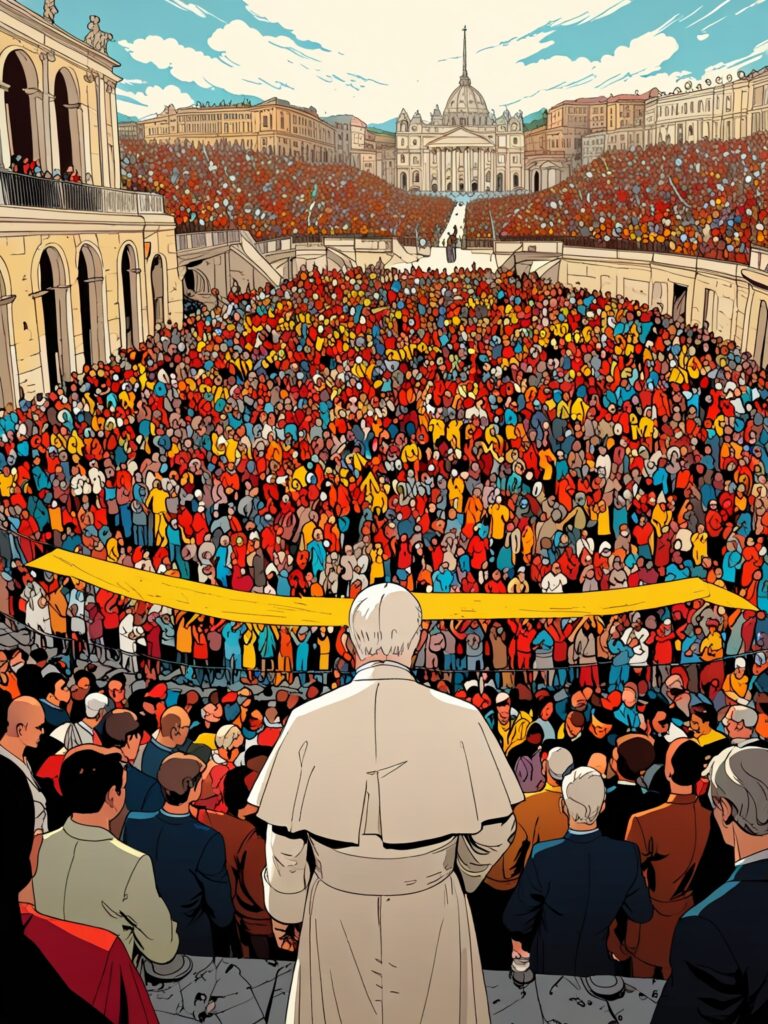
    On April 21, 2025, the world bid farewell to Pope Francis, who passed away at the age of 88. His departure marked the end of a transformative era for the Catholic Church, characterized by humility, inclusivity, and a commitment to social justice. As the Church mourns, it also embarks on a journey steeped in tradition and solemnity to honor his legacy and select his successor.


    The Immediate Aftermath: Rituals and Reverence

    Source: Vatican

    The Camerlengo’s Role

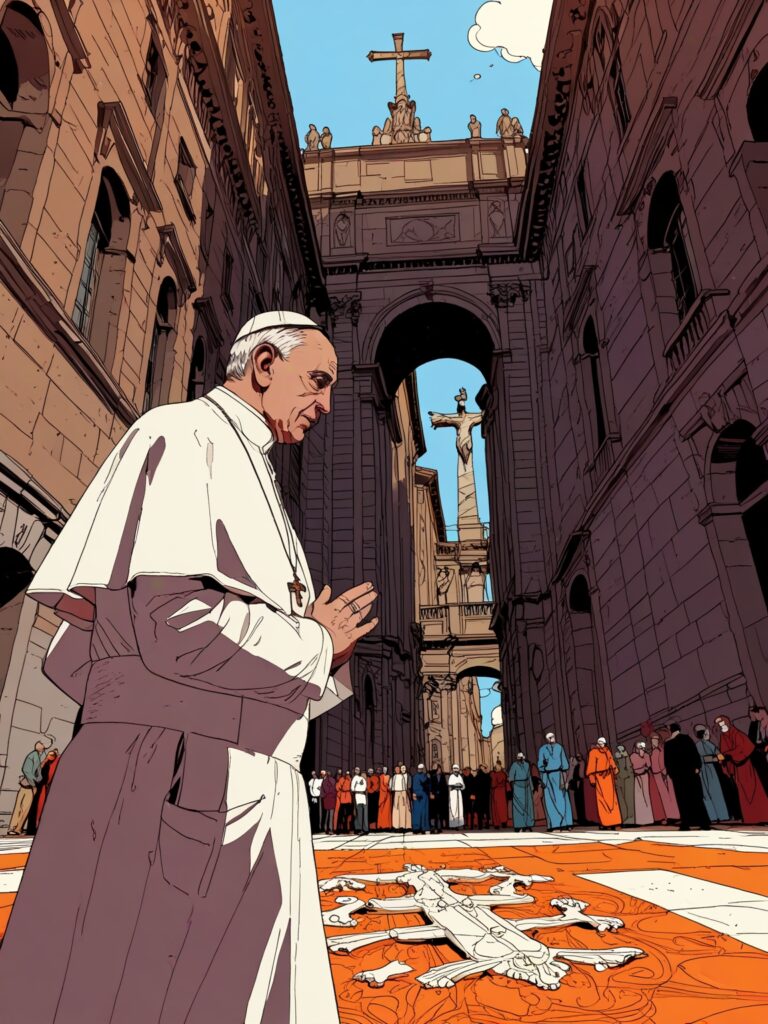
    In the hours following the Pope’s death, Cardinal Kevin Farrell, the camerlengo, undertook the solemn duty of confirming the pontiff’s passing. This involved calling out Pope Francis’s baptismal name, “Jorge Mario,” three times. Receiving no response, he declared the Holy See vacant. Subsequently, the Fisherman’s Ring, a symbol of the papal office, was ceremonially destroyed to prevent any misuse.

    Source: Vatican

    Lying in State

    Pope Francis’s body was placed in a simple wooden coffin, reflecting his lifelong commitment to humility. The coffin, lined with zinc, was then moved to St. Peter’s Basilica, where the faithful could pay their respects. Unlike previous papal funerals, his body was not displayed on an elevated platform, emphasizing his desire for simplicity even in death.


    Funeral Arrangements: A Departure from Tradition

    The Novemdiales

    The Church observes a nine-day mourning period known as “novemdiales,” during which Masses are held daily. Pope Francis’s funeral is scheduled to take place between the fourth and sixth day after his death, aligning with this period of mourning.

    Final Resting Place

    Breaking from tradition, Pope Francis requested to be buried at the Basilica of St. Mary Major in Rome, rather than the customary burial site beneath St. Peter’s Basilica. This choice underscores his deep devotion to the Virgin Mary and his consistent efforts to challenge and redefine longstanding conventions.


    The Conclave: Choosing the Next Pope

    Gathering of the Cardinals

    Following the funeral, the College of Cardinals will convene to elect the next pope. Only cardinals under the age of 80 are eligible to vote, totaling 135 electors. Notably, Pope Francis appointed many cardinals from diverse regions, potentially influencing the selection of a successor who embodies similar values.

    The Voting Process

    The conclave, held in the Sistine Chapel, is a process shrouded in secrecy. Cardinals vote up to four times daily, requiring a two-thirds majority to elect a new pope. The world watches for the iconic smoke signals: black indicating no decision, white heralding the election of a new pontiff.


    Reflecting on Pope Francis’s Legacy

    Pope Francis’s papacy was marked by a commitment to humility, inclusivity, and social justice. He consistently prioritized the marginalized, advocated for environmental stewardship, and sought to modernize the Church’s approach to contemporary issues. His decision to simplify his funeral rites and burial arrangements serves as a final testament to these values.


    Personal Reflections

    Pope Francis’s approach to leadership was both revolutionary and deeply rooted in the core tenets of the faith. His emphasis on compassion over condemnation, action over opulence, and service over status challenged the Church to evolve while staying true to its mission. As the Church prepares to elect a new leader, one can only hope that his successor continues to build upon this foundation, embracing change while honoring tradition.


    Conclusion

    The passing of Pope Francis marks the end of a significant chapter in the history of the Catholic Church. As the faithful mourn, they also look forward with hope and anticipation. The upcoming conclave presents an opportunity to continue the path of humility and reform that Pope Francis championed. His legacy serves as a guiding light, reminding us of the power of faith, compassion, and the enduring impact of leading by example.

    Heavenly Ever After Episodes 1–2 Recap

    0

    When the credits rolled on episode two of Heavenly Ever After, I sat back, blinked, and asked myself: “Why didn’t every afterlife come with paperwork and loan sharks?” Right from the start, this drama flips the script on beyond-the-grave tales. Instead of ethereal clouds and harp music, we get burly gangsters, bureaucratic subways, and a lead character whose idea of charity is charging interest. Yet, somehow, it all feels warm. Above all, the show strikes a perfect balance between comedy and genuine emotion.

    TL;DR

    • Unique afterlife concept with unexpected rules.
    • Compelling lead character: a tough loan shark with a hidden soft side.
    • Heartfelt portrayal of a long-lasting love story.
    • Exploration of grief and second chances in a fantastical setting.
    • Humorous take on afterlife bureaucracy and social dynamics.
    • Themes of self-image, self-love, and acceptance.
    • Standout performances from the lead actors.

    A Pitch-Perfect Premise

    First off, who pitches a love story set in heaven while still poking fun at interest rates? Heavenly Ever After nails it. A woman, convinced she’s destined for hell, lands in heaven’s waiting room. In other words, she’s going places—just not the ones she expects. Almost immediately, the series asks a big question: if you could do life over, what would you change? Right away, you sense the writers aren’t afraid to play with big ideas. They’re also not afraid to get their hands dirty. Literally.

    Meet Lee Hae‑Sook: Relentless Lender Turned Reluctant Saint

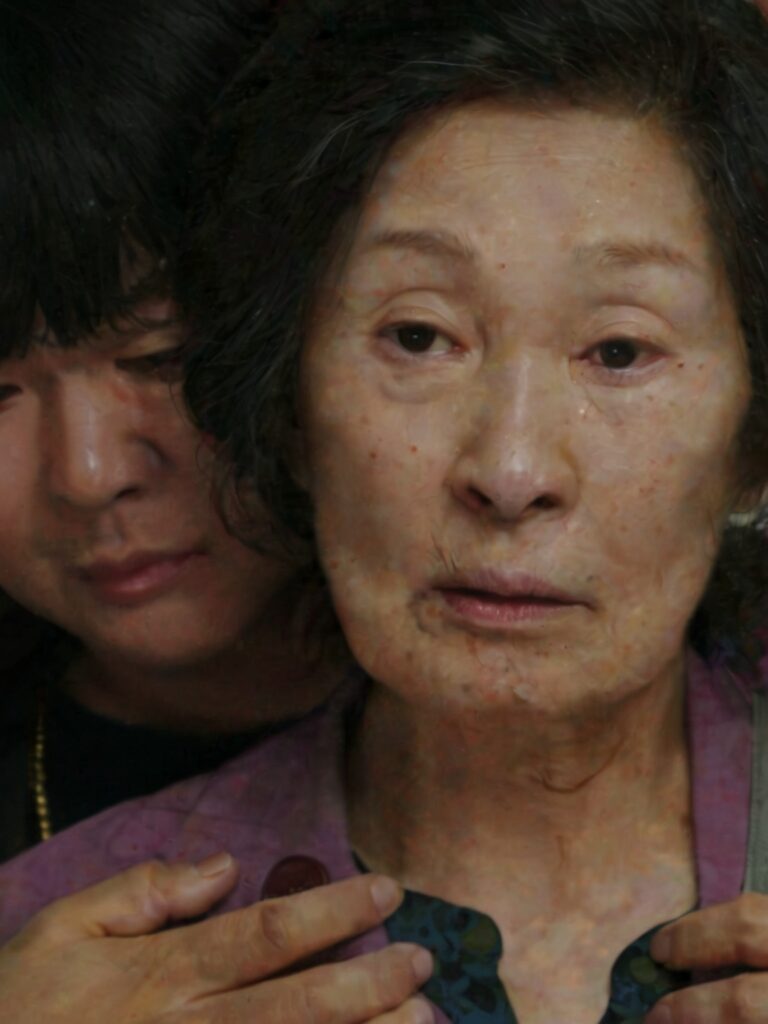
    Lee Hae‑Sook (Kim Hye‑ja) is not your grandma’s angel. She’s a loan shark. That’s right. And the loans she offers are small—just enough to keep the plot moving. Yet, she collects with the intensity of a mafia boss. Every bucket of water thrown her way only fuels her fire. Moreover, armed with an umbrella and her muscle, Lee Young‑ae (Lee Jung‑eun), Hae‑Sook scoffs at insults and threats. Above all, she’s a force. However, this tough exterior hides a softer core. Beneath the harsh words and hard stare lies a woman who once loved deeply.

    A Sixty‑Year Love Story in Miniature

    Next to her husband, Go Nak‑jun (Park Woong), Hae‑Sook transforms. Suddenly, she’s the doting wife. They exchange playful barbs and heartfelt compliments. Every “you’re still beautiful” tugs at your heart. Then tragedy strikes—Nak‑jun passes away. Hae‑Sook’s grief is raw. She yells at him, hoping it’s another prank. Yet, the silence confirms what she already knows: he’s gone. This moment turns her from villain to victim. It also sets the stage for her journey into heaven.

    Death, Subways, and the Afterlife’s Red Tape

    After Nak‑jun’s funeral, a grim reaper (Jo Woo‑jin) escorts Hae‑Sook to the subway. At this point, I expected clouds. Instead, I got procedural drama. First stop: hell. Bodies are flung from the train like improper luggage. Next stop: heaven. Here, staff explain the rules. For instance, you must check regrets at the door—literally. A mother leaves behind her children’s savings. A firefighter forfeits the mask he never cleaned. Hae‑Sook? She has nothing. That lack of baggage spooks her. Consequently, she gets ushered to a consultation.

    Choices, Ages, and a Button That Talks Too Much

    In this afterlife, you choose your posthumous age—once only. Many pick their prime. Think 25, 30, 40. Hae‑Sook nearly does the same. Then she recalls Nak‑jun’s dying words and opts for her real age: eighty. Heaven even equips her with a narration button. Press it and your thoughts spill out loud. Immediately, she broadcasts her steamy reunion plan. One magic trick later, she materializes in a field by her and Nak‑jun’s namesake house.

    First Impressions: Golden Years vs. Rose‑Tinted Youth

    Stepping into her new home, Hae‑Sook braces for joy. Instead, a younger Nak‑jun emerges. He barely recognizes her. True, she’s old. Yet, her grumbling complaint—“Are you sure this is right?”—resonates. A purple grape plops by her feet. Symbolism or cheap stunt? Either way, you laugh. And wince.

    Rediscovering Love, Wrinkles and All

    Once past the shock, Nak‑jun takes her hand. He runs, offers piggyback rides, and beams at their “cute couple” act. Meanwhile, Hae‑Sook’s inner voice labels them “mother and son.” Her self‑image takes center stage. Even heaven isn’t immune to ageism. Hundreds of untold souls hover in the background, pointing out her misplaced regret. Yet, Nak‑jun’s love remains unwavering. Still, she’s shaken. Was her second chance a mistake?

    Meeting the Bureaucrats: “Not Hell” 101

    Orientation day arrives in a grand hall. A booming voice—the “Community Center President” (Cheon Ho‑jin)—reminds residents: this isn’t paradise. No miracles. No superpowers. If you sin, you can still be sent to hell. The speech’s final moments flicker his face into something demonic. On top of everything else, heaven has performance reviews. Naturally, Hae‑Sook fidgets.

    Currency of Good Deeds and a Meal to Prove It

    To prove her place in heaven, Nak‑jun challenges her: buy a meal with good deeds as currency. She hesitates. Then it works. Bite by bite, she softens. By the time she shares a post‑death dinner with Nak‑jun, you believe she belongs here. Until a woman in black flickers at the door and vanishes.

    Echoes from the Living: Young‑ae’s Spiral

    Down in the mortal realm, Lee Young‑ae is lost. Hae‑Sook was more mother than mentor to her. Now she’s gone. Desperate, Young‑ae visits a bogus medium. You can almost hear the scam. Nevertheless, grief blinds logic. We hear a crash. The stage is set for tragedy. Meanwhile in heaven, Hae‑Sook and Nak‑jun stroll home, unaware.

    Paws and Claws: Animal Souls Among Us

    On day two, Hae‑Sook follows a cluster of gray‑haired folks to a “pet class.” To her horror, they transform into dogs. Then she spots Sonya—her cat—in human form. Recognition dawns. Her relief drowns in guilt and tears. She confronts Nak‑jun: his sweet words ring hollow when she still aches for youth.

    The Impossible Fix: Love vs. Looks

    Desperate, Hae‑Sook asks: can I get my looks back? Rules say no. Then she proposes the reverse. Nak‑jun bursts out that it wouldn’t be fair. His confession breaks them both. They argue. Then Nak‑jun admits his guilt. Every day he prayed for death so he wouldn’t burden her. She laughs through tears: she married him for his looks. His relief is palpable.

    My Point of View: What This Drama Hits Right on the Mark

    Here’s where I swoon. This show never settles for cheap laughs alone. Its heart lies in the tension between self‑image and self‑love. Ageism isn’t just a mortal worry—it follows you beyond death. Meanwhile, the creators give us a bureaucracy that feels eerily familiar. We all dread paperwork. Why shouldn’t the afterlife have a stint of human red tape? Furthermore, the narration button is pure genius. It’s a reminder: honesty can be a curse if you’re not ready. Also, the choice of eighty is more than a twist. It’s a statement. Your past isn’t a blemish. It’s the map to your heart.

    Performance Highlights: Kim Hye‑ja and Park Woong Steal the Show

    Credit where it’s due. Kim Hye‑ja brings a sly humor that never undercuts her pain. She can scowl with menace, then flip to warmth in a heartbeat. Park Woong, as Nak‑jun, exudes boyish charm and lifetime regret at once. Their chemistry feels lived‑in. Even Jo Woo‑jin’s grim reaper cameo leaves an imprint—he’s as annoyed as your neighbor who finds you using the wrong bin.

    The Afterlife as Mirror: Bureaucracy, Community, and Choice

    Above everything, Heavenly Ever After portrays heaven as an extension of human society. You get a community center, peer pressure, and performance reviews. Here, good deeds fuel your daily latte. Failure to behave risks demotion to hell. It’s a sobering thought: we might be auditioning for eternity every day. Yet, the show balances that with genuine hope. Because in the end, love and forgiveness matter more than any cosmic administration.

    What to Watch for in Upcoming Episodes

    As we move forward, keep an eye on these threads:

    1. Young‑ae’s Fate – That crash could change everything.
    2. Heaven’s True Rules – Is there a deeper purpose beyond “not hell”?
    3. Hae‑Sook’s Acceptance – Will she embrace her age, or keep chasing youth?
    4. Community Revolt – Misfits like her often spark change.

    In just two episodes, Heavenly Ever After earns its wings. It’s a show that makes you chuckle. It also makes you wonder about the ties that bind us—love, regret, and even paper trails. Above all, it reminds us that a second chance isn’t a reset button. It’s an opportunity to embrace our flaws, cherish our bonds, and yes, maybe fill out a few extra forms along the way.

    The Haunted Palace Episodes 1–2 Recap

    0

    From the moment the opening credits swirled into view, The Haunted Palace made one thing abundantly clear: this isn’t your grandma’s ghost story. Rather, we’re plunged headfirst into a realm where ancient serpents, vengeful spirits, and political intrigue collide. Over two episodes, this Korean drama manages to feel both timeless and refreshingly offbeat. So grab your protective talisman (or, you know, a pair of sturdy glasses) and let’s dive into a recap and analysis that balances chills, thrills, and a dash of heartfelt humanity.

    TL;DR

    • This show is a mix of scary ghost stories and old kingdom times.
    • A snake monster wants to become a dragon but can’t because of a human baby.
    • A young woman who can see ghosts doesn’t want to be a shaman.
    • The monster makes her life hard for many years.
    • Royal problems and evil spirits cause more trouble.
    • A good friend tries to help but gets caught in the middle.
    • The monster ends up in the friend’s body.

    A Spine‑Tingling Premise

    First things first: at its core, The Haunted Palace is a supernatural romance wrapped in a period‑drama package. It’s set in a kingdom haunted—literally—by an imoogi, an aspiring dragon cursed to linger on Earth until it can finally level up. Opposing it is a young shaman‑in‑reluctance, our heroine, Yeo‑ri. She’s never asked for this gig, yet every spooky specter seems drawn to her. As episodes 1 and 2 unfold, the series peppers us with enough eerie set pieces—blood‑soaked shores, whispering corridors, and a terrifying “eight‑foot spirit” stalking the royal prince—to keep goosebumps firmly in place.


    Origins of the Curse

    Kang‑cheol’s backstory is our first treat. Picture an imoogi who’s been training for an ascent to dragonhood for a thousand years. Then imagine fate—and a careless human baby—raining on his parade. His ascension is thwarted, leaving him bitter and vengeful toward humankind. Cue centuries of lurking resentment.

    Meanwhile, Yeo‑ri grows up in a shaman family. She hears of Kang‑cheol’s misfortune from her grandmother and, in a moment of youthful bravado, vows to put him in his place. Predictably, our snake‑like antagonist takes that personally. For the next thirteen years, he makes Yeo‑ri’s life a living nightmare, taunting her at every turn.

    • She’s ostracized by villagers who blame her for summoning the imoogi.
    • She’s haunted by relentless spiritual disturbances.
    • She watches her grandmother perish in a ward‑stone ritual gone wrong.

    By the time she’s an adult, Yeo‑ri is more comfortable crafting bespoke glasses than channeling spirits. Yet the moment she steps foot in public, restless souls practically form a conga line around her. Episode 1 ends with her chasing a possessed child through a bustling market—glasses toolkit in hand and zero desire for help.


    Politics, Possession, and a Proposal

    Shamanic drama only gets juicier when you throw royalty into the mix. Enter the young crown prince, now host to an ominous eight‑foot apparition. Bodies pile up (spoiler: not in a fun way), and the king refuses to admit supernatural meddling. Instead, he dispatches Yoon Gab, palace fixer and former village friend of Yeo‑ri, to wrangle help from ex‑Left State Minister Choi Won‑woo.

    Plot twist: Choi Won‑woo is Yeo‑ri’s latest glasses client. Gab seizes the chance to reconnect. Their shared history? He once shielded her from bullies. He even tried to whisk her off to Hanyang, but she declined—still scarred by Kang‑cheol’s earlier assaults.

    Gab’s pitch: join him at the palace as the royal optician. It’s a tempting offer, especially when a vision teases Yeo‑ri with a blissful future alongside Gab (glasses‑shaped halos glowing?). Naturally, things go sideways.

    • Gab is ambushed by political adversaries and dies refusing to betray the king.
    • Kang‑cheol witnesses the murder, jumps into Gab’s corpse, and fends off assassins.
    • Yeo‑ri discovers Gab’s body animated by the imoogi. Cue cliff‑side fistfight and a dramatic tumble into the river.

    They wash ashore, unconscious. Episode 2 closes with Yeo‑ri stumbling through palace gardens, chased by a ghostly voice down a well. It all ends with her nearly drowning—rescued in the nick of time by Kang‑cheol (who, it should be noted, just wants to be her guardian spirit forever).


    Character Deep‑Dive

    Yeo‑ri: The Reluctant Shaman

    • Strengths: Courageous. Witty retorts. Crafts some killer eyewear.
    • Weaknesses: Trust issues. Haunted by loss. Tends to run toward danger, rather than away.
    • Arc Potential: From reluctant shaman to empowered protector. Can she reconcile her calling with her fear of Kang‑cheol’s demands?

    Kang‑cheol: The Thousand‑Year Boa with Feelings

    • Mood: Immortal grump who secretly likes rice gruel.
    • Motivation: Ascend to dragonhood by bonding with a pure shaman soul (Yeo‑ri’s, obvi).
    • Soft Spot: Moments of genuine care when he defends Yeo‑ri from lesser evil spirits.
    • Fun Fact: First taste of human cuisine sends him into gastronomic ecstasy. Rice gruel never looked so magical.

    Yoon Gab: The Fallen Noble

    • Role: Palace advisor. Shaman sidekick‑in‑waiting.
    • Conflict: Torn between duty to the king and loyalty to Yeo‑ri.
    • Fate: Killed off‑screen, then puppeteered by Kang‑cheol. His body becomes battleground between centuries‑old magic and human politics.

    Supernatural Mechanics 101

    For viewers craving lore, The Haunted Palace doesn’t hold back:

    1. Imoogi Ascension
      • Requires pure shaman soul acceptance.
      • Blocked if spotted by a mortal during final transformation.
    2. Ward Stones
      • Powerful talismans that repel spirits.
      • Each one carries the life force of its shaman guardian.
    3. Spirit Possession
      • From mischievous poltergeists to eight‑foot monstrosities.
      • Requires rituals to exorcise, often lethal to the host if botched.
    4. Ghostly Echoes
      • Voices from the grave mimic the living.
      • Fatal if the listener fails to discern truth from deception.

    These mechanics fuel both the horror and the drama. In two episodes, we’ve seen nearly every supernatural trope in action—and yet it still feels original.


    Themes and Symbolism

    • Isolation vs. Connection
      Yeo‑ri and Kang‑cheol are both profoundly alone. She’s shunned by society; he’s alienated by betrayal. Yet, their fates are inextricably bound. Redemption may lie in unity.
    • Tradition vs. Change
      The old guard (King, Queen Dowager, ex‑ministers) cling to protocol and secrecy. Meanwhile, Yeo‑ri and Gab—products of their past—push for honesty and collaboration.
    • Power and Consent
      Kang‑cheol’s desire to merge with Yeo‑ri raises questions about autonomy. Will she ever willingly give up her power? Or will he learn to respect boundaries?

    New Insights You Might’ve Missed

    1. Rice Gruel Revelation
      The imoogi’s newfound love for human food suggests an underlying hope: what if he could embrace humanity instead of hating it?
    2. Well of Echoes
      The palace well isn’t just dramatic scenery. It’s said that wells bridge worlds—their darkness mirrors the void between life and death. Yeo‑ri’s near‑drowning hints at her potential rebirth as a shaman fully in tune with both realms.
    3. Glasses as Metaphor
      Yeo‑ri’s craft goes beyond eyewear. Each pair she forges represents clarity—seeing spirits, seeing truth. Gab’s own glasses made from a ward stone? Symbolic of leadership that both protects and illuminates.
    4. Political Sins of Omission
      The king’s refusal to acknowledge his possessed son mirrors real‑world leaders ignoring inconvenient truths. It’s a clever critique of governance driven by ego rather than responsibility.

    My Two Cents: Personal Take

    Alright, let me spill some tea. This drama is more than jump scares and brooding immortals. It’s a love letter to the messy intersection of duty, destiny, and desire. Yeo‑ri’s journey resonates because who among us hasn’t fled from a calling we secretly crave? And Kang‑cheol, for all his scaly exterior, shows us that healing ancient wounds requires a side of humility—and maybe a spoonful of gruel.

    I’m particularly intrigued by how the writers juggle horror tropes with tender moments. One scene can leave me leaping from my seat; the next has me nodding along to the universal truth that sometimes, the scariest thing is opening your heart.

    Will Yeo‑ri and Kang‑cheol find middle ground? Can Gab’s shattered soul be pieced back together without losing himself? And will the royal court ever admit that ghosts aren’t just bedtime stories? I’m betting on spectacular revelations—and perhaps a dragon or two making a cameo.

    If you’ve ever wondered what happens when a thousand‑year serpent meets a glasses‑making shaman, you’re in for a treat. The Haunted Palace Episodes 1–2 are a roller coaster of chills, political scheming, and emotional payoffs. With its blend of humor, horror, and heartfelt moments, this series stakes its claim as a must‑watch in the realm of Korean supernatural dramas. So, strap in, stock up on ward stones, and prepare to be haunted—in the best way possible

    Pope Francis, the 265th successor to St. Peter, passed away today at age 88

    0

    Pope Francis spent his final months battling fragile health after a serious bout of pneumonia earlier in the year. Yet even as his body weakened, his influence on the Catholic Church only grew. Over his near‑12‑year pontificate, Francis reshaped the Vatican’s priorities, sparking fierce debate, driving bold reforms, and championing causes that extended far beyond traditional moral teachings. His death marks the end of an era defined by social justice, environmental stewardship, and an insistence on transparency within Vatican reform.

    AspectDetails
    Birth NameJorge Mario Bergoglio
    Date of BirthDecember 17, 1936
    Place of BirthBuenos Aires, Argentina
    Papal NameFrancis
    PapacyMarch 13, 2013 – April 21, 2025
    Religious OrderSociety of Jesus (Jesuits)
    Notable EncyclicalsLaudato Si’ (2015), Fratelli Tutti (2020)
    Key Focus AreasSocial justice, environmental stewardship, migrant advocacy
    Historical FirstsFirst Jesuit pope; first from the Americas; first to choose “Francis”
    Date of DeathApril 21, 2025

    Early Life and Humble Beginnings
    Born Jorge Mario Bergoglio on December 17, 1936, in Buenos Aires, he was the eldest of five children to Italian‑immigrant parents. His father worked as a railway employee; his mother tended to the household. Young Jorge attended a vocational high school focused on chemistry. He even worked as a doorman in local bars, where he wowed patrons with his tango skills.

    At 20, he contracted pneumonia and lost part of his right lung. Later, when he announced his plan to enter the priesthood, his mother protested. “Go study medicine,” she urged. His reply? “I’m entering the medicine of the soul.” He joined the Jesuits, an order renowned for its emphasis on education and social outreach.

    A Rapid Rise in the Jesuit Order
    Ordained in 1969, Father Bergoglio quickly distinguished himself. By 1973, at just 36, he became provincial superior of the Argentine Jesuits—a rare honor for someone so young. He led during Argentina’s brutal military dictatorship, a period that would dog his reputation for decades. Critics accused him of failing to protect fellow Jesuits kidnapped by the junta. Supporters, including Nobel laureate Adolfo Pérez Esquivel, later credited Bergoglio with quietly aiding victims.

    In 1992, Cardinal Antonio Quarracino brought him back from a two‑year exile in Córdoba to serve as auxiliary bishop of Buenos Aires. By 2001, he was a cardinal. His reputation for humility—riding buses, cooking his own meals, living in a modest apartment—set him apart from many peers.

    A Conclave That Broke Tradition
    When Pope Benedict XVI resigned in February 2013, it was the first papal abdication in nearly 600 years. Few named Cardinal Bergoglio as a contender. Yet liberal cardinals quietly lobbied for him, drawn to his unpretentious style and emphasis on evangelism over bureaucracy. On the fifth ballot, on March 13, 2013, they made history. When Bergoglio stepped onto St. Peter’s balcony, he did so without a flowing cape, greeting onlookers with a casual “Good evening.” The world met Pope Francis, the first pontiff from the Americas, the first Jesuit pope, and the first to choose the name of St. Francis of Assisi.

    Redefining Papal Style
    From day one, Francis eschewed pomp. He commuted in a Ford Focus instead of the papal limousine. He opted for a spare guesthouse suite rather than the opulent Apostolic Palace. His attire was simple—no silk mozetta or fur‑trimmed cope. These gestures were hardly superficial. They underscored his central message: the Church belongs to the poor, not the privileged.

    Championing Social and Economic Justice
    Rather than hammering on sexual ethics, Francis pivoted to poverty, inequality, and the environment. He railed against the “globalization of indifference,” urging faithful and secular alike to bridge the divide between rich and poor. In his 2015 encyclical, Laudato Si’, he delivered a scathing critique of unbridled capitalism and its environmental toll. He called for immediate action to curb carbon emissions, protect vulnerable ecosystems, and uphold Catholic social teaching on stewardship of Creation.

    A Vocal Advocate for Migrants
    As nations worldwide erected walls and tightened borders, Francis opened Vatican doors. He washed the feet of refugees and migrants on Holy Thursday, including Muslims and prisoners. He decried anti‑immigrant policies as “not Christian,” and personally welcomed hundreds of Syrians into Italy. In February 2025, he publicly criticized U.S. plans for mass deportations—a rare direct intervention in American politics. His outspoken stance made him a hero to many human rights groups and a target for conservative critics.

    Balancing Moral Teaching with Merciful Outreach
    Francis’ famous quip—“Who am I to judge?”—when asked about gay priests became shorthand for his more relaxed tone on LGBT issues. He endorsed civil unions for same‑sex couples, suggested contraception might be moral in certain circumstances, and met with transgender individuals. These comments ignited hope among liberal Catholics. Yet he stopped short of altering Church dogma on marriage or ordination. He maintained the celibacy rule for priests, disappointing progressives eager to address clergy shortages.

    Battling the Scandal of Clerical Sex Abuse
    Perhaps no issue defined, and tested, his papacy more than the ongoing clerical abuse crisis. Francis publicly endorsed zero tolerance. He convened global summits, eased secrecy rules on Vatican files, and disciplined senior prelates. Despite these measures, many victims felt more gestures than genuine accountability. The McCarrick scandal—centered on a powerful U.S. cardinal accused of sexual misconduct—forced Francis onto the defensive. He denied earlier allegations, then removed McCarrick from the priesthood after a Vatican trial. Critics argue Francis was too slow to act and too lenient in sentencing some offenders.

    Overhauling Vatican Finances and Bureaucracy
    Under his watch, the Vatican’s once‑opaque financial empire underwent unprecedented scrutiny. Francis created a council of outside experts to oversee investments. He revamped the Vatican bank’s oversight, prosecuting officials for money laundering. His 2020 suspension of a once‑influential cardinal for financial malfeasance signaled a break from past impunity. Yet some conservative factions accused him of politicizing finance and centralizing power in a “Francis model” of governance.

    Navigating Global Conflicts and Interfaith Dialogue
    Francis adopted a notably neutral stance on the Russia‑Ukraine war. He lamented Ukrainian suffering without directly condemning Russia, insisting that Western rhetoric had partly fueled tensions. His priority, he said, was dialogue, prayer, and humanitarian aid. Simultaneously, he invested heavily in interfaith outreach. He washed the feet of Muslim clerics, visited nine majority‑Muslim nations, and brokered a controversial agreement with China granting Beijing a role in bishop appointments—a deal hailed by some as pragmatic, decried by others as betrayal of the underground Church.

    Strategic Cardinal Appointments
    Long before his death, Francis had reshaped the future leadership of the Church. He bypassed conservative bishops in major sees—Los Angeles, Venice—and instead tapped prelates from Tonga, Mongolia, and parts of Africa and Asia. By 2025, two‑thirds of cardinal electors bore his imprint. Whether this ensures continuity or sparks backlash remains to be seen.

    Personal Habits That Spoke Volumes
    Throughout it all, the pope’s day‑to‑day routines reinforced his message. He made his own bed. He cooked meals. He took public transit in Rome. He lived simply. These small acts resonated far beyond the Vatican walls, humanizing the office of Peter’s successor and underlining his call for a “poor church for the poor.”

    Tensions with Conservative Catholics
    Francis’ outreach to marginalized communities and his flexible tone on doctrine unnerved many bishops and cardinals. In Germany, reform‑minded clergy pressed for women’s ordination, blessings for same‑sex unions, and an end to celibacy. Francis convened a global synod in 2024 that fell short of sweeping change. Yet the mere fact that such debates occurred under his watch marked a seismic shift from his predecessor’s more uniform approach.

    Environmental Leadership and Climate Advocacy
    No issue showcased his futurist streak like climate change. Laudato Si’ became required reading in many seminaries and schools. He joined youth-led climate marches. He called on global leaders to honor the Paris Agreement. In 2019, he ringed St. Peter’s Basilica with a 24‑hour vigil for climate action. For many, this cemented his status as the “Green Pope.”

    Health Struggles and Final Days
    After suffering a life‑threatening pneumonia in early 2025, Francis’ health remained precarious. He spent weeks in the Gemelli Hospital, weathering complications in his compromised lungs. Upon returning to the Vatican, he continued to receive visitors when possible, but his public appearances dwindled. His death on April 21, 2025, came as no surprise—but it still stunned millions around the world.

    Legacy of Firsts and Lasting Influence
    Francis broke at least five centuries of tradition. First from the Americas. First Jesuit. First to choose the name Francis. First after a papal resignation. First to live so modestly in modern times. Future popes will find it hard to match his blend of informality and global activism. Whether his Catholic social justice agenda persists will hinge on the next conclave’s choices.

    Looking Ahead: The Road to the Next Conclave
    With two‑thirds of cardinal electors appointed by him, Francis has cast a long shadow over the upcoming papal ballot. Will the College of Cardinals double down on his focus on the peripheries—both geographic and social? Or will they steer back toward doctrinal purity and central control? Expect lively debates, intense lobbying, and perhaps a surprise or two when white smoke emerges again above St. Peter’s.

    My Perspective
    Watching Francis navigate the floodwaters of modern challenges was nothing short of exhilarating. He dared to ask hard questions. He cracked closed doors. He reminded us that compassion isn’t a soft option—it’s the Church’s core mandate. True, he stumbled on clerical abuse, perhaps underestimated the stubbornness of conservative hierarchies, and sometimes sent mixed signals on political issues. Yet his willingness to embrace complexity, to meet refugees at borders, and to plead for our common home earned him both fierce admirers and ardent critics.

    In an age hungry for authenticity, Francis served up humility in abundant measure. His papacy was real and touched millions of people around the world. And in that reality lies his greatest lesson: faith must meet the world as it is, not as we wish it to be. As we mourn his passing, we also inherit his challenge: to build a Church—and a world—that listens first, includes all, and never tires of seeking justice.

    Trump’s Tariff Playbook: How Trade Deficits, Manufacturing Revival, and Global Cash Flows Collide

    0

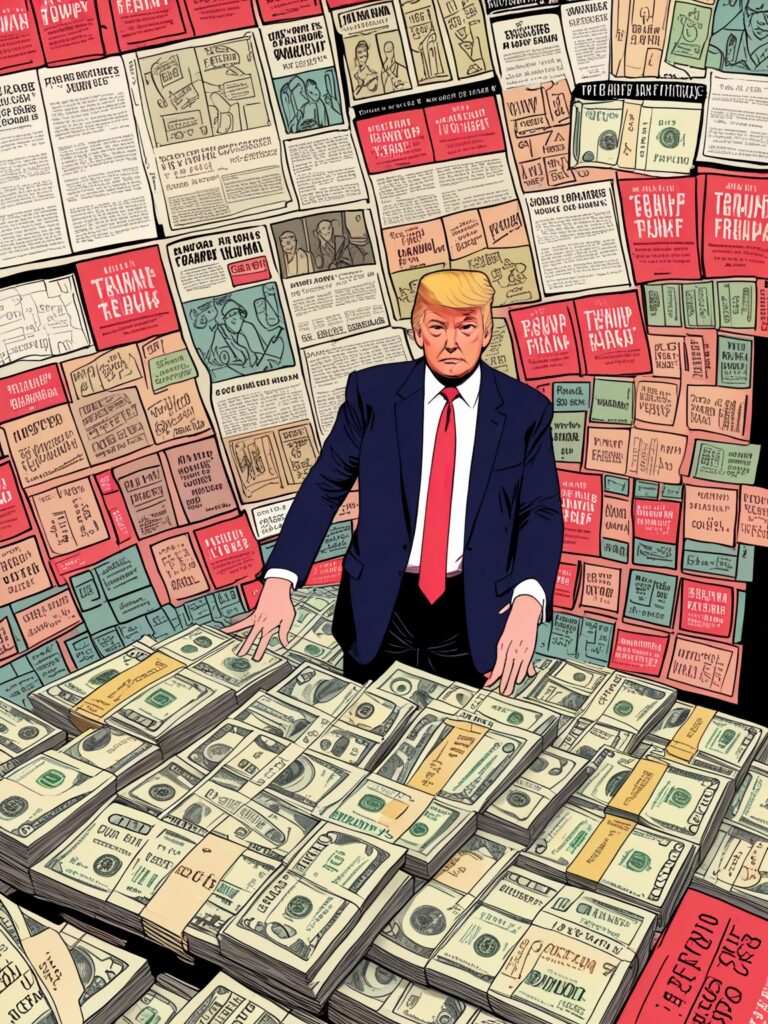
    What does President Trump really want from tariffs? It’s become something of a spectator sport. Yet, beneath the headlines and hot takes, two goals stand out: shrinking the U.S. trade deficit and firing up domestic manufacturing. In theory, those aims sound straightforward. In practice? They’re tangled in a web of global cash flows, consumer habits, and political theatrics.

    In this deep dive, we’ll unpack the logic (and loopholes) of Trump’s tariff policy. Expect clear explanations, fresh viewpoints, and a few sharp observations along the way. By the end, you’ll have a crystal-clear sense of how trade deficits link to foreign investment, why Americans might pay more for everyday goods, and what must happen—both abroad and at home—for the plan to work. Or fail spectacularly.

    TL;DR

    • Tariffs aim to reduce the trade deficit and boost U.S. manufacturing by making imports more expensive.
    • The balance of payments shows how imports and foreign investment are linked.
    • Tariffs can lead to higher prices, rising interest rates, and stock market volatility.
    • A weaker dollar may help exports but also increases import costs.
    • The focus is on if tariffs help or hurt the long term USA economy.
    • The USA must save more money to fund USA factories if foreign money stops flowing in.
    • The effects of tariffs are complex and can have unintended results.

    Understanding the Balance of Payments

    At the heart of this debate lies the balance of payments. Think of it as the ultimate accounting ledger for a country’s economic life. It splits into two parts:

    1. Current Account: Tracks exports, imports, and a handful of smaller flows. For the U.S., this line item has been running a consistent deficit—Americans buy more from world markets than they sell.
    2. Capital and Financial Account: Monitors foreign money entering and leaving the U.S. to buy stocks, bonds, real estate, and factories.

    Here’s the kicker: these two accounts must balance each other. If Americans import a boatload of goods, foreigners need to buy an equivalent value in U.S. assets. Recently, foreigners have funneled cash into Treasury bonds and Wall Street equities to fill that gap.


    Tariffs as a Tool to Tame the Trade Deficit

    President Trump zeroed in on the goods deficit, arguing that punishing foreign exporters with taxes will:

    • Boost U.S. manufacturing. Tariffs make imported goods pricier, nudging companies and consumers toward American-made alternatives.
    • Curb the trade imbalance. Less cheap imports should shrink the deficit, theoretically reining in the need for foreign capital.

    Yet, these two steps trigger a cascade of secondary effects. Anyone cheering for a manufacturing revival must also ask: What happens to the foreign cash that still needs a home?


    Pathways to a Smaller Goods Deficit

    There are two main routes:

    1. Sacrifice Service Surpluses for Industry Gains

    The U.S. runs a surplus in services—think tech consulting, financial work, and so on. One approach would let the goods deficit drop while the overall trade deficit holds steady. Essentially, services become the funding source for manufacturing. That demands major shifts in domestic tax codes and regulations to tilt the playing field.

    2. Shrink the Total Trade Deficit

    The more ambitious strategy tackles the entire trade imbalance. If the U.S. imports less, foreign capital inflows fall. Simultaneously, tariffs make local manufacturing more attractive, prompting new investment in assembly plants and production lines. But that investment has to be financed at home. More on that in a moment.


    Domestic Balancing Act: Saving vs. Spending

    To fund big-ticket projects—robots, clean rooms, maybe sweatshops—America needs savings. Right now, weak domestic savings rates mean the U.S. relies on Chinese buyers of Treasurys and European investors in corporate bonds.

    If foreign money retreats, Americans must step up their savings game:

    • Higher national savings means lower consumption.
    • Lower consumption means shoppers buy fewer gadgets, clothes, and gizmos.

    In short, we shift from the land of credit cards to the land of collective piggy banks. Sounds cozy. Except it would hit consumer-facing businesses and everyday lifestyles.


    The Markets Are Watching: Four Key Impacts

    Here’s where the rubber meets the road.

    1. Pricier Products, Fewer Choices

    Tariffs operate as the stealthiest tax increase in decades. Almost everything imported—from sneakers to smartphone chips—carries an extra levy. Businesses pass that cost on to customers. The result? You pay more. And if U.S. manufacturers can’t ramp up fast enough, your options start to shrink.

    2. Rising Interest Rates

    Foreign purchases of Treasurys and corporate bonds have kept U.S. rates historically low. Cut off that supply, and yields must climb to lure domestic savers. In other words, borrowing costs spike—for everyone. Mortgages go up. Credit-card APRs climb. Corporate loans get pricier, too.

    3. Stock Market Rollercoaster

    Most foreign capital currently flows into portfolio investments, not factories. Fewer imports equals fewer foreign dollars to buy stocks and bonds. The math is simple: less demand backstage translates to lower share prices on the trading floor.

    4. A Softer Dollar

    Economic theory predicts the dollar will weaken if the U.S. can’t attract enough foreign savings. A weaker currency should, in theory, make U.S. exports more competitive. Yet, recent dynamics complicate this:

    • Reserve Risk: Countries worry vaulting their reserves in dollars could backfire, as with Russia’s asset freezes.
    • Trade Retrenchment: Tariffs stoke fears of a global slowdown, reducing demand for dollar-denominated transactions.
    • Legal Uncertainty: Investors fret over the rule of law when the Federal Reserve’s independence feels under political siege.

    A weaker greenback might help exporters but also raises import costs further, feeding back into higher consumer prices.


    Productivity vs. Protectionism

    Here’s a thought experiment: What if bringing back every low-wage job were possible? Imagine U.S. sewing rooms humming with work once shipped overseas. You’d pay less for domestically made clothes. Fine. But as productivity drops, so does America’s edge in high-tech sectors.

    The real question: Do we want to compete on the global stage in Walmart apparel, or continue leading in chip design, software, biotech, and other high-value exports? Tariffs can nudge the country one way—but at the cost of global competitiveness and currency strength.


    A Best-Case (But Unlikely) Scenario

    Okay, let’s entertain optimism for a second. What if the world responds to U.S. tariffs by boosting demand for American services, energy, and agricultural exports? Picture Germany ditching austerity, China unleashing consumer spending, and everyone scrambling to buy U.S.-made airplanes and software.

    In that utopia:

    • The trade deficit shrinks because exports surge.
    • Foreign capital still flows in to support American growth.
    • Manufacturing investment rises organically, without a savings crunch.

    Reality check: After months of insults and tariffs, it’s hard to imagine Beijing and Berlin racing to our checkout line.


    My Take: Betting on Productivity, Not Protectionism

    Here’s where I stand. I believe America’s real strength lies in innovation. We excel at designing the next iPhone chip, crafting cutting-edge medication, and writing code that moves markets. Shifting resources back to low-tech manufacturing is a noble goal—but it’s a sideshow if we lose what makes us world leaders.

    Moreover, the American consumer has become accustomed to variety and value. Asking households to save more and spend less can slow growth dramatically. And while tariffs make a dramatic headline, their muscle flexes mostly as pain at the checkout counter.

    If the administration truly wants a manufacturing renaissance, I’d argue for smarter policies:

    • Invest in infrastructure and training. Build high-tech research centers. Fund vocational programs. Connect companies with skilled workers.
    • Encourage targeted incentives. Offer tax breaks for automation that boosts output without sacrificing productivity.
    • Negotiate pragmatic trade deals. Use diplomacy to lower barriers, not just slam doors with tariffs.

    Those steps don’t guarantee perfection. Yet they leverage America’s proven strengths: technology, ingenuity, and soft power.


    Conclusion: Tariffs as a Gamble

    Tariffs are no silver bullet. They reshuffle economic forces, often in unpredictable ways. Yes, they can nudge manufacturing back home. But they also drive up costs, unsettle markets, and force Americans to choose between saving and spending.

    At the end of the day, the big question remains: Is it worth swapping global competitiveness and consumer freedom for a short-lived industrial boost? History suggests that economies thrive when they play to their strengths—and America’s top cards remain innovation and high-value production.

    So, dear reader, what do you think? Is Trump’s tariff gamble a masterstroke of economic strategy, or an expensive distraction from the real work of rebuilding America’s innovative edge? Let me know below.