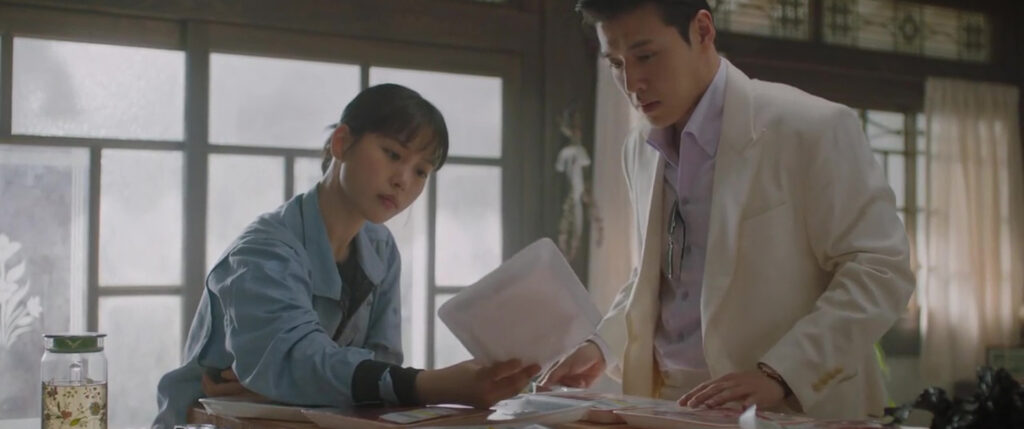
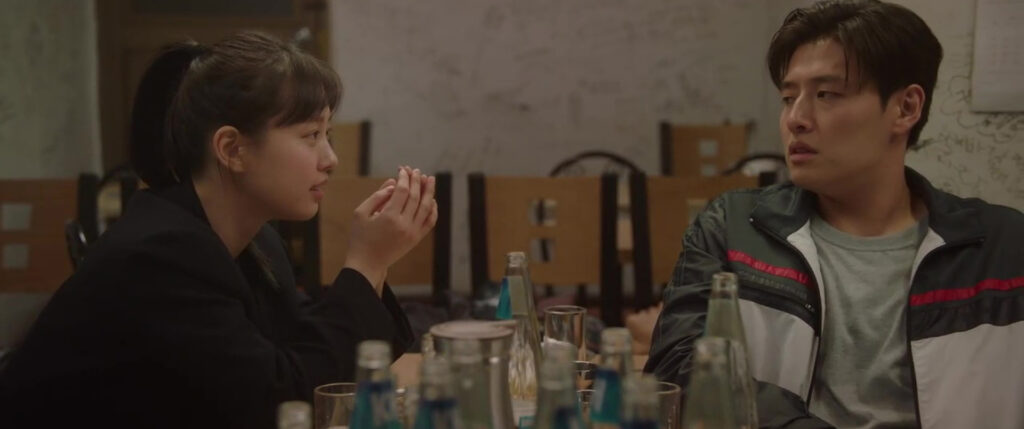
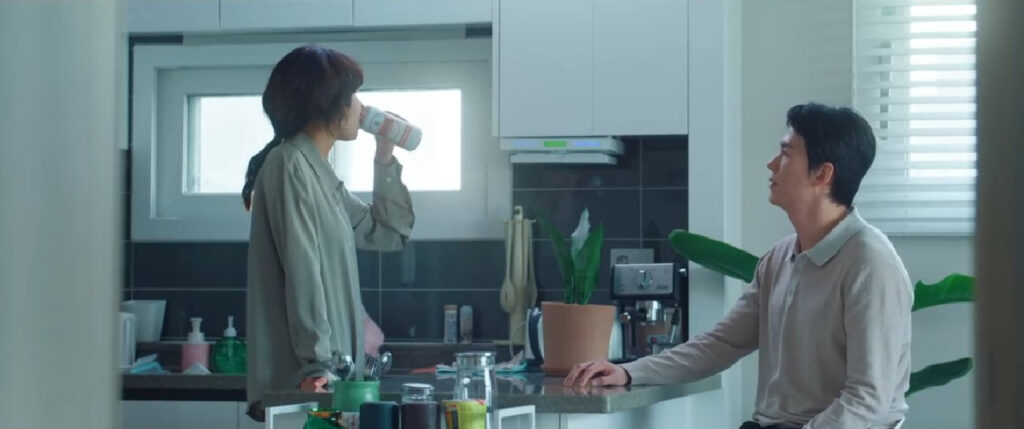
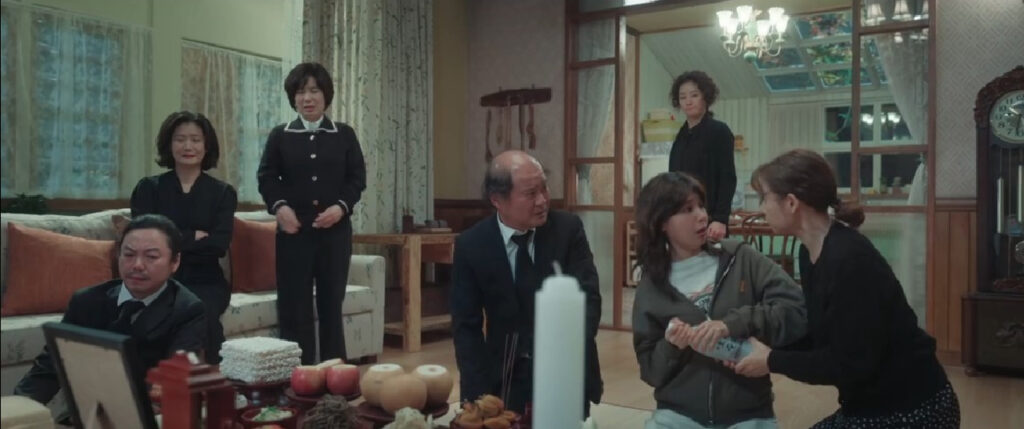
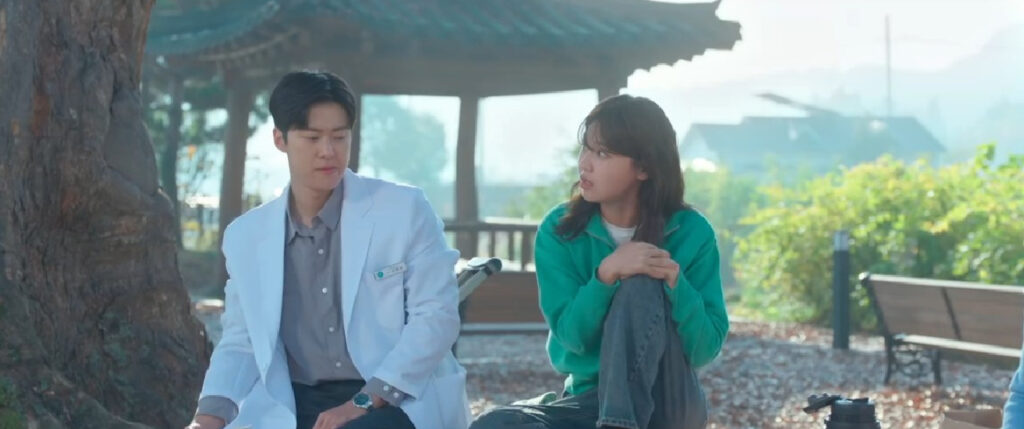
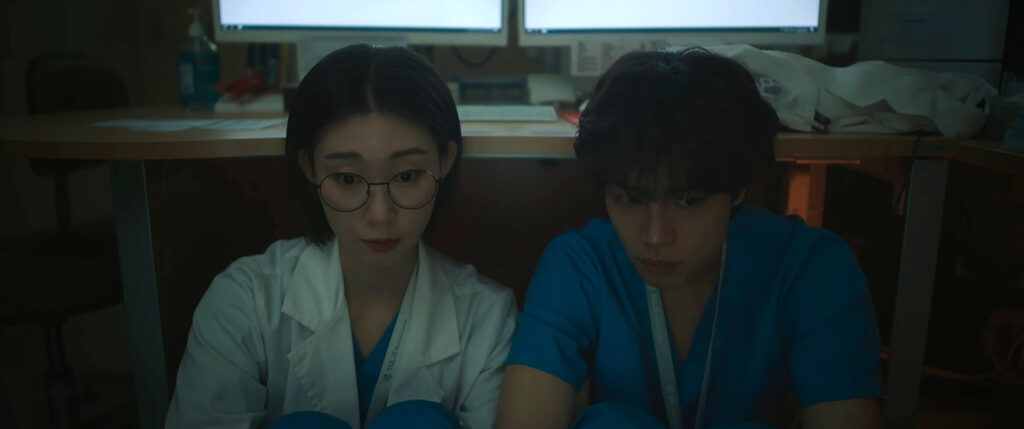
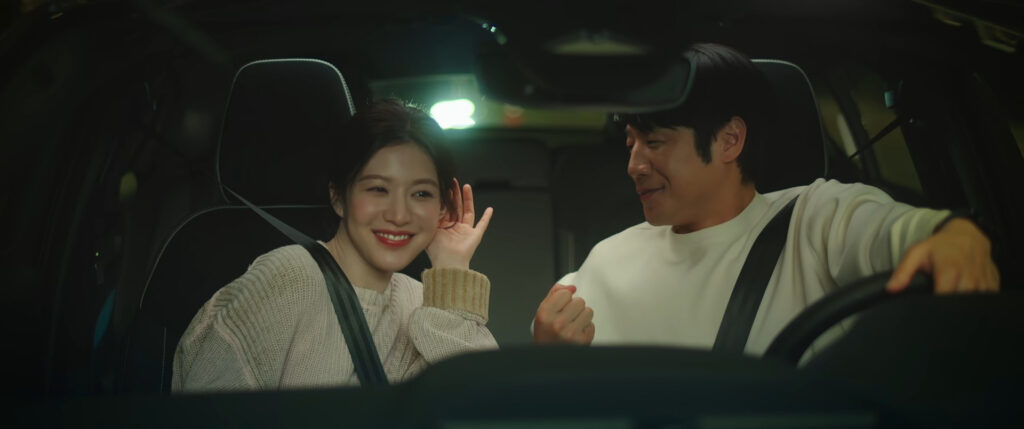
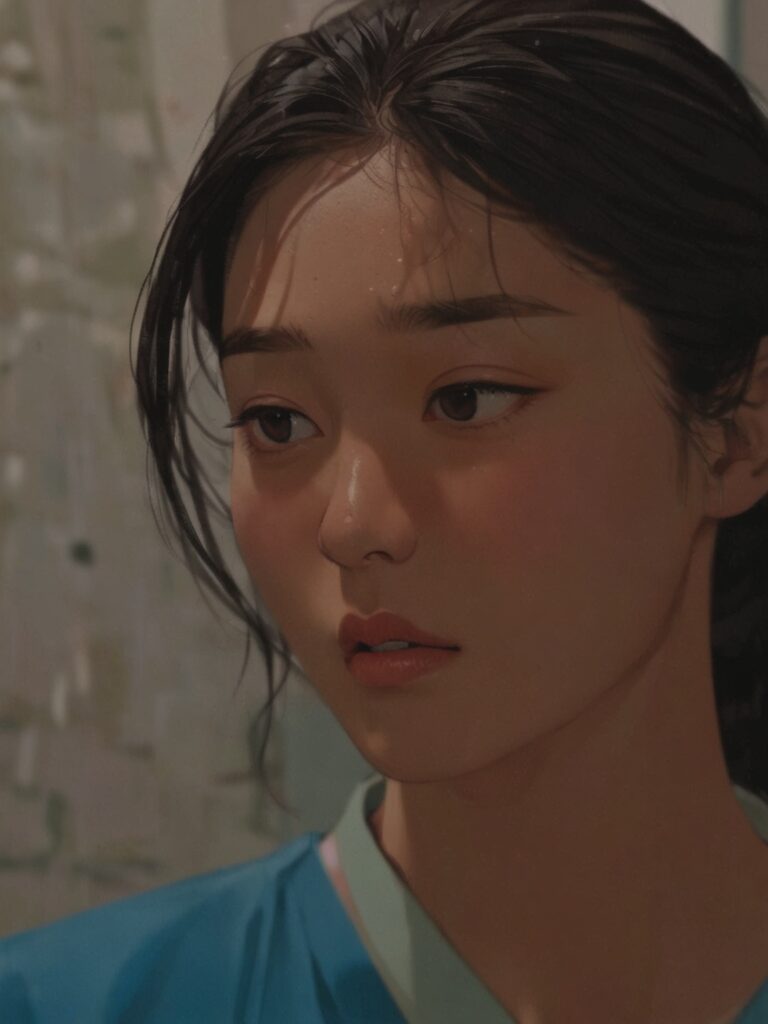
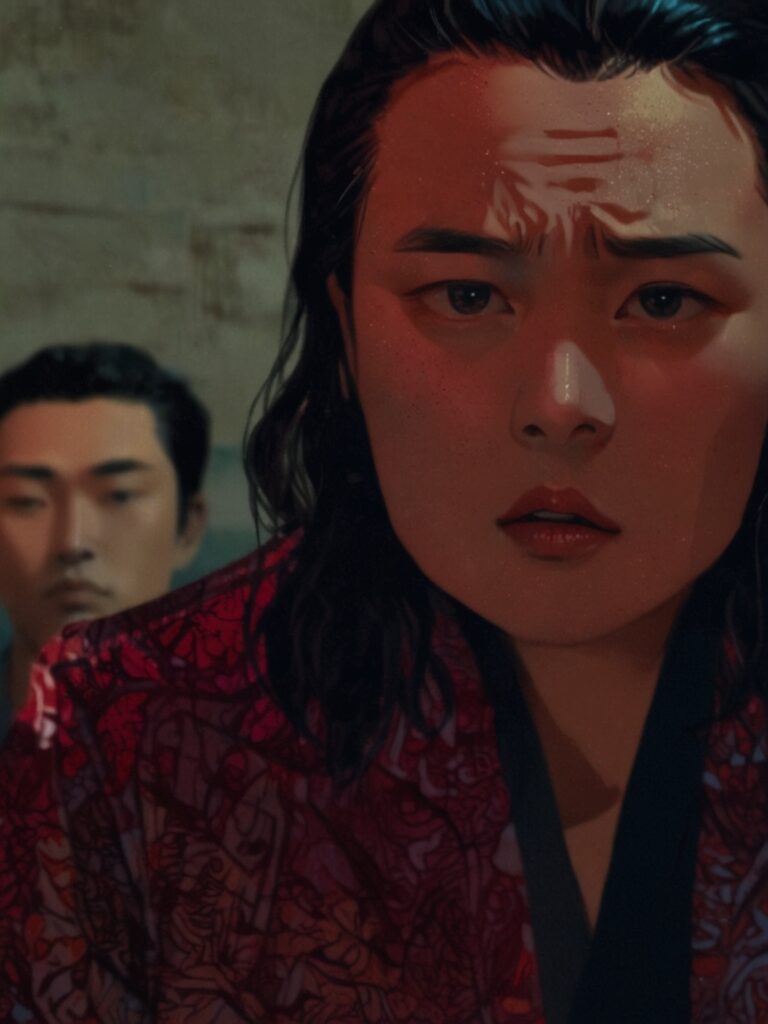
Right off the bat, Tastefully Yours invites us into a world where haute cuisine and dog‑eat‑dog corporate ambition collide—in a way that’s both mouth‑watering and downright entertaining. In Episodes 1 and 2, we meet Director Han Beom‑woo, the profit‑driven scion of Hansang Foods, and Chef Mo Yeon‑joo, the fiercely independent cook of a tiny Jeonju eatery. Together, these two polar opposites set the stage for plenty of steam—both culinary and romantic.
TL;DR
Ambitious food director meets stubborn local chef.
He tries to take her recipe, fails, and faces a downfall.
She offers him a chance to work in her restaurant.
Their different worlds collide in the kitchen and beyond.
Unexpected bonds form with the local community.
External threats and personal challenges arise.
The story explores passion versus profit and personal growth.
Meet the Profit‑Obsessed Chaebol: Han Beom‑woo
From the moment Beom‑woo strides onto the screen, his agenda is crystal clear: three Michelin stars for his flagship restaurant, Motto. No half‑measures here. If it means swiping recipes at midnight or strong‑arming restaurant owners, he’ll do it. He even admits that “no” is just a speed bump.
Ambition personified. He views every signature dish as an asset to be acquired.
Sibling rivalry on steroids. His brother Han Sun‑woo already holds two stars for his spot, La Lecel. Their mother, the formidable Chairwoman Han, has declared the first to reach three stars the next heir to Hansang Foods.
Motto’s menu makeover. Beom‑woo zeroes in on a coveted neobiani recipe. Not for innovation—purely for the ratings.
However, this relentless approach comes at a price. His tactics rub people the wrong way. Worse, they sow the seeds of a spectacular fall—a public relations nightmare that sends Hansang’s stock into freefall.
Small‑Town Chef with an Iron Spine: Mo Yeon‑joo
In stark contrast stands Yeon‑joo, owner of Jungjae, a humble hole‑in‑the‑wall in Jeonju. She’s every bit as stubborn as Beom‑woo is ruthless.
Heart and soul. She sources every ingredient herself. No shortcuts allowed.
Respect for tradition. To her, a recipe is sacred, not a commodity.
Homegrown pride. She’s protective—borderline territorial—about her kitchen.
When Beom‑woo arrives expecting to bully her into selling her recipe, Yeon‑joo slaps him with reality: her “neobiani” is actually seopsanjeok. This simple correction sets the tone: he’s about to learn that not everything valuable can be bought.
Ingredient Hunt: Chaos in the Countryside
Knowing a deal hinges on seeing her masterpiece, Beom‑woo begrudgingly goes ingredient forager. This sequence is comedic gold:
Black‑card blunders. Flashing credit like a Vegas VIP, he tries to win over stubborn farmers.
Egg espionage. Negotiating yolks with free‑range hens.
Raw beef roulette. A near‑salmonella faint‑out moment.
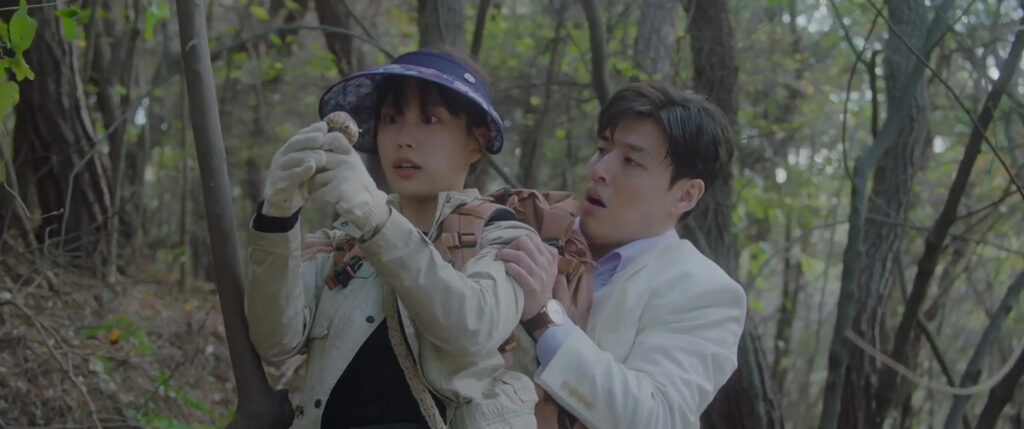
Mushroom mountaineering. One wrong step away from a Nature documentary.
Meanwhile, Yeon‑joo watches with mild amusement. Ultimately, his suffering becomes the perfect setup for a lesson in patience—and humility.
Battle of the Dishes: Seopsanjeok vs. Neobiani
Back in the kitchen, Yeon‑joo’s final plate arrives. The aromas alone send Beom‑woo’s predatory instincts into a temporary truce. Yet, old habits die hard:
Businessman’s blind spot. He refuses to praise. Instead, he straight‑faced levels his plate and tries to seal a buyout.
Chef’s credo. Yeon‑joo cares about passion over profit. She delivers a parting gift: a challenge to find non‑monetary reasons for cooking.
For once, Beom‑woo is at a loss for words. His world, built on spreadsheets, just met a dish built on heart.
Stock market sting. Shares dive as scandal surfaces.
Family betrayal. Sun‑woo manipulates events to oust his own brother.
Mother knows best. Chairwoman Han dismisses Beom‑woo’s grievances. She applauds winning, no matter the collateral damage.
Now, Beom‑woo is benched at Hansang. His three‑star quest seems impossible without a restaurant. But drama insists: that hole‑in‑the‑wall in Jeonju has unpaid bills and only a month to settle rent. Cue the inevitable second meeting.
A Faustian Deal: One Month as Manager
Yeon‑joo refuses a straight buyout but offers an alternative: Beom‑woo can invest if he works at Jungjae for one month. He laughs. Then desperation wins:
Managerial takeover. He trades his corner office for a cramped kitchen.
Secret agenda. He plans to swipe all her recipes and still achieve his three‑star dream at Motto.
Authority clash. Contractually, the kitchen is her dominion; dining‑room layout is his.
Here, the series pivots from corporate warfare to a fish‑out‑of‑water comedy of manners.
Kitchen Clash and Cultural Shock
Day 1 sparks chaos. Beom‑woo rants about cost‑to‑sales ratios. Yeon‑joo retorts: “Quality isn’t negotiable.” Add newcomer Jin Myung‑sook, a 15‑year veteran who can do it all (prep, wait tables, wash dishes—while binge‑watching dramas).
Style vs. substance. Beom‑woo’s polished suits vs. Jeonju denim and aprons.
Aesthetic wars. He wants sleek social‑media plates; she values worn‑in earthenware.
Staff skirmishes. His high‑end pals have abandoned him after the scandal—and most won’t drive three hours to eat kimchi pancakes.
Tensions hit a peak when Myung‑sook spills kimchi on a table bought with Beom‑woo’s pawned watch. He explodes. She cries. Yeon‑joo mediates. Cue character growth.
Neighborhood Support: Ahjussi to the Rescue
Rejected and humiliated, Beom‑woo finds consolation in two neighborhood ahjussis who praise Yeon‑joo’s stubbornness. They make a crucial point: marketing without substance is hollow. He returns to Jungjae with Yeon‑joo’s coveted chili powder. Forgiveness follows:
Spilled kimchi = bonding ritual. Myung‑sook scrubs the table spotless.
Serving up solidarity. Beom‑woo gives away kimchi pancakes on the house.
Word‑of‑mouth magic. The ahjussis bring a crowd. Business surges.
Suddenly, it’s not only about three stars—it’s about community.
Outside Threats: Poaching and Power Plays
Just when you think the team can exhale, La Lecel swoops in. Sun‑woo hires Motto’s head chef, Jang Young‑hye, promising her creative freedom. The move stings Beom‑woo—deservedly so:
Revenge by menu. He vows (while tipsy) to steal every Jungjae recipe and crush La Lecel.
The episode ends on a cliffhanger: why did Beom‑woo really accept Yeon‑joo’s deal? And can passion ever topple profit?
Personal Take: Why This Rom‑Com Hits the Spot
From where I’m standing, Tastefully Yours nails the balance between heart and hustle. Here’s my two cents:
True-to-life growth. Beom‑woo isn’t a saint. He’s brash, entitled, and scared of real conflict. Yet we glimpse his potential when he scrubs kimchi stains.
Found‑family vibe. Yeon‑joo, Beom‑woo, Myung‑sook, and even the ahjussis form an unlikely unit. It feels genuine—like adopting the neighborhood with all its quirks.
Food as storytelling. Each dish reveals character. The seopsanjeok sequence? A masterclass in visual and emotional narrative.
Social commentary. It slyly critiques cutthroat capitalism. Sometimes profit‑first gets you bankrupt in more ways than one.
In short, this drama isn’t just eye candy for foodies. It’s a warm, witty reflection on what really nourishes us: community, respect, and a dash of humility.
Final Verdict
Episodes 1 and 2 of Tastefully Yours serve up a rich appetizer of drama, laughter, and genuine emotion. The pacing is snappy. The characters are flawed yet lovable. And the chemistry? Electric—whether it’s in the spice‑laden tension of the kitchen or the silent stares over simmering pots.
Subsequently, as you binge ahead, look for the moments when ambition cracks and empathy seeps in. Because in a world obsessed with ratings, the juiciest success comes when passion and profit finally sit down as equals.
Stay tuned—and keep your forks ready. This rom‑com is just heating up.
If you’ve ever wondered how a high-octane mechanic, a pint of soju, and a small hometown reunion could make for a wildly entertaining romantic dramedy, look no further than tvN’s Second Shot at Love. In its first two episodes, this series boldly tackles alcoholism, lost love, and second chances, all wrapped up in the veneer of a rom-com. Yet beneath the punchlines and pratfalls lies a surprisingly raw, emotional journey.
In this elongated, in-depth review, we’ll dissect every plot twist, quip, and tearjerking beat from episodes 1 and 2. We’ll explore:
A detailed recap of events
Character breakdowns and chemistry
Themes of addiction, accountability, and personal growth
Why the drama’s humor never undercuts its heart
Fresh insights that you won’t find in your typical recap
My personal take on where this narrative may lead
Buckle up—this isn’t your grandma’s pastoral retreat drama. It’s messy, it’s hopeful, and it just might make you ache for both a good laugh and a comforting hug.
Episode 1: “When Soju Becomes Your Other Fiancé”
From PowerPoint to Pub Crawl
Right off the bat, we open on Dr. Seo Eui‑joon (Gong Myung), delivering a clinical, powerpoint‑laden lecture on the dangers of alcoholism. Cue the eye roll—did we stumble into a medical conference by mistake? Hardly. This moment establishes our hero as part saint, part stickler for rules.
Cut to the city streets at night, where Han Geum‑joo (Sooyoung)—a top‑notch mechanic beloved by Seoul’s motorcycle brigade—turns every bar into her personal stage. One moment she’s revving an engine; the next she’s revving up her liver with shots of soju. When her fiancé, Kim Joo‑yeop (Yoo Eui‑tae), calls to plead for sobriety, Geum‑joo swipes left on responsibility, drops the engagement ring, and chooses the bottle. Mic drop—literally.
Key Moments:
Ultimatum Gone Wild: Rather than choosing love, Geum‑joo doubles down on her addiction.
Corporate Consequences: She loses her job as reputation spirals.
Apartment Expiry: Her lease is up—homelessness beckons.
By episode’s end, we witness Mom’s intervention: a one‑way ticket from Seoul to the backwater town of Bochun, complete with a mandatory alcohol ban. That ban launches the comedic groundwork and sets up team “Get Geum‑joo Sober.”
Episode 2: “Small Town, Big Problems”
Home Is Where the Hangover Is
Back in Bochun, Geum‑joo’s family gathers for plum wine—awkward doesn’t begin to cover it. Mom slaps down the saucer and forbids a single drop of alcohol under her roof. Meanwhile, small‑town gossip spreads faster than wildfire, and soon enough every neighbor’s pea‑sized brain is consuming the gossip banquet.
Geum‑joo’s attempt at anonymity fails when she bumps into her former high‑school frenemy‑turned‑town‑doctor—none other than Dr. Seo Eui‑joon. The rules are simple: pretend you don’t recognize each other. They comply… until one drunken stumble lands Geum‑joo on the hospital floor and Eui‑joon nursing a broken foot.
Notable Scenes:
Lake of Tears: Geum‑joo’s solo soju rave by moonlight, complete with sob‑dance.
Grandfather’s Memorial Mayhem: She crashes the family’s solemn gathering, still tipsy from earlier antics.
Cake Catastrophe: An abandoned birthday cake from her ex‑fiancé’s apartment sparks an elevator showdown—culminating in a face‑full of frosting.
Each misadventure chips away at Geum‑joo’s defenses, but also deepens our sympathy. Beneath the antics, she’s a woman adrift, desperately clutching at alcohol as her lifeline.
Gong Myung brings depth to Eui‑joon. The rumor mill suggests he fled city life after a fiancé‑fueled depression—or worse. He’s no flawless knight; his personal demons mirror Geum‑joo’s, forging an unspoken connection.
Kim Joo‑yeop: The Jerk with a Plot Twist
Strengths: Charming on the surface, savvy professional
Flaws: Two‑timing fiancé, emotional coward, the catalyst of Geum‑joo’s breakdown
His betrayal is brutal but necessary. Without Joo‑yeop’s misdeeds, we wouldn’t have the fuel for Geum‑joo’s self‑destructive journey.
Themes & Takeaways
1. Addiction as Comfort, Not Just Escape
Geum‑joo equates alcohol with joy. In her mind, each shot offers a fleeting hug. This drama shows us that addiction often masquerades as solace, complicating recovery.
2. Family Dynamics: Blame vs. Support
Mom’s draconian ban, Dad’s silent worry, and sister Hyun‑joo’s php‑love (plum wine love) illustrate the paradox of families: they can hurt and heal. Their flawed support echoes real‑world recovery houses.
3. Romance Isn’t a Cure
Neither Geum‑joo nor Eui‑joon can “fix” the other. Instead, they stumble forward together, learning that love isn’t fairy dust. It’s patience, rough patches, and mutual accountability.
4. Humor as a Healing Balm
Despite heavy subject matter, the series intersperses comedic relief—be it cake smash justice or a drunken lakeside boogie. Laughter reminds us that even in the darkest moments, life goes on.
Fresh Insights You Won’t Expect
Name Game: Geum‑joo literally means “abstinence.” That irony fuels every scene, but also signals her potential arc: embracing her birthright.
Parallel Arcs: Both leads share a cycle of engagement→breakup→retreat. Their mirrored journeys hint at mutual redemption.
Setting as Character: Bochun isn’t just scenery—it embodies confinement and nostalgia. As Geum‑joo navigates its quiet streets, she confronts past versions of herself.
Social Commentary: The drama subtly critiques South Korea’s drinking culture—where after‑work soju is practically a civic duty. Geum‑joo’s rebellion shakes that status quo.
Rumor vs. Reality: Online message boards and gossip are characters in their own right, shaping public perception and personal shame.
My Point of View
Here’s where I get real. Second Shot at Love does more than spin a tragicomic yarn—it holds up a mirror to anyone who’s ever numbed pain with a glass. We all have “soju moments,” whether literal or metaphorical. The drama risks being too neat if it falls into the “doctor saves patient” trope. Thankfully, by pairing two broken souls, it steers clear of that trap. They can’t rescue each other with romantic destiny; they must fight for sobriety on their own merits.
I’m particularly intrigued by:
Eui‑joon’s secret: Was that message board rumor true? If he did harm someone, does it parallel Geum‑joo’s self‑destruction?
Mom’s vendetta: Will the family’s alcohol embargo backfire, driving Geum‑joo to clandestine binge sessions?
Romantic tension: Are sparks genuine, or is mutual pity masquerading as chemistry?
Ultimately, I hope this series delivers on its promise: a “second shot” not just at romance but at reclaiming life from addiction. If the next episodes maintain this balance—equal parts tear‑jerker and knee‑slapper—Second Shot at Love could be one of tvN’s most memorable offerings of 2025.
Looking Ahead: What to Expect in Episodes 3 and Beyond
Deepening Bonds: As they drive each other around and tend to patients, expect vulnerable heart‑to‑hearts.
Triggers and Relapses: Recovery isn’t linear. We’ll likely see lapses that test the family’s resolve and Geum‑joo’s pride.
Supporting Cast: High‑school friends and town gossips will either bolster or sabotage progress—be on the lookout for unexpected allies.
Romantic Hesitation: Neither lead is ready for a “happily ever after,” so will they even admit attraction?
With these elements in play, the show can evolve from a quirky dramedy into a nuanced character study. And that’s the kind of growth I’m here for.
Conclusion
Second Shot at Love episodes 1 and 2 deliver more than cliché rom‑com antics. They present two bruised souls navigating the slippery slope of addiction, responsibility, and nascent love. Between Geum‑joo’s impassioned dance‑cry sessions and Eui‑joon’s stoic guilt, we find a story that’s as authentic as it is entertaining.
If you’re craving a K‑drama that makes you laugh, wince, and maybe even wipe a tear—while still keeping you guessing—this series deserves your binge‑watch. And remember: sometimes, the best love story is the one you have with yourself.
Brace yourselves, fellow K-drama enthusiasts—because Episodes 9 and 10 of Resident Playbook serve up a delicious blend of hospital hijinks, budding romances, and ego clashes that keep us glued to the screen. As our intrepid first-year doctors hurtle toward the end of their internship, every corridor at Yulje Hospital crackles with tension, hidden agendas, and the ever-entertaining variety-show lens that spotlights the absolute worst (and sometimes best) of their antics.
TL;DR
Hospital show gets a real TV crew, causing drama.
One doctor cares more about being on TV than patients.
Young doctors have trouble trusting each other.
A shy doctor finds love in a simple way.
Secrets and lies make hospital life messy.
Friends help each other through hard times.
Being honest is better than big shows of love.
1. Variety Cameras Meet Hospital Halls
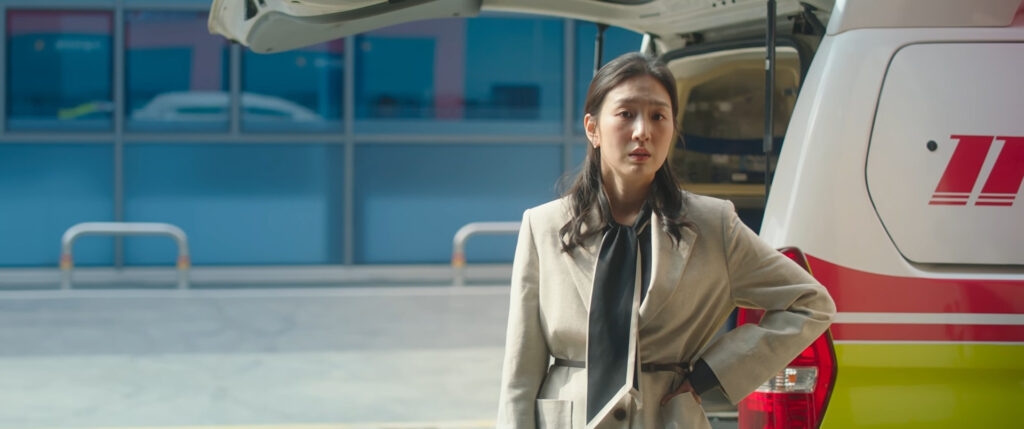
First up, the reality-show twist of the season: a film crew—helmed by Hospital Playlist’s very own Shin Won‑ho, plus variety guru Na Young‑seok—rolls into Yulje. Naturally, they gravitate toward Eun-won, whose flair for dramatic entrances couldn’t be more on-brand. One minute, she’s off-duty shopping in a mall. The next, she storms through the ER doors in an ambulance, sirens blazing, with an emergency patient in tow.
Needless to say, the ER nurses and I share a collective side‑eye. Yet her polished bedside manner on camera cements her as the “star” of this hospital variety show. Meanwhile, Yi‑young—our earnest protagonist—gets stuck doing all of Eun‑won’s grunt work off-camera. Talk about unfair.
2. Malpractice in High Heels
Later, Yi‑young warns Eun‑won: this patient can’t handle a natural birth. It’s risky, painful, and downright unwise. But Eun‑won brushes that aside—her on‑camera promise for a “vaginal delivery” is non‑negotiable. Cue my mental facepalm.
Frankly, watching someone juggle PR and patient safety feels like a malpractice lawsuit unfolding in real time. And yet, the cameras love it. Sigh.
3. First-Year Rivalries: Sa‑bi vs. Da‑hye
Off to the OB‑GYN wing, where second‑year Da‑hye hovers over first‑year Sa‑bi like a hawk. Micromanagement is Da‑hye’s jam—and Sa‑bi’s breaking point. A single chart discrepancy sparks a standoff.
Da‑hye’s POV: “Trust me, rookie, I know best.”
Sa‑bi’s POV: “You don’t trust me—and it stings.”
Sa‑bi bypasses Da‑hye and flags the patient’s chart to Professor Jo. Da‑hye, though correct, eats the blame for being outflanked. In the aftermath, Sa‑bi begrudgingly admits she jumped the gun. Yet Da‑hye confesses she’s haunted by taking ultimate responsibility with only one extra year of experience.
New insight: This conflict highlights how hierarchy and mentorship can clash when trust is in short supply.
4. Jae‑il’s Intern Dilemma
Meanwhile, Jae‑il moonlights as an OB‑GYN mentor. He tries being all warm and encouraging—like his idol, Eun‑mi. But the new intern? Lazy, entitled, and too busy scrounging for cafeteria freebies to learn. Overheard boasting about taking advantage of Jae‑il’s kindness, this intern turns mentorship into a free pass.
Do‑won counsels Jae‑il:
“Kindness motivates some. Others need a firm hand.”
So Jae‑il gets a crash course in balanced discipline. Finally, a moment of genuine male bonding that reminds us there’s more to Do‑won than puppy‑dog eyes.
5. Sparks Fly: Yi‑young x Do‑won
At last, the moment we’ve all been shipping: Do‑won realizes he’s head over heels for Yi‑young. He invites her to dinner without fanfare—no bouquet, no serenade—just a simple crab feast. Yet her excitement says it all.
Picture Yi‑young’s eyes: bigger than dinner plates. It’s adorable. The whole restaurant probably heard her excited squeak. This scene cements “K-drama romance” as a core theme in our Resident Playbook recap.
6. Crisis and Cover‑Ups
Mid‑date planning, Yi‑young’s patient blasts into labor. Calls to Eun‑won go unanswered—again. When the camera‑obsessed doc finally shows, she pins the near‑miss on Yi‑young, claiming negligence. Of course, the patient survives. Yet the variety show trailer paints Eun‑won as hero and Yi‑young as flop.
It’s ugly. Unjust. And it sends Yi‑young scrambling to draft her resignation letter—citing Eun‑won as sole cause.
Additional keyphrase: medical internship conflicts.
7. The Bonus Lifeline
Enter Nam‑kyung, the fairy godmother of the finance department, ripping up Yi‑young’s resignation letter. “Stick around for the bonus in two months,” she says. It’s a masterstroke. Because money may not buy happiness—but it sure defers heartache.
8. Cancelled Dates & Karaoke Therapy
As Yi‑young sulks over Do‑won’s “busy” excuse, she’s roped into a noraebang night with Jae‑il and the gang. Lo and behold, a tipsy Sa‑bi busts out HI‑BOYZ choreography like a pro. Who knew our cautious Sa‑bi was a secret stan?
Key takeaway: Karaoke bonding cures emotional whiplash. Also, it gives us our first hints of Jae‑il’s possible crush on Sa‑bi.
9. The Confession on the Swing
Later that night, Yi‑young finds Do‑won waiting on the apartment swing—obviously not busy. His grand date plan crashed: wrong reservation date, crashed flower delivery, you name it. So he ditches the bells and whistles and simply fesses up.
His line? “I like you.” Her response? “I’ve told you how I feel—remember?”
Cue collective swoon. Then, a sweet stage‑kiss at the elevator. Predictable? Maybe. Charming? Absolutely.
10. Secret Dating Under One Roof
Congratulations: they’re officially in stealth dating mode while sharing an apartment with siblings Joo‑young and Seung‑won. Joo‑young zeroes in on abnormal phone usage. Front and center, she grills Yi‑young about her love life—right in front of Do‑won.
His reaction? An anxious chihuahua crouch on the sofa. Adorable. The squad teases Yi‑young about marriage, she quips “We will,” and Do‑won nearly spits out his coffee.
SEO nudge: on‑screen sibling dynamics in K‑drama.
11. Joo‑young’s IVF Heartache
The series doesn’t shy away from heavy themes. We revisit Joo‑young’s IVF roller coaster. Late to her appointment, Yi‑young supports her sister as the latest round fails. Joo‑young’s tears flow as the decaf coffee arrives—an ironic caffeine-free comfort. Yi‑young orders a “rocket‑fuel” latte instead. It’s her way of saying: small positives exist even in heartbreak.
Insight: This storyline opens conversation about fertility alternatives—adoption, surrogacy—that haven’t yet appeared on screen.
12. Professors’ Petty Showdown & Heroic Cameos
Just when you think the power players might unite, Professor Seo and Professor Kong descend into a frenemies fiasco over Jo Jung‑seok’s cameo (Lee Ik‑joon) superglued hands stunt. Their eye‑roll banter is gold.
Thankfully, professionalism wins when a helicopter trauma arrives. Together—Seo, Kong, Yi‑young, and Nam‑kyung—save the patient.
Keyphrase integration: hospital drama teamwork.
13. Professor Jo vs. Professor Ryu
Professor Jo’s ego trip continues as he publicly berates Sa‑bi for another department’s oversight. Enter Professor Ryu, the MVP who calls Jo out for his deplorable behavior. He may forget names, but he never forgets to stand up for his residents.
Sa‑bi’s hospital bias is set. Finally, a senior who’s truly got her back.
14. Flirtations in the Dark
Back to Jae‑il and Sa‑bi. He shares churros. She worries about Ji‑young and Nam‑kyung. He insists they need private catch‑up time—sans Professor Jo. They duck into the unused outpatient wing, where interns and residents secretly date (per Jo Jung‑seok’s cockroach metaphor).
Moments later, they panic as footsteps approach. Safe at last, they realize their instinct to hide feels… romantic. And as they emerge, Jae‑il spots Yi‑young and Do‑won hand‑in‑hand in the hall. The secret is out.
15. Finale Fever & Personal Take
With only two episodes left, the Resident Playbook writers have us counting days until the finale. Frankly, I’m torn. I adore Hospital Playlist’s original crew—but these first‑years have stolen my heart. Their professional strides, romantic stumbles, and tight‑knit camaraderie feel both fresh and authentic. I’d happily trade another Hospital Playlist season for more Yulje Hospital dramedy.
My Point of View
Personally, Resident Playbook nails the modern hospital drama trap: balancing the intense stakes of medicine with the messy reality of human emotion. The show winks at K‑drama tropes—secret dating, dramatic rescues, jealous colleagues—while delivering genuine character growth.
Trust issues loom large. Sa‑bi and Da‑hye’s conflict underscores how essential it is for mentors to trust mentees—even when inexperience leads to mistakes.
Power dynamics take center stage. Eun‑won’s PR‑driven hero act versus Yi‑young’s quiet competence highlights how personality can overshadow skill in the age of social media.
Mental health currents surface subtly. Joo‑young’s fertility journey spotlights the emotional toll of IVF, yet the show stops short of exploring adoption or surrogacy—a gap I hope the finale addresses.
Above all, the budding romance between Yi‑young and Do‑won proves that sincerity beats grand gestures every time. Their simple swing‑set confession felt more impactful than any elaborate date.
As we sprint to Episodes 11 and 12, I’m curious to see: Will Yi‑young and Do‑won juggle secrecy under one roof? Can Sa‑bi and Jae‑il admit their feelings before graduation? And, perhaps most importantly, will Eun‑won finally face the consequences of her PR fiasco?
Whatever unfolds, Resident Playbook remains one of 2025’s most addictive dramas—blending medical realism, heartfelt relationships, and the occasional variety‑show cameo into a recipe no K‑drama fan can resist. Let’s raise our stethoscopes and remotes: here’s to a finale that cures all our season‑end blues.
Almost every couple faces speed bumps. Even the newly departed. In Heavenly Ever After episodes 7–8, our once-fiery duo lands in paradise only to discover that marital bliss doesn’t come with a free pass. Instead, misunderstandings, unspoken resentments, and family ghosts await them. In this deep dive, we’ll explore every juicy moment—plus my unfiltered thoughts—while keeping the sentences snappy and the insights fresh.
TL;DR
Even in good places, problems can happen in love.
Talking honestly helps fix fights.
Saying what you need in a relationship is important.
What happened before can still cause trouble now.
Funny moments can make hard times easier.
Other people’s stories in life matter too.
Learning from the past can help now.
From Hellfire to Heavens: Setting the Stage
First things first: our lovebirds survived hell—literally. Yet, heaven proves tougher. After decades together, Hae-sook and Nak-jun find that a better zip code doesn’t fix old wounds. Rather, paradise serves as a pit stop between lives. In this realm, souls get a chance to purify before reincarnation. Some embrace simplicity. Others seek redemption.
In episodes 7–8, the pair hasn’t reincarnated yet. They’re stuck sorting out their issues here and now. For Hae-sook, the culprit behind her rising anxiety isn’t another soul or eternal damnation. It’s someone much closer: Nak-jun’s mother.
Anxiety in Paradise: The Mother-In-Law Factor
When compromise and forgiveness live side by side with celestial clouds, who knew that a mother-in-law could still darken the mood? As they watch a televised debate about marriage, Hae-sook’s expression shifts. Hint: it’s not because Nak-jun’s ego is swelling. She spots her late mother-in-law’s name plastered on the host’s commentary board. Panic ensues.
No sooner does Hae-sook rush outside to hide her gate sign than the unthinkable happens. The mother-in-law shows up, midnight cameo style. She inspects every corner of their cozy flat with silent disdain. Hae-sook hovers, heart hammering. Then, just as quickly, Mama-in-law disappears into the ether.
Helpful or Harmful?
By morning, Hae-sook’s dread jumps to reality. Her mother-in-law is tidying up their home. She stocks the fridge. She swaps dishes. Yet her words land like tiny daggers. Over in the living room, Nak-jun smiles, oblivious. Later, an invitation to an outing arrives. Hae-sook ditches it. Instead, she runs off to a friend’s side.
Girl’s Day Out: Kimchi, Sweet Potatoes, and Sikhye Shenanigans
Desperate times call for inventive escapes. Hae-sook links up with the local pastor—yes, the one with the forever patient smile. They harvest sweet potatoes. They prep fresh kimchi. Then, they attempt sikhye, the sweet rice drink. The day feels therapeutic. Plus, fermented rice has its perks…and pitfalls.
As twilight descends, Hae-sook assumes her mother-in-law has vanished. Yet the pastor, ever the philosopher, remains in waiting. In his silent gaze, he’s mulling over a lifetime of waiting: for family, for divine answers, and now, for friendship. The tender scene offers a rare window into a character too often reduced to comic relief.
Return to Frosty Tensions
Back home, Hae-sook finds only an echo of silent judgment. Nak-jun pieces it together. His wife stood up his mom. He demands an explanation. She counters: “Establish boundaries!” But neither budges. Their words ricochet without landing. The frost grows thicker. Meanwhile, the living room feels like winter.
Side Quests and Unrequited Love
Heavenly Ever After isn’t just about marital woes. Side characters are getting screen time, too.
Young-ae’s Crush Young-ae, our tough-willed ward, falls head over heels for the center president. Picture code red. She tries seductive dances. She fumbles compliments. He shrugs her off. Eventually, he banishes her from his office like a clingy ex.
Som-yi’s Dark Past Som-yi cruises the living world, shadowed by Nak-jun’s detective instincts. Together, they find the Hawaiian-shirted suspect. Som-yi’s simmering rage boils over. She nearly strangles the man. Before things get lethal, Nak-jun intervenes. Yet, something ominous buzzes between them.
Fermented Misadventures at Church
Back at the pews, sikhye turns boozy. Too much time on the fermenting shelf, apparently. Hae-sook suggests tteok with leftover rice wine. Snack tactic #1: great. Snack outcome: she naps mid-bite. Pastor? He’s tipsy, pedaling an imaginary bike painted on the courtyard.
Cue the center’s security. They haul in the duo for disturbing the peace. In the booking room, Hae-sook wrestles with the incident form. Nak-jun arrives, discovers his wife red-faced and embarrassed. Suddenly, their spat becomes incidental. Together, they flee the station, vow broken, silence shattered.
Breaking the Ice: Real Talk
Walking home under starlit skies, Hae-sook unburdens her secret. She admits to drinking in dark times. And yes, she hid it to spare Nak-jun worry. Then, the bombshell: life with his mother. She recalls the fish head tradition. How a careless bite sparked ridicule. How those words stung. At last, he sees.
Their conversation pivots. Hurt gives way to empathy. Boundaries turn into understanding. They swap blame for compassion. And, just like that, the frost thaws.
A Mother-In-Law’s Final Choice
With Nak-jun extending an olive branch, Hae-sook follows suit. She seeks out Mama-in-law. Yet the matriarch is already packing up. She’s distributing possessions. She’s applied for reincarnation. The revelation hits Nak-jun like a comet. His mom is choosing a hard path next time.
At the gate, she stands before her past lives: friend. Foe. Daughter-in-law. Each face flickers in memory. Hae-sook cries. She witnesses a younger self unwittingly causing her death. The lesson? Every action echoes. Every soul intersects. Kindness isn’t optional.
Looming Mysteries and the Som-yi Enigma
As Hae-sook and Nak-jun grow inseparable again, Som-yi’s arc twists darker. Regaining shards of memory in the living world, she prays—for forgiveness from someone she shouldn’t love. Meanwhile, Nak-jun’s old nemesis, the Hawaiian shirt man, resurfaces as a detective. Why did Nak-jun save Som-yi on that train? Their fates are tangled.
Then there’s the time anomaly. Som-yi appears ageless. Everyone else boarded at their death age. How has she lingered between worlds? Was she always ghostly? Or did she die twice? Theories abound. Whatever the truth, she’s the wildcard.
My Point of View
Here’s where I sound off:
Communication Is Key Sure, heaven has angels. Yet, it’s flawed communication that delivers the best plot twists. Hae-sook and Nak-jun remind us that love without listening is just talking.
Boundaries Are Sexy Real talk: healthy limits keep relationships fresh. Whether mortal or immortal, assertiveness shows respect—both for yourself and the other.
Past Lives, Present Drama Reincarnation lore is irresistible. It allows for layered backstories, karmic consequences, and wild speculation. Som-yi’s mystery? A masterstroke in world-building.
Humor Anchors the Heart Fermented rice wine chaos at church? Pure comedic gold. It balances the heavier beats and reminds us not to sweat the small stuff.
Supporting Casts Matter Young-ae’s crush subplot and Som-yi’s vendetta prove that side stories can elevate main arcs. They provide perspective, stakes, and extra drama.
In short, Heavenly Ever After nails the blend of emotion, humor, and myth. Episodes 7–8 speak to anyone who’s ever argued at home, feared a family visit, or wondered about life beyond the veil. Plus, it’s a reminder that even in paradise, you can’t escape the past—but you can choose to heal it.
Looking Ahead
What’s next? Expect deeper dives into Som-yi’s origins, more mother-in-law revelations, and probably another round of fermented snacks gone wrong. Yet, the heart of the story will stay the same: two souls navigating love, loss, and life’s second chances.
Stepping back into the hallowed corridors of The Haunted Palace, we find our intrepid protagonists neck-deep in spectral drama. Episodes 7 and 8 dial up the tension with a potent mix of curses, childhood phantoms, and palace politics more twisted than last season’s leftover noodles. Yet amidst the swirling fog, you’ll spot slivers of compassion, unexpected humor, and yes—romantic sparks that could light up even the gloomiest throne room.
Before we wade into murky waters, let’s recap the essentials:
Key conflict: A vicious water spirit targeting the queen and her unborn heir.
Supporting spirits: Some mischievous, some malevolent, all adding layers to the palace mystery.
Hidden foes: Corrupt nobles, rogue shamans, and secret royal betrayals waiting in the wings.
Keep your umbrella handy—we’re about to get drenched in curse-infused intrigue.
TL;DR
A water spirit attacks the queen and her heir, leading to investigations.
A child ghost provides important clues.
A blind shaman is revealed to be orchestrating events.
Yeo-ri and the king must work together to combat the curse.
The water spirit seeks closure, highlighting themes of forgiveness.
Grandfather Kim is revealed as a key antagonist.
The relationship between Yeo-ri and Kang-cheol develops amidst the danger.
When Water Whispers Doom
A Shadow’s Recovery
First off, props to the writers for sidelining the Colossal Shadow just long enough to let smaller, sneakier threats shine. While our cosmic baddie licks its wounds (after last week’s smackdown), the spotlight shifts to a cunning water spirit. Not content with a casual splash, this entity poisons palace maids, tremors the queen’s chamber, and leaves telltale black blisters in its wake. Talk about a bad house guest.
Maid Interrogation Gone Wrong
Torture yields zilch: The coerced girl dies mid-confession.
Poison stakes its claim: No breathing room when palace gossip ends in a corpse.
Child Ghost Sneak Attack
Shoe thief cameo: An adorable ghost, sticky fingers and all, fills in a few gaps.
Whispered hints: Even pint-sized phantoms have insider tea.
Blind Shaman’s Schemes
Two imoogis alert: Our crafty spirit-summoner knows there are two serpent souls under the palace roof.
Political pawn: Corrupt elders line up for a chance at forbidden power.
By episode’s end, the queen is stricken, and Yeo-ri—our artisanal eyewear savant—gets roped into diagnosing blisters that defy modern medicine. Meanwhile, the king is sweating harder than a palace guard in plastic armor, fumbling excuses about contagion to keep senior royalty off his tail.
Traps, Curses, and Unexpected Alliances
Curse of the Black Water
If you thought splashing dark liquid counted as a tantrum, you haven’t met this water spirit. The so-called “black water” isn’t just grim aesthetic—it’s a full-blown necro-curse that paints your skin with death’s signature. Cue Yeo-ri fainting mid-escort, and Kang-cheol losing his composure harder than you lose Wi-Fi at peak hour.
Joint Rescue Mission: Forced alliance time. Our hero and king, sworn enemies in all but title, must pool wits or watch two women die.
River Ambush: Instead of baiting the spirit, they stumble into its lair. Surprise plot twist: villains are always one step ahead.
Scarecrow Seal: Yeo-ri’s quick thinking nets a haunted straw man and cancels every curse in sight. (Mic drop.)
Emotional Aftermath
While Kang-cheol wheezes in Yeo-ri’s arms (and makes us all reconsider the phrase “manly sobs”), the queen perks up and reunites with her husband. Tears? Check. Dramatic music? You bet. Palace-wide celebration? Pending.
Yet before you tuck this arc into the “mission accomplished” folder, there’s a guilty water spirit begging for closure. He wants his bones delivered to a daughter he once saved. Cue montage of Yeo-ri letting him possess her ghostly form for one last father-daughter reunion. Heartstrings—consider yourselves plucked.
Unveiling Puppeteers: Blind Shaman and Family Betrayal
With the water spirit’s plea granted, he snarls out the blind shaman’s true moniker. Too bad it’s just a hint—like getting an appetizer when you paid for the whole meal. The king’s attempt at rounding up fortune-tellers backfires spectacularly. Nobles thrive on whispered prophecies: cutting off their crystal balls is like outlawing coffee in the palace café.
Still, the bigger shocker lurks deeper in the family tree:
Grandfather’s Gambit: Chief State Minister Kim Bong-in—king’s rock and secret rogue—engineers curses behind closed doors.
Generational Betrayal: A trusted elder uses ancestral grudges as currency, pitting descendants against each other.
Politics: 1, Morality: 0.
Character Dynamics: Love, Guilt, and Ghostly Misunderstandings
Yeo-ri & Kang-cheol: From Reluctant to Romantic
You could wallpaper the palace with the tension between these two. In quieter moments, they flirt through thunderclouds—literally. Kang-cheol conjures rainstorms so Yeo-ri can rest. That’s either devotion or passive-aggressive care. I’ll let you decide.
Yet—or should I say, nevertheless—guilt crashes their budding bond. Old evidence implicates Kang-cheol in Yeo-ri’s grandmother’s death, sparking frostier performances than the royal ice sculptor.
Grandmother’s Ghost: A Plot Catalyst
Credit where it’s due: the show’s handling of lingering spirits isn’t just revenge porn. Most ghosts crave closure, not vengeance. Bi-bi (yes, that’s actually what they call him) pines for release so families can truly mourn.
This thematic layer shines when we learn Kang-cheol wasn’t the killer he claimed to be. Instead, a Colossal Shadow possessed the late king’s father, hunting Yeo-ri’s grandmother for defying it. Heavy, right?
New Insights and Deeper Themes
Closure Over Vengeance Unlike typical vengeance narratives, The Haunted Palace pivots on fulfilling final wishes. Ghostly characters wrestle with identity, regret, and the need to say goodbye. This twist reframes every haunting as a plea for peace.
Power of Misinformation Rumors fuel court intrigue faster than dragonfire. One piece of false intel (Kang-cheol’s supposed sin) nearly blows up a relationship. The series subtly warns about unchecked gossip—apt parallels to our own social media snarls.
Intertwined Fates Bloodlines, curses, and royal decrees tie characters together like an ominous tapestry. Every reveal—shaman’s double name, secret alliances—reminds us that in dynastic politics, anonymity is just another weapon.
Modern Empathy in Historical Setting The show juxtaposes ancient customs with relatable vulnerabilities: fear of contagion, parental love, forbidden affection. This blend bridges centuries, making the drama feel fresh, not dusty.
Personal Take: Why These Episodes Matter
Here’s the scoop: Episodes 7 and 8 strike a rare balance between horror and heart. You’re treated to spine-chilling curses and nail-biting rescues, but also genuine moments of empathy. Yeo-ri’s commitment to each spirit’s final wish underscores a larger message: when we honor stories—no matter how painful—we find healing.
Plus, watching Kang-cheol’s walls crumble around Yeo-ri is delightful. His transformation from brooding loner to reluctant protector echoes classic antihero arcs—only with more supernatural flair.
Finally, the political twists remind me that power structures, past and present, thrive on secrecy. By exposing hidden puppet masters, the show invites viewers to question authority—whether it’s in a Joseon court or today’s news cycle.
Conclusion and Future Predictions
As the Colossal Shadow regains strength offscreen, expect bigger reveals and darker confrontations. Grandfather Kim’s betrayal sets the stage for a palace civil war, while Yeo-ri and Kang-cheol’s bond faces new external threats. Personally, I’m betting on a final showdown at the ancestral shrine—curses vs. compassion, swords vs. souls.
Hold onto your hanboks, folks. The Haunted Palace is heating up, and episodes 9–10 promise even more twists. Until then, keep one eye on the throne and the other on the shadows—because in this series, secrets run deeper than graveyards, and forgiveness can be the deadliest power of all.
When a beloved idol star gets drummed out of his own band, the fallout lands him in an environment he’s never bothered to visit: college. In Spring of Youth Episodes 1–2, Sa-gye (Moon Woo-jin/Ha Yoo-joon) must finally punch his attendance card. Along the way, he stumbles onto a budding romance, an unsolved mystery from his dreams, and a series of tropes that zip past faster than a K-Pop choreo. This opener serves up a light campus romp laced with music-driven moments, cringe-worthy gags, and fleeting hints of something deeper. If you want a breezy watch that doesn’t overthink itself, buckle up. But if you demand thoughtful plotting and character depth, you may feel whiplash.
Screenshot
TL;DR
Idol star falls from grace and goes to college.
Meets a talented songwriter with a mysterious connection.
A love triangle forms with a loyal friend.
Secrets from the past haunt the idol and his mentor.
The drama moves quickly with music and comedy.
Relies on classic K-drama tropes with some new twists.
Good for light entertainment, may lack deep character development.
Plot Overview
Screenshot
Sa-gye kicks off as the quintessential pop sensation. He lives for the stage. His world is glittering lights and swooning fans. Then disaster strikes: during dance practice, he’s blinded by an oncoming pole. Blood spills in slow motion. Then—overnight miracle—he receives a corneal transplant. Reborn with new vision, he storms the stage once more, now embodying a charismatic grown-up aura.
However, hubris always finds a way to trip you up. Post-concert fame leads Sa-gye to a dicey drinking bet at an afterparty. He wakes up nursing a brutal hangover. His mentor, CEO Jo (Jo Han-chul), is face-planted on social media after Sa-gye’s ill-advised sucker punch. In response, Sa-gye’s schedule hits pause. He must attend actual lectures at the very college he’s ignored since enrollment.
On campus, Sa-gye assumes his fame will glide him through. Instead, he flubs acting class. He strides through department hallways like a red-carpet king, blissfully certain everyone’s starstruck. Meanwhile, CEO Jo unravels in private. Sa-gye’s drunken outburst hinted at buried secrets from six years ago: “I was there,” he slurred. That fragment connects to vivid dreams that jolt Sa-gye awake each morning at 5:45 a.m.—the very same moment CEO Jo wakes drenched in sweat.
Screenshot
One rainy day, a haunting melody pulls Sa-gye to the art department. There he meets Bom (Park Ji-hoo), a gifted songwriter and piano devotee. She wears a music box necklace—the source of the tune he can’t shake. Bom, an orphan funding her dreams by waitressing, wrote that song years ago. Their eyes lock. He sheds a tear. She gasps: “How do you know my melody?”
Before they can dig deeper, Bom’s protective friend-oppor, Tae-yang (Lee Seung-hyeop), interrupts. He’s harbored a school-legend crush on Bom since childhood. Yet fate nudges Bom and Sa-gye together, fulfilling a campus myth that lovers who meet under the first autumn rain by the art-bench bench are bound forever.
Backstage, CEO Jo’s daughter Jo Ji-na (Han Yoo-eun) is buying Bom’s compositions at inflated rates for Jo & Jo Entertainment. The implication? Bom must stay far from Sa-gye. Their unspoken link points to a past collision that shattered more than eyes.
Character Deep Dives
Sa-gye (Moon Woo-jin / Ha Yoo-joon)
Arc so far: Idol prodigy → Hangover king → Clueless freshman
Strengths: Magnetic stage presence; genuine passion for music
Weaknesses: Overconfidence; zero self-awareness; emotional blind spots
SEO keyphrases: idol romance drama, campus K-drama review
Sa-gye pulses with energy. His performance scenes crackle. Yet offstage, he’s fumbling. He treats college like a fan event. We don’t see his coping with failure. Instead, we get gags: spilled coffee, mistimed lines, starstruck classmates whispering. He’s fun to watch, but he lacks a clear inner journey—at least so far.
Strengths: Talented composer; resilient work ethic; kind heart
Weaknesses: Naive about industry politics; hesitant to claim credit
SEO keyphrases: music-themed K-drama, K-drama heroine profile
Bom’s backstory tugs at the heartstrings. Her goal to reclaim her mother’s piano carries genuine weight. She’s plucky and grounded. In Episode 2, her busking moment flips campus sentiment. Hundreds sign up for Sa-gye’s band simply because Bom believed in him. That scene sells community power through music.
Tae-yang (Lee Seung-hyeop)
Arc so far: Loyal friend → Reluctant med student → Rival-turned-roommate
Strengths: Skilled guitarist; protective instincts; sense of humor
Weaknesses: Family pressure; fear of following his passion
SEO keyphrases: second lead syndrome, K-drama love triangle
Tae-yang offers nuanced contrast. He’s talented but trapped. His trembling hands in anatomy class portray raw conflict. When his father smashes his guitar, it’s a gut punch. Then he bolts to Bom’s home. Yes, it’s cliché rom-com timing. Yet the fracture with his father hints at deeper themes about parental expectation.
Strengths: Power to shape careers; shrewd business instincts
Weaknesses: Haunted by a past mistake; controlling nature
SEO keyphrases: K-drama business intrigue, corporate antagonist
Jo’s tangled secrets form the show’s undercurrent. He’s as sweat-drenched in nightmares as Sa-gye. Ji-na’s role as contract enforcer for Bom’s songs makes her a minor villain. Their dynamic hints at a family tragedy intersecting with Sa-gye’s dreams.
Themes and Tone
Rapid-Fire Pacing
The series barrels through key setups. In two episodes, we get:
Eye-blinding accident → transplant → comeback
Afterparty rampage → idol fall → college enrollment
Two love interests → love-meet legend → band formation
All in roughly 90 minutes. That speed heightens energy but can short-change nuance. Each scene glitters, yet some feel unmoored. The editing stitches together set-pieces more than a cohesive narrative.
Tonal Dissonance
Light comedy ↔ Melodramatic flashbacks ↔ Sweaty nightmares ↔ Giddy romance Sometimes it’s clever. A sudden flashback can shock you. Other times it jars. You may find yourself laughing one moment and cringing the next. The tonal collage works best when it winks at itself—like the guitar duel where Sa-gye and Tae-yang trade riffs in gleeful battle.
Music as Character
The K-drama leans hard on its soundtrack. Bom’s composition is practically a third lead. When her melody wafts across campus, it’s treated like magic. Busking scenes become communal awakenings. The show excels when it slows for a musical beat. Let it lean into that.
Tropes and Fresh Spins
“Drunk idol punch” feels brand-new, only to settle into “fall-from-grace college attendance.”
“Instant meet-cute” under the April rain revisits familiar ground.
“Secret shared past” fuels mystery but risks cliché without deeper payoff.
So far, Spring of Youth layers new flourishes over classic rom-com frameworks. It invites viewers to set expectations low and enjoy the ride.
Costume: Sa-gye’s stage wardrobe glitters. His college clothes look oddly polished. Bom opts for soft pastels that echo her gentle soul.
Score: A mix of pop-rock and piano ballads. The melody that connects Sa-gye and Bom becomes a leitmotif.
These elements frame the world as both familiar and heightened. Think Campus 101 meets festival main stage. It looks good. It sounds good. It moves fast.
New Insights for Season Bingers
Dreamscape Clues: Sa-gye’s memories aren’t just MacGuffins. Note recurring imagery—the same house, the same melody. These fragments may weave Sa-gye and Bom’s histories together.
Power Dynamics: Jo & Jo Entertainment parallels real-world label politics. Watch Ji-na’s role: she wields power without her father’s moral weight.
Identity Through Music: Characters channel their truest selves only when playing. The editing punctuates each performance with close-ups on their eyes. Music is their confessional.
Found Family: Early band members form unlikely bonds. Gyu-ri and Gong Jin-gu add humor but also represent how diverse talents coalesce.
Use these insights to fuel your fan theories in the Drama Hangout.
My Point of View
Screenshot
I jumped into Spring of Youth hungry for warmth and whimsy. The show delivered those giddy campus vibes. Yet I craved more substance. I wanted Sa-gye’s internal journey mapped in quiet moments, not just shattered lanterns of drama and rapid-cut edits. I longed for Bom to assert her agency beyond being muse and object of romance. And I wished Tae-yang’s conflict with his father would breathe beyond the smashed guitar trope.
Still, I caught myself grinning at the guitar duel. I cheered when Bom’s busk shifted public sentiment. The series knows its strengths—music-driven catharsis and light comedy—and it leans into them. If you, like me, value nuance, you might praise Episode 3 if they slow down. But if you simply want a popcorn-romance binge, Episodes 1–2 hit the sweet spot.
Conclusion
Episodes 1–2 of Spring of Youth burst onto the screen like a polished single from your favorite idol. They sprint through set-pieces and lean heavily on rom-com tropes. The characters shine in musical beats but risk sliding into caricature when the narrative speed accelerates. At under two hours for two episodes, you’ll get entertainment, a few laughs, and a spark of intrigue. Whether you stick around depends on your appetite for high-octane pacing versus deeper emotional resonance.
Final Verdict: A playful campus idol romance that knows how to entertain but hasn’t yet earned its emotional stripes. If you love music-themed K-dramas and can embrace tonal whiplash, give it a spin. If you need more than sugar and glitter, wait for the story to slow down—or for your favorite fan-theory to fill in the gaps.
Who Is Pope Leo XIV? A Surprise for the Church and Beyond
First things first: yes, you read that correctly—an American now wears the white cassock in Vatican City. Even before “Habemus Papam” echoed through St Peter’s Square, fans in the crowd were already chanting “Viva il Papa!” Why the excitement? Because Robert Francis Prevost, a 69-year-old Chicago native turned Peruvian missionary, just became Pope Leo XIV, the 267th successor of Peter.
From the moment white smoke curled above the Sistine Chapel chimney, social media lit up. Some posted memes of American flags flying alongside papal keys. Others joked that Starbucks might now offer latte art with a papal tiara. Clearly, this is a Pope for the social-media age. Yet beneath the viral memes and TikTok soundbites, there’s a man whose life story is anything but ordinary.
TL;DR
American Robert Prevost, with a missionary background in Peru, becomes the new Pope Leo XIV.
His past work focused on supporting marginalized communities and advocating for the poor.
His choice of papal name signals a focus on social justice and addressing global challenges.
Key priorities are expected to include migrant support, environmental action, and a pastoral approach.
He faces challenges related to LGBTQ+ issues, abuse scandals, and balancing tradition with reform.
His election could signify a shift in the Church’s focus towards Latin America and a more modern engagement.
His papacy presents an opportunity for bridge-building and a renewed sense of compassion within the Church.
Early Chapters: Growing Up Between Two Worlds
Born in 1955, Robert Prevost’s roots stretch from the Windy City to the sunny shores of Spain and southern France. His grandparents arrived in the United States chasing the classic immigrant dream. As a result, his childhood blended Midwestern values with a dash of Mediterranean flair.
He served as an altar boy at his local parish. He sang in choir. Naturally, at age 27, he felt the tug toward ordination. By 1982, he donned the priestly stole and embarked on a spiritual journey that would take him far beyond Chicago’s steel-gray skies.
A Call to Peru: Missionary Life and Marginalized Communities
Three years into his priesthood, Prevost traded skyscrapers for adobe. He moved to Trujillo, Peru, where the Pacific breeze brushes against humble fishing villages. There, he taught seminarians by day and walked dusty streets at dusk, befriending families often overlooked by both government and Church.
Over a decade, he became known for two things: his down-to-earth style (no high-falutin rhetoric) and his fierce advocacy for the poor. He set up food programs, organized community workshops, and even learned enough Quechua to surprise parishioners. In short, he built bridges—literally and figuratively.
Meanwhile, he never forgot Chicago. Regular trips home ensured that he didn’t lose touch with American Catholic life. By alternating between continents, Prevost developed a unique perspective: how global and local church issues can inform one another.
Climbing the Hierarchy: From Bishop to Prefect in Rome
In 2014, Pope Francis tapped Prevost as Bishop of Chiclayo, Peru. Within months, he was juggling administrative duties, pastoral visits, and media interviews—all while maintaining his trademark humility. Pretty impressive, right?
Next up: Rome. Just before COVID-19 dominated headlines, Prevost was appointed prefect of the Dicastery for Bishops in Latin America. Essentially, he helped vet and supervise bishops across an entire continent. That’s like being a talent scout for one of the world’s oldest institutions.
Then, January 2023 rolled around. Francis made him archbishop. A few months later, he became cardinal. And as the conclave approached, many whispered that his international background and reformist credentials made him a dark-horse contender.
Election Night: From White Smoke to Leo XIV
On the afternoon of his election, false rumor mills lit up—some said the conclave would choose Pope Francis’s protege. Others predicted a conservative back-to-the-basics candidate. Instead, the Augustinian friar from Chicago shocked everyone.
When Prevost emerged on the balcony and announced “Leo XIV,” cheers erupted. Once he said, “United and hand in hand with God, let us advance together,” it was clear he intended continuity and progress. After all, he’s no stranger to walking complicated lines.
Why Leo XIV? A Name Steeped in Social Justice
Choosing “Leo” isn’t just fan service. Pope Leo I famously dissuaded Attila the Hun from sacking Rome. Leo XIII, in turn, wrote Rerum Novarum, the social justice cornerstone addressing workers’ rights during the Industrial Revolution.
By adopting “Leo XIV,” Prevost signals a papacy that marries firmness with compassion. In other words, he’ll confront global challenges head-on—be it economic inequality, migration, or climate change—while seeking dialogue over division.
Key Themes and Priorities: What to Expect
1. Migrants and the Marginalized Prevost spent decades among Peru’s poorest. Don’t be surprised if he doubles down on Francis’s pro-migrant stances. He’s already voiced solidarity with displaced people and urged countries to open their hearts and borders.
2. Environmental Action Remember when he pushed for solar panels and electric vehicles at the Vatican? That was no PR stunt. He wants ecological stewardship to be more than an encyclical footnote. Expect concrete Vatican sustainability targets.
3. Pastoral Sensibility A roommate once described him as “down to earth” and “very concerned with the poor.” He cares less about perks and more about presence. In short, he’s a walking confessional booth—no phone booth required.
4. Church Reforms While he’s likely to maintain Francis’s momentum—women in decision-making roles, lay involvement, simplified bureaucracies—he enjoys adding his own flair. Local contexts matter. He’s already said bishops should adapt directives to cultural realities. So, the next chapter may look more decentralized.
The Hot-Button Issues: LGBT, Abuse, and Transparency
Controversy follows any leader of a billion-plus flock. Prevost isn’t immune.
LGBTQ+ Blessings: He backed Francis’s 2023 blessing guidelines for same-sex unions but emphasized local interpretation. Some see that as a half-smile; conservatives hope he’ll draw a firmer line.
Sexual Abuse Scandals: His diocese in Peru faced allegations, though the Church insists Prevost was never implicated in cover-ups. Still, zero-tolerance policies will likely intensify under his watch.
Transparency: Given his outsider status, he may push for more open Vatican finances. After all, outsiders often shine a light where insiders fear to tread.
My Take: What This Papacy Means for the Future
Let’s get real: an American Pope is a shocker. But beyond nationality, Prevost embodies a hybrid identity—North American pragmatism meets Latin American warmth. That mix could redefine Vatican diplomacy.
Personally, I’m intrigued by how he’ll handle polarization. The world is more fractured than ever. Political tribalism seeps into pews. Yet Prevost knows grassroots work. He’s lived among people whose lives depend on solidarity. If any leader can repair bridges in a polarized era, he’s got a shot.
Also, watch Latin America. With many of the world’s fastest-growing Catholic populations, the next wave of cardinals could hail from Lima, Bogotá, or Brasilia. Prevost’s election signals the Vatican’s recognition of that shift.
Finally, his tech-savvy crowd (hi, Millennials!) will judge him by engagement. Will he livestream Q&As? Crack Vatican Wi-Fi passwords? Launch a papal podcast? Maybe. Either way, expect a Pope who understands that tweets and TikToks shape modern faith.
Challenges Ahead: Balancing Tradition and Innovation
Maintaining Unity: Any attempt at reform risks alienating traditionalists. Prevost must balance heartfelt tradition with necessary evolution.
Global Crises: Wars, pandemics, and climate disasters abound. His pastoral roots prepare him for relief efforts, but global politics may test his diplomatic finesse.
Institutional Resistance: Bureaucracies hate change. Rolling out reforms within the Roman Curia will be like steering an iceberg with a canoe paddle. He’ll need allies.
Final Thoughts: A Papacy of Possibility
Who is Pope Leo XIV? He’s a bridge-builder. A pragmatist with a pastor’s heart. A man who learned from humble Peruvian parishioners and now stands on the world’s spiritual pinnacle. His papacy began with hopeful chants of “Viva il Papa!” Now, the real test is translating that hope into action.
In this era of seismic change—socially, politically, environmentally—a leader who can walk between worlds matters. Prevost might just be that leader. If he leans into his missionary roots while embracing modern realities, he could steer the Church into a new age of relevance and compassion. Only time—and perhaps a few viral TikToks—will tell.
But one thing’s for sure: the story of Robert Prevost, Pope Leo XIV, is only beginning. And it promises to be anything but boring.
After 11 episodes of heart-tugging moments, quirky chemistry, and a whole lot of legalese, The Divorce Insurance hurtles toward its grand finale. In Episodes 11 and 12, our divorce consultancy team races not only to launch their unconventional product but also to untangle personal knots, mend broken bridges, and—yes—kick off fresh romances. Along the way, they discover that divorce insurance isn’t just about paperwork. It’s about self-reflection, second chances, and finding your “twin flame.”
TL;DR
Divorce can lead to growth, not just failure.
Honest self-reflection is crucial in relationships.
Truly listening to your partner matters deeply.
Saying “sorry” sincerely can repair broken connections.
Personal growth impacts how we relate to others.
Happy endings in love don’t always follow a set path.
Sometimes, independence can strengthen a relationship.
1. Team Leader Na’s Lucky Day—and Its Inevitable Spill
From the very first scene of Episode 11, you can almost smell the coffee brewing—literally and figuratively. Team Leader Na wakes up bathed in random luck. His locker friend gave him a lottery ticket. A passing stranger held the door for him. Even the traffic lights seemed to turn green on cue. Moreover, he felt so optimistic that he treated the team to celebratory lattes.
However, perfect mornings have a way of crashing spectacularly. Han-deul, ever the whirlwind, managed to spill her coffee all over Na’s brand-new suit. In that single drip-drop moment, the mood shifted. Spilled drinks tend to do that. Nevertheless, the team pressed on, because deadlines don’t care about caffeine stains.
2. When “Influencer Wife” Goes Off the Grid—and Decides to Divorce
Remember our Influencer Wife and her exhausted husband from last week? Well, they finally pulled the plug—amicably. Thanks to the team’s pre-marital therapy (or post-marital therapy? It’s complicated), they agreed to cancel their policy instead of pushing ahead. As the couple said their goodbyes, they reminded us of a crucial truth: sometimes, happiness lies in walking away.
Because the couple ended on a high note, the team maintained its record: zero forced splits. And frankly, I breathed a sigh of relief. Nobody wants an on-screen fake reconciliation. That’s so last season.
3. Anniversary Fail: How Na Nearly Lost It All
With one client down, Team Leader Na naturally assumed his marching orders were complete. But home can be a different battlefield. As he strutted through the door—still humming that morning’s theme song—he found chaos. The house looked like a recycling plant got possessed. Worse yet, he blanked on his 20th wedding anniversary.
“What’s so special about an anniversary when we’ve been married for two decades?” His wife’s glare could freeze lava.
That line was the final straw. With divorce papers in hand, she marched off like a CEO firing her C-suite. And just like that, our hero became the hero of his own crisis.
4. Bar Talks and Brutal Honesty
Na didn’t wallow alone. He summoned two battle-scarred veterans—Ki-joon and Jeon-man—for solidarity drinks. Over soju (and an impressive amount of fried chicken), they dished out harsh truths:
Reflect on yourself.
Listen to your partner.
Don’t assume good intentions are enough.
As Na replayed decades of one-way conversations and missed bedtime stories, he realized how he’d weaponized his hard work into an excuse for emotional absence. Consequently, Na experienced a classic Millennial epiphany: work-life balance actually means, you know, life.
5. Apology Accepted—Tentatively
In a heartfelt scene, Na knelt (figuratively) before his wife. He apologized for every unwashed dish, every forgotten recital, and every “I’ve got business trips” lie. She listened. Then, she gave him a sliver of hope: “Rethink the divorce papers for now.”
And just like that, the power of a genuine “I’m sorry” saved a marriage. Or at least paused its collapse.
6. Ki-joon and Han-deul’s Knitting Date
Meanwhile, far from the high-stakes anniversary drama, Ki-joon and Han-deul opted for a quiet afternoon of knitting. Yes, knitting. As she guided his awkward fingers through loops and stitches, they shared deeper confessions:
Ki-joon’s regret: He didn’t support his sister’s divorce.
Han-deul’s wisdom: Wounds and flaws are part of the pattern.
Through yarn and needles, they wove a metaphor about life: you can’t tear out every knot, but you can learn to carry on beautifully. Their conversation felt so genuine that you almost forgot this was a drama and not an indie romance flick.
7. Ex-Wives and Moving On
It was high time for cameo reveals. Ki-joon’s ex-wife fluttered by in a single shot—no dramatic reunion, just a snapshot of two lives that chose different paths. As it turned out, she’s thriving in her new relationship.
After spotting her, Ki-joon exhaled. He was free. He was present. And most importantly, he realized that his future with Han-deul wasn’t built on guilt or obligation, but on mutual respect.
8. Crunch Time: The Policy Countdown
With only two policies shy of target, the team scrambled. Who would be the final clients?
Na and his wife—onboard.
Sales rookie hoobae—signed with a proposal “policy.”
And just when they hit their magic number, disaster struck. Influencer Wife dropped a social-media bombshell: “I’m officially divorced!” Suddenly, headlines screamed: “Divorce Insurance Encourages Divorce!”
Cue the panic room.
9. PR Firefighting 101
The company hierarchy demanded damage control. They needed a spin so savvy it could sell ice to penguins. After marathon brainstorming, the team pivoted brilliantly:
“Divorce insurance isn’t about tearing families apart. It’s about giving couples a chance to reflect—just like health insurance helps you care for your body.”
Their pitch clicked. Regulators nodded. The Financial Supervisory Service stamped approval. Launch day arrived. Confetti cannon. Champagne glasses. Mission accomplished.
10. Romance Epilogues: Dreams, Proposals, and New Beginnings
Now that work was wrapped, love took center stage.
Na’s grand gesture: He whisked his wife to see the Northern Lights. A dream fulfilled under emerald skies.
Ah-young’s sologamy wedding: Off-screen but major vibe. She then asked Woong-shik for a relationship sans ring. He said yes.
Na-rae and Jeon-man: Transferred to Singapore. She’s CEO now. He’s her steadfast companion. They’ll live separately—because independence can be romantic too.
In every pairing, the message was clear: happy endings don’t always follow a script.
11. Twin Flames and Tarot Cards
Remember that Week Three tarot reader who predicted futures? At first, Han-deul thought it was about saving a marriage. Later, she hinted it was about meeting a “twin flame”—the other half of one’s soul. When Ki-joon asked what she meant, she said:
“Meeting your twin flame opens a whole new chapter—beyond romance.”
Spoiler alert: she met him. And that’s how you tie up a cosmic bow.
12. Character Growth—On Paper and in Code
For one final twist, the team retook the AI risk assessment they faced in Episode 1. This time, their answers had changed. Why? Because each question mirrored their own evolution:
Self-awareness increased
Empathy blossomed
Fear gave way to hope
The series ended with the ultimate question: Are you happy? And every single face beamed back: “Yes.”
13. My Two Cents: The Shift from Insurance to Insight
I’ll level with you: I didn’t love every technical detour into policy terms. At times, the office jargon felt like eating plain rice cakes—edible but a little bland. Yet, the show’s heart lay in its people. When divorce insurance transcended its transactional roots and morphed into a catalyst for self-discovery, that’s when it shone.
Why it works: It reframes divorce as an opportunity, not a tragedy.
Where it falters: It sometimes leans too hard into corporate speak.
Overall verdict: A refreshing take on modern relationships—worth your binge.
14. Takeaways for Real Life
Reflection is Medicine. Just like insurance, introspection can shield hearts.
Apologies Matter. A sincere “I’m sorry” can reset years of distance.
Independence Is Romantic. Boundaries don’t kill love; they nurture it.
Growth Is Relentless. We’re ever-evolving. So why shouldn’t our relationships?
15. Final Thoughts
The Divorce Insurance: Episodes 11–12 delivered a finale packed with reconciliations, proposals, and cosmic confirmations. It wasn’t perfect—it rarely is. But it dared to ask: What if insurance could heal hearts? And that question alone makes it a standout in the crowded world of Korean drama.
In the end, the series proved that every ending is just a new beginning. And if you’re still curious about divorce insurance—dramatic or otherwise—remember: it’s not about pushing people apart. It’s about bringing out the best in us. Now go forth. Reflect. Apologize. Knit a scarf for your partner. Because sometimes, a little therapy—and a lot of love—are the best policies of all.
It’s been quite the ride watching our quartet of first-year residents tackle ever more daunting medical cases and navigate the tumultuous sea of workplace politics—and occasional romance—at Yulje Hospital. Episodes 7 and 8 of Resident Playbook keep the momentum roaring, swinging from near-catastrophes in the OR to blush-inducing stolen glances in the hallway. With the stakes climbing higher by the minute, our favorite newbies prove that residency is as much about saving lives as it is about discovering yourself (and maybe who your heart truly belongs to).
TL;DR
Interns face high-pressure medical situations and make significant mistakes.
Ethical dilemmas arise concerning patient honesty and well-being.
Personal relationships and romantic tensions significantly impact the characters’ journeys.
Teamwork and cross-departmental collaboration become crucial for patient care.
Experiencing patienthood fosters empathy in the young doctors.
Characters undergo personal growth through both professional and romantic challenges.
Romantic relationships develop amidst the demanding hospital environment.
1. Refresher: Who’s Who on the First-Year Frontline
First things first: if you’ve somehow managed to forget the defining quirks of our lead interns, here’s a rapid-fire recap.
Tak Gi-on is that fumbling yet endearing intern whose botched bedside manner once made Nam-young want to pull her hair out.
Ahn Nam-kyung is our resident OB-GYN prodigy—sharp, precise, and a little full of herself when it comes to teaching newbies.
Choi Yi-young is the cool-headed surgeon who quit her first attempt at residency years ago, only to rediscover her calling with a heart of gold.
Lee Sa-bi and Yang Jae-il round out the group: Sa-bi with her textbook approach to obstetrics, and Jae-il, the ever-anxious general surgeon who moonlights as the group’s moral compass (and occasional comic relief).
Between them, they form the Playbook Quartet: equal parts ambition, empathy, insecurity, and yes—romantic tension.
2. Episode 7: When Intern Incompetence Collides with Ego
Firstly, Episode 7 wastes no time reminding us why Nam-kyung has trust issues around Gi-on. After all, this is the intern who once misdiagnosed Mr. Kang’s murmur as “just nerves.” However, this week he’s been strategically placed under Nam-kyung’s wing. The showrunners must’ve thought, “Let’s see if our golden girl can withstand rookie chaos.” Meanwhile, Professors Seo and Ryu Jae-hwi are busy stroking Nam-kyung’s ego, claiming she’s the intern favorite OB-GYN, purely to lure talent into their department. Naturally, Nam-kyung laps it up—until Gi-on screws up spectacularly.
In a moment that perfectly encapsulates his well-meaning cluelessness, Gi-on mistakes Lee Ik-soon (a guest cameo by Kwak Sun-young) for another patient of the same name. Before the room can say “Code Blue,” he nonchalantly informs her that she has cancer. Cue Nam-kyung’s eye-twitching and Professor Ahn Chi-yong’s gentle but firm scolding. It’s an incident that highlights two things: Gi-on’s heart is in the right place (just his brain, not so much), and Nam-kyung’s composure, while usually ironclad, is vulnerable under pressure.
3. Cross-Departmental Clashes: ER, Pediatrics, and Anesthesiology, Oh My!
Meanwhile, the other residents find themselves at war with neighboring departments. Jae-il is hauled into the ER for everything from paper cuts to phantom heart palpitations, yet somehow they forget to page him during real crises. Sa-bi’s struggles with pediatrics soon become legendary: she misjudges labor onset and accidentally books an extra newborn into an overcrowded nursery. As for Yi-young, she’s forced to endure the anesthesiology team’s ongoing grumbles about her “over-reliance” on their services. Spoiler alert: those meds she orders save lives.
As resentment bubbles, Do-won—our resident consigliere—gathers everyone for a group dinner. With the calm authority of someone who’s seen every medical soap opera trope under the sun, he reminds them that OB-GYNs are affectionately known as the “thugs of Yulje,” notorious for flexing their neonatal leverage to strong-arm other departments. Consequently, he urges teamwork: “You lean on them, they lean on you,” he says. Slowly but surely, Sa-bi and Jae-il bury the hatchet with pediatrics and ER. Yet for Nam-kyung and Yi-young, reconciliation demands more personal reckonings.
4. Honesty vs. Deception: The Pancake Lady’s Dilemma
Next up on the moral tightrope: the famed “Pancake Lady”—herself a celebrity for her mung bean pancakes and generous hospital donations—comes in for what her guardians insist is a “cyst” removal. Nam-kyung et al. agree to conceal the cancer diagnosis until post-surgery, to protect her fragile nerves. However, Gi-on—blissfully ignorant of departmental politicking—blurts out the truth.
Surprisingly, Pancake Lady thanks him for his candor. Now we face a classic ethical quandary: was Gi-on’s “mistake” a genuine act of integrity, or an unpardonable breach of patient autonomy? While most would argue that informed consent is non-negotiable, his honesty prompts Pancake Lady to hesitantly agree to tumor excision. Ultimately, the surgery proceeds, but the aftermath leaves Nam-kyung stewing.
On one hand, we sympathize with Nam-kyung: she enlarged the font on the consent form so the patient could read it, only to be chastised for forgetting Pancake Lady’s illiteracy. On the other hand, Gi-on’s bumbling empathy reigns supreme. This ironic reversal begs a larger question: do good intentions justify questionable methods? Personally, I think the writers wanted to demonstrate the messy reality of medical ethics, where black-and-white answers rarely exist.
5. Nam-kyung’s Personal Wake-Up Call
Away from the wards, Nam-kyung receives a far more painful diagnosis: herself. Her on-again, off-again relationship with her long-suffering boyfriend comes to a head when she realizes she’s been using break-up threats as emotional leverage. For a character once portrayed as narcissistically invincible, seeing her own flaws laid bare is refreshing. Consequently, her breakup—though cliché—feels earned. Whereas her medical failures in Episode 7 stemmed from perfectionism and ego, her romantic missteps arise from the same root: an inflated sense of control.
By episode’s end, Nam-kyung admits she’s been a “shitty girlfriend.” Although she’s still brittle around her patients, this personal growth may indirectly strengthen her professional empathy. In other words, healing her heart might set her on the path to healing others more compassionately. It’s a narrative choice that shifts her arc from “aspiring superstar doctor” to “multi-dimensional human being.”
6. Episode 8: Trial by Fire and the Birth of a Heroine
Flip to Episode 8, and the drama thrusts Choi Yi-young into the medical deep end. She’s the only OB-GYN available for an emergency C-section on a foreign patient with a breech baby. With the clock ticking, OR staff from anesthesiology, pediatrics, and the ER assemble like the Avengers, offering everything from moral support to precise scalpel passes.
Just as she makes her first tentative incision, in marches Do-won—who was supposed to be sunning himself on vacation but accidentally slept through his flight. Bursting in with a rousing “On your left!” he yanks the scalpel closer to the baby’s breech vertex, shouting “Deeper!” In that moment, Yi-young not only learns the value of cross-department collaboration; she also feels the full weight of Do-won’s steadfast support. Heart-tugging? Absolutely. Surgical inspiration? You bet.
Thus begins a sequence that cements Yi-young’s reputation for bravery under pressure. Moreover, it cements Do-won’s as her unspoken guardian. If you weren’t already Team Yi-young × Do-won, this scene alone might tip you over.
7. Love Triangles and Waiting for the Elevator
Speaking of romance, the episodes double-down on the lingering question: is Do-won into Yi-young? Early signs point to “yes.” He deviates from his habitual morning coffee date routine—usually shared with Eun-mi and Da-hye—to chauffeur Yi-young to work. Pro tip: if the stoic senior intern shifts his schedule for you, he’s smitten.
Yet all is not smooth sailing. Yi-young receives a dinner invitation from anesthesiologist Ham Dong-ho—the same guy who steadied her with precise analgesia during the C-section. Cue awkward elevator showdowns: as Dong-ho and Yi-young board together, Do-won watches from the hallway, face tightening like a squeezed eraser. It’s a textbook K-drama standoff, complete with that oh-so-delicious slow burn.
Back in the lounge, gossipy Nam-kyung and bemused Jae-il debate whether Yi-young’s meetup is a date. Nam-kyung, ever the cynic, scoffs, “If it walks like a date and quacks like a date…” Meanwhile, Jae-il’s romantic track record—infamously hopeless—leads him to confidently declare “Definitely a date!” and promptly faceplant into the classic trope of unrequited first love. (Bonus cameo: his hilarious rewrite of his own love story, replete with mistaken identity and comedic misfires.)
8. From Patient to Practitioner: Sa-bi’s Empathy Overhaul
Just when you think the romantic entanglements steal the spotlight, Lee Sa-bi’s storyline reminds us that even the most clinical minds can learn compassion the hard way. On the operating table herself, she undergoes fibroid removal. Suddenly, she’s the anxious patient waiting for anesthesia, the groggy soul battling itchy IV dressings, and the bored soul trapped in a recovery ward listening to daytime TV reruns.
As she bonds with Nam-kyung’s mother—another surgical patient—they trade embarrassing stories and heartfelt confessions. For Sa-bi, this immersion into patienthood acts as a mirror: she recognizes the fears her pregnant patients harbor, the frustration of immobility, and the desperate longing for normalcy. Consequently, when she returns to work, her bedside manner transforms from procedural to profoundly personal. In short, becoming a patient became her greatest lesson in empathy.
9. High-Risk Obstetrics: Trials, Miscarriages, and Tiny Triumphs
With her colleagues temporarily sidelined—Sa-bi recovering, Nam-kyung tangled in family drama, and Jae-il licking his romantic wounds—Yi-young steps up to handle Yulje’s high-risk pregnancies. Among them is a well-seasoned mother-to-be whose home-brewed remedies (origami for insomnia, prune juice for constipation) win over fellow patients—and our hearts.
Tragically, this expectant mother miscarries. Yi-young, drawing on memories of her sister’s loss, finds the right balance between clinical candor and empathetic warmth. She gently encourages her patient to nourish herself, knowing that hunger pangs later will be haunted by guilt. It’s moments like these that solidify Yi-young’s reputation: she truly understands the emotional odyssey of childbirth, from the euphoria of first kicks to the shattering absence of what never was.
10. The “Date or Not a Date” Payoff
Finally, the long-awaited answer to the dinner mystery arrives. Yi-young thinks she’s on a date with Dong-ho, only to discover the entire surgical team awaiting her in a private room. Cue the classic misdirect, then the sincere confession: yes, it was meant to be romantic, but Dong-ho invited everyone to ease her nerves. He even admits, with admirable candor, that he hopes her crush on Do-won remains unreciprocated—so he might win her heart someday. It’s a sweet, bittersweet moment that elevates him from “third-wheel admirer” to a genuinely endearing contender.
11. The Bench Confession: A Perfect Bus-Stop Moment
After dinner, Yi-young swings by the hospital lounge to pick up her forgotten phone. Suddenly, in stride with classic K-drama timing, Do-won appears. He asks her to call him—she assumes it’s work-related. Instead, he’s been on standby to drive her home and, more importantly, gauge her feelings. Upon learning she dined with Dong-ho, he breathes a relieved laugh. Then comes the coin flip moment: Yi-young glances at a couple making out at a bus stop and says she wants “that.” Do-won, flustered, interprets it literally and leans in… only to be gently rebuffed when she clarifies she meant a seat on the bench. He laughs, they sit side by side, and his heart monitor (smartwatch beep and all) betrays his true emotions.
This tableau—two budding lovers, pressed together on a narrow bench, heads close—perfectly distills the sweetness and awkwardness of first confessions. It’s a moment we’ve all craved, brilliantly executed with minimal dialogue and maximum heart.
12. Thematic Threads: Teamwork, Ethics, and the Price of Empathy
Throughout these episodes, several thematic currents weave their way through Yulje’s halls:
Collaboration over Competition. Whether it’s a multi-dept. C-section or late-night dinner interventions, these residents learn that survival hinges on mutual respect.
Honesty vs. Protection. The Pancake Lady case underscores how lying “for her own good” can backfire—and how innocence sometimes trumps carefully constructed facades.
Patient-Centered Growth. From Sa-bi’s personal surgery to Yi-young’s miscarriage counseling, the show reminds us that empathy isn’t a soft skill; it’s the core of effective medicine.
Romantic Vulnerability. Love in the hospital isn’t just a subplot—it’s a crucible. Do-won’s consistent presence, Dong-ho’s sincere admission, and Nam-kyung’s relationship wake-up call all illustrate that even hearts can require healing.
In short, Resident Playbook doesn’t shy away from the hard truths: residency is a crucible for both professional competence and personal growth. It’s about mastering instruments in the OR as much as navigating the fragile topology of human emotions.
13. Your (Opinionated) Playbook Analyst
Now, if you’ll allow me a moment to step out of clinical summary mode and share my two cents:
Gi-on’s Arc Needs Nuance. While his accidental heroism is endearing, we need to see real consequences. Otherwise, he risks becoming a one-note “lovable klutz.” A redemption arc where he owns up to mistakes purposefully would add depth.
Nam-kyung’s Ego vs. Empathy. Her transformation—sparked by romantic heartbreak—feels slightly tacked-on. I’d love to see her challenge herself professionally to prove her growth, not just personally. Maybe she volunteers for a rural outreach program or mentors a struggling intern.
Yi-young’s Backstory Thread. The hints about her sister’s miscarriage are tantalizing. I predict the writers will reveal that her earlier quit was heartbreak-driven, not bankruptcy-driven. This will tie together her empathy and resilience in a satisfyingly circular narrative.
Dong-ho’s Potential. Don’t count him out as just the “third wheel.” His introspective generosity and willingness to acknowledge heartbreak suggest a slow-burn romance that could rival the main ship.
Future Cases to Watch. I’m hoping for a storyline tackling maternal mental health or post-partum depression—areas where OB-GYN dramas can genuinely raise awareness.
Overall, Episodes 7 and 8 demonstrate why Resident Playbook stands out among Korean medical dramas. It balances high-pressure medicine, ethical complexity, and swoon-worthy romance without sacrificing character authenticity.
14. Looking Ahead: What’s Next on the Playbook?
With our interns settled more firmly into their roles—if not always into their personal lives—the next episodes have big shoes to fill. Will Nam-kyung harness her newfound humility? Can Gi-on mature into a competent, compassionate doctor? How deep will Yi-young and Do-won’s connection grow before a plot twist threatens it? And will Dong-ho find his own path to happiness—perhaps even with Sa-bi as his secret muse?
One thing’s for sure: Yulje Hospital is no ordinary workplace. It’s a crucible of life, love, and the messy business of becoming both a healer and a human. Stay tuned.
Resident Playbook continues to remind us that real heroism is forged in the crucible of mistakes, heartache, and the courage to keep going. Whether you tune in for the surgeries or the steamier moments, Episodes 7 and 8 serve up everything a fan could want: riveting cases, ethical quandaries, laughter, tears—and yes, that bench confession we’ve all been dreaming of. Here’s to the next round of on-call duty—and the next chance to watch our favorite residents grow, fail, and maybe just find love where they least expect it.
When one tiny misstep lands our fiery protagonist in the inferno, her world—and her marriage—hang by a celestial thread. In Heavenly Ever After episodes five and six, love is heavy, sins are weighed, and surprisingly, a stray dog steals the show. Buckle up for a roller‑coaster of redemption, sacrifice, and a love so cosmic that not even brimstone can tear it apart.
TL;DR
Hae-sook faces celestial exile for a minor misstep.
Hell has a complex bureaucratic system and themed torture chambers.
Nak-jun bravely ventures into hell to save his wife.
Acts of kindness are a form of currency and are recorded.
Unexpected friendships and second chances blossom in both realms.
The lines between heaven and hell are surprisingly blurred.
Small acts of compassion can have significant consequences.
Episode Overview
Our story picks up with Hae‑sook just one grape away from celestial exile. Naturally, her sweet husband Nak‑jun begs her to stay grounded. Yet each morning, she’s back at the heavenly church, chatting up the young pastor—who happens to have croaked at age five. As odd as that sounds, it suites the show’s whimsical logic: here, the dead pick their age like it’s a Build‑A‑Bear workshop.
After a friendly lunch interrupted by pointed jabs at his parents, Hae‑sook flits home via vending machine. There, she demonstrates the currency of good deeds by buying a soda for orphaned Som‑yi—only to discover her coffers have gone poof. A mere rock tap later, and her last grape tumbles skyward, triggering thunderous sirens and a ride on the express train to hell.
Below, King Yeomra—who could moonlight as the center president’s stunt double—awaits. His ominous entrance is instantly muted by a brusque worker who slices at his legs and mouth, ensuring he’s kept in check. As sinners shuffle through the sorting ceremony, Hae‑sook is tagged “unclassified.” Only in death does paperwork get this complicated.
Touring Hell’s Attractions: Torture on a Budget
Hell’s bureaucracy rivals any mortal DMV. Hae‑sook and fellow unclassified Young‑ae receive a guided tour of the underworld’s highlights:
Monitoring Room: Operatives here snip at mortal lifelines like a cosmic gardener pruning roses.
Boiling Cauldron: Once reserved for neutrals, it now hosts the worst of humanity: murderers and child abusers.
Tongue-Pulling and Scorching Chambers: Liars get a literal taste of heat.
Blister Freezer: Hypothermia meets eternal exile for the cold-hearted.
Crushing & Screaming Valhalla: Bubbling lava and bone‑crunching presses test spirits—where Hae‑sook spots an all-too-familiar stray.
Each vignette heightens the stakes: heaven might be whimsical, but hell is seriously PG-13.
Hero Husband Goes Rogue
Meanwhile, back in heaven, Nak‑jun pleads with the center president to reprieve his wife. He’s reminded of a notorious escapee—the one who fled hell—and warned of the risks. Far from intimidated, Nak‑jun boards the subterranean subway to defy the underworld itself.
A stowaway stray follows him, seeking revenge on its cruel former owner. Fate twists when the dog rescues its abuser from flames, illustrating one of this drama’s core messages: vengeance might burn hotter than any cauldron, but mercy leaves the deepest scars. With his paws singed and heart softened, the stray trudges back to heaven.
At hell’s gates, Nak‑jun’s pleas reach King Yeomra, who dangles a Faustian bargain: Nak‑jun must survive all of hell’s torments to save Hae‑sook. Without hesitation, our devoted husband leaps into the fiery pit—only to land, miraculously, in a grassy meadow. Spoiler: it’s a test—and they all return to heaven, bruised but unbroken.
Weighing Souls and Tipping Scales
Only the truly departed get weighed. Young‑ae tips zero—proof she’s technically not dead. Hae‑sook clocks in at a precise 50 kg, earmarking her for hell. Then, in a masterstroke of cosmic irony, a single tear—a drop of water—tips the balance in her favor. Cue King Yeomra’s scowl.
In a twist, both women ascend: Young‑ae by bureaucratic glitch, Hae‑sook by puro heroism. However, Hae‑sook’s mistaken identity of Som‑yi as Young‑ae triggers a subplot where she fears betrayal—only to discover Som‑yi haggling for Hae‑sook’s reprieve. Loyalty: it comes in many forms.
Back in the Cloud Lounge
Life after hell looks a tad different. Nak‑jun returns home suspended from duty. His identity unmoored without his job, he sulks in their celestial bed.
Hae‑sook appeals to the center president for leniency. He reveals her dormant good deeds—encoded on the tablet she dismissed as junk. With orientation artifacts reactivated, she and Young‑ae sift through their ledger of kindness.
A former borrower—saved by Hae‑sook’s daily offering of steamed corn—arrives for thanks. His corn‑shaped icon fades; their compassion bank credits another two million won ribbon redemption. Suddenly, community service isn’t just an afterthought—it’s your portfolio.
New Connections: Snails, Sermons, and Sunset Piggybacks
On a whim, Hae‑sook invites the pastor friend on a snail‑foraging expedition. Romance? Not quite—but the mud‑splattered duo laugh like schoolkids. Amid shell‑scraping, Hae‑sook muses that life is a mosaic of relationships. For the pastor, this friendship might be his first genuine bond beyond sermon notes.
As the sun dips, he offers to piggyback her home. Their banter is a soft echo against a watercolor sky—proof that even in paradise, love grows best in unexpected soils.
Second Chances for the Living
Refreshed, Nak‑jun negotiates his reinstatement. The president, whose side gig is drawing ghost‑comics, examines Nak‑jun’s motive. A heartfelt wish to guide the living through grief secures his badge once more.
His first briefing: deliver a mother’s final hug to adult children at a wedding. The bride’s tears dry as the envelope exchanges hands. Ghost‑mom’s embrace at the altar? Cue ceremonial sniffles and triumphant violins.
Omniscient aside: if you think tear‑jerking wedding cameos are cheesy, wait until you see the ninjas in episode eight.
Som‑yi’s Memory Glitches
Desperate to reclaim relevance, Som‑yi tails Nak‑jun on his errands. She fixates on a T‑shirt—a trigger of lost memories: beaches, sunsets, dancing. Panic spirals into hyperventilation. Clearly, her past holds secrets that eclipse every heavenly ledger.
My Take
Here’s where I lean in: Heavenly Ever After balances cosmic stakes with earthy humor. Its portrayal of hell is gruesome—think religious art meets Quentin Tarantino—while heaven feels like mangled Looney Tunes. Yet through the carnage and punchlines, the heart of the story is simple: connection. Hae‑sook’s compassion ripples across both realms. Nak‑jun’s devotion defies cosmic law. Even the stray dog’s mercy outshines medieval torture.
What truly intrigues me is the dual role of King Yeomra and the center president. Are they mirror spirits? Alternate facets of divine order? Their identical faces suggest balance—judgment and mercy in one celestial coin. And what of the living’s ledger? Could our daily kindnesses really echo in eternity? The tablet metaphor feels like a spiritual Fitbit, tracking every step of generosity.
Moreover, the show’s world-building hints at blurred lines: hell workers resembling former humans, subway portals between realms, and the pastor—never fully explained—serving as a bridge. These narrative breadcrumbs suggest a larger cosmology waiting beyond episode six.
Finally, the human element grounds the fantasy. Hae‑sook’s tear that tips the scales is a reminder: often, the smallest gestures carry the greatest weight. As we binge these episodes, let’s ask ourselves: what cords are we weaving today, and how might they echo beyond our mortal coil?