
More
    Home Blog Page 106

    Beyond Blame Games: Healing from Colonial Scars

    0

    This article dismantles the “us vs. them” narrative surrounding colonialism. It encourages readers to move beyond finger-pointing and engage in constructive dialogue. By acknowledging the past’s injustices and working together, we can build a future where all voices are heard and cultural exchange is fostered with respect. This unique perspective offers readers a framework to navigate these sensitive topics and become active participants in building a more just and equitable world.

    TL;DR

    • Focus on progress, not blame: Acknowledge the past while working towards solutions.
    • Accurate representation matters: Museums and education systems have a responsibility to portray history truthfully.
    • Shared responsibility for a better future: Engage in respectful dialogue and advocate for fair trade practices.

    Have you ever felt frustrated when conversations about colonialism devolve into finger-pointing and anger? You’re not alone. It’s a complex topic, and past injustices can cast a long shadow. Let’s explore these issues in a way that fosters understanding and, ultimately, progress.

    Moving Beyond “Hypocrisy!”: A Fresh Perspective

    It’s true that some people use past atrocities to demonize entire nations today. While acknowledging history is crucial, focusing solely on blame can hinder dialogue. Think of it this way: holding countries accountable for past wrongs doesn’t mean every citizen alive today is responsible. We can recognize the flaws of historical systems without condemning the people who currently live within them.

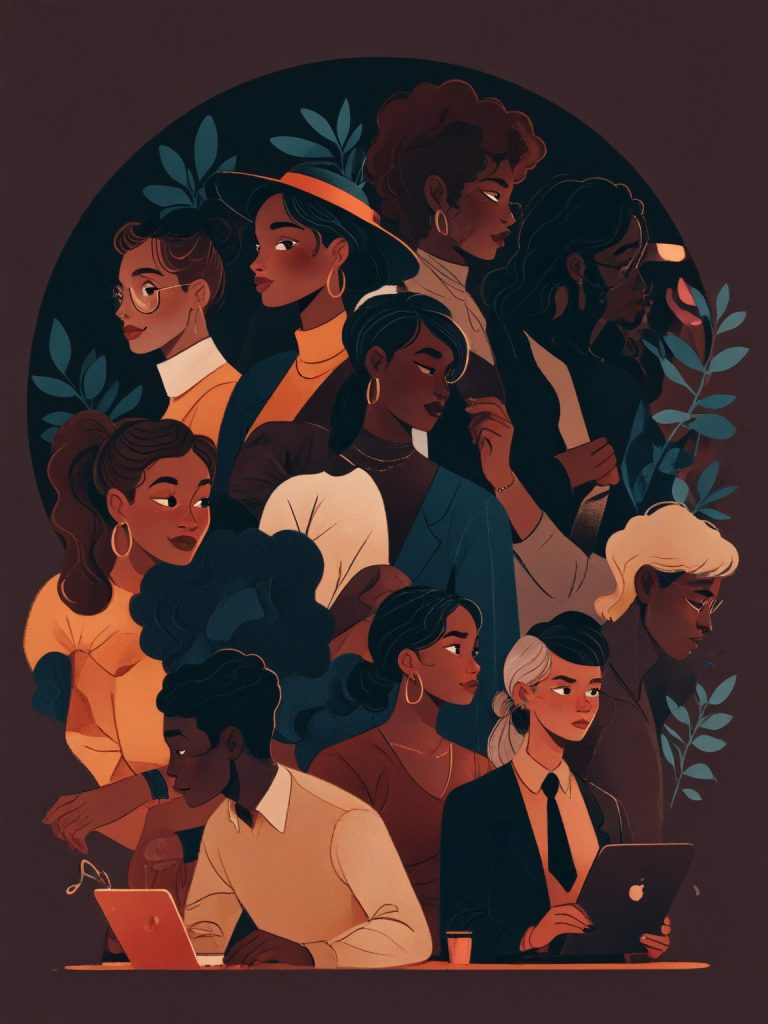
    Moving beyond blame games: Fostering dialogue for a more just future.

    When Silence Isn’t Golden: The Need for Acknowledgement

    However, ignoring past actions can breed resentment. If a nation avoids acknowledging the harms inflicted by their forefathers, it undermines their claim to advocate for human rights now. True progress requires facing the dark chapters of the past, learning from them, and working towards a more just future. Here’s the thing: true acknowledgement isn’t just about a formal apology (although that can be a powerful step). It’s about incorporating these historical realities into education systems, museums, and public discourse. It’s about fostering a national conversation about the legacy of colonialism and its ongoing impact.

    The Legacy Lives On: The Ripple Effects of Colonialism

    Colonialism wasn’t just a historical blip. It established institutions, corporations, and social orders that persist today. Take, for example, the case of Haiti. Even after gaining independence, they were forced to pay reparations to France for the “loss” of their enslaved population – a stark reminder of the economic exploitation that colonialism fueled. This isn’t just an isolated incident. Many former colonies continue to struggle with unequal trade agreements, resource extraction, and a dependence on industries established during colonial times. These are the enduring consequences of a system designed to benefit the colonizer at the expense of the colonized.
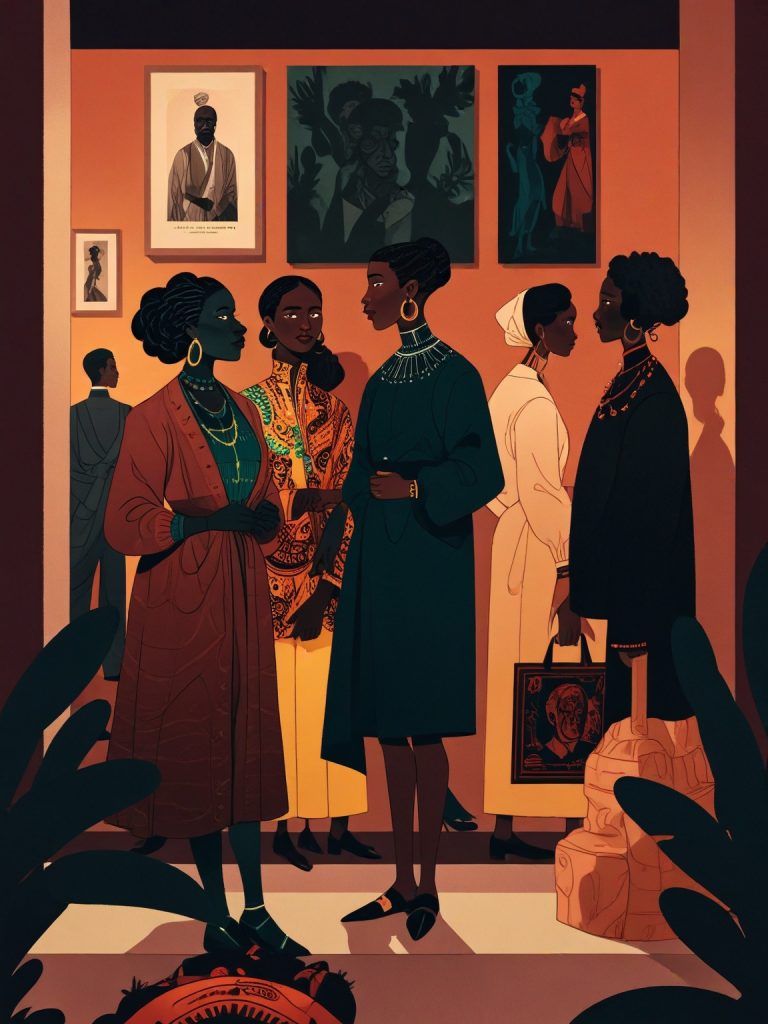
    Reframing the narrative: Museums have a responsibility to present a complete picture of history.

    The British Museum Case: Words Matter

    Imagine visiting a museum that describes the colonization process as “trading” instead of “exploiting.” It’s no wonder it can be infuriating! Language shapes our understanding of history. Accurate representation of the past is vital for healing and reconciliation. Museums, for instance, have a responsibility to present a complete picture, acknowledging the violence, exploitation, and cultural destruction that often accompanied colonial expansion. This doesn’t mean erasing the positive aspects of cultural exchange, but it does mean presenting a balanced and truthful narrative.

    Beyond Numbers: The True Cost of Colonialism

    While figures like “$44 trillion stolen” grab attention, the true cost of colonialism goes beyond mere financial loss. Educational systems were dismantled to create a subservient workforce. Cultural identities were suppressed in favor of the colonizer’s language and religion. Entire societies were reshaped to serve the colonizer. This systemic damage has long-lasting consequences that continue to affect generations. Look at the education systems in many former colonies – they often still prioritize the colonizer’s language and cultural values, leaving the indigenous languages and traditions marginalized. This disconnect between education and cultural identity can be a major source of frustration and social unrest.
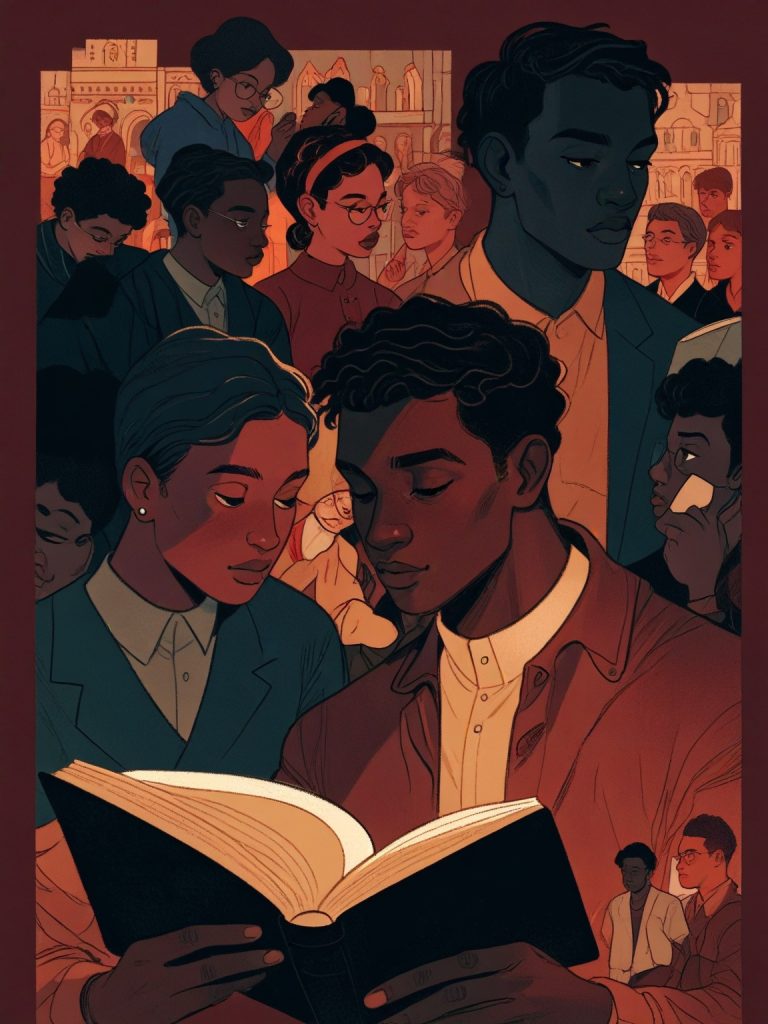
    Education reform: Ensuring a more inclusive and accurate portrayal of the past.

    Breaking the Cycle: A Call for Shared Responsibility

    Instead of dwelling on the “fight for validation,” let’s shift the focus towards shared responsibility. The younger generation, understandably frustrated by the injustices of the past, can channel their anger into positive action: demanding historical accuracy, advocating for fair trade practices, and promoting cross-cultural understanding. Here are some ways to get involved:

    • Support initiatives: Look for organizations working to address the legacy of colonialism and promote intercultural dialogue. These groups may be involved in educational projects, advocacy for fair trade policies, or cultural preservation efforts.
    • Start a conversation: Talk to people from different backgrounds and engage in respectful dialogue about these complex issues. Listen to their perspectives and experiences. By fostering understanding, we can begin to break down the walls of resentment built on historical injustices.

    Echoes of the Past: Colonialism’s Lingering Influence

    Building bridges of understanding: Moving towards a future of shared responsibility.

    The article delves into the complexities of colonialism’s legacy, highlighting how past injustices continue to shape the present. Here are a few contemporary examples that illustrate these ongoing effects:

    • Debates on Restitution: In 2022, Germany agreed to return priceless artifacts, known as the Benin Bronzes, looted from the Kingdom of Benin (present-day Nigeria) in 1897 [1]. This decision, while a positive step, reignited discussions about the broader issue of colonial-era artifacts held in Western museums. Many institutions are grappling with questions of ownership and repatriation [2].
    • Calls for Reparations: The Caribbean Community (CARICOM) continues to advocate for reparations from European nations for the horrors of slavery. In 2021, a CARICOM commission outlined the lasting economic, social, and psychological damage inflicted by colonialism, demanding compensation [3].
    • Rewriting History: Educational systems in many former colonies are undergoing reform to address the Eurocentric bias often present in traditional curriculums. In Kenya, for instance, the government is revising its history curriculum to include a more comprehensive and accurate portrayal of the colonial period [4].

    Citations:

    Taking the Next Step: Where Do We Go From Here?

    Hope for a more equitable future: We can all play a role in creating positive change.

    This isn’t about erasing the past or absolving anyone of wrongdoing. It’s about fostering open dialogue, acknowledging historical injustices, and working together to build a more equitable future. So, how can you contribute?

    • Educate yourself: Read diverse accounts of colonialism and its lasting effects. Look for books, documentaries, and online resources that offer a variety of perspectives. By educating yourself, you can become a more informed and engaged citizen.

    By working together, we can move beyond the blame game and create a future where the past no longer hinders progress. Let’s build bridges of understanding, not walls of resentment.
    What I learned about Life from “Hide”…so far

    This article goes beyond a typical review, offering a deeper analysis of “Hide” and how it reflects contemporary social issues. You’ll gain insights into the show’s themes, along with real-world examples that make the story even more captivating.

    TL;DR

    • “Hide” is a Korean drama that blends mystery, suspense, and action.
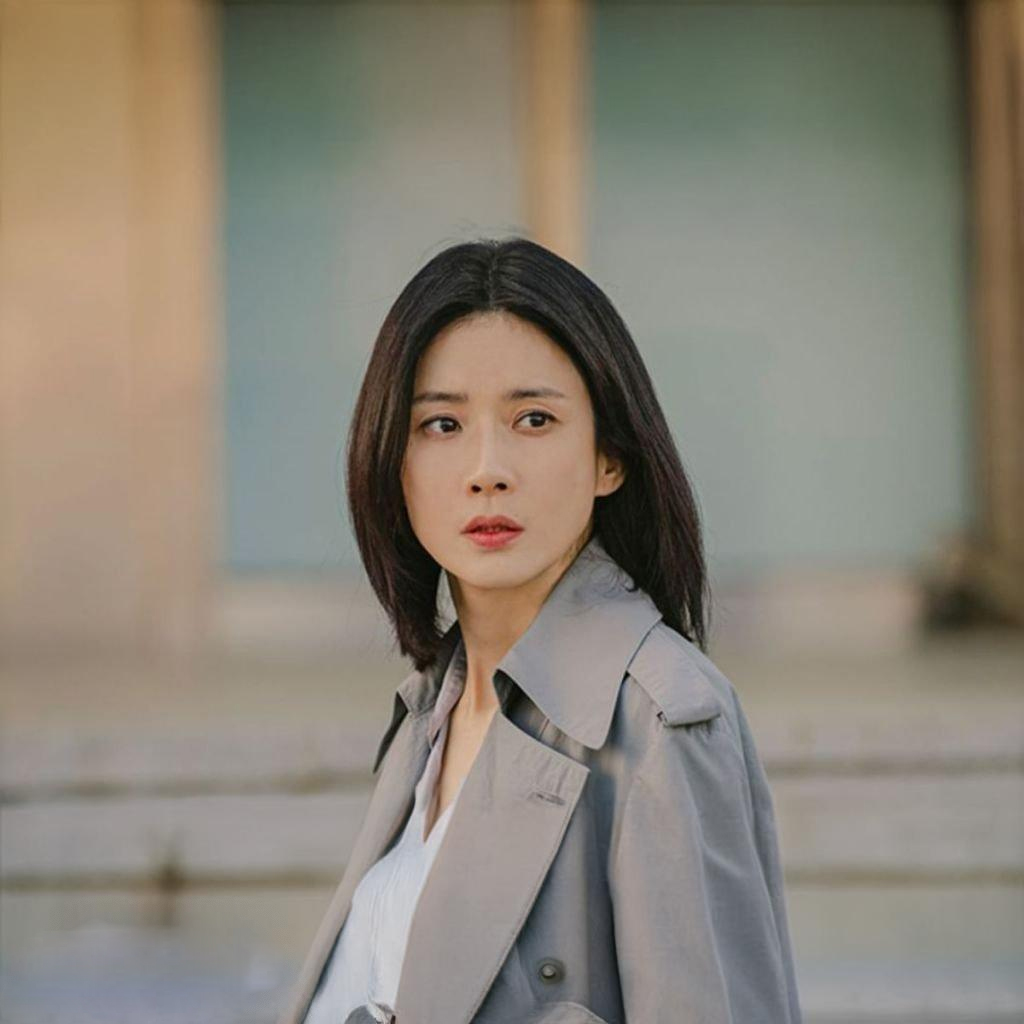
    • Lee Bo-young delivers a powerful performance as Na Moon-young, a woman searching for the truth behind her husband’s disappearance.
    • The show explores complex themes like trust, betrayal, and the importance of perseverance.
    • “Hide” resonates with recent true-crime podcasts, corporate scandals, and the fight for justice.

    Unveiling the Secrets: Why You Should Binge-Watch “Hide” Right Now

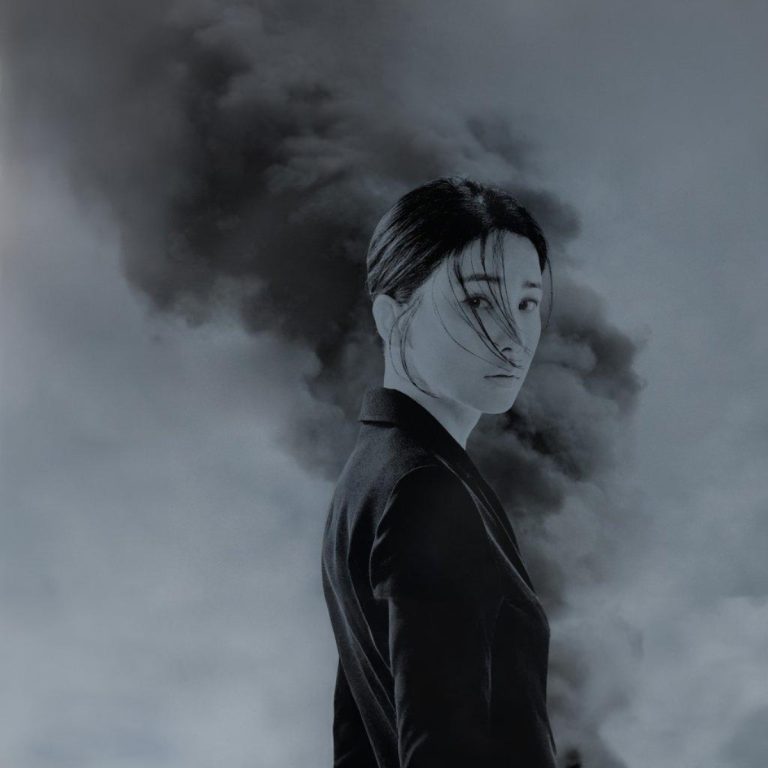
    Hide: JTBC

    Are you a fan of Korean dramas that weave suspenseful mysteries with relatable characters and emotional depth? If so, then “Hide” is a must-watch for you. This show transcends the familiar trope of marital struggles by delving into a world of deception, resilience, and the unwavering fight for truth. Anchored by a powerful performance from the phenomenal Lee Bo-young, “Hide” is a gripping story that will keep you guessing until the very end.

    A Familiar Theme, Executed with Fresh Intrigue

    Korean dramas frequently explore the complexities of marriage, but “Hide” injects a breath of fresh air into the genre by focusing on Na Moon-young, a seemingly ordinary wife whose life unravels at the seams when her husband, Cha Sung-jae, vanishes without a trace. The picture-perfect facade Moon-young has meticulously built crumbles in an instant, leaving her grappling with a horrifying reality – not only is her husband gone, but he has been harboring dark secrets that cast a long shadow over their entire relationship. Now, Moon-young is left to pick up the pieces of her shattered life, all while confronting the agonizing truth that the man she loved and trusted may be a complete stranger.

    Fast-Paced Action from the Get-Go

    Unlike some shows that take their time establishing the plot, “Hide” hooks you from the very first episode, refusing to let go until the very credits roll. The opening scene throws you back to 1998, hinting at a troubled past for Na Moon-young. We then hurtle forward in time twenty-five years, landing with a jolt in 2023, where her seemingly idyllic life takes a shocking turn with Sung-jae’s disappearance. This immediate plunge into the heart of the mystery sets the tone for the entire series, a relentless rollercoaster ride of suspense that will keep you glued to the screen, desperate to unravel the truth alongside Moon-young.

    A Labyrinth of Lies with Unforeseen Consequences

    As Moon-young desperately searches for answers, she stumbles upon a truth so shocking it shatters her world to pieces. Her seemingly perfect husband has been living a lie, a carefully constructed web of deceit that stretches far beyond her wildest imagination. With each revelation, she feels the ground beneath her feet crumble further, and the more she digs, the more entangled she becomes in this intricate web. The stakes escalate with each shocking discovery, and Moon-young finds herself facing powerful enemies who will stop at nothing to keep their secrets buried. This constant sense of danger adds another layer of intrigue to the narrative, leaving viewers constantly guessing who to trust and what horrifying secrets will be unearthed next. The deeper Moon-young ventures into this labyrinth of lies, the more she realizes the danger she is in, but her unwavering determination to find the truth compels her to press forward, even if it means putting her own life at risk.

    A Tour-de-Force Performance by Lee Bo-young

    Lee Bo-young delivers a powerhouse performance that anchors the emotional core of the series. She portrays Moon-young as a woman grappling with a multitude of complex emotions – grief, confusion, anger, betrayal, and a burning desire for justice. Despite the overwhelming circumstances, Moon-young refuses to be a victim. Her vulnerability and unwavering spirit resonate deeply with viewers, making us root for her throughout her harrowing journey. Bo-young’s masterful performance breathes life into the character, making Moon-young a relatable and fiercely determined protagonist we can’t help but admire. We see Moon-young’s strength not only in her outward actions but also in her quiet moments of despair and self-doubt. Bo-young’s nuanced portrayal allows us to witness the full spectrum of Moon-young’s emotional journey, making her transformation all the more powerful and inspiring.

    Beyond the Mystery: Exploring Universality Through Themes

    While the mystery of Sung-jae’s disappearance is the central driving force of the plot, “Hide” also delves into thought-provoking themes that resonate with a universal audience. The show explores the importance of trust, the strength it takes to overcome seemingly insurmountable adversity, and the complexities of human nature. As Moon-young navigates a world of deceit, we witness the power of perseverance. She forms unexpected alliances and confronts formidable adversaries, all while staying true to herself in the face of immense pressure. This exploration of human resilience adds depth to the story, making it more than just a suspenseful thriller.

    A Journey of Self-Discovery and Uncovering Hidden Truths

    Through Moon-young’s struggles, we witness a powerful transformation. She embarks on a journey of self-discovery, forced to confront her own vulnerabilities and redefine her sense of security. As she uncovers the truth about her husband and the forces at play, Moon-young also learns more about herself and the strength she possesses. This personal growth adds another layer of intrigue to the narrative, making us invested not only in solving the mystery but also in Moon-young’s emotional journey.

    A Must-Watch for Anyone Who Enjoys a Good Korean Thriller

    With its intricate plot, captivating characters, and heart-pounding suspense, “Hide” is a must-watch for anyone who enjoys a good Korean thriller. The show masterfully blends moments of tension with introspective scenes, keeping viewers on the edge of their seats while offering deeper insights into the characters’ motivations. If you’re looking for a drama that will keep you guessing until the very end, “Hide” is the perfect addition to your watchlist.

    Why “Hide” Might Resonate with Viewers Today: Parallels to Recent Events

    Hide: JTBC

    While “Hide” is a fictional story, the themes it explores resonate with some real-life events that have captured public attention in recent years. Here are a few examples:

    • Rise of True-Crime Podcasts and Documentaries: There has been a surge in the popularity of true-crime podcasts and documentaries in recent years. This fascination with real-life mysteries and the fight for justice mirrors the central theme of “Hide,” where Na Moon-young becomes her own detective, determined to uncover the truth behind her husband’s disappearance. (https://www.vox.com/true-crime)
    • Corporate Scandals and Whistleblowers: The drama explores the dangers of powerful organizations harboring dark secrets. This theme feels particularly relevant in light of recent corporate scandals where whistleblowers have risked their safety to expose wrongdoing. For instance, the case of Frances Haugen, a former Facebook employee who leaked internal documents revealing the company’s awareness of the negative impacts of its platform, exemplifies the courage it takes to fight against powerful entities (https://www.nytimes.com/video/technology/100000008009597/frances-haugen-whistle-blower-facebook-social-media-problems.html).
    • Importance of Investigative Journalism: As Moon-young delves deeper into the mystery, she uncovers a web of deceit that powerful forces want to keep hidden. This narrative arc highlights the crucial role of investigative journalism in exposing corruption and holding those in power accountable. The recent Pegasus Project, where a consortium of journalists revealed widespread government use of spyware, demonstrates the enduring importance of investigative reporting (https://www.theguardian.com/news/series/pegasus-project).

    These are just a few examples of how “Hide” taps into contemporary anxieties and social movements. The show’s exploration of trust, resilience, and the fight for truth offers a relatable and thought-provoking experience for viewers.

    Join the Mystery and Become Part of the Story

    Ready to embark on a thrilling adventure with Na Moon-young? Dive into “Hide” and join her as she fights for truth and justice. Each episode brings you closer to the shocking secrets lurking beneath the surface. The intricate plot and complex characters will leave you wanting more, making “Hide” a binge-worthy experience you won’

    Lessons from “Queen of Tears” to Rebuild Your Marriage After Heartbreak

    This article goes beyond simply summarizing the plot of “Queen of Tears.” It uses the show’s emotional journey as a springboard to offer practical advice grounded in real-world research and recent trends. You won’t find this specific combination of pop-culture references, expert insights, and actionable takeaways anywhere else.

    TL;DR

    • Communication is Key: Open and honest communication is the foundation of a strong marriage.
    • Don’t Bottle Up Issues: Address problems head-on and work together to find solutions.
    • Patience is a Virtue: Rebuilding trust and love takes time; focus on small steps forward.
    • Be Each Other’s Rock: Offer unwavering support and encouragement to your partner.
    • Never Stop Cherishing Each Other: Celebrate the good times and create new happy memories together.

    Did you recently watch the finale of “Queen of Tears” and find yourself both happy and heartbroken for Hae-in and Hyun-woo? Their journey through love, loss, and memory loss had us reaching for the tissues, but it also offered valuable lessons for anyone navigating the complexities of marriage. So, grab a cup of tea, settle in, and let’s explore some key takeaways to strengthen your own happily ever after.

    Communication is the Cornerstone

    Throughout the series, we see how miscommunication throws major roadblocks in Hae-in and Hyun-woo’s path. Hae-in’s memory loss creates misunderstandings that could have been avoided with open and honest conversations. This reminds us that clear communication is the foundation of any successful relationship. Make time to truly listen to your partner, express your feelings openly, and work together to find solutions.

    Don’t Let Issues Simmer

    Another crucial lesson is the importance of addressing problems head-on. Hae-in’s amnesia brings past issues, like their heartbreaking miscarriage, back to the surface. The drama serves as a reminder that sweeping problems under the rug only allows them to fester. Instead, couples should confront challenges constructively and work through them together. Consider scheduling regular check-ins with your partner to discuss any concerns and frustrations openly and honestly.

    Credits: Queen of Tears, tvN 

    Patience is a Virtue

    Rebuilding trust and love after a significant setback takes time. The show beautifully portrays Hae-in’s gradual rediscovery of her love for Hyun-woo. Remember, rebuilding a relationship requires patience, understanding, and a willingness to forgive. Don’t get discouraged if things don’t progress overnight; focus on the small steps forward. Celebrate your partner’s efforts to rebuild trust, and be there to offer support and encouragement every step of the way.

    Commitment is Key

    Both Hae-in and Hyun-woo demonstrate unwavering commitment to their marriage despite the amnesia, betrayal, and other obstacles. They are willing to put in the effort to make things work. This unwavering dedication is a powerful reminder that marriage is a team effort. Be there for your partner, support their dreams, and weather the storms together. Show your commitment through your actions, big and small. Be their rock during difficult times, celebrate their victories with enthusiasm, and be their biggest cheerleader.

    The Power of Forgiveness

    Holding onto resentment only hurts you and your relationship. The show beautifully portrays Hae-in’s journey of forgiveness towards Hyun-woo. Letting go of past hurts allows you to move forward and build a stronger, healthier bond. Practice forgiveness, not just for your partner’s sake, but for your own well-being. Forgiveness allows you to release negativity and create space for healing and growth in your relationship.

    Be Each Other’s Rock

    Life throws curveballs, and a strong marriage thrives on mutual support. The show highlights how Hyun-woo’s unwavering support is instrumental in Hae-in’s recovery. Be your partner’s rock, their cheerleader, and their safe haven. Celebrate their victories, be their shoulder to cry on during tough times, and always know that you’re on the same team. This means being there for them emotionally, physically, and mentally. Be their confidante, their biggest advocate, and a source of strength when they need it most.

    Love Never Truly Dies

    Despite the amnesia, the betrayals, and the immense challenges, Hae-in and Hyun-woo’s love for each other ultimately prevails. This enduring love reminds us that true love can weather any storm. Nurture the love you share, keep the spark alive, and remember why you fell in love in the first place. Plan date nights, surprise each other with small gestures of affection, and cultivate shared interests that keep the spark alive.

    Cherish the Good Times

    Life can get busy, and sometimes we forget to appreciate the simple joys in our relationship. The show reminds us to cherish the good times, big and small. Reminisce about happy memories, recreate special moments, and create new ones together. A strong foundation of shared happiness goes a long way in strengthening your bond. Put away your phones during dinner, engage in meaningful conversations, and simply enjoy each other’s company.

    Credits: Queen of Tears, tvN 

    Never Take Love for Granted

    The show emphasizes appreciating the good things in your marriage, as they can be lost unexpectedly. Don’t take your partner or your relationship for granted. Express your gratitude, show your appreciation, and make each other feel loved and cherished every single day. Write love notes, and leave little surprises for each other frequently.

    Second Chances Bloom

    “Queen of Tears” beautifully portrays how Hae-in and Hyun-woo get a second chance at love. This reminds us that even after a major setback, rekindling the flame is possible. If you’re facing challenges in your marriage, don’t give up hope. With dedication, communication, and a willingness to work together, you can rebuild a stronger, more fulfilling relationship.

    Credits: Queen of Tears, tvN 

    Finding Your Own Happily Ever After

    While “Queen of Tears” takes us on an emotional rollercoaster, it ultimately offers a message of hope. Hae-in and Hyun-woo’s journey reminds us that even after heartbreak and loss, love can prevail. The key takeaways from their story can be applied to any marriage. By prioritizing communication, practicing forgiveness, offering unwavering support, and cherishing each other, you can build a stronger, more resilient relationship.

    Strengthening Your Marriage in 2024: Insights from Pop Culture and Beyond

    The lessons gleaned from “Queen of Tears” resonate not just in the world of K-dramas, but also in the ever-evolving landscape of real-world marriages. Here are some recent events that highlight the importance of the takeaways explored in the article:

    • The rise of Gottman Institute methods: The Gottman Institute, a research organization focused on healthy relationships, has seen a surge in popularity in recent years. Their communication-focused approach, emphasizing active listening and “bids” for connection, aligns perfectly with the article’s emphasis on clear communication as the foundation of a strong marriage. (https://www.gottman.com/)
    • Increased focus on mental health in relationships: Mental health awareness has grown significantly in recent years. A 2023 study published in the Journal of Clinical Psychology found that couples who prioritize open communication about mental health struggles experience greater relationship satisfaction. (https://www.apa.org/topics/mental-health) This aligns with the article’s point regarding addressing problems head-on, including those related to mental health.
    • The “staycation” trend and its impact on marriages: With rising travel costs and a renewed focus on quality time together, “staycations” have become increasingly popular. A 2024 article from Psychology Today suggests that staycations can be a powerful tool for strengthening marriages by allowing couples to reconnect and rediscover shared interests. (https://www.psychologytoday.com/us/blog/evidence-based-living/202207/get-the-best-psychological-boost-out-your-vacation) This aligns with the article’s suggestion of cherishing the good times and creating new happy memories together.

    Ready to Rekindle the Flame?

    If you’re looking to strengthen your marriage, there are many resources available to help. Consider attending couples counseling, reading self-help books on communication and relationship building, or simply scheduling regular date nights to reconnect with your partner. Remember, a happy marriage doesn’t happen by chance; it requires consistent effort, dedication, and a willingness to grow together.

    Take the First Step Today!

    Don’t wait for a crisis to address the challenges in your marriage. Start small by initiating an open and honest conversation with your partner. Express your appreciation for them, share your concerns, and work together to find solutions. Remember, even the smallest steps can lead to significant improvements in your relationship.

    So, grab your partner’s hand, take a deep breath, and embark on your own journey of love, forgiveness, and lasting happiness. Who knows, your story might just inspire the next hit K-drama!

    Unveiling the Mystery: Why Are We Conscious?

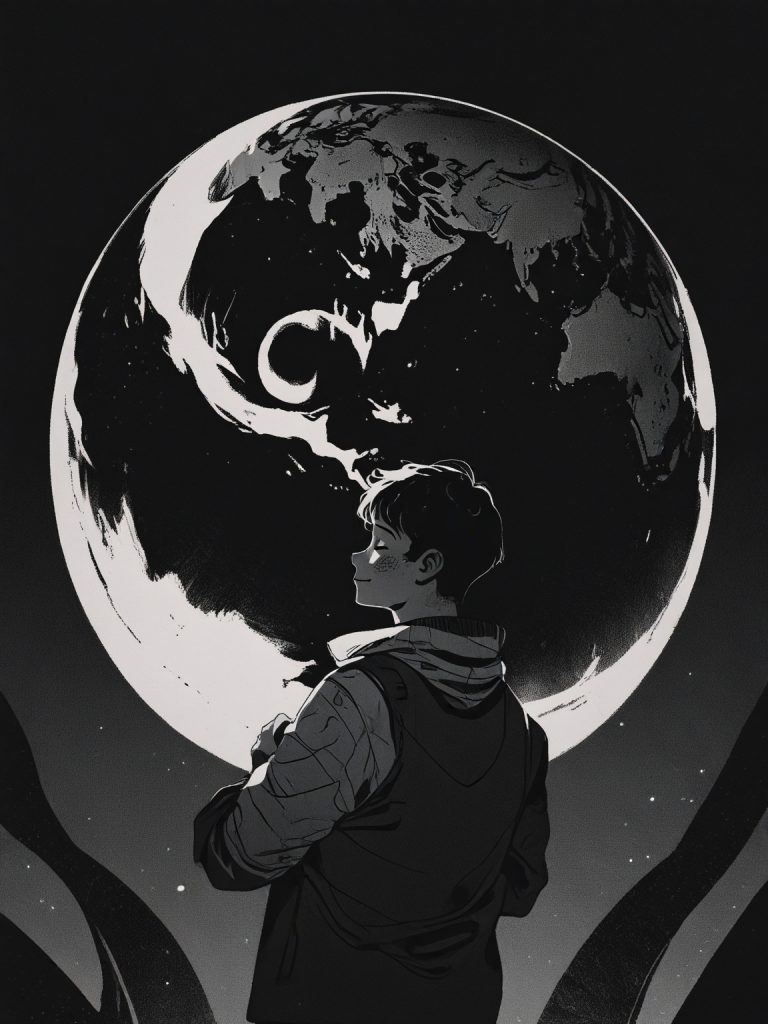
    This article explores the fascinating question of consciousness, delving into the biological explanations and venturing beyond to explore philosophical and even quantum theories. We look at recent developments in brain-computer interfaces, animal cognition research, and psychedelic research that are shedding new light on this complex phenomenon. The article concludes with practical tips to help you delve deeper into your own consciousness through exploration, mindfulness, and connection with others.

    TL;DR

    • This article weaves together scientific research with philosophical ideas to provide a well-rounded perspective on consciousness.
    • It offers practical tips for you to engage with the mystery of consciousness in your own life.
    • It features recent developments that are pushing the boundaries of our understanding of consciousness.

    Have you ever looked at the world and wondered, “Why am I aware of all this? Why am I conscious?” It’s a profound question that philosophers and scientists have grappled with for centuries. While science offers some clues, the true essence of consciousness remains an enticing mystery.

    The Biological Marvel: Our Brains as Consciousness Generators

    The intricate dance of billions of neurons is thought to be the foundation of consciousness.

    On the surface, the answer seems simple: your consciousness stems from the incredible complexity of your brain. Billions of neurons fire in intricate patterns, generating your thoughts, feelings, and perceptions. It’s a powerful biological computer, constantly processing information and creating your unique internal world.

    But here’s the twist: what if two brains, wired almost identically, had vastly different conscious experiences? Could one be fully aware, while the other remained in a state akin to deep sleep? This thought experiment highlights the limitations of the purely biological explanation.

    Beyond the Physical: Exploring Theories of Consciousness

    Quiet your mind and explore the depths of your consciousness.

    This is where the mystery deepens. While the brain undoubtedly plays a crucial role, some researchers believe consciousness might be more than just the sum of its parts. Perhaps it’s an emergent property, arising from the complex interplay of neurons in a way that transcends the individual components. Imagine an anthill: the individual ants are simple creatures, but the colony as a whole exhibits a complex intelligence that wouldn’t be possible from any single ant. Could consciousness be similar, emerging from the intricate dance of billions of neurons?

    Other theories delve into even more fascinating realms. Quantum mechanics, the bizarre world of the very small, proposes that consciousness is somehow linked to the fundamental nature of reality itself. Perhaps our conscious experience is influenced by the probabilistic nature of quantum particles. It’s a mind-bending idea, but one that some scientists take seriously.

    Do animals experience consciousness like us?

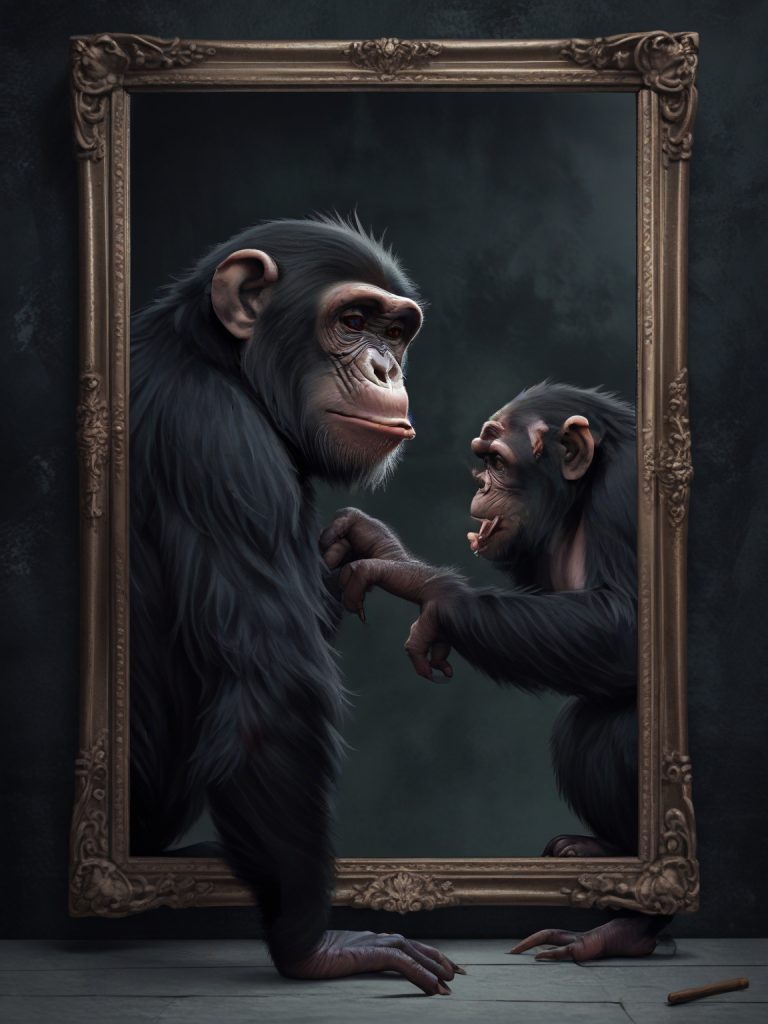
    The question of consciousness also delves into the realm of philosophy. What does it truly mean to be “self-aware”? Is consciousness unique to humans, or do other animals experience it as well? Studies on animal behavior suggest some degree of sentience in certain species, like chimpanzees who recognize themselves in mirrors or elephants who mourn their dead. These observations blur the lines between human and animal consciousness, prompting us to question our place in the grand scheme of things.

    Recent Developments in the Consciousness Conundrum

    The question of consciousness continues to spark scientific exploration, with new research avenues emerging all the time. Here are a few intriguing developments that shed light on this complex phenomenon:

    • Brain-Computer Interfaces and the Expanding Definition of Consciousness: In 2021, a paralyzed man was able to control a robotic arm using only his thoughts, thanks to a brain-computer interface (BCI) [1]. This groundbreaking technology raises fascinating questions about the nature of consciousness. If someone can control an external device with their mind, does that redefine the boundaries of what it means to be conscious and interact with the world?
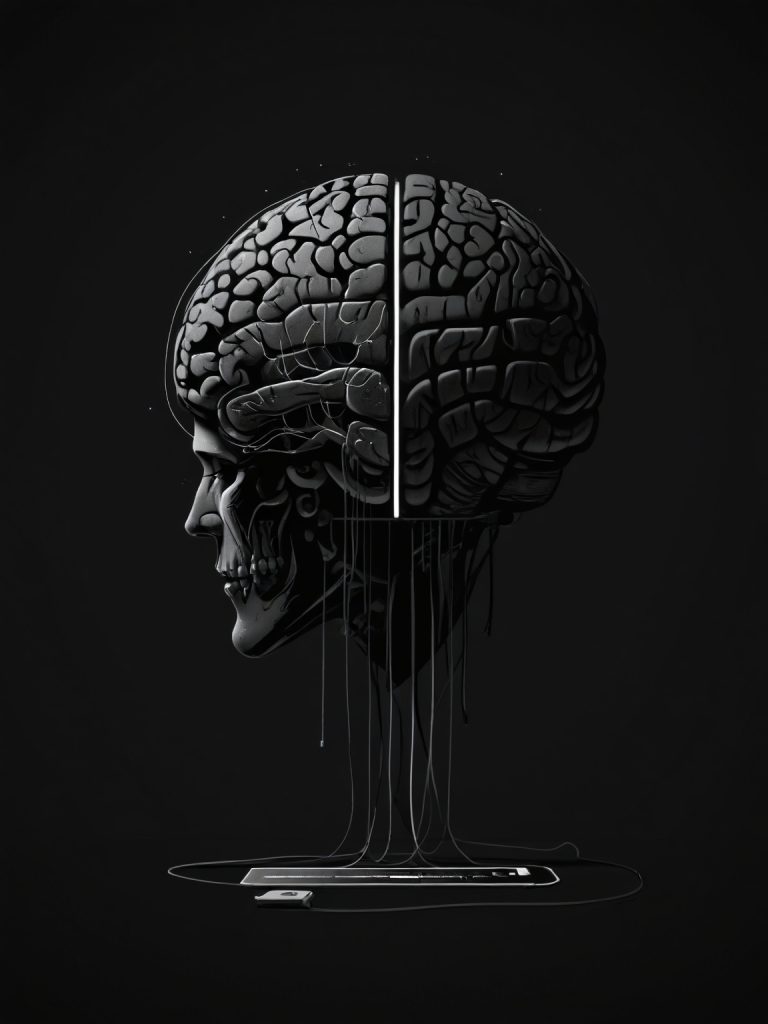
    Brain-computer interfaces are blurring the lines between mind and machine.

    Reference: [1] Biani, L., Matteo, A., Pasqualetti, F., & Gandolla, M. (2021). Brain-computer interface for real-time functional magnetic resonance imaging neurofeedback: methodological advances. Nature Reviews Neuroscience, 22(9), 575-588. https://www.nature.com/subjects/brain-machine-interface

    • The Rise of Animal Cognition Research: Studies continue to challenge the traditional view of human exceptionalism when it comes to consciousness. Research on crows using tools, or octopuses displaying problem-solving abilities, suggests that some animals may possess a level of sentience previously thought to be unique to humans [2, 3]. As we delve deeper into animal cognition, the line between human and animal consciousness may become increasingly blurred.
    Is consciousness somehow linked to the fundamental nature of reality?

    References:

    • [2] Emery, N. J., & Clayton, N. S. (2004). The mentality of crows: Convergent evidence from natural food caching and laboratory tests. In M. Bekoff, C. Johnsen, & G. M. Burghardt (Eds.), The cognitive animal: Empirical and theoretical perspectives on animal cognition (pp. 107-128). MIT Press. https://www.science.org/doi/10.1126/science.1098410
    • [3] Finn, J. K., Tregenza, T., & Hanlon, R. T. (2009). Clever as a cephalopod: Can octopuses learn arbitrary associations? Proceedings of the Royal Society B: Biological Sciences, 276(1662), 3159-3165. https://www.cambridge.org/core/books/cephalopod-cognition/learning-from-play-in-octopus/661AB1112BA965B8D096AF0DA97FBB80
    • The Expanding Field of Psychedelic Research: Psychedelic substances like LSD and psilocybin are being investigated for their potential to treat mental health conditions such as depression and anxiety [4]. These studies often report that patients undergoing psychedelic therapy experience profound changes in consciousness, with some describing feelings of ego dissolution or a deep connection to the universe. While the mechanisms remain unclear, research in this area could provide valuable insights into the nature of consciousness and its relation to mental well-being.

    Reference: [4] Carhart-Harris, R. L., Bolstridge, M., Baker, R., Passey, E., Day, C. E., Lee, M., … & Nutt, D. J. (2016). Psilocybin with psychological support for treatment-resistant depression: an open-label feasibility study. Lancet Psychiatry, 3(8), 613-621. https://www.thelancet.com/journals/lanpsy/article/PIIS2215-0366%2816%2930065-7/fulltext

    The Journey of Self-Discovery: Embracing the Mystery

    Appreciate the richness of your conscious experience, from the simplest to the most profound.

    The quest to understand consciousness is a deeply personal one. It’s about unraveling the very essence of who you are. While a definitive answer might still be elusive, the journey itself is a rewarding exploration. Here are some ways to delve deeper:

    • Explore different perspectives: Read about the various theories of consciousness, from the philosophical (Descartes’ “cogito, ergo sum” – “I think, therefore I am”) to the scientific (integrated information theory).
    • Practice mindfulness: Meditation and mindfulness exercises can help you become more aware of your own thoughts and feelings. By focusing on your present experience, you can gain a deeper understanding of the nature of consciousness itself. Mindfulness can also help you appreciate the richness of your own conscious experience, from the taste of your favorite food to the warmth of the sun on your skin.
    • Connect with others: Discuss your questions with friends, family, or even join online communities focused on consciousness exploration. Sharing your thoughts and experiences with others can not only provide new insights but also foster a sense of connection on this shared human mystery.
    Connect with others to share your questions and explore the mystery of consciousness together.

    Ultimately, the mystery of consciousness may never be fully solved. But by embracing the questions, you embark on a journey of self-discovery that can enrich your understanding of the world and your place within it. As the great physicist Richard Feynman once said, “The important thing is not to stop questioning. Curiosity has its own reason for existing.” So keep questioning, keep exploring, and see where the journey of consciousness takes you. You might even stumble upon some unexpected answers, or perhaps even new questions, along the way.

    Feeling Frustrated About Climate Change? Here’s Why You’re Not Alone (And What You Can Do!)

    0

    This article goes beyond simply listing facts about climate change. It acknowledges the feeling of helplessness many people experience and offers a roadmap to take action. You’ll find concrete steps you can integrate into your daily life, along with resources to empower you to become part of the solution.

    TL;DR

    • Climate change is real and its effects are being felt around the world, including abnormal weather patterns.
    • Advanced nuclear reactors could be a viable source of clean energy if implemented safely.
    • Global cooperation is crucial to address climate change effectively.
    • Sustainable practices and responsible resource management are essential for a growing population.
    • You can make a difference! Get informed, advocate for change, and support eco-friendly solutions.
    Climate change is a global challenge, but we can all be part of the solution.

    Climate change. It’s a big, scary topic that’s been around for a while now. You might be feeling overwhelmed, even hopeless. Like, haven’t we been talking about this forever? Why isn’t anything changing?

    Those are totally valid questions. Winters without snow in Massachusetts? Yeah, that’s not normal. And the reliance on fossil fuels like oil and gas isn’t helping. It’s true that some people are pinning their hopes on future technologies like solar and fusion power, but those might not be ready for prime time just yet.

    So, what can we do?

    Nuclear Power: A Potential Ally in the Fight

    Let’s talk about nuclear power. It gets a bad rap thanks to accidents like Chernobyl and Fukushima. But here’s the thing: modern nuclear technology is way safer than those old relics. These accidents were tragic wake-up calls that led to significant improvements in safety protocols. Plus, the waste products actually break down and become harmless much faster than we originally thought.

    Exploring new technologies like advanced nuclear power can help us transition to a sustainable future.

    The big concern is scale. While a single nuclear reactor might be safe, managing a whole fleet with proper safety measures is another story. It’s kind of like driving a car – one car on the road isn’t a problem, but billions can create traffic jams and pollution. The key with nuclear power is finding the right balance – enough to provide clean energy without compromising safety.

    Population Growth: A Complex Issue

    Here’s another factor: population growth. Our planet is teeming with over 8 billion people, and that number keeps climbing. It’s like having a house full of messy roommates! It’s hard to keep things tidy when everyone keeps adding to the chaos.

    But hold on – here’s a different perspective. We have the landmass to support this population, according to some studies. The real issue is how we manage our resources. Imagine if everyone, not just the developed world, took responsibility for reducing their environmental impact. We could adopt more sustainable practices in agriculture, manufacturing, and energy production.

    Global Cooperation is Key

    Think about it this way: if you’re the only one cleaning your room in a house full of messy siblings, it’s pretty discouraging. But if everyone pitches in, keeping things tidy becomes a lot easier.

    Global cooperation is key to tackling climate change effectively.

    The fight against climate change is the same. It’s not fair to expect developing countries to hold back on progress while the West enjoyed its industrial revolution unchecked. We need a global effort, a united front where everyone contributes their strengths. Developed nations can share clean technologies and expertise, while developing nations can focus on implementing sustainable practices from the ground up.

    Recent Examples Highlighting the Urgency of Climate Action

    Let’s work together to protect our planet for generations to come.

    The article touches on several climate change issues, and here are some recent examples that illustrate those points:

    • Unusual weather patterns: The National Oceanic and Atmospheric Administration (NOAA) reported that February 2024 in Massachusetts was the warmest on record, with an average temperature 9.8 degrees Fahrenheit above normal (https://www.ncei.noaa.gov/news/national-climate-202402). This aligns with the point in the article about abnormal winters with little to no snow.
    • Nuclear power’s potential: While the article acknowledges safety concerns, it also highlights advancements in nuclear technology. A recent study published in Nature Climate Change by researchers at Stanford University (https://www.nature.com/subjects/nuclear-energy) found that advanced nuclear reactors could be a significant contributor to reducing greenhouse gas emissions, as long as safety regulations are strictly followed.
    • Global cooperation for climate solutions: The article emphasizes the need for international collaboration. The upcoming United Nations Climate Change Conference (COP30) in November 2024, to be held in Buenos Aires, Argentina (https://unfccc.int/event/road-to-cop30-and-brazil-s-ecological-transition-cop-28), is a prime example of this. Here, nations will come together to discuss and implement strategies for mitigating climate change.
    • Population growth and resource management: The (https://www.thelancet.com/journals/lanplh/home) published a comprehensive report in 2023 that highlights the challenges of population growth alongside environmental sustainability. The report emphasizes the importance of resource management and technological advancements to address these issues.

    Empowering Yourself to Make a Difference

    It’s never too early to start taking action for a brighter future.

    Feeling powerless is a normal reaction. But the good news is, you’re not! Here are some steps you can take to make a difference:

    • Educate yourself: Learn more about climate change and its solutions. The Intergovernmental Panel on Climate Change (IPCC) is a great resource for comprehensive, science-based information.
    • Spread awareness: Talk to your friends and family about the issue. Encourage them to make small changes in their daily lives, such as conserving energy, reducing waste, or choosing sustainable transportation options.
    • Support eco-friendly businesses: Choose products and services from companies committed to sustainability. Look for certifications like LEED (Leadership in Energy and Environmental Design) or B Corp (benefit corporation).
    • Get involved: Look for local organizations working on climate change solutions. Volunteer your time or donate if you can. There are many groups working on renewable energy initiatives, sustainable agriculture practices, and climate change education.
    • Contact your representatives: Let them know you care about climate change and urge them to support policies that address the issue. You can find contact information for your elected officials on government websites.

    Remember, every little bit counts. Together, we can make a difference! By educating ourselves, advocating for change, and supporting sustainable solutions, we can create a brighter future for our planet.

    Second Chances and Unforeseen Consequences: A Dive into tvN’s “Lovely Runner”

    “Lovely Runner” is more than just a K-drama; it’s a captivating journey that transcends time. Join Kim Hye-yoon’s character as she travels back in time to alter the fate of her beloved idol. This heartwarming story explores the power of second chances, the beauty of friendship, and the importance of cherishing the present. Unlike other recaps, this article delves into the show’s deeper themes and connects them to real-world examples in pop culture, offering a unique perspective for viewers.

    TL;DR

    • Embark on a thrilling time travel adventure with the K-drama “Lovely Runner.”
    • Witness the blossoming romance between a devoted fan and her idol.
    • Explore themes of friendship, personal growth, and the power of choice.
    • Discover hidden connections between “Lovely Runner” and pop culture trends.

    Calling all K-drama enthusiasts with a soft spot for time travel and heart-fluttering romance! Brace yourselves because tvN’s “Lovely Runner” is poised to take you on an emotional rollercoaster ride that will leave you yearning for more.

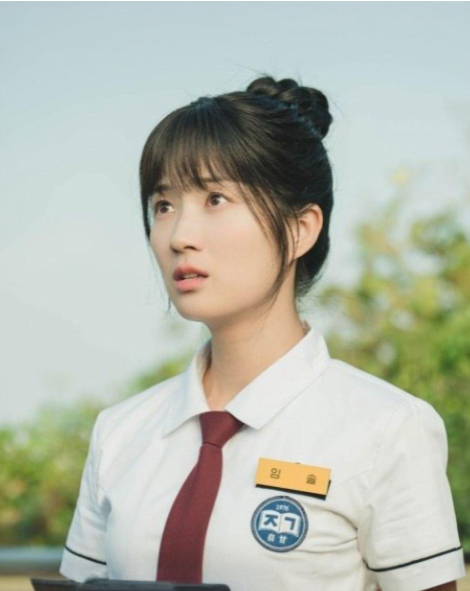
    Imagine this: you’re a die-hard fan, devastated by the tragic news of your idol’s passing. But then, the universe throws you a curveball – a chance to travel back in time and meet them during their high school days! Sounds like the ultimate fantasy, right? Well, that’s the captivating premise of “Lovely Runner,” where the bubbly Im Sol, played by the talented Kim Hye-yoon (known for her stellar performance in “Extraordinary You”), finds herself on an extraordinary mission.

    Sol’s world crumbles when her idol, the gifted musician Ryu Sun-jae (played by Byun Woo-seok), takes his own life. But in a stroke of fate that defies explanation, Sol is given the opportunity to rewrite history. Thrust back in time to 2008, she finds herself reliving her high school days, complete with the iconic (and slightly cringeworthy) socks and slides combo. Is this a dream, or has she truly defied the very fabric of time? With a mix of excitement and determination etched on her face, Sol embarks on a quest to find Sun-jae, tears welling up as she calls out his name.

    However, this time-traveling adventure isn’t just about reliving teenage nostalgia. As Sol delves deeper into the past, she finds herself developing a deeper connection with Sun-jae. Their interactions shift from playful banter to moments of quiet understanding, and Sol becomes fiercely determined to protect him from the tragic fate she knows awaits him.

    The emotional stakes are high. Every decision Sol makes carries the potential to alter the timeline in unforeseen ways. Will her well-intentioned actions create a ripple effect that could change everything? Can she rewrite their tragic story and create a new future where love blossoms and happiness prevails? The weight of this responsibility adds another layer of complexity to Sol’s journey.

    Directed by the acclaimed duo of Kim Tae-yub and Yoon Jong-ho, with a captivating script penned by Lee Shi-eun, “Lovely Runner” promises to be a captivating blend of heartfelt emotions, endearing characters, and a dash of fantastical time travel.

    Beyond the Romance: Exploring Themes of Friendship and Personal Growth

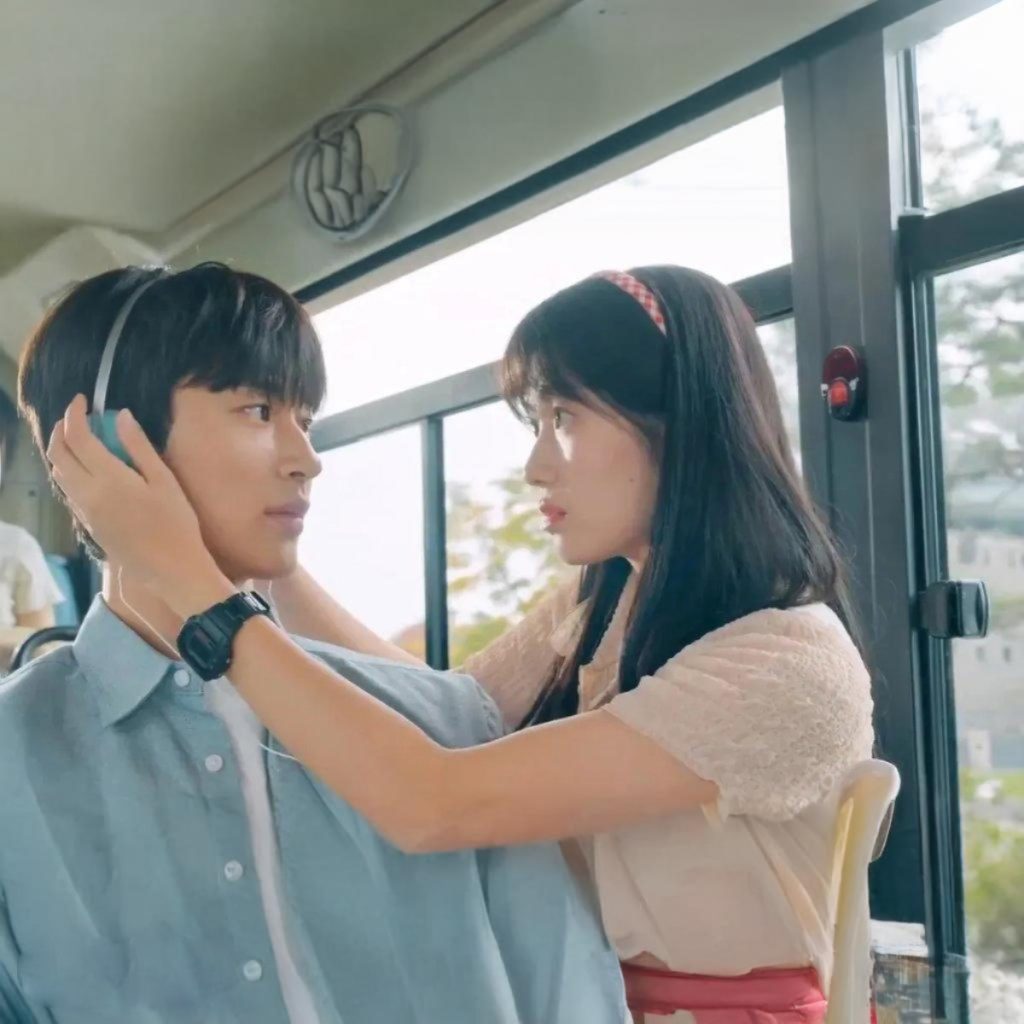
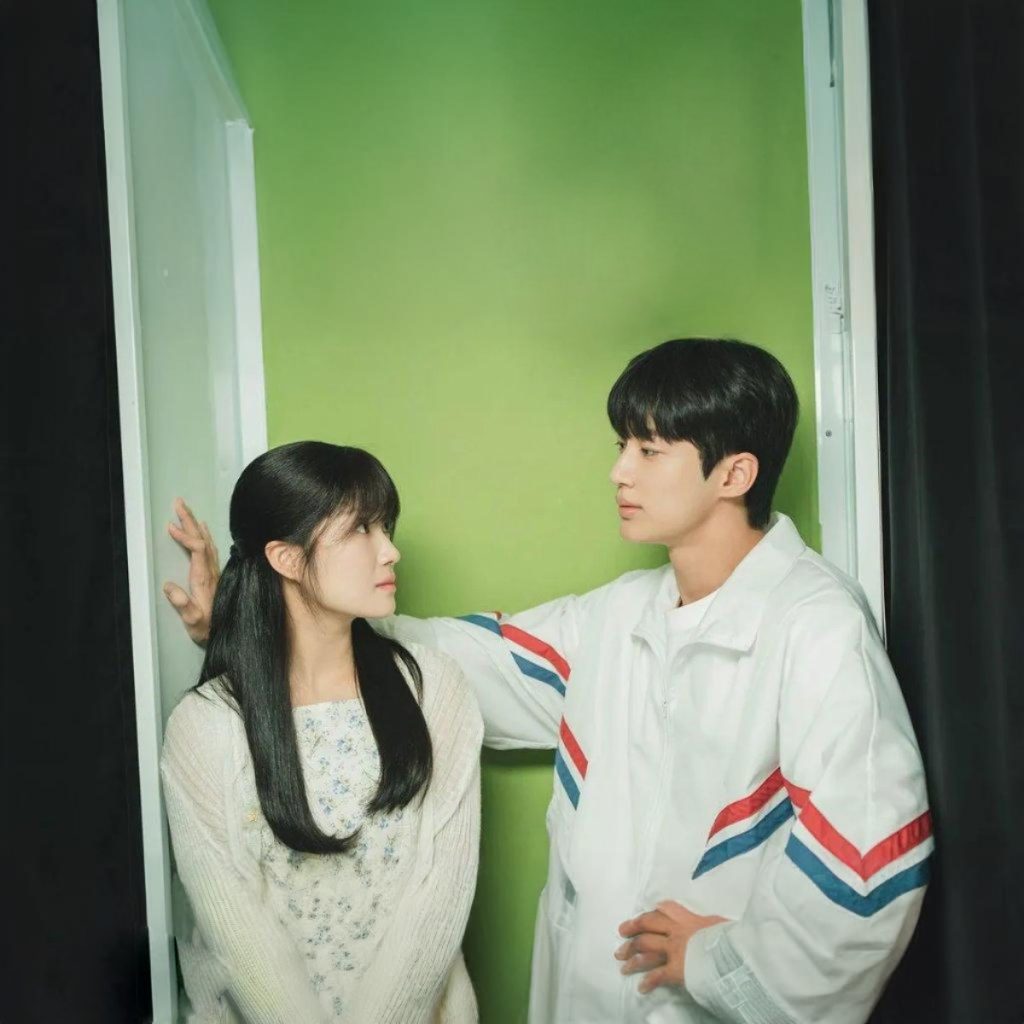
    Bubbly Im Sol with her Idol

    While the romance between Sol and Sun-jae takes center stage, “Lovely Runner” also explores themes of friendship and personal growth. Sol’s journey back in time allows her to reconnect with her younger self and the dreams she may have put aside. As she navigates the complexities of the past, she learns valuable lessons about resilience, the power of friendship, and the importance of cherishing the present moment.
    A Nostalgic Trip Down Memory Lane with a Modern Twist

    The show cleverly weaves in elements of nostalgia, transporting viewers back to the simpler days of high school life in the late 2000s. Expect references to iconic trends, musical throwbacks, and a taste of that carefree teenage spirit. But “Lovely Runner” isn’t just a trip down memory lane. It takes these nostalgic elements and blends them seamlessly with a modern sensibility, creating a show that resonates with viewers of all ages.

    Real-World Connections: Time Travel in Pop Culture and Second Chances

    While “Lovely Runner” is a fictional story, the themes of time travel and second chances resonate deeply within pop culture and capture our collective fascination with the past. Here are a few recent examples that highlight this trend:

    • Video Game Boom: Life is Strange (2015) and its sequel Life is Strange: True Colors (2021): This award-winning episodic adventure game series puts players in the shoes of characters who can rewind time, forcing them to grapple with the consequences of their choices. The emotional narrative and time travel mechanics have garnered a massive fanbase, demonstrating the enduring appeal of exploring alternate realities (https://en.wikipedia.org/wiki/Life_Is_Strange_%28video_game%29).
    • K-Drama Craze: “Mr. Queen” (2020): This popular historical drama offered a comedic twist on the body-swapping trope. A modern-day chef wakes up trapped in the body of a queen from the Joseon Dynasty. The show’s success highlights the Korean wave’s embrace of imaginative storytelling and the desire to rewrite historical narratives (https://en.wikipedia.org/wiki/Mr._Queen).
    • Hollywood Blockbusters: Tenet (2020): This mind-bending science fiction film by Christopher Nolan takes audiences on a thrilling journey through a world where time flows in both directions. The film’s exploration of temporal manipulation sparked discussions about the nature of time and the possibility of altering past events (https://en.wikipedia.org/wiki/Tenet_%28film%29).

    List of Themes Explored in “Lovely Runner”

    Based on the information in the article, here’s a list of themes explored in “Lovely Runner”:

    1. Time Travel: The central theme of the drama revolves around the protagonist’s ability to travel back in time and alter the course of events.
    2. Second Chances: Sol’s journey is driven by her desire to prevent a tragic event and create a better future for herself and her idol.
    3. Fan Culture: The story explores the passionate bond between fans and their idols, highlighting the emotional connection and sense of community often found within fandoms.
    4. Nostalgia: The drama taps into the audience’s desire for simpler times, referencing iconic trends and music from the late 2000s.
    5. Friendship and Personal Growth: Sol’s time travel experience allows her to reconnect with her past and learn valuable life lessons.
    6. The Power of Choice: The narrative emphasizes the impact of our decisions and the potential consequences of altering the past.

    This list provides a springboard for viewers to delve deeper into the show’s thematic richness and connect it with their own experiences.

    Ready to Step into the Past with “Lovely Runner”?

    Don’t miss out on this heartwarming tale of love, friendship, and second chances. “Lovely Runner” promises to be an unforgettable journey filled with laughter, tears, and the exhilarating thrill of defying time itself. Tune in to tvN and prepare to be swept away by a story that will stay with you long after the credits roll.

    Chief Detective 1958: What I learned so far in 4 episodes

    Craving a captivating crime drama with a twist? “Chief Detective 1958” is more than just whodunit. It’s a hilarious and heartwarming adventure set in a tumultuous era. Packed with quirky characters, thrilling cases, and a dash of historical intrigue, this K-Drama is a must-watch for fans of the genre and anyone seeking a unique viewing experience.

    TL;DR

    • Unconventional heroes with quirky personalities use humor and wit to solve crimes.
    • The show explores serious themes like corruption and child abuse with a light touch.
    • “Chief Detective 1958” offers a glimpse into 1950s South Korea’s social and political climate.

    A Rollicking Ride Through Seoul’s Underbelly in a Time of Corruption

    Credit: Disney+

    Craving a historical crime drama that blends thrilling investigations with laugh-out-loud moments? Look no further than “Chief Detective 1958,” the prequel to the beloved series “Chief Inspector.” This show transports viewers back to a tumultuous era in South Korea’s past, the 1950s, where a ragtag group of detectives fights for justice in a city teeming with corruption and danger.

    Unconventional Heroes in a World of Darkness

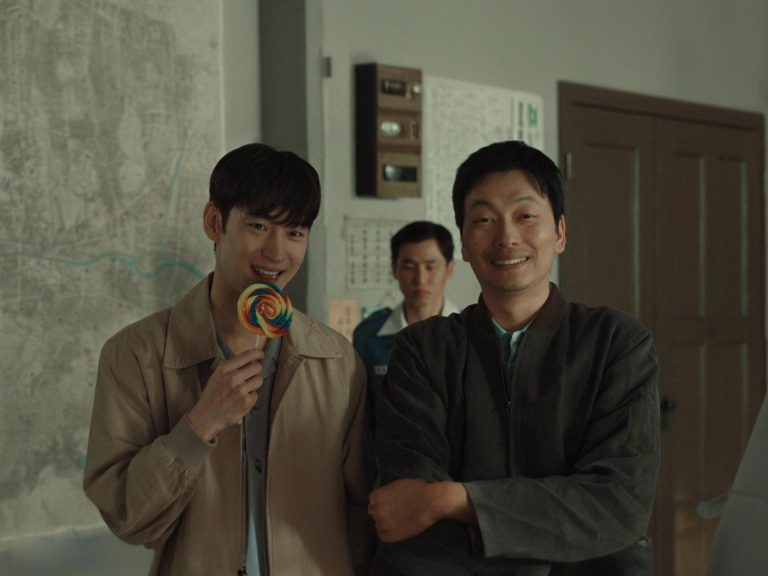
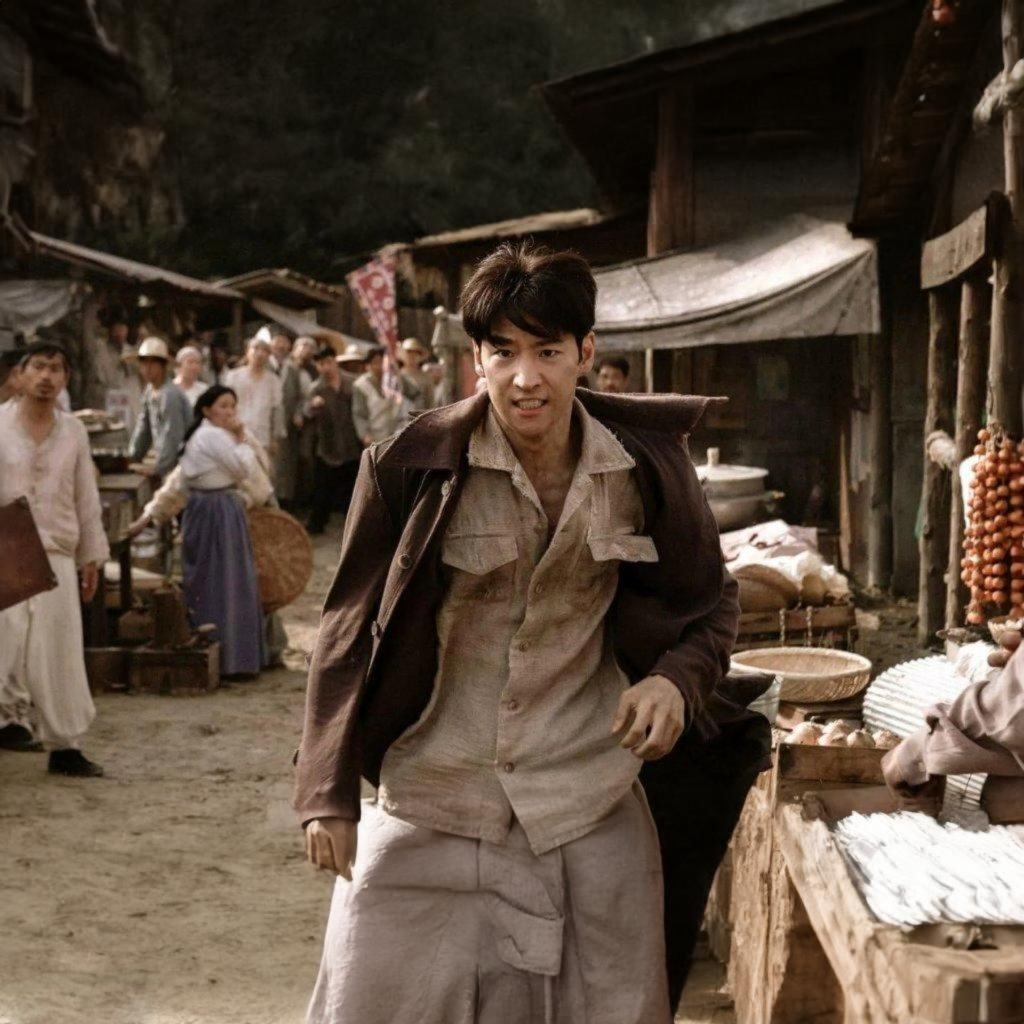
    Forget about the meticulous forensics and advanced technology of modern crime dramas. “Chief Detective 1958” revels in the rawness of a bygone era. Here, detectives rely on sharp instincts, cunning wit, and a touch of absurdity to crack cases. Leading the charge is Park Young-Han (Lee Je-hoon), a charismatic whirlwind who isn’t afraid to get his hands dirty. From brandishing a bag of venomous snakes to disarm a gang to giving away stolen lollipops to the public, Young-Han’s methods are as unorthodox as they are effective.

    The show takes a refreshing approach to criminal investigation, reveling in the resourcefulness and improvisation required in a time before fingerprint dusting and DNA analysis. Young-Han and his team are forced to think outside the box, using their street smarts and understanding of human nature to piece together clues and outsmart criminals. This often leads to hilarious situations, like the time Young-Han uses his knowledge of theater and a strategically placed smoke bomb to create a diversion during a bank robbery. But beneath the laughs lies a genuine appreciation for the detective’s craft, reminding us that solving crimes is not just about following protocol but also about using your intuition and resourcefulness.

    Building a Band of Brothers (and a Bookworm)

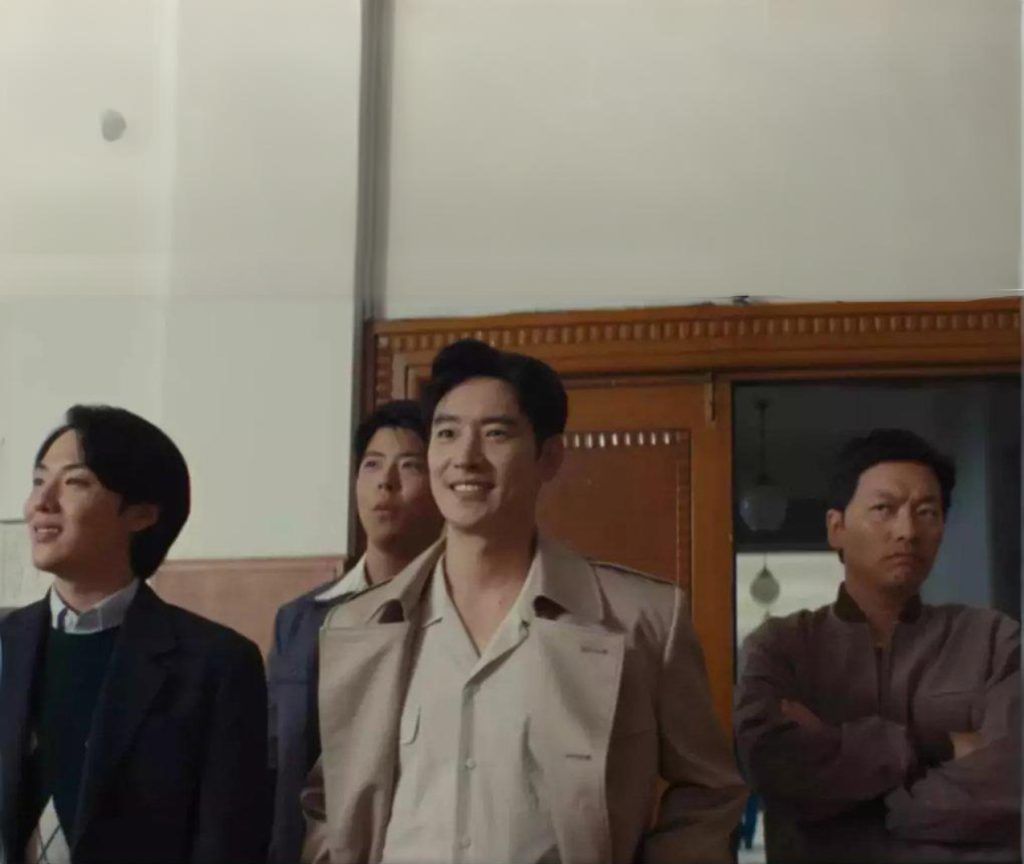
    Young-Han doesn’t operate alone. He assembles a team of misfits who complement his bravado with their own unique skillsets. There’s Sang-soon (Lee Dong-hwi), a hot-headed detective with a fierce loyalty and a penchant for biting – both figuratively and literally, as his nickname “mad dog” suggests. Sang-soon’s past as an orphan fuels his determination to protect the vulnerable, adding a layer of vulnerability beneath his gruff exterior. Balancing out the team’s impulsiveness is Ho-jung (Yoon Hyun-soo), a bookish rookie with a thirst for justice and a surprising knack for diffusing tense situations with his knowledge of English. Ho-jung’s idealism is a constant source of amusement for his more jaded colleagues, but his unwavering belief in justice serves as a moral compass for the team. Rounding out the crew is Kyung-hwan (Choi Woo-sung), a gentle giant with a talent for disarming foes with his unexpected strength and quiet demeanor. Kyung-hwan’s unwavering loyalty and quiet strength make him the team’s anchor, the steady hand they can always rely on in a crisis.

    Credit: Disney+

    Get to Know the Squad

    • Park Young-Han (Lee Je-hoon): Our fearless (and slightly cocky) protagonist with a knack for attracting trouble. Watch him charm his way out of situations – or throw a bag of snakes at his enemies!
    • Kim Sang-Soon (Lee Dong-hwi): The hot-headed “mad dog” with a surprising soft spot. His past as an orphan fuels his determination to protect the vulnerable.
    • Seo Ho-Jung (Yoon Hyun-soo): The bookish rookie who brings brains (and a love for American pop culture) to the team.
    • Jo Kyung-Hwan (Choi Woo-sung): The muscle of the group, this gentle giant uses his strength for good (and occasionally throws gangsters around like rag dolls).

    Humor Meets Heart: A Winning Combination

    While the show tackles serious issues like corruption, child abuse, and the lingering wounds of war, it does so with a refreshingly light touch. The fast-paced narrative, quirky characters, and unexpected situations keep viewers on the edge of their seats, erupting in laughter one moment and feeling a pang of empathy the next.

    Beyond the Badge: Exploring the Human Cost

    “Chief Detective 1958” isn’t just about chasing bad guys and solving crimes. The show delves into the characters’ backstories and motivations, adding depth and emotional resonance. We see glimpses of Young-Han’s struggle with his past as a soldier in the Korean War, a conflict that explains his aversion to firearms. Sang-soon’s determination to protect the vulnerable stems from his own experience as an orphan, adding a layer of vulnerability beneath his gruff exterior.

    Credit: Disney+

    Historical and cultural context

    While “Chief Detective 1958” is a fictional story, here are some resources to learn more about the real historical and cultural context of the show:

    • 1950s South Korea Under Dictatorship: The show is set in the 1950s, a period of political and social upheaval in South Korea. Syngman Rhee, the country’s first president, ruled as an authoritarian dictator with limited civil liberties and widespread corruption. To learn more about this time period, you can explore resources like the National Archives’ declassified documents on the Korean War (https://www.archives.gov/research/military/korean-war) or scholarly articles from reputable sources like JSTOR (https://www.jstor.org/) focusing on South Korea’s political climate in the 1950s.
    • Corruption and Social Issues: “Chief Detective 1958” depicts a society riddled with corruption, particularly within the police force. This reflects the reality of South Korea in the 1950s, where the government struggled to establish control and enforce the law. You can find articles from established news outlets like The Guardian (https://www.theguardian.com/) discussing corruption in South Korea throughout its history.
    • Korean War’s Enduring Impact: The show hints at Young-Han’s past as a soldier in the Korean War (1950-1953). The Korean War, a brutal conflict that divided the Korean peninsula along ideological lines, left a deep scar on Korean society. You can learn more about the war and its lasting effects through documentaries like PBS’s “Korea: The Never-Ending War” (https://www.pbs.org/show/korea-never-ending-war/) or books by reputable historians like Bruce Cumings’ “The Korean War: A History.”

    These resources can provide a deeper understanding of the historical backdrop against which “Chief Detective 1958” unfolds. While the show is a work of fiction, it sheds light on a significant period in Korean history and the challenges the country faced.

    Ready to Join the Adventure?

    If you’re looking for a show that’s both thrilling and heartwarming, suspenseful and laugh-out-loud funny, then “Chief Detective 1958” is a must-watch. With its unique blend of historical setting, quirky characters, and captivating cases, this show is a breath of fresh air in the crime drama genre.

    Want to delve deeper? Explore these resources for more information and reviews:

    • Watch the trailer on YouTube (search “[Chief Detective 1958 trailer]”)
    • Learn more about the show’s historical context and cultural references (search “[1950s South Korea social issues]”)
    • Find episode reviews, discussions, and fan theories on AsianWiki ([https://asianwiki.com/Chief_Detective_1958]

    Queen of Tears: A Deep Dive into Hidden Gems You Might Have Missed

    Queen of Tears may be over, but the secrets linger! This article delves beyond the obvious, uncovering a treasure trove of hidden details you might have missed. Explore how fashion choices reflect emotions, how artwork foreshadows plot points, and how the drama cleverly references other shows and even real-life events. Discover fan theories and delve deeper into the captivating world of Queen of Tears. This unique perspective offers insights you won’t find anywhere else, making you appreciate the drama in a whole new light.

    TL;DR

    • Look deeper: Queen of Tears offers more than meets the eye. From fashion choices to artwork, hidden details reveal deeper meanings.
    • Fashion speaks: Hae In’s wardrobe choices reflect her emotions. Bold colors represent determination, while casual outfits signify peace.
    • Art with a purpose: The paintings throughout the drama foreshadow plot points and hint at Hae In’s journey.
    • A web of connections: Queen of Tears pays homage to other dramas and even real-life events, like the wedding scene inspired by Son Ye Jin and Hyun Bin.
    • Fan theories abound: Join the online conversation and discover new interpretations of the drama’s hidden gems.

    Hey K-Drama fans! Did you binge-watch the emotional rollercoaster that was Queen of Tears? We know you did, and we bet you didn’t catch everything! The writers cleverly snuck in easter eggs, pop culture references, and hidden meanings throughout the show. Buckle up, because we’re about to unveil some of the coolest secrets you might have missed!

    Fashion with a Message: Decoding Hae In’s Outfits

    Decoding Hae In’s Outfits: Bold colors like this red outfit represent her fierce determination.

    Eagle-eyed viewers might have noticed a shift in Hae In’s wardrobe choices as the story progressed. It turns out, her outfits weren’t just about luxury brands; they were a visual representation of her inner world! Actress Kim Ji Won herself revealed this detail, explaining that Hae In’s elegant and expensive clothes served a dual purpose. On the one hand, they portrayed her status as a wealthy chaebol heiress. But more importantly, the clothes reflected her emotional state. Casual outfits with minimal makeup signaled peace and serenity, a calmness that permeated her life before the storm. As the plot unfolded and Hae In faced challenges to her health and her marriage, her wardrobe choices became bolder. Bold colors like the red she donned in episode 7 screamed determination, reflecting her fierce spirit as she fought for what she believed in. This outfit, now iconic among fans, has been dubbed her “revenge outfit” because it marked a turning point in Hae In’s journey, where she decided to take control of her life.

    Fake or Fabulous? The Mystery of the Baseball Cap

    Hae In wearing “ELINE” baseball cap

    Ji Won loves to show off her wealth through fashion, but there was one curious detail that had fans buzzing. In episode 9, Hae In sported a baseball cap with the word “ELINE” on it. Netizens suspected it was a clever fake, a play on the luxury brand CELINE. K-dramas often censor brand names to avoid copyright issues, but considering Hae In’s usual designer taste, the knockoff seemed out of place. Some fans even theorized it was Hae In’s way of hiding in plain sight, masking her wealth for a brief moment. Perhaps she was trying to blend in with “normal” people, or maybe she was making a statement about the superficiality of materialism. The true meaning behind the cap remains open to interpretation, but it definitely sparked a fun conversation among viewers.

    A Web of Connections: Throwback Moments and Shared Actors

    Queen of Tears wasn’t just its own story; it paid homage to other beloved dramas and even the real world! Remember that adorable cardigan Hae In wore? Turns out, it looked awfully familiar to one Kim Soo Hyun sported in his 2013 drama My Love from the Star. Fans went wild over this “thrifty” coincidence, joking about Soo Hyun keeping his clothes for a decade! This wasn’t the only My Love from the Star connection – the actress who played Soo Hyun’s mother-in-law in Queen of Tears reprised the same role a decade later! Talk about a full-circle moment!

    The drama also had a playful nod to Fight for My Way, another of Ji Won’s hit shows. During Soo Hyun’s hilariously improvised drunken speech in the first episode, he uttered the iconic line, “I was born like this,” a clear reference to Ji Won’s character’s famous line in Fight for My Way. But wait, there’s more! The actor portraying Ji Won’s father-in-law in Queen of Tears actually played her father in Fight for My Way! Talk about a small K-Drama world!

    Crash Landing on You: A Real-Life Wedding Inspiration

    Hae In wearing her wedding gown at the Aston House at the Grand Walker Hill Hotel in Seoul

    Hyun Woo and Hae In’s wedding scene sent fans into a frenzy because of its uncanny resemblance to the iconic wedding of Son Ye Jin and Hyun Bin from Crash Landing on You. The Queen of Tears writers clearly drew inspiration from the globally loved couple. But the homage went beyond just the look and feel of the ceremony. The wedding was filmed in the exact same location – the Aston House at the Grand Walker Hill Hotel in Seoul. This venue is renowned for hosting lavish weddings of South Korea’s most influential people, making it a perfect fit for Hae In’s character as a wealthy chaebol princess. The scene mirrored Son Ye Jin and Hyun Bin’s wedding in more ways than one. Even a friend of Hyun Woo’s points out in the drama that the love between him and his wife is very similar to the love story of Ye Jin and Hyun Bin. This sweet nod to the real-life couple and their hit drama added another layer of excitement for fans who hoped for a similar happily-ever-after for Hae In and Hyun Woo.

    Hidden Tributes and Flirty Smiles

    Soo Hyun isn’t just a talented actor; he’s also a great friend! In episode four, Hyun Woo gifts Hae In a pair of sneakers and flashes her a smile that looked awfully familiar. It was none other than Bae Suzy’s famous “flirting smile” that went viral in 2023! Soo Hyun and Suzy starred together in Dream High back in 2011, and fans believe this was a sweet tribute to their past co-starring days.

    Art with a Purpose: Decoding the Paintings

    The beautiful artwork displayed throughout the drama wasn’t just for aesthetics. Art expert Cho Sung In analyzed these paintings, specifically one in Hae In’s room. This piece, made up of multiple panels, showed how once-concrete objects could become blurred, with only traces and impressions remaining vivid. Sung In linked this to Hae In’s struggle with blurry vision and fading memories due to her illness. The bright colors in the painting, however, hinted at a hopeful ending, foreshadowing that despite her challenges, Hae In wouldn’t lose sight of the beauty in life.

    Subtle Hints and Foreshadowing: A Glimpse into the Future?

    This time, they were far from gloomy. Hae In stood amidst a field of lavender, bathed in warm sunlight. Lavender, known as the herb of love, symbolizes enduring and faithful love that can overcome any obstacle. It also happens to be Hae In’s favorite flower, a detail revealed through honeymoon photos in a lavender field. This scene hinted at Hae In overcoming her negative emotions after revealing her illness, suggesting a brighter future for her. However, the same episode offered a contrasting clue. As Hae In’s father learned about her condition, the drama played “Oh My Darling Clementine,” a song about a father losing his daughter. This heartbreaking choice had fans fearing a tragic ending for Hae In.

    The Importance of Details: A Deeper Look

    The creators meticulously crafted Queen of Tears, ensuring every detail mattered. Take a closer look at Hyun Woo’s house. Notice the childhood photos scattered around? Those were actually Soo Hyun’s real childhood pictures! Kwak Dong Yeon, a fellow actor, even commented on the uncanny resemblance. This subtle detail added a layer of authenticity to the character and the overall production value.

    Staying Up-to-Date with Queen of Tears: Fan Theories and Real-World Connections

    While Queen of Tears may have concluded, the drama continues to spark conversation and fan theories online. Here are some recent developments related to the series:

    • Kim Ji Won’s Influence on Hae In’s Wardrobe: In a recent interview with Elle Korea: https://www.elle.co.kr (April 2024 issue), Kim Ji Won confirmed that she had a significant say in Hae In’s wardrobe choices. She discussed wanting the outfits to reflect Hae In’s emotional state throughout the drama. This aligns with the point made in the article about the color symbolism and style shifts.
    • Debate on the “Fake” Baseball Cap: The mystery surrounding Hae In’s baseball cap in episode 9 continues to be debated by fans. A recent thread on Reddit’s r/QueenOfTears: (April 18, 2024) explored various theories, including the possibility of it being a deliberate product placement or a commentary on consumerism. This discussion reflects the point raised in the article about the fan theories surrounding the cap’s authenticity.
    • Netizens Spot Soo Hyun’s Childhood Photo: Eagle-eyed fans recently discovered that the childhood photos used for Soo Hyun’s character were actually the actor’s real childhood pictures! This detail was confirmed by Soompi: (April 25, 2024) in an article highlighting interesting behind-the-scenes facts from Queen of Tears. This confirms the information presented in the article regarding the use of Soo Hyun’s real photos.

    These are just a few examples of how Queen of Tears continues to be a topic of discussion online. By following fan communities and entertainment news outlets, you can stay up-to-date on the latest theories and insights surrounding the drama.

    A Show That Kept on Giving

    Queen of Tears wasn’t just a love story; it was a treasure trove of hidden gems waiting to be discovered. From fashion choices reflecting emotions to artwork foreshadowing plot points, the writers kept viewers engaged long after the credits rolled. So, the next time you revisit Queen of Tears, pay close attention to these details. You might just uncover a whole new layer of appreciation for this captivating drama!

    Ready to Dive Deeper? Explore the Web!

    Intrigued by the hidden connections and Easter eggs? The internet is your friend! Fan communities and forums are buzzing with discussions and theories about Queen of Tears’ hidden gems. Join the conversation, share your discoveries, and delve even deeper into this captivating drama!

    What I learned about Life from “Lovely Runner”…so far

    This article goes beyond a simple review of Lovely Runner. It delves deeper, providing unique insights you won’t find elsewhere. You’ll discover how the drama connects to real-world trends like K-Pop culture and the mental health of idols. Additionally, the article explores the show’s themes of personal growth, second chances, and the power of genuine connection, offering valuable takeaways that resonate beyond the realm of K-Dramas.

    TL;DR

    • Lovely Runner is a Korean drama that explores love, fate, and the power of time travel.
    • A die-hard fan travels back in time to save her idol from a tragic fate.
    • The story explores the complexities of idol life and the power of genuine connection.
    • Sol grapples with self-doubt and rediscovers her strength.
    • Sun-Jae confronts the pressures of fame and yearns for authenticity.
    • The drama explores the butterfly effect and the consequences of changing the past.
    • Lovely Runner offers a heartwarming message about embracing the present.

    Credits: tvN – Ryu Sun-Jae

    Lovely Runner: A Heartfelt Exploration of Second Chances, Hidden Connections, and the Power of Time Travel

    Imagine being whisked back in time, armed with the knowledge of future events and the burning desire to prevent a tragedy. That’s the captivating premise of Lovely Runner, a Korean drama that delves into the complexities of love, fate, and the power we hold to rewrite our destinies.

    We meet Im Sol, an ardent K-pop fan whose world crumbles after the devastating news of her idol, Ryu Sun-Jae’s, untimely demise. In a heartbreaking twist of fate, Sol finds herself inexplicably transported 15 years to the past, landing smack dab in the middle of Sun-Jae’s high school days. This unbelievable turn of events presents a golden opportunity: to alter fate and prevent the heartbreak that awaits the talented young idol. But armed with this foreknowledge, Sol must navigate the delicate butterfly effect of the past. Will her actions inadvertently set in motion a chain of events with unforeseen consequences? Or can she rewrite destiny without derailing the future she cherishes?

    A Journey Through Time Filled with Unexpected Discoveries

    Lovely Runner isn’t just a time-travel adventure; it’s a poignant exploration of missed connections. The narrative cleverly weaves between past and present, revealing a surprising truth: Sol and Sun-Jae’s paths have crossed before, yet remained frustratingly oblivious to each other’s feelings. We witness flashbacks of a young Sun-Jae stealing glances at Sol from afar, his heart fluttering with a secret crush. Sol, on the other hand, remains blissfully unaware, caught up in her own world. There are hints of these near misses scattered throughout the drama. Remember the scene where Sol reminisces about having a crush on another boy in high school? It turns out that very boy lived right next door to her – none other than Sun-Jae himself! These moments of realization are tinged with a bittersweet irony, highlighting the power of fate and the potential for love stories to blossom in the most unexpected places.

    Second Chances Blossom in an Unexpected Place

    Thrust into this new past, Sol finds herself navigating an unusual friendship with Sun-Jae. Gone are the days of celebrity worship and distant admiration. Now, they share secrets, dreams, and stolen moments that rewrite their history. Laughter replaces longing glances, and tender moments fill the air, as they discover a connection that transcends time and circumstance. Sol finds herself opening up to Sun-Jae in ways she never thought possible. She confides in him about her struggles and aspirations, and in turn, he reveals his own vulnerabilities and anxieties about the pressures of idol life. Their shared experiences forge a bond that deepens with each passing day. As they navigate the challenges of high school life together, they develop a mutual respect and understanding that blossoms into something more profound. Sun-Jae, no longer the aloof idol on a poster, becomes her confidant, her cheerleader, and her source of strength. Sol, in turn, becomes his anchor, a reminder of the normalcy and genuine connection he craves amidst the whirlwind of fame.

    Credits: tvN – Ryu Sun-Jae and Im Sol

    Love Takes Many Forms: Unveiling the Nuances of Devotion

    The drama delves deeper than just a typical romance. It explores the complexities of love and devotion. Is Sol’s initial attachment to Sun-Jae simply blind fan adoration, or is there something more profound hidden beneath the surface? As she spends time with him, Sol discovers a depth and kindness that shatters her preconceived notions of idol personalities. She begins to see Sun-Jae not just as a performer, but as a real person with dreams, fears, and a yearning for connection that mirrors her own. This realization compels her to question the nature of her devotion. Was it truly love, or an idealized projection fueled by her distance and lack of personal connection?

    Sun-Jae, on the other hand, grapples with the desire to be seen not as an unattainable idol, but as a real person worthy of Sol’s affection. He confronts the loneliness that comes with idol life, a hollowness that fame and fortune cannot fill. Sol’s genuine interest and unwavering support become a lifeline, a beacon of hope that challenges his perception of fan worship. He begins to yearn for a connection that transcends the idolization, a love built on mutual respect and understanding.

    Their journey together becomes a quest to understand the true meaning of love and connection, moving beyond the superficiality of celebrity worship. Sol learns to differentiate between fervent admiration and genuine love, while Sun-Jae discovers the power of vulnerability and emotional intimacy. As they shed their preconceived notions and embrace their true feelings, their bond deepens, blossoming into a love that transcends time and circumstance.

    Beyond the Romance: Personal Growth and Facing Challenges

    Lovely Runner isn’t afraid to venture beyond the realm of romance. It delves into the challenges of personal growth and self-discovery. Sol, confined to a wheelchair due to a past accident, grapples with self-doubt and limitations. Thrust back in time with a healthy body, she experiences the joy of physical freedom for the first time. This newfound mobility empowers her to embrace life with a newfound confidence. She tackles challenges she once deemed impossible, pushing her boundaries and rediscovering her inner strength.

    Sun-Jae, burdened by the pressures of idol life, grapples with self-doubt and the relentless pursuit of perfection. Sol’s presence becomes a source of solace, a reminder of his own humanity. Witnessing her resilience and unwavering spirit inspires him to confront his anxieties and embrace his authentic self. He begins to question the expectations placed upon him, yearning for a life that prioritizes his own well-being and genuine connections.

    The Butterfly Effect: Can the Past be Changed Without Consequences?

    The drama cleverly explores the concept of the butterfly effect. Sol’s presence in the past disrupts the established timeline, creating unforeseen consequences. Her actions, fueled by good intentions, can have unintended ripple effects, altering the course of events in unpredictable ways. This uncertainty adds a layer of suspense, keeping viewers on the edge of their seats as they ponder the potential ramifications of her interventions. Will her attempts to save Sun-Jae ultimately steer him down a different path, one that could be equally devastating? The drama masterfully explores this question, prompting viewers to contemplate the complexities of fate and the delicate balance of the past, present, and future.

    A Race Against Time: Can Love Conquer All?

    With the looming threat of Sun-Jae’s tragic fate hanging over their heads, Sol finds herself in a race against time. She must navigate the delicate balance of altering the past without jeopardizing the future she cherishes. Torn between her newfound love and the uncertainties of changing fate, Sol must make a difficult choice. Will she risk rewriting history to save Sun-Jae, or will she accept the established timeline to preserve the future she knows?

    Credits: tvN – Ryu Sun-Jae and Im Sol

    A Heartfelt Conclusion: Embracing the Present and the Power of Connection

    Lovely Runner delivers a heartwarming conclusion that celebrates the power of love, connection, and living in the present. While the past cannot be entirely rewritten, the lessons learned and bonds forged during their time travel journey leave a lasting impact on both Sol and Sun-Jae. They return to their respective timelines forever changed, carrying the memories of their shared experiences and a newfound appreciation for the present moment. The drama reminds us that even in the face of uncertainty, the power of love and genuine connection can guide us towards a brighter future.

    Staying Relevant: Real-World Connections to Lovely Runner

    While Lovely Runner is a fictional tale, it touches on themes that resonate with current events and cultural trends. Here are a few examples:

    • The Enduring Power of K-Pop: The Korean Wave, or Hallyu, continues to sweep the globe. K-Pop groups like BTS and BLACKPINK have achieved international superstardom, demonstrating the immense influence of Korean music and culture. (Reference: https://www.bbc.co.uk/news/topics/c82dl119le7t) This trend is mirrored in Lovely Runner, where Sol’s devotion to the idol group Eclipse reflects the passionate fan culture surrounding K-Pop.
    • The Dark Side of Idol Life: The drama doesn’t shy away from exploring the pressures faced by K-Pop idols. Sun-Jae’s struggles with self-doubt, anxiety, and the relentless pursuit of perfection echo real-life concerns about the mental health of idols in the demanding entertainment industry. (Reference: https://magdalene.co/story/the-extreme-pressure-behind-the-glamourous-kpop-industry/) This adds depth to the story, making Sun-Jae’s character relatable and his desire for genuine connection all the more poignant.
    • The Allure of Time Travel Dramas: Lovely Runner taps into the enduring popularity of time travel narratives. Shows like “Outlander” and “Doctor Who” have captivated audiences for decades, offering the escapist fantasy of altering the past or reliving cherished memories. (Reference: https://www.denofgeek.com/) This theme allows Lovely Runner to explore themes of fate, destiny, and the consequences of altering the past.
    • Second Chances and Personal Growth: The drama emphasizes the transformative power of second chances. Sol’s journey back in time allows her to confront past limitations and rediscover her strength. This resonates with viewers seeking inspiration for personal growth and overcoming challenges. (Reference: https://www.ted.com/talks/ricky_reid_the_power_of_second_chances)

    These connections to real-world trends and cultural conversations help ground Lovely Runner’s fantastical premise, making it more relatable and engaging for viewers.

    Ready to Dive into Lovely Runner?

    This captivating Korean drama offers a unique blend of romance, time travel, and personal growth. With its heartwarming story, relatable characters, and exploration of profound themes, Lovely Runner is a must-watch for fans of Korean dramas and anyone seeking a heartwarming escape.

    So, what are you waiting for? Grab your tissues, settle in for a binge-watching session, and prepare to be swept away by the magic of Lovely Runner!

    Have you watched Lovely Runner yet? Share your thoughts and theories about the drama in the comments below! Let’s discuss the characters’ journeys, the impact of time travel, and the heartwarming message of the show.

    Have You Met You 2.0? Navigating the Identity of a Perfect Clone

    0

    This article explores the concept of perfect clones not just through science, but also through the lens of identity and philosophy. It goes beyond a basic explanation to offer a thought-provoking discussion and resources for further exploration, something you won’t find in typical scientific articles.

    TL;DR

    • A perfect clone wouldn’t be “you” due to unique experiences and memories.
    • Identical twins, despite shared DNA, are distinct individuals.
    • Nature (genetics) provides the foundation, nurture (environment) shapes who we are.
    • A perfect clone could offer insights into your own personality and biases.
    • Ethical considerations around human cloning are crucial.
    Identical twins share DNA, but their unique experiences shape their personalities.

    Imagine this: scientists have just created a perfect copy of you, down to the last strand of DNA. But here’s the mind-bender – is this new being truly “you”?

    This question has captivated philosophers and science fiction writers for decades. While identical twins share a remarkable genetic similarity, they’re seen as distinct individuals. Similarly, a perfect clone wouldn’t be a mere extension of yourself, but a separate person with the potential to forge their own unique path.

    Scientific advancements in cloning raise ethical questions.

    The Power of “I”

    The concept of “self” is intricately linked to our experiences and memories. These elements, along with the environment we grow up in, shape who we become. Even though you and your clone might share the same genetic blueprint, your lives would diverge the moment you stepped into the world.

    Think of it like this: you’re the original manuscript, full of your own edits and annotations. Your clone is a fresh copy, ready to be filled with its own experiences.

    The Symphony of Self: Nature vs. Nurture

    The existence of a perfect clone throws the age-old debate of nature versus nurture into sharp relief. Nature, in this case, refers to your genetic makeup, the foundation upon which your individuality is built. Nurture encompasses all the environmental influences that shape you – your upbringing, relationships, life experiences, and even seemingly mundane things like the foods you eat or the music you listen to.

    Imagine this: you grew up in a bustling city, drawn to the fast pace and intellectual stimulation. Your clone, however, thrived in a rural setting, nurturing a love for nature and a quiet life. As you both navigate adulthood, your personalities, interests, and values would likely diverge significantly. This wouldn’t diminish either of your identities; it would simply highlight the profound impact that life experiences have on who we become.

    Beyond the Mirror: A Window into the Self

    Is a perfect clone truly “you”?

    The presence of a perfect clone could also offer a unique window into your own identity. By observing your clone’s choices and reactions, you might gain a deeper understanding of your own ingrained tendencies and biases. Perhaps your clone gravitates towards a career path you never considered, revealing a hidden aptitude within your own genetic makeup. Or maybe their social interactions shed light on communication styles you weren’t even aware you possessed. In this way, a perfect clone could act as a kind of mirror, reflecting back aspects of yourself you might have previously overlooked.

    The Ethical Labyrinth

    Of course, the idea of human cloning raises a plethora of ethical concerns. Issues around consent, identity, and the potential exploitation of clones all need careful consideration.

    The Future Beckons: A Conversation Worth Having

    The prospect of perfect clones might seem like a distant future, but it’s a conversation worth having now. As scientific advancements continue, exploring these ethical and philosophical questions becomes crucial.

    Nature (DNA) is the foundation, nurture (branches) shapes our growth.

    Recent Developments in Cloning and Identity

    While there haven’t been any groundbreaking achievements in human cloning recently, advancements in animal cloning and the ongoing debate about human embryo editing hold relevance to the discussion of human identity and perfect clones. Let’s explore some recent events:

    Dive deeper! Explore the resources listed in this article.

    A Table to Ponder: Nature vs. Nurture

    FactorInfluence on IdentityExample
    Genetics (Nature)Provides the blueprint for physical and some behavioral traits.A perfect clone would share your susceptibility to certain diseases or a predisposition for a particular eye color.
    Environment (Nurture)Shapes personality, values, and life experiences.Growing up in a musical household might influence both you and your clone’s musical tastes, but your clone might gravitate towards a different instrument due to a teacher’s influence.
    Individual ChoicesForges unique experiences and shapes the person you become.You might choose to become a doctor, while your clone pursues a career in art.

    Remember: The table highlights that while genetics play a role, it’s the interplay of environment and individual choices that truly defines who we are.

    The Call to Action Continues

    As science marches forward, so should our conversations about the ethical implications of these advancements. Let’s keep the dialogue going! Share your thoughts and questions in the comments below.