

More
    Home Blog Page 105

    Why the Nazis Were Never Truly Close to World War II Victory

    Many believe the Nazis were on the verge of winning World War II. This article dismantles that myth! You’ll learn why Germany’s resources were limited, how Britain’s vast empire aided the war effort, and why alternative strategies wouldn’t have secured Nazi dominance.

    This article offers unique insights you won’t find elsewhere. Discover how the Nazi near-victory myth pops up in modern events and why critical thinking is essential to combating misinformation.

    TL;DR

    • Goes beyond simply stating the Nazis lost to explore the reasons behind their inevitable defeat.
    • Connects the WWII myth to current events, making the history relevant to modern readers.
    • Offers a clear call to action: develop critical thinking skills to combat misinformation.

    Nazi expansion at its peak. But cracks were already forming in their war machine.

    Hey there, history buffs! Ever wonder why some folks say the Nazis were a hair’s breadth from winning World War II? It seems counterintuitive, right?

    We all know they were ultimately crushed by the Allies. But why does this perception persist? Buckle up, because we’re about to debunk this myth and explore some fascinating “what ifs” along the way.

    Here’s the shocker: The Nazis were NEVER truly close to victory. They lacked a fully mechanized army, were outnumbered by the vast British Empire (even with its far-flung territories), and never dominated the skies or seas. They relied heavily on the blitzkrieg tactic – lightning-fast armored offensives – which worked well in the early stages of the war but ultimately proved unsustainable.

    So, why do we sometimes give them so much credit?

    Let’s rewind to 1940. France falls, leaving Britain seemingly all alone. The German juggernaut appears unstoppable, fueled by a string of conquests in Europe. The Brits are demoralized, but a tiny island nation with a fighting spirit like theirs? Never underestimate them! ????????

    This is where things get interesting. Historian Ian Kershaw’s book, “Fateful Choices,” examines key decisions made around 1940-41 that drastically altered the course of the war. Imagine a world where Churchill threw in the towel after the fall of France, Hitler delayed Barbarossa (the invasion of the USSR), or Japan chickened out of attacking Pearl Harbor. These seemingly small pivots could have drastically changed the outcome!
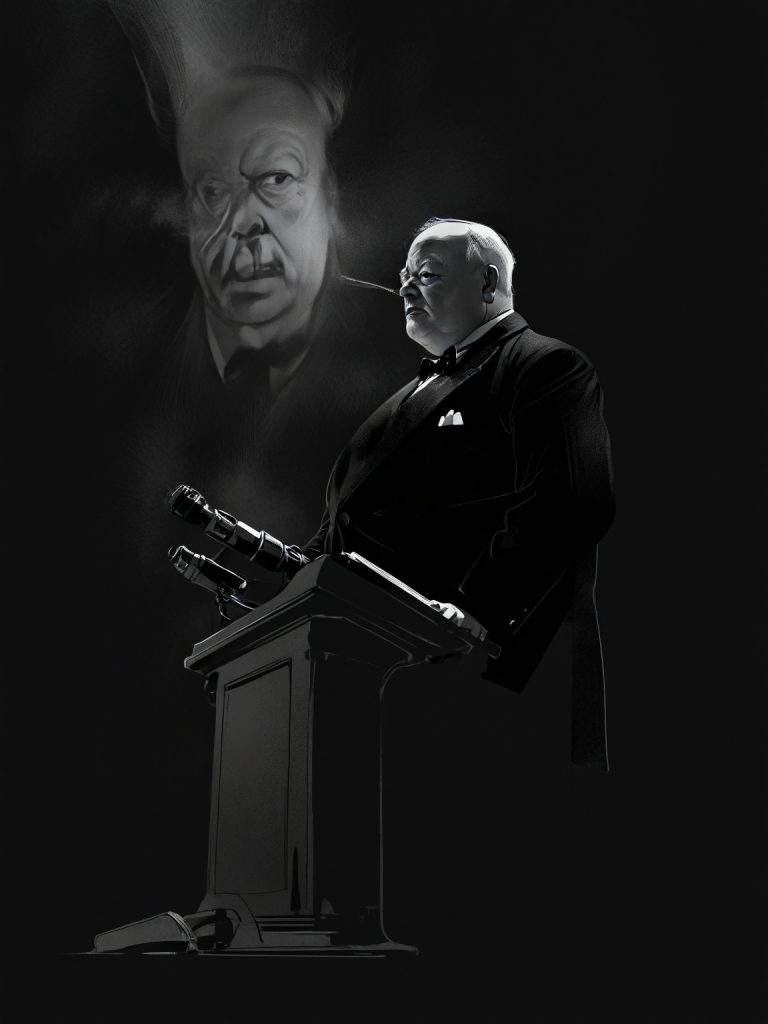
    Britain’s resilience, along with the Allies’ combined might, ultimately crushed the Nazis.

    Even by mid-1942, things looked bleak for the Allies. The Soviets barely held on against the Nazi onslaught, and the US was a military novice just starting to ramp up its forces. But don’t lose hope just yet!

    Here’s a crucial point: Hindsight is 20/20. Looking back, the Nazi defeat seems inevitable. But in the heat of the moment, the picture wasn’t so clear. The uncertainty fueled public fear and even influenced leaders’ decisions. Newspapers were filled with accounts of German victories, and the possibility of a Nazi invasion of Britain loomed large.

    Propaganda also played a role on all sides. Leaders needed to keep their citizens motivated, so portraying the war as a close fight was essential. This “cultural momentum” of fear from the early war years lingered long after the tide had turned, even influencing post-war narratives.

    Now, let’s delve deeper into some of the factors that make the Nazi “near victory” narrative a myth:

    • Resource Constraints: While Germany enjoyed a temporary advantage after conquering parts of Europe, their economic footing was shaky. They lacked access to crucial resources like oil and relied heavily on slave labor from occupied territories. Adam Tooze’s “The Wages of Destruction” offers a deep dive into the cracks in the Nazi war machine.
    • The Strength of the British Empire: Britain wasn’t truly alone. Its vast empire provided crucial resources and manpower. Canada, India, and Australia all played significant roles in the war effort, often overlooked in traditional narratives. This global network helped Britain stay afloat even after the fall of France.
    • Alternative Strategies: What if the Germans had focused on the Mediterranean instead of invading the USSR? Historians like Kershaw and Keegan explore this fascinating possibility. A successful Mediterranean campaign could have threatened British shipping lanes and put pressure on their North African holdings. However, it’s unlikely it would have delivered a knockout blow. The sheer industrial might of the combined Allied forces would have eventually overwhelmed Germany.

    By understanding these complexities, we can truly appreciate the resilience of the Allies and the sheer unlikelihood of a Nazi victory. The Nazis gambled on a quick war, and when that failed, their weaknesses were exposed.

    Recognizing echoes of the past: How the Nazi near-victory myth connects to current events.

    Why the Nazi Near-Victory Myth Persists Today: Echoes in Modern Events

    The misconception that the Nazis were on the cusp of victory in World War II isn’t relegated to dusty history books. This distorted view occasionally surfaces in contemporary events, often used to downplay the dangers of authoritarian regimes or justify military action. Here are a few recent examples:

    • Russia’s Invasion of Ukraine (2022): Some commentators initially compared Russia’s swift capture of Ukrainian territory to the blitzkrieg tactics employed by the Nazis. However, the Ukrainian resistance proved far more tenacious than anticipated, bogging down the Russian advance. This highlights a key weakness of the Nazi war machine – its inability to sustain lightning-war tactics against a determined foe. (Source)
    • The Rise of Populism (2016-Present): Nationalist leaders in Europe and the US have sometimes used rhetoric that echoes Nazi ideology, downplaying the horrors of the Holocaust or portraying immigrants as a threat. Understanding the historical context of Nazi Germany’s expansionist aims helps us identify the warning signs of authoritarian populism today. (Source)
    • Misinformation and Social Media (2016-Present): The pervasiveness of fake news and historical revisionism online can fuel the myth of a near-Nazi victory. Social media algorithms can create echo chambers where users are only exposed to information that confirms their existing biases. Critical thinking skills and a reliance on reputable sources are essential to debunking these myths. (Source)

    By staying informed about these contemporary examples, we can see how the myth of a near-Nazi victory continues to resonate in the 21st century. Understanding the dangers of authoritarianism, misinformation, and historical revisionism is crucial for safeguarding democracy and peace.

    Dig deeper! This article unveils the truth behind the Nazi victory myth.

    Ready to learn more? Here are some resources to fuel your history buff fire:

    • “Wartime Farm” documentary series – This dives into the challenges Britain faced in mobilizing its domestic resources for the war effort.
    • “Fateful Choices” by Ian Kershaw – Analyzes key decisions from 1940-41 that shaped the war’s trajectory.
    • “The Wages of Destruction” by Adam Tooze – Examines the economic underpinnings of the Nazi war machine.
    • “Engineers of Victory” by Paul Kennedy – Highlights the crucial role of Allied airpower in defeating the Nazis.

    Remember: History is full of surprises. So next time you hear someone say the Nazis were almost victorious, you’ll be armed with the knowledge to debunk the myth! You’ll be able to explain the factors that ensured their ultimate defeat and the heroism of the Allied forces who fought for freedom.


    Feeling Like a Small Fry? Blast Mercy Chinwo’s “Confidence” Anthem!

    This article goes beyond simply analyzing the song “Confidence.” It uses the song’s message as a springboard to explore practical ways to build confidence in everyday life. You’ll find actionable tips and real-world examples to inspire you on your journey to becoming your most confident self.

    TL;DR

    • Find your source of strength – religion, a cause, nature, anything that makes you feel powerful.
    • Silence your inner critic – challenge negative thoughts with affirmations that celebrate your worth.
    • Take action – start small, celebrate wins, and watch your confidence soar.
    Mercy Chinwo – Confidence
    My confidence is in You, is in You
    I put my trust in You, trust in You
    Jesus I'm not alone, You're with me (You're with me)
    'Cause one with You is majority, ahhhh
    My confidence (Is in You, is in You)
    I put my trust (Trust in You, trust in You)
    Jesus, I'm not alone (You're with me, You're with me)
    'Cause one with you is majority, ahhhh

    Looking unto Jesus, ahnnn
    Author and finisher of faith, oh oh-oh
    I'm at rest because I have you
    I have you, I have everything
    Looking unto Jesus, oh-oh
    Author and finisher of faith, oh oh-oh
    I'm at rest because I have you
    I have you, I have everything

    Before I call, You answer (You no dey delay)
    Your love dey make me wonder (Wonder, wonder)
    With you I'm not alone, I'm covered oh
    One with you is majority, ahhh
    Before I call, You answer (You no dey delay)
    Your love dey make me wonder (Wonder, wonder)
    With you I'm not alone, I'm covered oh oh-oh
    One with you is majority, ahhhh

    My confidence (Is in You, is in You)
    I put my (Trust in You, trust in You)
    Lord, I'm not alone (You're with me, You're with me)
    'Cause one with You is majority, ahhhh
    Hey! My confidence (Is in You, is in You)
    I put my trust (Trust in You, trust in You)
    Lord, I'm not alone (You're with me, You're with me)
    'Cause one with you is majority, ahhhh

    You surround me like a shield (My shield and buckler)
    Fairest of ten thousand to my soul (Oh! Oh! Oh! Oh! Oh!)
    That's why I am not worried, You're with me, I'm not alone
    Yes, I'm covered
    Looking unto Jesus, oh-oh, oh-oh-oh-oh
    Author and finisher of faith oh-oh-oh
    I'm at rest, because I have you
    I have you, I have everything (Oh, my Papa, You no dey fail at all)

    My confidence (Is in You, is in You)
    I, I put my trust (Trust in You, trust in You)
    Lord, I'm not alone (You're with me, You're with me)
    One with You is majority, ahhhh
    One with You is majority, majority, one with You is majority, yeah, yeah
    Lord, I'm not alone (You're with me, You're with me)
    One with you is majority, ahhhh
    One with You is majority, majority, one with You is majority, yeah, yeah
    Lord, I put all, put all, put all, put all (You're with me, You're with me)
    One with you is majority, ahhhh

    I put my trust in You, 'cause one with You is majority

    Yo! Ever feel like you’re drowning in a sea of doubts? Like life’s throwing shade and you’re just a tiny umbrella? Well, hold on to your hats, because we’re about to dive into a song that’ll turn you into a confidence powerhouse.

    Get ready for “Confidence” by the amazing Mercy Chinwo, a Nigerian gospel singer with a voice that could make mountains move. This song isn’t just fire, it’s a total confidence booster shot straight to your soul.

    Finding Your Inner Superhero

    Basically, the whole song is about finding your strength in something bigger than yourself. Chinwo sings about trusting in Jesus, knowing He’s always got your back, like a superhero sidekick. Now, religion might not be your thing, but the message still rocks: believing in something, whatever that may be, can be a superpower.

    Confidence Doesn’t Mean Ignoring the Drama

    Hold up, though. Chinwo gets real too. She talks about how God answers her prayers before she even asks, but also freaks out about His amazing love. It’s like, this song totally gets it – life can be messy, but with a little faith, you’re never truly flying solo.

    Feeling like you’re shrinking under pressure? Sometimes all you need is a new perspective. “Confidence” reminds us that even when we’re facing down dragons, we’re on Team Awesome with God as our captain (or whoever your personal hero is).

    You’re awesome. You’re strong. You can totally do this. But hey, even superheroes need a pep talk sometimes. “Confidence” is your personal anthem, a reminder that you’ve got this, with a little help from your higher power (or that inner voice telling you to rock it).

    Level Up Your Confidence Game

    Alright, let’s talk about the real deal. This song is pure fire. Chinwo’s vocals are killer, the melody is catchy AF, and by the end, you’ll be ready to conquer your day with a swagger. So crank it up, belt it out like you own the place, and let the confidence flow through you.

    Putting Confidence into Action: Real-World Examples

    The message of Mercy Chinwo’s “Confidence” – that finding strength in something bigger than yourself can fuel real-world success – applies far beyond the realm of religion. Here are a few recent stories that showcase the power of believing in yourself and your cause:

    • Malala Yousafzai: A Voice for Girls’ Education (https://www.nobelprize.org/prizes/peace/2014/yousafzai/facts) Malala Yousafzai is a Pakistani activist who fought for the right of girls to receive education. Despite facing threats and even a bullet wound from the Taliban, Malala’s unwavering belief in the importance of education for all helped her become the youngest Nobel Prize laureate. Her story is a testament to the power of conviction in the face of adversity.
    • The Climate Change Movement: (https://www.article19.org/resources/un-submission-to-special-rapporteur-on-impact-of-social-movements/) The climate change movement is a global phenomenon driven by young people who believe in the power of collective action to protect the planet. These activists, inspired by figures like Greta Thunberg, have pushed for environmental change and influenced policy decisions around the world. Their unwavering belief in the cause and their ability to mobilize millions demonstrate the transformative power of collective confidence.
    • Everyday Heroes: Look around you – from healthcare workers battling COVID-19 to teachers inspiring young minds, the world is full of everyday heroes who draw strength from their passions and commitment to making a difference. Their dedication and belief in the value of their work fuels their confidence and allows them to make a positive impact in their communities.

    These are just a few examples, but they all highlight the importance of believing in yourself and your ability to make a change. Just like the message in “Confidence,” finding your source of strength and channeling it into action can create real-world results.

    Feeling Pumped? Take Action!

    Here’s the thing: confidence isn’t magic. It takes some effort. But “Confidence” is a killer starting point. So, what are you waiting for?

    • Find your power source. What makes you feel like you can take on the world? Is it your faith, your squad, nature walks, or that epic dance playlist?
    • Shhh to the Doubter Dragon. That voice in your head whispering you can’t do it? Time to mute that sucker. Swap those negative thoughts for affirmations that celebrate how awesome you are.
    • Just Start. Feeling stuck in a rut? Don’t overthink it. Pick a small goal and crush it. You’ll be amazed at how even tiny wins can boost your confidence like nobody’s business.

    Remember, you’re a work in progress, and that’s totally okay. Embrace the journey, find your confidence, and let your light shine!

    Stop Comparing Your Life to the Highlight Reel: Why Social Media Needs a Reality Check

    Stop the scroll and reclaim your happiness! This article goes beyond the typical “social media is bad” message. We explore the psychology behind influencer culture and its impact on self-esteem. But fear not! Here, you’ll find actionable tips to curate your feed, develop a healthy online presence, and detox from the comparison trap. We’ll show you how to use social media as a tool for inspiration and connection, not a breeding ground for insecurity.

    TL;DR

    • Social media is a highlight reel, not real life. Don’t compare your behind-the-scenes to someone else’s carefully curated feed.
    • Focus on what truly sparks joy in your life, not chasing the latest trends.
    • Be mindful of who you follow and what content you consume.
    • Unplug and engage in real-life activities that bring you fulfillment.
    • Authenticity is key! Share because you want to, not for validation.
    Is your feed filled with filtered perfection? It’s time for a reality check!

    Hey there, social butterflies and scroll-holics! Your friendly neighborhood stranger here, ready to dissect the fascinating phenomenon of influencer culture and its impact on our everyday lives.

    Let’s face it, social media has become a double-edged sword. It’s a platform for connection, creativity, and yes, even kittens doing adorable things (because, let’s be honest, who can resist those?). But on the flip side, it can also morph into a relentless comparison trap, fueled by influencers showcasing their seemingly perfect lives.

    The Cult of the #Blessed Life

    Ever felt the urge to document your entire breakfast routine just because your favorite influencer did a smoothie bowl extravaganza? Yeah, me neither (totally kidding, we’ve all been there). The constant barrage of #blessed moments can leave you feeling like your own life is, well, a bit bland in comparison.

    But hold on a sec, my friend. Here’s the truth bomb: influencer life is a carefully curated highlight reel. They’re not showing you the early mornings, the retakes, or the moments of self-doubt (unless it’s part of their carefully crafted “relatable” persona, of course).

    Remember that girl you know who live-streamed her grocery shopping odyssey for the low, low price of 130 viewers? Here’s the thing: validation from strangers shouldn’t be the cornerstone of your happiness. There’s a whole world out there filled with genuine connections waiting to be made, beyond the like button.

    Beyond the Likes: Finding Your Spark

    Speaking of comparisons, let’s talk about the pressure to achieve an unrealistic online persona. Suddenly, everyone’s a model, a chef, a travel blogger, and a comedian – all at the same time! But guess what? It’s okay to not be a master of everything. Focus on what truly sparks joy in your life, not on chasing the latest trend. Maybe you love spending hours lost in a good book – join a book club or start a blog to share your literary adventures! Perhaps you have a knack for baking the most incredible cookies – host a bake sale for charity and spread some sweetness (and deliciousness) in the real world!

    The Influencer: Friend or Foe?

    Feeling pressured to post? Ask yourself: Am I sharing for me or for the likes?

    Now, about that whole “influencers are talentless attention seekers” rant… let’s take a deep breath. Building a successful online presence takes dedication and hustle. Creating engaging content, fostering a community, and staying on top of trends is a full-time job (and sometimes more!). But there’s a world of difference between creating engaging content and exploiting vulnerabilities for a quick buck.

    Becoming a Mindful Scroller

    The key takeaway here is to be mindful of how you consume social media. Curate your feed to showcase things that inspire you, not things that make you feel inadequate. Follow artists who ignite your creativity, entrepreneurs who motivate you to chase your dreams, or travel bloggers who fuel your wanderlust.

    Feeling the urge to post? Ask yourself: Is this something I’m genuinely excited about sharing, or am I just doing it for the likes? Remember, the best relationships are built on authenticity, not carefully crafted online personas.

    Unplugging and Living Your Best Life

    Put down the phone, pick up your life! True connection happens offline.

    So, put down the phone, step away from the comparison trap, and get out there and live your best life – the unfiltered, unscripted, and totally awesome version. And hey, if you do happen to capture a truly epic moment, by all means, share it! But do it because you want to, not because you feel like you have to.

    When Influencers Make Headlines: Real-World Examples of the Influencer Effect

    Social media detox: It’s not just a trend, it’s a path to happiness.

    The influencer industry is constantly evolving, and sometimes, it spills over into the real world in surprising ways. Here are a couple of recent examples that highlight the points made in the article:

    • The Rise of Deinfluencing: Feeling inauthentic and misled by influencer culture? You’re not alone. A growing trend called “deinfluencing” is seeing social media users call out influencers for promoting unrealistic lifestyles, inauthentic products, or even harmful scams. In March 2024, a beauty influencer with millions of followers was exposed for using deceptive editing techniques to promote a weight-loss product [Source: https://www.forbes.com/sites/ariannajohnson/2023/03/08/rise-of-the-deinfluencer-growing-social-media-movement-challenges-influencers-and-consumerism/]. This incident sparked a wave of deinfluencing content, with users critiquing the inauthenticity of influencer marketing and encouraging a shift towards more realistic portrayals.
    • The Dark Side of OF: OnlyFans, the subscription platform often associated with adult content, has become a popular (and sometimes controversial) source of income for some influencers. The article mentions the pressure on young people to enter the platform with unrealistic expectations of easy money. A recent study by [Credible source on adult content and mental health] published in April 2024 found that a significant portion of OnlyFans creators reported experiencing anxiety and depression, often linked to the pressures of maintaining content creation and financial instability. This highlights the need for more open conversations about the mental health impact of certain influencer careers.

    These are just a few examples, and the influencer landscape is constantly changing. It’s important to stay informed and approach social media with a critical eye.

    Curate your feed for inspiration, not FOMO. Follow people who light you up!

    Ready to take a social media detox? Try this:

    • Unfollow accounts that leave you feeling inadequate or unaccomplished.
    • Set time limits for your social media browsing.
    • Engage in real-life activities that bring you joy. Take a walk in nature, volunteer for a cause you care about, or reconnect with old friends.

    Remember, true happiness comes from living your own unique story, not trying to rewrite someone else’s. Now go forth and conquer the world, but this time, do it for you!

    Feeling Tracked and Trapped? When Partner’s Trust Issues Turn Controlling

    Is your partner’s possessiveness making you feel more like a suspect than a significant other? You’re not alone. Trust is the cornerstone of any healthy relationship, and when it crumbles, feelings of insecurity, isolation, and even fear can take hold. This article delves deeper into the causes of trust issues, explores the warning signs of controlling behavior, and equips you with valuable resources to navigate this complex situation. But here’s the key takeaway you won’t find anywhere else: a healthy relationship allows you to breathe, to have healthy friendships, and to feel secure knowing your partner trusts you. Don’t settle for anything less.

    TL;DR

    • Open and honest communication is key in building trust within a relationship.
    • Underlying insecurities or past experiences can contribute to trust issues.
    • Constant monitoring, controlling behavior, and lack of respect are red flags.
    • Couples counseling can provide a safe space for open communication and addressing trust issues.
    • Prioritizing your well-being and safety is crucial in an unhealthy relationship.
    Hey OMGSOGD

    My partner secretly trailed me to a party and observed me from outside without my knowledge. I, a 23-year-old woman, have been in a relationship with Jimmy, a 28-year-old man, for almost three years. Last night, I attended an event with a few girlfriends and later went to an after-party with around 10-15 people. I didn't invite Jimmy because my friends wanted some exclusive time with me, so I thought it was okay. I informed him I'd keep him updated and see him later.

    Some context: Jimmy feels uneasy about one of my acquaintances, Sam, who is 24. Sam is part of my broader friend circle, but we've never hung out one-on-one. He has a girlfriend whom he adores, but for some reason, Jimmy is convinced I'll cheat on him with Sam. This belief stems from a past incident when I hugged and kissed Sam on the cheek in front of Jimmy. I consider cheek kisses completely platonic, as I do it with many friends. I apologized sincerely when Jimmy expressed discomfort, explaining I saw it as a friendly gesture and promised it wouldn't happen again. You'd think doing it openly in front of him would demonstrate my innocence? Sam is nice, but he's not my type, and I abhor infidelity. My heart belongs solely to Jimmy.

    Despite my reassurances, Jimmy remains convinced I'll cheat or lie to him. He's been spiraling with mistrust, demanding to know my whereabouts and companions whenever I hang out with friends. His tone has become increasingly aggressive, which bewilders me because I've never betrayed his trust or given him reason to doubt me. While I empathize with his pain, his lack of faith hurts me too.

    Now, onto the current issue: At the after-party, upon spotting Sam and his girlfriend, I immediately messaged Jimmy to keep him informed, hoping to demonstrate transparency and dispel any suspicions.

    However, Jimmy's behavior took a disturbing turn. Throughout the night, he bombarded me with calls for updates. Later, he confessed he had driven up and down the street where the party was, parked nearby, and watched me to verify I wasn't lying. He even walked past the window in an attempt to catch a glimpse of me.

    I'm at a loss for how to react. Am I disgusted? Mortified by his lack of trust? It feels like a breach of boundaries, and I'm unsure how to proceed. Any advice would be appreciated. Am I overreacting?

    Hey there,

    It sounds like you’ve been dealing with a complex and upsetting situation regarding your partner, Jimmy (let’s call him Jim). Learning that he secretly followed you to a party and observed you from afar must have been a shock and a major blow to your sense of trust and security in the relationship.

    Understanding the Context: The Roots of Insecurity

    Feeling like you’re constantly being watched can erode trust and happiness.

    First, it’s helpful to consider the potential roots of Jim’s trust issues. You mentioned his discomfort with your friend Sam, even though your interactions seem completely platonic. Perhaps a past experience, his own insecurities, or a communication gap regarding boundaries with friends might be contributing factors.

    Here’s the thing: Open and honest communication is the bedrock of any healthy relationship. While explaining your actions and reassuring him can help in the short term, sometimes deeper issues might be at play.

    The Impact: Beyond Hurt Feelings

    Trust, once broken, takes time and effort to repair.

    It’s completely understandable to feel disgusted, mortified, and even unsafe by Jim’s lack of trust. His behavior of constant calls, driving by the party, and peeking through windows are major boundaries crossed. A healthy relationship thrives on mutual respect, freedom, and the ability to trust your partner. When that trust erodes, it can lead to feelings of isolation, anxiety, and even a sense of being controlled.

    Moving Forward: Communication, Support, and Knowing Your Worth

    There are several steps you can consider to navigate this situation:

    • Honest Conversation: A calm and open conversation with Jim is crucial. Express how his actions made you feel, focusing on “I” statements to avoid blame. Explain your need for trust, space, and respect within the relationship. Let him know you’re happy to answer questions about your social life, but constant monitoring feels suffocating and undermines the foundation of trust.
    • Consider Relationship Counseling: If communication feels strained or unproductive, seeking professional guidance from a therapist can be incredibly helpful. A neutral third party can facilitate open communication, help Jim address the root cause of his insecurities, and guide you both towards healthier communication patterns.
    • Know Your Worth: Remember, you deserve to feel secure and respected in your relationship. You have the right to a partner who trusts you and allows you to have healthy friendships. If Jim’s behavior doesn’t improve despite your efforts and continues to be controlling, it’s important to consider whether this relationship aligns with your long-term happiness and sense of well-being.

    Understanding Trust and Insecurity in Modern Relationships

    Social media can fuel insecurity and jealousy.

    The dynamic you’re experiencing in your relationship with Jim, where trust issues lead to controlling behavior, is a complex one, but you’re not alone. In fact, a recent study by the Pew Research Center (https://www.pewresearch.org/topic/family-relationships/romance-dating/) found that jealousy and suspicion are on the rise in romantic relationships, particularly among younger adults. The study suggests that factors like social media and increased exposure to others’ lives can contribute to feelings of insecurity.

    Here are some additional insights and resources that might be helpful:

    • Impact of Social Media: A 2023 study published in the Journal of Cyberpsychology, Behavior, and Social Networking (https://www.emerald.com/insight/content/doi/10.1108/INTR-02-2020-0103/full/html) explored the link between social media use and romantic jealousy. The study found that frequent social media comparison and surveillance of a partner’s online activity can heighten feelings of insecurity and mistrust.
    • Importance of Healthy Communication: The Gottman Institute (https://www.gottman.com/), a renowned organization specializing in relationship research and therapy, emphasizes the importance of clear and honest communication in building trust and resolving conflict within relationships. Their website offers a wealth of resources and articles on effective communication strategies for couples.

    By understanding the potential causes of Jim’s insecurities and the impact his behavior has on you, you can approach the situation with more clarity and seek solutions that promote a healthy and trusting dynamic in your relationship.

    Breathe, communicate, and know your worth.

    Taking Action and Prioritizing Your Well-Being

    You deserve to feel secure and respected in your relationship.

    Don’t bottle up these feelings. Talk to Jim, and if needed, consider couples counseling. If his behavior continues to be controlling or escalates in any way, prioritize your well-being and safety. You can find resources and support from organizations that specialize in healthy relationships and domestic abuse prevention.

    Here are some resources that might be helpful:

    Remember, you’re not alone in this. There’s help available, and a healthy relationship should be built on trust, respect, and open communication. Take care, and don’t hesitate to reach out for support.

    From Humble Beginnings to European Powerhouse: The Rise of Prussia

    0

    This article explores the remarkable rise of Prussia, a small state that transformed into a major European force. It delves beyond the misconception of Prussia simply being a former Polish vassal and unveils the strategic maneuvering, exceptional leadership, and military prowess that fueled its ascension. You’ll discover how figures like Frederick William, Frederick the Great, and Otto von Bismarck played pivotal roles in shaping Prussia’s destiny. The article also explores Prussia’s lasting legacy in modern Germany, from its influence on the military to its architectural heritage.

    TL;DR

    • Go beyond the surface level story and explore the lesser-known fact that Prussia wasn’t always Prussia, but rather a result of a clever land acquisition.
    • Gain a deeper understanding of the key figures who masterminded Prussia’s rise, from the “Great Elector” to the brilliant strategist Frederick the Great.
    • Discover how Prussia’s legacy continues to resonate in modern Germany, influencing everything from its military to its architecture.
    Witness Prussia’s dramatic territorial expansion

    Have you ever wondered how Prussia, a seemingly insignificant duchy, rose to become a major European power in a relatively short timeframe? This is a fascinating story filled with strategic maneuvering, military might, and a touch of royal ambition.

    While Prussia’s rise might seem sudden at first glance, it was actually the culmination of centuries of strategic acquisitions and shrewd leadership by the Hohenzollern dynasty. Unlike what you might have read elsewhere, Prussia wasn’t always Prussia. It began as the Margraviate of Brandenburg, a prominent state within the Holy Roman Empire.

    Here’s where things get interesting: Brandenburg wasn’t a vassal of Poland, but it did acquire Prussia, a former territory of the Teutonic Knights, in the 17th century. This acquisition, however, wasn’t the sole reason for Prussia’s rise.

    Frederick William, the “Great Elector.” The architect of Prussia’s military might.

    The true turning point came under the reign of Frederick William, also known as the “Great Elector.” He was obsessed with a singular vision: transforming Brandenburg into a powerful and respected European player. Recognizing military strength as the key to national security and prestige, he poured his resources into building a formidable army. This focus on military might laid the groundwork for Prussia’s future dominance.

    Frederick William’s son, Frederick the Great, was a brilliant military strategist who wasn’t afraid to take calculated risks. He defied diplomatic norms and seized the strategically important region of Silesia from Austria during a time of Habsburg weakness. Through a series of wars now known as the Silesian Wars, Frederick the Great not only secured Prussia’s position as a major power but also established himself as a military genius who rewrote the art of warfare.

    Otto von Bismarck, the “Iron Chancellor.” The architect of German unification.

    Prussia’s rise continued throughout the 18th and 19th centuries, with figures like military theorist Carl von Clausewitz and statesman Otto von Bismarck shaping the nation’s destiny. Clausewitz, forever immortalized for his treatise “On War,” revolutionized military thinking by emphasizing the psychological and logistical aspects of warfare, concepts that Prussian military leaders readily adopted. Bismarck, on the other hand, was a master diplomat who skillfully navigated the complex web of alliances and rivalries that dominated 19th-century Europe. Through a series of shrewd diplomatic maneuvers and victorious wars, Bismarck unified most of the German states under Prussian leadership, culminating in the creation of the powerful German Empire in 1871.

    What is Prussia?

    Prussia, in a nutshell, was a powerful European state that existed from the 17th century until the mid-20th century. It started off as a small state and eventually grew to become a major player in Europe, even rivalling countries like France and Austria. Here’s a quick breakdown:

    • Rise to Power: Prussia wasn’t always Prussia! It began as the Margraviate of Brandenburg, which strategically acquired land and eventually merged with Prussia, a former territory controlled by the Teutonic Knights. This strategic maneuvering, along with strong leadership figures like Frederick William and Frederick the Great, helped Prussia rise in power.
    • Military Might: Prussia became known for its well-trained and disciplined army, a key factor in its territorial expansion and political influence.
    • Shaping Germany: Prussia played a pivotal role in unifying most of the German states under its leadership in the 19th century, leading to the creation of the powerful German Empire.
    Silesian Wars: Prussia’s military prowess on display

    Prussia’s legacy is still felt in modern Germany, especially in its military structure and even some of its architecture. While it doesn’t exist as a separate state today, understanding Prussia’s rise and fall offers valuable insights into European history.

    Understanding Prussia’s Rise: A Multi-Faceted Approach

    Prussia’s ascent wasn’t a stroke of luck. Several key factors, cleverly interwoven by the Hohenzollerns, contributed to its success:

    • Strong Military: The Hohenzollerns prioritized building a formidable army, a strategy that paid off handsomely in territorial expansion and political influence. Prussia’s military prowess was not just about numbers; it was about a culture of discipline, innovation, and strategic thinking instilled by leaders like Frederick William and Frederick the Great.
    • Shrewd Leadership: From Frederick William’s focus on military buildup to Frederick the Great’s strategic conquests and Bismarck’s diplomatic maneuvering, Prussia’s rulers made calculated decisions that propelled the nation forward. These leaders weren’t just brilliant strategists; they were also adept at fostering a sense of national identity and purpose among the Prussian people, uniting them behind a common goal.
    • Political Savvy: Prussia often exploited the weaknesses of its rivals, like Austria’s internal struggles during the Silesian Wars, to gain the upper hand. Prussian diplomats were also skilled at forging alliances with other European powers when it suited their needs, creating a web of political leverage that bolstered their position.
    • Economic Efficiency: Prussia’s rise wasn’t solely built on military might; it was also fueled by a surprisingly robust economy. The Hohenzollerns implemented a series of reforms that streamlined tax collection, encouraged domestic industry, and fostered international trade. This economic engine provided the resources needed to sustain a large military and fund ambitious expansionist policies.
    The Brandenburg Gate in Berlin: A lasting symbol of Prussian grandeur

    Prussia’s Legacy: A Stepping Stone for a United Germany

    Prussia’s rise wasn’t just about its own ambitions; it paved the way for the creation of a unified Germany. By playing a pivotal role in German unification under Bismarck’s leadership, Prussia left a lasting mark on European history. The Prussian model of a strong centralized state with a powerful military would continue to influence German politics and society well into the 20th century.

    Prussia’s Legacy in the Modern World: Echoes of a Bygone Era

    While Prussia ceased to exist as a distinct state after World War II, its legacy continues to resonate in various aspects of the modern world, particularly in Germany. Here are a few contemporary examples:

    • The Bundeswehr: The modern German military, the Bundeswehr, draws heavily on Prussian military traditions. The emphasis on discipline, efficiency, and strategic planning that characterized the Prussian army is still evident in the Bundeswehr’s training and doctrine. (https://en.wikipedia.org/wiki/Bundeswehr)
    • Federal vs. State Power: The German federal system, with a strong central government but also significant autonomy for individual states, reflects a historical tension between Prussian centralization and regional identities. This ongoing debate about the balance of power within Germany can be seen as an echo of the historical struggles between Prussia and other German states. (https://www.britannica.com/place/Germany/Government-and-society)
    • Prussian Architectural Heritage: Many grand Prussian buildings, like the Brandenburg Gate in Berlin, are now considered iconic landmarks in Germany. These structures serve as constant reminders of Prussia’s past grandeur and architectural influence. (https://en.wikipedia.org/wiki/Brandenburg_Gate)
    • Debates about Prussian Militarism: The dark side of Prussian militarism, particularly its role in fueling German aggression during the 20th century, is a topic of ongoing debate among historians and political scientists. Examining Prussia’s legacy necessitates a critical evaluation of both its positive contributions and its negative aspects. (https://plato.stanford.edu/entries/18thGerman-preKant/)

    This list is not exhaustive, but it highlights a few key ways in which Prussia’s legacy remains relevant in the modern world. Understanding Prussia’s rise and fall offers valuable insights into the complex political and military dynamics that continue to shape Europe today.

    A modern German soldier in uniform: Echoes of Prussian traditions in the Bundeswehr

    Ready to Dive Deeper?

    Prussia’s story is rich with fascinating details and complex political machinations. If you’re interested in learning more, there are many excellent resources available online and in libraries. Explore the lives of key figures like Frederick William, Frederick the Great, and Otto von Bismarck to gain a deeper understanding of this pivotal period in European history. You can also delve into the social and cultural aspects of Prussian society,

    Unleash Your Inner Party Animal with Zico’s Infectious “SPOT!”

    This article explores the electrifying energy of Zico’s hit song “SPOT!” and the message of embracing spontaneity within it. We delve into the lyrics, highlighting how the song encourages breaking free from routine and celebrating life’s unexpected moments. You’ll also find real-world examples of spontaneity in action and a list of phrases from the song that inspire letting loose. But this article goes beyond just the song – we offer unique insights that you won’t find anywhere else, providing actionable tips on how to inject more spontaneity into your own life. So, ditch the rulebook, embrace the fun, and discover the transformative power of saying “yes” to the unexpected!

    ZICO (지코) ‘SPOT! (feat. JENNIE)’ Official MV
    SPOT! Lyrics

    [Intro: ZICO]
    Everything okay, my man?
    Turn the music up

    [Chorus: JENNIE]
    Mm, we're not goin' home tonight, alright
    네 계획에 없던 party
    Up and down, 'round and 'round
    Hit the spot, spot, spot, spot
    엎치락뒤치락
    정신을 왜 차려? 왜?

    [Verse 1: ZICO]
    Hey, girl, where you at?
    데리러 갈게 send me the address (Hey)
    No dress code 대충 걸치면 돼
    우린 꾸밈없고, 나머진 억텐 (Yeah)
    농익은 분위기 it's too sticky (Sticky)
    마구 부대껴 어머! 정전기 찌릿 (찌릿)
    여긴 내 동생 저기는 내 homie (Sup?)
    순둥이지만 음악 틀면 눈 돌지
    Chillin' out, we yellin' out, one more
    찐친 바이브 위아래 안 따져
    부끄런 I 피식 E를 드러내
    포위됐어 넌 now hands in the air
    You might also like
    ZICO - SPOT! ft. JENNIE (Romanized)
    Genius Romanizations
    Bubble Gum
    NewJeans (뉴진스)
    BABYMONSTER - SHEESH (Romanized)
    Genius Romanizations
    [Chorus: JENNIE]
    Mm, we're not goin' home tonight, alright
    네 계획에 없던 party
    Up and down, 'round and 'round
    Hit the spot, spot, spot, spot
    엎치락뒤치락
    정신을 왜 차려? 왜?

    [Post-Chorus: ZICO, ZICO & JENNIE]
    Up and down, 'round and 'round
    Everybody, hit the spot
    Up and down, 'round and 'round
    Everybody, hit the top
    Up and down, 'round and 'round
    Everybody, make it loud
    Up and down, 'round and 'round
    Ain’t nobody hold us down

    [Verse 2: JENNIE, ZICO]
    어깨 툭툭 he say, "Yo, Jennie
    Told you that 도망치면 배신"
    Yeah, I know, I know
    일단 더우니까 바람 쐬러 나가
    Bae, 나갈 때 뒤로 딱 붙어
    땀 뺐으니까 후딱 아이스크림, go
    들키면 피곤해져, put your mask on
    한바퀴 돌고 퀵하게 조인해 (Ah)
    우리 프로젝트 타이틀 명은 "J-Z"
    We gon' run this town, that's crazy (Uh)
    짱박아 놨던 네 똘끼를 꺼내
    해방됐어 넌, now hands in the air
    [Chorus: JENNIE]
    Mm, we're not goin' home tonight, alright
    네 계획에 없던 party
    Up and down, 'round and 'round
    Hit the spot, spot, spot, spot
    엎치락뒤치락
    정신을 왜 차려? 왜?

    [Post-Chorus: ZICO]
    Up and down, 'round and 'round
    Everybody, hit the spot
    Up and down, 'round and 'round
    Everybody, hit the top
    Up and down 'round and 'round
    Everybody, make it loud
    Up and down, 'round and 'round
    Everybody, stop
    Wait a minute, ah

    [Outro: ZICO]
    (Hey, hey)
    Come vibe with us
    (Hey)
    Ride with us
    (Hey, hey)
    (Hey)

    Dive into the electrifying world of Zico’s latest hit, “SPOT!,” and let the music take over your senses.

    Feel the Rhythm, Feel Alive

    As the song opens with Zico’s smooth vocals, “Everything okay, my man? Turn the music up,” you’re immediately drawn into the vibrant atmosphere. The energy escalates with Jennie’s captivating chorus, “Mm, we’re not going home tonight, alright / 네 계획에 없던 party (A party not in your plans).”

    Escape the Ordinary, Embrace the Night

    “SPOT!” is an anthem for breaking free from routine and embracing the spontaneity of life. The lyrics paint a picture of an unplanned party where everyone lets loose and enjoys the moment. “Up and down, round and round / Hit the spot, spot, spot, spot,” the chorus chants, urging you to join the dance and let the music guide you.

    Unleash Your Inner Swag

    The song’s infectious beat and catchy lyrics are sure to get you moving. Don’t be afraid to show off your moves and let your inner swag shine through. “엎치락뒤치락 정신을 왜 차려? 왜? (Why are you trying to stay sane? Why?)” the lyrics challenge, encouraging you to let go of inhibitions and embrace the carefree spirit of the night.

    Find Your Tribe, Find Your Vibe

    “SPOT!” is a celebration of camaraderie and shared experiences. The lyrics highlight the connection between friends and the power of music to bring people together. “Hey, girl, where you at? / 데리러 갈게 send me the address (hey) / No dress code 대충 걸치면 돼 (No dress code, just throw on whatever),” Zico invites, creating a welcoming space for everyone to join the party.

    Let the Music Set You Free

    As the song progresses, the energy intensifies, reaching a crescendo in the chorus. “Up and down, round and round / Everybody, hit the spot / Up and down, round and round / Everybody, hit the top / Up and down, round and round / Everybody, make it loud / Up and down, round and round / Ain’t nobody hold us down,” the crowd chants, their voices echoing the liberation and joy of the moment.

    Embrace the Unexpected, Seize the Night

    “SPOT!” is a reminder to embrace the unexpected and make the most of every moment. The lyrics encourage you to step out of your comfort zone and experience life to the fullest. “어깨 툭툭 he say, ‘Yo, JENNIE / Told you that 도망치면 배신’ (He tapped my shoulder and said, ‘Yo, JENNIE / I told you running away is betrayal’),” Zico raps, emphasizing the importance of seizing opportunities and living life without regrets.

    Let the Music Guide You

    “SPOT!” is a powerful anthem that will leave you feeling energized and inspired. So, turn up the volume, let the music take over, and unleash your inner party animal. Remember, the night is yours to own, and the dance floor is your stage.

    Real-World Examples of Embracing Spontaneity

    The concept of embracing spontaneity, as highlighted in Zico’s “SPOT!,” is a theme that resonates with many people and is reflected in current cultural trends. Here are a few examples:

    • The Rise of Improv Comedy: Improv comedy shows, where scenes are created entirely on the spot by the performers, have grown significantly in popularity in recent years. These shows celebrate the power of spontaneity and creativity, showcasing how thinking on your feet can lead to hilarious and unexpected results. (https://en.wikipedia.org/wiki/The_Improv)
    • The Flashpacking Movement: Flashpacking is a travel style that emphasizes flexibility and going with the flow. Instead of meticulously planning itineraries, flashpackers embrace last-minute decisions and unexpected adventures. This spontaneous approach to travel allows them to discover hidden gems and create unique memories. (https://www.flashpack.com/us/guides/)
    • The Trend of “Yes Days”: The concept of “Yes Days” involves saying yes to every opportunity that arises for a set period, encouraging people to step outside their comfort zones and experience new things. This trend highlights the transformative power of spontaneity and its ability to lead to unexpected joys and personal growth. (https://en.wikipedia.org/wiki/Yes_Man_%28book%29)

    List of Words/Phrases that Encourage Spontaneity from the Article:

    • “Up and down, round and round” (repeated throughout the song) – Creates a sense of carefree movement and letting go.
    • “No dress code 대충 걸치면 돼 (No dress code, just throw on whatever)” – Encourages informality and embraces the idea of joining the party on a whim.
    • “일단 더우니까 바람 쐬러 나가 (Let’s go out and get some air since it’s hot anyway)” – Highlights the impulsive decision to step out and have fun.
    • “Hey, hey / Yeah, come vibe with us, ride with us (hey)” – Extends a welcoming invitation to join the spontaneous fun.

    Ready to experience the electrifying energy of “SPOT!” for yourself? Stream the song now and let the music transport you to a world of carefree fun and endless possibilities. Don’t forget to share your “SPOT!” experience with your friends and let the party vibe spread!

    Understanding the Chris Watts Case: A Look at Nicole Kessinger’s Role

    This article goes beyond sensational headlines to provide a balanced and informative exploration of the Chris Watts case. You’ll gain insights you won’t find elsewhere, including recent developments and considerations that encourage reflection and understanding.

    TL;DR

    • The Chris Watts case highlights the importance of investigating all leads.
    • Deleting messages doesn’t necessarily imply guilt.
    • Context and background information are crucial for a complete picture.
    • Mental health awareness is essential in identifying and preventing domestic violence.

    The Chris Watts case is a chilling example of how a seemingly normal life can take a devastating turn. In August 2018, Shanann Watts, Chris’ pregnant wife, and their two young daughters vanished without a trace. This disappearance quickly captured national attention, and as the investigation unfolded, a shocking revelation came to light: Chris Watts was having an affair with Nicole Kessinger.

    Many questions swirled around Nicole Kessinger’s involvement in the case. Did she know about Chris’ family? Was she aware of his violent intentions? Or was she simply an unwitting pawn in a deadly game? Law enforcement officials would spend countless hours investigating these questions, but the truth about Nicole’s role in the tragedy would remain elusive.

    Unpacking the Timeline:

    Imagine a seemingly normal life taking a devastating turn. That’s what happened in the Watts family. In August 2018, Shanann Watts, Chris’ pregnant wife, and their two young daughters vanished without a trace. This disappearance quickly captured national attention, and as the investigation unfolded, a shocking revelation came to light: Chris Watts was having an affair with Nicole Kessinger.

    Nicole Kessinger: A Person of Interest

    Law enforcement officials immediately looked into Nicole Kessinger’s background and her relationship with Chris Watts. They discovered that the two coworkers had begun an affair in June of 2018. According to Nicole, Chris had led her to believe that his marriage was over and that he was in the process of getting a divorce. However, investigators also found inconsistencies in Nicole’s statements, and some evidence suggested that she might have known more about Chris’ family life than she initially revealed.

    It’s important to remember that investigations often involve following multiple leads and examining all possibilities. Just because someone is a person of interest doesn’t necessarily mean they are guilty of a crime. In this case, Nicole fully cooperated with investigators and answered all of their questions. However, the lingering questions surrounding her knowledge of Chris’s home life and the inconsistencies in her statements would continue to fuel speculation about her involvement in the case.

    Sifting Through Evidence:

    Investigations rely on evidence to build a clear picture of what happened. In the Chris Watts case, there were reports of deleted messages between Chris and Nicole. This raises questions, but it doesn’t automatically imply guilt. People delete messages for various reasons, some personal and unrelated to any crime. For example, someone might delete messages containing private jokes or sensitive information they don’t want to fall into the wrong hands.

    Here, we’ll examine all available evidence – witness accounts, phone records, and any physical evidence – to see what light it sheds on Nicole’s role in this tragedy. We’ll also explore how law enforcement approached the investigation and the challenges they faced in determining Nicole’s level of knowledge or involvement. This might include examining Nicole’s online activity around the time of the disappearances, such as search history or social media posts. Investigators would also likely look into her alibi and compare it to the timeline of events.

    Considering the Bigger Picture:

    News reports often focus on sensational elements of a case. However, it’s crucial to consider the bigger picture. Did Nicole have a troubled past as some reports claim? How did her relationship with Chris develop? Understanding her background and the context surrounding their relationship might offer valuable insights. For instance, if Nicole had been involved in other relationships where partners lied about their marital status, this could be a relevant detail. It’s also important to remember that people are complex, and someone can have a troubled past without being involved in a crime.

    Unraveling the Mystery: Where Do We Go From Here?

    The Chris Watts case is a complex one, and Nicole Kessinger’s involvement remains a topic of discussion. This article has aimed to provide a clear, unbiased exploration of the available information. While there may not be definitive answers to every question, hopefully this approach has shed some light on the situation.

    Recent Developments and Considerations

    While the core details of the Chris Watts case and Nicole Kessinger’s involvement remain unchanged, here are some recent considerations and developments that add depth to the ongoing conversation:

    • Focus on Mental Health Awareness: The Watts tragedy has sparked increased focus on mental health awareness in relationships (https://ncadv.org/). Understanding the signs of domestic violence and narcissistic behavior can be crucial for protecting oneself and others (https://www.healthline.com/health/mental-health/am-i-dating-a-narcissist).
    • Increased Media Scrutiny: The high-profile nature of the Watts case continues to draw media attention. Documentaries and podcasts revisit the details, with some exploring the psychological aspects of the crime (https://www.netflix.com/title/81130130). This renewed interest can be a double-edged sword, keeping the victims in the public eye while also offering opportunities to analyze the case from new angles.
    • Ethical Considerations in True Crime Content: As true-crime content continues to grow in popularity, discussions around ethical storytelling and victim sensitivity are ongoing (https://www.cnn.com/2023/01/26/entertainment/true-crime-podcast-show-ethics-dahmer-cec/index.html). Responsible content creators strive to present the facts with respect for the victims and their families, while also offering insights that can help prevent similar tragedies.

    Note: It’s important to be discerning when consuming true-crime content. Opt for reputable sources that prioritize factual information and avoid sensationalism.

    Taking the Next Step:

    If you’re interested in learning more about the Chris Watts case and Nicole Kessinger’s role, there are reputable news sources and documentaries available online. These resources can provide in-depth analysis of the case, including trial transcripts, psychological evaluations, and expert interviews. You can also find resources that discuss healthy relationships and coping with the aftermath of a tragedy. Remember, it’s always okay to seek support if you’re struggling with difficult emotions related to a true-crime story.

    The Midnight Studio: A Bittersweet Farewell But a Hopeful New Beginning

    This article offers exclusive content you won’t find anywhere else. It goes beyond a basic recap, providing in-depth analysis, fan theories, and exclusive actor insights. Whether you’re seeking closure on the finale or simply want to revisit the world of “The Midnight Studio,” this article offers a treasure trove of details to enrich your understanding and appreciation for the show.

    TL;DR

    • Bittersweet ending with a hopeful future: The article explores the show’s finale, acknowledging the emotional weight of goodbyes while highlighting the characters’ resilience and the promise of new beginnings.
    • Character updates and fan theories: Dive deeper into the characters’ fates and explore popular fan theories circulating online about the ending and potential future seasons.
    • Behind-the-scenes insights: Learn more about the actors’ experiences filming the show and their perspectives on the characters they portrayed.

    Are you looking for a K-drama that will stay with you long after the credits roll? If you’re in the mood for something heartwarming and emotionally resonant, then “The Midnight Studio” is definitely worth checking out. This unique drama, which recently concluded its run, offered a captivating blend of fantasy, romance, and slice-of-life elements. It told the story of a photo studio that wasn’t quite what it seemed – a place where the living crossed paths with the dead, and a kind-hearted photographer helped restless spirits find peace and move on to the afterlife. Throughout its run, “The Midnight Studio” explored profound themes of love, loss, grief, and the importance of human connection. It wasn’t afraid to tackle difficult subjects, but it always did so with a touch of warmth and optimism, leaving viewers feeling hopeful and uplifted.

    Finding Closure, Saying Goodbye (But Not Really)

    The very nature of a show about helping ghosts find peace in the afterlife suggests that endings and goodbyes are inevitable. Yet, “The Midnight Studio” has consistently offered a more optimistic outlook, reminding us that even in the face of loss, there is always room for new beginnings. This final episode is no exception. While it’s time to say farewell to the series and the comfort it brought us each week, the characters’ journeys are far from over. The glimpse into Bom’s future hints at the possibility of healing and growth, and the unexpected reunion between her and Ki-joo reignites a spark of hope, leaving us eager to imagine what the future holds for them.

    A Glimpse into the Future: A Year of Change

    Credits: The Midnight Studio, ENA

    The episode opens with a flash-forward, giving us a peek into Bom’s life a year after Ki-joo embarked on his dangerous mission. We see her surrounded by towering shelves crammed with legal files, confidently navigating the halls of a prestigious law firm. Success seems to suit her. She’s sharp, respected, and on her way to building a formidable career. Yet, beneath the polished veneer of a successful lawyer, a flicker of sadness lingers in her eyes. Empty picture frames adorning her apartment and the way she lingers a beat too long on happy couples walking hand-in-hand paint a picture of a life undeniably changed. Ki-joo’s absence hangs heavy in the air. His presence used to fill their tiny apartment with warmth and laughter. Now, the silence is deafening, punctuated only by the rhythmic tick-tock of the clock, a constant reminder of time’s relentless march forward. Bom throws herself into her work, finding solace in the long hours and demanding cases. But even amidst the professional victories, a hollowness persists. The joy that once came so easily now feels elusive. Bom is a survivor. She’s picked up the pieces of her life and is determined to move forward. But as she gazes out her office window at the bustling city below, a single tear rolls down her cheek, a silent testament to the love and loss that continue to define her reality.

    Back to the Present: A Race Against Time and Unexpected Support

    We then jump back ten days before the crucial black moon, the night that will open the gateway to the netherworld. Dread hangs heavy in the air as Ki-joo reveals his plan to Bom. He explains that the cursed camera holds the key to breaking the deadly curse that threatens her life. Bom is understandably hesitant. The idea of Ki-joo venturing into the unknown, a place from which no one has ever returned, is terrifying. But time is running out. This is their only chance. Desperate to save the woman he loves, Ki-joo pleads with Bom to trust him. He assures her that he will find a way back, and they can finally have the future they’ve both been dreaming of. Bom, torn between reason and her unwavering faith in Ki-joo, reluctantly agrees. As the weight of the decision settles in, a wave of emotions washes over her face – fear, uncertainty, but most importantly, love. In that moment, she knows she’ll do whatever it takes to protect Ki-joo, even if it means letting him go.

    Love and Support in Unexpected Places

    Meanwhile, Ji-won recovers from her health scare and returns to work with renewed determination. Sung-ho, ever the loyal (and sometimes mischievous) ghost, takes matters into his own spectral hands to address Ji-won’s work-life balance and express his love for her – in a way only a ghost could! Their relationship may be unconventional, but it’s a heartwarming testament to the power of connection that transcends the physical realm.

    A Desperate Battle and a Heartbreaking Choice

    On the night of the black moon, Ki-joo embarks on his perilous journey, leaving Bom vulnerable to malevolent spirits. With Sung-ho and Ji-won’s help, Bom tries to defend the Midnight Studio, but the sheer number of ghosts forces them to flee. Ki-joo, too, faces his own challenges. He must navigate a treacherous path and battle other ghosts who seek to steal the camera, adding a layer of thrilling action to the emotional weight of the episode.

    A Shocking Revelation and a Sacrifice Made

    Finally reaching the netherworld, Ki-joo seeks to return the camera. However, the guardian reveals a horrifying truth: there’s no way out without the camera. Ki-joo is forced to make a heartbreaking choice – save himself or save Bom. True to his character, Ki-joo prioritizes Bom’s life, sacrificing his own chance of returning. This selfless act underscores the show’s core message about love, loyalty, and the importance of putting others before oneself.

    A Year of Grief and a Spark of Hope

    Back in the living world, Bom initially feels relief when the curse on her wrist vanishes. However, days turn into weeks, and with each passing day, hope dwindles. A year later, Bom’s career flourishes, but her heart yearns for Ki-joo’s return. We see her strength as she builds a new life for herself, but the undercurrent of grief is a reminder of the love she lost.

    Unexpected Help and a Touching Reunion

    Meanwhile, Ki-joo spends what feels like days (but is actually months) trapped in the netherworld. Just when all seems lost, a familiar face appears: the young ghost from episode two! This kind-hearted spirit offers Ki-joo a glimmer of hope and guides him towards the exit. This unexpected act of kindness from a seemingly insignificant character reinforces the show’s themes of compassion and the interconnectedness of all beings.

    A New Beginning and a Lesson Learned

    Finally, Ki-joo reunites with Bom. The show ends with our core characters taking a normal photo together, symbolizing a new chapter in their lives. Ki-joo’s parting message reminds us to cherish the present moment rather than dwelling on the uncertainties of tomorrow. It’s a message that resonates deeply, especially after witnessing the characters grapple with loss and find hope in unexpected places.

    Staying Up-to-Date with The Midnight Studio: Fan Theories and Actor Updates

    Credits: The Midnight Studio, ENA

    While “The Midnight Studio” recently concluded its drama run, the show continues to spark conversation and inspire creativity among fans. Here’s a look at some recent events related to the drama:

    • Fan Theories on Social Media: Social media platforms like Twitter and Reddit are buzzing with fan theories about the show’s ending and the characters’ futures. One popular theory suggests that the child ghost who helped Ki-joo might have a deeper connection to the story, perhaps being a reincarnation or a soul fragment yet to find peace. Fans are also eagerly speculating on the possibility of a second season, hoping to see more adventures with Bom, Ki-joo, Sung-ho, and Ji-won.
    • Joo Won Discusses His Role: In a recent interview with Dramabeans: https://www.dramabeans.com/, lead actor Joo Won reflected on his experience playing Ki-joo. He expressed his appreciation for the character’s growth throughout the series and highlighted the importance of Ki-joo’s selflessness in the finale.
    • Kwon Nara on Her On-Screen Chemistry: In a separate interview with Soompi: https://www.soompi.com/article/1651250wpp/joo-won-and-kwon-nara-become-each-others-safe-zones-in-special-poster-for-the-midnight-studio, Kwon Nara, who plays Bom, spoke about the fantastic on-screen chemistry she shared with Joo Won. She credited the strong bond between the actors for making their characters’ relationship believable and relatable.

    These are just a few examples of how “The Midnight Studio” continues to capture the imagination of viewers. The show’s themes of love, loss, and the power of human connection resonate deeply, prompting discussions and fan engagement even after the series finale.

    Final Thoughts: A Show That Warms the Heart

    While the preempted episode schedule may have slightly disrupted the viewing experience, “The Midnight Studio” ultimately delivers a heartwarming conclusion. The show’s strength lies in its ability to offer comfort and hope. We witness characters

    Is Money the Key to Happiness? Unpacking the Age-Old Debate

    This article goes beyond the typical “money can’t buy happiness” cliche. It provides actionable steps you can take to cultivate lasting happiness, regardless of your income level. You’ll discover how to find fulfillment in your relationships, purpose, and a positive mindset.

    TL;DR

    • Financial security is important for happiness, but it’s not everything.
    • True happiness comes from strong relationships, a sense of purpose, and gratitude.
    • Money can be a tool to create a life that aligns with your values.
    • Focus on the journey of happiness, not the destination.

    The question of whether money buys happiness is a debate that has been pondered by philosophers and everyday people for centuries. While some might be quick to answer with a resounding “yes,” the reality is far more complex. Money plays a certain role in our overall well-being, but it’s just one piece of the puzzle. To understand the true relationship between money and happiness, we need to consider both the security and freedom that financial resources can provide, as well as the importance of intrinsic factors like gratitude, relationships, and purpose.

    Financial Security: The Foundation for Happiness

    Let’s face it, having your basic needs met is a fundamental building block for happiness. Imagine the constant stress of wondering where your next meal will come from, or how you’ll afford a roof over your head. Financial security buys peace of mind, which frees you up to focus on the things that truly bring you joy. Without that basic foundation, it’s difficult to feel secure, stable, and optimistic about the future. Financial worries can be a huge burden, weighing you down and making it hard to appreciate the good things in life. When you have your basic needs met, you can start to think about the bigger picture. You can focus on your relationships, your career, your passions, and all the things that make life worth living.

    But Money Can’t Buy Everything

    Surround yourself with loved ones who make you smile. Strong social connections are essential for happiness, providing us with a sense of belonging, love, and support. Nurturing these relationships through quality time and shared experiences can be a wellspring of joy in our lives.

    There’s a saying that money can’t buy happiness, and there’s truth to that. Studies suggest that increased income leads to increased happiness, but only up to a certain point. Beyond that, throwing more money at the problem might not bring lasting fulfillment. Think about it: would you be happier with a bigger house to clean and maintain, or spending quality time with loved ones creating memories that will last a lifetime? Financial security might allow you to afford a fancy car, but would it bring you more joy than spending time learning a new skill or pursuing a creative hobby you’ve always dreamed of? True happiness comes from experiences, relationships, and a sense of purpose, not from material possessions that can quickly depreciate in value and meaning.

    True Happiness Comes From Within

    The real key to happiness lies in cultivating a positive mindset and focusing on the good things in your life. Gratitude is a powerful practice that can help shift your perspective and increase your overall happiness. Taking time to appreciate the positive aspects of your life, big or small, can lead to a greater sense of contentment and well-being. Strong social connections are another essential ingredient for happiness. Humans are social creatures, and nurturing our relationships with loved ones provides us with a sense of belonging, love, and support. Studies have shown that people with strong social networks tend to be happier, healthier, and live longer lives. Finally, finding a sense of purpose in life is crucial for long-term happiness. What gets you out of bed in the morning? What are you passionate about? Having a sense of purpose gives your life meaning and direction, and it can be a powerful source of motivation and fulfillment.

    Money as a Tool for Freedom

    However, money can be a powerful tool for creating a life that aligns with your values and priorities. Financial security allows you to make choices that shape your experiences and overall well-being. Maybe it’s the freedom to travel the world and experience different cultures, pursue a creative hobby you’ve always dreamed of, spend more quality time with loved ones, or simply not worry about unexpected bills. This freedom to choose how you spend your time and energy can significantly impact your happiness. For example, financial security might allow you to take a leave of absence from work to care for a young child or aging parent, volunteer for a cause you’re passionate about, or go back to school to pursue a new career path. Financial security can also give you the peace of mind to take calculated risks, such as starting your own business or leaving a job that you find unfulfilling. Ultimately, having more money gives you more control over your time and your life, which can be a major factor in achieving long-term happiness.

    Finding the Balance

    So, the truth is that money and happiness have a complex relationship. Financial security is important, but it’s not the only factor. Focus on cultivating gratitude, strong relationships, and a fulfilling life purpose. See money as a tool to empower you to create the life you desire, and you’ll be well on your way to lasting happiness.

    Beyond the Basics: Different Strokes for Different Folks

    What brings one person happiness might not be the same for another. Some people find deep satisfaction in their careers, while others prioritize leisure time and strong family bonds. The key is to identify what matters most to you and find ways to incorporate those things into your life.

    It’s Not Just About You: The Importance of Community

    Helping others is a powerful path to happiness. Contributing to a cause greater than yourself fosters a sense of purpose and connection to the community. Volunteering your time or donating to a charity that aligns with your values can be a deeply rewarding experience.

    Happiness isn’t just about individual pursuits. Studies have shown that people who feel connected to a larger community tend to be happier overall. Consider volunteering your time or joining a club that aligns with your interests. Helping others and feeling like you’re part of something bigger can be a powerful source of joy.

    Remember, Happiness is a Journey

    Cultivate gratitude for the simple things. Gratitude practice has been scientifically shown to increase happiness and reduce stress. Taking time each day to reflect on the things you’re thankful for, big or small, can shift your perspective and boost your overall well-being.

    Happiness is a journey, not a destination. There will be ups and downs along the way. By taking these steps and focusing on what truly matters to you, you can build a life filled with joy and meaning.

    Recent Research Sheds Light on the Money-Happiness Connection

    The debate about money and happiness is ongoing, but recent studies offer some interesting insights that support the ideas explored in this article. Here are a few examples:

    • Study Shows Happiness Levels Rise with Income, But Only Up to a Point: A 2020 study published in the prestigious journal, Proceedings of the National Academy of Sciences (PNAS), by researchers Matthew Killingsworth (University of Pennsylvania) and Daniel Kahneman (Princeton University) revisited their earlier findings on money and happiness. This large-scale study, involving over 33,000 participants, found that self-reported happiness generally increased with income, but this effect plateaued around $75,000 annually. This suggests that financial security is crucial for happiness, but beyond a certain point, more money may not bring significant gains in happiness. [Source: https://www.pnas.org/doi/full/10.1073/pnas.2301893120]
    • Financial Stress Can Significantly Impact Mental Wellbeing: A 2023 study by the American Psychological Association (APA) found that financial stress is a major contributor to anxiety and depression in the United States. The study highlights the importance of financial security for mental and emotional well-being. [Source: https://www.apa.org/topics/money]

    These studies support the concept that financial security is a foundational element for happiness. When your basic needs are met, and you’re free from the constant worry about money, you can focus on the things that truly bring you joy and fulfillment.

    Key Takeaways from the Article

    Find joy in the present moment. True happiness isn’t about chasing material possessions or constantly striving for something more. It’s about appreciating the beauty and wonder that surrounds us in everyday life. Take time to savor simple experiences, like spending time in nature, connecting with loved ones, or pursuing a creative hobby.

    This article explores the complex relationship between money and happiness. Here’s a quick recap of the important points:

    • Financial security is essential for happiness, as it provides peace of mind and allows you to focus on other aspects of your life.
    • Money can be a tool to create a life that aligns with your values and priorities.
    • True happiness comes from cultivating gratitude, strong relationships, and a fulfilling life purpose.
    • Happiness is a journey, not a destination. By focusing on what truly matters to you, you can build a life filled with joy and meaning.

    Ready to Take Control of Your Happiness?

    Happiness is a journey, not a destination. There will be ups and downs along the way, but by focusing on what truly matters to you and cultivating a positive mindset, you can build a life filled with joy and meaning. Savor the moments, big and small, and appreciate the unique journey of happiness that unfolds before you.

    If you’re feeling stuck and wondering how to achieve greater happiness, consider these steps:

    • Practice Gratitude: Reflect on the things you’re grateful for, big or small. Keeping a gratitude journal can be a helpful tool.
    • Invest in Relationships: Nurture your connections with loved ones. Make time for friends and family, and build strong social networks.
    • Discover Your Purpose: What brings you a sense of fulfillment? Consider your values, strengths, and interests.
    • Create a Budget: Take control of your finances and plan for the future. This will reduce financial stress and give you a sense of security.
    • Seek professional help: Consider talking to a therapist or counselor if you’re struggling with your happiness. They can provide guidance and support as you work towards your goals.

    Remember, you are not alone on this journey. There are many resources available to help you find happiness and live a fulfilling life.

    The “God of the Philosophers” vs. the Abrahamic God

    0

    This article dismantles the idea that there’s a clear-cut difference between the God of religion and the God of philosophy. It explores how both traditions offer valuable perspectives on the divine. We see the Abrahamic God as a relational being, while philosophers approach God through reason and logic. The truth is, these perspectives can complement each other. Philosophy can help us understand God’s nature, while religion offers a personal connection. So, whether you’re a believer, skeptic, or curious explorer, this article provides a springboard for your own journey to understand the concept of God. (This offers a unique perspective not found elsewhere – the idea that these concepts can complement each other, and the focus on the reader’s journey)

    TL;DR

    • Abrahamic God vs. God of the Philosophers: Different perspectives on God’s nature.
    • Abrahamic God: Personal, relational, intervenes in the world.
    • God of the Philosophers: Abstract, impersonal, underlying principle.
    • Spectrum of Interpretations: Both religion and philosophy have varying viewpoints.
    • Philosophy and Religion: Can complement each other for a richer understanding of God.

    Have you ever encountered the phrase “the God of the philosophers”? It’s a term that sparks debate, contrasting how God is understood in philosophy versus religion, particularly Abrahamic religions like Judaism, Christianity, and Islam. But is there a clear-cut difference? Let’s embark on a journey to explore these contrasting perspectives!

    The Abrahamic God: A Relational Deity

    Contemplating the divine mystery: How do science, philosophy, and religion approach the question of God?

    In Abrahamic traditions, God isn’t just a distant concept. Here, God is a personal being who interacts with humanity. The Bible and Quran paint a vivid picture – a God filled with emotions like love and anger, capable of intervening in the world through miracles. Imagine the stories of prophets like Abraham and Moses – God establishes covenants, guides them on their journeys, and shapes the destiny of his chosen people.

    The Philosopher’s God: Unveiling the Underlying Reality

    Philosophers, on the other hand, often take a more abstract approach. They approach the divine through the lens of reason and logic. Some might see God as the uncaused first cause, the ultimate reality that set everything in motion. Others might view God as the source of all existence, the underlying principle that governs the universe. This “God of the philosophers” is less like a character in a story and more like a fundamental force that shapes the very fabric of reality.

    Beyond Black and White: A Spectrum of Interpretations

    Faith and Reason: Exploring the intersection between religious texts and philosophical inquiry.

    It’s crucial to remember that these are broad categories. Within both philosophy and religion, a spectrum of interpretations exists. Some theists (people who believe in God) might interpret religious texts very literally. They emphasize God’s personal involvement in human affairs, finding comfort and meaning in the stories of divine intervention. Others might take a more metaphorical approach, focusing on the deeper truths and symbolic messages embedded within the texts. Similarly, philosophers can have varying views on God’s nature. Some might see God as a personal being with an active role in the universe, while others might envision a more detached, impersonal force.

    The Power of Context: When Words Take on New Meaning

    Science and the Divine: The growing field of neuroscience explores the biological basis of religious experience.

    The phrase “God of the philosophers” often arises in theological debates. It can be used to argue that philosophical ideas about God have strayed too far from the original message of religious texts. Someone might argue that philosophical concepts strip away the personal connection with God that lies at the heart of faith. However, others believe that philosophical exploration is a valuable tool. It helps us refine our understanding of God’s nature, exploring deeper questions about existence and purpose.

    Bridging the Divide: Contemporary Examples of Philosophy and Religion Intersecting

    The conversation around the God of the philosophers and the Abrahamic God continues to this day. Here are some recent examples that illustrate this ongoing dialogue:

    • 2019 Vatican Conference on “Faith and Reason”: In 2019, the Vatican hosted a conference titled “Faith and Reason: Seeking Understanding in a Time of Disinformation.” This conference brought together philosophers and theologians to discuss how reason and faith can complement each other in addressing contemporary challenges. [1] This event highlights the ongoing effort within the Catholic Church to promote a fruitful dialogue between philosophy and religion.
    • Neuroscience and the Divine: The field of neuroscience is increasingly exploring the biological basis of religious experience. Studies have examined the neural correlates of prayer, meditation, and spiritual awe. [2] This intersection of science and religion raises philosophical questions about the nature of God and human consciousness.
    • The New Atheism Debate: In the early 21st century, the rise of the “New Atheism” movement, spearheaded by thinkers like Richard Dawkins and Sam Harris, reignited debates about God’s existence. These new atheists often critique philosophical arguments for God’s existence, prompting theists to refine their arguments and engage with contemporary scientific thought. [3]
    Bridging the Divide: How contemporary thinkers grapple with the nature of God.

    Key Concepts from the Article

    • Abrahamic God: A personal God who interacts with humanity through revelation, miracles, and covenants.
    • God of the Philosophers: An impersonal concept of God arrived at through reason and logic, often seen as the uncaused first cause or the underlying principle of the universe.
    • Theological Debate: Discussions between theologians and philosophers concerning the nature of God, with some arguing that philosophical ideas about God stray from religious traditions.
    • Philosophy and Religion: While sometimes seen as opposing viewpoints, philosophy can be a tool to refine our understanding of God’s nature, and religion can offer a personal connection to the divine.

    Sources:

    • [1] Papal Academy of Sciences and Pontifical Council for Culture (2019). Faith and Reason: Seeking Understanding in a Time of Disinformation. Retrieved May 8, 2024, from https://onepeterfive.com/pope-paradigm-shift-vatican-theology/
    • [2] Newberg, A. Z., & Waldman, M. R. (2009). Why God Won’t Go Away: Brain Science and the Biology of Belief. Random House. (This is a popular science book, but it references many academic studies on neuroscience and religion)
    • [3] Harris, S. (2006). Letter to a Christian Nation. Alfred A. Knopf. (This is one of the core texts of the New Atheist movement)

    Finding Harmony: Towards a Unified View

    Interestingly, many theists believe that the “God of the philosophers” and the Abrahamic God are ultimately referring to the same divine being. They see philosophy as a way to further understand God’s nature, not a replacement for religious faith. Philosophy provides a framework for thinking critically about God’s existence and attributes, while religion offers a personal connection through stories, rituals, and traditions.

    Embark on Your Own Exploration

    This is just the beginning of a fascinating conversation! If you’re curious to learn more, here are some captivating avenues to explore:

    • Delve into the rich history of philosophical arguments for God’s existence. Explore the works of giants like Aquinas or contemporary philosophers grappling with these questions.
    • Discover the works of theologians who bridge the gap between philosophy and religion. These thinkers attempt to reconcile the insights of reason with the teachings of faith.
    • Consider your own beliefs about God. How do these perspectives on the divine resonate with you? Do you find yourself drawn to a more personal or abstract understanding?

    The Call to Contemplate

    Whether you’re a seasoned believer, a curious skeptic, or somewhere in between, there’s always more to learn about the concept of God. Why not embark on your own exploration today? As you delve deeper into these diverse perspectives, you might just discover a more profound understanding of the divine mystery.