
More
    Home Blog Page 101

    Israel, Palestine, and the Quest for a Two-State Solution

    0

    A complicated and frequently tangled story is woven by the history, politics, and dreams of the Middle East. This land is a place where borders move like desert sands, where every stone tells a story of strife and hope. It is filled with both old legacies and modern aspirations. The decades-long drama of the Israeli-Palestinian conflict presents a scene in which the past and present intersect and peace is both necessary and unattainable, like water in a desert. We explore if the seeds of violence sown in the soil of a divided land could also bear the fruits of a long-awaited peace as we navigate through this complex story.

    The 1947 UN Partition Plan, as well as more recent events like the Abraham Accords and ongoing settlement concerns, are only a few of the historical and contemporary sources of the Israeli-Palestinian conflict that are explored in this article. It offers a thorough grasp of the obstacles and possibilities in reaching a two-state solution by looking at significant occasions, peace initiatives, and the function of international diplomacy.

    TL;DR

    • Historical Context: Understand the impact of the 1947 UN Partition Plan and the 1948 Arab-Israeli War.
    • 1967 War Aftermath: Learn about the territorial changes and initial peace negotiations post-Six-Day War.
    • Key Peace Initiatives: Review significant peace efforts like the Oslo Accords and their outcomes.
    • Settlement Issues: Examine the role of Israeli settlements in the West Bank and their impact on peace talks.
    • Recent Developments: Stay informed on the latest events, such as the 2021 Gaza conflict and normalization agreements with Arab states.

    From Conflict to Peace: The Road Less Traveled
    From Conflict to Peace: The Road Less Traveled

    A Land Split: The Beginnings of War

    The issue of what Israel offered the Palestinians after 1967 has a complex and lengthy past. The 1947 UN Partition Plan, which proposed dividing Palestine into Jewish and Arab governments, will be our first topic of discussion. The Palestinian leadership, however, fiercely opposed this plan, objecting to both the suggested borders and the concept of a Jewish state in general. The proposal, which gave the Jewish state more land even though there were fewer Jews at the time, added gasoline to the flames.

    1948’s War and the Precarious State of Affairs

    After all, the 1947 partition plan fell apart, resulting in the 1948 war and the establishment of the State of Israel. However, the Arab states that surrounded Israel refused to acknowledge its existence, which resulted in a massive exodus of Palestinians. The 1949 armistice borders, popularly referred to as the “Green Line,” evolved into a contentious border. Although they were neither supported by the international community or had a single leadership, Palestinian dreams of self-determination persisted.

    Bridges Over Barriers: Hope in the Holy Land

    1967: A Watershed Year and Changing Conditions

    The 1967 Six-Day War significantly changed the terrain. East Jerusalem, the Gaza Strip, and the West Bank were taken over by Israel. There were glimpses of tranquility in the immediate following. The Israeli Prime Minister, Levi Eshkol, alluded to border-based negotiations. These aspirations were, however, crushed by the Arab League’s notorious “Three Noes” policy: no peace, no recognition, and no negotiations. This stance cemented the image of an Arab world that was hostile and uncompromising, driven by a desire to see Israel destroyed.

    Seeds of Change: Planting the Future of Peace

    The Allon Plan and the PLO Emerge

    In the latter half of the 1960s, the Palestinian Liberation Organization (PLO) rose to prominence and became a major force on the Palestinian side. At first, the PLO under Yasser Arafat favored a one-state solution. encompassing all of historic Palestine. Meanwhile, Israel’s Allon Plan, unveiled in 1967, proposed a partial withdrawal from occupied territories while maintaining control of strategic areas like the Jordan Valley. This strategic buffer zone addressed Israeli security concerns, but the plan also envisioned the annexation of key Palestinian population centers, making it a non-starter for the PLO.

    The Green Line: A History Written in Borders

    Lost Chances and Changing Approaches

    A number of peace initiatives, such as the Rogers Plan and the Jarring Mission, were introduced during the 1970s. The ongoing Arab-Israeli conflict, which positioned Israel against a coalition of Arab governments, Palestinian demands for a complete retreat to pre-1967 boundaries, and Israeli security concerns in the face of persistent Palestinian attacks were some of the reasons these ideas frequently stalled. Meanwhile, the US became a major actor, balancing its backing for Israel’s security with its efforts to push both sides toward agreement.

    The Saudi Peace Plan and the Right of Return

    One of the main points of contention became the question of Palestinian refugees and their right to return to their own country. A complete right of return for refugees was also part of the 1981 Saudi Peace Plan, which called for an Israeli pullout but was opposed by the majority of Israelis who believed that a change in the population would jeopardize the country’s Jewish identity. A major obstacle to any future peace deal is the issue of how many and under what circumstances refugees would be permitted to return.

    The Second Intifada and the Oslo Accords

    With the Oslo Accords, a glimmer of hope appeared in the early 1990s. These historic accords, which were reached by Israel and the PLO, created the foundation for a Palestinian Authority with constrained jurisdiction over the West Bank and Gaza Strip. Both parties made concessions as the “two-state solution” gathered momentum. Still, the procedure was violent and sluggish. The Second Intifada broke out in 2000 as a result of the killing of Israeli Prime Minister Yitzhak Rabin, who was a fervent advocate of peace, and the emergence of hardliners on both sides. The delicate trust was destroyed by this brutal rebellion, which returned violence to the area.
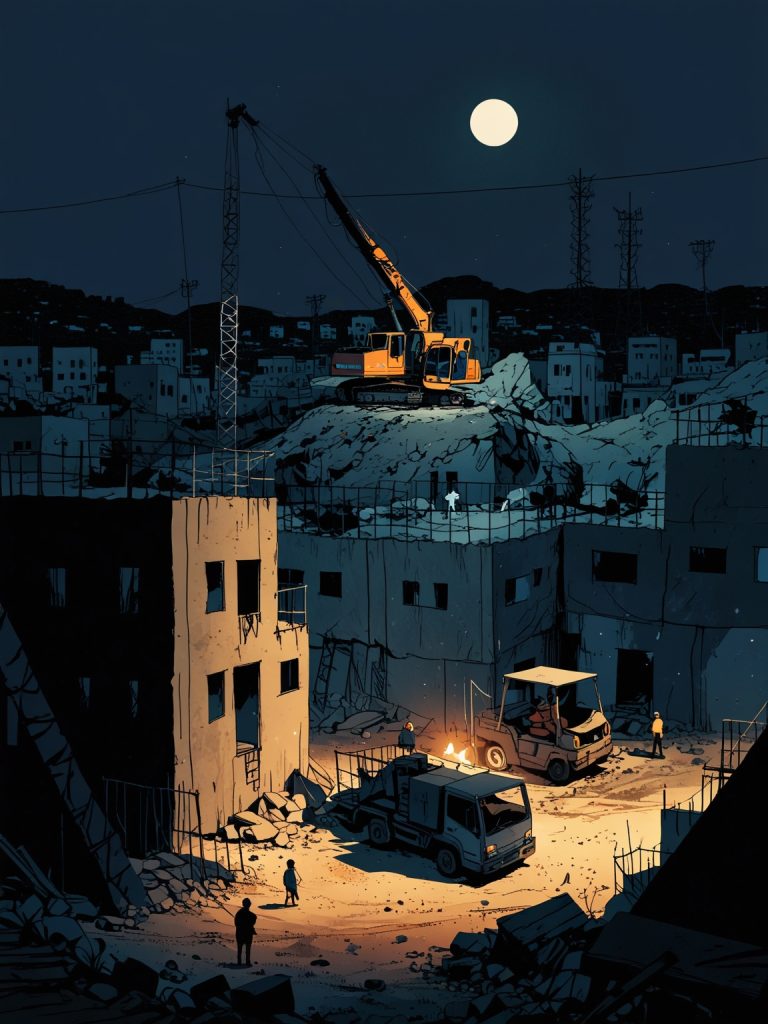
    Building Tomorrow: The Settlements Debate

    The Complexities of Settlements

    The question of Israeli settlements in the West Bank is a significant barrier to peace. Palestinians view these settlements, which are home to hundreds of thousands of Israelis, as a significant barrier to the establishment of a sustainable state for their people. The settlements are largely seen by the international world as unlawful and in breach of international law.

    The Extended Journey Ahead: Difficulties and Possibilities

    The idea of a two-state solution is still the most practical means of achieving peace, notwithstanding the numerous obstacles. The following are some important issues and chances to think about:

    • Changing Demographics: A two-state solution becomes more difficult as the number of Israeli settlements in the West Bank increases. To solve the issue of land distribution and guarantee the sustainability of a Palestinian state, innovative solutions would be required.
    • Security and Leadership: Compromise and harmonious cohabitation require strong leadership on both sides. It is imperative to attend to Israel’s security concerns while guaranteeing fulfillment of Palestinian aspirations for self-determination.
    • The International Community’s Role: It is imperative that both sides face consistent international pressure to yield and uphold agreements. Financial support for Israelis and Palestinians alike can encourage collaboration and economic growth.
    • Public Opinion: It is imperative to move the public’s perception away from radicalism and toward compromise on all sides. Education, conversation, and interpersonal projects can promote understanding and empathy.

    Unity in Diversity: A Vision for Coexistence

    Final Thoughts: An Appeal for Action

    One of the most insurmountable issues facing the globe now is the Israeli-Palestinian conflict. But giving up is not an option. Persistent violence has a simply too high human cost. There is yet hope for a future in which Israelis and Palestinians can coexist peacefully by recognizing the intricacies of the past, comprehending the fundamental problems, and striving for win-win solutions.

    Act Now:

    • Get additional information from reliable sources concerning the Israeli-Palestinian conflict.
    • Encourage groups that work to advance communication and peace.
    • Promote laws that support a two-state solution.
    • Have polite discussions over the issue with others who hold differing opinions.

    Current Israeli-Palestinian Conflict Developments

    1. Israel and Gaza See Increased Violence (May 2021)
    • Violence broke out in Gaza in May 2021 between Israeli forces and Palestinian terrorists, resulting in numerous deaths and extensive damage. Tensions in East Jerusalem ignited the fighting, which lasted for 11 days until Egypt mediated a ceasefire.
    • Source: BBC News
    1. Agreements on Normalization Between Israel and Arab States
    • With the signing of the Abraham Accords in 2020, relations between Israel and a number of Arab states, notably the UAE, Bahrain, Sudan, and Morocco, were normalized, signaling a dramatic change in the region. These agreements sidestepped the Palestinian problem in favor of promoting regional harmony and collaboration.
    • Source: The New York Times
    1. The United States’ Changing Role
    • Reversing several practices of the previous administration, the Biden administration has taken attempts to resume diplomatic engagement with both Israel and the Palestinians. Restoring aid to the Palestinians and reiterating support for a two-state solution are two examples of this.
    • Source: Reuters
    1. Elections in Palestine are postponed.
    • Elections in Palestine were scheduled for 2021, however they were postponed due to concerns about voting in East Jerusalem. This delay is a reflection of the political division that still exists among Palestinian officials and the uncertainty surrounding the country’s future governance.
    • Source: Al Jazeera
    1. Israeli Settlement Expansion
    • Israel has continued to expand settlements in the West Bank, drawing international condemnation and further complicating the prospect of a two-state solution. These expansions are seen as illegal under international law and a major obstacle to peace.
    • Source: The Guardian
    1. The UN’s Stance on Human Rights Violations
    • The United Nations has repeatedly condemned both Israeli and Palestinian actions that violate human rights. In 2021, the UN Human Rights Council launched an investigation into abuses during the May conflict, underscoring ongoing international scrutiny.
    • Source: UN News

    Description of Recent Developments

    Israel and Gaza See Increased Violence (May 2021)

    Violence between Israel and Hamas erupted in Gaza in May 2021, sparking an 11-day confrontation. The violence, which was started by tensions in East Jerusalem—specifically, those involving the Sheikh Jarrah neighborhood and fights at the Al-Aqsa Mosque—caused serious injuries as well as damage to infrastructure. The delicate and unpredictable nature of the conflict was brought to light by the truce that Egypt mediated.

    Agreements on Normalization Between Israel and Arab States

    Following the Abraham Accords, a number of Arab nations restored diplomatic ties with Israel, signaling a significant change in Middle Eastern geopolitics. These accords have come under fire for undermining the Palestinian struggle for statehood and rights, even if their stated goal is to strengthen diplomatic and economic ties.

    The United States’ Changing Role

    Resuming financial aid and reopening dialogue with Palestinian officials, the United States has demonstrated a renewed commitment to promoting peace under President Biden. This is in contrast to the policies of the previous government, which were thought to be strongly biased in favor of Israel.

    Elections in Palestine are postponed.

    The internal political difficulties and division within the Palestinian leadership are reflected in the postponing of the elections in Palestine until 2021 because of disagreements over voting rights in East Jerusalem. Hopes for a return to democracy and efficient government in Palestinian territory have been delayed by this delay.

    Israeli Settlement Growth

    The ongoing growth of Israeli settlements in the West Bank is a major obstacle to peace and continues to receive criticism from throughout the world. Many people believe that these settlements violate international law and impede efforts to find a two-state solution since they change the demographics and the geography of the area.

    The UN’s Stance on Human Rights Violations

    The UN has maintained a critical stance on human rights abuses by both sides in the conflict. The investigation launched by the UN Human Rights Council into the May 2021 violence underscores the international community’s ongoing concern and involvement in seeking accountability and justice.

    By understanding these recent events, one can gain a clearer picture of the current dynamics and challenges in the Israeli-Palestinian conflict, emphasizing the need for continued international engagement and efforts towards a peaceful resolution.

    The Israeli-Palestinian conflict continues to be a puzzle with pieces that won’t fit together perfectly as time passes. The region still pushes the limits of comprehension and harmony despite the wounds of past conflicts and current hardships. We must take into account the possibility that the numerous seeds of conflict that have been sown throughout history may eventually grow into something more, possibly even the brittle shoots of peace, when we think back on the past.

    Every wall constructed and every bridge crossed narrates a tale of unity and division, of complaints past and goals ahead. It is a place where the past reverberates with each stride taken forward and where the possibility of what could have been lingers with every look back. The path to peace is not without its challenges, but it is also full with chances for development, comprehension, and the final triumph of the human spirit.

    We are reminded by this intricate tapestry that the lines on maps are not only boundaries but also points of connection. Every voice and every action helps to create the prospect of a shared future in the fundamentally human enterprise that is the search for peace. May we discover that, when nurtured with compassion and understanding, the seeds of conflict can, in fact, blossom into a permanent peace as we continue to negotiate this complex terrain.


    Talk radio paved the way for today’s online arguments and discussions

    Have you ever had the feeling that online conversations are monotonous? Like you’re stuck in a never-ending chat show, listening to the same old arguments? Get ready, internet users and history aficionados, because we’re going to go back in time and uncover an unexpected parallel between the heated discussions that occur on radio talk shows and the comment sections that keep you up at night (or addicted to your screen, depending on how much coffee you drink).

    TL;DR

    • Online discussions share surprising similarities with radio talk shows: Both platforms encourage anonymity, diverse viewpoints, and real-time interaction.
    • The internet has amplified these dynamics: The vast reach and anonymity of online platforms can create echo chambers and spread misinformation.
    • We can cultivate more civil online spaces: By prioritizing fact-checking, respectful dialogue, and empathy, we can make online discussions more productive.
    Talk radio’s fiery debates live on in the age of online forums and social media!

    Moving from soapboxes to hashtags

    Greetings, citizen of the internet! Have you ever had the feeling that you’re stuck in an endless round of internet debates that are really shouting matches? So grab a seat, because this crazy journey through the history of journalism will take you back to the origins of it all—radio talk programs. Yes, the answer to comprehending today’s online forum free-for-alls lies in those nostalgic blasts from the past with their ferocious arguments and fervent callers.

    Thoughts of “ancient history, snoozefest,” please hold out before you roll your eyes. These seemingly archaic programs were, in fact, the forerunners of the online debates that we enjoy—and occasionally detest—today. Here’s the juicy rumors, straight out of the past:

    From soapbox to hashtag: The history of online brawls (and brilliant discussions

    What are pseudonyms? Although they weren’t necessary, the stinking pseudonyms were helpful. Radio call-in warriors may go undercover with aliases, just as you could have a killer username online. People were brave enough to voice thoughts they might have kept hidden in public because of their anonymity. Consider it the voice equivalent of an earlier iteration of incognito mode!

    The Public Arena: From Town Square to Radio Waves (and Now, All Your Devices): Online forums and radio call-ins are comparable to digital town squares. They encourage public conversation by allowing people to voice their opinions on anything from politics to the tastiest pizza toppings. It’s a lovely, messy thing.

    A Diverse Range of Views: From Perceptive to…Scary: Do you recall the last time someone revealed a shocking conspiracy idea in a forum thread? Yes, those moments also happened to radio call-ins. These forums provided a forum for an amazing (and even terrifying) variety of opinions, ranging from rational arguments to blatantly absurd ones. Thought diversity is wonderful, it can also result in some really big arguments. Nevertheless, radio talk shows frequently exposed listeners to a larger spectrum of opinions, even if they didn’t agree with them all, in contrast to the echo chambers that might grow online.

    Sorting fact from fiction: How to be a critical thinker in the age of online information.

    Live Chat Like Real-Time Rumble, But with a Lot Less Cat GIFs Discussions on the radio and online revolve around immediacy. You have the ability to think on the spot, which can be thrilling but also lead to emotional outbursts and impulsive decisions. People, please think before you talk (or type)! In addition to adding drama and suspense, the real-time element of these conversations keeps listeners interested and captivated by the back-and-forth interactions.

    The Crucial Function of the Referee—Unless, Of Course, They Have a Microphone: Radio hosts served as moderators, much like online forums do, to prevent things from getting out of hand. To varied degrees of success, these moderators guided conversations, upheld the rules, and attempted to keep things somewhat orderly. Some hosts were well-known for their unique approaches, which could include encouraging polite debate, playing devil’s advocate, or even injecting humor to lighten the mood.

    Discovering Your Tribe: From Making the Call to Pressing “Join”: Much like regulars in an online forum, regular listeners to a radio show could develop close relationships. These groups of people gathered together over a common interest and developed a sense of community. Despite their differences, listeners could have a sense of camaraderie with other callers. The social component of online forums has drawn people in and helped radio broadcasts develop a devoted listenership.

    Accessibility: The Original Social Network: One of the easiest methods for people to participate in extensive conversations prior to the internet was through radio. Similar to the modern internet, it attracted a sizable audience and served as a potent forum for public opinion. In addition to enabling a greater variety of voices to be heard, accessibility influenced public conversation in real time.

    Thus, keep in mind that you are more than simply an anonymous voice in the digital abyss the next time you find yourself involved in a contentious online discussion. You are a member of an illustrious and lengthy heritage that dates back to the radio heyday.

    Are you feeling motivated? This is a call to action for you! Recall the power of your voice whether you’re an experienced online debater or a newbie lurker joining a forum. Make use of it to politely debate ideas, impart your knowledge, and perhaps even create some virtual bridges. Happy (and hopefully polite) conversation!

    Building bridges, not walls: Fostering respectful dialogue online.

    Echoes of Talk Radio: Online Discourse in the Age of Misinformation

    The parallels between radio talk shows and online forums extend beyond their core functionalities. Both platforms can be breeding grounds for the spread of misinformation, highlighting the need for responsible online citizenship. Here are a few recent examples that illustrate this connection:

    • The spread of COVID-19 conspiracy theories: In 2020, false information about COVID-19, often originating from fringe online forums, spread rapidly across social media platforms like Facebook and Twitter. This misinformation campaign undermined public health efforts and fueled vaccine hesitancy. (https://www.poynter.org/ifcn-covid-19-misinformation/)
    • The politicization of scientific debates: Similar to how some radio talk show hosts downplayed climate change, online communities can become echo chambers where certain scientific realities are challenged or ignored. This can be seen in the spread of misinformation regarding the safety and efficacy of vaccines. (https://hbr.org/2018/07/truth-disrupted)
    • The rise of “fake news”: The ease with which fabricated stories can be disseminated online creates challenges similar to those faced by radio hosts who might be misled by callers with false information. The proliferation of unverified news sources online makes it difficult for users to discern fact from fiction. (https://www.cjr.org/)

    These examples demonstrate the importance of critical thinking and responsible online behavior. Just like listeners to radio talk shows were encouraged to be discerning consumers of information, online users must approach online content with a healthy dose of skepticism and verification.

    The most important lesson learned? The participants, like ourselves, can influence the direction of the online discussion. We can create a digital town square that celebrates diversity, stimulates genuine dialog, and maybe even fixes a few issues along the way if we demand more from ourselves and the platforms we use.

    Thus, the next time you click “post,” pause, take a deep breath, and keep in mind that you have the ability to make the internet a better respectful and educated place. Let’s transform the internet into a space where ideas, not just egos, collide and advance.

    It’s your turn now! Post your ideas in the comments section below. What suggestions do you have to improve the good and productive nature of internet discussions? Let’s continue the discussion!

    The 16-Hour Hustle: How Workers in the 19th Century Survived (and Maybe Even Thrived?)

    Do you feel stuck on a never-ending wheel like a hamster? Have you ever wondered how our great-great-grandparents worked 16-hour shifts without going into flames? Fasten your seatbelts, as we are going to go on an exciting journey through the maze of work-life balance—or lack thereof—in the 1800s. It’s a tale of perseverance, dirt, and—surprisingly—some insightful lessons for our own struggle for a more relaxed work environment.

    Imagine not having access to contemporary amenities like running water or electricity to make getting out of bed earlier in the morning easier. Whether it was in factories with hazardous machinery, on fields needing hard physical labor, or in homes with never-ending chores, the day started with backbreaking labor.

    Weekends were a luxury and holidays were few, usually associated with religious observances, for our forefathers. There was no such thing as a “weekend” in the modern sense. People were under pressure from social conventions and financial needs to work long hours, sometimes in very difficult conditions.

    Our great-great-grandparents were able to find time for community and pleasure while working long hours. Sunday parties, neighborhood festivals, and group rituals offered few breaks from the never-ending grind. People had a sense of comfort and connection at these times, which was essential to their mental and emotional well.

    Surprisingly, the hard reality of their everyday existence also imparted some important lessons. They frequently discovered happiness in the small things in life, the connections they cultivated, and a deep feeling of belonging. They can serve as an inspiration to us in the fast-paced world of today, when technology has made it difficult to distinguish between work and home. They have managed to maintain balance in the face of extraordinary challenges. Their adaptability, tenacity, and capacity to find joy in the little things serve as a reminder that work-life balance is not a modern luxury, but a timeless necessity.

    Let us take a moment to reflect on the past and draw lessons from it as we manage the demands of our current jobs and endeavor to achieve a better work-life balance. We can find strength in connection, joy in simplicity, and balance in the very human parts of our lives.

    TL;DR

    • 19th-century workers endured grueling 16-hour shifts, often with meager wages and poor living conditions.
    • The fight for worker rights has a long history, with early reforms like the Factory Act of 1833 paving the way for better working conditions.
    • Modern challenges like the gig economy and the fight for a living wage show that the struggle for fair work continues.
    • You can learn from the past and get involved in advocating for better worker rights today.
    They clocked in 16 hours. Can you handle your 8?


    Hi there, adventurer of time! Are you feeling overburdened by your 9–5 job? Remember our friends from the 1800s, who worked six days a week, huge 16-hour shifts. That’s what I would describe as commitment, or even desperation. But really, how on earth did they work? Let’s go back in time to witness how these resolute laborers were able to, well, manage.

    You’re right—first things first. Most likely, sleep was a luxury they could only imagine having. Living spaces were frequently small and situated close to those factories that emitted smoke. Yes, there was essentially no commute, but at what cost? Instead, picture yourself nodding off to sleep to the soothing sound of gears clanging.

    Work-life balance? Let’s talk about it.

    What is the cause of these extraordinary hours now? You really did hit the mark, though. It was survival mode only. The wages were extremely low, not sufficient to cover the cost of a modest meal and a roof over your head. Put away your fancy lattes and avocado toast; these people were having trouble putting food on the table. Not to mention that entire families—including kids as young as eight—were frequently had to work long hours in order to make ends meet. Can you image the anguish a parent would feel knowing that their child’s education and health were compromised in order to make ends meet?

    Fortunately, things didn’t stay that way indefinitely. The 1830s saw a shift in the tide. Distressing interviews with juvenile laborers (such as the pitiful Matthew Crabtree, who was so exhausted that he could hardly eat) provoked fury. This ultimately resulted in the Factory Act of 1833, which made history. By today’s standards, though—no child under nine working in factories?—this was hardly a luxurious break. revolutionary!). However, it was a vital beginning on the arduous path towards labor rights.

    They paved the way for our weekends. Let’s honor their legacy.

    What about that illusive balance between work and life? Honestly, there wasn’t really much of a balance. However, glimmers of light were present. Do you recall Sundays? Those were a day off (typically). For instance, Matthew talked about getting more rest and taking in some fresh air. Not exactly going to elegant brunches, but nevertheless, a tiny win. Maybe they took comfort in each other’s company, laughing and telling stories over a modest supper. Perhaps they even managed to fit in a little downtime, like going for a park walk, seeing relatives, or getting to work on a long-loved hobby.

    What’s the lesson learned? We are deeply indebted to these hardworking employees. Today’s (somewhat) less harsh workweeks are a result of their battles. Are you still feeling exhausted? Breathe deeply, express gratitude that you won’t be shoveling coal for 16 hours straight, and perhaps look into some stress-reduction options. A healthy you is, after all, a productive you! Beyond appreciation, though, let’s also think about these workers’ legacy. Their struggle for improved working conditions serves as a continual reminder that advancement is feasible.

    Work hard, but don’t forget to rest. Your 19th-century ancestors would be jealous.

    Feeling inspired by the resilience of 19th-century workers? Why not learn more about the history of labor rights? There are tons of fascinating books and online resources waiting to be explored. You can also use this knowledge to advocate for fair treatment of workers today. Here are some ways to get involved:

    • Support worker-friendly organizations and legislation.
    • Educate yourself and others about labor rights.
    • Speak out against unfair working conditions.

    Remember, the fight for a healthy work-life balance never truly ends! By learning from the past and taking action in the present, we can continue to build a better future for workers everywhere.

    The Struggle for Equal Pay Remains: Remnants of the 1800s in the Present-Day Work Environment

    While the grueling 16-hour shifts of the 1800s are (thankfully) a thing of the past, the fight for fair and healthy working conditions continues today. Here are a few recent examples that echo the struggles of 19th-century workers:

    • The Gig Economy and Worker Misclassification: The rise of the gig economy has brought flexibility for many workers, but it has also blurred the lines between employee and independent contractor. This can leave workers vulnerable to exploitation, with limited access to benefits, overtime pay, and other protections traditionally enjoyed by employees. https://www.nytimes.com/2019/05/14/business/economy/nlrb-uber-drivers-contractors.html
    • The Fight for a $15 Minimum Wage: The ongoing debate around raising the minimum wage highlights the struggle for workers, particularly in low-wage jobs, to earn a living wage that meets their basic needs. https://www.epi.org/research/minimum-wage/
    • The Global Garment Industry and Worker Safety: The collapse of the Rana Plaza garment factory in Bangladesh in 2013, which tragically killed over 1,100 workers, brought a harsh spotlight onto the often dangerous and exploitative conditions faced by garment workers around the world. https://en.wikipedia.org/wiki/Rana_Plaza_collapse

    Thus, the next time you find yourself complaining about a demanding workday, take a moment to relax and sip some thankful, hopefully clean water. Although you may not be reclining on a chaise longue a la royale, you are practically enjoying the life of luxury in comparison to our 19th-century contemporaries. Recall that the battle for equitable labor is a journey, not a race. Let’s remember the past, take inspiration from their perseverance, and hopefully never have to wear a top hat on the manufacturing floor!

    How Hardship Can Rekindle Love – Lessons learned from “Queen of Tears”

    Have you ever felt like you woke up in the wrong life, only to realize your actual life turned into a K-drama? Well, buckle up, because that’s exactly what happens to the Hong family in Queen of Tears. They go from living the high life to Queens-sized trouble (see what we did there?). But hey, sometimes losing everything can lead to finding something even more precious, like a sassy new BFF or maybe… rekindled love with your (supposedly) ex-husband?

    Intrigued? Dive in and get ready for a wild ride filled with hilarious misunderstandings, shocking betrayals, and a whole lot of second chances! The Hong family is not just grappling with financial ruin but also with a web of secrets that unravels faster than you can say “plot twist.” You’ll find yourself on an emotional roller coaster as the family navigates through their new reality, forging new alliances and rediscovering old flames.

    As the story progresses, you’ll witness the characters evolve, their relationships deepen, and their priorities shift. The dynamic between the family members and the people they encounter is both heartwarming and gut-wrenching. Whether it’s a tearful reunion or a heated argument, every scene is crafted to keep you on the edge of your seat.

    But Queen of Tears isn’t just about drama and conflict; it’s also about humor and hope. There’s plenty of light-hearted banter, comedic escapades, and moments of genuine affection that balance out the intense drama. The story reminds us that even in our darkest times, there’s always a glimmer of hope and the possibility of a fresh start.

    So, if you’re ready for a tale that combines drama, romance, and comedy, then Queen of Tears is the perfect escape. Prepare yourself for a whirlwind of emotions and an unforgettable journey with the Hong family.

    TL;DR

    • The Hong family goes from riches to rags after a failed business deal and betrayal.
    • Hae-in and Hyun-woo’s “divorce” takes a backseat as they navigate their newfound closeness.
    • Eun-seong’s villainous schemes escalate, but Hae-in isn’t giving up without a fight.
    • Hilarious misunderstandings and heartwarming moments add a delightful touch.
    • Prepare for mind-blowing reveals and a potential new romance on the horizon!
    Queen of Tears: Netflix

    Love in the Time of Loss

    In the show, our beloved Hong family has fallen from grace, losing their fortune and status overnight. Forced to move to the humble town of Yongdu-ri, they must adjust to a new reality.

    The Hong family lost their fortune in Queen of Tears due to a combination of factors, including:

    • Failed Resort Project: Grandpa Hong put the entire family as guarantors for a loan to fund a resort project. When the project failed, the family became liable for the massive debt.
    • Eun-seong’s Deception: Eun-seong, the antagonist, played a significant role in the failed resort project. His manipulations and schemes likely contributed to its downfall.
    • Loss of Trust: The Hongs’ reliance on Eun-seong and their lack of suspicion regarding his motives ultimately led to their downfall.

    Here’s a breakdown of the contributing factors:

    • Grandpa Hong’s Guarantee: By putting the family’s assets on the line as collateral for the loan, Grandpa Hong exposed them to immense financial risk.
    • Eun-seong’s Schemes: We don’t have all the details yet, but it’s clear Eun-seong’s involvement in the project wasn’t above board. His actions likely played a role in its failure.
    • Blind Trust: The Hong family trusted Eun-seong, failing to see his true intentions. This lack of vigilance made them vulnerable to his manipulations.
    Queen of Tears: Netflix

    A Test of Strength

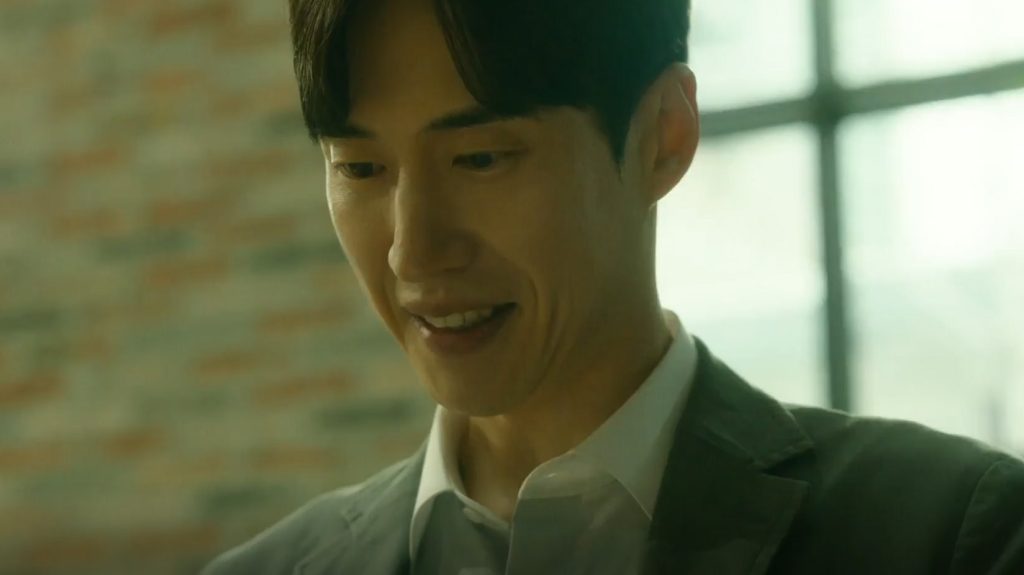
    The sudden plunge from riches to rags for the Hong family acted like a social seismograph, registering the true tremors in their relationships. Aunt Beom-ja’s once vibrant circle of friends scattered faster than cockroaches under the kitchen light – a testament to the fickle nature of fair-weather companions. But amidst the financial rubble, an unexpected hand reached out: Hae-in’s ex-husband, Hyun-woo. Offering her a place to stay despite their ongoing divorce was like tossing a grenade into their carefully constructed fortress of indifference. Walls crumbled, facades cracked, and they were forced to confront the undeniable truth – the embers of their past feelings, though buried, hadn’t quite turned to ash. Now, under one roof, the sparks of a rekindled connection danced in the air, threatening to ignite a firestorm of emotions they both thought long extinguished.

    The BaekHong Spark

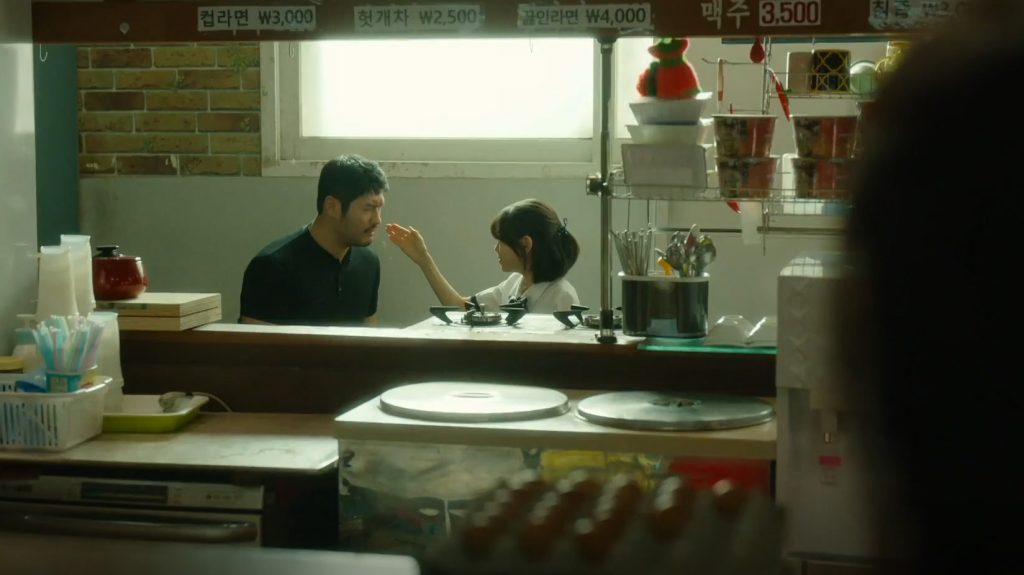
    Picture this: Hae-in and Hyun-woo, once a power couple gliding through life’s high society soiree, are now relegated to the confines of Yongdu-ri, a far cry from their champagne-fueled past. Thrust into this cramped reality by financial woes, their carefully constructed walls of indifference start to crumble under the relentless pressure of forced proximity.

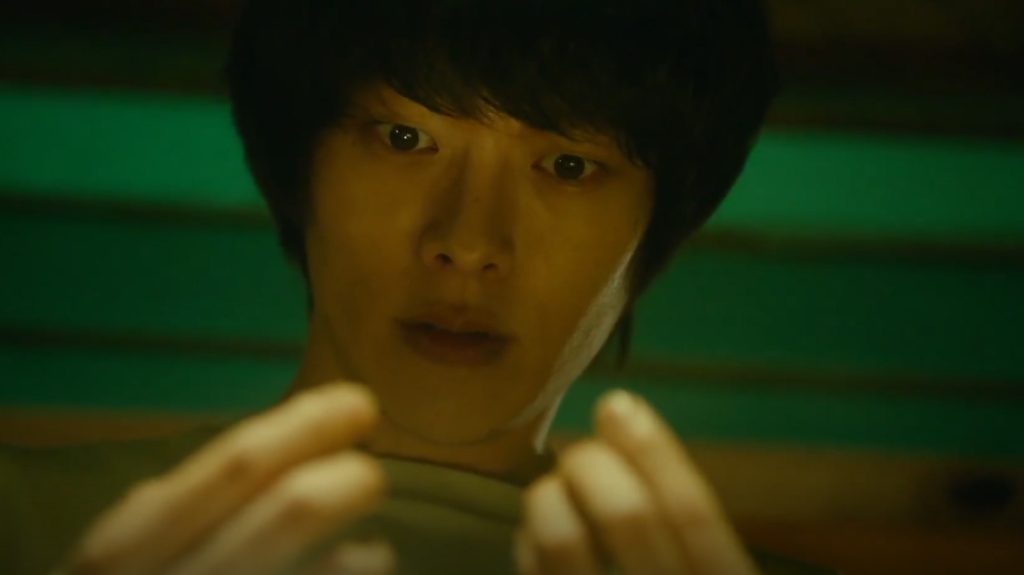
    The air crackles with a tension that’s more than just financial stress. Late-night texts become a clandestine battlefield of unspoken longing, their words laced with playful jabs that mask a deeper truth. It’s a verbal ping-pong match, each volley hinting at a past connection they can’t quite deny. Then, in a moment that perfectly encapsulates Queen of Tears’ ability to weave emotional turmoil with comedic gold, a music player becomes a comical Trojan horse. As Hae-in stumbles upon evidence of Hyun-woo’s high school crush, a hilarious misunderstanding erupts. It’s a scene that throws their carefully constructed facade into disarray, reminding us that even amidst the wreckage of their past, love, with all its awkwardness and humor, can find a way to bloom anew. This isn’t just another story of heartbreak; it’s a testament to the enduring power of connection, the kind that can spark laughter even in the face of financial ruin.

    Queen of Tears: Netflix

    Finding Purpose in Pain

    Hae-in’s illness throws a wrench into their already tangled web of emotions. Initially a fiercely independent soul, she bristles at the idea of needing help, especially from Hyun-woo. Yet, as the harsh reality of her condition sets in, she finds herself leaning on him, a silent plea for support masked by a facade of defiance. This shared struggle becomes a bridge, a fragile connection that reawakens memories of the love and understanding they once shared. It’s not just the moments of vulnerability that speak volumes – the unspoken gestures of care, a stolen glance filled with concern, a cup of tea left by her bedside – all paint a picture of a bond that time and circumstance haven’t completely severed.

    United Against the Enemy

    Meanwhile, the conniving Eun-seong tightens his grip on Queens. Blinded by his obsessive “feelings” for Hae-in, he makes rash decisions that expose his true nature as a villain. When he kidnaps Grandpa Hong to manipulate his mother, his ruthlessness is laid bare. This act not only solidifies him as the antagonist but also strengthens the bond between Hae-in and those who truly care about her.

    Hae-in’s Power Play

    Forget the damsel in distress act! Hae-in’s more like a dragon lady, fire breathing and ready to reclaim what’s hers. Returning to Queens wasn’t part of Eun-seong’s twisted fairytale. During a press conference, she unleashed a truth bomb, exposing his web of lies and then, in a move as powerful as it was unexpected, revealed her own illness. This wasn’t a confession of weakness; it was a calculated strike, a queen playing her most powerful card. Eun-seong’s carefully constructed house of cards came crumbling down, leaving him exposed for the scheming weasel he truly is. Hae-in’s defiance roared like a lioness defending her pride, a testament to her unwavering determination to fight for what’s right, illness or not.

    Queen of Tears: Netflix

    A Declaration of Love (Sort Of)

    Hyun-woo’s grand gesture lands with a thud – literally. Touched by Hae-in’s fierce defense of him at the press conference, he drowns his emotions (and perhaps a touch of lingering resentment) in a bottle of something strong. The result? A gloriously drunken confession of love slurred outside her door. It’s a scene ripped straight from a K-drama playbook – a potent mix of heartwarming sentiment and endearing awkwardness. The vulnerability on display, fueled by liquid courage, is undeniable. Yet, for viewers yearning for a more clear-cut reunion, a grand romantic gesture bathed in rose petals, this fumbled declaration leaves a bittersweet taste.

    Here’s the real cliffhanger: can their love survive the complexities of their past? Hae-in and Hyun-woo’s journey has been a rollercoaster of emotions – from the gilded heights of their past to the humbling lows of their present. Their unresolved issues, the weight of their failed marriage, still hang heavy in the air. Eun-seong, the ever-present villain, continues to stir the pot, adding another layer of external conflict.

    A New Beginning

    There’s hope on the horizon! With Eun-seong’s web of deceit unraveling and Grandpa Hong showing signs of recovery, justice may finally prevail. Beom-ja also finds a potential love interest in Yongdu-ri, hinting at a blossoming romance. This subplot adds another layer of heartwarming development to the overall narrative.

    Will BaekHong Reunite?

    The question remains: will Hae-in and Hyun-woo reconcile? Their journey of rediscovering love amidst hardship is both heartwarming and frustrating. We see glimpses of their past connection simmering beneath the surface, but the weight of their unresolved issues lingers. One thing’s for sure – we can’t wait to see what unfolds next!

    Sometimes, losing everything can lead to finding something even more precious.

    Queen of Tears: Netflix

    Some crazy thoughts of mine

    • Da-hye’s Revenge: Soo-cheol’s wife, Da-hye, revealed she’s not only older but also left him with a child that might not be his! This twist adds a layer of dark humor and unexpected betrayal to the story.
    • Eun-seong’s Mom’s Motive: While Ms. Girlfriend seems power-hungry, the flashback hinting at her lack of concern for Eun-seong when he was hurt as a child suggests a deeper motive beyond just corporate takeover. Maybe there’s a twisted form of love there?
    • Love Languages in Crisis: The misunderstanding over the music player is a hilarious example of how communication breaks down during emotional turmoil. It highlights how even small things can be misinterpreted when couples are struggling.
    • Hae-in’s Public Humiliation as Power Move: Hae-in revealing her illness at the press conference is a crazy yet empowering move. She uses her vulnerability as a weapon, disarming Eun-seong and reclaiming control of the narrative.
    • Drunk Confessions Don’t Count (Always): While Hyun-woo’s drunken confession is cute, the lack of a clear, sober conversation between Hae-in and Hyun-woo leaves the audience wanting more. It creates a tension of “will they or won’t they” that can be both frustrating and intriguing.
    Queen of Tears: Netflix

    Will Hae-in and Hyun-woo rewrite their love story, or will their second chance end up another drama cliche? One thing’s for sure: Queen of Tears isn’t afraid to break the mold, and neither is Hae-in. This queen is playing her own game now, and we can’t wait to see how she checks her enemies into emotional checkmate. Stay tuned, because in the world of K-dramas, happily ever after is just one plot twist away… or maybe it’s a steamy kiss in the rain. Wink wink.

    What I learned about life from “Crash”…so far

    Buckle up, drama lovers, because we’re about to crash… into a world of quirky cops, high-octane chases, and heartwarming surprises! This isn’t your typical fender bender; Crash, the K-Drama, is a collision course of action, comedy, and hidden depths that will leave you both laughing and reflecting. So, get ready to peel back the layers (like mechanics examining a totaled car) and discover the life lessons, unique characters, and crazy details you might have missed in the initial impact. Are you ready to see what lies beneath the shiny exterior of Crash? Let’s shift gears and dive in!

    TL;DR

    • Crash is a Korean drama that blends action, comedy, and heartwarming stories.
    • The show follows a special police unit that tackles vehicular crimes.
    • Each episode features a unique case with quirky and often outrageous scenarios.
    • Beyond the cases, Crash explores the characters’ backstories and emotional struggles.
    • The drama offers valuable life lessons about teamwork, redemption, and perseverance.
    Crash: Disney+

    Craving a Korean drama that injects humor into high-speed car chases and weaves in heartwarming character development? Look no further than Crash! This show throws you into the exciting world of the Traffic Crime Investigation (TCI) unit, a squad of unconventional cops specializing in – you guessed it – vehicular crimes.

    Meet the Squad:

    • Min So-hee (Kwak Sun-young): Fiery and a whiz behind the wheel, So-hee leads the TCI with unwavering determination. Justice is her middle name, and she’ll chase down any criminal who uses the streets for their misdeeds.
    • Jung Chae-man (Heo Sung-tae): The team’s gruff but lovable leader, Chae-man hides a heart of gold beneath his gruff exterior. He may not always understand pop culture references, but his dedication to his team and his love for ancient proverbs are undeniable.
    • Eo Hyun-kyung (Moon-hee): So-hee’s trusty partner, Hyun-kyung brings a touch of calm and collectedness to the often-chaotic TCI dynamic. Her experience and level-headedness are invaluable assets during investigations.
    • Woo Dong-ki (Lee Ho-chul): Don’t let his gentle giant persona fool you – Dong-ki is the team’s muscle. His strength comes in handy during those heart-stopping car chases and tense takedowns.

    Enter Cha Yeon-ho (Lee Min-ki): A meticulous insurance investigator with a mind for detail, Yeon-ho gets pulled into the TCI’s world when he stumbles upon a suspicious serial murder case. Initially uptight and by-the-book, Yeon-ho gradually finds his place among the TCI’s quirky crew. His analytical skills prove to be a valuable asset, but he also has to learn to loosen up and embrace the team’s unorthodox approach.

    Crash: Disney+

    Each episode of Crash tackles a unique and often outrageous case: from heartless insurance fraudsters preying on the elderly to a cunning scheme involving staged “ghost sightings” in a tunnel. The TCI’s investigations are packed with witty banter, hilarious situations (think delivery guy shenanigans that lead to perfectly timed criminal captures!), and edge-of-your-seat car action sequences.

    But Crash is more than just car chases and criminals. The show delves into the characters’ backstories, revealing their motivations and vulnerabilities. We see So-hee’s grief over her mother’s passing fueling her relentless pursuit of justice. Chae-man’s gruff exterior masks a paternal concern for his team, and Yeon-ho grapples with a past accident that left him guilt-ridden. These emotional threads add depth to the characters and make them all the more relatable.

    The chemistry between the leads is undeniable. So-hee’s fiery spirit complements Yeon-ho’s methodical approach, creating a dynamic duo that’s both entertaining and heartwarming. Their partnership evolves as they learn from each other, with Yeon-ho loosening up and So-hee appreciating the value of meticulous investigation.

    Crash: Disney+

    Crash also throws in some intriguing mysteries that keep you guessing. Like the anonymous figure sending out news clippings from Yeon-ho’s past. Is it Chae-man seeking redemption for his own role in the accident? This underlying mystery adds another layer of intrigue to the show and keeps you invested in the characters’ lives beyond the case of the week.

    5 Life Lessons Learned from the World of Crash:

    1. Second Chances and Redemption: A Road to Atonement Paved with Good Deeds: Crash doesn’t shy away from exploring the weight of past mistakes. Yeon-ho’s guilt over a fatal accident becomes the driving force behind his dedication to justice. He throws himself into meticulous investigations, hoping to make amends for a past that haunts him. We see a similar theme potentially at play with Chae-man, whose past connection to Yeon-ho’s accident is shrouded in mystery. The show suggests that redemption is a journey, not a destination. Even the most devastating mistakes can become a catalyst for positive change, urging us to strive to be better versions of ourselves through our actions.
    2. Strength in Unity: A Team Where Every Cog Matters: The magic of the TCI unit lies in its diverse cast of characters. So-hee’s fiery determination is a perfect counterpoint to Hyun-kyung’s calm and collected nature. Chae-man’s leadership and years of experience provide a solid foundation, while Dong-ki’s physical strength proves invaluable during car chases and takedowns. Crash beautifully showcases the power of teamwork. It reminds us that when individuals with unique talents and personalities come together with a shared purpose, they can achieve extraordinary things.
    3. Looking Beyond the Surface: Unmasking Hidden Depths: Crash encourages us to peel back the layers and see beyond first impressions. Yeon-ho’s initial uptight demeanor hides a brilliant mind with a knack for detail. Chae-man, with his gruff exterior and love for ancient proverbs, might surprise you with his paternal concern for his team. The show emphasizes the importance of getting to know people on a deeper level. By looking past appearances, we can discover the richness and complexity within each individual, fostering genuine connections and fostering empathy.
    4. Justice Might Be Slow, But It’s Worth the Fight: Perseverance in the Face of Adversity: So-hee’s relentless pursuit of justice, even in the face of frustrating roadblocks and limited resources, is truly inspiring. She embodies the unwavering spirit required to fight for what’s right, even when the odds are stacked against you. Crash reminds us that the path to justice is rarely smooth, but the determination to see it through, no matter how big or small the case may seem, is a fight worth waging.
    5. Laughter, the Best Medicine: Finding Humor in Unexpected Places: Crash masterfully injects humor into even the most intense situations. From the delivery guy who perfectly times his entrance to help apprehend a criminal to So-hee dragging a reluctant Yeon-ho to judo training, the show reminds us of the disarming power of laughter. It highlights how humor can be a powerful coping mechanism, helping us navigate stressful situations, build camaraderie, and find joy in the midst of life’s challenges. By embracing laughter, we can approach difficulties with a lighter heart and a more resilient spirit.

    Crash: Where Crazy Meets Heartwarming

    Crash: Disney+

    The Crash review we explored offers some hidden gems beyond the surface plot. Here are a few unique and crazy insights:

    1. Autistic-Coded Hero? The review subtly suggests Yeon-ho might be on the autistic spectrum. His keen eye for detail, straightforward communication, and social awkwardness could be interpreted as autistic traits. This is an interesting and rarely explored portrayal in K-dramas, offering a more nuanced perspective on the character.
    2. Suspicious Rain? The episode where the team cracks the “ghost sighting” scam reveals a crazy detail. Yeon-ho, a graduate from KAIST (Korea Advanced Institute of Science and Technology), uses his scientific knowledge to solve the case. He figures out the scammers used calcium chloride to create slippery patches on the road, causing accidents. But here’s the kicker: they only applied it on sunny days, relying on a specific sprinkler truck to keep the patches moist! Talk about meticulous planning for a wacky scam.
    3. Judo for the Reluctant? We learn So-hee drags a hesitant Yeon-ho to judo training. This not only adds a touch of humor but also hints at a potential future development. Judo emphasizes balance, discipline, and self-defense – all skills that could benefit Yeon-ho both physically and mentally. Maybe So-hee sees the potential for him to overcome his anxieties through judo, paving the way for a sweet character arc.
    4. Hidden Connections? The post-credits scene mentioning Hyun-soo’s father’s connection to Chae-man throws a curveball. This cryptic detail suggests a deeper plot thread waiting to unravel. Could Chae-man be hiding a secret related to Yeon-ho’s past accident? This unexpected twist adds intrigue and keeps you guessing about the characters’ motivations.
    5. Cameo Queen? The review mentions hilarious special appearances by actress Shim So-young in different roles each episode. This is a unique way to showcase her versatility and add another layer of entertainment to the show. Imagine encountering a completely new character played by the same actress every week!
    Crash: Disney+

    Crash is a delightful blend of genres, offering a perfect mix of action, comedy, and emotional depth. With its quirky characters, engaging cases, unexpected twists, and surprising emotional complexity, this show will have you hitting the gas pedal and wanting more.

    Crash: Disney+

    So, have we convinced you to take Crash for a spin? Buckle up, because this K-Drama is more than just a joyride – it’s a rollercoaster of emotions, a masterclass in quirky teamwork, and a reminder that sometimes, the most unexpected detours lead to the most profound destinations. After all, who knew a show about car chases could leave such a lasting impression? Now, hit the gas and get ready to experience Crash for yourself. Just remember, the only thing more unpredictable than the cases the TCI tackles might be the life lessons you learn along the way.

    The Atypical Family Lessons: Fate, Forgiveness, and Finding Happiness

    Buckle up, fellow drama enthusiasts! We’re about to dive into the rabbit hole that is “The Atypical Family.” This week’s episode served up a smorgasbord of revelations, enough to make your head spin faster than a hamster on a wheel fueled by espresso. But fear not, intrepid viewers! We’ll untangle the time travel threads, dissect the emotional rollercoaster, and unearth some hidden gems you might have missed. So, grab your metaphorical popcorn (and maybe some aspirin for the mind-bends to come), and let’s unpack this wild ride!

    TL;DR

    • Uncover the emotional impact of Da-hae’s backstory and Gwi-ju’s disillusionment.
    • Explore the ethical dilemmas surrounding superpowers in the show.
    • Discover wild theories about future Gwi-ju’s motives and the mysterious rings.
    • Learn how “The Atypical Family” tackles relatable themes like family dynamics and coping with trauma.

    Feeling lost in the whirlwind of time travel, telepathy, and questionable family dynamics that is “The Atypical Family”? Buckle up, because this week’s episode served up a rollercoaster of revelations and hilarious mishaps. Let’s unpack it all, with a healthy dose of sass and some fresh insights to keep your mind sharp!

    The Atypical Family, Netflix

    Facing the Consequences: A Hero’s Disillusionment

    Our hero, Gwi-ju, is grappling with the truth about Da-hae. Her confession as a con artist shatters his world, leaving him questioning everything they shared. But wait, there’s a twist! Gwi-ju doesn’t spiral into despair. He confronts Da-hae, yes, but not with anger. He’s genuinely hurt, questioning if their connection was built on a lie. This introspective approach adds a refreshing layer to his character, making him more than just a heartbroken hero. It’s a welcome departure from the typical K-drama trope where the hero reacts impulsively. Here, Gwi-ju’s measured response allows for a more nuanced exploration of their relationship.

    Mean Girls & Mind Reading Misery

    Yi-na, our resident telepath, gets a taste of her power’s dark side. Ms. Popular’s shallow attempts at “friendship” are exposed by Yi-na’s mind reading, highlighting the hypocrisy that can lurk beneath social facades. The image of Yi-na overwhelmed by a cacophony of judgmental thoughts is both humorous and relatable. Who hasn’t felt bombarded by negativity at some point? This scene isn’t just funny; it also serves as a social commentary on the pressures of fitting in and the cruelty that can exist within seemingly harmless cliques.

    The Atypical Family, Netflix

    The Sauna Showdown: A Family United (…For Now)

    Da-hae finds solace with the only person she can trust – the enigmatic Sauna Mom. While their bond is questionable (remember the storage room incident?), Da-hae’s desperation adds a layer of complexity to her character. Faced with Gwi-ju’s disapproval and the Boks’ manipulations, Da-hae seeks refuge with the only people who seem to accept her, even if their motives are suspect. Meanwhile, Gwi-ju’s protectiveness reaches new heights when he confronts Sauna Mom, striking a deal to protect Da-hae. Here, we see Gwi-ju’s unwavering loyalty, even if his methods are a bit unorthodox. His willingness to go to such lengths for Da-hae, despite their complicated history, suggests a deeper connection simmering beneath the surface.

    Time Travel Shenanigans: A Tangled Web Gets Tangleder

    This episode throws a curveball with the introduction of Future Gwi-ju. His arrival throws the timeline into disarray, raising questions about the show’s time travel rules. Is it a paradox waiting to happen? One thing’s for sure, it adds a layer of intrigue and keeps us guessing! The writers are playing with time travel conventions in a way that’s both mind-bending and entertaining. It will be interesting to see how they navigate the potential paradoxes and use this twist to further develop the plot.

    The Atypical Family, Netflix

    A Ring, a Revelation, and Redemption in Sight?

    Da-hae’s past resurfaces when she reveals the ring given by her savior. The discovery of the missing family ring in the Bok mansion safe adds another layer of mystery. Could these two rings be connected? Is Gwi-ju’s past as a firefighter linked to Da-hae’s story in ways we haven’t even imagined? The writers are definitely keeping us on the edge of our seats! This revelation throws a whole new light on Gwi-ju and Da-hae’s connection. Could their encounter at the fire be the key to unlocking their past and their future?

    Finding Light in Unexpected Places

    Despite the chaos, there are moments of genuine connection. Da-hae’s backstory sheds light on her motivations. Her guilt over surviving the fire fuels her need to help others, even if through unconventional means. Gwi-ju’s compassion shines through in his time travel journey to comfort Da-hae in her grief. These glimpses of empathy make us root for this unconventional couple. As we learn more about Da-hae’s past trauma, we begin to understand her choices and the guilt that drives her. Similarly, Gwi-ju’s act of kindness in comforting her past self showcases his inherent selflessness. These moments of connection offer a glimmer of hope for their relationship.

    The Atypical Family, Netflix

    Some Crazy thoughts…

    • Da-hae’s Robin Hood Complex: Maybe Da-hae isn’t just a con artist; perhaps she sees herself as a modern-day Robin Hood. She uses her cunning to exploit the wealthy Boks, who flaunt their powers and privilege, and uses those ill-gotten gains to help those in need, like paying off Sauna Mom’s debt. Is she a chaotic good character, or a self-serving trickster?
    • Future Gwi-ju’s Paradoxical Play: The arrival of Future Gwi-ju creates a potential paradox. Did he appear to prevent something or cause it? Is his presence a result of Da-hae messing with the timeline, or is it an inevitable loop? Perhaps Gwi-ju’s destiny is intertwined with Da-hae, and their connection transcends time itself.
    • Telepathy and Social Survival: Yi-na’s experience with Ms. Popular’s fake friendship showcases the dark side of telepathy. Is this power a blessing or a curse? Imagine a world where everyone’s true thoughts are constantly on display. Would social interaction even be possible?
    • The Ring Theory: Past, Present, and Prophecy: The two rings, Da-hae’s and the Bok family ring, hint at a deeper connection between her and Gwi-ju. Could the ring be a physical manifestation of their fated bond, or a time travel tether? Perhaps possessing both rings unlocks a hidden power or knowledge about their past that will shape their future.
    • Sauna Mom’s Shady Schemes: Sauna Mom’s motives remain unclear. Is she genuinely trying to help Da-hae, or is she manipulating her for her own gain? What are her plans for the Boks’ powers, and how far will she go to achieve them? Maybe the Sauna family isn’t just after money; perhaps they have a more sinister agenda in play.
    The Atypical Family, Netflix

    The Verdict: So, Should You Watch It?

    Absolutely! “The Atypical Family” is a wild ride, blending humor, fantasy, and family drama in a way that’s both thought-provoking and entertaining. With its complex characters, mind-bending plot twists, and surprising moments of tenderness, this show will keep you guessing until the very end.

    So, is “The Atypical Family” the next drama masterpiece, or a hilarious trainwreck careening towards oblivion? The answer, like the show itself, is a beautiful paradox. It’s messy, it’s mind-bending, but it’s undeniably addictive. One thing’s for sure: you won’t be able to look away. So, dive in, embrace the chaos, and let “The Atypical Family” rewrite your definition of family, time travel, and maybe even sanity.

    P.S. Who do you think Future Gwi-ju is trying to warn? And what will become of the lottery ticket? Share your theories in the comments below!

    Cracking the Cosmic Egg: Can Something Immaterial Create Our Material World?

    0

    Alright, buckle up cosmos connoisseurs and existential explorers! Have you ever looked up at the night sky, that glittering tapestry of stars, and wondered – just how did this whole shebang come to be? Did a celestial baker whip up the universe from a cosmic mixing bowl, or is there something more… immaterial at play? We’re about to dive down the rabbit hole of creation, where science and religion do a cosmic tango, and the answer might just leave you… starry-eyed (or questioning everything you thought you knew).

    After writing the article on 3 bodies problem, my mind naturally wants to explore more! This article dives into the head-scratching question of how our material universe could be created by something immaterial. It explores various perspectives, from philosophical arguments about the nature of God to recent scientific discoveries that shed light on the origin of the universe. We delve into the concept of emergent consciousness, the possibility of extraterrestrial intelligence, and the ongoing search for a unified theory of everything. Ultimately, the article encourages continued exploration and curiosity as we grapple with the mysteries of creation.

    What you won’t find anywhere else: This article weaves together scientific discovery with philosophical and religious concepts, offering a fresh perspective on the origin story of our universe. It avoids definitive answers but instead ignites your curiosity and invites you to explore the wonders of the cosmos.

    Is this the birthplace of stars, galaxies, and maybe even… God?

    Traditionally, some theologians don’t see God as exactly “immaterial” – maybe lacking a physical body, but not exactly a “thing” either. More like a foundational force, a wellspring of being (think Tillich’s “absolute ground of being”).

    Hey there, seekers! Ever pondered the great beyond and scratched your head about how something without a physical body (like a super chill ghost) could create our whole, messy, material universe? Yeah, it’s a head-scratcher. Philosophers and theologians have been wrestling with this mind-bender for ages. Aquinas weighed in way back, but the truth is, we still don’t quite grasp what “immaterial” even means. Is it a paradox, a cosmic loophole in our understanding?

    But here’s the real hurdle: science currently says only material stuff exists. So, the idea that an immaterial God can’t create a material cosmos feels a bit like begging the question. It assumes a universe built entirely on physical stuff.

    Hold on, though! What about emergent consciousness? Imagine tiny particles interacting in specific ways, and bam! – consciousness pops into existence, guiding our perceptions and shaping our sense of self. Maybe as these particles keep their cosmic dance, they form the material world we know.

    Is consciousness a spark of the divine, or a product of stardust?

    But plot twist! Maybe it’s the way these particles interact that creates a kind of universal consciousness, a cosmic God! This God-consciousness could then influence the whole shebang. Or maybe individual objects formed from these interactions develop their own consciousness, and one of them just happens to be super aware of the whole universe and calls it God.

    Here’s the crazy part: what if consciousness and God itself are just emergent properties of our material universe? This God would be material, because It is everything. It creates from itself, not from some immaterial void. Imagine God as the ultimate domino effect, a random tumble that eventually builds such complex patterns that it creates hands and fingers (the universe) for God to control and design even more!

    Are we alone? The search for extraterrestrial life broadens the canvas of creation.

    So, God could be both a grand phenomenon and a side-effect. But who started the dominoes falling? What logic governs their dance into complexity? Well, that’s where probability comes in. It gets so complex, a three-body problem for our puny minds (for now).

    The point is, the “beginning” might not have been a conscious act. The material universe might not have birthed a universal consciousness either. But hey, there’s always a chance, right?

    This is just one way to peek at the question from a materialist’s lens. But what if we flip the script? Maybe consciousness isn’t a product of the material world, but rather a fundamental property that weaves itself into the fabric of existence from the very beginning. Perhaps the universe itself is a thought, an idea dreamt by a cosmic mind we can’t even begin to comprehend.

    The Theory of Everything – Unveiling the grand equation of creation?

    Throughout history, religions have offered various creation stories. Some depict God as a craftsman, meticulously molding the universe from raw materials. Others portray a more hands-off approach, with God setting the initial conditions and letting the universe unfold according to its own laws.

    The question of creation is a profound one, and there may not be a single, definitive answer. Science and religion continue to push the boundaries of knowledge, offering new perspectives on our origin story. The important thing is to keep asking questions, to explore the mysteries of the cosmos with curiosity and wonder.

    New Discoveries Prompt Us to Rethink Creation Theories

    While the article delves into philosophical and theological concepts of creation, recent scientific discoveries are prompting a reevaluation of our understanding of the universe’s origin. Here are a few ongoing areas of research that shed light on the mysteries of creation:

    Our cosmic home – A swirling testament to the mysteries of existence.
    • The Search for Extraterrestrial Intelligence (SETI): For decades, scientists have been using powerful telescopes and radio receivers to scan the cosmos for signs of intelligent life. The recent discovery of potentially habitable planets within our galaxy reignites the possibility that life, and perhaps even consciousness, may exist beyond Earth. This challenges our traditional notions of creation and compels us to consider the possibility of a wider universe teeming with life. (https://simple.wikipedia.org/wiki/Drake_equation)
    • The James Webb Space Telescope: Launched in December 2021, this powerful telescope promises to peer deeper into the cosmos than ever before. Its ability to observe the faint light from distant galaxies could provide insights into the early universe, potentially revealing details about the conditions that led to the formation of stars, planets, and maybe even life itself. (https://webb.nasa.gov/)
    • The Theory of Everything: Physicists continue their quest for a unified theory that explains the fundamental forces of nature. A successful theory of everything could bridge the gap between the quantum realm, which governs the behavior of subatomic particles, and general relativity, which describes gravity on a large scale. Understanding these forces could provide a more comprehensive picture of the universe’s origin and evolution. ( https://en.wikipedia.org/wiki/The_Theory_of_Everything_%282014_film%29)

    These ongoing fields of research highlight the ever-evolving nature of our understanding of creation. As science makes new discoveries, our perspectives on the origin of the universe and the possibility of a creator entity may need to adapt.

    Peering into the cosmic cradle, searching for clues to creation’s grand design.

    So, what do you think? Join the conversation! Share your thoughts on creation, God, and the universe in the comments below. Let’s crack open this cosmic egg together and see what wonders lie inside!

    How Miscarriage Can Crack, But Not Break, Your Relationship (Lessons from Queen of Tears)

    When life hands you lemons, you make lemonade. But what do you do when life hands you… an empty nursery?

    You won’t find this honest and practical advice anywhere else. This article goes beyond the typical platitudes to offer real-world strategies for couples facing the emotional turmoil of miscarriage. Here, you’ll gain insights that can help you navigate difficult conversations, support your partner, and rebuild a stronger connection.

    TL;DR

    • Open communication is key after a miscarriage.
    • Understand that everyone grieves differently.
    • Don’t be afraid to seek professional help.
    • There are support groups available to help you cope.
    • Miscarriage doesn’t have to break your relationship, it can make it stronger.
    Netflix: Queen of Tears (Hong Hae-in)

    Ugh, breakups are hard enough, but throw in a miscarriage and things get downright brutal. That’s the emotional rollercoaster Queen of Tears throws us on in Episodes 5-6. Buckle up, because we’re diving deep into how losing a child can rock your relationship to its core, but also how (with a little work) you can rebuild stronger than ever.

    Silence Screams: The Communication Catastrophe

    Let’s face it, cracking open tough conversations can feel like pulling teeth. But after a gut-wrenching loss like a miscarriage, clamming up is a recipe for disaster. Imagine the emotional turmoil in Queen of Tears – Hyun-woo and Hae-in are drowning in grief, yet instead of finding solace in open communication, they retreat into isolated corners, building walls of silence around themselves. This deafening quiet breeds misunderstandings, like when Hae-in packs up the nursery. To Hyun-woo, it’s a symbolic surrender, a heartbreaking sign that she’s given up. But Hae-in’s simply trying to navigate the wreckage of their dreams in her own way. This communication breakdown is where their silence screams the loudest. It screams of the pain they’re enduring, the isolation they feel, and the desperate need for connection that they’re both struggling to articulate. It’s a heartbreaking reminder that sometimes, silence can be the most deafening sound of all.

    Netflix: Queen of Tears (Hyun-woo)

    Mind Reading Mishap: Why You Shouldn’t Play Therapist to Your Partner

    Grief is a sneaky little monster. It hits everyone differently, leaving you scrambling for a manual that doesn’t exist. In Queen of Tears, we see this perfectly with Hyun-woo and Hae-in. Hyun-woo misinterprets Hae-in’s actions, convinced she’s indifferent. But that’s just his grief distorting his lens, making him see abandonment where there might be just a different way of coping. Here’s the thing: Hae-in is likely hurting just as much, but her grief might be expressed through quiet moments alone, holding onto a memento like the sonogram.

    Pro Tip: Don’t try to play armchair therapist to your partner. It’s a recipe for frustration. Open communication is key. Talk about your feelings, validate theirs, and trust that they’re hurting too, even if their expression looks different. Remember, there’s no “right” way to grieve – there’s just your way and their way. The important thing is to find a way to navigate this storm together.

    Netflix: Queen of Tears (Hong Hae-in)

    Society’s Grief Shaming: Why There’s No “Normal” After Loss

    There’s this bizarre societal expectation that grief should follow a neat, linear path. We’re bombarded with unspoken rules about how long sadness is “acceptable” and when someone should “move on.” But let’s be real, heartbreak, especially after a miscarriage, is anything but predictable. It’s a messy, non-linear journey that unfolds differently for everyone.

    Queen of Tears throws this expectation out the window with the characters of Hyun-woo and Hae-in. We see Hyun-woo drawn to the empty nursery, a constant reminder of the future they’d meticulously planned. This act might be interpreted by some as dwelling on the past, a failure to “move on” according to societal norms. However, for Hyun-woo, it’s a way to process his grief, to confront the reality of their loss in a tangible space.

    Hae-in, on the other hand, finds solace in holding onto the sonogram, a fragile link to the life they briefly shared. This might be seen by others as clinging to the past, an inability to let go. But for Hae-in, it’s a way to acknowledge the existence of their child, to hold onto a precious memory during a time of immense pain.

    Neither approach is wrong, yet their contrasting styles create a barrier to emotional connection. When expectations around “proper” grieving cloud communication, it becomes difficult to offer support and find comfort in each other’s arms. Hyun-woo might misinterpret Hae-in’s need for solitude as indifference, while Hae-in might perceive his revisiting of the nursery as a refusal to accept the loss. This lack of understanding can lead to further isolation and emotional strain within the relationship.

    The key takeaway? Grief is a deeply personal experience. There’s no “normal” timeline or prescribed way to navigate it. By letting go of societal expectations and openly communicating with each other, couples facing a miscarriage can create a safe space to express their unique grief and find solace in shared understanding.

    Netflix: Queen of Tears (Hong Hae-in)

    Lost in Your Own World: How Grief Can Make You Feel Like Strangers

    A miscarriage can be a cruel thief, stealing not just a future dream but also the intimacy of a shared experience. In Queen of Tears, Hyun-woo and Hae-in become entangled in grief’s labyrinth, isolated even from each other. Hyun-woo, burdened by the weight of unspoken emotions, retreats into a shell, fearing vulnerability will paint him weak. Hae-in, consumed by guilt and a sense of inadequacy, feels like she’s failed this tiny life that flickered so briefly. This emotional chasm widens with each passing day, a silent scream echoing between them.

    The need for connection is primal, yet grief becomes a barrier, a tangled mess of unsaid words and suffocating silence. Reaching out feels like navigating a minefield – one wrong step could trigger an emotional explosion. But this isolation only deepens the wound. They desperately need to find a way to bridge this gap, to break free from the prison of their unspoken pain.

    Queen of Tears offers a poignant reminder that grief, while a deeply personal experience, doesn’t have to be a solitary journey. By acknowledging the emotional toll and fostering open communication, couples can rebuild trust and find solace in shared understanding.

    The Road to Rebuilding: Why Talking it Out is Your Best Weapon

    Here’s an even more hopeful and actionable conclusion that encourages readers to seek help:

    From Despair to Hope: Rebuilding Together, Brick by Broken Brick

    Thankfully, Queen of Tears isn’t just a story about heartbreak; it’s a testament to resilience. Even after a devastating blow, there’s hope for healing. The turning point comes when Hyun-woo and Hae-in finally break the dam of silence and share their vulnerabilities. This honest communication becomes the bridge that starts to mend the rift in their relationship.

    Remember, communication is the cornerstone of a strong relationship, especially during difficult times. By talking openly about their grief, validating each other’s emotions, and offering unwavering support, Hyun-woo and Hae-in begin the long journey of rebuilding their connection. They find solace not just in the shared experience of loss, but also in the strength they discover in each other.


    If you’ve been through a miscarriage, you’re not alone. There are resources available to help you navigate the emotional rollercoaster and rebuild your relationship. Here are some actionable steps you can take:

    • Seek professional help: A therapist can provide a safe space to process your grief and develop healthy coping mechanisms.
    • Join a support group: Connecting with others who understand your pain can be incredibly validating and offer a sense of hope.
    • Communicate openly with your partner: Talk about your feelings, listen to theirs, and offer unwavering support.

    Remember, a miscarriage can test a relationship, but it doesn’t have to break it. By working together, seeking help when needed, and fostering open communication, you can emerge stronger and more connected than ever before.

    Life Throws Shade: How Outside Drama Can Make Things Worse

    Let’s be real, life rarely throws curveballs one at a time. In true K-drama fashion, Queen of Tears throws Hyun-woo and Hae-in a whole bowling alley’s worth of drama on top of their already overflowing plate of grief. Misunderstandings fueled by meddling relatives and insensitive friends become the unwelcome soundtrack to their struggle. It’s a reminder that while a miscarriage is a deeply personal experience, the world doesn’t always hit pause for your emotional rollercoaster.

    Imagine trying to navigate the murky waters of grief while your mother-in-law is dropping not-so-subtle hints about grandchildren, or your friends are pressuring you to “just move on” and “try again.” It’s enough to make you want to scream into a conveniently placed kimchi stew (don’t worry, we’ve all been there metaphorically).

    But here’s the thing: this scenario transcends the world of Korean dramas. Dealing with a miscarriage is already a monumental challenge, and external pressures can feel like the universe piling on. It’s a harsh reality check that grief doesn’t come with a “do not disturb” sign.

    Real-World Examples Highlighting the Impact of Miscarriage

    While Queen of Tears portrays the emotional struggles a couple faces after a miscarriage, it’s a situation that resonates with many couples around the world. Here are a few recent events and legal changes that highlight the real-world impact of miscarriage:

    • California’s New Miscarriage Law: In August 2023, California passed a law granting employees who experience a miscarriage or stillbirth up to six weeks of paid leave [1]. This legislation acknowledges the emotional and physical toll of pregnancy loss and provides much-needed support for grieving workers.
    • Miscarriage as a Traumatic Event: A growing body of research recognizes miscarriage as a potentially traumatic experience. A 2019 study published in the Journal of Obstetrics and Gynaecology Canada found that one-third of women who miscarry experience symptoms of post-traumatic stress disorder (PTSD) [2]. This research emphasizes the need for mental health support following a miscarriage.
    • Increased Focus on Miscarriage Support Groups: Online communities and support groups specifically for those who have experienced miscarriage are becoming increasingly visible. Platforms like Facebook and Reddit offer safe spaces for grieving individuals to connect and share their stories. This trend highlights the growing awareness of the need for social support after miscarriage.

    Source:

    Remember, You’re Not Alone: Where to Find Support

    If you’ve been through a miscarriage, you know how painful it can be. But please know that you’re not alone. There are many resources available to help you cope with your grief and rebuild your relationship. Here are some tips:

    • Talk to each other! Communication is key, even if it’s hard. Find a safe space to express your emotions without judgment.
    • Seek professional help. A therapist can provide guidance and support as you navigate this difficult time. They can also help you develop healthy communication skills to strengthen your relationship.
    • Join a support group. Connecting with others who understand what you’re going through can be incredibly helpful. Sharing your experiences and hearing from others can offer a sense of validation and hope.

    Miscarriage can test a relationship, but it doesn’t have to break it. By openly communicating, supporting each other, and seeking help when needed, you can come out stronger on the other side. So, take Hyun-woo and Hae-in’s journey as a reminder

    Why Does Life Suck Sometimes? A Guide Through the Fallen Suffering World

    0

    Life’s a box of chocolates. Sometimes you get the creamy centers of joy, but other times… well, let’s just say you end up with a mouthful of suffering. But hey, even the most bitter chocolate has a story to tell. This article dives deep into the reasons why bad things happen to good people, exploring the tangled web of religion, philosophy, science, and even a sprinkle of social justice.

    TL;DR

    • Suffering is a complex issue with various explanations across different fields of thought.
    • Religious traditions offer comfort and meaning-making in the face of suffering.
    • Philosophical perspectives can help us find purpose and acceptance in a seemingly absurd world.
    • Science is constantly working to understand and treat diseases that cause suffering.
    • Socioeconomic factors significantly impact people’s experience of suffering.
    • We all have a role to play in reducing suffering through supporting research, advocating for social justice, and seeking help when needed.

    Let’s face it, the world can be a real bummer. From stubbing your toe to witnessing global tragedies, suffering seems woven into the fabric of existence. But why? This question has plagued humanity for millennia, sparking countless religious, philosophical, and scientific explorations. So, grab a metaphorical cup of tea (or something stronger), because we’re diving into the rabbit hole of suffering!

    Religious Realms: Finding Meaning in Misery

    Many religions offer narratives explaining suffering. Christianity, for instance, blames the apple-loving Adam and Eve for introducing sin and pain. But hey, there’s hope! Redemption through Jesus offers a path towards overcoming this inherited mess. Buddhism, on the other hand, views suffering (dukkha) as an unwelcome roommate we can’t evict. But fear not! By detaching from desires and embracing the Noble Eightfold Path, we can achieve liberation (nirvana) – basically, becoming suffering’s ultimate landlord. Hinduism takes the karma route, suggesting suffering is the result of past life shenanigans. The good news? By living righteously, we can break free from this cosmic game of consequences and achieve moksha (liberation).

    Innocence and resilience. A powerful reminder to keep fighting.

    Philosophical Ponderings: Making Peace with the Pointless

    Philosophy throws its two cents in too. Existentialists like Sartre might say life’s inherently meaningless, so suffering is just part of the package deal. The trick, they argue, is to create your own meaning and forge your path in this absurd existence. Stoicism, on the other hand, encourages accepting suffering as inevitable. But don’t despair! By cultivating virtues like wisdom and courage, we can find inner peace even when the world throws lemons our way.

    Psychology’s Perspective: Suffering as a Springboard?

    Psychologists see suffering as a natural part of being human. Loss, disappointment, and even the knowledge of our own mortality can sting. However, suffering can also be a catalyst for growth. It can build resilience, empathy, and a deeper understanding of ourselves. Positive psychology even shines a light on finding meaning and purpose even amidst challenges.

    Beyond the Individual: When Society Sucks

    Let’s not forget the impact of society and politics on suffering. Poverty, inequality, and oppression create massive amounts of misery. Addressing these issues requires tackling systemic problems like social justice, human rights, and ensuring resources are shared fairly.

    Nature’s Nasty Side: Suffering in the Wild

    Even the natural world isn’t immune to suffering. From the harsh realities of the food chain to environmental challenges, pain and struggle are part of the natural order. Understanding these mechanisms helps us develop solutions – medicine, sustainable practices, and technology – to lessen suffering where we can.

    Why Do Innocent People Suffer?

    The sight of a child battling cancer is enough to shake the core of any belief system. It’s a question that’s haunted humanity for millennia: why does suffering strike so indiscriminately? This isn’t a simple question, but by exploring different perspectives, we can gain a wider lens on this heart-wrenching issue.

    Together we rise. Building a world with less ouch and more compassion.

    Religion and the Mystery of Suffering

    • Christianity: The “Problem of Evil” is a classic theological conundrum. Some argue that free will is essential for love and good, and suffering is a consequence of that freedom. Others believe God’s plan is beyond human comprehension, like the story of Job. Redemptive suffering suggests hardship can lead to spiritual growth and a closer connection to God, exemplified by Jesus’ sacrifice.
    • Buddhism: Karma, the law of cause and effect, dictates that suffering stems from past actions. Life’s cycle (samsara) is inherently filled with suffering, and the goal is to achieve enlightenment (nirvana) to escape it. The first Noble Truth acknowledges suffering as a fundamental part of life.
    • Hinduism: Similar to Buddhism, karma plays a role, with suffering a potential consequence of past actions (including past lives). Moksha, liberation from samsara, is the ultimate goal. Some interpretations view the universe as a divine play (lila) beyond our grasp, including suffering.

    Philosophy: Finding Meaning in the Absurd

    • Existentialism: Life’s inherent absurdity, according to figures like Albert Camus, means suffering is inevitable. Individuals must create their own meaning in a world indifferent to their pain.
    • Stoicism: Stoicism emphasizes accepting suffering as a part of life, something often outside our control. Our focus, they argue, should be on our response. By embracing virtue and accepting what we cannot change, we can find inner peace.

    Science and Nature: A Coin Toss of Mutations

    • Biology and Evolution: Cancer can often arise from random genetic mutations, caused by environmental factors or inherited predispositions. Natural selection doesn’t guarantee beneficial mutations, and some lead to diseases like cancer.
    • Medical Science: While the existence of these diseases is a harsh reality, medical science is constantly striving to understand and treat them. Cancer research aims to find cures and alleviate suffering.
    Science sleuths on the case: Cracking the code of suffering.

    Social Issues: The Unequal Burden of Suffering

    • Healthcare Inequality: Socio-economic factors significantly impact how people experience disease. Unequal access to healthcare, proper nutrition, and healthy living environments can exacerbate suffering.
    • Moral Responsibility: Society has a moral obligation to care for the vulnerable and work towards reducing suffering. This includes supporting medical research, ensuring equitable healthcare for all, and addressing the social factors that contribute to poor health outcomes.

    Modern Examples of Suffering and Societal Response

    The article explores the various reasons why innocent people suffer, but it also highlights the ongoing efforts to alleviate this suffering. Here are some recent examples that illustrate these points:

    Note: These are just a few examples, and you can find many more depending on the specific type of suffering you’re interested in.

    Gazing at the vast unknown. Pondering life’s biggest questions.

    Finding Your Way Forward

    There’s no single answer to why we suffer, but understanding these different perspectives can be a powerful tool. Whether you find solace in faith, meaning-making, or tackling societal issues, there are ways to navigate the inevitable bumps on life’s road. Remember, suffering doesn’t have to define us. We can choose to seek understanding, build strength, and work towards alleviating pain and injustice in the world.

    Even in the darkest night, a new day dawns. Finding hope amidst suffering

    Ready to Take Action?

    Feeling overwhelmed by suffering? You’re not alone! Here are some resources to help you navigate the tough times:

    • Your local mental health professional: Because sometimes, talking it out is the best medicine. Therapists can provide a safe space to explore your experiences and develop coping mechanisms.
    • Support groups: Connecting with others who understand your struggles can be incredibly validating. Support groups can offer a sense of belonging and shared experiences. Look for groups that address specific challenges like grief, chronic illness, or anxiety.
    • Volunteer organizations: Helping others is a powerful way to combat feelings of helplessness and contribute to positive change. There are countless organizations tackling a variety of social issues, from poverty to animal welfare. Find a cause that resonates with you and get involved!

    So, the next time you’re faced with a mountain of suffering, remember: even Sisyphus, condemned to eternally roll a boulder uphill, eventually found a way to make peace with his absurdity. Maybe the answer to suffering isn’t finding the peak, but rather appreciating the view along the climb. This article might not have all the answers, but hopefully, it’s given you a compass to navigate the uphill journey. After all, a little philosophical pondering is a lot lighter to carry than a boulder.

    Is the Scammer Really Calling from India? Unveiling the Deceptive World of Telemarketing Cons

    Ever pick up the phone and feel a sudden chill run down your spine? Like you’re being contacted from beyond the veil of legitimacy? Don’t worry, it’s probably not a vengeful telemarketer (although, stranger things have happened). It’s more likely a run-of-the-mill scam artist trying to haunt your wallet. Buckle up, because we’re about to unveil the not-so-supernatural secrets of telemarketing scams, and equip you with the tools to send them packing faster than a ghost at sunrise.

    TL;DR

    • Be wary of unsolicited calls, especially those with high-pressure tactics or urgency.
    • Never share personal information like credit card numbers or Social Security numbers over the phone unless you initiated contact and are certain of the company’s legitimacy.
    • Report suspicious calls to the FTC or your local consumer protection agency.
    • Stay informed about the latest telemarketing scams by following reputable sources like the FTC website.
    • Educate friends and family about common scams and how to protect themselves.

    Have you ever received a call with a heavy accent, instantly assuming it’s a scam from India? While the stereotype holds some truth, the reality of telemarketing deception is far more intricate. Here’s a breakdown to shed light on this widespread issue:

    The Accent Doesn’t Always Tell the Whole Story

    Yes, some Indian call centers engage in scamming activities. But here’s a plot twist: many telemarketers in North America, particularly in multicultural hubs like Montreal, hail from South Asian backgrounds. The unfortunate consequence? They often face the brunt of accusations based solely on their accent, despite being legitimate salespeople or, like my university-graduate colleagues you might not believe, even victims of scamming themselves!

    Don’t Be Fooled by Fancy Footwork! Spot the Red Flags of Telemarketing Scams.

    The Scamdemic: A Breeding Ground for Imitation

    While some scams originate overseas, a surprising truth emerges. Many notorious cons, like the credit card interest rate reduction scam or the bogus Medicare coverage scheme, were actually born right here in North America. Think of it as a twisted form of flattery – these successful scams become templates, replicated and “outsourced” to other countries where labor costs might be lower. It’s a vicious cycle, spreading like wildfire across borders. But here’s the kicker: once these scams take root in new territories, they often evolve and mutate. Cultural nuances are woven in, making them even more deceptive for people unfamiliar with the local variations. Imagine a seemingly harmless call about updating your computer’s warranty, but with a twist – the caller claims to be from a “totally legit” Microsoft office based in, say, Toronto (when the real Microsoft wouldn’t dream of using such tactics).

    The Circle of Deception: From Innovation to Exploitation

    So, the next time you receive a suspicious call, remember: the scammers you encounter might be following a script originally penned by someone much closer to home. This highlights the interconnectedness of the scamming world, where successful cons inspire imitation and exploitation across continents. It’s a global game of deception, with new variations emerging constantly.

    Robo-Calls on the Rise: Don’t Let Machines Manipulate You!

    Beyond the Accent: How to Spot a Telemarketing Scam

    Now that we’ve debunked the accent myth, let’s equip you with the knowledge to fight back:

    • High-Pressure Tactics: Legitimate businesses won’t pressure you into immediate decisions. Be wary of urgency and threats like account closures or imminent legal action. These are scare tactics designed to cloud your judgment.
    • Unsolicited Offers: Reputable companies typically don’t bombard you with unsolicited calls about lowering interest rates or extending warranties. If you haven’t done business with a company before, their sudden interest in your financial well-being should raise red flags.
    • Suspicious Requests: Never share personal information like credit card numbers or Social Security numbers over the phone unless you initiated contact and are certain of the company’s legitimacy. Legitimate businesses won’t ask for such sensitive information through unsolicited calls.

    Empowering Yourself: Taking Control and Stopping the Scams

    Don’t let yourself become a victim. Here’s what you can do:

    • Hang Up: If something feels off, don’t hesitate to end the call. You’re not obligated to engage. A simple “I’m not interested, thank you” and a firm click of the receiver is all it takes.
    • Report It: Notify the Federal Trade Commission (FTC) or your local consumer protection agency about suspicious calls. This helps track down the perpetrators and build a database of common scam tactics. The more information these agencies have, the better equipped they are to shut down these operations.
    • Educate Others: Share your knowledge with friends and family, especially those who might be more vulnerable to falling for scams. Talk to them about the red flags to watch out for and empower them to protect themselves.

    Cunning Cons: Examples of Recent Scams and How to Fight Back

    The world of telemarketing scams is a constantly evolving one. Here are some real-life examples that highlight the tactics mentioned in the article, along with resources to stay informed:

    • The “Grandparent Scam” Makes a Digital Leap: A recent AARP bulletin warns of a new twist on the classic “Grandparent Scam” AARP, The Grandparent Scam Lives On. Scammers are now using social media to impersonate grandchildren, creating fake profiles and reaching out to grandparents through text messages or private messages. Often, they’ll plead for emergency financial assistance, citing a car accident or other fabricated situations.
    • Robocalls on the Rise: The Federal Trade Commission (FTC) reported a staggering 48.8 billion robocalls placed in the U.S. in 2023 alone [FTC, robocalls reports], a significant increase from previous years. These automated calls often use spoofed numbers to appear local and employ persuasive tactics to pressure people into divulging personal information or clicking on malicious links.
    • Cryptocurrency Conundrum: As the cryptocurrency market continues to grow, so do scams targeting unsuspecting investors. The FTC highlights a surge in investment scams promising high returns on cryptocurrency ventures [FTC, Avoiding Investment Scams]. These scams may involve impersonating legitimate companies or creating fake websites and social media profiles to lure victims.
    Crypto Conundrum: Unmasking the Latest Investment Scams.

    Remember, the best defense against these scams is a healthy dose of skepticism and awareness. By recognizing the red flags and staying informed about the latest tactics, you can protect yourself and your loved ones from falling victim to these deceptive schemes.

    The Evolving Threat: New Scams and How to Stay Ahead

    The landscape of telemarketing scams is constantly shifting. Here’s how to stay vigilant:

    • Stay Informed: Familiarize yourself with common scams. The FTC website is a valuable resource, providing up-to-date information on the latest deceptive tactics being employed by scammers.
    • Be Wary of New Technologies: Scammers are quick to exploit new communication channels. As voice over internet protocol (VOIP) technology becomes more commonplace, expect an increase in scam calls that appear to be coming from local numbers. Don’t trust caller ID alone; be cautious of any unsolicited calls, regardless of the apparent origin.
    • Protect Your Personal Information: Never share your Social Security number, credit card details, or banking information over the phone unless you’re absolutely certain of the caller’s legitimacy. Legitimate businesses won’t ask for such sensitive information through unsolicited calls.

    Don’t let these phantoms of finance phish you out of your hard-earned cash. Remember, a little phone skepticism is worth a pound of cure (or a ton of rupees, depending on the accent of your spectral salesperson). So, the next time your phone rings with an uncanny offer, remember – knowledge is your best weapon against the haunting whispers of telemarketing scams. Now go forth, and answer your phone with confidence (or, you know, just don’t answer it at all. We won’t judge).