
More
    Home Blog Page 45

    Buried Hearts Episodes 7-8: Unraveling Intrigue and Betrayal

    0

    In the latest episodes of this enthralling Korean drama series, we witness a rollercoaster of schemes, revenge, and hidden agendas that push the narrative to unexpected heights. The plot twists continue to deepen, and character alliances are tested in ways that keep us on the edge of our seats. In this comprehensive review, we break down the layers of betrayal, examine character motivations, and explore the emotional undercurrents that drive the story forward.

    TL;DR

    • The enigmatic driver, Jo Yang-chun, introduces a new layer of conflict.
    • Dong-joo’s stoic demeanor conceals a burning desire for retribution.
    • Fragments of Dong-joo’s memory return, revealing crucial secrets.
    • Chairman Cha manipulates situations, escalating tensions between Dong-joo and Jang-sun.
    • Jang-sun’s schemes, like the cinnamon plot, are risky and often backfire.
    • Eun-nam’s investigation uncovers a disturbing pattern of Jang-sun’s involvement.
    • Il-do’s methodical approach to power poses a new threat.

    The Mysterious Arrival of a Familiar Face

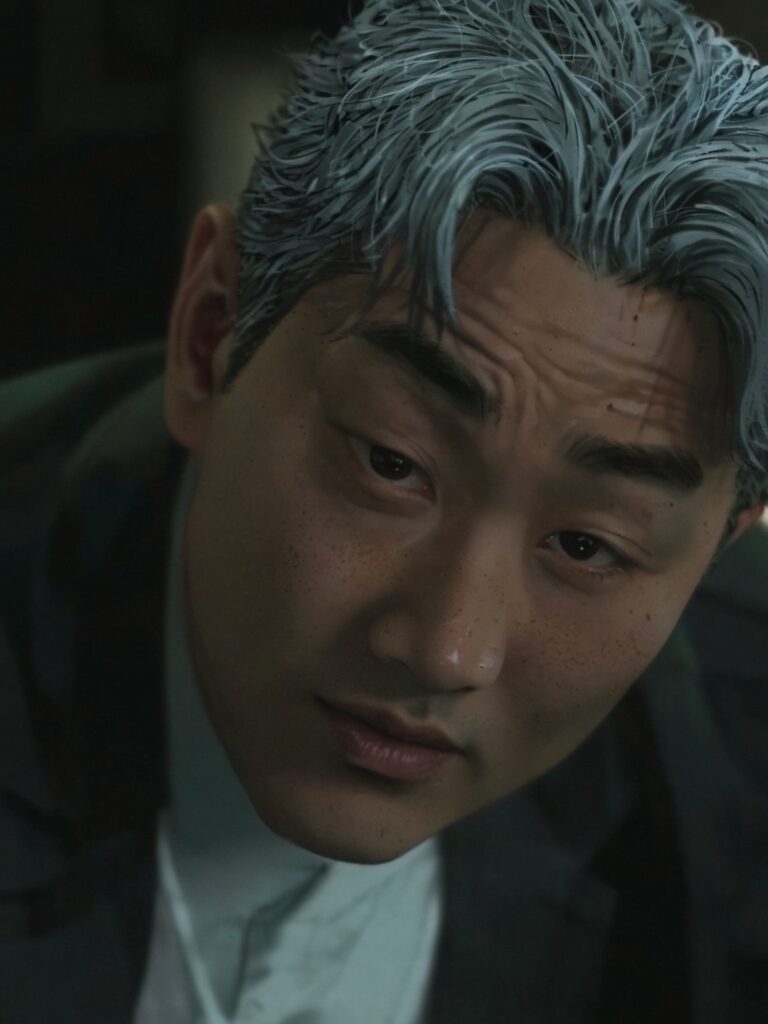
    For the first time, the enigmatic driver of the so-called Truck of Doom is given a name, and his introduction brings a new level of complexity to the narrative. JO YANG-CHUN, portrayed by Kim Ki-moo, is no stranger to our viewers. His affiliation with the ruthless mercenary crew hired by Jang-sun immediately sets the tone for the conflict. This group was initially assembled to assassinate Dong-joo and later to inflict pain when their primary mission failed.

    Yang-chun’s dramatic arrest and subsequent hospital visit for minor injuries underscore the unpredictable nature of the plot. At the same time, Dong-joo’s family and close acquaintances are busy making arrangements for Agnes’s funeral—a somber moment that starkly contrasts with the high-stakes drama unfolding behind the scenes.

    Every moment seems meticulously designed to keep the audience guessing. Is Yang-chun merely a pawn in Jang-sun’s grand scheme, or does he represent a deeper, more ominous threat? As the events unravel, we are left to ponder whether our protagonist’s elusiveness is a result of his unmatched skills or simply due to the imperfections in the villain’s elaborate plans.


    The Stoic Protagonist and the Dance of Revenge

    Dong-joo, whose calm demeanor belies the storm of emotions within, remains the epicenter of the unfolding drama. Even in the midst of tragedy, when provoked by Jang-sun’s calculated jabs, he maintains a poker face that hides the turmoil brewing underneath. However, his seemingly emotionless exterior is a mask that conceals his inner drive for retribution.

    Shortly after the funeral, Dong-joo surprises everyone. While Jang-sun awkwardly struggles to fulfill his duty of greeting the mourners—a task that borders on the comical—Dong-joo quietly slips away. Assisted by Won-bae, a character who makes a triumphant return, Dong-joo executes a daring act of vengeance. The kidnapping of Yang-chun is both brutal and methodical. He beats Yang-chun mercilessly, leaving him for dead—or so it seems—and dispatches him to an uncertain fate.

    This act of retribution is not just about violence; it is a carefully orchestrated move in a larger game. Dong-joo’s actions send ripples of discord among those aligned with Jang-sun. The disappearance of Yang-chun soon becomes a bone of contention between Jang-sun and the head of the mercenaries, who is visibly irked by the vanishing henchman. In this moment, the stakes are raised, and alliances begin to crumble.


    The Unveiling of Buried Memories

    In a surprising twist, Dong-joo reveals that fragments of his memory are gradually returning. This revelation comes at a time when emotions are raw and past secrets are ready to be unearthed. One particularly pivotal memory is his recollection of where Chairman Cha had hidden a note containing the passwords to his office safes—a note that was later stolen by Eun-nam’s aunt, CHA GUK-HEE, played by Hong Soo-hyun.

    The significance of this memory cannot be overstated. While the note has been misplaced, Dong-joo’s retention of the passwords hints at his latent ability to outmaneuver those around him. By simply replacing the stolen note with his own knowledge, he undermines the power dynamics that have long dictated the interactions among these powerful figures.

    Chairman Cha’s reaction is especially telling. His delight in the subtle barbs exchanged between Dong-joo and Il-do reflects not only his own twisted sense of humor but also his enjoyment of the game that seems to escalate with each passing moment. This interplay of veiled insults and strategic maneuvering offers a glimpse into the intricate chess match that is unfolding within the story.


    A High-Stakes Cash Confrontation

    The tension escalates when Chairman Cha, ever the schemer, manipulates the situation further. By inviting Dong-joo to settle a financial score with Jang-sun, Cha sets in motion a chain of events that are as unpredictable as they are explosive. Jang-sun’s persistent pursuit of the cash owed to him takes a dramatic turn when Dong-joo, cornered by circumstance, turns the tables.

    In a scene filled with rapid exchanges and high emotion, Dong-joo seizes a gun and uses it as a bargaining chip. First, he points it at Jang-sun and then, in a moment of dark humor, at himself. This act of defiance reduces Jang-sun to a state of panic, leaving him desperate and pleading. The tension is palpable, and it becomes evident that Dong-joo is not someone to be trifled with.

    Ultimately, Dong-joo relinquishes the weapon and walks away unscathed. In a twist that leaves even the most hardened characters reeling, Jang-sun reluctantly accepts that even a sum as astronomical as 2 trillion won cannot compensate for the battle he has lost. This encounter not only highlights Dong-joo’s unyielding resilience but also underscores the deep-seated enmity that has festered since their high school days—a grudge that dates back to an infamous rugby scuffle.


    Past Grudges and Present Schemes

    The origin of this bitter rivalry is as compelling as it is complex. Years ago, in the halls of their high school, Dong-joo found himself in the midst of a brawl that would leave lasting scars—both physically and emotionally. Although Hee-chul, a central figure in this tale, was partly to blame, the blame was conveniently shifted onto Dong-joo. The incident led to his unjust ban from the sport, a decision engineered by Jang-sun through questionable financial dealings and the manipulation of other students.

    This deep-rooted resentment has only grown over time. When Dong-joo later resurfaced at Daesan and uncovered an “accounting error” that was, in fact, a cover for illicit dealings involving a slush fund, Jang-sun’s animosity was reignited. In his eyes, Dong-joo is the perennial thorn—an obstacle to be eliminated at any cost. As the narrative unfolds, it becomes clear that Jang-sun’s motives extend beyond simple vengeance. His actions are driven by a desire to secure the funds necessary to consolidate power and silence the interference of an adversary who has long challenged his authority.


    An Ingenious, Yet Risky, Plot

    In a moment that epitomizes the cunning yet flawed nature of the antagonist’s strategies, Jang-sun devises a plan that hinges on Dong-joo’s well-known allergy. Dong-joo is notoriously allergic to cinnamon—a fact that becomes the linchpin of Jang-sun’s latest scheme. With meticulous care, Jang-sun replaces a key ingredient in his wife’s kitchen, ensuring that cinnamon finds its way into the snacks prepared for Chairman Cha’s family.

    This plan, while diabolically clever on paper, is fraught with uncertainty. Jang-sun’s logic is simple: if Dong-joo avoids the cinnamon, it suggests that he is pretending to have amnesia; if he consumes it, the consequences could be fatal. However, the entire strategy rests on a precarious balance of chance and circumstance. With Il-do’s involvement adding another layer of complication, the stakes are higher than ever.

    As events unfold, Dong-joo is forced to confront his vulnerability. He resorts to consuming the cinnamon-laced treats under the watchful eyes of Il-do, aware that any misstep could cost him dearly. The tension mounts as Eun-nam, the ever-watchful family member, detects the adulterated snacks and immediately raises the alarm. In a frantic rush to the hospital, Dong-joo’s condition worsens. The clock ticks, and every moment feels like an eternity as his life hangs in the balance.

    Despite the grim prognosis, fate intervenes. In a surprising turn of events, Dong-joo survives the ordeal. His unexpected recovery leaves both Jang-sun and Il-do reeling, as they had already begun orchestrating his funeral in a display of overconfidence and arrogance. The stark contrast between their expectations and reality serves as a powerful reminder that even the most meticulously planned schemes can unravel in the face of unpredictability.


    Unintended Consequences and a New Investigation

    Dong-joo’s survival sets off a chain reaction of revelations and personal reckonings. Not only does his recovery expose the vulnerabilities of those who sought to destroy him, but it also ignites the investigative spirit of Eun-nam. Just moments before the cinnamon incident, Dong-joo had made an offhand remark about how his misfortunes invariably coincide with Eun-nam’s presence. Although his observation might have seemed like mere venting, it soon becomes clear that there is a deeper, more sinister pattern at work.

    Eun-nam begins to piece together a disturbing puzzle. She discovers that nearly every catastrophic event in recent memory had a common denominator: the involvement of individuals connected to Jang-sun. Perhaps most startling is the revelation that Il-do and his boat appeared in the background of a video Dong-joo had made for Eun-nam just before he was ambushed. These seemingly minor details now hint at a broader conspiracy, one that implicates even the most trusted figures in a web of deceit.

    Amid her investigation, Eun-nam makes a bold decision. She formally approaches Hee-chul with a request for divorce. His plea, filled with desperate attempts to sway her decision by citing deep-seated affections and financial entanglements, falls on deaf ears. Even as Hee-chul makes his case—reminding her of the Daesan shares and the prospect of having a child together—Eun-nam remains resolute. Her determination is further solidified when Hee-chul admits a shocking truth: a part of him was attracted to her because of her connection to his old rival.

    The divorce is not just a personal decision for Eun-nam; it carries significant financial and social ramifications. Breaking the contractual ties with Jang-sun would incur a hefty penalty, one that could jeopardize her family’s standing. To leverage her position, she resorts to a daring act of blackmail. By sending Jang-sun incriminating photos—images capturing his henchman at the scene of Agnes’s accident and shots of Il-do on his boat—Eun-nam forces him into a precarious position. She correctly deduces that Jang-sun’s ambition to elevate Il-do as the new Daesan figurehead would be derailed by any association with potential murder accusations.

    Although Jang-sun consents to meet with her, he secretly has her followed. This act of surveillance reveals the depth of distrust that permeates every interaction among the key players in this high-stakes drama.


    The Double-Edged Sword of Alliances

    In parallel to the escalating tension between Dong-joo and Jang-sun, another subplot unfurls with its own set of dangers. Jang-sun, desperate to secure his position, sends Il-do on a lethal mission: to finish off Dong-joo using a method that seems straight out of a spy thriller. The plan involves an “ominous liquid” administered through a syringe into Dong-joo’s IV—a method that is both chilling and innovative in its execution.

    However, fate is rarely predictable. The head mercenary, who has his own vested interests, beats Il-do to the punch. Despite this preemption, Dong-joo’s resilience shines through. Just as the situation appears dire, he awakens in the nick of time. An intense confrontation ensues, and in a moment charged with silent communication, Dong-joo and Il-do lock eyes through a window. This brief but meaningful exchange speaks volumes about the underlying tension and the shifting dynamics between friend and foe.

    Il-do’s actions during this sequence are particularly noteworthy. His gradual infiltration into every facet of the family business demonstrates not only his cunning but also his ambition. Each new secret he uncovers—from Chairman Cha’s declining mental faculties to CHA Guk-hee’s covert cash withdrawals—adds another piece to the puzzle. Il-do leverages this knowledge as a form of currency, positioning himself as the gatekeeper of truth within the organization.

    In stark contrast, Jang-sun’s methods remain rooted in outdated tactics and half-baked strategies. He juggles a myriad of schemes, often resorting to manipulative mind games and desperate gambits. It becomes increasingly evident that while Jang-sun may have the financial clout and social influence to keep his adversaries at bay—for now—his plans are teetering on the brink of collapse. His reliance on convoluted plots, such as the cinnamon incident, highlights a certain desperation that undermines his credibility.


    The Personal Toll of Hidden Agendas

    Beyond the high-octane action and intricate power plays, these episodes delve deeply into the personal costs of a life steeped in betrayal and violence. Dong-joo, for instance, embodies the tragic hero—a man who conceals his vulnerabilities beneath a stoic facade. His journey is marked by moments of both fierce determination and profound sorrow. Only after Jang-sun’s departure does Dong-joo allow his eyes to betray his inner pain. In the quiet solitude of the home he once shared with Eun-nam, he finally grieves for his lost sister, revealing the tender humanity behind his hardened exterior.

    This raw display of emotion serves as a reminder that beneath the layers of manipulation and calculated cruelty, these characters are grappling with real loss and regret. The narrative does not shy away from exploring these vulnerabilities, even as it celebrates the characters’ resourcefulness and cunning. In a world where every alliance is tenuous and every betrayal is a stepping stone to greater power, moments of genuine sorrow are both rare and deeply affecting.

    The familial conflicts extend beyond mere personal vendettas. Eun-nam’s decision to pursue a divorce from Hee-chul is laden with symbolism. It reflects a broader societal commentary on the intersection of personal freedom and the oppressive weight of legacy. Her defiance in the face of overwhelming financial and social pressure challenges the status quo and forces us to reconsider what it means to break free from the chains of the past.


    A Critical Examination of the Plot Dynamics

    Analyzing these episodes reveals several layers of intrigue that warrant closer inspection. The narrative is an intricate web of power struggles, betrayals, and unexpected alliances. The interplay between long-standing grudges and newly formed pacts creates an environment where trust is a scarce commodity, and every decision has far-reaching consequences.

    One cannot help but notice the sharp contrasts between the characters’ public personas and their private ambitions. Dong-joo’s calm, seemingly indifferent exterior conceals a burning desire for retribution and justice. Meanwhile, Jang-sun’s overt displays of control mask a growing sense of desperation as his carefully constructed plans begin to unravel. The tension between these two forces is palpable, and each encounter is charged with the possibility of irreversible change.

    Moreover, the subplot involving Il-do adds another dimension to this already complex narrative. His methodical approach to seizing power from within the family business hints at a more calculated form of ambition. Unlike Jang-sun, who relies on brute force and erratic schemes, Il-do is quietly building a network of secrets that positions him as a formidable player. His gradual accumulation of leverage not only disrupts the existing order but also foreshadows a dramatic power shift in the near future.

    The strategic use of seemingly minor details—such as the location of a misplaced note or the specific ingredient that triggers a fatal allergic reaction—exemplifies the narrative’s attention to detail. These elements, though small on their own, coalesce into a rich tapestry of interwoven storylines. They highlight the unpredictability of fate and the delicate balance between chance and intention in the world of Buried Hearts.


    New Insights and Reflections

    Taking a step back to reflect on the broader implications of these episodes, it becomes evident that the story is as much about personal redemption as it is about cold, calculated revenge. The characters are not mere caricatures of good versus evil; they are multi-dimensional beings whose choices are driven by a mix of personal pain, ambition, and the relentless pursuit of justice. Every act of betrayal is juxtaposed with moments of vulnerability and introspection, suggesting that even in a world rife with treachery, there is still room for genuine human connection.

    For example, Dong-joo’s decision to forgo a direct confrontation with Jang-sun after the cash demand episode speaks volumes about his inner conflict. His willingness to risk everything, including his own life, rather than stooping to Jang-sun’s level, hints at an underlying moral code that refuses to be entirely corrupted by the cycle of violence. This internal struggle makes him a compelling protagonist whose journey resonates on both an emotional and intellectual level.

    On the other hand, Jang-sun’s increasingly erratic decisions, such as orchestrating the cinnamon poisoning, reveal a character teetering on the edge of desperation. His reliance on luck and intricate subterfuge underscores the fragility of power when it is built on a foundation of fear and manipulation. The audience is left to wonder whether his elaborate plans will eventually collapse under their own weight or if he will find a way to turn the tide once again.

    Il-do’s gradual ascent further complicates the power dynamics. His methodical approach to gathering leverage through the secrets of those around him suggests that he may ultimately represent a new paradigm—a shift from brute force and impulsive schemes to a more calculated, cerebral form of control. This evolution in strategy may prove to be the most dangerous of all, as it promises a slow-burning takeover that could reshape the entire power structure.


    The Battle Between Tradition and Transformation

    One of the most fascinating aspects of these episodes is the contrast between old rivalries and emerging dynamics. The longstanding animosity between Dong-joo and Jang-sun is steeped in a history that dates back to their formative years—a history that still exerts a powerful influence over their actions. This generational conflict is juxtaposed with newer alliances and the introduction of characters like Il-do, whose ambitions seem to herald a transformative shift in the family business.

    The tension between tradition and transformation is palpable. On one side, we have characters who are entrenched in their past, unable to break free from the shadows of old grudges. On the other, there are those who see the changing times as an opportunity to reinvent the rules of the game. The narrative cleverly uses these contrasting forces to explore themes of loyalty, betrayal, and the relentless march of time. In doing so, it poses thought-provoking questions: How much of our identity is defined by our past? And can we ever truly escape the consequences of long-forgotten transgressions?

    The answer, as these episodes suggest, lies somewhere in the delicate balance between memory and ambition. Dong-joo’s internal struggle—his desire to honor his past while forging a new future—mirrors the broader conflict between the old order and the new. His journey is a testament to the idea that the scars of history, while painful, do not have to dictate our destiny. Instead, they can serve as a catalyst for transformation, pushing us toward a future that is both unpredictable and full of possibility.


    Personal Reflections and Forward-Thinking Perspectives

    Taking a moment to step back from the intricate plot details, it is worthwhile to consider the broader narrative techniques at play. The storyline of Buried Hearts is not merely a sequence of dramatic events; it is a study in how personal ambition, deep-seated grudges, and the complexities of human relationships converge to create a narrative that is as engaging as it is thought-provoking.

    The interplay of subtle hints and overt confrontations is a hallmark of the series. Each episode is meticulously crafted to reward attentive viewers with revelations that recontextualize previous events. This layered storytelling invites us to question our initial assumptions about loyalty, power, and morality. The narrative’s willingness to explore these themes through multiple perspectives gives it a richness that transcends typical genre boundaries.

    From a broader perspective, these episodes challenge us to reflect on our own lives. They force us to confront the idea that every action, no matter how insignificant it may seem at the time, can set off a chain reaction with far-reaching consequences. The characters’ struggles with memory, identity, and the burden of past mistakes are all too relatable, reminding us that the journey toward redemption is rarely linear.

    The series’ use of symbolism—whether it is the cursed ingredient that triggers a deadly allergy or the symbolic act of replacing a stolen note with secret knowledge—serves as a reminder that in life, as in drama, the smallest details can have the most profound impact. It is a narrative technique that encourages viewers to look beyond the surface and appreciate the intricate web of cause and effect that defines our existence.

    Furthermore, the evolving relationship dynamics—especially between characters like Dong-joo and Il-do—offer fresh insights into the nature of trust and betrayal. While one may be driven by a thirst for vengeance, the other operates from a place of calculated ambition. This duality not only enriches the storyline but also provides a mirror for our own internal conflicts. We all grapple with moments when our personal ambitions clash with our ethical boundaries, and the series does a commendable job of capturing that tension.

    In a broader cultural context, the series speaks to the universal themes of honor, legacy, and the inescapable influence of the past. These are narratives that resonate across borders, transcending cultural and linguistic divides. The meticulous plotting, combined with powerful performances, ensures that every twist is not just a plot device but a meaningful exploration of the human condition.


    The Climactic Convergence of Schemes

    As the episodes progress, the myriad plot threads begin to converge toward a climax that promises to redefine the balance of power. The tension between Dong-joo and Jang-sun is now matched by the rising influence of Il-do, whose every move hints at a calculated strategy to dismantle the old order. The convergence of these forces is set against a backdrop of impending change—a reminder that in the world of Buried Hearts, no plan, however well-conceived, is immune to the caprices of fate.

    In this dynamic environment, every decision carries enormous weight. The characters are caught in a constant struggle to outmaneuver one another, and the cost of failure is measured in more than just money or power—it is a matter of life and death. This relentless tension ensures that the drama never loses its intensity, drawing viewers into a narrative where every moment is a high-stakes gamble.

    The ingenious yet perilous plans set in motion by Jang-sun, such as the cinnamon substitution scheme, are a case in point. While the plan appears innovative on the surface, its inherent risks underscore the unpredictable nature of the game. Dong-joo’s near-fatal encounter with his allergy is a stark reminder that even the most carefully orchestrated plots can spiral out of control when fate intervenes.

    Moreover, the fallout from these events has far-reaching consequences. The shifting loyalties and emerging conflicts are not isolated incidents; they reverberate through every corner of the narrative, setting the stage for even more dramatic confrontations in future episodes. As alliances crumble and new pacts are formed, the series deftly illustrates the fragility of power in a world where trust is a rare commodity.


    A Glimpse Into the Future

    Looking ahead, several questions naturally arise. Will Dong-joo’s gradual reclamation of his memories empower him to reclaim control over his destiny, or will the ghosts of his past continue to haunt him? Can Jang-sun’s desperate machinations withstand the mounting pressures of his failing alliances, or will his empire crumble under the weight of its own ambitions? And what role will Il-do play as the tides of power shift in unexpected directions?

    The future of the series is shrouded in uncertainty. Yet, one thing is clear: the stakes have never been higher. Each character’s journey is intertwined with the broader narrative of betrayal, redemption, and the ceaseless struggle for power. As the story hurtles toward an uncertain climax, viewers can expect a rich tapestry of emotion, suspense, and unexpected revelations that will redefine the landscape of the series.


    Personal Perspectives on the Narrative Journey

    Reflecting on these episodes, one cannot help but appreciate the bold storytelling and the willingness to subvert expectations. The narrative is a fascinating blend of calculated strategy and raw emotion. It invites us to examine not only the actions of its characters but also the underlying motivations that drive them.

    One aspect that stands out is the Buried Hearts series’ ability to evoke a wide range of emotions. The tension in each confrontation is palpable, and the stakes are personal. Characters are forced to confront their demons—be it the weight of a past mistake, the pain of lost love, or the burden of a legacy that refuses to fade away. In doing so, the story offers a mirror to our own struggles with identity, ambition, and the eternal quest for redemption.

    It is also intriguing to observe how the narrative shifts the focus from mere physical confrontations to psychological battles. Each decision, whether it is a bold act of defiance or a calculated move for power, reveals layers of complexity in character relationships. The series excels in making us question who truly holds the upper hand. Is it the one who wields brute strength, or the one who orchestrates events from behind the scenes?

    The interplay of these forces is a reminder that in life, as in drama, power is rarely one-dimensional. It is a multifaceted construct, built on trust, betrayal, resilience, and the ever-present possibility of change. The nuanced portrayal of these themes elevates the series from a conventional thriller to a rich, multi-layered narrative that resonates on a deeper level.
    Mother and Mom: What we learned so far…

    0

    In today’s fast-paced world, juggling work, family, and personal expectations is a constant challenge. This Korean drama review dives into Episode 1 of Mother and Mom—a series that promises humor, heart, and a healing touch for its audience. At first glance, the premise seems like a breath of fresh air: three generations of women battling the daily pressures of modern life. However, as the story unfolds, the dramatic chaos and the characters’ struggles to balance their personal and professional lives leave us with mixed feelings. In this detailed breakdown, we’ll explore every twist and turn, examine the characters’ relationships, and offer insights into the underlying themes of stress, overwork, and the burden of high expectations in contemporary Seoul.

    TL;DR

    • Overworked parents juggle high expectations and career pressures in modern Seoul.
    • A chaotic mix of missed calls, taxi rides, and miscommunications drives the plot.
    • Generational conflicts and unresolved past wounds add depth to family dynamics.
    • The drama exposes the hidden costs of academic pressure on both kids and adults.
    • Absurd yet relatable moments highlight the struggle for work-life balance.

    Setting the Stage: A Glimpse into the Drama

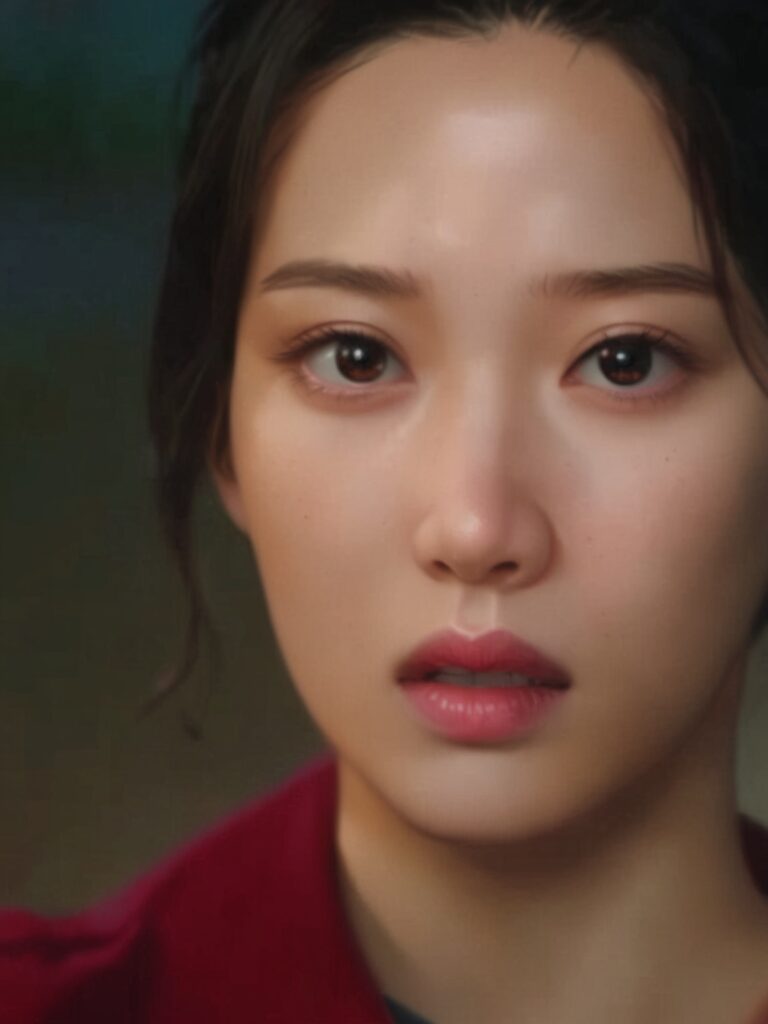
    Mother and Mom begins with an unexpected scene—a child crying on a busy street. This opening immediately sets the tone for a drama that intends to explore the complexities of parenting in a bustling metropolis. The young girl at the center of this unfolding drama is seven-year-old Hong Seo-yoon, played by Kim Sa-rang. Although her tearful moment hints at a narrative rich with emotion, the initial promise of humor and healing seems to get lost in the overwhelming portrayal of family stress and societal pressure.

    A Snapshot of the Plot

    Right from the start, we learn that Seo-yoon is caught in the crossfire of family dynamics. Her mother, Lee Jung-eun (portrayed by Jeon Hye-jin), is the epitome of a modern, overworked professional. With a high-stress job in marketing, Jung-eun’s life is a whirlwind of work deadlines and constant worry over her daughter’s future. It isn’t just about getting Seo-yoon to school on time; it’s about securing a prestigious educational path that could one day lead her to medical school. Meanwhile, Seo-yoon’s father, Hong Jae-man (Jeon Suk-ho), appears to be a kind and well-meaning character, yet his inability to fully grasp the mounting pressures on his wife adds another layer of complexity to the family’s predicament.

    Simultaneously, the drama introduces us to an intricate network of caregiving. With both parents occupied by demanding jobs and two grandmothers involved in the daily routine, Seo-yoon is entrusted to a nanny whose responsibilities extend beyond mere child-minding. The nanny’s role becomes crucial in ensuring that Seo-yoon makes it to her prestigious hagwon—a competitive private academy where the pressure to excel is almost tangible.


    The Rollercoaster Ride of the drama

    A Chaotic Start

    The episode opens on a somber note with Seo-yoon’s distress echoing on the streets of Seoul. Before this emotional outburst, we are treated to a flashback of events that led to the little girl’s crisis. Two days earlier, we see the series’ primary caregiver, Lee Jung-eun, overwhelmed by her responsibilities. Despite her high-pressure job, she is also single-handedly managing Seo-yoon’s education and future prospects. It is immediately clear that the burden of expectations—both professional and personal—is weighing heavily on her.

    Transitioning smoothly from work to parenting, Jung-eun’s daily routine is punctuated by frantic calls, last-minute cancellations, and the ever-looming threat of falling behind in her daughter’s educational journey. For instance, there is a moment when the nanny calls at the exact time Seo-yoon is due to head to her hagwon, only to cancel unexpectedly. This forces Jung-eun into a series of rushed decisions that reveal just how precarious the balance between work and family can be.

    The High-Stakes World of Hagwons

    Seo-yoon’s education is at the heart of the family’s anxiety. The prestigious hagwon that she attends is not just any educational institution; it is a highly competitive arena where the children are split into Class A and Class B. In a rather extreme measure, the administration hides the textbooks for the top class from parents of the lower-ranked group. This not-so-subtle nod to the fierce academic competition highlights the extreme measures some families take to secure their children’s future. It also underscores the societal pressure that pushes both parents and children into a relentless race for success.

    Parental Stress and the Ripple Effects

    In a twist that might seem absurd at first, Jung-eun finds herself having to literally carry her daughter up a hill after the nanny’s abrupt cancellation. Imagine a stressed-out mom, already juggling deadlines and board meetings, sprinting across the city to make it to the hagwon on time. It’s a scene that effectively captures the overwhelming pressure modern parents face.

    The following day brings no relief. Instead, it deepens the chaos when the nanny once again fails to show up without any explanation. Now, Jung-eun is forced to confront the logistical nightmare of balancing her daughter’s educational needs with her professional commitments. As traffic snarls their path, she decides to drop Seo-yoon off with her own mother, Yoon Ji-ah (portrayed by Jo Min-soo), who works as an art therapy practitioner for small children.

    The Unconventional Role of Grandma

    Ji-ah, the grandmother, is introduced in a setting that is as unexpected as it is disconcerting. Working in an art therapy classroom within a hospital, Ji-ah’s role is far from the traditional grandmotherly figure one might expect. Although her career involves nurturing creativity and healing, she is less than enthusiastic about taking on the role of Seo-yoon’s primary caregiver. Yet, in a desperate bid to manage the mounting crisis, Jung-eun insists that her own mother help shuttle Seo-yoon between various schools.

    Here, the drama takes a turn into the realm of the absurd. After leaving Seo-yoon in her classroom—despite the fact that the little girl is clearly not in the right setting for independent waiting—Ji-ah steps outside. In a perplexing sequence, she encounters one of her art therapy patients with his frantic mother. The patient, a young boy dealing with his own stress-induced panic attack, becomes a symbol of the unrelenting pressures that affect even the youngest members of society. In the midst of this chaos, Ji-ah instructs Seo-yoon to wait alone on the street.

    Admittedly, this decision raises eyebrows. How can a seven-year-old be left unattended, even momentarily, in such a tumultuous environment? The subsequent chain of events only compounds the confusion when a taxi driver, inexplicably willing to accept directions from a child, picks up Seo-yoon and heads off to the hagwon. The scenario teeters on the brink of believability, highlighting the sometimes ludicrous twists that modern dramas are willing to embrace in order to drive the narrative forward.


    Unpacking the Characters and Their Inner Worlds

    Lee Jung-eun: The Overwhelmed Mother

    Jung-eun is at the epicenter of the drama’s emotional vortex. On the one hand, she is a dedicated professional with a demanding career in marketing. On the other, she is a mother tormented by the fear of failing her daughter. Every decision she makes is a balancing act between her professional obligations and her maternal instincts. Her actions, while at times seemingly extreme, are fueled by a deep-seated fear that her daughter’s future is on the line. This duality of being both a breadwinner and an overprotective mom paints a picture of modern-day parenting that is both relatable and heart-wrenching.

    However, there is an underlying question: Is Jung-eun’s single-minded focus on Seo-yoon’s academic success ultimately beneficial, or is it a source of immense pressure that robs her daughter of a carefree childhood? The drama cleverly leaves this question open, inviting viewers to contemplate the long-term effects of overzealous parenting.

    Hong Jae-man: The Well-Meaning but Distant Father

    In contrast to Jung-eun’s high-octane energy, Hong Jae-man’s character is characterized by a laid-back demeanor. His kindness is apparent, but his lack of understanding of the pressures Jung-eun faces serves as a subtle critique of traditional gender roles. It is as if the drama is nudging the audience to rethink the distribution of responsibilities in modern households. Jae-man’s character could benefit from a more active role in managing the family’s hectic schedule, and his passive approach leaves viewers wondering whether he will eventually rise to the occasion.

    Yoon Ji-ah: The Unconventional Grandmother

    Grandmother Ji-ah is a character of contrasts. Her professional life as an art therapy practitioner suggests a nurturing and empathetic nature. Yet, her actions in Episode 1—leaving Seo-yoon alone on the street and seemingly misplaced priorities—paint her as a figure who is both caring and, at times, perplexingly irresponsible. Ji-ah’s decision to leave Seo-yoon unattended, even for a short while, sparks a cascade of events that underline the inherent chaos of multi-generational caregiving. The drama raises intriguing questions about the evolving role of grandparents in modern society: Can they truly shoulder the responsibilities of parenting in an era dominated by career pressures and unconventional family structures?

    The Nanny: Catalyst of Chaos

    Often, the supporting characters in a drama can provide the spark needed to ignite pivotal plot developments. In Mother and Mom, the nanny is that spark. Her repeated cancellations and subsequent disappearance from the family’s group chat serve as a catalyst for the unfolding chaos. While her actions might seem baffling, they reflect a deeper narrative about the breakdown of trust and the failure of support systems that many modern families experience. The nanny’s role, though minor, is instrumental in exposing the fragility of a household stretched thin by competing priorities.


    A Closer Look at the Pivotal Scenes

    The Pre-School Crisis and the Race Against Time

    One of the most memorable sequences in Episode 1 is when Jung-eun, in a desperate bid to salvage the situation, decides to physically carry her daughter up a steep hill. This scene is emblematic of the frantic pace at which modern parents operate. The urgency of the moment is palpable, and it forces us to confront the harsh realities of a society where every minute counts. The visuals are striking—an overworked mom, a determined little girl, and the ever-present cityscape of Seoul in the background—all merging to form a tableau of modern parental sacrifice.

    The Taxi Incident: A Glimpse into the Absurd

    No discussion of Episode 1 would be complete without mentioning the bizarre taxi scene. After being left in a state of limbo by her grandmother, Seo-yoon is inexplicably picked up by a taxi driver. The idea that a taxi driver would unquestioningly follow a child’s directions borders on the surreal. This moment, while undeniably odd, serves as a metaphor for the unpredictability of modern life. In a world where conventional norms are constantly upended, even the most improbable scenarios can unfold. This scene compels viewers to question the boundaries between logic and chaos in a society that is continually on the brink of transformation.

    The Police Station Showdown: Emotions on Full Display

    The tension reaches a boiling point at the police station, where Jung-eun’s anxiety culminates in a dramatic confrontation with Seo-yoon. In a heart-wrenching moment, Jung-eun scolds her daughter for not adhering to the strict routine, only to be met with tears and a plea of innocence. Seo-yoon insists that she was merely trying to follow her mother’s wishes by ensuring she arrived at the hagwon on time. This emotional outburst encapsulates the core of the drama—every action is driven by a desperate need to succeed, even if it comes at the cost of emotional well-being.

    The Unexpected Alliance: When Grandma and Mom Join Forces

    The episode takes an intriguing turn when Ji-ah and Jung-eun find themselves united against a common adversary—the ex-nanny. In a scene that is as shocking as it is darkly humorous, Ji-ah slaps the nanny and demands an apology. This moment of solidarity, albeit born out of shared frustration, hints at the possibility of reconciliation between the generations. It leaves the audience wondering if, beneath the layers of dysfunction and miscommunication, there lies a potential for healing and understanding. The alliance between the overburdened mom and the seemingly irresponsible grandmother might just be the key to unraveling the intricate family dynamics at the heart of the series.


    Themes Explored in Episode 1

    The Burden of High Expectations

    One of the most prominent themes in Mother and Mom is the overwhelming burden of expectations. The drama brilliantly portrays how both parents and children are ensnared in a relentless cycle of pressure. Jung-eun’s fixation on securing a bright future for Seo-yoon—marked by high academic achievements and a prestigious career path—illustrates the modern-day dilemma of sacrificing personal well-being for professional success. The hagwon, with its cutthroat competition and secretive practices, stands as a symbol of a society that values achievement above all else.

    Work-Life Imbalance in a Rapidly Evolving Society

    The series also provides a scathing commentary on the work-life imbalance that plagues many urban families. As Jung-eun scrambles to balance her demanding job with her responsibilities at home, the narrative lays bare the harsh realities of a life where career success often comes at the expense of personal fulfillment. The constant rush, the missed meals, and the inability to pause and enjoy life serve as poignant reminders of the sacrifices made by those caught in the corporate grind. Through its portrayal of stressed-out parents and overburdened children, the drama invites viewers to question whether the current societal model is sustainable in the long run.

    Multi-Generational Conflict and the Search for Reconciliation

    At its core, Mother and Mom is a story about the ties that bind—and sometimes break—a family. The turbulent relationship between Jung-eun and her mother, Ji-ah, is laden with unresolved pain and past conflicts. Jung-eun’s hesitance to rely on her own mother for support reflects deeper emotional scars that hint at a history of neglect or misunderstanding. Yet, the episode also hints at the possibility of reconciliation. As both women confront the chaos surrounding them, the seeds of empathy and mutual understanding are sown. This potential for healing is one of the few glimmers of hope in an otherwise turbulent narrative.


    Additional Insights and Reflections on Modern Parenting

    The Toll on Children: Beyond the Surface

    While the drama primarily focuses on the lives of overworked adults, a closer look reveals the subtle yet profound impact on the children. Seo-yoon’s ordeal is not just about a missed hagwon pickup or a chaotic taxi ride; it’s a reflection of the psychological toll that relentless pressure can inflict on a young mind. The brief yet powerful portrayal of a young boy experiencing a panic attack underscores a harsh reality: in the quest for academic and professional success, the emotional well-being of children often takes a back seat. This subtle narrative thread challenges viewers to re-evaluate the cost of ambition and the true meaning of success.

    The Unseen Heroes: The Role of Secondary Characters

    In every family drama, secondary characters often play pivotal roles that can either exacerbate or alleviate the central conflict. In Episode 1, the ex-nanny emerges as an unlikely but significant character. Her erratic behavior and subsequent departure from the family group chat are not merely plot devices; they symbolize the collapse of support systems that many modern families rely on. Her actions force the primary characters to confront their vulnerabilities and question whether their current lifestyle is sustainable. This subplot, though seemingly minor, adds a layer of complexity to the narrative and prompts us to consider the broader societal implications of neglecting personal connections and support networks.

    The Duality of Responsibility: A Question for Today’s Society

    Another critical insight offered by the episode is the exploration of responsibility—not just in terms of parenting, but as a societal expectation. Jung-eun’s struggle to balance her career with her maternal duties is mirrored by the expectations placed on every individual in a fast-paced urban environment. The narrative forces us to ask: Who bears the ultimate responsibility for nurturing the next generation? Is it solely the job of the parents, or does society as a whole need to rethink the structures that lead to such overwhelming stress? By spotlighting these questions, the drama encourages a broader discussion about the need for systemic change in the way we approach work, education, and family life.


    My Perspective: Where the Drama Strikes and Misses

    I must admit, Episode 1 of Mother and Mom left me with a mixed bag of impressions. On one hand, I appreciate the show’s ambition in tackling real issues like overwork, the high stakes of modern education, and the often-overlooked psychological impact on children. The frantic pace and the series of absurd, almost surreal events—like a taxi driver following a child’s directions—kept me both entertained and incredulous.

    However, the characters themselves felt somewhat underdeveloped. Jung-eun, for example, is a whirlwind of stress and determination, yet her emotional depth is sometimes lost amidst the chaos. Her struggles, while relatable, seem more like a series of exaggerated events rather than a nuanced exploration of modern motherhood. Meanwhile, the ex-nanny’s sudden departure and the subsequent finger-pointing feel like convenient plot devices rather than organic developments.

    I also find it curious that the side character—a young boy suffering from a panic attack—manages to evoke more empathy than the main characters. His plight stands as a stark reminder of the collateral damage that can occur when society prioritizes success over well-being. In a way, his brief appearance is a commentary on how easily we overlook the most vulnerable members of our communities in the relentless pursuit of achievement.

    Moreover, the supposed reconciliation between Jung-eun and Ji-ah hints at potential depth. There is a lingering promise of emotional healing that could redeem the somewhat haphazard narrative. If the series can deepen its exploration of the generational wounds and bridge the gap between responsibility and empathy, it might just transform from a chaotic family saga into a profound reflection on the modern human condition.


    Lessons for the Modern Viewer

    Embracing Imperfection in a Perfectly Flawed World

    One of the subtle yet powerful lessons of Episode 1 is that perfection is often an illusion. In a society where every minute is accounted for and every decision is laden with consequences, it’s okay to embrace imperfection. Jung-eun’s frantic attempts to maintain control reflect a broader societal obsession with success and flawless execution. However, life rarely unfolds in neat, predictable sequences. Recognizing this can be liberating—and perhaps even therapeutic.

    The Importance of Communication and Support

    The episode also underlines the critical role of communication in mitigating stress. A missed call from a nanny, a misdirected taxi ride, and the subsequent confusion are all symptoms of a deeper disconnect. Whether it’s between parents and caregivers or between family members themselves, clear communication is vital. In today’s digital age, where messages can be lost in translation and support systems are often fragmented, the need for honest dialogue is more pressing than ever.

    The Struggle for Balance in a High-Pressure Society

    Ultimately, Mother and Mom is a mirror reflecting our collective struggle to balance the demands of work, family, and personal well-being. It forces us to consider whether the relentless pursuit of success is truly sustainable or if it comes at too high a price. The drama’s depiction of overworked parents, stressed-out children, and fraught family dynamics invites viewers to reflect on their own lives. Are we, too, caught in a cycle of exhaustion? And if so, what changes can we make to reclaim a sense of balance and joy?


    Additional Reflections and New Insights

    A Call for Reimagining the Family Unit

    Modern families are evolving, and traditional roles are being constantly redefined. In Mother and Mom, the intergenerational conflict serves as a microcosm of larger societal shifts. Jung-eun’s reluctance to rely on her mother, despite the evident need for support, mirrors a broader trend where younger generations grapple with the legacies of past traumas while trying to forge their own identities. This drama hints at a future where the family unit may need to be reimagined—one that accommodates both the demands of modern careers and the need for emotional support and understanding.

    The Hidden Costs of Academic Pressure

    The relentless competition in educational institutions like the prestigious hagwon featured in the series is not just a narrative device—it’s a reflection of real-world challenges. The hidden textbooks, the division between Class A and Class B students, and the palpable anxiety among parents all point to the immense pressure placed on children to succeed. This pressure, in many ways, is symptomatic of a society that equates academic achievement with personal worth. The drama invites us to question whether the current educational model is sustainable or if it is, in fact, contributing to a generation of stressed and overburdened young minds.

    Technology, Connectivity, and the Erosion of Traditional Support Systems

    In today’s hyper-connected world, one might expect that technology would make life easier. However, in Mother and Mom, technology is portrayed as a double-edged sword. The reliance on group chats for scheduling and communication, and the abrupt disappearance of the nanny from this digital network, highlight how technology can sometimes exacerbate isolation rather than alleviate it. This aspect of the drama raises an important point: while digital tools are designed to connect us, they can also contribute to misunderstandings and a sense of disconnection when over-relied upon.


    My Point of View: Where the Drama Truly Resonates

    Reflecting on this… I find that the drama strikes a chord in several unexpected ways. The chaotic, almost frantic pace mirrors the lives of many who struggle to balance professional ambitions with personal responsibilities. There is a raw honesty in the portrayal of a parent who is desperate to secure a bright future for her child, even if that means sacrificing her own well-being. The series doesn’t shy away from exposing the cracks in a system that demands too much from too few.

    Yet, I also see potential. The interplay between Jung-eun and Ji-ah hints at an opportunity for growth and reconciliation. Their conflict, born out of generational differences and unresolved past hurts, could evolve into a compelling narrative about healing and mutual support. If the drama deepens these character arcs and explores the nuances of their shared history, it might just transform from a mere depiction of chaos into a thoughtful meditation on the nature of love, sacrifice, and the quest for balance in a demanding world.

    I believe that Mother and Mom has the foundation to spark a broader conversation about work-life balance, the hidden costs of relentless academic pressure, and the need for a more compassionate approach to modern parenting. The chaos that unfolds in Episode 1 is not just a series of unfortunate events; it’s a reflection of our society’s relentless pace and the high stakes that come with trying to juggle multiple roles. And while the narrative may seem exaggerated at times, it serves as a mirror, reflecting the often absurd realities of our everyday lives.


    Final Thoughts: Is It Worth the Hype?

    After watching the opening K-drama episode, I find myself torn. On one hand, there’s a genuine appreciation for the drama’s ambition. The series dares to tackle issues that many of us face in our daily lives: the pressures of career success, the relentless demands of academic achievement, and the complex interplay of generational relationships. The setting of modern Seoul—with its vibrant energy and unyielding pace—adds a unique flavor to the narrative that is both captivating and, at times, overwhelmingly chaotic.

    On the other hand, the characters at times feel more like caricatures than fully realized individuals. Jung-eun’s portrayal, although compelling in her struggle, lacks the depth that might have made her journey more relatable and emotionally resonant. Similarly, the abrupt shifts in the plot—such as the inexplicable taxi scene and the unpredictable behavior of secondary characters—can leave viewers questioning the logical consistency of the storyline.

    However, these imperfections might be exactly what makes the drama so intriguing. The series isn’t afraid to take risks. It dares to blur the lines between the surreal and the painfully real. And while the narrative sometimes stumbles over its own ambitious themes, it undeniably holds a mirror to the absurdity of modern life.

    As a viewer, I find myself both exasperated and fascinated by the relentless pace at which the characters’ lives unravel. There’s an odd comfort in witnessing a family struggle under pressures that many of us know all too well. The series challenges us to confront our own definitions of success and the sacrifices we’re willing to make in its name.

    Ultimately, Mother and Mom is a work in progress—a chaotic, messy exploration of family dynamics that is still finding its footing. It invites us to reflect on what really matters: genuine connection, emotional resilience, and the courage to embrace imperfection in a world that demands perfection.

    How Europe’s Economic Stagnation Might Be Ending—Thanks to Putin and Trump

    0

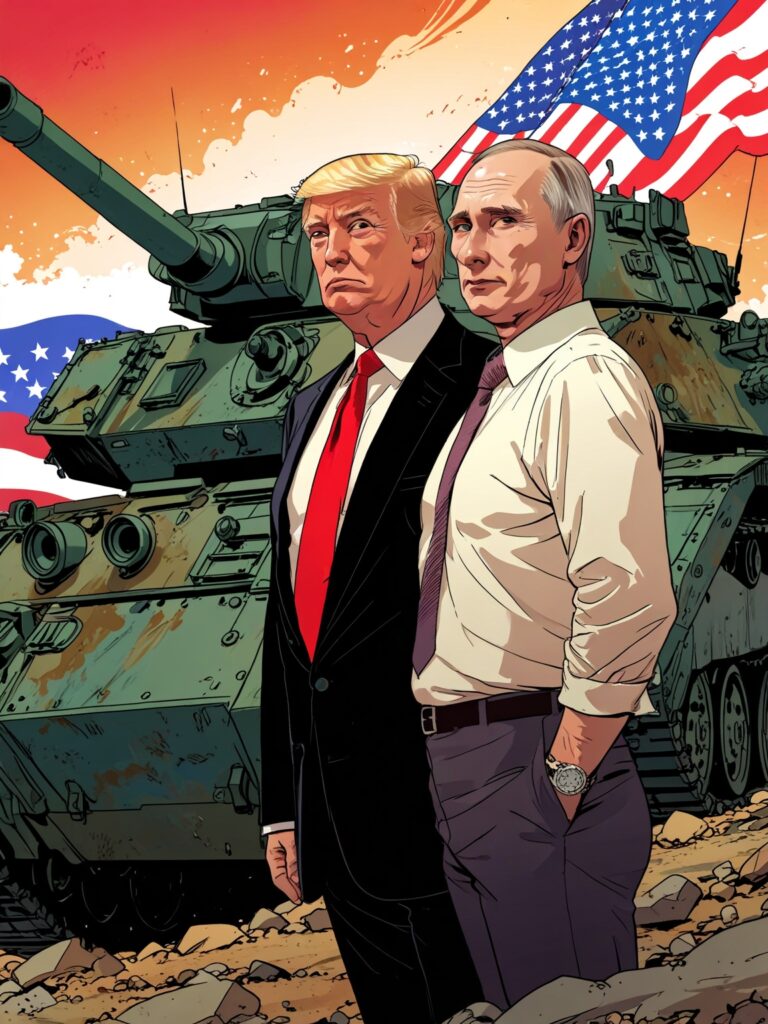
    For years, Europe’s economies have been stuck in a rut, weighed down by sluggish growth, bloated welfare systems, and an aversion to bold reform. But just when it seemed no one could shake things up, two unlikely figures—Vladimir Putin and Donald Trump—have managed to do what European leaders could not. By accident, the Russian president and the former U.S. leader are setting the stage for the most significant economic shake-up in Europe since the Cold War.

    TL;DR

    • Increased defense spending is leading to welfare reform in Europe.
    • This could boost economic growth and productivity in the long run.
    • However, there are challenges and potential political resistance.
    • It’s important to ensure that these reforms are implemented effectively.
    • The future of Europe depends on its ability to adapt to this new reality.

    Europe’s Rearmament: The Unexpected Economic Spark

    The cause of this unexpected shift? A long-overdue military buildup across the Continent. Putin’s 2022 invasion of Ukraine made it clear that Europe could no longer rely on post-Cold War peace, while Trump’s persistent threats to withdraw U.S. security guarantees forced European leaders to reconsider their defense strategies. The result: a flood of defense spending not seen in decades.

    To put things into perspective, the European Union is set to inject up to €800 billion into military expansion. The UK, despite its own budget constraints, is throwing in tens of billions of pounds. Germany, the EU’s economic powerhouse, has placed no upper limit on its defense investments. This sudden shift is poised to redefine economic priorities, but not in the way many economists expect.

    More Than Just a Keynesian Boost

    At first glance, the economic impact of this military spending might seem straightforward: more government expenditure leads to a higher GDP. After all, public spending is a key component of GDP calculations. However, the real transformation will not come from the sheer amount of money spent but from the trade-offs governments will be forced to make.

    European nations, already burdened by debt, cannot simply print money indefinitely. Instead, they’ll have to make difficult choices—cutting back on welfare spending to redirect funds toward defense. This shift could unleash a wave of supply-side benefits, boosting overall economic growth and productivity in the long run.

    Britain: Leading the Way in Welfare Reform

    One of the first signs of this shift is emerging in the UK. With its budget stretched thin, Prime Minister Keir Starmer’s Labour government is tackling one of the country’s most expensive and controversial spending areas: welfare benefits for the long-term ill and disabled.

    Since 2020, an additional 1.2 million people in England and Wales have enrolled in these programs, adding to the 2.8 million already receiving benefits before the pandemic. Today, 10% of the UK’s working-age population is on disability-related benefits, costing the government a staggering £65 billion per year. Compare that to Britain’s defense spending, which stood at £54 billion in the last fiscal year, and the imbalance becomes clear.

    No one fully understands why Britain’s disability-benefits program has expanded so rapidly, outpacing similar systems in other developed nations. However, there is growing political consensus that the current setup discourages people from returning to the workforce, making it both economically damaging and financially unsustainable.

    The Labour government is now exploring reforms aimed at pushing people back into employment through stricter eligibility criteria, occupational therapy, and incentives to re-enter the job market. A House of Lords report suggests that if 400,000 people were to return to work, the government could save £10 billion per year—a financial windfall that could significantly ease budgetary pressures.

    Without the urgency of military spending, Starmer’s government might have ignored this issue. But with defense now a top priority, reforming the welfare system has become an economic necessity rather than a political choice.

    Germany: A New Economic Awakening?

    The UK isn’t the only nation facing these tough decisions. In Germany, incoming Chancellor Friedrich Merz is under intense pressure to balance the budget while ramping up defense spending. While Germany might find ways to exempt defense costs from its strict balanced-budget rules, there is still political demand to rein in other expenditures.

    That’s why Merz’s Christian Democrats and their coalition partners in the center-left Social Democrats are gearing up for welfare reform. Their agreement includes a plan to encourage benefit recipients to re-enter the workforce while reducing payments for those who refuse to seek employment. If successful, these policies could revive Germany’s economy much like the labor reforms of former Chancellor Gerhard Schröder, which helped Germany shed its “sick man of Europe” reputation two decades ago.

    Reversing the Guns-to-Butter Trend

    After the Cold War, Europe shifted its priorities from military investment to expanding welfare programs. The logic seemed sound at the time: fewer guns meant more butter, allowing for generous social spending. However, the reality turned out to be more complex. Expanding welfare programs did not necessarily translate into prosperity—on the contrary, it often stifled economic growth by reducing incentives to work and innovate.

    Now, the tables are turning. As Europe redirects its focus back to defense, it may finally confront the economic stagnation that has plagued it for years. Cutting welfare excesses and pushing people back into the workforce could trigger a much-needed economic revival.

    What This Means for Europe’s Future

    Europe’s new economic path is still unfolding, but one thing is clear: the era of unchecked welfare expansion is coming to an end. Defense spending has become the catalyst for much-needed fiscal discipline and structural reform. If leaders stay the course, the Continent could emerge stronger, more self-reliant, and economically revitalized.

    However, challenges remain. Political resistance to welfare cuts will be fierce, and implementing these reforms effectively will require strong leadership. Moreover, while defense spending may provide short-term stimulus, Europe must ensure that these investments also enhance long-term productivity, not just boost GDP figures artificially.

    My Take: A Necessary (and Inevitable) Shift

    From a broader perspective, this shift was inevitable. Europe’s welfare-first approach was always unsustainable in the long run. Governments can’t keep expanding benefits indefinitely without consequences. The rearmament drive is simply exposing the economic cracks that were already there.

    Critics argue that prioritizing military spending over welfare is a step backward, but in reality, it’s a correction. A strong economy isn’t built on endless handouts—it’s built on productivity, innovation, and self-sufficiency. Encouraging people to work, reducing dependency on government assistance, and investing in strategic sectors are the real keys to long-term prosperity.

    Inadvertently, Putin and Trump have forced Europe into a long-overdue reckoning. Whether by design or accident, they have set the wheels of reform in motion. Now, it’s up to Europe’s leaders to seize this moment and ensure that the Continent’s future is one of economic strength, rather than stagnation.

    Putin Rejects Ceasefire in Ukraine

    0

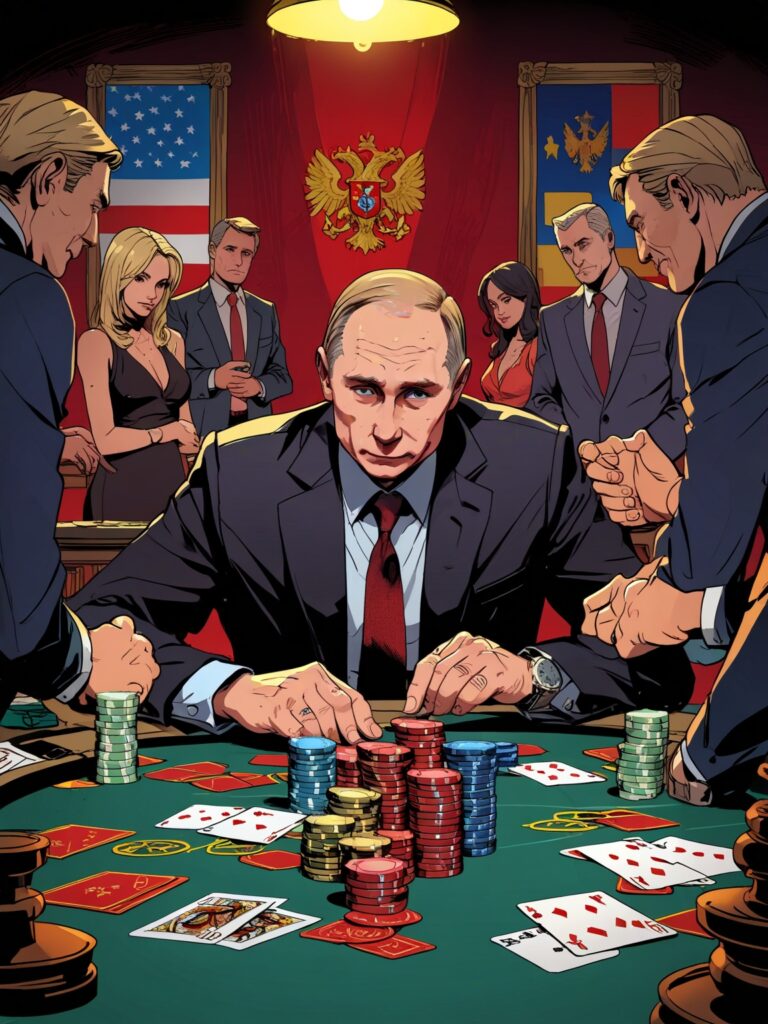
    The peace talks are clearly getting the cold shoulder. Some might say he’s rejecting the very notion of compromise, choosing instead to reject the pleas of countless diplomats, and reject any chance of a quiet battlefield. He’s even rejecting the idea of a simple pause, like a stubborn child refusing their vegetables. It seems the only thing Putin isn’t rejecting is the continuation of a conflict that’s become a grim fixture in our news feeds. So, forget the olive branch; it looks like Russia’s firmly planted in the ‘no thanks, I’m good’ camp. Or rather, the ‘no thanks, I’m winning’ camp, as he sees it. And for Ukraine? Well, they’re left rejecting the very idea that this war will ever end.”

    TL;DR

    • Putin’s Position: Putin rejects the ceasefire proposal, demanding deeper discussions and addressing the “root causes” of the conflict. He views it as a potential opportunity for Ukraine to regroup.
    • Ukrainian Concerns: Ukraine fears that a ceasefire without strong security guarantees could allow Russia to consolidate its gains and resume the offensive.
    • Western Perspective: Many in the West see the ceasefire proposal as a potential diplomatic breakthrough, while others express concerns about its potential pitfalls.
    • The Bigger Picture: The conflict highlights the complexities of international diplomacy and the challenges of achieving lasting peace in the face of entrenched positions.

    Russian President Vladimir Putin made it clear on Thursday that an immediate ceasefire in Ukraine isn’t on his agenda. While the idea of halting hostilities may sound appealing, he insisted that deeper discussions were needed to ensure a lasting peace. His reasoning? Russia is currently gaining ground on the battlefield, and stopping now would only benefit Ukraine.

    The Ceasefire Debate: Putin’s Perspective

    The concept of a ceasefire is simple—stop shooting, start talking. But for Putin, it’s not that straightforward. He acknowledged that while the proposal for a 30-day ceasefire had merit, it was riddled with unresolved issues. According to him, addressing the “root causes” of the war is essential before any meaningful pause can happen.

    “The idea itself is good, and we of course support it, but there are questions we have to discuss,” Putin stated. His words suggest that Moscow isn’t entirely opposed to the ceasefire but wants the terms set on its own conditions. If that sounds like a stall tactic, it probably is.

    This was Putin’s first official response since Ukraine, with U.S. backing, agreed to the ceasefire proposal earlier in the week. At the same time, former U.S. President Donald Trump’s special envoy, Steve Witkoff, was set to arrive in Moscow to discuss the matter further.

    The Trump Factor: An Attempt at Diplomacy

    Trump, never one to shy away from the global stage, announced his intention to speak with Putin soon. He emphasized that he wanted a swift resolution to the conflict, which has now entered its fourth year.

    Putin, on the other hand, had a mixed response. He thanked Trump for his involvement but immediately raised logistical concerns: How would the ceasefire be enforced? Would it merely give Ukraine time to regroup? Who would ensure compliance? These questions, while valid, also serve to prolong the process—a classic Putin move.

    Zelensky Fires Back: No Surprise Here

    Ukrainian President Volodymyr Zelensky wasted no time in responding. Calling Putin’s comments “predictable” and “manipulative,” he accused the Russian leader of deliberately delaying peace efforts by creating impossible conditions.

    “Of course, Putin is afraid to tell President Trump directly that he wants to continue this war and keep killing Ukrainians,” Zelensky stated in his nightly address. “Putin does this often—he doesn’t say ‘no’ outright, but he drags things out and makes reasonable solutions impossible.”

    Zelensky’s frustration is understandable. Russia has repeatedly dismissed temporary ceasefire proposals in the past, always insisting that a long-term agreement would take time to negotiate. But time is exactly what Ukraine doesn’t have.

    The Bigger Picture: Russia’s Endgame

    Putin’s reluctance to halt fighting isn’t just about battlefield momentum—it’s about long-term strategy. Many of the “root causes” he keeps referring to stem from a 2022 draft treaty between Russia and Ukraine. That document, crafted just weeks after Russia’s full-scale invasion, outlined Moscow’s conditions for peace.

    Russia’s demands include:

    • A permanently neutral Ukraine – No NATO membership, no military alliances.
    • Territorial control – Keeping at least 18% of Ukraine’s land, an area roughly the size of Virginia.
    • Cultural influence – Restoring Russian language and cultural presence in Ukraine.

    With Russian forces advancing and reclaiming strategic locations, Putin has little reason to negotiate right now. Why pause when your side is winning?

    A Ceasefire or a Trap?

    Ukraine’s supporters, particularly in the West, see the ceasefire proposal as a potential diplomatic breakthrough. But for Ukraine, pausing now could mean disaster. A ceasefire without firm security guarantees could allow Russia to consolidate its gains and resume the offensive later from a stronger position.

    From Putin’s perspective, agreeing to a ceasefire now would be like pausing a chess match when you’re about to checkmate your opponent. He knows that any break in the fighting gives Ukraine breathing room to rebuild its forces and secure more international support.

    The Reality of the Battlefield

    While diplomatic discussions continue, the reality on the ground remains brutal. Russian forces are making advances, pushing Ukrainian troops out of key areas. Ukraine, once hopeful that regained territory could serve as a bargaining chip in negotiations, now finds itself losing ground.

    Moscow’s insistence on keeping the territories it controls adds another layer of complexity. Ukraine, for its part, refuses to recognize any territorial losses as legitimate. With both sides holding firm, the likelihood of a meaningful ceasefire dwindles.

    What’s Next? My Take on the Situation

    I would say Putin isn’t interested in peace; he’s interested in victory. The idea that he will suddenly agree to a ceasefire that doesn’t benefit Russia is wishful thinking. His strategy is clear: prolong negotiations, shift the narrative, and continue advancing until Ukraine has no viable options left.

    On the other hand, Ukraine and its Western allies must recognize that diplomacy alone won’t stop Russian aggression. A ceasefire without concrete security measures could do more harm than good.

    So, what’s the best course of action? For Ukraine, it’s about maintaining military resilience while keeping diplomatic channels open. For the West, it’s about ensuring any ceasefire agreement doesn’t end up being a disguised victory for Moscow.

    One thing is certain—this war isn’t ending anytime soon. And if history has taught us anything, it’s that Putin always plays the long game.

    My Dearest Nemesis: Episodes 7-8 Recap

    0

    The latest episodes deliver a whirlwind of emotions, twists, and family drama that will leave you both laughing and cringing. In this detailed review, we’ll explore the highs and lows, the awkward confessions, and the unexpected family encounters that have transformed these episodes into an unforgettable roller coaster ride. From secret calls and clandestine kisses to surprise visits and hidden pasts, every scene is layered with tension, humor, and heart.

    TL;DR

    • Emotional Whirlwind: Episodes blend humor, romance, and family drama.
    • Hidden Feelings: Characters struggle with unspoken emotions and past traumas.
    • Family Dynamics: Family encounters and secrets create tension and humor.
    • Workplace Romance: Secret relationships face challenges and potential exposure.
    • Second Chances: A subplot explores healing and new beginnings.
    • Identity and Past: The past influences present relationships.
    • Uncertain Future: The ending leaves viewers with unresolved questions.

    A Roller Coaster of Emotions: Episode Overview

    To begin with, episodes 7-8 launch us straight into an emotional maelstrom. The narrative shifts between denial and acceptance, secret rendezvous, and the unveiling of long-buried secrets. The story takes off with a dramatic phone call that sets the stage for an offbeat confrontation—one that not only challenges the characters’ feelings but also puts their personal histories on the line.

    Joo-yeon, whose actions set much of the drama in motion, makes a surprising call to Soo-jung. His unexpected phone call is not a mere coincidence; rather, it comes at a time when emotions are running high. Despite the intoxicated haze of a previous kiss, Joo-yeon insists that the kiss was far from a mistake. Instead, he uses it as a launching pad to finally confess his growing feelings, even if his delivery leaves a bit to be desired.

    In contrast, Soo-jung is thrown into a state of inner turmoil. She finds herself stuck in a loop of denial about her true feelings. At work, her behavior turns into a series of evasions—short, clipped sentences and abrupt actions become her way of keeping her emotions in check. This inner battle is further complicated when her rational mind starts weighing the pros and cons of a relationship that, on paper, seems destined for disaster. Moreover, an official media introduction of Joo-yeon as the likely successor to Yongsung only amplifies her uncertainty, making her feel like she’s caught between desire and duty.


    The Drunken Kiss and Its Lingering Effects

    Initially, the storyline appears to pivot on a seemingly trivial drunken kiss. However, upon closer inspection, that kiss becomes a metaphor for the tangled web of emotions between our protagonists. After a night of blurred boundaries and impulsive actions, Joo-yeon’s call forces both characters to confront the consequences.

    Instead of waiting for fate to take its course, Joo-yeon boldly approaches Soo-jung in a changing room—a move that is as awkward as it is heartfelt. His apology for forgetting the kiss is paired with an insistence that the moment was meaningful. Consequently, the revelation of his true feelings forces Soo-jung into a defensive stance. She embarks on an internal debate, even drafting a mental pros and cons list to gauge the potential risks and rewards of getting involved with someone whose life is as chaotic as his.

    Interestingly, when the media announces Joo-yeon as Yongsung’s likely successor, it becomes a reality check. Soo-jung’s concerns about the class gap become more pronounced. After all, the idea of holding hands in public or even facing the board with him by her side now carries a weight of both personal and professional risk. Ultimately, her decision to suppress or at least hide her own feelings highlights the complexity of balancing romance with career ambitions.


    The “Meet the Family” Fiasco: A Twist in the Tale

    Meanwhile, Joo-yeon’s antics don’t end with heartfelt confessions. In a series of events that are both cringe-worthy and endearing, he finds himself embroiled in a family encounter that could rival the best rom-com mishaps. One day, while at work, Joo-yeon overhears that Soo-jung has lunch plans. Believing it to be a blind date, he tails her to a nearby restaurant. However, the truth is far more convoluted than he initially thought.

    At the restaurant, instead of an alluring stranger, Soo-jung is surrounded by her own family. It turns out that the lunch is actually a “meet the family” session organized by Soo-bin, who is eager to introduce his girlfriend to his dad and sister. Yet, fate has its own plans—when the girlfriend cancels at the last minute, Joo-yeon suddenly finds himself in the hot seat as the only guest.

    Surprisingly, his charm seems to work wonders with Soo-jung’s father, who is immediately taken by him. In contrast, Soo-bin remains skeptical and wastes no time cornering Joo-yeon outside the restaurant. Their conversation, laced with playful challenges, transforms into an impromptu reunion reminiscent of a classic “Racket Boys” comeback. Despite his assurances and declarations of serious intentions, the suspicions linger. In a matter-of-fact tone, Soo-bin warns his little brother to tread carefully, ensuring that no one tampers with his sister’s happiness.


    The Mysterious Intrusion: Grandma’s Unscheduled Visit

    In a delightful twist of fate, the chaos escalates further when a series of miscommunications lead to an unexpected visit from a very curious grandmother. At Joo-yeon’s home, an innocuous remark by the housekeeper triggers a chain reaction. The housekeeper, without malice, informs the family that Joo-yeon’s study is off-limits. However, this small piece of information is all it takes for the inquisitive Grandma to plan an unscheduled drop-by.

    Before long, the scene shifts into a comical yet tense race against time. Joo-yeon, now acutely aware of the impending intrusion, scrambles to hide the evidence of his “dragon lair”—a private space where he keeps his most personal mementos. In an attempt to buy some time, Soo-jung suggests an elaborate diversion: enlisting the help of Shin-won and Ha-jin to stall Grandma at various locations. Unfortunately, the plan quickly unravels when Grandma, undeterred, reaches the house before the lair can be completely cleared.

    As Joo-yeon ushers Grandma into his study, the tension is palpable. The stakes are high, and every second counts. What ensues is a heart-stopping moment as Grandma, ever the nosy matriarch, discovers a framed photo of Joo-yeon with his late parents—carefully hidden away among the bookshelves. For Grandma, this is not just a family memento; it is a symbol of a deeply buried secret. In a fit of righteous indignation, she slams the frame to the ground, sending shards of glass scattering across the room. The scene is both tragic and absurdly comical—a perfect storm of family dynamics and hidden truths.


    Secrets Laid Bare: Confessions and the Hidden Lair

    After the explosive encounter with Grandma, the narrative takes a more introspective turn. Joo-yeon, still reeling from the incident, finally opens up about the hidden aspects of his life. In a hushed tone, he reveals the painful details of his parents’ death, confessing that his secret lair is not just a sanctuary for eccentric hobbies but a space where he grapples with unresolved grief.

    He explains that despite growing up in an environment where love was scarce, he found a peculiar form of fulfillment in his solitary passions. When Soo-jung encourages him to embrace his hobbies without reservation, it opens the floodgates of his emotions. In one particularly raw moment, he admits, “I like you.” His confession is more than just a declaration of love; it is an acknowledgment of a lifetime spent hiding behind walls—both literal and metaphorical.

    Soo-jung, having overheard the entire exchange from her hiding spot, is faced with a dilemma. On one hand, she is moved by the sincerity of Joo-yeon’s confession. On the other, she is burdened by the weight of the secrets and the chaotic past that continues to haunt him. For a while, she retreats into silence, choosing to process the information on her own. Eventually, her inner strength compels her to act. Determined to address her feelings head-on, she rushes back to Joo-yeon’s house, only to find that he has vanished into what can only be described as a game of hide and seek.


    The Secret Romance: Navigating Love Under a Veil of Secrecy

    Soon enough, fate brings the estranged pair together outside a bustling department store. In a scene that could easily be mistaken for a scripted movie finale, Soo-jung confronts Joo-yeon about the future of their clandestine relationship. With the pressure mounting, she questions whether his ambitions—symbolized by the impending succession—will interfere with the possibility of a public romance.

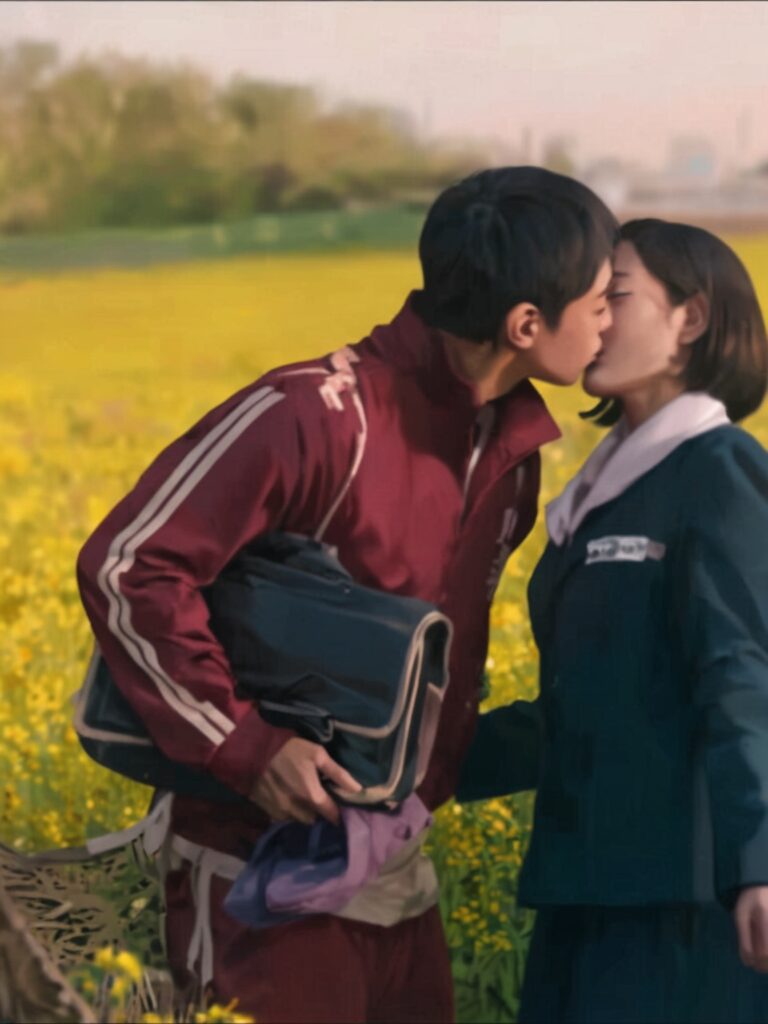
    Joo-yeon’s response is refreshingly straightforward. He asserts that his plans are secondary to his feelings, stating, “I think I’d be okay as long as I have you. As long as you like me.” This exchange, punctuated by a tender kiss beneath the glow of a fountain, marks a turning point. It signifies not only a mutual acknowledgement of their affection but also the beginning of a relationship that must be carefully concealed within the confines of their professional lives.

    Ironically, the very secrecy that is meant to protect their newfound love becomes a source of constant amusement. Despite their best efforts, the pair finds themselves repeatedly on the brink of exposure. Soo-jung’s attempts to maintain a low profile are undermined by Joo-yeon’s unabashed charm and his habit of turning every encounter into a public display. One memorable moment even includes a humorous sound effect that mimics the cry of a baby whenever Soo-jung pretends to scold him in public—a small but endearing detail that encapsulates the duo’s imperfect efforts at maintaining discretion.


    The Secondary Ship: Love’s Unexpected Detour

    In parallel to the main storyline, a secondary romance unfolds that adds even more layers to the drama. At a wedding, Ha-jin and Shin-won cross paths, and their meeting offers a stark contrast to the main couple’s tumultuous journey. Ha-jin, still recovering from a decade-long relationship marred by betrayal, is initially hesitant to dive into another romance. Her past, tainted by infidelity and heartbreak, leaves her cautious and guarded.

    Nevertheless, Shin-won emerges as a steadying presence in her life. Although he is visibly attracted to her, he resists reducing their connection to mere physical desire. When Ha-jin tentatively suggests a return to the physical aspect of their relationship, Shin-won refuses, emphasizing that intimacy must encompass more than just the physical. This insistence on emotional connection paves the way for a slow-burning romance built on mutual respect and understanding.

    Their journey is underscored by both humor and sincerity. Ha-jin’s revelation of her past and Shin-won’s earnest attempts to prove his sincerity create a narrative that is as heartwarming as it is relatable. Despite the complexities of their personal histories, both characters find solace in the realization that the essence of any relationship lies in the simple pursuit of happiness.

    Interestingly, Ha-jin confides in Soo-jung about her budding relationship with Shin-won. While Soo-jung remains tight-lipped about her own entanglement with Joo-yeon, it becomes evident that office whispers and subtle body language are slowly unraveling the truth. Shin-won, ever the observant one, notices the sparks between Soo-jung and Joo-yeon, yet he refrains from interfering—at least for now. This unspoken understanding adds yet another dimension to an already intricate web of relationships.


    A Week of Turbulence: The Final Act of Revelation

    As the week draws to a close, the drama reaches a fever pitch. Joo-yeon, clearly missing Soo-jung, makes his way to her home in a desperate bid to reconnect. In a gesture that is both endearing and slightly overdramatic, he brings along one of his cherished comic books—a symbol of the unconventional life he leads. In a twist of fate, as Soo-jung ascends to the attic to retrieve the book, she stumbles upon an unexpected relic from her past: the couples chain that was once a token of her first love.

    This discovery prompts a tense confrontation. With the weight of old memories colliding with new emotions, Soo-jung demands an explanation from Joo-yeon. Her pointed remark, “You’re Black Dragon, aren’t you?” cuts through the air, leaving viewers hanging on the edge of their seats as they await his response. This unresolved moment sets the stage for future episodes, promising that the repercussions of past promises and hidden identities will continue to shape the narrative.

    At the same time, behind the scenes at work, the drama takes on an entirely new flavor. Office gossip begins to swirl, with one particularly annoying coworker accusing Soo-jung of seducing Joo-yeon to further her own career. Additionally, the aftermath of Grandma’s ruckus has ignited suspicions and tensions that hint at a storm brewing in the corridors of power. In an environment where personal and professional lives intersect, every misstep could lead to catastrophic consequences—especially when money and reputation are on the line.


    In-Depth Analysis: Unpacking the Layers of Drama

    When we peel back the layers of these episodes, it becomes clear that much more is at play than a simple love story. The narrative deftly intertwines themes of secrecy, identity, and the influence of family dynamics on personal growth. Here are some of the key elements that stand out:

    Hidden Emotions and Conflicted Desires

    One of the most compelling aspects is how the characters navigate their hidden emotions. Joo-yeon’s confession about his childhood loss and his secret lair is a moment of raw vulnerability. Despite a life filled with solitude and loss, he finds solace in his passions and, ultimately, in the love that blooms between him and Soo-jung. This confession not only humanizes him but also sets the stage for future conflicts as his past continues to haunt him.

    Soo-jung, on the other hand, embodies the struggle of reconciling duty with desire. Her internal debate—illustrated by a mental checklist of pros and cons—reflects a broader commentary on the challenges faced by individuals who must balance personal happiness with societal expectations. Furthermore, her hesitancy to fully embrace her feelings is relatable to anyone who has ever been caught between professional obligations and personal longing.

    Family Expectations and Social Status

    Another critical theme is the stark reminder of class differences and the pressures that come with them. When Soo-jung confronts Joo-yeon about the possibility of publicly displaying their relationship, she is not merely talking about romance. She is also weighing the consequences of defying established norms, especially in a world where status and public image matter immensely. The family’s reaction during the “meet the family” lunch underscores how familial approval can make or break personal relationships.

    Moreover, the intrusion by Grandma and the ensuing chaos serve as a metaphor for how the past—often laden with painful memories—can unexpectedly resurface and disrupt the present. The broken picture frame is not just a physical manifestation of shattered glass; it symbolizes the fracture between old secrets and new beginnings.

    The Art of Secrecy in the Modern Workplace

    In today’s fast-paced world, maintaining a secret relationship is almost an art form. The characters’ attempts to keep their romance under wraps highlight the inherent difficulties of compartmentalizing personal and professional lives. Every hushed conversation and every furtive glance speaks to the tension that arises when emotions are too powerful to be contained. This theme resonates with modern audiences, who often find themselves struggling to strike a balance between privacy and transparency in their daily lives.

    A Subplot of Redemption and Second Chances

    The secondary romance between Ha-jin and Shin-won introduces a refreshing counterpoint to the main storyline. Here, the focus shifts from overt drama to a more nuanced exploration of trust, healing, and the possibility of second chances. Ha-jin’s past heartbreak is acknowledged without being sensationalized, while Shin-won’s commitment to emotional depth over fleeting attraction adds a layer of sincerity to their relationship. Their journey is a reminder that love, when nurtured with patience and understanding, can indeed triumph over past wounds.


    My Personal Take and Future Predictions

    Now, if you ask for an opinion, these episodes serve as a masterclass in blending humor with heartache. The scriptwriters have managed to capture the often unpredictable nature of love—where every secret has a price and every revelation brings with it the possibility of redemption or ruin.

    I find it particularly fascinating how the narrative challenges traditional roles and expectations. For instance, Soo-jung’s internal struggle is not just about a forbidden romance; it is also a subtle nod to the modern dilemma of balancing ambition with personal happiness. Meanwhile, Joo-yeon’s hidden lair—an almost mythical sanctuary filled with memories and mementos—symbolizes the deeply personal nature of grief and the lengths we go to in order to shield ourselves from it.

    In terms of character development, the series takes a bold step by allowing its protagonists to be flawed, vulnerable, and, at times, downright conflicted. The interplay between public persona and private turmoil is depicted with a refreshing honesty that rarely graces conventional dramas. For example, the way Joo-yeon navigates the minefield of family expectations while simultaneously baring his soul is both brave and relatable. Similarly, Soo-jung’s reluctance to fully embrace her feelings—coupled with her determination to maintain a semblance of control—is a realistic portrayal of the modern struggle between heart and head.

    Looking ahead, there are several intriguing directions that the storyline might take. Given the current trajectory, one can speculate that the unresolved tension surrounding Joo-yeon’s identity as the so-called “Black Dragon” will come back to haunt him. The symbolic weight of that title suggests deeper family secrets or a past that could disrupt his future if left unaddressed. Additionally, the constant threat of exposure at work adds another layer of suspense. How will the delicate balance between professional ambition and personal vulnerability evolve? And will Soo-jung eventually choose to defy societal expectations in favor of a love that, despite its chaos, feels undeniably real?

    Furthermore, the secondary romance between Ha-jin and Shin-won holds its own promise. Their story, while seemingly separate from the main plot, provides a counterbalance to the intense familial and romantic drama. It suggests that while one relationship may be mired in complications and the scars of the past, another can offer a pathway to healing and renewal. If the series continues to explore these themes with the same level of nuance, we can expect future episodes to offer not only thrilling plot twists but also meaningful insights into the human condition.

    What truly stands out is the way these episodes interweave humor and heartache. The playful banter during the family encounter, the absurdity of the “meet the family” fiasco, and even the inadvertent mishaps at work all serve as reminders that life’s most poignant moments are often delivered with a touch of comedy. This duality of tone makes the narrative rich and engaging, ensuring that viewers are never quite sure whether to laugh, cry, or simply marvel at the sheer unpredictability of it all.

    Moreover, the series excels at highlighting the importance of embracing one’s vulnerabilities. In a world where everyone seems to be hiding behind carefully constructed facades, the raw honesty displayed by the characters is both refreshing and inspiring. It encourages us to question our own preconceptions about love, duty, and the sacrifices we make in pursuit of happiness. Each character, in their own unique way, confronts the messy reality of human relationships, reminding us that true connection often comes from a place of profound imperfection.


    Future Teases: What to Expect Next

    As the episodes conclude, several threads remain tantalizingly unresolved. For starters, the mystery of the “Black Dragon” identity lingers, casting a long shadow over Joo-yeon’s future. Will his past continue to dictate his fate, or will he find a way to reconcile his hidden history with the life he’s trying to build with Soo-jung? Additionally, the delicate balance between secrecy and exposure at work is bound to lead to further complications. The whispers in the office and the ever-watchful eyes of colleagues suggest that it is only a matter of time before the truth is fully revealed.

    Moreover, the budding romance between Ha-jin and Shin-won hints at a subplot ripe for further exploration. Their journey, which so far has been characterized by cautious optimism and slow-building trust, could evolve into a more central storyline—one that challenges conventional expectations about second chances and personal growth. The interplay between these two narratives—one marked by explosive revelations and the other by gradual healing—creates a dynamic that is as intellectually stimulating as it is emotionally engaging.

    I suspect that future episodes will delve deeper into the ramifications of family loyalty and societal pressure. The characters’ struggles are not isolated incidents; they resonate with broader themes that many viewers will find relatable. The tension between public duty and private desire, the scars left by past betrayals, and the courage required to defy expectations are issues that speak to the heart of modern storytelling.

    Additionally, as the K-Drama series progresses, the impact of the hidden secrets on each character’s journey is likely to intensify. The more we learn about Joo-yeon’s backstory, the more we understand the emotional armor he has built around himself. In contrast, Soo-jung’s internal conflict will probably deepen as she grapples with the societal ramifications of their relationship. These conflicts, while challenging, are also opportunities for growth—both for the characters and for the viewers who see pieces of their own struggles reflected on screen.

    When Life Gives You Tangerines: What we learned so far…

    0

    Netflix’s latest period drama is a tapestry woven with threads of love, loss, humor, and hardship. At first glance, it appears to be a romance with familiar tropes. However, beneath the surface lies a story of family legacy, cultural transformation, and the indomitable spirit of women in a rapidly changing society. In this detailed exploration, we will dive into the narrative’s many layers—from the vibrant landscapes of Jeju Island in the 1960s to the evolving world of the 1990s—while highlighting key moments, characters, and themes that make this series a must-watch.

    TL;DR

    • Jeju Island Setting: The series vividly portrays life on Jeju Island in the 1960s and 1990s, highlighting the island’s unique culture and challenges.
    • Mother-Daughter Bonds: The complex relationships between mothers and daughters are central, showcasing themes of sacrifice and generational change.
    • Social and Gender Issues: The drama addresses societal constraints, particularly gender discrimination and the fight for women’s empowerment.
    • Romance and Rebellion: A tender romance unfolds amidst social upheaval, marked by acts of rebellion and the pursuit of personal freedom.
    • Historical Context: The narrative is deeply rooted in the historical and political context of post-war South Korea, adding depth and authenticity.
    • Generational Conflict: The series explores the clash between traditional values and modern aspirations, highlighting the challenges of progress.
    • Resilience and Hope: The characters’ journeys emphasize the power of resilience and the enduring human spirit in the face of adversity.

    A Glimpse into the Past: Setting the Stage in the 1960s

    The series opens in 1960, on the enchanting and mysterious Jeju Island. This setting is more than just a backdrop; it is a living character that reflects the cultural and social complexities of the era. Jeju is steeped in myth and rumor, and its rugged beauty mirrors the struggles and resilience of its inhabitants. In this early chapter, we are introduced to the young heroine, whose journey begins amidst both personal and societal hardship.

    Life on Jeju Island

    Jeju Island, with its stunning seascapes and windswept cliffs, serves as a metaphor for the unyielding spirit of its people. The island is known for its tradition of haenyeo—the fearless female deep-sea divers who risk their lives to harvest the ocean’s bounty. In our series, this tradition is embodied by a resilient woman whose strength is both awe-inspiring and heartrending.

    The protagonist’s mother, a haenyeo herself, supports her family against overwhelming odds. With a deceased husband and an unemployed partner in tow, she must navigate the harsh economic realities of the time. Despite the scarcity of resources, her determination to provide for her children stands out as a beacon of hope amid relentless adversity.

    Early Hardships and the Struggle for Recognition

    In the opening episodes, we witness the poignant dynamics between the young protagonist and her mother. The girl, eager for maternal affection, faces the everyday indignities of discrimination. For instance, simple acts—such as not receiving the same portions as the boys—underscore the pervasive gender biases that haunt her world.

    Her inner life is rich and poetic. Secretly, she writes verses that capture both her loneliness and her burning desire for a better future. It is through one of these heartfelt poems that her mother, initially distant and preoccupied, is moved to tears. The discovery of this vulnerable expression triggers a dramatic change in their relationship. In an unexpected twist, her mother storms into the house where the girl is living with her uncle’s family, determined to reclaim the daughter who has been denied both sustenance and love. This act of fierce maternal love sets the stage for the rest of the series.


    Family Dynamics and the Weight of Tradition

    The Mother-Daughter Bond

    The series masterfully portrays the complicated relationship between mother and daughter. On one level, we see the daughter’s desperate need for maternal warmth, a need that is stifled by the harsh realities of poverty and societal expectations. On another level, we witness the mother’s determination to shield her daughter from the perils of the very tradition that has defined her own life.

    Her relentless work as a haenyeo is both heroic and tragic. The dangerous nature of her profession is a constant reminder of the sacrifices made by women who have long been marginalized. Despite her own deteriorating health, she is adamant about preventing her daughter from following the same path—a path fraught with risk and societal neglect. Instead, she dreams of a future where her daughter can break free from the cycle of poverty and subjugation.

    The Battle Against Societal Constraints

    The drama does not shy away from exposing the political and gendered realities of the time. In one striking scene, the young protagonist wins the votes to become class president. Yet, despite her evident popularity, the honor is stripped away and given to a boy—the son of a powerful general. This episode is a microcosm of the systemic gender discrimination that pervades every aspect of society.

    The narrative skillfully juxtaposes these moments of stark injustice with scenes of quiet beauty. For instance, as traditional music plays softly in the background, the camera lingers on the moonlit sea—a visual metaphor for hope and beauty that persists even in the darkest of times. This interplay of hardship and grace not only enhances the dramatic tension but also reinforces the series’ central themes of resilience and progress.


    The Blossoming of an Unconventional Romance

    Enter Yang Gwan-shik: A Simple Gesture of Devotion

    As the storyline progresses, the focus shifts to the tender and evolving relationship between the young heroine and a charming, unassuming boy—Yang Gwan-shik. Introduced during a bustling marketplace scene in 1967, Gwan-shik is the boy who has quietly followed her since childhood. His simple acts of kindness—feeding her fish when none were available, carrying her burdens—speak volumes about his steadfast affection.

    Gwan-shik’s character is refreshingly genuine. His devotion is not marked by grand romantic gestures but rather by a series of humble, everyday acts that gradually reveal the depth of his feelings. Although his actions sometimes blur the line between care and pity, they unmistakably set the stage for a romance that is as understated as it is powerful.

    The Complex Dance of Young Love

    The evolution of their relationship is as unpredictable as it is heartwarming. Initially, the young woman is baffled by Gwan-shik’s unwavering care. Is it pity or true love? This ambiguity creates a delightful tension that keeps viewers engaged. In one memorable moment, as they wander through a serene field, Gwan-shik boldly reaches for her hand—a gesture that culminates in an awkward yet endearing first kiss. Their mutual hesitation and uncertainty add layers of realism to a relationship that might otherwise have seemed overly sentimental.

    The narrative cleverly uses these moments to highlight the broader societal forces at play. As the pair navigate their tumultuous circumstances, their personal struggles mirror the larger political and economic changes occurring in post-war South Korea. Their love story, while deeply personal, is inextricably linked to the historical context of their time.


    Escaping the Past: A Daring Runaway Adventure

    A Bold Leap into Uncertainty

    When the pressures of family expectations and economic hardship become unbearable, both protagonists make a daring choice. In a twist that is as exhilarating as it is fraught with danger, they decide to run away together. This escapade is not merely an act of youthful rebellion—it is a desperate bid for freedom in a world that offers little hope for change.

    In a series of adrenaline-fueled events, the young lovers execute a plan that involves stealing valuable jewelry and clothing. Gwan-shik even resorts to robbing his own family to support their escape. Their journey takes them from the familiar shores of Jeju to the bustling streets of Busan, where the harsh realities of adult life quickly set in.

    The Rollercoaster Ride of Misadventures

    Once in Busan, the couple faces a barrage of obstacles. Their attempts to sell the stolen goods are thwarted at every turn. They encounter unyielding motel owners, run-ins with the police, and even a heart-pounding chase through narrow alleys. Each setback is delivered with a blend of tension and dark humor that keeps the audience both anxious and amused.

    A particularly memorable sequence involves the pair’s ill-fated attempt to reclaim their stolen loot from a treacherous motel. Amidst chaos and confusion, a minor scuffle erupts, marking the first time the two lovers find themselves in a physical confrontation. The scene is as violent as it is comical, a delicate balance that perfectly captures the spirit of the series.

    Despite these trials, the couple’s determination to be together remains unshaken. Their journey, marked by both literal and metaphorical leaps, underscores the series’ central message: even in the face of insurmountable odds, the human spirit strives for freedom and connection.


    Navigating the Tides of Change: The 1990s Timeline

    A Shift in Perspective and Generational Dynamics

    As the narrative unfolds, the story takes a bold turn into the early 1990s. This new timeline offers a retrospective look at the characters’ lives, revealing how past decisions have shaped their present. It becomes clear that the events of the 1960s were not isolated incidents but rather the foundation of a lifelong struggle for identity, love, and progress.

    In this period, the heroine has transformed from a hopeful, determined girl into a woman grappling with the dual burdens of familial duty and personal aspiration. Now a mother herself, she faces challenges that are both familiar and newly compounded by modern societal pressures. The narrative explores how the scars of the past influence her decisions, from the sacrifices made in youth to the regrets that haunt her in adulthood.

    The Collision of Old and New Values

    One of the most compelling aspects of this timeline is the clash between traditional gender roles and the emerging realities of modern life. The series poignantly illustrates how the ambitions of one generation are both inherited and contested by the next. For instance, while the heroine once dreamed of escaping the cycle of hardship, her daughter now confronts a different set of challenges. The daughter, who navigates a corporate world and fights against outdated societal norms, represents a new era of empowerment.

    This generational conflict is epitomized by the contrasting perspectives on roles within the family. The older generation clings to conventional expectations—emphasizing duty, sacrifice, and adherence to established norms—while the younger generation pushes for equality, self-reliance, and the freedom to redefine one’s destiny. The tension between these viewpoints creates a rich, layered narrative that resonates with viewers on multiple levels.

    The Repercussions of a Runaway Past

    The ramifications of the couple’s youthful rebellion echo loudly in the 1990s timeline. The daring escape, while initially a symbol of liberation, eventually casts a long shadow over their lives. For the heroine, societal judgment proves to be merciless. Rumors and scandals follow her like unwelcome companions, affecting her reputation and even her academic prospects. In contrast, Gwan-shik seems to suffer fewer consequences—highlighting the enduring double standards that favor men over women in matters of personal conduct.

    This disparity deepens the emotional complexity of the narrative. The heroine’s struggles are not just personal failings; they are emblematic of the broader societal issues that have long marginalized women. The injustice she faces becomes a rallying cry for change, inviting the audience to reflect on the persistent inequities that continue to plague modern society.


    Breaking Barriers and Challenging Expectations

    Standing Up Against Tradition

    One of the most striking sequences in the series occurs when familial expectations and traditional roles come crashing down. Faced with the grim prospect of being forced into a predetermined role—one that would see her following in her mother’s dangerous footsteps—the heroine takes a stand. In a dramatic confrontation, she defies the older women in her family, who insist that her daughter should be molded into yet another haenyeo. This rebellion is not just a personal act; it is a defiant statement against the suffocating constraints of tradition.

    The confrontation is charged with raw emotion. In a moment of fury, the heroine expresses her determination that her daughter will never be subjected to the same limitations. Her impassioned plea for a different future—one where her daughter is free to dream, learn, and live life on her own terms—resonates deeply with anyone who has ever felt trapped by societal expectations.

    Redefining Masculinity

    While much of the narrative centers on the struggles of its female characters, it also offers a refreshing take on masculinity. From a young age, Gwan-shik challenges conventional ideas about what it means to be a man. Whether it’s his playful declaration of wanting to be “First Lady” during childhood banter or his steadfast support for his partner in the face of familial opposition, his character consistently defies stereotypes.

    Gwan-shik’s actions are imbued with quiet strength and vulnerability. He is not portrayed as a traditional hero; rather, his heroism is found in the little acts of kindness and the courage to stand up for what is right—even when it means going against the grain. His defiance is subtle yet powerful, adding an extra layer of complexity to a romance that might otherwise have seemed straightforward.


    New Perspectives: Insights and Reflections

    The Intersection of History, Politics, and Personal Struggle

    Beyond its captivating narrative and striking visuals, the series offers a nuanced exploration of how historical events shape personal destinies. The political backdrop—replete with newspaper headlines, radio broadcasts warning of spies, and mentions of coups—provides context for the characters’ struggles. It is a reminder that personal battles do not occur in isolation; they are deeply intertwined with the larger forces of history and politics.

    For instance, the series hints at a post-war society still grappling with the fallout of conflict and rapid modernization. The tensions between tradition and progress are palpable. In one memorable scene, the heroine’s ambition to rise above her circumstances is met with systemic barriers that favor the privileged. This conflict is not just a personal failing; it is a reflection of a society still wrestling with deep-seated inequalities.

    A Personal Reflection on Resilience and Transformation

    Reflecting on the series, one cannot help but be moved by its unflinching portrayal of resilience. The characters are flawed yet endearing, caught in a web of societal expectations, personal ambition, and the harsh realities of life. What truly stands out is how the narrative captures the bittersweet nature of progress. The journey from despair to hope is neither linear nor easy. It is marked by setbacks, moments of intense emotion, and occasional sparks of joy that light the way forward.

    The evolution of the central romance, for example, is not just a tale of two lovers; it is a story about the sacrifices made in the name of duty, the regrets that linger long after youthful dreams have faded, and the relentless pursuit of a better future—even when that future seems impossibly distant. In many ways, the drama mirrors the complexities of life itself, where every triumph is accompanied by a measure of sorrow.

    On Love, Sacrifice, and the Meaning of Progress

    One of the most compelling aspects of this series is its exploration of love in all its forms. It is a love that is nurturing yet fraught with sacrifice. The young lovers, in their impulsive flight from an oppressive past, embody both the promise and the peril of following one’s heart. Their escapade is a testament to the fact that love, while a source of strength, can also be a catalyst for unforeseen complications.

    The narrative invites viewers to reconsider what progress really means. Is it the attainment of material success, or is it found in the quiet moments of defiance, the whispered promises of a brighter tomorrow, and the courage to break away from the chains of tradition? By weaving these themes into a story that is both personal and universal, the series challenges us to rethink our own definitions of success and fulfillment.


    Key Characters and Their Impact

    The Enduring Legacy of a Haenyeo

    At the heart of this saga is the memory of the protagonist’s mother—a woman whose life as a haenyeo is both a symbol of strength and a cautionary tale. Her determination to shield her daughter from the same fate is rooted in her own experiences of sacrifice and hardship. In many ways, she represents the countless women who have borne the burden of tradition, only to pave the way for future generations to strive for something greater.

    Her legacy is palpable throughout the series. Every dive into the turbulent waters, every moment of silent suffering, and every defiant act against societal norms serve as reminders of the sacrifices that have defined her life. Her story is a microcosm of the broader narrative, where the struggles of one woman echo through generations, influencing the choices and aspirations of those who follow.

    Gwan-shik: Redefining Devotion and Masculinity

    Yang Gwan-shik, with his quiet strength and unwavering loyalty, serves as a counterpoint to the heroine’s fierce independence. His character is refreshingly complex. Rather than relying on grandiose declarations or overt displays of heroism, he supports the heroine in subtle, meaningful ways. His journey is one of self-discovery, challenging the societal expectations that dictate how a man should behave in matters of the heart.

    His actions—whether it’s a gentle hand extended in times of crisis or a determined stand against the prejudices of his own family—are a testament to the fact that true masculinity lies in empathy and quiet courage. In a narrative that is as much about the evolution of personal identity as it is about societal change, Gwan-shik’s character adds a vital layer of depth and nuance.


    Personal Observations and Reflections

    A Narrative That Strikes a Chord

    Having immersed myself in the unfolding story of “When Life Gives You Tangerines,” I found myself reflecting on the intricate dance between fate and choice. The series is a poignant reminder that life is rarely black and white. Instead, it is a mosaic of moments—some filled with laughter, others marred by tears. Every character, every scene, and every carefully crafted dialogue serves as a window into a world where love and loss are inextricably intertwined.

    One of the aspects that resonated with me most was the series’ ability to capture the essence of human resilience. The characters are not heroes in the traditional sense; they are ordinary people thrust into extraordinary circumstances. Their struggles are not merely individual battles but emblematic of the larger forces that shape society. The heroine’s relentless determination to break free from the cycle of poverty and subjugation is both inspiring and heartbreaking. Her journey is a testament to the fact that progress often comes at a steep personal cost.

    Reflections on Societal Change

    The evolution of gender roles is a recurring theme that permeates the series. Watching the contrast between the traditional expectations of the 1960s and the more progressive attitudes of the 1990s offers a powerful commentary on the pace of social change. The older generation, with its rigid adherence to established norms, is juxtaposed against a younger generation that is eager to redefine what it means to be a woman or a man in modern society.

    This shift is not portrayed as a simple linear progression. Instead, it is depicted as a series of setbacks and breakthroughs—moments where hope is tempered by harsh reality. For instance, the heroine’s decision to leave behind the oppressive confines of her past in search of a better life is met with both admiration and resistance. Similarly, her daughter’s struggle to assert her independence in the face of traditional expectations is both a continuation of her mother’s legacy and a bold new step toward genuine empowerment.

    A Tale of Two Worlds

    The series excels in its portrayal of the collision between old and new. The vibrant colors of Jeju Island in the 1960s gradually give way to the more subdued tones of the 1990s, symbolizing the fading of one era and the cautious emergence of another. This duality is not just aesthetic; it is deeply thematic. The past is never far behind, influencing decisions and shaping destinies. Yet, there is always a glimmer of hope—a promise that despite the weight of history, the future holds the possibility of change.

    In moments of quiet introspection, one cannot help but admire the series for its unyielding commitment to authenticity. The narrative does not shy away from depicting the harsh realities of its time. Instead, it confronts them head-on, inviting the viewer to engage with a story that is as intellectually stimulating as it is emotionally charged.


    The Broader Impact: What This Series Teaches Us

    Lessons in Resilience and Determination

    At its core, “When Life Gives You Tangerines” is a story about resilience. It reminds us that even in the face of overwhelming odds, the human spirit has the capacity to endure, adapt, and ultimately triumph. The series teaches us that progress is not handed out on a silver platter; it must be fought for, often at great personal cost. Every sacrifice made by the characters is a step toward a future where love, ambition, and equality are not mutually exclusive.

    The Price of Ambition and the Reality of Sacrifice

    One of the most thought-provoking elements of the narrative is its exploration of ambition. The heroine’s fierce desire to rise above her circumstances is both admirable and tragic. Her journey is marked by moments of triumph, yet each victory is shadowed by the harsh realities of her environment. This duality raises important questions about the nature of progress. Is ambition enough to overcome systemic injustice? Or are the forces of history so powerful that individual efforts are doomed to be thwarted?

    The series does not offer easy answers. Instead, it presents a world where every gain is hard-won and every loss carries its own weight. It forces us to confront the uncomfortable truth that progress, both personal and societal, is a never-ending battle—a battle that often leaves scars but also paves the way for future generations.

    Embracing Change: A Call to Look Beyond Tradition

    The narrative ultimately calls on its audience to look beyond tradition and embrace change. It challenges entrenched beliefs about gender roles, societal expectations, and the true meaning of success. The characters’ struggles are not isolated incidents; they are reflections of broader social dynamics that continue to evolve. In witnessing their journeys, viewers are encouraged to question the status quo and imagine a future where every individual has the freedom to define their own destiny.


    A Personal Perspective on the Drama’s Impact

    Allow me to share a few thoughts on what makes this series particularly compelling from a personal standpoint. The narrative invites us into a world where every decision is colored by the weight of history. It is impossible not to be drawn into the inner lives of its characters—each one flawed, resilient, and deeply human.

    I was especially moved by the way the series handles the theme of sacrifice. The heroine’s journey is a poignant reminder that every act of defiance, every attempt to carve out a better life, often comes with a hidden cost. Yet, there is also an undeniable beauty in that struggle. It speaks to the transformative power of hope and the enduring human capacity to rise above adversity.

    Moreover, the interplay between humor and heartbreak is executed with remarkable finesse. Just when the weight of the past seems unbearable, the series injects moments of levity that allow for a brief, refreshing reprieve. These instances are not merely comic relief; they are essential in reminding us that even in the face of relentless hardship, there is room for laughter and joy.

    I found the character of Gwan-shik particularly endearing. His quiet determination and subtle acts of kindness serve as a counterbalance to the heroine’s fiery spirit. Together, they create a dynamic that is both tender and turbulent—a microcosm of the larger societal shifts unfolding around them. Their journey, filled with missed opportunities and unexpected reunions, mirrors the unpredictable nature of life itself.


    Concluding Reflections: A Saga Worth Watching

    Ultimately, this K-Drama is a saga that demands to be experienced. It challenges conventional narratives by interweaving the personal with the political, the intimate with the historical. In doing so, it crafts a story that is as emotionally resonant as it is intellectually engaging.

    For those looking for a series that not only entertains but also provokes thought and invites introspection, this drama is an unmissable experience. Its rich character arcs, compelling narrative structure, and the seamless blending of past and present create a viewing experience that lingers long after the final credits roll.

    By delving into the lives of its characters, the series offers a powerful commentary on the nature of progress and the enduring spirit of those who dare to dream of a better future. It is a tale of love and loss, of sacrifice and hope—a reminder that even when life seems overwhelmingly bitter, there is always a chance for sweetness.

    So, whether you’re drawn to its lush historical settings, its raw portrayal of human struggle, or the tender yet turbulent romance at its heart, there is something in this series for everyone. It stands as a testament to the power of storytelling—a reminder that our past, with all its pain and beauty, continues to shape the way we see ourselves and the world around us.

    The Potato Lab Episodes 3-4 Recap

    0

    When it comes to the roller coaster world of K-dramas, few storylines manage to balance workplace dynamics with sizzling forbidden romance as intriguingly as The Potato Lab. In Episodes 3-4, viewers are treated to an intricately woven tapestry of miscommunication, unexpected setbacks, and a few laugh-out-loud moments that keep the plot as unpredictable as it is entertaining. In this comprehensive review, we’ll unpack every twist and turn—from awkward morning-after mishaps to heated debates about a struggling business. We’ll also share our insights into character motivations and discuss the broader implications for the genre. So, grab a cup of coffee (or makgeolli, if you’re feeling adventurous) as we explore this dramatic yet humorous saga in detail.

    TL;DR

    • Morning After Mishaps: Awkwardness ensues after a kiss, with both characters reacting in comical and chaotic ways.
    • Culinary Competition: A potato cooking contest serves as a backdrop for both humor and romantic tension.
    • Corporate Conflict: The future of the Potato Lab is threatened by downsizing and differing business strategies.
    • Personal Struggles: Mi-kyung faces job loss and questions her career path, while Baek-ho grapples with conflicting feelings.
    • Relationship Dynamics: Complicated relationships, including past connections, add layers of drama and intrigue.
    • Workplace Realities: The show highlights the challenges of balancing personal feelings with professional responsibilities.
    • Emotional Turmoil: The characters are forced to confront their feelings, and deal with hard life lessons.

    A Tumultuous Morning After

    It all begins in the hazy aftermath of a moonlit rendezvous. Mi-kyung awakens in a less-than-ideal setting—a bathtub, no less—with a throbbing hangover and a painful crick in her neck. The early scenes immediately set the tone. Although one might have expected a swift dive into a romantic escapade, the reality is far messier. Memories of the previous night slowly resurface, prompting her to downplay what might have been a more passionate encounter. She dismisses the significance of her kiss with Baek-ho by blaming the haze of alcohol and her physical state. Meanwhile, her confidante Ong-ju is right there, lending a sympathetic ear as Mi-kyung unpacks the events—yet without any explicit admission of burgeoning feelings or hidden emotions.

    In a rather dramatic fashion, the kiss leaves Baek-ho in a state of utter disarray. Prior to the smooch, he appears to be on the brink of shutting down emotionally. However, the kiss acts like a jolt, sparking a chain reaction. His insomnia spirals into a series of bizarre actions, including an impromptu escapade involving hedge trimming at an ungodly hour for a property he doesn’t even own. This sudden burst of energy and disoriented behavior lands him on Mi-kyung’s doorstep, well-dressed and persistent, as if trying to solve a riddle by forcing a confrontation.


    The Escapade and the Unlikely Reverse Card

    Instead of dealing with the aftermath in an honest and straightforward manner, Mi-kyung opts for a more theatrical approach. As Baek-ho appears on her doorstep, she attempts a desperate escape through the window—a scene that would make any K-drama heroine proud. However, fate has other plans. Caught with one leg awkwardly hanging off the windowsill, her attempted stealth is exposed. In that moment, rather than engage in a mature discussion about what the kiss might mean, she resorts to a classic excuse: blaming her memory loss on the alcohol.

    Surprisingly, Baek-ho doesn’t let her easy out. With a deft, almost playful twist of logic, he retorts with a reverse narrative. Claiming that Mi-kyung owes him money for a designated driver and even for topping off the gas tank, he turns the tables on her. It’s a verbal sparring match that sets the stage for further misunderstandings. Although Mi-kyung is willing to pay up to maintain her facade, the plot thickens when she is abruptly whisked away by Hwan-kyung and Ong-ju. This not only derails her plan but also forces Baek-ho to take an unexpected detour—he hitches a ride to a local potato cooking contest.


    A Culinary Showdown with a Twist

    Yes, you read that right—a potato cooking contest. This quirky interlude resembles an outdoor version of an Iron Chef battle, but with a humble tuber as the star ingredient. As the contest commences, the village’s playful rivalry and competitive spirit are on full display. For some, this segment may be a refreshing burst of lighthearted humor; for others, it might feel like an unnecessary diversion that sacrifices character depth for cheap laughs.

    During the chaos of the contest, Baek-ho finds himself in a peculiar predicament. Determined to extract some clarity (or perhaps a slice of financial recompense) from Mi-kyung, he seizes the opportunity to cover some of her tasks. His actions are depicted in an almost comically overachieving light, suggesting that while he excels in every challenge thrown his way, his earnestness comes off as both endearing and a little bit overbearing. This inadvertent heroism, however, paints him as somewhat of a pushover—a “doormat” in the eyes of the villagers, who barely give him the respect he might otherwise deserve.

    Yet, the culinary competition isn’t just about humor. It also cleverly underscores the challenges of blending personal and professional lives. Baek-ho’s interference is not entirely altruistic; it is a calculated move to create an opening for a conversation about their kiss—a conversation that both parties seem too flustered to have when confronted with reality. His attempts to normalize the situation only add layers to his character, revealing a man who is trying to balance his conflicting roles as a boss, a colleague, and a potential romantic interest.


    The Conflict of Roles and Unexpected Team Dynamics

    In the midst of the culinary chaos, Mi-kyung’s world is rapidly spiraling. With Baek-ho hovering between professional responsibilities and personal advances, Mi-kyung is caught off guard. She finds herself juggling dual roles: a dedicated Potato Lab staff member and an assistant to her brother in the contest. The constant juggling act becomes too overwhelming, and her attempts to sidestep an adult conversation with Baek-ho only serve to intensify the awkwardness between them.

    Things reach a fever pitch when Baek-ho, still preoccupied with the unresolved tension from their kiss, begins to nudge Mi-kyung about redefining their relationship. His logic, which separates the professional from the personal, doesn’t seem to resonate with Mi-kyung. Instead of admitting her growing attraction, she dismisses his advances as a fleeting infatuation. Yet, the underlying tension is palpable. Baek-ho’s methodical approach—buying her favorite flowers (or was it her second favorite?)—appears to be his way of forcing a dialogue that could reconcile their conflicting emotions.

    Simultaneously, another subplot emerges with a surprising twist. While Baek-ho is embroiled in his flower research and internal debates, Ong-ju takes Mi-kyung and Hwan-kyung on an eyebrow tattoo escapade. This seemingly trivial event offers a momentary respite from the escalating drama. Although the eyebrow results might raise a few eyebrows of their own (pun intended), the humorous interludes serve to remind viewers that life in the Potato Lab village is as unpredictable as it is entertaining.


    Boardroom Battles and Business Decisions

    Just when you think the interpersonal drama has reached its peak, the narrative takes an unexpected turn into the realm of corporate strategy. Enter Ki-se and Chairwoman Wang—characters whose sole purpose seems to be stirring the pot further. Their arrival is nothing short of dramatic, and they bring with them a hard-hitting debate on the future of Potato Lab.

    During a critical boardroom-like discussion, Ki-se insists that the lab should be shut down due to its current lack of profitability. In stark contrast, Baek-ho argues that the lab holds untapped long-term value, particularly since their recent acquisition of Sunnyeo Food positions them as key players in the competitive potato chip market. This debate is more than just a clash of opinions; it symbolizes the tension between short-term setbacks and long-term strategic planning. Chairwoman Wang ultimately deems Baek-ho’s reasoning more compelling but concedes that not too much time should be wasted on an enterprise that is already struggling.

    In a move that sends shockwaves through the already unstable environment, Baek-ho decides to downsize the lab. The first casualty of this cost-cutting measure? Mi-kyung. Despite her dedication and the numerous ways she has tried to keep the lab running, she is deemed non-essential. Her lack of specialization and the tendency to fill in wherever needed ultimately seal her fate. This decision is a turning point in the narrative, as it exposes the harsh realities of corporate restructuring and the painful personal consequences that follow.


    Family Ties and Personal Struggles

    Following the dramatic announcement of her impending termination, Mi-kyung is understandably distraught. She initially assumes that her fate is a direct result of the kiss—a misguided attempt to link personal indiscretions with professional repercussions. However, as Baek-ho coldly explains, the decision is purely based on her role—or rather, the absence of a defined role—within the lab. His objective assessment leaves little room for debate, and the emotional fallout forces Mi-kyung to confront a painful truth about her career and identity.

    In a desperate bid to find solace, Mi-kyung retreats to a Buddhist temple. Here, a surprising cameo occurs: her father, disguised as a monk, offers a brief, albeit awkward, moment of familial connection. This scene is laden with symbolism. On one hand, it hints at unresolved issues from her past and a family dynamic that has always been more complicated than it appears. On the other, it subtly foreshadows the potential for personal growth amid professional failure.

    Interestingly, this episode also drops hints about Mi-kyung’s family background that add another layer to her character. We learn that she is the eldest of three siblings. A brief yet telling conversation between Hwan-kyung and Ki-se touches on the topic of “kids,” leaving viewers to wonder about the dynamics among the siblings. Mi-kyung’s pragmatic outlook on her father’s decisions contrasts sharply with Hwan-kyung’s lingering resentment. The generational differences and the unspoken expectations between the siblings enrich the narrative and invite viewers to ponder how personal history can influence one’s professional trajectory.


    The Cost of a Fleeting Mistake

    In the days following the downsizing, Mi-kyung’s plight worsens. Desperate and emotionally raw, she tries to convince Baek-ho to retract his decision. Her attempts to negotiate—ranging from playful flirting to bargaining with her salary—prove futile. The harsh reality of the corporate world quickly sets in. Mi-kyung meets with a headhunter who bluntly confirms that finding another role as an agriculturalist will be challenging. The headhunter’s assessment is as cold as it is accurate: without specialization or a clear career path, her prospects are dim.

    In a particularly disheartening moment, Ki-se, ever the opportunist, happens to overhear the entire conversation at a hotel café. Instead of offering genuine support, he suggests that Mi-kyung shouldn’t take Baek-ho’s decision personally; after all, firing is simply part of the job. Then, as if to further compound her misery, he offers her a “handout” of another job within the same company—a gesture that comes off as more patronizing than helpful. Mi-kyung, resolute in her desire to reclaim her self-worth, firmly declines his pity. His insensitivity only deepens the sense of isolation she feels, leaving her to grapple with the implications of a career suddenly stripped of purpose.


    A Tangled Web of Relationships

    While Mi-kyung’s professional downfall forms the core of the narrative, the subplots surrounding the other characters add an intricate web of interpersonal dynamics. One of the more intriguing relationships to emerge is between Baek-ho and Yoo Hee-jin, Ki-se’s ex-wife. Their interactions offer a refreshing contrast to the otherwise chaotic atmosphere. When Baek-ho unexpectedly appears in Hee-jin’s hotel room and immediately starts cleaning up the mess, the scene is both humorous and subtly revealing. It underscores the comfort and familiarity they share—a relationship built on mutual respect and a light-hearted understanding that defies the typical tropes of unrequited love.

    This camaraderie is crucial because it demonstrates that healthy, platonic relationships can thrive even amid the most complicated professional scenarios. The chemistry between Hee-jin and Baek-ho also raises questions about how past relationships can evolve into enduring friendships. It’s a storyline that, if explored further, could offer viewers a nuanced perspective on love and loyalty in modern work environments.

    Another layer of complexity is added by the presence of Ki-se. His interactions with Mi-kyung are particularly contentious. Whether he is subtly flirting with her or commenting on trivial details—like the shampoo she uses—Ki-se’s behavior leaves little doubt about his mixed motives. Is it lingering affection or merely awkward banter borne of an inability to let go of the past? This ambiguity fuels a sense of unease, prompting viewers to scrutinize every interaction between him and Mi-kyung. Despite the light humor, his behavior is far from endearing; instead, it serves as a constant reminder that unresolved past emotions can wreak havoc in the present.

    Adding to the drama is a bizarre episode of office warfare that erupts shortly after Mi-kyung’s dismissal becomes public knowledge. A misdirected group chat message—a seemingly trivial error—sparks a cascade of petty conflicts. In a frantic bid to erase the evidence, Mi-kyung grabs Baek-ho’s cell phone and dashes to a restroom, desperately trying to delete the incriminating message. The chaos that ensues is both humorous and painfully relatable, highlighting the pitfalls of modern communication in a professional setting. Even Baek-ho, for all his emotional turmoil, allows her to delete the messages, clearly preferring to let her manage the crisis on her own rather than escalate the situation further.


    The Bigger Picture: Work, Love, and Identity

    Beyond the immediate drama, The Potato Lab uses its quirky narrative to comment on broader themes. At its core, the series is a meditation on the challenges of balancing personal aspirations with professional responsibilities. Mi-kyung’s character, for instance, is emblematic of those who work tirelessly behind the scenes, often without a clear role or recognition. Her willingness to jump into any task—whether it’s patching up a greenhouse during a thunderstorm or enduring the indignity of a poorly executed firing—speaks volumes about her dedication and passion for her work. Yet, it also underscores a harsh reality: in many modern workplaces, enthusiasm and heart are not always enough to secure one’s position.

    Conversely, Baek-ho’s character presents an equally compelling study in contradictions. On one hand, his technical competence and willingness to shoulder responsibilities are undeniable. On the other, his emotional indecision and blurred boundaries between personal and professional relationships render him a figure of both sympathy and exasperation. His attempts to force a conversation about their kiss, and his subsequent efforts to normalize the situation through small acts of kindness (like buying flowers), reveal a man who is as conflicted as he is charming. His struggle to compartmentalize his dual roles as a boss and a potential lover creates a tension that drives much of the narrative’s emotional weight.

    Furthermore, the dynamic between the characters highlights the often-unspoken pressures of corporate restructuring. The decision to downsize the lab, and the subsequent firing of a dedicated employee like Mi-kyung, is a harsh reminder that in the business world, efficiency and specialization frequently trump loyalty and versatility. This tension is not only central to the drama’s plot but also resonates with anyone who has experienced or witnessed the brutal realities of corporate decision-making.


    My Perspective on the Dynamics

    After analyzing these episodes from multiple angles, several thoughts come to mind. First, the interplay of personal and professional conflicts in The Potato Lab is a masterclass in modern storytelling. The show manages to weave intricate emotional narratives without losing sight of its humorous undertones. Yet, it isn’t without flaws. For instance, the overly literal approach to the enemies-to-lovers trope sometimes overshadows the deeper character development that the drama could offer.

    I appreciate the show’s willingness to take risks. The decision to introduce a potato cooking contest as a central plot device might seem absurd at first glance, but it cleverly mirrors the unpredictable nature of life in a small community. In many ways, the contest symbolizes the struggle between tradition and innovation, much like the very essence of the lab’s operations. Meanwhile, the contrast between Mi-kyung’s unrecognized dedication and Baek-ho’s conflicted professionalism creates a tension that is both relatable and thought-provoking.

    Furthermore, the inclusion of subplots—such as the eyebrow tattoo escapade and the awkward group chat mishap—adds a layer of realism to an otherwise fantastical narrative. These moments remind viewers that even in a highly dramatized environment, human error and miscommunication are inevitable. They also serve as poignant metaphors for the larger issues at play: the difficulty of maintaining one’s identity and dignity amidst a chaotic work environment.

    One cannot help but admire the show’s audacity in blending comedy with serious thematic elements. The delicate balance between laughter and pathos is a hallmark of the best K-dramas. However, while the humor provides necessary levity, it occasionally detracts from the gravity of the characters’ struggles. For example, Mi-kyung’s dismissal from the lab, although a pivotal moment in the narrative, is treated with a lightness that might leave some viewers yearning for a more nuanced exploration of her professional crisis.

    In my view, the brilliance of The Potato Lab lies in its ability to provoke both laughter and introspection. It forces us to confront uncomfortable truths about the modern workplace—where loyalty is often sacrificed at the altar of efficiency—and simultaneously challenges the conventional narratives of romance. Baek-ho’s relentless pursuit of a relationship with Mi-kyung, despite the obvious risks and complications, serves as a reminder that love, in its most genuine form, often defies logic. And yet, the very human flaws of its characters—be it the overzealousness of Baek-ho or the impulsive decisions of Mi-kyung—make it all the more compelling.

    Ultimately, these episodes underscore a universal truth: life rarely adheres to neat categories or predictable outcomes. Whether you’re navigating the murky waters of workplace romance or grappling with the aftermath of an impulsive kiss, the only certainty is that the journey will be anything but linear. And if there’s one thing The Potato Lab teaches us, it’s to embrace the unpredictability of life while always striving for a balance between our personal passions and professional responsibilities.


    Unpacking the Subplots: More Than Meets the Eye

    Apart from the central storyline, several subplots in these episodes deserve a closer look. For example, the dynamic between Ki-se and Mi-kyung offers an intriguing study in contrasts. His seemingly offhand remarks about everyday details, like her choice in shampoo, may appear trivial but hint at deeper unresolved emotions. Whether this behavior stems from residual affection or sheer social awkwardness, it adds an additional layer of tension that enriches the overall narrative.

    Similarly, the unexpected appearances of characters like Chairwoman Wang and Ki-se during boardroom discussions shed light on the inner workings of Potato Lab. Their debates over profitability and long-term strategy aren’t just filler material; they reflect the real-world challenges faced by companies trying to navigate turbulent economic climates. The tension between prioritizing immediate returns versus investing in future potential is a recurring theme in both the drama and modern business practices alike.

    Moreover, the interweaving of personal vendettas and professional decisions creates a rich tapestry of conflict. The group chat fiasco, for instance, while humorous in its own right, underscores how digital miscommunications can have very tangible consequences in today’s workplace. Mi-kyung’s frantic efforts to erase her mistake—coupled with Baek-ho’s measured response—illustrate the delicate balance between accountability and understanding in professional relationships.


    Future Predictions and Final Thoughts

    Looking ahead, one can only speculate on how the series will evolve. There is a palpable sense of anticipation regarding whether Baek-ho’s attempts to resolve the personal conflict with Mi-kyung will succeed. Will his persistent yet confusing gestures eventually lead to a meaningful dialogue? Or will the series continue to prioritize slapstick humor and absurd plot twists over deeper emotional development?

    Furthermore, the looming question of Potato Lab’s future remains unresolved. With the lab facing a dramatic downsizing and the promise of further corporate shake-ups, viewers are left to wonder if the organization can ever recover from its internal strife. The tension between preserving a cherished institution and embracing modern business practices forms the narrative’s backbone—a conflict that mirrors many of today’s real-world dilemmas.

    I think that The Potato Lab is a masterful blend of humor, drama, and poignant commentary on both personal and professional struggles. While the series certainly has its quirks—ranging from eyebrow tattoo escapades to a potato cooking contest—it also poses serious questions about identity, loyalty, and the often-overlooked human element in corporate decision-making. By juxtaposing these seemingly disparate themes, the show invites its audience to reflect on the broader implications of modern life

    The Witch: Episodes 7-8 Recap

    0

    In these latest episodes of The Witch, the stakes couldn’t be higher. As danger lurks behind every experiment and a twisted romance unfolds, our unconventional researcher finds himself torn between scientific curiosity and the unpredictable whims of fate. In this detailed breakdown, we’ll unravel every twist and turn, from hair-raising accidents to heartfelt confessions, while exploring the ripple effects of a curse that seems to defy logic at every step. Read on as we dive into the labyrinth of experiments, mishaps, and secret histories that make these episodes an unforgettable roller coaster ride.

    TL;DR

    • Obsessive Research: A scientist risks everything to understand a powerful curse.
    • Time and Proximity: Experiments show time spent near the cursed person triggers events.
    • Recurring Mishaps: Accidents become data points, revealing patterns of the curse.
    • Mi-jung’s Transformation: A woman finds connection and strength amidst chaos.
    • Hidden Past: Secrets and confessions reveal deeper layers of the curse’s origin.
    • Confronting Fate: The researcher faces the consequences of his actions.
    • Uncertain Future: The ending leaves viewers with lingering questions about destiny.

    A Daring Quest for the Truth

    At the heart of our narrative is a man who risks it all in the name of research. Determined to unlock the mysteries behind a curse that appears to bewitch his target, our researcher embarks on a perilous mission. He throws himself into dangerous experiments with a single-minded determination, even if it means putting his life in jeopardy. In his pursuit of understanding the underlying patterns of the curse, every misstep and every accident seems to reveal a crucial piece of data—data that might just redirect his entire scientific inquiry.

    Every experiment is a high-wire act, and our protagonist’s determination is nothing short of remarkable. Whether he’s venturing into life-threatening stunts or enduring physical pain, his journey is a testament to the lengths some will go to in search of absolute truth. Moreover, his willingness to suffer injuries and setbacks only underscores the sheer dedication that fuels his research.


    The Experiment of Proximity: Time, Distance, and Unexpected Consequences

    Initially, our researcher focuses on the concept of distance. However, the narrative quickly shifts its gaze toward time—a variable just as unpredictable as fate itself. In a series of meticulously planned yet increasingly bizarre experiments, he explores the impact of time on the cursed condition. His method? Altering the duration of his visits to Mi-jung’s doorstep during her grocery deliveries.

    For example, when he limits his stay to a brisk eight minutes, everything appears normal. However, if he lingers for more than ten minutes, the consequences are immediate and disastrous. In one instance, he ends up tumbling down a flight of stairs, spraining his ankle in the process. One cannot help but marvel at the odd, almost poetic, connection between time spent in proximity and physical calamity.

    Despite these alarming outcomes, our determined researcher does not waver. Instead, he pushes further, increasing his interactions with Mi-jung and meticulously recording every nuance of their conversations. With each delivery and every minor accident—a loose store sign falling or a scooter veering wildly out of control—he gathers more data. His experiments become a blend of science and slapstick, revealing that even the smallest deviations in his routine can trigger a cascade of mishaps.


    A Series of Unfortunate Events: Mishaps That Drive the Plot Forward

    The narrative is peppered with a series of calamities that, while absurdly comedic, carry a deeper significance. One moment, our researcher emerges from an experiment with nothing more than minor bruises; the next, he’s sporting an injured hand—a grim reminder of the dangerous cost of curiosity.

    During one particularly memorable grocery run, despite a small payment error, he manages to complete his delivery within ten minutes. Yet, fate has other plans: a store sign unexpectedly detaches and crashes on top of him. Such incidents, though seemingly random, contribute to a growing pattern that our researcher is desperate to decipher.

    Interestingly, his persistent efforts—even after being urged by his friend Eun-shil to quit—demonstrate a man who is as committed to his hypotheses as he is oblivious to the mounting risks. Even when circumstances force him onto a rickety scooter or trap him on a bus during a traffic jam, he forges ahead. The closer he gets to Mi-jung, the more his experiments expose him to danger. The narrative masterfully uses these recurring accidents as metaphors for the unpredictability of both love and fate.


    Mi-jung’s World: A Quiet Life Disrupted

    While our researcher’s experiments take center stage, the series also invites us into Mi-jung’s life—a world that is transformed by his relentless presence. For someone who has long been starved of genuine human interaction, Mi-jung finds solace in even the briefest encounters with him. Every conversation, however scientifically motivated, becomes a cherished moment of connection.

    From Mi-jung’s perspective, each visit by our injured researcher is a reminder of the simple pleasures of human contact. Her delight is palpable when he returns after one mishap or another, and even her disappointment when a different deliveryman shows up underscores a deep-seated yearning for consistency and care. In these moments, the show shifts from a tale of cursed experiments to one of personal liberation and rediscovery of self-worth.

    Moreover, Mi-jung’s subtle reactions—ranging from a tiny smile of relief to a pang of disappointment—offer a glimpse into the emotional landscape of a woman who is slowly, but surely, reclaiming her agency. This transformation is not merely a subplot; it is integral to understanding the overall impact of the curse and the peculiar interplay between destiny and choice.


    Dangerous Proximity: The Price of Closeness

    In a daring twist, our researcher’s methods take him beyond simple doorstep experiments. He joins Mi-jung on her monthly bus ride—a journey that, at first glance, seems mundane but soon evolves into a high-stakes exercise in risk management. Trapped by a traffic jam and forced into prolonged proximity with Mi-jung, he finds himself spending more time than ever within a dangerously close range of her.

    The situation escalates when a sudden thunderstorm engulfs the city. Amidst gusting winds and flashing lightning, our protagonist’s cap is dramatically swept away. In a startling moment, Mi-jung recognizes him, exclaiming his name and triggering a cascade of memories from their high school days. It turns out that Mi-jung had been noticing him all along, a detail that adds layers of complexity to an already intricate relationship.

    However, this unexpected reunion is bittersweet. With the storm as a backdrop and the ever-looming threat of the “Rules of Death” hanging over them, our researcher finds himself compelled to take drastic action. Rather than risk the consequences of being too close to Mi-jung under the watchful eye of fate, he impulsively leaps into the Han River—a move that defies logic and underscores his reliance on cold, hard statistics even in the face of unpredictable circumstances.


    Unraveling the Curse: Hidden Truths and Secret Confessions

    Once the dust settles and our researcher ends up hospitalized, the plot takes a darker turn. In a moment of vulnerability, he seeks one final favor from his trusted friend Eun-shil. This request sets in motion a chain of events that begins to peel back the layers of the witch’s curse.

    Eun-shil, ever the facilitator of secrets, takes Mi-jung on an impromptu camping trip. The fresh air and isolation serve as the perfect backdrop for introspection. During their time away, Mi-jung is encouraged to open up about her past. With a mix of nostalgia and hesitation, she confesses her long-held affection for a man named Ik-jong—a revelation that immediately shifts the narrative’s focus.

    As our researcher listens in on this intimate conversation via a phone call, the pieces of a larger puzzle start to fall into place. Mi-jung’s recollection of Ik-jong is laced with bittersweet memories and hidden truths. She reveals that what appeared to be a simple case of a hornet sting was, in fact, a cover-up for Ik-jong’s epileptic seizure—a moment of vulnerability he desperately wanted to hide. In a desperate bid to protect his reputation, Mi-jung had spun a tale to keep his secret under wraps.

    This revelation deepens the mystery surrounding the witch’s curse. When our researcher later unearths Ik-jong’s notebook from Mi-jung’s trash, he discovers a written confession that hints at something far more sinister. The confession suggests that Ik-jong’s survival was not a fluke of fate but a direct consequence of Mi-jung’s hidden affections—a disturbing implication that challenges the very foundations of the curse’s logic.

    As emotions run high, our researcher confronts the reality of Ik-jong’s duplicity. Near tears, he admits that no one should be an exception to the rules of fate. In a heated exchange, Ik-jong even dares to question whether the researcher himself deserves to defy those rules. This confrontation not only exposes the raw human emotions beneath the surface but also highlights the moral complexities inherent in the narrative.


    The Turning Point: Self-Reflection and Uncertain Futures

    In the wake of these revelations, our researcher is forced to confront his own actions. With a mix of regret and grim determination, he labels himself as nothing less than Mi-jung’s obsessive chronicler—a self-aware acknowledgment of the dangerous game he has been playing. This moment of introspection is both a confession and a pledge; it is a promise to see his investigation through, no matter the cost.

    Emboldened by his own realization, he embarks on a series of new actions. He clears his investigation board and adopts an almost ritualistic approach to his work. Whether it’s marking Mi-jung’s name in translated books with sticky tabs or sending cryptic goodbye messages to his colleagues Joong-hyuk and Eun-shil, every move is laden with significance. One particularly memorable scene involves him scribbling the words “Shine on you” on a window—the very window from which he had watched Mi-jung for so long. This small act of symbolism is laden with bittersweet irony, suggesting that even amidst chaos and calamity, there is a hope for redemption.

    Then comes the ultimate moment of reckoning: a direct, face-to-face encounter with Mi-jung. With a suitcase in hand and a heart full of unspoken apologies, our researcher finally rings her doorbell. In that tense moment, Mi-jung senses the gravity of the situation. Although she pleads with him to keep his revelations to himself, the silence that follows speaks volumes. His unspoken confession, measured in carefully counted sentences, becomes a quiet testament to the tangled emotions at play. It is an apology, a farewell, and a promise wrapped into one poignant moment.

    As he departs, the narrative takes an unexpected turn with a cameo that fans have come to both dread and adore: the notorious “Truck of Doom.” This final twist, as unpredictable as the rest of his journey, leaves viewers questioning whether the calculated risks of our researcher were ever enough to counter the whims of fate. The looming question remains—can all these loose ends be tied up satisfactorily in just two episodes?


    Narrative Pacing and Plot Twists: The Art of Suspense

    One of the most intriguing aspects of these episodes is the way the story’s pacing contrasts with the weight of its plot twists. Although the timeline within the show moves at a deliberately measured pace, the narrative is filled with sudden bursts of action and emotion. Scenes are drawn out, each moment meticulously designed to amplify the tension and suspense. This deliberate pacing, while effective in creating a moody atmosphere, sometimes results in moments where the plot feels unnecessarily stretched.

    For instance, certain sequences—such as the prolonged bus ride and the repetitive cycle of accidents—seem to serve dual purposes. On one hand, they emphasize the meticulous nature of our researcher’s experiments, and on the other, they highlight the unpredictability of fate. While some viewers might find this approach overly methodical, others will appreciate the layered storytelling that carefully builds anticipation before each dramatic turn.

    Furthermore, the narrative structure cleverly uses repetition as both a stylistic device and a means of character development. By revisiting similar scenarios in slightly varied forms, the show reinforces the central theme: that every minor action can have monumental consequences. This cyclical pattern not only enriches the plot but also deepens our understanding of the characters, their motivations, and the inexorable pull of destiny.


    Character Dynamics: Love, Loss, and the Burden of Secrets

    Beyond the scientific experiments and fatal accidents, The Witch offers a rich exploration of human relationships. At the forefront is the evolving dynamic between our determined researcher and Mi-jung—a connection that oscillates between scientific curiosity and deep emotional resonance. Despite the inherent danger of their interactions, Mi-jung’s genuine desire for human connection transforms even the most perilous encounters into moments of unexpected warmth.

    This delicate interplay between risk and romance is further complicated by the introduction of Ik-jong—a character whose hidden secrets and personal failures cast a long shadow over the unfolding drama. Ik-jong’s mysterious past and his desperate attempts to protect his vulnerable side expose the inherent contradictions in his character. His survival, seemingly a miraculous anomaly within the strict confines of the curse, raises uncomfortable questions about fairness, destiny, and the nature of exceptions.

    By exploring these multifaceted relationships, the show invites viewers to consider a broader spectrum of human emotions. It challenges us to see beyond the surface of calculated experiments and tragic accidents, urging us to acknowledge the messy, unpredictable nature of love and loss. As the narrative unfolds, it becomes clear that each character is grappling with their own set of burdens—be it the weight of a cursed existence or the scars of unspoken truths.


    The Ripple Effects of Obsession and Curiosity

    Every bold move our researcher makes is not without consequence. His relentless pursuit of answers creates a ripple effect that touches everyone around him. Mi-jung’s quiet life is upended, her emotions stirred in ways she never anticipated, while those close to the researcher, such as Eun-shil and Joong-hyuk, find themselves drawn into the vortex of his dangerous experiments.

    This obsessive quest for understanding leads to an inevitable confrontation with fate. The researcher’s calculated risks and seemingly arbitrary experiments reveal an unsettling truth: when one dares to manipulate the delicate balance of time and space, the universe has a way of striking back. Whether it’s the abrupt fall of a loose sign or the sudden appearance of the Truck of Doom, every accident serves as a grim reminder that some forces are beyond human control.

    Moreover, these unfolding events force both the characters and the viewers to grapple with uncomfortable questions. What is the true nature of the curse? Is it simply a product of chance, or is there an underlying order to the chaos? And, most importantly, can anyone truly escape the consequences of their actions when fate is so intricately woven into the fabric of their lives?


    A Closer Look at the Unresolved Mysteries

    Despite the high-octane drama and intricate plot twists, several key questions remain unanswered. One of the most compelling mysteries is the elusive nature of the witch’s curse itself. Throughout these episodes, the curse appears as a living, breathing entity—an ever-present force that defies conventional logic and resists simple explanation.

    In our researcher’s experiments, every detail is scrutinized, every variable tested, and yet the true mechanism of the curse continues to evade him. This ambiguity creates an atmosphere of perpetual tension, as both he and the audience are left to wonder if a definitive solution is even within reach. The show tantalizes viewers with hints of a larger, more complex design behind the curse, yet it also warns of the inherent dangers of meddling with forces beyond our understanding.

    Additionally, the narrative’s focus on recurring accidents and near-miss events adds an element of fatalism to the story. As each mishap unfolds, it becomes increasingly apparent that the curse is not a static phenomenon but an evolving enigma—one that adapts, retaliates, and ultimately demands a heavy price from those who dare to challenge it.


    My Take: Reflections on a Captivating yet Flawed Narrative

    Taking a step back from the relentless action and carefully orchestrated experiments, one cannot help but appreciate the audacity of this narrative. The show dares to blend scientific inquiry with raw human emotion, creating a landscape where love, fate, and danger converge in unexpected ways. However, it is also clear that this ambitious mix comes with its own set of challenges.

    One of the more striking aspects is the balance—or at times, imbalance—between pacing and character development. While the slow, deliberate pace of the narrative allows for moments of introspection and emotional depth, it occasionally bogs down the overall momentum. The repeated sequences, although thematically resonant, risk diluting the intensity of the plot. Viewers might find themselves caught in a loop of recurring mishaps that, despite their significance, can sometimes feel overly drawn out.

    Moreover, the relationship dynamics are both a strength and a weakness of the series. Mi-jung’s gradual evolution from a passive bystander to someone who seeks to reclaim control over her own destiny is compelling. Yet, the show sometimes relies too heavily on her interactions with the researcher to drive the narrative, leaving other characters—like Joong-hyuk—dangling on the periphery with unresolved arcs. It is in these gaps that the narrative shows room for improvement; with tighter editing and more focused character development, the series could evolve into an even richer tapestry of human experience.

    What stands out most, however, is the relentless audacity of our researcher. His willingness to expose himself—both physically and emotionally—to the whims of fate is both admirable and, at times, exasperating. His experiments are a wild mix of scientific rigor and reckless abandon, highlighting the paradox of a man driven by reason yet undone by the unpredictable nature of life. This dichotomy is, in many ways, the beating heart of the series. It forces us to confront the uncomfortable truth that sometimes, the pursuit of knowledge comes at a steep personal cost.

    In reflecting on these episodes, I find myself torn between admiration for the bold narrative choices and a nagging concern for the long-term viability of the storyline. The intricate interplay between destiny and free will is explored with a rare intensity, yet one cannot ignore the inherent risk of overcomplicating a narrative that already teeters on the edge of chaos. Ultimately, the series invites us to question whether the ends truly justify the means, especially when the price of discovery is measured in human suffering and near-fatal accidents.


    Lessons in Resilience and the Human Spirit

    Beyond the chaos and calamities lies a deeper, more resonant theme: the indomitable human spirit. As our researcher repeatedly endures one disaster after another, his actions serve as a reminder of the resilience required to face life’s unpredictable challenges. Every fall, every near-death experience, and every moment of quiet introspection reinforces the notion that sometimes, the pursuit of truth demands an unwavering commitment—even in the face of overwhelming odds.

    Mi-jung’s journey, too, embodies this spirit. Her gradual transition from a life marked by isolation to one punctuated by moments of genuine connection illustrates that even in the darkest of circumstances, hope can emerge. Her subtle smiles, her quiet defiance against a fate that seems preordained—each small act of courage contributes to a broader narrative of personal empowerment and liberation.

    In many ways, these episodes serve as a microcosm of life itself—a series of unexpected setbacks interspersed with fleeting moments of clarity and triumph. It is this interplay of failure and resilience that adds a layer of relatability to an otherwise fantastical tale. The narrative challenges us to consider the true cost of obsession and the fine line between scientific inquiry and reckless endangerment. It ultimately asks whether it is possible to harness the unpredictable forces of destiny without losing oneself in the process.


    Future Prospects: Where Do We Go from Here?

    Looking ahead, the series leaves us with a tantalizing array of questions. How will the remaining loose ends be resolved? Can the narrative maintain its delicate balance between suspense and emotional depth without succumbing to overindulgence? And most importantly, will Mi-jung finally break free from the shadow of a curse that has defined her existence for far too long?

    The answer to these questions may very well depend on the creative choices made in the episodes to come. It is clear that the groundwork has been laid for an explosive climax—one where the stakes are not just about survival, but about reclaiming agency in the face of overwhelming destiny. The introduction of new variables, such as the hidden truths behind Ik-jong’s survival and the unexplored potential of Mi-jung’s character arc, suggests that the series is poised to take an even more daring leap into uncharted territory.

    Moreover, there is hope that the narrative will finally address the lingering subplot of characters like Joong-hyuk, whose diminished presence hints at unexplored backstories and unresolved conflicts. By weaving these additional threads into the main storyline, the show has the potential to transform from a series of episodic mishaps into a rich, interwoven narrative that resonates on multiple levels.

    In terms of storytelling technique, future episodes might benefit from a more streamlined approach—one that respects the intelligence of the audience while also delivering the emotional punches that have become a hallmark of the series. A tighter narrative, combined with carefully calibrated bursts of suspense and humor, could help ensure that every plot twist is not only surprising but also deeply meaningful.


    Final Thoughts and Reflections

    The Witch is an ambitious blend of scientific curiosity, emotional vulnerability, and narrative daring. It challenges conventional storytelling by daring to experiment with both form and content. Although its pacing may at times seem measured to a fault and its reliance on repeated motifs might test the viewer’s patience, the show remains a compelling study in the interplay of fate and free will.

    The K-Drama series is unapologetically bold in its depiction of a researcher who is willing to sacrifice everything for the sake of discovery. His misadventures, though laced with absurdity and danger, serve as poignant metaphors for the unpredictable nature of life. At the same time, Mi-jung’s evolving character offers a counterbalance—a gentle reminder that even in the midst of chaos, there exists the possibility for renewal and change.

    From the clever use of recurring symbols to the intricate layering of character arcs, every element in these episodes is designed to provoke thought. While the narrative does occasionally veer into territory that feels overly repetitive or drawn out, it is precisely this deliberate pacing that allows viewers to fully immerse themselves in the world of The Witch. The careful construction of each scene, the nuanced interplay between science and superstition, and the ever-present tension between destiny and choice all contribute to a viewing experience that is as intellectually stimulating as it is emotionally charged.

    In closing, these episodes remind us that the journey toward understanding—whether it be the secrets of a curse or the intricacies of the human heart—is rarely straightforward. It is a path fraught with obstacles, missteps, and unforeseen consequences. Yet, it is precisely this journey that imbues life with meaning. The risks taken, the sacrifices made, and the resilience displayed are all part of a larger tapestry that speaks to the complexity of our existence.

    As the series moves forward, it will be fascinating to see how the remaining threads of this elaborate tapestry are woven together. Will our researcher’s relentless pursuit of truth ultimately lead him to a breakthrough? Can Mi-jung reclaim her narrative and step out of the shadow of her past? And what of the enigmatic curse that continues to defy explanation? Only time will tell, but one thing is certain: the path ahead promises to be as unpredictable as it is compelling.

    Hot or Cold Therapy: What’s Best After an Intense Workout?

    0

    So, you’ve just finished a workout that left you feeling like a microwaved noodle or a popsicle in July. Now, the real game begins: recovery. But are we talking a fiery sauna session or an arctic dip? ‘Hot or Cold’ isn’t just your workout’s temperature gauge; it’s the burning question on every aching muscle’s mind.

    Think about it: ‘hot’ could mean your muscles are screaming for relief, or it could mean you’re about to jump into a sauna so intense, you’ll swear you’re on Mercury. ‘Cold’ might be the icy sting of a post-workout shower, or it’s your body’s desperate plea for some relief from the inflammation inferno. We’re not just talking about what feels good in the moment, either. Is it a ‘hot’ trend that will fade, or a ‘cold’ hard fact that really works?

    Let’s ditch the fitness jargon and get down to brass tacks: what’s the real deal? Are you going to embrace the fiery embrace of heat, or will you be chilling with the ice? Either way, you’re about to discover which temperature truly reigns supreme in the battle against post-workout pain. And trust me, your legs will thank you.

    TL;DR

    • Use cold therapy immediately after a workout to reduce inflammation.
    • Use heat therapy several hours after a workout to relax muscles and increase blood flow.
    • Contrast therapy combines hot and cold treatments for optimal recovery.
    • Listen to your body and choose the recovery method that works best for you.
    • Prioritize hydration, nutrition, stretching, and sleep for overall recovery.

    You just wrapped up an intense leg day—the kind that makes you question all your life choices as you wobble towards the nearest bench. The stairs? A new enemy. Sitting down? A calculated risk. But before you resign yourself to walking like a penguin for the next two days, let’s talk about what actually helps with muscle recovery. Should you dunk yourself into an ice bath or embrace the soothing warmth of a sauna?

    It’s not just about preference, despite what your favorite fitness influencers might say. The right recovery method can significantly impact how well your muscles bounce back, reduce soreness, and even improve your future performance. So, let’s break it down: cold therapy, heat therapy, or a mix of both?

    Cold Therapy: Ice Baths, Cryotherapy, and Cold Showers

    Cold therapy, also known as cryotherapy, is the go-to method for many professional athletes. It’s all about reducing inflammation, numbing soreness, and speeding up recovery.

    Why Cold Works

    When you push your muscles to the limit, tiny tears form in the fibers. Your body responds with inflammation—essentially a repair process that comes with a side of pain and stiffness. Cold therapy helps by constricting blood vessels, reducing swelling, and slowing nerve signals, so you feel less pain.

    Best Cold Therapy Options

    • Ice Baths (40–50°F): Sitting in an ice bath for 10–15 minutes helps flush out metabolic waste, reduce inflammation, and promote muscle recovery.
    • Cold Showers (45–55°F): If sitting in a tub of freezing water sounds like torture, a two-minute cold shower can provide similar benefits.
    • Cryotherapy Chambers (-200°F and below): A futuristic option that involves standing in a freezing chamber for about three minutes. It’s like stepping into a freezer, except your head stays out while your body gets all the benefits.

    When to Use Cold Therapy

    Timing matters. The best time to use cold therapy is immediately after an intense workout—within two hours is ideal. If you wait too long, inflammation takes over, making it harder to reap the benefits.

    But here’s the catch: while cold therapy is excellent for short-term relief, it may slightly delay long-term muscle adaptation. If you’re focused on building strength and muscle mass, you might want to use it sparingly.

    Heat Therapy: Saunas, Warm Baths, and Infrared Therapy

    If cold therapy is the tough-love approach to recovery, heat therapy is the comforting hug your muscles need. While ice baths reduce inflammation, heat increases blood circulation, delivering oxygen and nutrients to tired muscles.

    Why Heat Helps

    Heat relaxes stiff muscles, relieves tension, and speeds up recovery by promoting blood flow. It’s particularly useful for chronic pain, delayed onset muscle soreness (DOMS), and stress relief. Plus, it feels a whole lot better than an ice bath.

    Best Heat Therapy Options

    • Saunas (160–200°F): Traditional or infrared, saunas help loosen up muscles and enhance circulation.
    • Warm Baths (100–104°F): Adding Epsom salts can further aid in muscle relaxation.
    • Heating Pads or Warm Compresses: Target specific areas experiencing soreness or tension.

    When to Use Heat Therapy

    Heat therapy is best used several hours after a workout, not immediately. Applying heat too soon can increase inflammation instead of reducing it. If you’re dealing with muscle stiffness rather than acute pain, a sauna session or a warm bath before bed can do wonders.

    Contrast Therapy: The Best of Both Worlds?

    Why choose when you can do both? Contrast therapy alternates between hot and cold treatments, offering the benefits of both in one session. The rapid temperature shifts help stimulate circulation, flush out toxins, and reduce muscle soreness more effectively than either method alone.

    How to Do Contrast Therapy

    • Start with cold (2–3 minutes in an ice bath or cold shower).
    • Switch to heat (10–15 minutes in a sauna or warm bath).
    • Repeat the cycle 3–4 times, always ending with cold to close up blood vessels and reduce inflammation.

    This method is especially effective for athletes, those recovering from chronic injuries, or anyone experiencing overtraining symptoms.

    Personal Take: What’s Actually Worth Your Time?

    So, what’s the verdict? Here’s the truth: there’s no universal “best” option—only what works best for you.

    • If you’re dealing with post-workout swelling or an acute injury, go cold first.
    • If you’re feeling stiff and sore but not swollen, go hot.
    • If you want to optimize recovery without guessing, try contrast therapy.

    That being said, unless you’re training at an elite level, obsessing over post-workout recovery might be overkill. The basics—hydration, proper nutrition, stretching, and good sleep—still matter more than any ice bath or sauna session.

    Final Thoughts: Recovery the Smart Way

    Instead of blindly following the latest fitness trend, listen to your body. If an ice bath makes you feel like a superhero, go for it. If sitting in a sauna is your post-workout ritual, keep it up. The key is consistency—whatever method helps you recover best is the one you should stick with.

    At the end of the day, it’s about making smart choices that fit your routine and fitness goals. Whether it’s cold, heat, or a mix of both, the real magic happens when you prioritize recovery just as much as your workouts. And maybe, just maybe, that post-leg-day staircase won’t feel like a death trap next time.

    Buried Hearts: Episodes 5-6 Recap

    0

    In this installment of Buried Hearts, the stakes are higher and the mysteries run deeper than ever before. The narrative plunges our conflicted hero back into a world where every shadow holds a secret and every encounter brims with hidden motives. As the story unfolds, we witness a tapestry of deceit, memory loss, and unexpected alliances. In this detailed exploration, we break down the rollercoaster events of Episodes 5-6, examine the layers of intrigue, and offer fresh insights that promise to enrich your viewing experience.

    TL;DR

    • Amnesia & Suspicion: Dong-joo navigates a world where he can’t trust anyone due to memory loss.
    • Family Secrets: A birthday dinner reveals deep family secrets and hidden identities.
    • Medical Mystery: Doctors try to unlock Dong-joo’s memories, but danger lurks.
    • Torture & Escape: Dong-joo survives torture, revealing a fight for a huge slush fund.
    • Power Plays: Characters battle for control, with political ambitions fueling the conflict.
    • Memory Extraction: Attempts to recover Dong-joo’s memories lead to more questions and trauma.
    • Family Betrayal: Eun-nam’s actions and a “Truck of Doom” incident raise doubts about her motives.

    A Complex Web of Amnesia and Suspense

    The series wastes no time in throwing us back into the lion’s den. Our hero, Dong-joo, has managed to reconnect with familiar faces—people who claim to know his past. However, there’s a catch: he remembers nothing beyond his own name. Suddenly, he finds himself in a perplexing world where trust is a luxury, and every encounter is riddled with suspicion. For Dong-joo, each interaction is a puzzle piece with no obvious fit.

    First and foremost, Dong-joo’s memory lapse means that he cannot differentiate between friend and foe. It is this very uncertainty that sets the stage for the tense atmosphere throughout these episodes. Even the simplest greeting from Chairman Cha triggers a deep-seated wariness in him. As a result, he opts for an impulsive escape via taxi rather than risk falling into yet another trap.

    Moreover, the resurfacing of a traumatic memory—a moment when Il-do aimed a gun directly at him—adds another layer of complexity. This vivid recollection is not only unsettling but also raises questions about the reliability of his fragmented memories. Additionally, his interaction with Eun-nam and Hee-chul sparks a suspicion of infidelity, hinting at even darker secrets lurking beneath the surface.

    These early events are a masterclass in building tension. They seamlessly blend physical danger with psychological turmoil. Consequently, Dong-joo is forced to navigate a minefield of conflicting loyalties and buried family secrets. Each encounter, whether warm or hostile, carries with it the potential for betrayal and further confusion.


    A Family Dinner That Unravels More Than Just Cake

    In a surprising twist, curiosity eventually overcomes Dong-joo’s initial reluctance, leading him to accept an invitation from Eun-nam for a family dinner. This isn’t just any dinner—it’s a festive celebration marking Hee-chul’s birthday. However, what should have been a light-hearted reunion quickly devolves into a dramatic showdown of identities and hidden truths.

    During the dinner, Dong-joo reveals that he only remembers his name, which he presently believes to be Sung Hyun. This revelation is more than a mere statement of fact—it shatters the calm of the gathering. The shock is palpable, especially for Secretary Gong, whose reaction is so extreme that she loses her composure and accidentally drops Hee-chul’s meticulously crafted, multi-tiered birthday cake. In that moment, the dinner transforms from a celebration into a stage for the unraveling of identity and trust.

    Subsequently, whispers begin to circulate. Both Secretary Gong and Eun-nam’s mother exchange knowing glances and hushed assurances: while “Sung Hyun” might be a common name, the true Sung Hyun is, without a doubt, long gone. This chilling implication casts a long shadow over the event, suggesting that the past is far from buried and that each family member harbors secrets of their own.

    Not only does this scene underscore the severity of Dong-joo’s predicament, but it also cleverly hints at a larger web of deception within the family. The drama is heightened by the contrast between the superficial joy of the birthday celebration and the underlying tension of unspoken truths. As the characters navigate through this duality, viewers are left to wonder how much of their shared history is built on lies.


    The Medical Mystery: Amnesia and the Quest for Truth

    As if the tangled web of familial betrayal wasn’t enough, the narrative introduces a compelling twist with the involvement of Chairman Cha’s medical team. The chairman, himself grappling with the early signs of memory decline, decides to take matters into his own hands. He deploys a team of doctors to conduct tests on Dong-joo, determined to both diagnose the source of his amnesia and find a potential cure. This decision not only complicates the storyline but also sets the stage for further chaos.

    Enter Jang-sun, a character whose motives are as murky as they come. He appears unannounced in Dong-joo’s hospital room and immediately casts suspicion on the hero’s condition. Convinced that Dong-joo is merely feigning amnesia, Jang-sun menaces him with the threat of a brutal interrogation—an act so extreme that he even contemplates forcibly extracting a crucial slush fund password from Dong-joo’s mind.

    However, just as Jang-sun’s malice seems poised to take center stage, Chairman Cha intervenes. Accompanied by Doctor Kang Yi-hyun, the chairman brings a semblance of order back to the situation. Yi-hyun, with her sharp insight and calm demeanor, quickly discerns Dong-joo’s nervous behavior and ensures that both Jang-sun and the chairman exit the room. Despite her swift actions, an unsettling oversight remains: she is unaware of the bug planted by Jang-sun in the room, or how easily his accomplices can impersonate medical staff.

    The gravity of the situation is further underscored when Dong-joo is abruptly whisked away on a stretcher. In mere moments, he is sedated and removed from the hospital—a move orchestrated by his unseen adversaries. This pivotal moment not only highlights the vulnerability of our hero but also serves as a stark reminder of the lengths to which his enemies will go in order to control the truth.


    Torture, Treachery, and a Dash of Heroic Resilience

    Once Dong-joo is under the clutches of Jang-sun’s men, the true extent of the danger becomes chillingly apparent. The captors resort to torture, using extreme measures to force Dong-joo into divulging the password that supposedly unlocks access to a massive slush fund. This fund, as it turns out, is a critical element of the larger power struggle at play—a battle fueled by greed, political ambitions, and the quest for control.

    In a twist that is both heart-pounding and darkly ironic, Dong-joo’s memory loss works in his favor. Since he genuinely does not remember the password, his captors’ efforts are rendered futile. Instead of succumbing to despair, Dong-joo resorts to a cunning strategy: he feigns unconsciousness. This temporary act of passivity provides him with a narrow window of opportunity. In a rapid flurry of actions, he manages to knock out one torturer and subdue another by drowning them—an audacious move that underscores his innate resilience.

    However, the danger is far from over. As Dong-joo fights for his life, one more assailant lurks outside, determined to ambush him at the slightest misstep. It is at this moment of impending doom that an unexpected savior emerges: Il-do. With impeccable timing, Il-do intervenes and pulls Dong-joo from the jaws of death, guiding him safely to Chairman Cha. This rescue not only demonstrates Il-do’s loyalty (or perhaps a hidden agenda) but also adds another layer of complexity to an already convoluted narrative.

    Upon their arrival, the dynamics shift dramatically. Jang-sun, who had earlier claimed credit for tracking down Dong-joo, now finds himself in a precarious position. With the revelation of the kidnapping and brutal torture, both Il-do and Dong-joo work together to persuade Chairman Cha to avoid involving the police. Instead, the chairman opts for a more discreet containment strategy: keeping Dong-joo within the confines of his home while the situation is quietly managed. This decision hints at a broader conspiracy that extends beyond personal vendettas into the realm of political intrigue.


    The Price of Secrets: Slush Funds and Power Plays

    As the narrative moves forward, tensions continue to mount—this time around the coveted slush fund. Jang-sun is left seething with bitterness. Not only is he still deprived of the password that would grant him access to the fund, but he is also under immense pressure from an enigmatic “Elder” who urgently demands the money for an upcoming election campaign. This double bind amplifies his desperation and fuels his ruthless determination.

    In stark contrast, Il-do’s confidence surges. He boldly confronts Jang-sun and issues an ultimatum: he demands half of the slush fund upfront. His threat is unambiguous—if his demand is not met, he is prepared to eliminate Dong-joo permanently, or at the very least, expose the fact that Dong-joo holds the key to an astronomical sum of 2 trillion won. Although Jang-sun does not fully acquiesce to this demand, his visibly unsettled demeanor suggests that Il-do’s words have struck a nerve.

    Furthermore, the following morning brings another twist in the form of a seemingly mundane yet deeply symbolic moment. Dong-joo is found casually exercising on the window-facing pull-up bar in Il-do’s office. His unusual cheerfulness, coupled with his assertion that Il-do once allowed him such freedom, adds to the enigma surrounding his condition. Yet, the moment takes a darker turn when Dong-joo bluntly inquires whether Il-do was responsible for shooting him. Initially, Il-do brushes off the question with a laugh, but the inquiry soon forces him to admit that there was indeed deep-seated animosity between them. This revelation is both striking and disconcerting, suggesting that the troubled past between Dong-joo and Il-do may have inadvertently spawned false memories—memories that have become a dangerous catalyst in the unfolding drama.

    The dialogue in this scene is crafted with a precision that leaves the audience unsettled. It compels us to question not only the reliability of Dong-joo’s recollections but also the true nature of his relationship with Il-do. As the tension builds, the line between truth and illusion becomes increasingly blurred, challenging both the characters and the viewers to decipher the real from the imagined.


    Diving Deeper Into the Past: Memories, Accidents, and Hidden Agendas

    The story takes another intriguing turn when the focus shifts to the realm of memory extraction. With Dong-joo’s mental state hanging in the balance, Il-do devises a plan to delve into the depths of his lost memories. He enlists the help of Doctor Kang Yi-hyun, whose unique background in hypnotherapy provides a glimmer of hope for unlocking the truth.

    Yi-hyun’s intervention is both critical and cathartic. Under her guidance, Dong-joo begins to recall fragments of a haunting car accident—a pivotal event that has long haunted him. According to his recollections, the accident involved not only his father but also a young girl whose identity remains shrouded in mystery. However, just as these memories begin to coalesce into a coherent narrative, the process backfires. The intense emotional surge plunges Dong-joo into a full-blown panic attack, derailing the recovery of further details.

    This failed attempt at memory recovery is telling. It illustrates the deep scars that trauma has etched into Dong-joo’s psyche. Moreover, it hints at the possibility that some memories are best left untouched, as their retrieval may only unleash more pain and confusion. Yet, the incident also underscores the potential value of Yi-hyun’s unconventional methods, suggesting that with the right approach, even the most elusive memories might eventually be reclaimed.

    Concurrently, the narrative explores another facet of family drama. Eun-nam, whose loyalties and motivations remain murky, takes a bold step by arranging a long-awaited meeting between Dong-joo and his estranged sister, Agnes. This reunion is poised to serve as a turning point in Dong-joo’s quest for self-discovery. However, the fragile moment of familial reconciliation is cruelly sabotaged by Jang-sun’s nefarious machinations.

    In a shocking display of calculated ruthlessness, Jang-sun orchestrates a traumatic incident by dispatching what can only be described as the “Truck of Doom.” The vehicle is positioned to collide with Agnes right before Dong-joo’s eyes—a horrifying tactic designed to jolt his memory. And indeed, the traumatic shock appears to have the desired effect. This sequence of events is as brutal as it is ingenious, showcasing the lengths to which adversaries will go to manipulate the course of events.

    Yet, even amid this orchestrated chaos, questions linger. For instance, the sincerity of Eun-nam’s actions comes into question. Is she genuinely remorseful for past betrayals, or is her involvement part of a larger, more convoluted scheme? The narrative leaves us in a state of ambiguity, compelling us to ponder whether her efforts to mend broken bonds are heartfelt or merely self-serving.

    Furthermore, the ominous mention of an “accident” that claimed the life of Eun-nam’s father casts a long shadow over these events. There are subtle hints that this accident might be intertwined with the current series of events—a suggestion that the past and present are inexorably linked. As these threads weave together, the story challenges us to question: how much of Dong-joo’s prior memory remains intact, and what fragments of his history will emerge as the truth is slowly unearthed?


    Unmasking the Layers: New Insights and Emerging Themes

    Beyond the immediate thrills and twists, Episodes 5-6 offer a rich canvas of themes that invite deeper contemplation. At its core, the narrative grapples with the duality of identity and the elusive nature of memory. Dong-joo’s struggle to reclaim his past serves as a potent metaphor for the human quest for self-understanding. His fragmented recollections mirror the complexities inherent in reconciling one’s present with a shadowy past.

    In parallel, the relentless pursuit of a hidden slush fund underscores the corrupting influence of power and greed. The machinations of characters like Jang-sun and Il-do reveal how ambition can warp moral boundaries, leading to a web of treachery that ensnares even those with seemingly noble intentions. The interplay between personal vendettas and broader political ambitions adds a fascinating dimension to the storyline, highlighting how individual actions can have far-reaching consequences.

    Moreover, the dramatic use of trauma as a tool for memory manipulation invites us to consider the ethical implications of such tactics. The notion that one might deliberately inflict pain in order to unlock hidden memories is both unsettling and thought-provoking. It challenges conventional wisdom about healing and recovery, suggesting that sometimes the path to truth is paved with suffering.

    The series also delves into the theme of betrayal within the family unit. The recurring idea that familial bonds are tainted by secrets and lies serves as a poignant reminder that sometimes, those closest to us can be the most enigmatic. Each character, from Eun-nam to Chairman Cha, harbors layers of complexity that blur the line between loyalty and self-interest. This exploration of internal strife adds a rich, emotional texture to the narrative that resonates long after the credits roll.

    In addition, the interplay of memory and identity creates a labyrinth of questions. How much of our identity is tied to our memories? Can truth be extracted from the murk of forgotten trauma? These questions linger as the episodes unfold, inviting viewers to engage in a deeper, more reflective contemplation of what it means to truly know oneself.


    A Personal Perspective on the Tumultuous Tides of Fate

    At this juncture, it is only natural to reflect on the unfolding events and consider the implications from a broader perspective. Personally, I find the narrative of Buried Hearts both captivating and disquieting. The way the story blends elements of suspense with the emotional intricacies of a fractured family is nothing short of masterful. Each character’s journey is painted with broad strokes of ambition, betrayal, and survival, leaving us to wonder how far one might go in the pursuit of power—and at what cost.

    One cannot help but be struck by the symbolism inherent in Dong-joo’s struggle. His lost memories are not merely a plot device; they represent the very essence of human vulnerability. When our past is shrouded in mystery, the quest for clarity becomes a battle against both external adversaries and internal demons. It is a journey marked by moments of shocking brutality and unexpected tenderness, a reminder that truth, no matter how elusive, is worth pursuing.

    I am particularly intrigued by the use of memory as both a weapon and a tool for healing. The deliberate infliction of trauma to unlock buried memories is a narrative twist that raises significant ethical questions. Is the price of enlightenment too high if it means reawakening long-forgotten pain? And, in a broader sense, can the scars of the past ever truly be erased, or are they destined to shape our future? These are questions that linger in the mind long after the episode ends, urging viewers to look beyond the surface drama.

    Furthermore, the portrayal of power struggles—exemplified by the desperate race for control over a colossal slush fund—resonates deeply in today’s political climate. The cutthroat dynamics among characters like Jang-sun and Il-do reflect a world where ambition can drive individuals to the brink of moral collapse. Their actions serve as a cautionary tale about the dangers of letting greed and power override one’s sense of humanity. In this light, the narrative becomes not only a thrilling tale of suspense but also a poignant commentary on modern society.

    Another aspect that I find particularly compelling is the delicate balance between vulnerability and resilience. Dong-joo’s journey is a testament to the human spirit’s capacity to endure even the most harrowing ordeals. Despite being at the mercy of those who would exploit his weaknesses, he manages to find moments of clarity and even strength. This delicate interplay between fragility and fortitude is what makes his character so relatable and his story so profoundly moving.

    The personal dilemmas faced by other characters, such as Eun-nam and Il-do, further enrich the narrative. Their inner conflicts—torn between self-interest, loyalty, and the weight of past misdeeds—add layers of complexity that invite us to empathize with even the most seemingly antagonistic figures. It is this multifaceted portrayal of human nature that elevates Buried Hearts beyond a simple thriller into a study of the human condition.


    New Dimensions: Fresh Insights into the Narrative Landscape

    In our analysis, it is essential to consider several fresh insights that could illuminate the narrative even further. Firstly, the concept of memory in Buried Hearts appears to be intentionally ambiguous. Instead of offering clear answers, the series opts to portray memory as an unreliable narrator. This approach not only heightens the suspense but also mirrors the real-life challenges of reconciling a fragmented past with a hopeful future.

    Additionally, the interplay between familial bonds and individual ambition is explored with a rare depth of nuance. While the immediate threat of kidnapping and torture drives the plot forward, it is the subtle undercurrents of betrayal within the family that provide the true emotional weight. The characters are not merely archetypes of good or evil; they are fully realized individuals whose decisions are influenced by a lifetime of secrets and regrets.

    Moreover, the recurring motif of the “Truck of Doom” is a brilliant example of how physical danger is used to trigger emotional and psychological responses. This dramatic device is not only effective in jolting the characters into action but also serves as a metaphor for the sudden, often violent, intrusion of the past into the present. The strategic use of shock tactics to retrieve lost memories challenges our expectations and reinforces the theme that sometimes the most painful experiences hold the key to our identity.

    The political intrigue woven into the fabric of the storyline adds another layer of complexity. With an unnamed “Elder” exerting pressure for electoral gains, the narrative hints at a broader socio-political commentary. This element of the plot introduces a realistic portrayal of the interplay between personal vendettas and institutional corruption. It subtly reminds us that in the high-stakes world of power politics, personal loyalties are often sacrificed on the altar of ambition.

    Furthermore, the ambiguous nature of Eun-nam’s character leaves us with many unanswered questions. Her apparent remorse and attempts at reconciliation are continuously overshadowed by the possibility that she might be intricately involved in a deeper conspiracy. Is her behavior a genuine effort to amend past wrongs, or is it a calculated move designed to serve her own interests? This duality in her character is one of the most fascinating aspects of the episodes and speaks to the rich complexity of the story.

    The narrative also touches upon the theme of identity transformation. As Dong-joo struggles with his fragmented memories, he is forced to confront the possibility that his current self is a mere shadow of the person he once was. This internal conflict is further compounded by the external pressures from those who seek to exploit his condition. In doing so, the series poses a fundamental question: can one ever truly reclaim a lost identity, or is the past destined to cast an irrevocable shadow over the present?


    Reflections on the Storytelling Craft and Its Broader Impact

    The storytelling in Buried Hearts is executed with a level of sophistication that merits closer examination. The use of short, punchy sentences throughout the narrative enhances its readability and keeps the tension consistently high. Every twist is meticulously placed, and every character arc is imbued with purpose. The deliberate pacing ensures that the audience is never allowed to relax for too long, which is a testament to the writer’s skill in crafting a suspenseful, engaging narrative.

    Additionally, the clever integration of medical intrigue, psychological manipulation, and political drama creates a multidimensional storyline that appeals to a wide audience. This layered approach is particularly effective in capturing the nuances of human emotion and the often painful pursuit of truth. The interplay of memory loss, familial betrayal, and power struggles resonates with contemporary audiences who are accustomed to complex, character-driven dramas.

    The series also excels in its use of visual and narrative symbolism. The recurring images of fragmented memories, the metaphorical “lions’ den,” and the ominous presence of a mysterious slush fund all serve as powerful symbols that enrich the story. They invite the viewer to engage with the narrative on a deeper level and to appreciate the intricacies of its construction.

    One of the most striking aspects of these episodes is the moral ambiguity that permeates the storyline. There are no clear heroes or villains; instead, every character is painted in shades of grey. This nuanced portrayal not only makes the narrative more realistic but also encourages viewers to question their own perceptions of right and wrong. In doing so, Buried Hearts manages to transcend the conventions of typical thriller dramas and emerge as a thought-provoking exploration of human nature.


    Looking Ahead: What Could the Future Hold?

    As we stand at this critical juncture in the series, numerous questions remain unanswered. How much of Dong-joo’s past will be revealed in future episodes? Will the truth behind the car accident, the mysterious slush fund, and the intricate family dynamics ever come to light? Furthermore, can Dong-joo ever fully recover his identity, or will he remain trapped in a labyrinth of lost memories and half-truths?

    There is a palpable sense of anticipation as the narrative hurtles toward what promises to be a climactic confrontation. The stakes are higher than ever, and every character is now a potential catalyst for further chaos. The tension between personal ambition and collective responsibility is reaching a boiling point, and it seems inevitable that the carefully concealed secrets will soon erupt into open conflict.

    Moreover, the political undertones of the series hint at larger ramifications beyond the immediate personal dramas. The pressure to access the slush fund for electoral purposes suggests that the unfolding events might have far-reaching consequences—not just for the characters involved but for the broader societal landscape as well. This element of the story serves as a stark reminder of how personal and political ambitions can intertwine, leading to outcomes that are as unpredictable as they are dramatic.


    My Personal Take: A Journey Through Complexity and Intrigue

    Taking a step back from the intricate details of the narrative, I find myself deeply invested in the rich tapestry of Buried Hearts. The series skillfully navigates a complex maze of emotions, ambitions, and betrayals that keeps me on the edge of my seat. Every scene is charged with an intensity that makes it impossible to predict what might happen next, and that unpredictability is both exhilarating and, at times, unsettling.

    One of the aspects I appreciate most is the way the show challenges conventional storytelling. Instead of offering neatly wrapped resolutions, it dares to leave certain questions unanswered. This approach compels us to ponder the nature of memory and identity, and to recognize that sometimes, the truth is a puzzle that defies easy answers. It’s a narrative that respects its audience’s intelligence and dares them to look beyond the surface.

    I also find the exploration of familial relationships particularly compelling. The idea that those closest to us might harbor secrets that threaten to unravel our very sense of self is both poignant and disturbing. The series does not shy away from exploring the dark corners of human relationships, and in doing so, it presents a narrative that is as emotionally rich as it is suspenseful.

    Furthermore, the interplay between personal trauma and political intrigue offers a refreshing departure from formulaic drama. The show dares to blend the intimate with the institutional, suggesting that our personal histories are never truly isolated from the larger forces at play in society. This synthesis of the personal and the political not only adds depth to the narrative but also makes it resonate on multiple levels.

    On a personal note, watching Dong-joo’s struggle to reclaim his lost memories and piece together his shattered identity is both heart-wrenching and inspiring. His journey is a testament to the resilience of the human spirit, and it serves as a reminder that even in the face of overwhelming adversity, there is always hope for redemption. It is this raw, unfiltered portrayal of human vulnerability that makes Buried Hearts a series worth watching—and discussing in detail.


    Final Thoughts

    In conclusion, Episodes 5-6 of Buried Hearts deliver an electrifying mix of suspense, emotional drama, and intricate plotting. The narrative deftly weaves together elements of amnesia, familial betrayal, and political intrigue to create a story that is as layered as it is unpredictable. Every scene brims with tension, and every character appears to be playing a part in a far larger drama that remains just out of reach.

    As we continue to follow Dong-joo’s journey, we are reminded that the past is never truly gone. Instead, it lurks in the shadows, ready to resurface and reshape the present in unexpected ways. The characters’ struggles with trust, identity, and ambition mirror the broader human condition—a constant battle between memory and forgetting, between loyalty and betrayal.

    The K-Drama series not only entertains but also invites us to reflect on the nature of truth and the cost of uncovering hidden secrets. With its expertly crafted plot twists, unforgettable characters, and a narrative that never settles for simplicity, Buried Hearts stands out as a masterful blend of psychological drama and suspenseful thriller. It is a reminder that the search for truth is often a tumultuous journey, filled with both peril and profound moments of revelation.

    Looking ahead, there is every reason to believe that the forthcoming episodes will continue to escalate the tension. With the mysterious slush fund, the unresolved questions about the car accident, and the ever-present threat of political manipulation, the stage is set for an explosive climax. The characters are poised on the brink of revelations that could either redeem them or plunge them further into darkness.