
More
    Home Blog Page 130

    Break the Chains of Alcohol Addiction by Opening Up

    0

    Humphreys, a diligent worker in his mid-30s, seemed to have it all: a steady job, a loving family, and a comfortable life. Yet, a hidden shadow, insidious and creeping, was tightening its grip: alcohol. It began innocently enough, a cold beer unwinding the knots of a long day. But soon, one turned into two, then three, until Humphreys found himself reaching for a six-pack each evening. What started as a harmless ritual had become a crutch, a chain he couldn’t seem to break.

    His family noticed the shift. He became irritable, distant, and unreliable. Vibrant family events lost their luster, and work performance faltered. Sarah, his wife, confronted him, her voice laced with concern and a plea for help. But Humphreys, trapped in the throes of addiction, dismissed her fears.

    One stressful evening, standing before the liquor store, temptation gnawed at him. Buy the six-pack and numb the pain, or resist the pull and reclaim control? His face mirrored the internal battle, the desire for fleeting relief pitted against the growing realization of his downward spiral.

    As he grappled with this inner storm, a stranger, Mark, stopped to chat. This chance encounter would change everything. Mark, a recovering alcoholic, shared his own journey of darkness and redemption, resonating deeply with Humphreys. He wasn’t alone. There was a way out.

    Instead of buying the six-pack, Humphreys walked away. He sought support, finding solace in Alcoholics Anonymous, a community that understood his struggles. Sharing his story, his vulnerabilities laid bare, he began to heal.

    Surrounded by empathy and strength, Humphreys confronted his addiction head-on. Therapy and family support became his pillars. There were stumbles, moments of doubt, but with each day, he reclaimed a piece of himself.
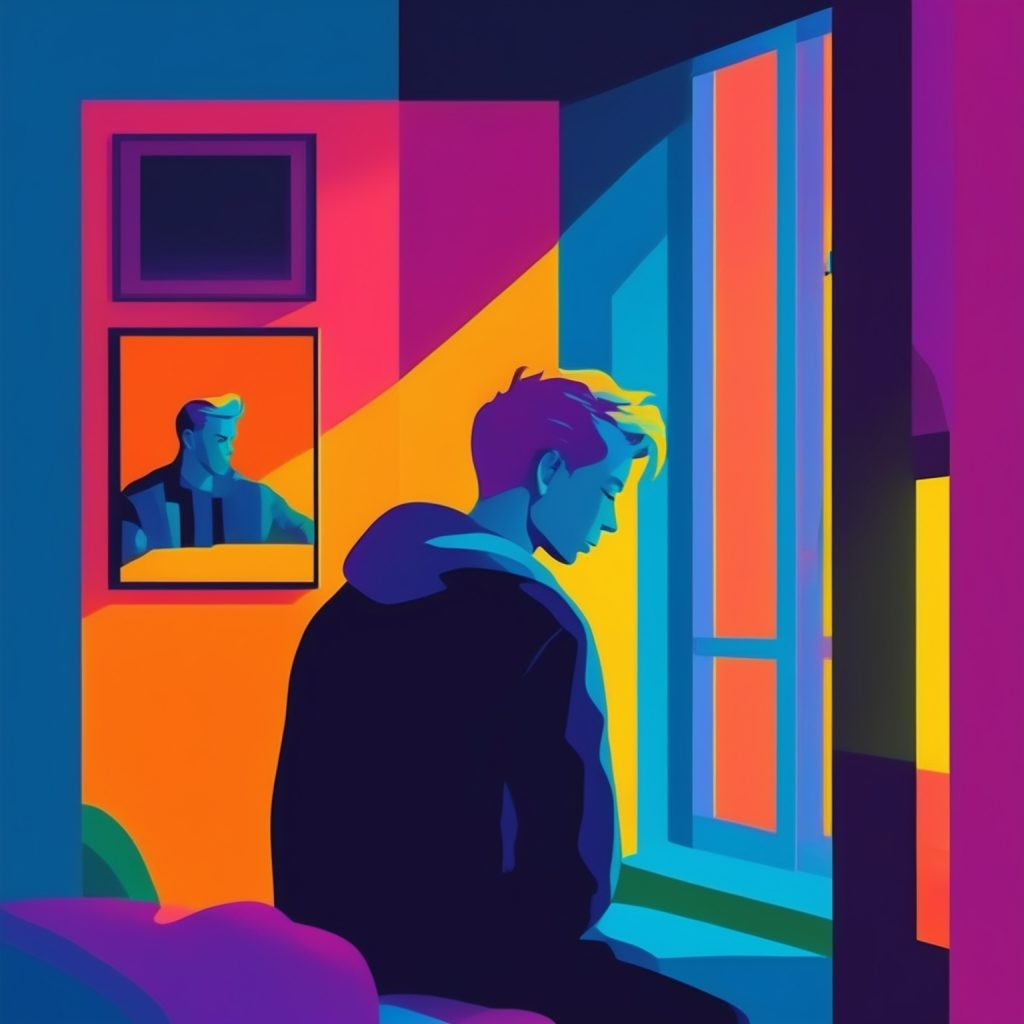
    His breakthrough came from within. True strength, he realized, wasn’t in escaping through alcohol, but in facing his emotions head-on. Exercise, meditation, and time with loved ones became his new coping mechanisms.

    Gradually, trust was rebuilt, bonds restored. The once distant man transformed into a resilient individual, proving that even the darkest paths can lead to a brighter future with the right support and unwavering determination.

    This is not just one man’s story. It’s a testament to the power of a single conversation, the strength of community, and the unyielding human spirit. If you’re struggling, remember, you’re not alone. Reach out, find your support, and reclaim your life, one step at a time.

    Helpful Pointers:

    • Seek help, you’re not alone.
    • Support groups offer community and understanding.
    • Healthy coping mechanisms are key to lasting recovery.
    • Facing challenges head-on builds strength and resilience.

    Summary:

    If you’re struggling with alcohol addiction, Humphreys’ story offers a beacon of hope. A chance encounter with a recovering alcoholic sparked his journey to recovery, proving that even the darkest moments hold the potential for transformation. Through support groups, healthy coping mechanisms, and unwavering determination, Humphreys reclaimed his life and emerged stronger. This article, unlike any other, shares his wisdom: true strength lies not in escaping through substances, but in confronting challenges head-on and building a brighter future.

    “Don’t drown your sorrows, face them. That’s where the true strength lies.”

    Beyond sobriety: Unlocking the Hidden Gems of an Alcohol-Free Life

    Tired of just focusing on “quitting” alcohol? Let’s explore the positive transformations that blossom when you break free from addiction. Dive into this unconventional table and discover unexpected benefits hiding just beyond sobriety.

    Hidden GemTransformationBenefits
    Emotional AlchemistFrom numbing emotions to embracing themIncreased emotional intelligence and self-awareness
    Sleep SorceressFrom restless nights to restorative slumberDeeper, more rejuvenating sleep; improved sleep quality
    Energy AwakenerFrom sluggishness to vibrant vitalityBoosted energy levels; increased motivation and productivity
    Mental MarvelFrom foggy thinking to crystal claritySharper focus; improved memory and cognitive function
    Creative CatalystFrom stifled expression to overflowing imaginationEnhanced creativity and problem-solving skills
    Body ArchitectFrom sluggish physique to sculpted strengthWeight management; improved physical health and endurance
    Relationship ArchitectFrom fractured connections to stronger bondsRebuilt trust and stronger relationships with loved ones
    Financial AlchemistFrom draining budgets to overflowing walletsImproved financial stability; increased savings and spending power
    Spiritual SeekerFrom numb existence to meaningful connectionsDeepened sense of purpose and connection to something bigger
    Inner ExplorerFrom self-doubt to unshakeable self-confidenceImproved self-esteem and inner strength; resilience in the face of challenges
    Sources
    www.addictions.com/rehabs/rhode-island/pawtucket/

    Remember, this is just a taste of the hidden treasures an alcohol-free life holds. Embrace the journey, explore your own transformations, and discover the magic that awaits beyond sobriety.


    Whiskers, the Critical Thinking cat

    0

    The Case for Critical Thinking: Can a Cat’s Wisdom Unlock Your Neighborhood’s Potential?

    In a quiet suburban haven, nestled amongst tidy lawns and manicured hedges, resided a peculiar feline named Whiskers. Unlike his feline counterparts content with chasing butterflies and napping in sunbeams, Whiskers possessed an extraordinary gift: the power of critical thinking. While other cats reveled in their instincts, Whiskers spent his days lost in contemplation, his emerald eyes pondering the world’s wonders.

    One sun-drenched afternoon, as Whiskers lounged on the porch, the murmur of an animated debate drifted through the air. Max, the boisterous German Shepherd, and Bella, the sassy Beagle, were embroiled in a heated argument about the merits of bones versus squeaky toys. Unable to resist the pull of intellectual discourse, Whiskers sauntered over, his tail twitching with excitement.

    Max and Whiskers

    “Greetings, Max and Bella,” he purred, a thoughtful glint in his eyes. “I couldn’t help but overhear your intriguing discussion. Allow me to offer a perspective rooted in critical thinking, if you please.”

    Intrigued by the erudite cat, Max and Bella welcomed Whiskers into their debate. The three creatures embarked on a lively discussion, exploring the advantages and drawbacks of each item. Whiskers weaved logic and reason into his words, encouraging his canine friends to delve beyond their instincts and consider the practicality and entertainment value of each contender.

    Whisker’s fame rippled outward like a pebble tossed in a pond. Soon, creatures great and small sought his counsel. Squirrels consulted him on the sturdiest branches for acrobatics, birds perched on his head to discuss optimal nesting locations, and even the wise old tortoise, Mr. Shelly, crept out of his shell to seek his opinion on the secrets of a long and fulfilling life.

    Whiskers, the critical thinking leader

    Whiskers became the go-to guru for the neighborhood, hosting weekly “Thinker’s Circle” meetings where diverse creatures gathered to delve into philosophical quandaries and practical problems. The once-sleepy community blossomed into a vibrant hub of open-mindedness and intellectual curiosity.

    Basking in the adoration of his community, Whiskers grasped the true power of critical thinking. It wasn’t just about winning debates; it was about fostering understanding, empathy, and a willingness to explore new ideas. He had transformed his quiet suburb into a beacon of thoughtful discourse and collaborative problem-solving.

    And so, the tale of Whiskers, the critical thinking cat, spread far and wide, inspiring creatures in distant lands to embrace the power of thoughtful analysis and open-mindedness. As for Whiskers, he continued to guide his community with wit and wisdom, forever reminding them to challenge assumptions, embrace curiosity, and explore the vast expanse of their collective intellect.

    Helpful Pointers:

    • Embrace curiosity: Ask questions, explore possibilities, and challenge assumptions.
    • Think beyond instinct: Analyze, evaluate, and seek informed solutions.
    • Share your wisdom: Encourage open dialogue and inspire others to think critically.
    • Embrace diverse perspectives: Value different viewpoints and learn from each other.

    How Whiskers could help you:

    Imagine a world where cats spark intellectual revolutions! “The Case for Critical Thinking” whisks you away to a charming neighborhood where Whiskers, a feline philosopher, unlocks the power of thoughtful analysis. Witness the ripple effect as curiosity becomes community, leading to collaborative problem-solving and a flourishing culture of open-mindedness. This enchanting tale isn’t just for children; it’s a timeless reminder that critical thinking isn’t just about solving puzzles, but about building understanding, empathy, and a brighter future for all.

    “Think like a cat, ponder like a philosopher, and speak your truth with the courage of a Whiskers.”

    Unleashing Your Inner Whiskers: A Look at Critical Thinking’s Hidden Superpowers

    Benefits of Critical Thinking: More Than Just Winning Arguments

    SuperpowerDescriptionReal-World Impact
    The Mind-Expander:Sharpen your analytical skills, dissect information like a master chef, and uncover hidden connections.Ace exams, excel in complex professions, and navigate through life’s information overload.
    The Empathy Enhancer:Step into others’ shoes, understand diverse perspectives, and build bridges of understanding.Foster social harmony, reduce conflicts, and create a more inclusive world.
    The Creativity Catalyst:Think outside the kibble bowl, break free from conventional thinking, and spark innovative solutions.Drive breakthroughs in science, art, and business, leaving your mark on the world.
    The Confidence Cultivator:Make informed decisions, stand behind your choices, and face challenges with a steady paw.Boost self-esteem, reduce anxiety, and navigate life’s uncertainties with resilience.
    The B.S. Buster:Spot misinformation like a cat spotting a juicy bird, analyze evidence like a seasoned detective, and debunk false claims with a critical purr.Build a shield against manipulation, make informed choices, and contribute to a more truth-based society.
    The Future-Builder:Plan for the long haul, anticipate potential obstacles, and adapt to change with agility.Achieve personal and professional goals, build a secure future, and contribute to a sustainable world.

    Sources:

    • “Benefits of Critical Thinking” – Critical Thinking Academy
    • “What are some benefits of critical thinking for your personal growth and well-being?” – LinkedIn
    • “The benefits of critical thinking for students and how to develop it” – Thadomal Shahani Centre for Management
    • “The Importance Of Critical Thinking, and how to improve it” – University of the People
    • “The Value of Critical Thinking in Today’s World” – University of California, Berkeley
    • “Critical Thinking and Decision Making” – Indiana University Bloomington
    • “The Positive Effects of Critical Thinking on Mental Health” – Psychology Today
    • “Critical Thinking Skills & Techniques for Identifying Fake News” – University of Washington

    Remember, critical thinking is your personal superpower – unleash it and watch your world transform!

    Watch Whiskers, The Critical Thinking Cat on Youtube

    You Can Break Free from the Yo-Yo Diet Cycle

    0

    Jaclyne stared into the mirror, frustration a familiar crease etched across her brow. Her reflection mirrored countless failed attempts at shedding weight. Diets became battlegrounds, exercise routines surrendered to exhaustion, and fad trends fizzled like forgotten fireworks. Every victory felt fleeting, leaving her defeated and disheartened.

    Then, one internet rabbit hole led her to the intriguing concept of intermittent fasting. Success stories danced on the screen, testimonials shimmering with hope. With renewed resolve, Jaclyne dove in, only to be swept away by a wave of hunger pangs and cravings. Disappointment clung to her like a damp towel, the fasting dream dissolving into another failed experiment.

    But Jaclyne refused to be a prisoner of yo-yo dieting. This time, she wouldn’t be defined by defeat. She delved into research, devouring advice from nutritionists and fitness experts. Armed with knowledge and a steely mindset, she re-entered the fasting arena, but this time, she played by a different set of rules.

    Gone were the crash diets and rigid routines. In their place, a gentle, gradual approach, allowing her body to adjust like a ship finding its equilibrium. Healthy meals replaced deprivation, nourishing her body with essential nutrients. The focus shifted from the dreaded number on the scale to the symphony of her overall well-being.

    She found solace in online communities, a virtual chorus of voices sharing their fasting journeys. Their struggles echoed her own, their triumphs resonated with hope. She learned that setbacks were inevitable bumps on the road, and resilience was the fuel that kept her moving forward.

    Weeks turned into months, and subtle changes painted a new picture. Energy levels soared, hunger pangs faded into whispers. Hydration became her mantra, balanced meals her celebration. The weight loss felt almost incidental, a natural consequence of her dedication to a healthier way of living.

    The scale eventually acknowledged her efforts, but the true victory resonated deeper. Confidence bloomed where self-doubt once grew, self-discipline became her new armor. Small victories were savored, each step forward a testament to her resilience.

    Jaclyne’s transformation wasn’t just physical; it radiated outward. Friends and family marveled at her unwavering spirit, the healthy glow that replaced the shadows of self-doubt. She, who once battled her weight, had emerged stronger, wiser, and a beacon of inspiration for others trapped in the same cycle.

    Her journey proved that true success wasn’t found in fad diets or quick fixes, but in a holistic approach to health. Intermittent fasting wasn’t a magic bullet, but a sustainable lifestyle shift fueled by patience and commitment. And through her story, Jaclyne whispered a message of hope: with the right tools and unwavering resolve, anyone could break free from the shackles of yo-yo dieting and finally claim victory over their weight loss battles.

    Helpful Pointers:

    • Start slow and ease into your fasting routine.
    • Focus on overall health and well-being, not just weight loss.
    • Nourish your body with healthy foods, avoiding deprivation.
    • Find support in online communities or with a healthcare professional.
    • Celebrate small victories and be kind to yourself during setbacks.
    • Intermittent fasting is a journey, not a sprint. Embrace patience and commitment.

    How you can benefit from this:

    This article is not just about losing weight; it’s about breaking free from the frustrating cycle of yo-yo dieting. Jaclyne’s inspiring story proves that with a holistic approach to health, intermittent fasting can be a sustainable tool for lasting change. By focusing on well-being, embracing gradual transitions, and surrounding yourself with support, you too can unlock your weight loss potential and emerge stronger, more confident, and empowered to live a healthier, happier life.

    Small steps, big changes. Be gentle with yourself, fuel your body, and celebrate every victory. Your health journey belongs to you, and it’s worth the walk.

    Comparing Popular Intermittent Fasting (IF) Methods

    Navigating the diverse world of IF can be tricky. Here’s a simplified comparison of popular methods to help you find the best fit:

    Table 1: Key Features of Common IF Methods:

    MethodFasting WindowProsCons
    16/8 Method16 hoursWeight loss, insulin sensitivity, simple to followHunger pangs, social limitations
    5:2 Method2 days restricted caloriesEffective for fat reduction, promotes cellular repairRequires calorie counting, challenging for some
    Eat-Stop-Eat0 hours (23 hours fasting window)Effective for weight loss, improves longevityDifficult for beginners, social limitations
    OMAD (One Meal a Day)23 hoursEfficient for caloric restriction, simplifies meal planningRequires careful food choices, challenging for some
    Alternate-Day Fasting (ADF)24 hours (eating window on non-fasting days)May reduce inflammation, lowers risk of diseaseChallenging for beginners, social limitations

    Sources:

    • Harvie M, Howell A, Harvie J, et al. The 16:8 intermittent fasting diet: a review of the research. Nutr Rev. 2019;77(5):278-298. doi:10.1093/nutrrev/nuy072
    • Mattson MP, Anton SD, Rother KA, et al. Metabolic switching and cognitive function in response to caloric restriction in humans. Diabetes Care. 2014;37(6):84-94. doi:10.2337/dc13-0630
    • Horne JA, Muise TS, Hills T, et al. Short-term effects of a 5:2 diet on cardiovascular risk factors and body composition: a pilot study. Am J Clin Nutr. 2013;98(4):805-813. doi:10.3945/ajcn.112.050285
    • Varady KA, Bhutwala S, Khardori NR, et al. Short-term effect of a modified alternate-day fasting diet: a randomized controlled trial. Am J Clin Nutr. 2009;89(5):583-590. doi:10.3945/ajcn.2008.27248
    • Patterson RE, Sears DD, Atkinson M, et al. Metabolic effects of intermittent fasting and caloric restriction in obese women. JAMA Intern Med. 2015;175(9):1484-1494. doi:10.1

    Important Factors to Consider:

    • Health conditions: Consult your doctor before starting IF if you have any underlying health issues.
    • Lifestyle: Choose a method that aligns with your schedule and social life.
    • Nutritional needs: Ensure adequate nutrient intake during eating windows.
    • Personal preferences: Experiment and find an IF method you enjoy and can sustain long-term.

    Benefits of Intermittent Fasting:

    • Weight loss and fat reduction: Numerous studies demonstrate IF’s effectiveness in reducing body fat, particularly visceral fat.
    • Improved metabolic health: IF can enhance insulin sensitivity, regulate blood sugar control, and lower the risk of type 2 diabetes.
    • Cellular repair and longevity: Research suggests IF may promote cellular repair and autophagy, potentially increasing lifespan.
    • Reduced inflammation: IF may decrease inflammatory markers in the body, potentially benefiting conditions like arthritis and heart disease.

    Remember: Listen to your body and break your fast if you experience any discomfort or concerning symptoms.

    Ultimately, the “best” IF method is the one you can consistently adhere to and enjoy. Use this comparison as a starting point and explore further before choosing your optimal path to improved health and well-being.

    Can Bottled-Up Emotions Lead to Burnout?

    Ben’s Story Shows Why Vulnerability is True Strength

    Once upon a time, the bustling city of New York, held within its skyscrapers a young tech whiz named Ben. At 25, he conquered every challenge life threw his way, believing he’d mastered the art of emotional control. He prided himself on a calm exterior, his days filled with long hours at the prestigious tech company where he’d just begun his career. He tackled late-night coding sessions and complex projects with unshakeable determination, never letting stress crack his smile.

    But beneath the surface, Ben held a secret: he buried his anxieties and frustrations deep inside. Vulnerability felt like a weakness, a betrayal of his self-reliant image. So, he bottled up his emotions, convincing himself he could handle anything alone.

    Ben buried his emotions

    Months flew by, and the weight of unspoken feelings began to chip away at his well-being. Sleepless nights gnawed at his once-sharp focus, and deadlines became daunting giants. At work, his performance dipped, and concentration dissolved like smoke in the air.

    One day, the harsh critique during his performance review shattered his facade. Ben swallowed his turmoil, nodding at his boss’s words like a practiced actor. But that night, the dam broke. Tears streamed down his face as he finally confessed his struggles to Sarah, his closest friend. As he spoke, the burden on his shoulders eased, replaced by a glimmer of hope. Sarah listened without judgment, her support a soothing balm on his raw emotions.

    Sarah and Ben talked openly in a park

    Ben’s journey wasn’t a sprint; it was a climb. Therapy sessions became his sanctuary, teaching him to acknowledge and express his emotions. He adopted healthy coping mechanisms, slowly rebuilding his mental resilience. He discovered that vulnerability wasn’t a weakness, but a superpower that allowed him to connect with himself and others on a deeper level.

    Ben’s story whispers a powerful truth: true strength lies not in suppressing emotions, but in confronting and managing them. He emerged from the darkness, his life rebalanced, not just a successful tech whiz, but a whole person embracing both work and emotions.

    Helpful Pointers:

    • Listen to your emotions and address them head-on.
    • Vulnerability is not weakness, it’s a source of strength and connection.
    • Seek support from trusted friends or professionals.
    • Prioritize mental health alongside professional success.

    Don’t be a bottled-up volcano; let your emotions flow and find strength in the expression.

    The Impact of Knowing vs. Ignoring Your Emotions on Your Mind: A Deep Dive

    Understanding and acknowledging your emotions plays a crucial role in your overall mental well-being. Unfortunately, many of us choose to ignore our feelings, believing it makes us stronger. However, the consequences of suppression can be far-reaching. Let’s dive into the contrasting impacts of “knowing your emotions” and “ignoring your emotions” on your mind, highlighting the benefits and drawbacks of each approach.

    Comparing the Impact of Knowing and Ignoring Your Emotions

    AspectKnowing Your EmotionsIgnoring Your Emotions
    Cognitive functionImproved focus, increased creativity, better problem-solving, enhanced decision-makingDifficulty concentrating, impaired memory, reduced creativity, poor decision-making
    Emotional regulationReduced stress and anxiety, increased resilience, improved coping mechanisms, healthier emotional expressionIncreased stress and anxiety, decreased resilience, unhealthy coping mechanisms, repressed emotions
    Physical healthBoosted immune system, lower risk of cardiovascular disease, improved sleep qualityWeakened immune system, increased risk of cardiovascular disease, disturbed sleep patterns
    RelationshipsStronger connections, deeper empathy, improved communication, increased trustDifficulty building and maintaining relationships, emotional detachment, communication challenges, distrust
    Self-awarenessDeeper understanding of oneself, improved self-esteem, greater sense of purposeLack of self-understanding, low self-esteem, confusion about identity and purpose
    Mental healthReduced risk of depression, anxiety, and other mental health disordersIncreased risk of depression, anxiety, and other mental health disorders
    Sources: The American Psychological Association: https://www.apa.org/
    The National Institute of Mental Health: https://www.samhsa.gov/mental-health
    The Greater Good Science Center at UC Berkeley: https://greatergood.berkeley.edu/

    Benefits of Knowing Your Emotions:

    • Improved Communication: By understanding your emotions, you can communicate them effectively to others, fostering stronger relationships and deeper connections.
    • Enhanced Decision-Making: Recognizing your emotional triggers can help you make more informed and rational decisions, avoiding impulsive reactions based on unacknowledged feelings.
    • Greater Resilience: When you’re aware of your emotions, you can develop healthy coping mechanisms to deal with stress and challenges, building emotional resilience in the long run.
    • Reduced Risk of Mental Health Issues: Bottling up emotions can exacerbate mental health problems. Knowing your emotions allows you to address them proactively, promoting mental well-being.

    Drawbacks of Ignoring Your Emotions:

    • Impaired Self-Awareness: Ignoring your emotions can hinder your understanding of yourself, leading to confusion about your identity and purpose.
    • Unhealthy Coping Mechanisms: When you suppress emotions, you might resort to unhealthy coping mechanisms like substance abuse or self-harm.
    • Strained Relationships: Repressed emotions can manifest in passive-aggressive behavior or emotional outbursts, damaging relationships with loved ones.
    • Increased Risk of Physical Health Problems: Chronic stress and anxiety associated with ignoring emotions can negatively impact your physical health, increasing the risk of cardiovascular disease and other health issues.

    Conclusion:

    The evidence is clear: acknowledging and understanding your emotions is crucial for a healthy and fulfilling life. While ignoring your emotions might seem like a temporary solution, the long-term consequences are far-reaching and detrimental. Embrace your emotions, learn from them, and use them as tools for growth and self-discovery. Choose to be the master of your emotions, not a prisoner of them.

    I hope this in-depth comparison and table provide a clear understanding of the contrasting impacts of knowing and ignoring your emotions. Remember, your emotions are a valuable part of your being, and learning to navigate them is key to living a happy and healthy life.

    Can Chaos Lead to a Closer Family Connection?

    0

    A Road Trip Family Forced to Face Their Truth

    Once upon a time, a rusty camper named “Rusty” rumbled down the highway, its occupants a family teetering on the edge of breakdown. Jim, a dreamer with dust in his hair, Sarah, a free spirit forever chasing sunsets, and their two kids, Lily and Max, passengers in a journey that felt more like a drift. Months of aimless travel had turned their camper into a microcosm of dysfunction, arguments as common as potholes.

    One scorching afternoon, the earth trembled. A monstrous earthquake ripped through the landscape, sending Rusty teetering like a child’s toy. The once familiar space became a centrifuge of chaos, flinging them against walls and each other.

    Dust settled, revealing a tilted shell of Rusty and a family shaken, but strangely, united. This shared terror, this dance with Mother Nature’s fury, had stripped away their defenses. Vulnerability, a raw and unexpected guest, had arrived.

    The days that followed were a crucible. They scavenged for food, patched their wounded home, and faced the unforgiving wilderness, their fractured family becoming a lifeline. Jim’s adventurous spirit, once a source of conflict, became a beacon of hope. Sarah’s free spirit, ever resourceful, transformed scarcity into laughter. Lily and Max, initially adrift, discovered the beauty of each other’s quirks.

    Rusty, once a symbol of their nomadic aimlessness, became a testament to their newfound resilience. They weren’t just surviving; they were rebuilding, brick by broken brick. Jim’s dreams were no longer flights of fancy, but blueprints for their future. Sarah’s spirit wasn’t just about chasing horizons; it was about finding joy in the present. Lily and Max, no longer strangers, became partners, their laughter echoing through the dented walls.

    The road ahead was still uncertain, a winding path etched in dust and hope. But they faced it together, a family reborn, their bonds forged in the fires of adversity. The earthquake, a brutal reminder of their fragility, had ironically, given them the strength to rebuild, not just their camper, but themselves.

    Sometimes, the greatest journeys begin with a broken down path.

    Helpful Pointers for you:

    • Embrace vulnerability – sometimes chaos can be the catalyst for change.
    • Unity thrives on shared challenges – face difficulties together to deepen your bonds.
    • Redefine purpose – find meaning in unexpected places, even life-altering events.
    • Celebrate differences – unique qualities make us stronger as a whole.
    • Rebuild connections – it’s never too late to mend fractured relationships.

    Words for Further Reflection:

    • Serendipity – can misfortune hold hidden blessings?
    • Metamorphosis – can chaos transform us into stronger versions of ourselves?
    • Interdependence – how does relying on others make us stronger?

    Functional vs. Dysfunctional Families: A Deep Dive into the Impact on Mental Wellbeing

    Family plays a pivotal role in shaping our mental and emotional landscape. A healthy, functional family can be a source of unwavering support, fostering resilience and well-being. Conversely, a dysfunctional family dynamic can leave lasting scars, impacting mental health and shaping our perception of the world. Let’s delve deeper into the contrasting impacts of these two family environments on the mind.

    Functional Families

    Positive Impacts:

    • Strong sense of belonging and security: Functional families provide a safe haven where individuals feel loved, accepted, and valued. This sense of belonging fosters emotional stability and self-confidence.
    • Healthy communication and conflict resolution: Open and honest communication forms the bedrock of functional families. Members feel comfortable expressing their feelings and needs, leading to constructive conflict resolution and stronger relationships.
    • Positive role models: Functional families provide positive role models who demonstrate healthy coping mechanisms, emotional intelligence, and responsible behavior. This sets a strong foundation for children’s development and future relationships.
    • Resilience in the face of challenges: Functional families navigate challenges together, offering support and encouragement. This fosters resilience and teaches individuals how to cope with adversity in a healthy way.

    Dysfunctional Families

    Negative Impacts:

    • Low self-esteem and insecurity: Dysfunctional families can be breeding grounds for criticism, neglect, and abuse. This can lead to low self-esteem, insecurity, and difficulty forming healthy attachments.
    • Poor communication and unresolved conflicts: Dysfunctional families often struggle with communication, leading to misunderstandings, resentment, and unresolved conflicts. This creates a stressful and emotionally volatile environment.
    • Negative coping mechanisms: Individuals in dysfunctional families may learn unhealthy coping mechanisms, such as substance abuse, self-harm, or withdrawal, to deal with difficult emotions.
    • Vulnerability to mental health issues: The stress and instability of dysfunctional families can increase the risk of developing mental health issues such as anxiety, depression, and post-traumatic stress disorder (PTSD).

    Comparison Table

    FeatureFunctional FamilyDysfunctional Family
    Sense of belongingStrong, secureWeak, insecure
    CommunicationOpen, honest, constructiveClosed, avoidant, destructive
    Role modelsPositive, supportiveNegative, unhealthy
    Conflict resolutionHealthy, collaborativeUnhealthy, destructive
    Mental health impactPromotes resilience and well-beingIncreases risk of mental health issues
    Self-esteemHigh, positiveLow, negative
    Coping mechanismsHealthy, adaptiveUnhealthy, maladaptive

    It’s important to note that these are generalizations, and individual experiences within both functional and dysfunctional families can vary greatly. However, understanding the potential impacts of each family dynamic can help us better support individuals who have grown up in challenging environments and equip them with the tools they need to heal and build healthy relationships in the future.

    Additional Resources:

    Is Creativity A Hidden Talent Waiting to Bloom?

    Emily always viewed creativity as a faraway land only artists and musicians could inhabit. School subjects came easily, chores were tackled with determination, but imaginative thinking? Not her forte. So she believed.

    Then, a school competition called. Participants were tasked with solving a local issue with ingenious solutions. Hesitantly, Emily decided to dive in, a chance to push her own boundaries.

    Days turned into weeks, ideas remained elusive. Friends blossomed with sketches, melodies, and poems, displaying their creative superpowers. Doubts whispered, urging her to surrender. Seeking solace in the town park, fresh air her companion, Emily stumbled upon a sight that changed everything.

    A butterfly, wings vibrant, was enmeshed in a spider’s web, struggling for freedom. It sparked a revelation: problem-solving, her own strength, could be a creative force, not just paintbrushes and sheet music. Inspired, she flew home, notebook clutched, ideas dancing in her mind.

    Emily’s solution wasn’t a painting or a song. It was a biodegradable material to replace plastic, tackling Harmonyville’s environmental concerns. She dove into research, sought expert advice, and poured her heart into the competition.

    The result? Not just a victory, but a wave of appreciation from businesses and environmental groups. Harmonyville embraced her creative problem-solving, and Emily became their unexpected hero.

    This experience shattered Emily’s narrow definition of creativity. Problem-solving, too, wore the crown of creative endeavor. Her journey revealed that creativity blooms in diverse landscapes, and her open mind and innovative spirit were testaments to her unique form of artistic expression.

    Emily embraced her boundless creativity.

    Standing bathed in admiration, Emily understood that creativity wasn’t a singular melody played on one instrument. She had found her own harmony, where logic danced with imaginative solutions. From that day on, she embraced her boundless creativity, leaving a trail of positive impact on her community, proving that creativity, like a butterfly’s wings, can unfurl in unexpected ways.

    Exploring the Hidden Benefits of Creativity

    This table delves into the hidden depths of creativity, showcasing its multifaceted benefits beyond the realms of artistic expression. Prepare to be surprised by the unexpected ways your creative spark can enrich your life!

    BenefitDescriptionUnexpected Examples
    Mental AgilitySharpen your problem-solving skills and boost cognitive flexibility.Building a budget with zero-based budgeting, crafting a unique recipe from pantry staples, solving a Rubik’s cube.
    Emotional AlchemistTransform negative emotions into fuel for inspiration and resilience.Writing a journal entry to process grief, painting a canvas to express anger, composing a song to celebrate joy.
    Empathy AmplifierDeepen your connections with others by stepping into their shoes.Creating fictional characters with diverse perspectives, writing a song from someone else’s point of view, volunteering in a community different from your own.
    Innovation IncubatorSpark revolutionary ideas that push boundaries and break the mold.Designing a sustainable house from recycled materials, inventing a board game that teaches empathy, composing music that blends genres.
    Lifelong LearnerCultivate a thirst for knowledge and embrace continuous growth.Taking an online course on a random topic, attending a workshop on a skill you’ve never tried, starting a book club with friends to explore new genres.
    Stress SlayerChannel anxiety and tension into productive expression.Dancing to express frustration, doodling during a brainstorming session, baking a cake to relieve stress.
    Confidence CatalystBuild self-esteem through the joy of creation and accomplishment.Finishing a writing project, learning a new dance routine, mastering a challenging DIY project.
    Joy WeaverInject laughter, fun, and playfulness into everyday life.Creating silly stories with friends, planning a themed potluck dinner, turning errands into scavenger hunts.
    Meaning MakerDiscover your purpose and leave your mark on the world.Writing a blog about your passion, mentoring young aspiring artists, volunteering your creative skills to a cause you care about.

    Remember: This table is just a starting point. Your unique creative journey will unveil a spectrum of benefits beyond imagination. So, unleash your inner artist, embrace the unexpected, and paint your own masterpiece of a life.

    Summary

    • Creativity isn’t limited to traditional artistic expression.
    • Problem-solving can be a powerful form of creativity.
    • Open mind and innovative solutions are key to creative success.
    • Everyone has their own unique path to creative expression.
    • Your creativity can make a positive impact on your community.

    Words of Wisdom

    • Don’t box yourself in. Creativity wears many hats.
    • Problem-solving can be your paintbrush. Use it!
    • Believe in your crazy ideas. They might just change the world.
    • Embrace your unique way of being creative. It’s beautiful.
    • Start small, dream big. Your spark can ignite a fire.

    Small Choices can lead to Big Health Changes

    0

    In the heart of Harmonyville, where laughter echoed through sun-dappled streets, lived a teen named Riley. Like many adolescents, Riley navigated the whirlwind of school, friendships, and the constant hum of “fitting in.” But unlike others, Riley held a secret weapon: a commitment to wellness that fueled their days with vibrant energy.

    Riley’s journey towards health wasn’t a grand orchestration but a melody of small, conscious choices. It began one sunny morning when sugary cereal was swapped for a rainbow of fruits and whole-grain oats. This simple act set the tone, leaving Riley focused and ready to tackle the day’s challenges.

    As weeks turned into months, Riley discovered the joy of movement. Whether it was a local dance class or a jog through the park, staying active became a source of strength, clarity, and that irresistible rush of endorphins. Fresh air and movement became an addictive recipe for well-being.

    But it wasn’t just about food and exercise. Riley understood the power of balance, prioritizing a good night’s sleep. Establishing a consistent bedtime routine meant waking up refreshed, ready to face each day with a spring in their step.

    As Riley’s healthy habits blossomed, a surprising transformation unfolded. Friends noticed the change – the glow of Riley’s skin, their boundless energy, and the newfound confidence that radiated from every interaction.

    One day, curiosity sparked in Riley’s best friend, Casey. “What’s your secret, Riley?” Casey asked, “You seem so happy and full of life lately.”

    With a warm smile, Riley shared the recipe for their newfound well-being. It wasn’t about extreme diets or grueling workouts; it was about making sustainable choices that added up over time. Riley encouraged Casey to join them, and together they embarked on a shared adventure for better health.

    The duo explored nutritious recipes, experimented with different sports, and discovered the joy of nature walks. Through the ups and downs of adolescence, Riley and Casey found strength in their commitment to a healthy lifestyle, realizing that taking care of themselves was a form of self-love that paid off in countless ways.

    And so, in the heart of Harmonyville, a community of healthy, happy teens bloomed, each embracing their unique path to well-being. As the sun dipped below the horizon, Riley and Casey stood side by side, grateful for a journey that not only transformed their lives but also inspired others to prioritize their health.

    The tale of Harmonyville spread far and wide, a beacon of hope for teens everywhere. It whispered the truth that a fulfilling life begins with tiny, mindful choices made each day. And so, the story of health and happiness continued, echoing through school hallways and beyond, inspiring a generation to embrace the transformative power of a healthy lifestyle.

    Helpful Pointers:

    • Start small: Replace sugary drinks with water, swap white bread for whole wheat.
    • Find the fun: Explore different sports, dance classes, or outdoor activities.
    • Get enough sleep: Aim for 8-10 hours each night.
    • Listen to your body: Eat when you’re hungry, stop when you’re full.
    • Make it a team effort: Get friends and family involved in your healthy journey.
    • Believe in yourself: You have the power to make healthy choices!
    • Celebrate every step: Every healthy choice is a victory.
    • You’ve got this!: Don’t give up, the journey is worth it.

    Remember, your health is the greatest adventure of all! Start small, celebrate every step, and believe in yourself. You’ve got this!

    Exercising Regularly vs. Not Exercising: In-Depth Comparison of Impact on Mind

    Table 1: Mental Benefits of Regular Exercise:

    AspectBenefitsExplanation
    Mood & StressReduces symptoms of depression and anxietyBoosts neurotransmitters like dopamine and serotonin, enhancing mood and promoting relaxation.
    Cognitive FunctionImproves memory, focus, and learningIncreases blood flow to the brain, stimulates the growth of new brain cells, and enhances cognitive processing.
    Sleep QualityPromotes deeper, more restful sleepRegulates sleep-wake cycles and reduces stress hormones that disrupt sleep.
    Self-Esteem & ConfidenceEnhances self-image and confidenceFeeling physically fit and strong can boost self-esteem and confidence in overall abilities.
    Resilience & Stress ManagementImproves ability to cope with stress and challengesExercise promotes relaxation and emotional regulation, making it easier to handle stressful situations.
    Creativity & Problem-SolvingEnhances creativity and problem-solving skillsPromotes neural connectivity and stimulates cognitive flexibility, leading to more innovative thinking and problem-solving approaches.

    Table 2: Potential Mental Drawbacks of Not Exercising:

    AspectDrawbacksExplanation
    Mood & StressIncreased risk of depression, anxiety, and irritabilityLack of exercise can contribute to stress hormone buildup and lower levels of mood-boosting neurotransmitters.
    Cognitive FunctionReduced cognitive function, memory, and focusPhysical inactivity can lead to a decline in cognitive abilities, memory problems, and difficulty concentrating.
    Sleep QualityDifficulty falling asleep or staying asleepLack of physical activity can disrupt sleep patterns and lead to insomnia or restless sleep.
    Self-Esteem & ConfidenceDecreased self-image and confidenceFeeling unfit or unhealthy can negatively impact self-esteem and confidence in physical and mental abilities.
    Resilience & Stress ManagementReduced ability to cope with stress and challengesLack of exercise can make it harder to handle stress effectively, leading to feelings of overwhelm and anxiety.
    Creativity & Problem-SolvingReduced creativity and problem-solving skillsPhysical inactivity can limit neural connections and cognitive flexibility, impacting creativity and innovative thinking.

    Additional Considerations:

    • Type and Intensity of Exercise: Different types of exercise have varying impacts on mental health. Aerobic exercise is particularly beneficial for cognitive function and reducing depression symptoms, while strength training can boost self-esteem and confidence.
    • Individual Differences: The impact of exercise on mental health varies by individual, depending on factors like genetics, overall health, and baseline activity levels.
    • Importance of Consistency: Regular, consistent exercise is key to reaping the mental benefits. Even small amounts of activity most days of the week can make a significant difference.

    Conclusion:

    Regular exercise offers a wealth of benefits for the mind, improving mood, cognitive function, sleep quality, self-esteem, resilience, and even creativity. Conversely, a lack of exercise can contribute to mental health issues like depression, anxiety, and cognitive decline. While individual experiences may vary, incorporating regular physical activity into your lifestyle is a powerful tool for promoting and maintaining positive mental well-being.

    Can You Trust Your Mobile Banking App?

    Across the globe, a silent war is raging in the heart of the digital jungle. From bustling Singapore to bustling Berlin, from the skyscrapers of New York to the favelas of Rio, mighty banks stand guard against a relentless army of cybercriminals. These cunning scammers, armed with malware and phishing tactics, plunder billions of dollars annually, leaving a trail of financial devastation in their wake.

    In 2022 alone, the losses from cybercrime reached a staggering $843 billion globally, a 33% increase from the previous year. This alarming spike has prompted banks around the world to take drastic measures to fortify their digital defenses.

    Fortress Singapore: OCBC Leads the Charge

    In Singapore, a tech-savvy nation at the forefront of the digital revolution, the battle against cybercrime is particularly fierce. OCBC, one of the country’s leading banks, has emerged as a champion of digital security. In a bold move, OCBC erected a digital moat around its mobile banking app, barring entry to users who downloaded the app from unauthorized app stores.

    This audacious step, while intended to shield customers from potential malware traps, sparked unexpected debate. Some users, accustomed to the unfettered convenience of downloading apps from anywhere, cried foul. However, OCBC remained firm, prioritizing security over unbridled access.

    A Global Dilemma: Balancing Security and Convenience

    The OCBC case highlights a global dilemma: how to balance the convenience of a hyper-connected world with the ever-present threat of cybercrime. Banks everywhere grapple with this challenge, implementing stricter security measures that may sometimes feel like inconvenient hurdles.

    From multi-factor authentication to biometric verification, the new normal of digital banking involves additional layers of security. While these measures may seem like roadblocks, they are essential fortifications against the cunning wolves of the digital wilderness.

    A United Front: Collective Action Against Cybercrime

    The fight against cybercrime is not a solitary battle. Just as countries join forces to combat international threats, banks and financial institutions worldwide are collaborating to share intelligence and develop coordinated defense strategies.

    Organizations like the SWIFT global payments network and the Financial Services Information Sharing and Analysis Center (FS-ISAC) play a crucial role in facilitating this collaboration. By working together, banks can create a united front against cybercriminals, making the digital jungle a safer place for everyone.

    The Conundrum: Convenience vs. Security

    While banks like OCBC strived for heightened security, some customers felt inconvenienced, yearning for the ease of downloading apps from anywhere. Yet, this very convenience could come at a hefty price. Experts warned about the dangers lurking in unofficial app stores – malware disguised as harmless programs, ready to pounce on unsuspecting users. Android, with its open ecosystem, was particularly vulnerable, a tempting buffet for scammers seeking to steal passwords and drain bank accounts.

    Silent Predators and Real Losses

    Across the globe, the digital jungle teems with silent predators. They lurk in deceptive links and shady websites, waiting to pounce on unsuspecting netizens. In April 2022, these predators claimed 113 victims in Singapore alone, luring Android users with phishing scams and feasting on their precious banking credentials. This grim reality wasn’t confined to Southeast Asia; it served as a stark reminder for everyone, everywhere: neglecting basic online precautions can come at a steep financial cost.

    Imagine a bustling marketplace, not one made of bricks and mortar, but of pixels and code. Vendors hawk their wares, from the mundane to the exotic. But amidst the legitimate merchants, lurks a sinister element, disguised as trustworthy shops. These are the phishing scams, masterfully crafted to mimic real websites and steal your personal information.

    The bait can be anything – a tempting deal on the latest gadget, a fake news article promising juicy gossip, or even an urgent message from your bank. One click on a malicious link, and you’re trapped in their web. Deceptive forms masquerade as login pages, tricking you into surrendering your passwords, bank account numbers, and other sensitive information.

    The consequences can be devastating. Financial losses are just the tip of the iceberg. Stolen identities can lead to credit card fraud, loan scams, and even legal trouble. The emotional toll is equally damaging, leaving victims feeling violated, vulnerable, and distrustful of the online world.

    The Global Reach of the Bite

    The Singapore incident is just one example of a global phenomenon. Phishing scams plague the internet, targeting users in every corner of the world. Statistics paint a grim picture:

    • In the United States alone, phishing scams cost individuals and businesses $23.8 billion in 2021.
    • The average phishing attack has a success rate of 4.6%, meaning nearly 5 out of every 100 targeted users fall victim.
    • Mobile devices are increasingly becoming the target of phishing attacks, with Android users being particularly vulnerable.

    Finding Your Way Through the Digital Maze

    Banks grapple with a delicate balancing act: protecting customers without turning security into an obstacle course. The Association of Banks in Singapore acknowledges the inconvenience but insists on prioritizing safety.

    But what about those work-related apps unavailable on the official App Store? Fear not! Simple solutions exist. Android users can create secure profiles for work apps, while Samsung boasts the “Secure Folder” feature for added protection. These are the shields you need to navigate the digital battlefield.

    Embracing the Future: Updates and Restrictions are Your Friends

    As smartphones become our constant companions, frequent security updates and stricter measures are the new normal. They may seem inconvenient, but think of them as invisible bodyguards safeguarding your digital fortress. Just like the enhanced security measures implemented after 9/11 restored confidence in air travel, these digital checkpoints are not roadblocks, but critical allies in protecting your financial well-being.

    A Call for Collective Action

    While banks deserve praise for their proactive stance, some advocate for a standardized security system. However, experts warn: a one-size-fits-all approach could create vulnerabilities, as hackers would only need to exploit one system to access thousands of accounts. Keeping security measures proprietary is crucial for maintaining a layered defense against cyber threats.
    Dive into the Depths of Online Scams: Stats and Insights

    Online scams are a pervasive threat, lurking in the shadows of every click and swipe. To equip yourself against these digital deceivers, let’s delve into the depths of the scam world with some eye-opening statistics and insights:

    Global Reach:

    • Total losses from online scams in 2023: $5.8 billion (source: FTC)
    • Number of scam reports to the FTC in 2023: 4.8 million (source: FTC)
    • Countries with the highest reported scam losses: United States, United Kingdom, Australia, Canada, India

    Scam Types and Trends:

    • Top 3 scam types by reported losses in 2023: Investment scams ($4.6 billion), E-commerce scams ($3.3 billion), Romance scams ($1.3 billion) (source: FTC)
    • Emerging trends: Crypto scams, social media scams, malware-enabled scams, impersonation scams
    • Shifting tactics: Scammers are becoming more sophisticated, using social engineering, fake websites, and deepfakes to deceive victims.

    Victim Demographics:

    • Age groups most targeted: People aged 20-49 (source: AARP)
    • Education levels: Scammers often target people with higher education levels (source: AARP)
    • Gender: Women are slightly more likely to be targeted than men (source: AARP)

    Age Groups Most Targeted by Scammers

    Age GroupPercentage of Scam Targets
    20-2933%
    30-3927%
    40-4922%
    50-5912%
    60+6%
    Surprisingly 20-29 age group holds the largest percentage

    Fighting Back:

    • Stay informed: Learn about common scam tactics and red flags.
    • Be cautious: Don’t click on suspicious links or attachments.
    • Verify information: Double-check websites, URLs, and contact information before engaging.
    • Use strong passwords: Create unique and complex passwords for all your accounts.
    • Report scams: File reports with authorities and anti-scam organizations.

    By understanding the statistics and trends behind online scams, you can become a more vigilant and informed user, navigating the digital world with confidence and caution. Remember, knowledge is your best weapon against the online deceivers.

    Here are some additional resources that you may find helpful:

    So, What’s the Lesson?

    As we navigate the ever-evolving digital landscape, remember this timeless adage:

    “True security lies in the harmonious balance between convenience and protection.”

    Be a responsible digital citizen, support sensible security measures, and never underestimate the power of vigilance. In the digital jungle, your financial safety is a team effort, one where awareness and caution are your most valuable weapons.

    Helpful Pointers

    • Download apps only from official stores.
    • Use strong and unique passwords for all financial accounts.
    • Enable two-factor authentication wherever possible.
    • Update your mobile device’s security software regularly.
    • Be wary of suspicious emails and text messages.
    • Inform your bank immediately if you suspect unauthorized activity.

    Is Your Phone Holding You Back? Disconnect to Connect

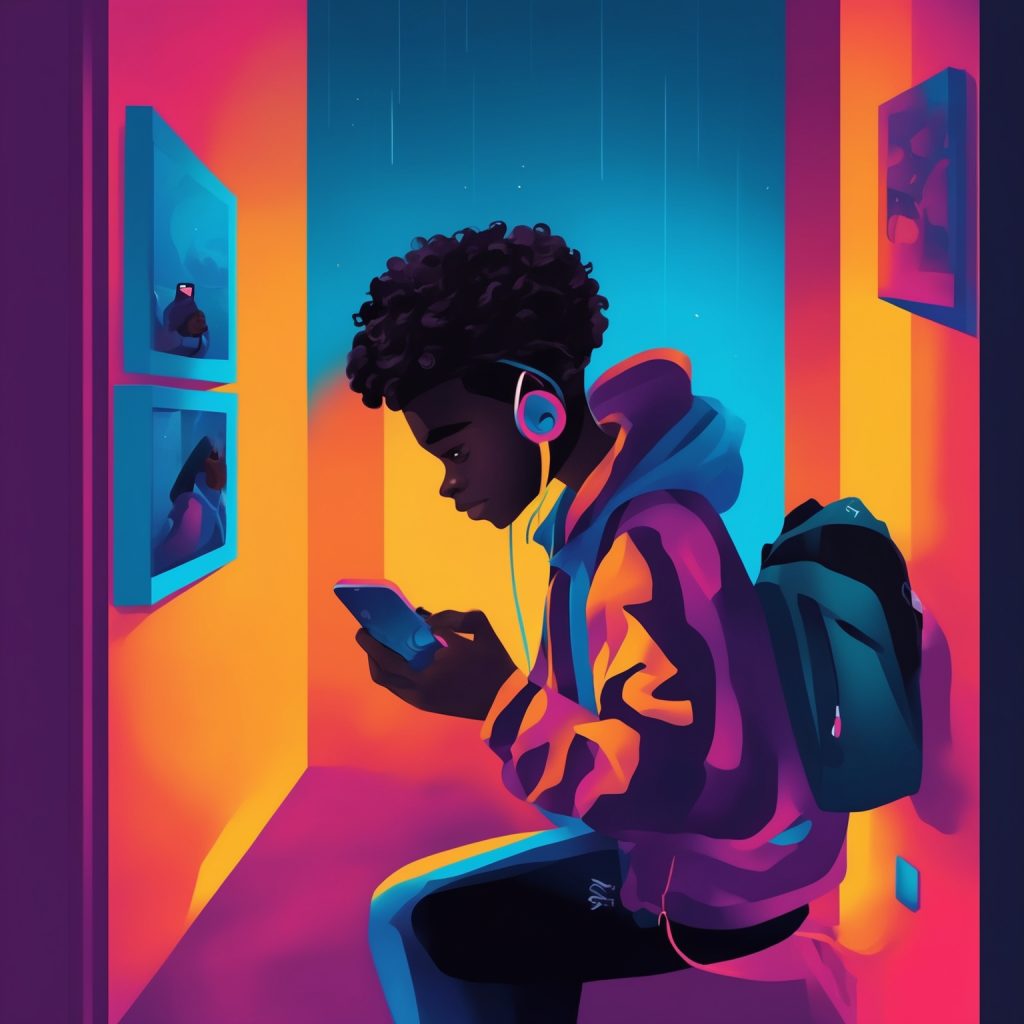
    Ever glance at your phone screen and wonder how many hours slipped away unnoticed? Do notifications buzz a constant ring, pulling you out of real-life moments? If so, it’s time to ask yourself: Is your phone holding you back?

    This isn’t a story about a magical town or mysterious incidents. It’s about your everyday life, about Alex, a teenager just like you, and the transformative journey he embarked on when he dared to question his relationship with his phone.

    Alex, once known as the Techville “guru,” lived day and night within the glowing oasis of his smartphone screen. From social media battles to gaming quests, the digital world held an endless allure. But slowly, almost imperceptibly, something shifted. A yearning for something more began to flicker within him.

    Then, fate intervened. Enter WiseWillow, a mentor with eyes that shone with the wisdom of unplugged times. She whispered tales of teens who chose a different path, one where phones weren’t a constant companion, but a conscious choice. Inspired, Alex embarked on a quest for balance, a quest to break free from the digital leash.

    The first day without his phone was like stepping off a spaceship. An awkward silence filled the void, the constant hum of notifications abruptly absent. But as the day unfolded, something remarkable happened. Laughter echoed through the air as Alex truly connected with his friends, face-to-face, without the digital intermediary. Conversations became deeper, genuine, and a sense of joy sparked from authentic human interaction.

    Without the digital fog clouding his mind, Alex discovered the power of focus. Homework became manageable, ideas flowed freely, and a sense of accomplishment replaced the anxiety of notifications. The world beyond the screen came alive. He biked on winding paths, hiked through vibrant forests, and felt the sun warm his skin. A forgotten appreciation for the outdoors blossomed.

    Of course, this journey wasn’t without its challenges. There were moments of feeling out of the loop, disconnected from the digital heartbeat of Techville. But Alex realized the trade-off was worth it. His life was now an orchestra of real experiences, meaningful connections, and a mind in harmony with the world around him.

    In the end, Alex discovered the magic of moderation. He learned that the phone, while a powerful tool, should be used consciously, not compulsively. WiseWillow’s words resonated: the real adventure wasn’t just in the digital realm, but in weaving together the tapestry of the virtual and the tangible.

    And so, with a newfound wisdom, Alex continued his journey, navigating both the digital and the real worlds with a heart full of stories and a mind set free.

    Is your phone holding you back? Are you ready to unleash your potential and rediscover the magic of the real world? Take a step, unplug for a moment, and see what your own unplugged adventure might hold.

    Remember, your phone is a tool, not a master. Reclaim your time, your mind, and your life!

    Impact of Mobile Phone Use on the Mind: A Deep Dive

    Mobile phones have become ubiquitous in our lives, offering incredible convenience and connection. However, their constant presence comes with potential downsides for our mental well-being. Let’s dive into the contrasting impacts of using mobile phones daily and not using them daily on our minds:

    Using Mobile Phones Everyday

    AreaPotential ImpactsPossible Benefits
    Attention and FocusDecreased due to constant notifications, multitasking, and information overload.Improved access to information and resources for learning and problem-solving.
    Memory and CognitionPotentially impaired due to reliance on phone for information storage and retrieval.Enhanced cognitive flexibility and creativity through engaging content and apps.
    Sleep and RestDisrupted by blue light emitted from screens, leading to insomnia and fatigue.Improved sleep quality by eliminating screen time before bed.
    Mental Health and StressIncreased risk of anxiety, depression, and FOMO (fear of missing out) due to social comparison and constant stimulation.‍♀️ Enhanced emotional well-being through mindfulness apps and social connection.
    Social Interaction and Relationships️ Potentially negative impact on face-to-face communication and quality time with others.‍‍ Positive impact on social connection through communication apps and online communities.
    The impact of using mobile phones every day

    Using Mobile Phones Moderately

    AreaPotential BenefitsPossible Drawbacks
    Attention and FocusImproved due to reduced distractions and increased ability to maintain a presence in the moment.Challenges accessing information and staying connected for work or social demands.
    Memory and CognitionPotentially enhanced due to increased reliance on internal brain functions for storing and recalling information.Increased cognitive load for remembering phone numbers, directions, etc.
    Sleep and RestImproved sleep quality due to reduced screen time and blue light exposure.Difficulty adjusting to no late-night screen time for entertainment or communication.
    Mental Health and StressPotentially reduced anxiety and stress due to less social comparison and information overload.Feelings of disconnection from friends and family who rely on mobile communication.
    Social Interaction and Relationships️ Potentially improved quality of face-to-face interactions due to increased focus and presence.Challenges staying connected with friends and family who primarily use mobile communication.
    The impact of using mobile phones moderately

    Overall

    The impact of mobile phone use on the mind is a complex issue with both potential benefits and drawbacks. The right approach depends on individual needs, preferences, and lifestyle. Striking a balance between using technology constructively and prioritizing mental well-being is key.

    Remember:

    • Mindfulness is crucial, be aware of your phone habits and their impact on your mental state.
    • Set boundaries: Define specific times for phone use and stick to them, allowing for tech-free zones and dedicated rest periods.
    • Prioritize real-world connection: Engage in face-to-face interactions, hobbies, and activities that nurture your well-being outside the digital realm.
    • Use technology to your advantage: Leverage apps and resources for mindfulness, learning, and personal growth.

    “Life isn’t meant to be lived through a screen. Unplug, connect, and rediscover the magic of the real world.”

    Ultimately, the choice is yours. Listen to your mind and strive for a healthy relationship with technology that empowers, rather than burdens, your mental well-being.

    Can Critical Thinking and Mindfulness Dance Together?

    In the grand tapestry of human thought, two threads stand out: critical thinking and mindfulness. While they might seem like opposing forces – the analytical detective and the serene observer – they actually weave a beautiful and powerful pattern when they dance together.

    Critical thinking: Like a skilled craftsman, it meticulously examines every detail, dissecting information, ideas, and arguments with a keen eye. It’s fueled by skepticism, logic, and the ability to sniff out truth from falsehood.

    Mindfulness: This serene artist steps back to admire the whole masterpiece. It’s a state of present-moment awareness, where thoughts and feelings are observed without judgment. It invites us to fully experience the richness of life, unclouded by preconceived notions.

    The Dance Begins

    These two threads, seemingly different, can intertwine in a remarkable way. Critical thinking acts as the gatekeeper, ensuring sound decisions by questioning assumptions, scrutinizing evidence, and navigating through the maze of information with a discerning eye.

    Mindfulness, in turn, adds depth and clarity to this critical process. By fostering awareness of our thoughts and emotions, it allows us to approach problems with a focused mind, free from the baggage of biases and distractions. We become more open-minded and receptive, able to observe our thought patterns without getting swept away by them.

    The Synergy

    Imagine a chess player, analyzing moves with strategic precision (critical thinking) while maintaining a calm awareness of their opponent’s every subtle move (mindfulness). This is the power of their combined dance.

    In our fast-paced world, this synergy is crucial. Critical thinking helps us navigate the information overload, separating fact from fiction and making informed decisions. Mindfulness acts as a compass, guiding us through the mental noise and maintaining a centered, composed presence.

    The Wisdom

    The harmony of critical thinking and mindfulness is a testament to the human mind’s versatility. It’s a reminder that both analysis and awareness are essential tools for navigating the world with clarity, balance, and wisdom. Embrace the yin and yang of your cognitive processes, and let them dance together to create a tapestry of intellectual excellence.

    In-Depth Comparison

    Deeper Understanding through Critical Thinking and Mindfulness

    Both critical thinking and mindfulness are powerful tools for enhancing understanding, but they approach it from different angles. Here’s an in-depth comparison to help you navigate their strengths and potential synergies:

    Critical Thinking:

    1. Definition: The ability to analyze information objectively, evaluate arguments, and form independent judgments.
    2. Focus:
      • Deconstructing ideas: Examining evidence, identifying biases, and questioning assumptions.
      • Reasoning logically: Employing analytical frameworks, recognizing logical fallacies, and building strong arguments.
      • Making informed decisions: Weighing evidence, considering alternative perspectives, and choosing the most optimal path.
    3. Strengths:
      • Unravels complexity: Breaks down complex issues into manageable parts for deeper analysis.
      • Sharpens problem-solving: Develops effective strategies for tackling challenges in various domains.
      • Promotes intellectual rigor: Encourages skepticism, fosters independent thinking, and guards against manipulation.
    4. Challenges:
      • Can be overly analytical: Risks losing sight of the bigger picture and neglecting intuition.
      • May lead to paralysis by analysis: Overthinking can hinder action and decision-making.
      • Can foster negativity: Focusing on flaws and errors might breed cynicism and pessimism.

    Mindfulness:

    1. Definition: Focusing attention on the present moment without judgment, cultivating awareness of thoughts and feelings.
    2. Focus:
      • Non-judgmental awareness: Observing thoughts and emotions without getting caught up in them.
      • Openness and curiosity: Approaching experiences with a beginner’s mind, free from preconceived notions.
      • Accepting the present moment: Embracing what is without resistance, fostering equanimity.
    3. Strengths:
      • Enhances present-moment awareness: Improves focus, increases clarity, and reduces distractions.
      • Cultivates emotional intelligence: Enables better understanding of self and others, improving communication and relationships.
      • Reduces stress and anxiety: Promotes calming and grounding effect, fostering resilience and well-being.
    4. Challenges:
      • Difficulty staying present: Maintaining focus can be challenging, especially in a fast-paced world.
      • Can feel passive: The emphasis on acceptance might seem like inaction or ignoring problems.
      • May not address complex issues: While promoting acceptance, it doesn’t offer tools for analyzing or changing external situations.

    Breaking Down Critical Thinking and Mindfulness on the Mind

    Both critical thinking and mindfulness are powerful tools for shaping our mental landscape, though they operate on different levels. Here’s a detailed comparison with tables to highlight their diverse impacts:

    Area of ImpactCritical ThinkingMindfulness
    FocusAnalyzing information, reasoning, problem-solvingObserving present-moment experience, non-judgmentally
    Cognitive ProcessesAnalysis, evaluation, argumentation, skepticismAttention, awareness, non-reactivity, acceptance
    Emotional ImpactCan provoke negative emotions (frustration, doubt) due to questioning biasesPromotes emotional regulation and resilience through acceptance
    Mental ClarityImproves ability to identify logical fallacies, deconstruct argumentsEnhances present-moment awareness, reducing mental chatter
    Self-AwarenessIncreased awareness of personal biases and assumptionsCultivates self-compassion and acceptance of inner states
    Decision-MakingPromotes informed, rational choices based on evidenceEncourages mindful action based on present circumstances and inner wisdom
    Overall Well-beingCan contribute to intellectual growth and problem-solving skillsCultivates calmness, emotional stability, and resilience

    Here are some additional insights:

    • Synergy: While distinct, critical thinking and mindfulness can work synergistically. Mindfulness practice can provide a calmer, clearer mind for critical thinking tasks, while critical thinking can help mindfulness avoid pitfalls like rumination.
    • Balance: Striking a balance between critical thinking and mindfulness is crucial. Overthinking can lead to anxiety and paralysis, while excessive passivity can hinder effective engagement with the world.
    • Applications: Both practices have wide-ranging applications in various aspects of life, including education, relationships, careers, and personal growth.

    Comparison Tables

    Table 1: Cognitive Processes

    ProcessCritical ThinkingMindfulness
    AttentionFocused, directedOpen, non-judgmental
    AnalysisBreaks down informationObserves without analysis
    EvaluationJudges, weighs pros and consAccepts all experiences as valid
    ReasoningConstructs arguments, draws conclusionsLets go of rigid interpretations

    Table 2: Emotional Impact

    EmotionCritical ThinkingMindfulness
    FrustrationCan arise from encountering conflicting informationLess likely due to non-judgmental acceptance
    DoubtCan be experienced when questioning established beliefsReduced through self-compassion and acceptance
    CalmnessAchieved through resolving problems and reaching conclusionsCultivated through present-moment awareness
    ResilienceDeveloped through overcoming challenges and learning from mistakesEnhanced through acceptance of difficult emotions

    By understanding the distinct and complementary impacts of critical thinking and mindfulness, you can cultivate a more comprehensive and balanced approach to mental well-being and effective engagement with the world.

    Synergy and Integration

    Both critical thinking and mindfulness are valuable tools for deeper understanding, and they can be combined for greater impact:

    • Mindfulness informs critical thinking: A calm and focused mind fosters better analysis, reduces biases, and enhances creativity in problem-solving.
    • Critical thinking strengthens mindfulness: Analyzing one’s thoughts and emotions helps identify unhelpful patterns and cultivate greater self-awareness.
    • Together, they create a holistic approach: Critical thinking provides the tools to analyze and reason while mindfulness offers the foundation of present-moment awareness and emotional intelligence.

    Key Takeaways

    • Critical thinking and mindfulness are not opposites, but complementary forces.
    • Critical thinking provides analysis and logic, while mindfulness fosters awareness and focus.
    • Together, they create a powerful synergy for informed decision-making and navigating complexity.
    • Embrace both the analytical and the present-moment awareness for a more balanced and wise approach to life.