

More
    Home Blog Page 119

    Turn Your Thoughts into Reality: The Power of Positive Thinking

    0

    This article offers a fresh perspective on manifestation, combining it with practical tips for overcoming negativity and self-doubt. It’s not just about “magical thinking” but about harnessing the power of your mind to take action and create positive change. You’ll find simple techniques you can use every day to shift your mindset and start attracting the things you desire.

    TL;DR

    • Your thoughts have power. Negative thoughts can become a self-fulfilling prophecy, while positive thoughts can open doors to new possibilities.
    • Focus on visualization. See yourself achieving your goals and feel the emotions of success.
    • Use positive affirmations. Repeating positive statements about yourself can boost your confidence.
    • Take action!* Don’t just wait for your dreams to come true, put yourself out there and make an effort.
    • Surround yourself with positivity. Optimistic people can inspire you and help you stay positive.
    • Be grateful. Appreciate the good things in your life, big or small.
    • Don’t compare yourself to others. Everyone’s journey is unique, focus on your own progress.

    Hey there! Feeling a little discouraged lately? We all have those days where negative thoughts creep in and make us doubt ourselves. But what if I told you that your thoughts have more power than you think?

    That’s right! The concept of manifestation is all about attracting what you focus on. It’s not magic, but it is about harnessing the power of your mind to shape your reality.

    Think about it: when you tell yourself, “I’m never going to find a girlfriend,” what are you doing? You’re planting a seed of negativity that can become a self-fulfilling prophecy. Instead, by focusing on positive affirmations and believing in yourself, you open yourself up to new possibilities.

    The Law of Attraction: How Your Thoughts Shape Your World

    The law of attraction is a philosophy that suggests that attracts like. Simply put, the energy you put out into the universe is the energy you attract back. So, if you’re constantly dwelling on negativity, you’ll likely experience more negativity in your life.

    On the other hand, by focusing on positive thoughts and beliefs, you create a positive vibration that attracts good things your way. It’s not about ignoring challenges, but about approaching them with an optimistic mindset. Think of it like a magnet. When you focus on positive thoughts and expectations, you become a magnet for positive experiences.

    Mind Mosaic: How Your Thoughts Paint Your Reality

    Thought PatternReality BrushstrokesEmotional Palette
    Negativity BiasFocus on problems, limitations, and worst-case scenarios.Frustration, discouragement, and fear
    Positive OutlookSee opportunities, strengths, and potential solutions.Hope, optimism, and motivation
    Self-Doubt SymphonyDwelling on mistakes and feeling incapable.Shame, anxiety, and paralysis
    Self-Belief AnthemAcknowledging challenges but focusing on strengths and ability to learn.Confidence, resilience, and a willingness to try
    Victim MentalityBlaming external factors for setbacks.Helplessness, anger, and a lack of control
    Empowerment MindsetTaking responsibility for actions and learning from mistakes.Determination, a sense of control, and a growth mindset

    Taking Action: How to Manifest Your Dreams

    Visualization is a powerful tool for manifestation. Take a few minutes each day to close your eyes and imagine yourself achieving your goals. See yourself in that new relationship, that dream job, or whatever it is you desire. Feel the emotions of success and happiness. The more vivid your visualization, the stronger the signal you send out to the universe.

    Positive affirmations are another great way to shift your mindset. Repeating positive statements about yourself and your goals can help to reprogram your subconscious mind and build confidence. Instead of saying “I can’t,” tell yourself “I am capable” or “I am worthy.”

    Remember, manifestation isn’t just about thinking – it’s about taking action too! Don’t just sit around waiting for your dreams to come true. Put yourself out there, take some risks, and make the effort to turn your desires into reality. Let’s say you want your dream job. Visualization and affirmations are great, but you also need to update your resume, practice your interview skills, and network with people in your field.

    Dream Weaver’s Toolkit: Turn Your Dreams into Reality

    StageActionBenefit
    See It, Believe ItPractice visualization. Close your eyes and imagine achieving your dreams. Engage all your senses – what do you see, hear, smell, feel?Increased clarity, focus, and a stronger connection to your desires
    Feel the FeelsImagine the emotions you’ll experience when you reach your goal. Feel the joy, satisfaction, and pride.Boosts motivation and reinforces the positive emotions associated with success
    Speak It Into ExistenceCraft positive affirmations. Use “I am” statements to declare your goals as true. Repeat them daily!Reprograms your subconscious mind for success and builds confidence
    Universe, Take the Wheel!Trust that the universe is conspiring in your favor. Be open to opportunities and unexpected detours.Reduces anxiety and allows space for positive surprises
    Action is MagicDon’t just dream, take action! Align your daily activities with your goals. Small steps add up!Transforms dreams into tangible progress and a sense of accomplishment
    Gratitude is the Secret SauceAppreciate what you have already achieved. Gratitude attracts more positivity.Increases happiness, strengthens your connection to your desires, and fuels motivation

    Overcoming Negativity: It’s All in Your Mind

    We all experience negativity from time to time. It’s a natural part of life. But the key is not to let it take control. When negative thoughts start to creep in, acknowledge them and then consciously choose to focus on the positive.

    Surround yourself with positive people and influences. Spending time with optimistic and supportive people can rub off on you. Sometimes a change of scenery or a positive conversation can be all it takes to shift your perspective. If you find yourself surrounded by negativity, take a step back and seek out more positive influences.

    Flip the Script: Your Negativity-Busting Toolbox

    ChallengeActionOutcome
    Negative Self-TalkTurn “I can’t” into “I am capable” or “I will find a way.”Boosted confidence and a “can-do” attitude
    Dwelling on What-Ifs?Visualize success instead. Imagine yourself achieving your goals.Increased optimism and a clear path forward
    Feeling Overwhelmed?Break down big goals into smaller, manageable steps. Celebrate each win!Reduced stress and a sense of accomplishment
    Jealousy Creepin’ In?Focus on your own journey. Celebrate others’ success – it might inspire you!More self-compassion and a supportive mindset
    Gratitude Vacuum?Take a moment each day to appreciate the good things in your life.Increased happiness and a positive outlook
    Energy Zappers?Limit time with negative people. Surround yourself with positive influences.More uplifting energy and a supportive network

    Remember: You Are Worthy!

    It’s important to appreciate the good things in your life, no matter how big or small. Gratitude is a powerful tool for attracting more positivity. Take some time each day to reflect on the things you’re grateful for, and watch your happiness grow. Maybe you’re grateful for your good health, your loving family, or even just a delicious cup of coffee in the morning.

    Life is a journey, and everyone’s path is unique. Don’t compare yourself to others. Social media can make it easy to fall into the trap of comparison, but it’s important to remember that everyone is on their own journey. Focus on your own progress and celebrate your accomplishments, big or small. Be proud of how far you’ve come!

    The Takeaway: Be the Master of Your Mind

    Your thoughts are powerful. By harnessing the power of positive thinking and manifestation, you can create a life that is filled with joy, success, and happiness. So, ditch the negativity, focus on your dreams, and take action to make them a reality. You’ve got this!

    Remember, manifestation is a journey, not a destination. There will be ups and downs along the way, but as long as you stay focused on your goals and maintain a positive attitude, you will eventually reach your dreams.

    “Your thoughts are powerful. Choose them wisely.”

    Conquering the Overthinking Monster: Your Path to Clarity and Confidence

    This article goes beyond simply listing tips to overcome overthinking. It offers a supportive and encouraging tone, guiding readers through a personalized journey of self-discovery. You’ll find practical steps you can implement right away, along with insights that help shift your perspective on worry and uncertainty.

    TL;DR

    • Recognize the signs of overthinking: restlessness, racing thoughts, unease.
    • Most worries are unfounded – focus on the present moment.
    • Practice mindfulness techniques like meditation or deep breathing.
    • Challenge negative thoughts – replace them with empowering ones.
    • Take action instead of dwelling on worries.

    Hey there! Have you ever felt like your mind is a hamster wheel of worry, constantly replaying anxieties and worst-case scenarios? We’ve all been there. Overthinking can be a real drag, zapping our joy and clouding our judgment. But guess what? There’s a way out! Get ready to ditch the overthinking monster and embrace a life filled with clarity and confidence. Buckle up, because we’re about to embark on an empowering adventure!

    Understanding Your Overthinking Habit

    Before we tackle how to overcome overthinking, let’s get to know the enemy a little better. Picture this: you have a big presentation coming up. Instead of focusing on preparing, you find yourself spiraling into a vortex of “what ifs?” You imagine forgetting everything, tripping over the projector cord, or the audience bursting into laughter. Sound familiar?

    Studies by the American Psychological Association show that overthinking is a major stressor, leading to anxiety and even depression. It’s like being trapped in a mental fog, unable to see the sunshine of possibility.

    Easy-to-understand table to help you identify your overthinking habit:

    Overthinking MonsterTacticYou Fight Back With…
    The Record SkipperKeeps replaying the same worries over and overHit the Pause Button: Take a deep breath and remind yourself you’re safe in this moment.
    The Fortune TellerPredicts worst-case scenariosChallenge the Thoughts: Are these worries based on facts or just imagination?
    The Mind Movie DirectorCreates dramatic (and often scary) stories in your headFocus on the Present: Write down your worries, then break them into actionable steps.
    The Perfectionist GremlinObsesses over every detail, leading to paralysisDone is Better Than Perfect: Set a time limit and move on, even if it’s not flawless.
    The Comparison CriticCompares you to others, making you feel inadequateCelebrate Your Wins: Focus on your own progress and unique strengths.

    Breaking Free from the Overthinking Cycle

    Don’t worry, my friend, there’s light at the end of the tunnel! We’re going to break free from the chains of overthinking and reclaim control of our minds.

    The transition from overthinking to clarity requires a conscious effort. Here’s the secret weapon: most of the things we worry about never happen! In fact, research from the University of Cincinnati suggests a whopping 85% of anxieties turn out to be unfounded. That’s a pretty good reason to ditch the worry list, wouldn’t you say?

    Crafting Your Escape Plan: Step-by-Step to Freedom

    Imagine overthinking as a tangled mess of yarn. To unravel it, we need patience, persistence, and a strategic plan. Let’s break it down:

    1. Spot the Overthinking Monster: The first step is recognizing when you’re getting sucked into the overthinking vortex. Watch out for restlessness, racing thoughts, and that general feeling of unease.
    2. Take a Deep Breath and Pause: When you feel the overthinking monster rearing its ugly head, hit the pause button. Take a few deep breaths and remind yourself that everything is okay, right here, right now.
    3. Focus on What You Can Control: Shift your attention away from the unpredictable future and ground yourself in the present. Break down your worries into bite-sized pieces and tackle them one at a time.
    4. Mindfulness is Your Ally: Mindfulness practices like meditation, yoga, or even just focusing on your breath can be powerful tools. They help you anchor yourself in the present moment and quiet the mental chatter.
    5. Challenge Your Negative Thoughts: Don’t just accept your worries as truth. Question them! Are they based on facts or just worst-case scenarios? Flip the script and replace negativity with empowering thoughts.
    6. Take Action, Not Overthinking: Stop dwelling on problems and start taking steps towards solutions. Action is the ultimate antidote to overthinking!

    Embracing the Beauty of Uncertainty

    Life throws curveballs, that’s a fact. But instead of fearing the unknown, let’s learn to embrace it. After all, some of the most beautiful things in life bloom from uncertainty. Think about it – the most breathtaking journeys often begin with a single step into the unknown.

    As Lao Tzu, the wise old Chinese philosopher, said, “When I let go of what I am, I become what I might be.” So, let go of the overthinking monster and step into a world brimming with possibilities.

    Embracing the Unknown: A Treasure Map

    Fear of UncertaintyHidden TreasureCompass to Find It
    Getting Lost: Fear of the unknown pathAdventure & Discovery: New experiences and unexpected joysCuriosity: Ask questions, explore possibilities, and embrace the surprise.
    Missing Out: Worrying about perfect choicesUnforeseen Opportunities: Hidden gems and exciting detoursOpenness: Be adaptable and willing to follow new paths that emerge.
    Feeling Unprepared: Anxious about the futureGrowth & Resilience: Learning from challenges and building inner strengthTrust: Believe in your ability to handle whatever comes your way.

    You Are the Music, Let Your Heart Play

    Imagine life as a grand symphony, with each of us playing our own unique melody. Don’t let overthinking mute your beautiful tune! Cast aside the cloak of worry and dance to the rhythm of your own heart.

    Keep This Guide Handy!

    If these words resonate with you, bookmark this page! Keep it close for those moments when the overthinking monster starts whispering doubts. Remember, we can navigate this labyrinth together, emerging stronger, wiser, and more resilient.

    As we part ways, here’s a final thought to ponder: “The only thing to fear is fear itself.” So go forth, conquer the overthinking monster with courage, clarity, and unwavering confidence. May your mind be as tranquil as a still pond at dawn, and until we meet again on the shores of serenity, take care!

    The Unbreakable Bond: Why Communication is the Heartbeat of Every Relationship

    This article goes beyond simply telling you to communicate with your partner. It provides actionable steps and weaves in expert insights to make communication a positive and enriching experience. You’ll learn how to navigate conflict productively, listen with your heart, and build a deeper connection with your loved one.

    TL;DR

    • Communication is the cornerstone of healthy relationships.
    • Open and honest conversations are key to resolving conflict and building trust.
    • Active listening involves paying attention to your partner’s words and emotions, not just waiting for your turn to speak.
    • Communication is a two-way street that requires empathy and understanding.
    • Effective communication strengthens your connection and fosters lasting love.

    Have you ever dreamt of a love story that endures the test of time? Where laughter spills freely, hearts connect deeply, and challenges are faced together? This dream can become your reality with the power of effective communication.

    Many relationships falter not because of fading love, but because of a breakdown in communication. Unvoiced feelings and unspoken needs create a chasm that grows wider with each passing silence. But fear not! Even in our fast-paced world, the key to unlocking a lifetime of love lies within your grasp.

    This guide will be your compass, navigating you through the secrets of communication in relationships. We’ll weave together storytelling, expert insights, and practical tips to help you build a relationship that thrives.

    The Power of Open Communication: Building Bridges of Understanding

    Imagine a world where every word strengthens your connection, where disagreements spark deeper understanding. This isn’t a fantasy – it’s the reality for couples who prioritize communication.

    Research by the Gottman Institute, a leader in relationship research, shows that communication patterns are a major predictor of success. Couples who communicate effectively are a whopping 67% more likely to report higher levels of satisfaction.

    But what exactly does “effective communication” mean? It goes beyond simply talking. It’s about active listening, empathy, and truly understanding your partner’s perspective.

    The Power of Open Communication: A Recipe for Relationship Success

    IngredientBenefitHow-To
    Honest ConversationClear the air, build trustShare your feelings openly and respectfully.
    Active ListeningUnderstand your partner’s perspectivePay full attention, ask clarifying questions, and avoid interrupting.
    EmpathySee things from their eyesAcknowledge their emotions and try to connect with their experience.
    “I” StatementsTake ownership of your feelingsFocus on how you feel instead of blaming your partner. (e.g., “I feel hurt when…” instead of “You always…”)
    CompromiseFind common groundBe willing to meet your partner halfway and find solutions that work for both of you.

    Communication as Conflict Resolution: From Gridlock to Growth

    Did you know that a staggering 65% of divorces cite communication problems as a factor? This highlights the importance of addressing issues head-on. Unresolved conflicts fester like an untreated wound, poisoning the relationship over time.

    The good news? Open and honest conversations are the antidote. By expressing your feelings and concerns in a healthy way, you can not only resolve conflicts but also build trust and intimacy.

    Taming the Storm: Conflict Resolution Through Communication

    StepActionBenefit
    Cool DownTake a breather before discussing the issueAllows emotions to settle and fosters a calmer conversation.
    “I Feel” StatementsExpress your feelings without blameHelps your partner understand your perspective without feeling attacked. (e.g., “I feel frustrated when…”
    Active ListeningTruly hear your partner’s viewpointShows respect and allows you to identify potential solutions.
    Brainstorm TogetherWork collaboratively to find a win-winEmpowers both partners and strengthens the sense of teamwork.
    Focus on Solutions, Not BlameShift the conversation towards positive outcomesKeeps the energy constructive and fosters a sense of progress.

    The Art of Active Listening: Tuning In to Your Partner’s Heart

    Healthy communication isn’t a one-way street. It’s about creating an environment of mutual respect and understanding. When conflicts arise, don’t shut down – embrace vulnerability and express yourself clearly.

    Practice active listening. Pay close attention to your partner’s words and emotions, and try to see things from their perspective. This fosters empathy and paves the way for positive resolutions.

    The Art of Listening: Tuning into Your Partner’s Song

    ActionBenefitLike This, Not That
    Give Your Full AttentionShow respect and encourage them to sharePut away distractions (phone!), make eye contact.
    Be Present in the MomentAbsorb their message, don’t rehearse your responseFocus on their words and body language.
    Ask Clarifying QuestionsEnsure you understand their perspective“Can you tell me more about that?”
    Acknowledge Their FeelingsValidate their emotions“It sounds like you’re feeling frustrated.”
    Hold Space for Their ThoughtsDon’t interrupt or jump to conclusionsAllow them to finish speaking before responding.

    Beyond Words: The Emotional Dance of Communication

    Communication isn’t just about the words we say, it’s about the emotions we convey. It’s a dance where hearts connect and feelings intertwine.

    Listen not just to respond, but to truly understand the unspoken messages your partner is sending. Renowned psychologist Carl Rogers said, “The good life is a process, not a state of being.”

    The same applies to relationships. Lasting love is a journey, and open communication is the first step.

    The Listener’s Toolkit: Mastering the Art of Connection

    TechniqueBenefitImagine You’re…
    MirroringReflect key points to show understanding“So, what you’re saying is…”
    Emotional LabelingIdentify and validate their feelings“It sounds like you’re feeling disappointed.”
    Open-Ended QuestionsEncourage deeper conversation“What else can you tell me about that?”
    Non-Judgmental SilenceCreate a safe space for sharingHold eye contact and offer a gentle nod.
    SummarizingConfirm understanding and encourage elaboration“In short, you’re feeling…”

    The Journey to Lasting Love

    Let’s embark on this adventure of self-discovery and shared understanding together. Heartfelt communication is the key that unlocks the treasure chest of lasting love.

    Remember, communication is the foundation upon which love is built. Let these words be your guiding light on your path to a fulfilling relationship. May your conversations be filled with warmth, honesty, and a love that grows stronger with every passing year.

    A happy relationship starts with a good conversation.

    Martial Arts Safety: A Story of Responsibility and the Fight for Justice

    0

    This article sheds light on a critical yet often overlooked aspect of martial arts: safety. By delving into a real-life story of a tragic event, it emphasizes the importance of prioritizing safety regulations and athlete well-being. Unlike other articles, you’ll gain valuable pointers on identifying safe competition environments and advocating for responsible practices. This knowledge empowers you to make informed decisions and participate in martial arts with greater confidence and reduced risk.

    TL;DR

    • Beware of misleading advertising: Don’t solely rely on promotional claims. Research the event and understand the competition level.
    • Prioritize safety: Look for qualified personnel, proper equipment, and a strong focus on safety protocols.
    • Know your limits: Be honest about your experience level and compete within your capabilities.
    • Speak up for yourself: If you feel unsafe, don’t hesitate to stop participating and report any concerns.

    Introduction

    Have you ever considered the importance of safety in martial arts? While these disciplines teach self-defense and empower individuals, prioritizing safety is paramount. Today, we’ll explore a cautionary tale highlighting the critical roles of responsibility and accountability in the martial arts world.

    A Dream Shattered

    Zen Hun Le, a brilliant international student and PhD candidate in chemistry at the University of British Columbia, found himself captivated by the energy of a kickboxing tournament. Lured by the promise of light competition, he entered with enthusiasm. Tragically, this decision would forever alter his life’s trajectory.

    Light Competition Turns Dark

    The advertised “light and controlled” event turned out to be a recipe for disaster. Zen Hun Le, amidst optimism, faced opponents exceeding his experience level. Reports revealed a blatant disregard for safety protocols. An athlete with professional experience was placed in the novice category, creating an unfair and potentially dangerous situation.

    A Mother’s Fight for Justice

    Ying Lee, Zen Hun Le’s mother, embodies unwavering resolve. Faced with her son’s critical condition, she took a bold step by filing a lawsuit against the tournament organizers, promoters, referees, and hosts. Her pursuit of justice serves as a beacon of hope, urging the martial arts community to prioritize safety.

    Safety Neglected, Consequences Emerge

    The event unfolded with disregard for safety regulations. Referees turned a blind eye to blatant rule violations, allowing strikes beyond the intended level of competition. Despite visible signs of injury, Zen Hun Le continued, perhaps driven by a sense of obligation. This ultimately led to a rapid deterioration of his health, leaving him in a vegetative state.

    A Call for Reform

    This tragedy raises crucial questions. Who is responsible? The organizers for neglecting safety? The referees for failing to intervene? Or perhaps, a competitive culture that prioritizes victory over well-being? The answer likely lies within a combination of these factors.

    Building a Safer Future

    One outcome of this tragedy is a clear call for reform. The martial arts community must prioritize safety. Stringent regulations, qualified personnel, and a culture of responsible competition are paramount. As Edmund Burke said, “The only thing necessary for the triumph of evil is for good men to do nothing.” Let’s unite in ensuring safety prevails.

    Conclusion

    This story serves as a stark reminder of the importance of empathy, responsibility, and vigilance in martial arts. Let us all play a role in creating a safer environment where integrity and athlete well-being are never compromised.

    Join the Conversation

    We encourage you to share your thoughts on martial arts safety and the importance of responsible competition. By fostering awareness and advocating for change, we can create a safer and more rewarding experience for all martial arts enthusiasts.

    Stay Informed, Stay Safe

    Remember, safety is paramount in any endeavor. Stay informed, support responsible martial arts organizations, and never underestimate the power of unity.

    Here’s a list of notable deaths and injuries in martial arts competition history:

    1. Kim Duk-koo: In 1982, South Korean boxer Kim Duk-koo died from injuries sustained during a bout against Ray Mancini. The tragic incident led to significant changes in boxing regulations, including reducing the number of rounds in championship fights.
    2. Mike Bernardo: South African kickboxer Mike Bernardo suffered fatal injuries during a training session in 2012. His death highlighted the risks associated with high-impact combat sports.
    3. Douglas Dedge: Thai boxer Douglas Dedge died in 1998 after sustaining head injuries during a Muay Thai bout in Thailand. His death prompted discussions about safety measures in Muay Thai competitions.
    4. Yang Jian Bing: Chinese mixed martial artist Yang Jian Bing passed away in 2015 due to complications from weight cutting ahead of a ONE Championship event. His death raised concerns about extreme weight-cutting practices in MMA.
    5. Joao Carvalho: Portuguese MMA fighter Joao Carvalho died in 2016 following a bout in Dublin, Ireland. The tragic incident sparked debates about fighter safety and medical protocols in MMA events.
    6. Sam Vasquez: American MMA fighter Sam Vasquez died in 2007 from injuries sustained in a bout. His death prompted increased scrutiny of head trauma and the long-term effects of concussions in combat sports.
    7. Levan Makashvili: Georgian MMA fighter Levan Makashvili died in 2020 after sustaining injuries during a bout in Ukraine. His death reignited discussions about the need for better medical support and safety standards in international MMA events.
    8. Barry Windham: In 1987, professional wrestler Barry Windham suffered a severe neck injury during a match, which left him temporarily paralyzed. While he eventually recovered, the incident highlighted the risks associated with scripted combat sports.
    9. Yoshihiro Takayama: Japanese professional wrestler Yoshihiro Takayama was paralyzed from the neck down in 2017 after a botched move during a match. His injury underscored the dangers inherent in professional wrestling.
    10. Dale Earnhardt: While not directly related to martial arts, NASCAR legend Dale Earnhardt’s death in 2001 following a crash during the Daytona 500 serves as a reminder of the risks involved in high-speed competitive sports.

    These incidents serve as sobering reminders of the importance of safety measures, proper training, and medical support in martial arts and combat sports. While such tragedies are rare, they highlight the need for continued vigilance and efforts to minimize risks for athletes.

    Know When to Sit This One Out: A Martial Arts Competitor’s Guide to Feeling Well Enough to Fight

    SymptomStop Sign or Fight On?Why?
    Mild fatigue or muscle sorenessFight On (with Caution)Listen to your body, but mild soreness is common from training.
    Fever, chills, or body achesStop Sign!These indicate potential illness that could worsen with exertion and make you more susceptible to injury.
    Nausea, vomiting, or diarrheaStop Sign!Dehydration and weakness can significantly hinder performance and increase injury risk.
    Dizziness, lightheadedness, or confusionStop Sign!These could be signs of dehydration, concussion, or other serious issues. Prioritize your health.
    Sudden, sharp pain (not muscle soreness)Stop Sign!This could indicate an injury that needs medical attention. Pushing through could worsen it.
    Difficulty breathing or chest painStop Sign (Immediately)!These are serious symptoms requiring immediate medical evaluation. Don’t risk your health.

    This table is a guide, not a substitute for professional medical advice. Always consult a doctor if you have any concerns about your health or fitness to compete.

    GoFundMe: https://www.gofundme.com/f/help-needed-after-kickboxing-tragedy

    Finding Love in the Digital Age: Dating Apps and Building Strong Connections

    0

    Feeling overwhelmed by the world of dating apps? You’re not alone! This article goes beyond the typical dating advice to offer a refreshing perspective. We’ll explore the pros and cons of online dating, and provide helpful tips for using dating apps to find meaningful connections. But remember, love can blossom anywhere, so keep an open mind and don’t be afraid to put yourself out there in the real world too.

    Here’s the secret weapon you won’t find anywhere else: Dating apps are tools, and just like any tool, success depends on how you use them. By approaching online dating with a balanced mindset and a dash of authenticity, you’ll be well on your way to finding love that lasts.

    TL;DR

    • Dating apps offer a convenient way to meet people outside your social circle.
    • Be mindful of superficial interactions and focus on finding someone you genuinely connect with.
    • Dating apps can accelerate the dating process, so be clear about what you’re looking for in a partner.
    • Craft a profile that showcases your personality and interests.
    • Don’t be afraid to initiate conversations and ask thoughtful questions.
    • The best connections are often found organically, so don’t limit yourself to online dating.

    Hey there, lovebirds and soon-to-be lovebirds! Let’s talk about dating apps. We all know they’ve revolutionized the way we meet potential partners, and it’s natural to feel a rollercoaster of emotions – excitement, a dash of hope, maybe even a sprinkle of uncertainty.

    Dating apps offer an undeniable advantage: they open doors to a world of connections beyond your usual social circles. Imagine it like this – you’re used to exploring your favorite local cafes, but with dating apps, you can suddenly discover hidden gem coffee shops in entirely new neighborhoods, all with a few taps on your phone. This opens the door to meeting fascinating people you might never have encountered otherwise, and who knows, maybe even your soulmate.

    But hold on a sec, apps aren’t without their drawbacks. The sheer abundance of choices can feel paralyzing, and let’s be real, some profiles can be a bit shallow, focusing more on aesthetics than what truly matters. This constant barrage of “swipe-right-if-you’re-hot” profiles can make it difficult to find someone you genuinely click with on a deeper level.

    Think back to the “olden days” of dating, where connections often blossomed organically through friends or social gatherings. This allowed relationships to develop at a natural pace, with time to get to know someone’s quirks and qualities. Dating apps, on the other hand, can fast-forward this process, which might not always be the best foundation for building a lasting connection.

    Here’s the important part: Dating apps are simply tools, and just like any tool, their effectiveness depends on how you wield them. Countless success stories prove that lasting love can be found online. The key lies in striking a healthy balance. Be clear about what you’re looking for in a partner, but also be open to unexpected connections. Take the time to craft a profile that showcases your personality, your passions, and what makes you unique. Don’t be afraid to initiate conversations that go beyond the superficial – ask thoughtful questions, share your interests, and see where things lead.

    And remember, if the online dating scene feels overwhelming, that’s perfectly alright! The world is full of opportunities to meet amazing people offline. Join a club that sparks your interest, volunteer for a cause you care about, or simply strike up a conversation with someone interesting you meet at the coffee shop. Keep an open mind, put yourself out there authentically, and love might just find you when you least expect it.

    Bonus Tip: When crafting your dating app profile, remember that authenticity is key! Let your personality shine through in your bio and photos. Don’t be afraid to break the ice with your matches by sending messages that spark genuine conversations and go beyond a simple “hey.” After all, you never know what kind of connection you might forge!

    Top 10 tips when using dating apps

    Here are 10 tips to help you navigate the world of dating apps and find the love you’re looking for:

    1. Craft a Compelling Profile: Your profile is the first impression you make, so put some effort into it! Choose flattering photos that showcase your personality and interests. Write a bio that’s both informative and engaging, and avoid clichés.
    2. Be Clear About Your Intentions: Are you looking for a casual fling, a serious relationship, or something in between? Knowing what you want will help you match with compatible people and avoid wasting time.
    3. Don’t Be Afraid to Be Selective: With so many potential matches out there, it’s important to be selective. Don’t just swipe right on everyone! Take the time to read profiles and look for people who share your interests and values.
    4. Strike Up Conversations: Don’t just wait for people to message you. Take the initiative and send a message to someone you’re interested in.
    5. Ask Engaging Questions: Once you’ve matched with someone, don’t let the conversation fizzle out. Ask interesting questions that will help you get to know them better.
    6. Look Beyond Appearances: Of course, physical attraction is important, but it shouldn’t be the only factor you consider. Look for someone who you connect with on a deeper level.
    7. Be Yourself: Don’t try to be someone you’re not. The right person will appreciate you for who you are.
    8. Be Patient: Finding love takes time. Don’t get discouraged if you don’t meet your soulmate right away.
    9. Meet Up in Person: Once you’ve gotten to know someone online, it’s time to meet up in person. This will help you see if there’s real chemistry between you.
    10. Have Fun!: Dating should be enjoyable! Don’t take it too seriously. Relax, have fun, and enjoy getting to meet new people.

    By following these tips, you’ll be well on your way to finding love on dating apps. But remember, the most important thing is to be yourself and have fun!

    Top 10 common pitfalls of using dating apps

    Here are 10 things you should avoid doing when using dating apps:

    1. Letting Your Pictures Do All the Talking: While having good pictures on your profile is important, it shouldn’t be the only thing you focus on. Make sure your bio is informative and engaging, and highlights your personality and interests.
    2. Swiping Right on Everyone: Dating apps are all about making connections, but that doesn’t mean you should just swipe right on everyone. Be selective and look for people who share your interests and values.
    3. Crafting a Dishonest Bio: Don’t lie about your age, height, or interests in your bio. You want to attract someone who likes you for who you really are, not a fictionalized version of yourself.
    4. Waiting for the Perfect Person: There’s no such thing as a perfect person. Don’t get so caught up in your list of must-haves that you miss out on someone who could be great for you.
    5. Being a Conversational Dud: If you want to meet someone on a dating app, you need to be able to hold a conversation. Ask questions, share interesting things about yourself, and avoid one-word responses.
    6. Oversharing Too Soon: It’s important to be open and honest with the people you meet on dating apps, but there’s such a thing as TMI (too much information). Avoid sharing personal details or baggage too early on.
    7. Falling for Tall Tales: Be careful about believing everything you read on a dating profile. People sometimes lie about themselves online, so be cautious and trust your gut.
    8. Getting Discouraged: Dating can be tough, and it may take some time to find someone you connect with. Don’t get discouraged if you don’t meet your soulmate right away.
    9. Moving Too Fast: It’s important to take things slow when you’re first getting to know someone online. Don’t rush into meeting up in person or getting too emotionally attached.
    10. Making Dating Apps Your Only Focus: Dating apps are a great way to meet people, but they shouldn’t be your only focus. Make sure you’re also putting yourself out there in the real world and meeting people through your hobbies and interests.

    By following these tips, you can avoid some of the common pitfalls of dating apps and increase your chances of finding a great connection. Remember, dating should be fun! Don’t take it too seriously, relax, and enjoy getting to know new people.

    Starting a Thriving Judo Class in Singapore

    This article goes beyond simply outlining the steps to starting a Judo (or BJJ) class. It delves into the heart of the matter – how to cultivate a thriving program that fosters a love for Judo in the modern era. You’ll gain valuable insights on building a strong online presence, creating a welcoming dojo culture, and incorporating effective teaching methods that resonate with today’s students.

    TL;DR

    • Modernize your approach: Leverage technology and social media to reach new students.
    • Create a welcoming environment: Offer free trials, workshops, and emphasize inclusivity.
    • Blend tradition with innovation: Incorporate online resources alongside in-person instruction and fitness programs.

    Sensei Kong gazed across the empty expanse of his dojo, a quiet unease settling in his stomach. Sunlight streamed softly through the paper windows, painting the room in a serene light, yet his mind was a whirlwind of questions. For months, the dream of starting a Judo class in Singapore had simmered within him, but doubts gnawed at his resolve.

    In today’s fast-paced, tech-driven world, would there still be a place for traditional martial arts? Would people be drawn to the rigorous discipline, unwavering respect, and introspective self-improvement that Judo embodies? These uncertainties swirled in his mind, yet Sensei Kong couldn’t deny the burning passion that fueled his desire to share his love for Judo with others. He firmly believed in the enduring value of martial arts – not just as a form of self-defense, but as a transformative path towards personal growth and self-discovery.

    Fueled by his unwavering determination, Sensei Kong embarked on a mission to modernize his approach to starting a Judo class. He understood that success demanded more than simply adhering to traditional methods. He needed to embrace the evolving landscape and captivate a new generation of students.

    Building a Strong Foundation: Marketing and Outreach

    The cornerstone of Sensei Kong’s strategy was effective marketing. He invested in crafting a polished, user-friendly website that showcased the multifaceted benefits of Judo and highlighted his years of experience as both a practitioner and instructor. Social media became his powerful ally, allowing him to connect with a wider audience. He shared engaging content – captivating videos demonstrating Judo techniques, student testimonials brimming with praise – igniting interest and fostering a sense of community.

    Building a Strong Foundation: Marketing and Outreach (Judo Class Edition)

    StrategyJudo TwistBenefit
    WebsiteShowcase high-quality videos demonstrating Judo throws and techniques.Students can visualize movements and get a feel for Judo before stepping into the dojo.
    Social MediaShare student testimonials highlighting the personal growth and confidence gained through Judo.Potential students connect with the real-life impact of Judo beyond just physical skills.
    Community BuildingOrganize Judo-themed social events and outings.Fosters camaraderie and creates a sense of belonging amongst students.
    Strategic PartnershipsCollaborate with local schools or community centers to offer introductory Judo workshops.Expands reach and introduces Judo to new audiences.
    Content MarketingCreate blog posts or articles on the history and philosophy of Judo in Singapore.Positions you as a knowledgeable Judo expert and educates potential students about the cultural significance of Judo.

    Creating a Welcoming Space for All

    Sensei Kong prioritized building a dojo that felt welcoming and inclusive. He offered introductory workshops and free trial classes, dismantling barriers for newcomers and fostering a sense of camaraderie amongst his students. Embracing diversity and inclusivity was paramount. He ensured his classes catered to individuals of all ages, genders, and backgrounds, creating a space where everyone felt valued and supported.

    Evolution and Innovation: Modernizing Judo Instruction

    While Sensei Kong remained grounded in the traditional curriculum, he skillfully intertwined modern teaching methods and training techniques. He strategically utilized video tutorials and readily available online resources to amplify in-person instruction. This allowed students the flexibility to revisit techniques and practice drills at their own pace, solidifying their understanding. Recognizing the importance of physical fitness and peak performance in Judo, Sensei Kong incorporated fitness and conditioning programs into his curriculum. These programs enhanced his students’ strength, agility, and overall athleticism.

    As Sensei Kong’s reputation as a dedicated Judo instructor spread, his dojo transformed into a vibrant hub of activity. Students, young and old, beginners and experienced alike, flocked to learn from the passionate sensei, drawn to his expertise, modern approach, and infectious enthusiasm. Witnessing his students flourish on their martial arts journey, Sensei Kong realized his dream had blossomed into a thriving reality. His dojo resonated with the timeless spirit of Judo, offering a transformative path for those seeking self-improvement, discipline, and a deeper connection to their inner warrior.

    Students, young and old joined Sensei Kong in learning Judo

    Is Judo Kids Class more profitable?

    Deciding whether Judo classes for kids or adults are more profitable hinges on several factors, and there’s no one-size-fits-all answer. Here’s a deeper dive into the pros and cons to consider:

    Potential Advantages of Judo Kids Classes:

    • Larger Enrollment Pool: After-school activities are a common need for many families. Judo classes can provide a structured and engaging option, potentially attracting a larger pool of students compared to adult classes.
    • Building a Judo Pipeline: Enrolling kids early can cultivate a long-term student base. If they develop a love for Judo, they might stay committed for many years, leading to consistent revenue and a loyal student community.
    • Family Influence: A child’s positive experience in Judo can spark interest among parents or siblings. Parents who see the value in Judo for their children might themselves enroll, or sign up younger siblings, expanding your reach and potential student base.

    Potential Disadvantages of Judo Kids Classes:

    • Lower Fees: Parents might be more budget-conscious when it comes to extracurricular activities for their children. You might need to adjust your pricing structure to reflect this compared to adult classes.
    • Parental Involvement: Catering to both children and their parents can add complexity. You might need to address parents’ concerns about safety, developmentally appropriate instruction, and potentially adjust teaching styles to accommodate shorter attention spans compared to adults.
    • Instructor Qualifications: Working with children responsibly might require instructors with certifications or experience in child development or pedagogy, potentially impacting your staffing costs.

    Adult Judo Classes Can Be Lucrative Too:

    • Higher Potential Fees: Adults are often financially independent and might be willing to pay a premium for high-quality Judo instruction. This can allow you to potentially set higher fees compared to kids’ classes.
    • Less Parental Involvement: Adult students generally require less supervision and cater to their own schedules, freeing up instructor time and potentially streamlining class operations.
    • Faster Learning Curve: Adults might grasp concepts quicker due to their cognitive development and life experiences. This can translate to less instructional time needed per student, potentially allowing you to accommodate more students in your classes.

    The Bottom Line: A Strategic Approach

    Instead of solely focusing on the age group, consider a well-rounded approach that takes into account these key factors:

    • Class Size and Frequency: More students and frequent classes can lead to higher revenue. Analyze your space limitations, instructor availability, and student demand to find the optimal class structure.
    • Instructor Expertise: Highly qualified and experienced instructors can command premium fees and potentially attract more students seeking quality instruction.
    • Marketing and Outreach: Targeted marketing efforts towards both adults and families with children can significantly increase student enrollment.
    • Location and Overhead Costs: Lower overhead costs lead to higher profit margins. Consider factors like rent, utilities, and equipment costs when making location decisions.
    • Local Judo Demand: Researching the popularity of Judo in your area can help gauge potential student interest and inform your pricing strategy. You might be able to charge more and offer more classes if there’s a strong demand for Judo in the community.

    Remember, conducting market research in your specific area is vital. Talking to local parents, community centers, and even existing martial arts schools can provide valuable insights into the demand for Judo classes for both children and adults. This intel can help you make informed decisions to optimize your class offerings and maximize profitability.

    Calming Your Nerves After Your Pet’s Surgery

    Is your pet’s surgery leaving you feeling stressed and overwhelmed? This article offers unique guidance you won’t find elsewhere. We go beyond the typical advice, providing a supportive approach to navigate this emotional rollercoaster. Discover how to stay informed while avoiding information overload, and how to build a strong support system to help you cope. Learn valuable self-care techniques and mindfulness practices to calm your nerves and promote a positive healing environment for both you and your pet.

    TL;DR

    • Ask detailed questions about the surgery and recovery process.
    • Trust your veterinarian’s expertise and follow their recommendations.
    • Keep yourself busy with activities you enjoy to avoid overthinking.
    • Practice mindfulness techniques like deep breathing or meditation.
    • Limit internet research and stick to reputable sources.
    • Seek emotional support from friends, family, or online communities.
    • Prioritize self-care by getting enough rest and eating healthy meals.
    • Visualize a positive recovery for your pet.

    Don’t Worry, Woof It Out

    It’s pawsitively normal to feel anxious after your furry friend’s surgery. After all, they’re a cherished member of the family, and their well-being is top priority. But fretting and overthinking can add unnecessary stress to an already difficult situation. Here are some helpful tips to manage those worries and ensure a smooth recovery for both you and your pet:

    1. Knowledge is Power: Equip Yourself with Information

    The first step to reducing anxiety is understanding what’s happening. Ask your veterinarian detailed questions about the surgery, recovery process, and any potential side effects. Having a clear picture of what to expect can significantly ease the burden of the unknown.

    My Pet’s Surgery: Crafting Your Question List

    This table provides a unique and easy-to-follow framework to craft your questions for your veterinarian before your pet’s surgery.

    CategoryPrompts to Spark Your Questions
    Understanding the SurgeryWhat exactly will be done during the surgery?
    Are there different surgical approaches for this condition? If so, what are the pros and cons of each?
    What is the purpose of each step in the surgery?
    Recovery ExpectationsHow long will the surgery typically take?
    What can I expect for my pet’s recovery in the first few hours/days/weeks?
    Will my pet be in pain? If so, how will you manage it?
    What medications will my pet need after surgery, and how will I administer them?
    Potential Risks and ComplicationsAre there any potential risks associated with the surgery?
    What are the signs of a complication to watch out for?
    What will happen if a complication arises?
    What is the success rate for this surgery?
    Post-Surgical CareWhat specific instructions do I need to follow for caring for my pet at home?
    What signs should indicate I need to contact the vet immediately?
    What dietary restrictions, if any, will my pet have?
    When can my pet resume normal activities?
    Your Comfort and UnderstandingIs there anything else I should be aware of about the surgery?
    Do you have any brochures or handouts on this procedure?
    Can I clarify anything I don’t fully understand?
    Who can I contact if I have questions after surgery?

    Feel free to add your own questions specific to your pet’s situation. The more informed you are, the more confident you’ll feel about your pet’s surgery and recovery.

    2. Trust the Experts: Your Vet Knows Best

    Veterinarians dedicate themselves to animal care. They have the experience and qualifications to provide the best possible treatment for your pet. By following their recommendations and trusting their expertise, you can find comfort in knowing your furry companion is in capable hands.

    3. Keep Busy: Distraction is Your Friend

    Sometimes, the best way to combat overthinking is to simply take your mind off things. Engage in activities you enjoy, whether it’s spending quality time with loved ones, delving into a favorite hobby, or getting some exercise. Keeping yourself occupied can be a great way to distract yourself from dwelling on anxieties.

    4. Embrace Mindfulness: Be Present in the Moment

    Worrying about the future is a recipe for stress. Mindfulness practices like deep breathing exercises, meditation, or gentle yoga can help you stay grounded in the present moment. By focusing on your breath and calming your body, you can quiet your mind and reduce overthinking tendencies.

    5. Strike a Balance: Information Without Information Overload

    While staying informed is important, excessive internet searches can lead you down a rabbit hole of anxiety. Stick to reputable veterinary websites and avoid getting bogged down in every minor detail. Remember, your veterinarian is always available to answer any specific questions you may have.

    6. Lean on Your Support System: You’re Not Alone

    Don’t be afraid to reach out for emotional support from friends, family, or even online pet communities. Talking to someone who understands what you’re going through can be incredibly comforting and provide valuable perspective. Sharing your worries can help you feel less alone and empower you to cope with the situation.

    7. Prioritize Self-Care: You Can’t Pour from an Empty Cup

    Taking care of yourself during this time is crucial. Make sure you’re getting enough sleep, eating healthy meals, and engaging in activities that help you relax and recharge. A well-rested and balanced you is better equipped to handle the emotional demands of your pet’s recovery.

    8. Focus on the Positive: Visualize a Happy Recovery

    Instead of dwelling on worst-case scenarios, shift your focus to the positive aspects of your pet’s recovery. Imagine your furry friend regaining their strength and energy with each passing day. Positive visualization can be a powerful tool for reducing stress and promoting feelings of hope.

    By implementing these tips, you can effectively manage your anxieties and navigate this challenging time with greater ease. Remember, your unwavering love and support are essential ingredients in your pet’s successful recovery.

    You can’t help others if you’re feeling drained yourself. Take care of yourself first, so you can be strong for your pet.

      We know it is hard to stay positive

      Seeing your pet struggle after surgery can be heartbreaking. It’s natural to feel a rollercoaster of emotions – worry, fear, and maybe even a touch of helplessness. Here’s how you can navigate these tough feelings and stay positive during your pet’s recovery:

      • Acknowledge Your Emotions: Don’t bottle up your feelings. Talk to a trusted friend, family member, or even an online pet support group. Sharing your worries can be a huge weight off your shoulders, and you might gain valuable insights from others who’ve been through similar situations.
      • Remember, Recovery is a Journey: Healing doesn’t happen overnight. There will likely be ups and downs along the way. Instead of dwelling on the fact that your pet isn’t their usual self right now, focus on the progress they’re making, no matter how small. Did they manage to walk a few steps further today? Did they finally show a flicker of interest in their favorite toy? Celebrate these milestones – they’re signs your pet is on the road to recovery.
      • Become a Keen Observer: Pay close attention to your pet’s behavior. While some changes in appetite and activity level are expected after surgery, keep an eye out for anything that deviates significantly from your vet’s post-operative instructions. Don’t hesitate to reach out to your veterinarian if you have any concerns – a timely question is always better than waiting for a potential issue to worsen.
      • The Power of Positive Visualization: Take a few quiet moments each day to visualize your pet fully recovered. Imagine them chasing squirrels in the backyard, curling up on your lap for a cuddle, or greeting you at the door with their signature wagging tail. Positive visualization is a powerful tool that can not only boost your own spirits but may also indirectly benefit your pet’s healing process. After all, pets are incredibly perceptive creatures, and your positive energy can create a calming and supportive environment for them.

      Remember, your unwavering love and positive outlook are powerful tools to aid your pet’s recovery. Stay strong, focus on the progress they’re making, and cherish the special moments you share during this time. The happy reunion with your healthy and playful furry friend will make this challenging period all the more rewarding.

      Noah’s ACL and MCL Tear Recovery Story (Without Surgery!)

      0

      Feeling discouraged after an ACL or MCL tear diagnosis? Don’t despair! Noah’s story is living proof that recovery is possible without surgery. This article dives deep into his journey, revealing a unique approach that combines physical therapy, cross-training exercises, and the power of mindfulness. You’ll also discover how proper nutrition plays a key role in healing. This article empowers you with knowledge you won’t find elsewhere, providing a roadmap to recovery and the inspiration to face your injury with a positive mindset. Remember, with dedication and the right support system, you can overcome this hurdle and get back to doing what you love.

      TL;DR

      • Non-surgical options are available for ACL and MCL tear recovery.
      • A holistic approach that combines physical therapy, cross-training, proper nutrition, and mental well-being can promote healing.
      • Gradual return to activity is crucial for safe and successful recovery.

      Healing From the Inside Out

      The world of sports is filled with triumphs and heartbreaks. One of the biggest setbacks for athletes can be ligament injuries, particularly to the anterior cruciate ligament (ACL) and medial collateral ligament (MCL). These tears can be debilitating, often requiring surgery and lengthy rehab to get back to peak performance. But what if there was another way? For some athletes, a non-surgical approach to healing these injuries can be a viable option. Noah’s story is an inspiring example of resilience and determination, proving that recovery is possible without going under the knife.

      Meet Noah, the Athlete with a Setback

      Noah, a passionate athlete, faced a major hurdle when he tore both his ACL and MCL halfway during a soccer game. The diagnosis was a blow, but Noah wasn’t ready to give up. Determined to explore all his options, he decided to pursue a non-surgical path to recovery with the guidance of his medical team. This holistic approach would push him both physically and mentally, but Noah was up for the challenge.

      ACL vs. MCL: Protectors of Your Knee

      FeatureACL (Anterior Cruciate Ligament)MCL (Medial Collateral Ligament)
      LocationDeep inside the knee jointInner side of the knee joint
      Main JobStops your shinbone from sliding forwardPrevents your knee from bending inwards excessively
      Injury Prone ActivitiesPivoting sports (soccer, basketball)Sudden stops and changes in direction (football, skiing)

      Building Strength Through Physical Therapy

      The cornerstone of Noah’s recovery plan was a customized physical therapy program. Under the watchful eyes of experienced therapists, he embarked on a journey of targeted exercises designed to strengthen the muscles around his injured knee. These exercises focused on improving stability, flexibility, and range of motion. Gradually, weight-bearing activities were reintroduced, all while ensuring proper form and technique.

      Building Your Knee’s Strength: A PT Playbook

      Exercise GoalFun PT Activity Ideas
      Supercharge StabilitySingle-leg balance exercises: Stand on one leg, reaching other foot out for taps or holding small weights. Make it harder by closing your eyes (with a friend nearby for safety!)
      Boost FlexibilityKnee bends with a resistance band: Loop the band around your ankles and gently bend your knees, feeling the stretch behind your knee.
      Increase Range of MotionWall slides: Stand with your back against a wall and slowly squat down, keeping your back flat against the wall. Hold for a few seconds and return to standing.
      Strengthen Supporting MusclesMini leg press with therapy putty: Squeeze the putty between your knees while lying on your back. Hold for a count and release.

      Staying Active with Cross-Training

      Noah understood the importance of maintaining overall fitness during his recovery. To stay active without putting undue stress on his knee, he incorporated cross-training exercises into his routine. Swimming, cycling, and low-impact exercises like elliptical training helped him stay in shape. Additionally, strength training sessions focused on building muscle mass and supporting his joint function, ultimately aiding in knee stabilization.

      Fueling the Recovery with Good Nutrition

      Knowing that proper nutrition plays a vital role in tissue repair and recovery, Noah paid close attention to his diet. He prioritized foods rich in vitamins, minerals, and protein to provide his body with the building blocks it needed to heal. Adequate rest and sleep were equally important, allowing his body to repair damaged tissues effectively.

      Knee Rehab Rainbow: Fueling Your Recovery with Food!

      Recovery Rainbow ColorSuperstar FoodsWhy It Rocks
      Red PowerBell peppers, tomatoesPacked with Vitamin C to help your body build collagen, a building block for healthy knees.
      Orange & Yellow BrillianceSweet potatoes, carrotsRich in beta-carotene, converted to Vitamin A which helps with tissue repair.
      Green GoodnessLeafy greens, broccoliLoaded with Vitamin K, essential for blood clotting and wound healing.
      Blue & Purple PowerBlueberries, eggplantAntioxidants galore to fight inflammation and support recovery.
      Lean & Mean ProteinChicken, fish, beansProvides the building blocks for muscle repair and keeps you feeling full.
      Sunshine Vitamin DFatty fish, fortified milkSupports calcium absorption for strong bones.

      The Mind-Body Connection: Cultivating Resilience

      Noah recognized that the road to recovery wasn’t just physical; it was mental as well. Through mindfulness practices like meditation and visualization, he cultivated a positive mindset and built resilience in the face of challenges. Focusing on his goals and staying committed to his recovery plan fueled his inner strength and motivation to persevere through the tough times.

      The Road Back to the Field: A Gradual Return

      As Noah progressed through his rehabilitation, he worked closely with his medical team to gradually reintroduce sports-specific activities. He started with low-impact drills and controlled movements, slowly increasing the intensity and complexity of his training as his knee got stronger. This close monitoring allowed for adjustments to be made to his program as needed, ensuring a safe and effective return to his beloved sport.

      The Takeaway: Healing is Possible

      Noah’s story is a testament to the power of perseverance and a never-give-up attitude. By embracing a holistic approach to recovery that encompassed physical therapy, cross-training, mindful practices, and proper nutrition, he was able to heal his ACL and MCL tears without surgery. His journey is a beacon of hope for athletes facing similar challenges, reminding them that with dedication, patience, and the right support system, even the most daunting injuries can be overcome, and they can emerge stronger than ever before.

      Can ACL be healed without surgery?

      ACL tears can potentially heal without surgery, but it depends on several factors:

      • Severity of the tear: Minor sprains or partial tears might heal on their own, while complete tears typically require surgery for optimal stability.
      • Activity level: If you participate in activities that involve a lot of pivoting or stress on the knee (like basketball or soccer), surgery is often recommended to prevent future instability and potential damage to other knee structures.
      • Age and overall health: Younger, active individuals may benefit more from surgery to regain full function compared to someone with a less active lifestyle.

      Here’s a breakdown:

      Can heal without surgery:

      • Minor sprains or partial tears
      • Individuals with a less active lifestyle who are willing to modify activities

      Surgery is usually recommended for:

      • Complete ACL tears
      • Younger, active individuals who want to return to pivoting sports
      • Those at risk for future instability or damage to other knee structures

      Important considerations:

      • Even with non-surgical treatment, physical therapy is crucial for strengthening the muscles around the knee and regaining stability.
      • Healing without surgery may take longer and may not provide the same level of stability as surgery, especially for high-impact activities.

      It’s always best to consult with a doctor or sports medicine specialist to determine the best course of treatment for your specific situation.

      Returning to pivoting sports with a partial ligament tear

      If you’ve sustained a partial ACL tear and want to return to pivoting sports, recovery should focus on several key areas:

      1. Professional Medical Guidance:

      • Doctor or Sports Medicine Specialist: Consulting a doctor or sports medicine specialist is crucial. They can assess the severity of the tear, determine if surgery is necessary for your activity level, and create a personalized recovery plan.

      2. Physical Therapy:

      • Strength Training: This focuses on strengthening the muscles surrounding the knee, particularly the quadriceps, hamstrings, and calves. Strong muscles provide stability and support, reducing stress on the ACL. Exercises might include squats, lunges, and leg presses with proper form and gradual weight increase.
      • Balance and Proprioception Training: Balance exercises help regain stability and control over your knee joint. Proprioception exercises retrain your body’s awareness of the knee’s position in space, crucial for preventing future injuries. Activities like single-leg balance exercises, wobble boards, and jumping drills can be incorporated.
      • Flexibility: Improving flexibility in the hamstring muscles allows for better range of motion in the knee joint, reducing strain on the ACL. Stretching exercises targeting the hamstrings and calves are essential.

      3. Gradual Return to Activity:

      • Start with Low-Impact Activities: Begin with activities that put minimal stress on the knee, such as swimming, cycling, or elliptical training. This allows you to maintain cardiovascular health while your knee heals.
      • Progress Slowly: Gradually increase the intensity and complexity of your activities as your strength and stability improve. Listen to your body and avoid pushing yourself too hard, too soon.
      • Focus on Controlled Movements: When returning to pivoting drills, prioritize controlled movements with proper form. Avoid sudden changes in direction or excessive twisting until your knee is fully healed and strong.

      4. Additional Considerations:

      • Bracing: Your doctor might recommend a hinged knee brace for added support during activity, particularly when returning to pivoting sports.
      • Nutrition: Eating a healthy diet rich in protein, vitamins, and minerals provides your body with the building blocks it needs to heal.
      • Mindset: Maintaining a positive and focused mindset is crucial for recovery. Celebrate your progress and trust the rehabilitation process.

      Returning to pivoting sports with a partial tear requires a cautious and well-structured approach. By prioritizing professional guidance, physical therapy, and a gradual return to activity, you can increase your chances of a successful recovery and minimize the risk of further injury.

      Remember, consulting a doctor or sports medicine specialist is vital to determine the best course of action for your specific situation.

      Is surgery for an ACL tear a permanent recovery?

      No, ACL surgery itself isn’t a permanent recovery for an ACL tear. It’s a major step in the right direction, but a successful recovery hinges on several factors following surgery:

      • Successful Rehabilitation: After surgery, a dedicated physical therapy program is essential. This rebuilds strength, flexibility, and stability in the knee joint, allowing you to regain full function. Skipping or rushing through rehab can lead to long-term issues.
      • Returning to Activity Gradually: Don’t jump back into high-impact sports too soon. Gradually increase the intensity and complexity of your activities as your knee strengthens, following your doctor or physical therapist’s guidance.
      • Maintaining Strength and Stability: Even after returning to sports, ongoing exercises to maintain strength and stability in the muscles surrounding the knee are crucial to prevent future injuries.

      While ACL surgery with proper rehabilitation can lead to a full recovery and a return to pre-injury activities, there are still possibilities for future complications:

      • Re-tears: There’s a small risk of re-tearing the ACL, especially if you don’t properly rehabilitate or return to activity too soon.
      • Arthritis: Over time, ACL tears can increase the risk of developing osteoarthritis in the knee. Maintaining good strength and flexibility can help reduce this risk.

      Here’s a takeaway:

      ACL surgery is a successful tool for repairing a torn ACL, but it’s not a magic fix. A full recovery requires dedication to physical therapy, a gradual return to activity, and ongoing maintenance of strength and stability. Consulting with a doctor or sports medicine specialist throughout the process is key to achieving optimal results and minimizing risks.

      A Supportive Guide for Pet Owners During Veterinary Surgery

      Taking your pet for surgery can be nerve-wracking, but you don’t have to go through it alone. This article offers unique insights you won’t find elsewhere. It goes beyond basic advice, providing a supportive and understanding tone throughout. Here, you’ll find inspiration from Olivia’s story, along with practical tips for managing your own anxieties and creating a calm environment for your pet’s recovery.

      TL;DR

      • Educate yourself about the procedure and potential risks.
      • Talk openly with your veterinarian and ask questions.
      • Prepare transportation and post-surgery care in advance.
      • Lean on friends, family, or online pet communities for support.
      • Practice mindfulness and relaxation techniques to manage stress.
      • Engage in positive distractions like hobbies or spending time in nature.
      • Maintain open communication with your veterinarian.
      • Embrace optimism and resilience to face challenges with a positive outlook.

      Facing your pet’s surgery can be emotionally draining. But staying calm benefits you and your furry friend! Here’s how to navigate this time with love and peace of mind.

      Bringing your cherished companion to the vet for surgery can be a rollercoaster of emotions. Whether it’s a simple procedure or a more complex one, worry and anxiety can easily creep in. However, maintaining a sense of calmness is not just good for you – it’s vital for your pet’s well-being too. Let’s explore strategies to navigate this challenging time, drawing inspiration from Olivia’s story and her unwavering love for her furry friend.

      Why Staying Calm Matters

      Pets are incredibly perceptive. They can pick up on your emotions with ease. If you’re feeling anxious, your stress can easily transfer to your furry companion, making them feel even more uneasy. By staying calm, you not only manage your own worries, but you also provide a sense of security and comfort for your pet during a vulnerable time.

      Calming Techniques for Pet Parents: A Tail-Wagging Table

      Feeling Frazzled?Furry Friend Fix!
      Jittery NervesDeep Breaths: Take slow, deep breaths like you’re sniffing a yummy treat. Mindful Moments: Focus on the present with a short meditation (think quiet time with gentle purrs).
      Racing ThoughtsPawsitive Planning: Write down worries and questions for the vet. Chatter with a Buddy: Talk to a friend, family member, or online pet community for support.
      Pacing the FloorFind Your Zen: Do some relaxing yoga stretches or listen to calming music. Nature’s Comfort: Take a walk in the park and soak up some fresh air with your pet (if possible).
      Feeling HelplessTrust the Experts: Believe in your vet’s skills and your pet’s strength. Focus on Control: Prepare what you can, like comfy bedding for recovery.

      Preparing for Peace of Mind

      Being prepared is key to staying calm during your pet’s surgery. Start by educating yourself about the procedure and any potential risks involved. Talk openly with your veterinarian and ask any questions you might have. Understanding what to expect helps alleviate anxiety. Additionally, organize practicalities like transportation and post-surgery care in advance to minimize logistical stress on the day.

      The Strength of Support Systems

      Don’t be afraid to lean on your support system during this challenging time. Reach out to friends, family, or online pet communities who understand the special bond you share with your pet. Talking about your worries and receiving words of encouragement can make a big difference.

      Calming Techniques for You

      Mindfulness and relaxation techniques are powerful tools for fostering calmness amidst worry. Techniques like deep breathing exercises, meditation, or yoga can help center your mind and body. Focusing on the present moment can ease anticipatory anxiety and allow you to stay grounded and composed.

      Calming the Chaos: A Purrfectly Simple Table

      Feeling Feline Frazzled?Purrfect Practices for Inner Peace
      Head in the Clouds (Worries!)Belly Breaths: Breathe deeply through your nose, letting your tummy rise and fall like a contented cat. Counting Sheep (Counting Purrs): Close your eyes and imagine gentle purrs, counting each one to bring your focus to the present.
      Monkey Mind (Jumping Thoughts)Body Scan: Gently focus your attention on different parts of your body, one at a time, releasing tension with each breath. Mindful Mantras: Repeat a calming phrase like “peace” or “calm” with each inhale and exhale.
      Pawsitively RestlessProgressive Purr-laxation: Tense and release different muscle groups, starting with your toes and working your way up, feeling the stress melt away like a cat napping in the sun. Mindful Movement: Stretch or do gentle yoga poses, focusing on your breath and how your body feels in each position.
      Feeling Lion-Tamed (Overwhelmed)Visualization: Imagine yourself in a peaceful place, like a calming beach or a quiet forest, feeling your worries drift away like leaves in the breeze. Sensory Soothing: Focus on calming sights, sounds, smells, or textures around you, bringing your attention back to the present moment.

      Finding Positive Distractions

      Taking your mind off worries can be surprisingly helpful. Engage in activities you find relaxing and enjoyable, whether it’s listening to calming music, getting lost in a good book, or spending time in nature. By immersing yourself in positive experiences, you can maintain a sense of balance and perspective.

      Open Communication is Key

      Effective communication with your veterinarian is essential for navigating your pet’s surgery with confidence. Establish a clear rapport with your vet and express any concerns or preferences you may have regarding your pet’s care. Open communication ensures you’re informed and empowered throughout the process.

      Familiarize yourself with the procedure and potential risks beforehand. Talk openly with your veterinarian, asking any questions that come to mind. By being prepared, you’ll feel more confident and calm, allowing you to be a pillar of strength for your furry friend during this important time. Remember, your composure is a gift – it benefits both you and your pet on their road to recovery.

      Olivia

      Embracing Hope and Resilience

      The unknown can be scary, but embracing optimism and resilience can fuel your journey with strength. Trust in the expertise of your veterinary team and believe in your pet’s ability to heal and recover. A positive outlook allows you to face challenges with grace and determination, inspiring both you and your pet.

      Keeping Your Chin Up: A Hopeful How-To Table

      Feeling Down and Out?Fostering Feathered Feathers (Optimism & Resilience)
      Head Hanging Low (Discouraged)Think Pink Feathers: Find 3 good things to focus on each day, big or small. Gratitude Graze: Write down what you’re thankful for, reminding yourself of the blessings in your life.
      Stuck in the Mud (Feeling Stuck)Baby Bird Steps: Break down challenges into smaller, achievable goals to celebrate progress. Remember the Chick Who Flew: Recall past times you overcame difficulties, reminding yourself of your inner strength.
      Feathers Ruffled (Worried)Imagine Soaring High: Visualize a successful outcome for your pet’s surgery, picturing them healthy and happy. Positive Feathered P affirmations: Repeat positive statements like “We can get through this” or “My pet is strong.”

      Feeling Like a Flightless Bird (Helpless)Focus on the Nest (Control): Do what you can to prepare, like researching recovery tips. Trust Your Flock (Support System): Lean on friends, family, or online communities for encouragement.

      A Journey of Love and Care

      Facing your pet’s surgery with calmness is a testament to your unwavering love and devotion. By following Olivia’s lead and embracing preparation, support, self-care, and optimism, you can navigate this challenging time with grace. Together, we can create a nurturing environment where love and tranquility pave the way for healing, guiding our beloved pets through life’s hurdles with unwavering strength.

      “A positive attitude and a never-give-up spirit show how much you love your pet.”

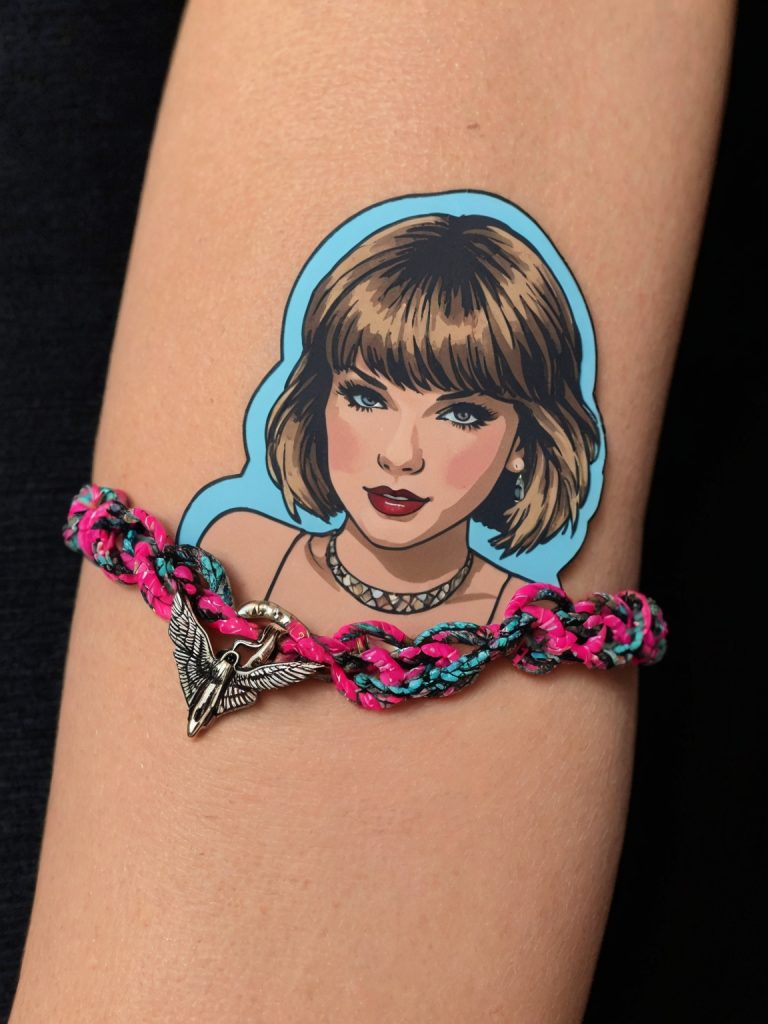
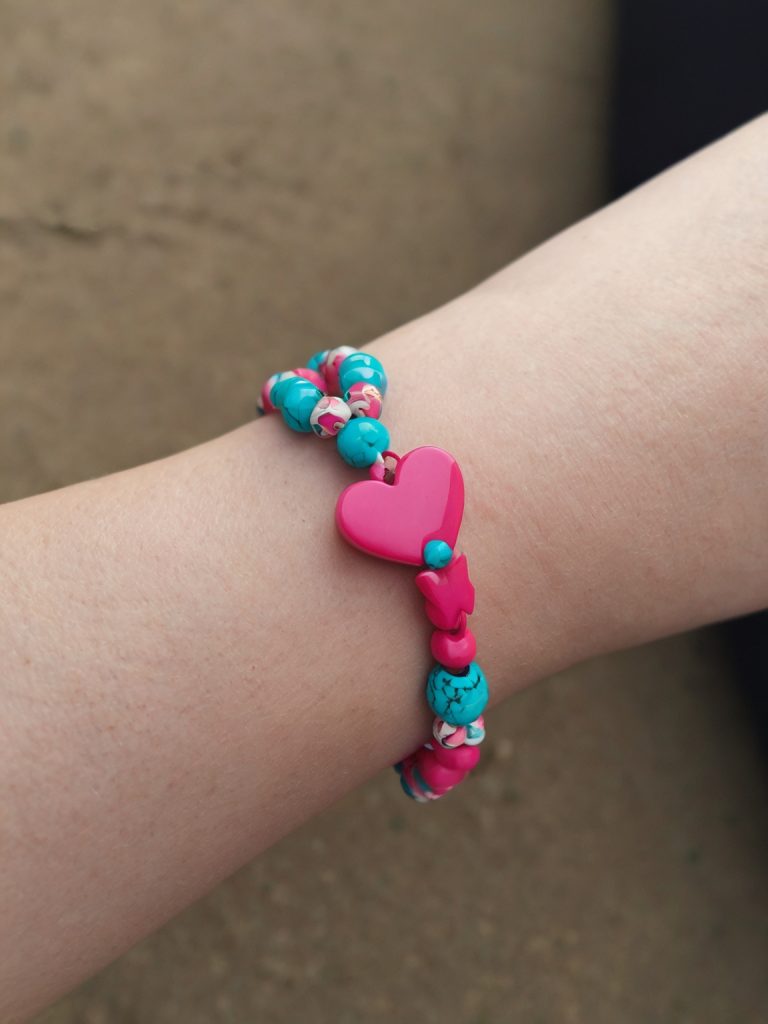
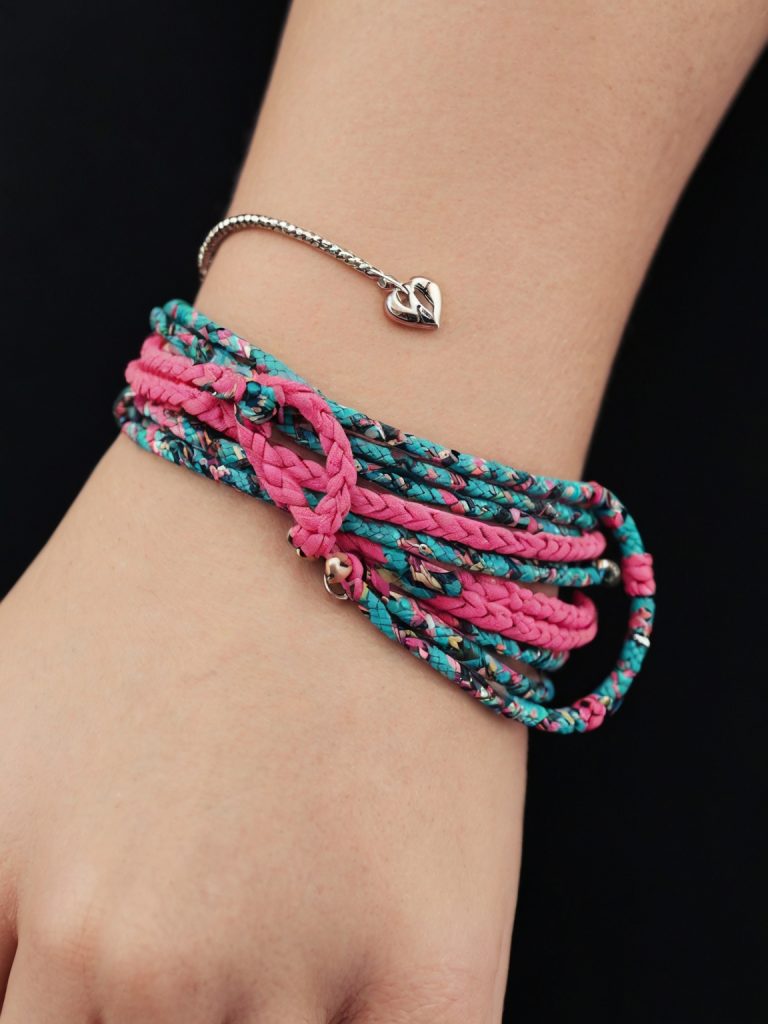
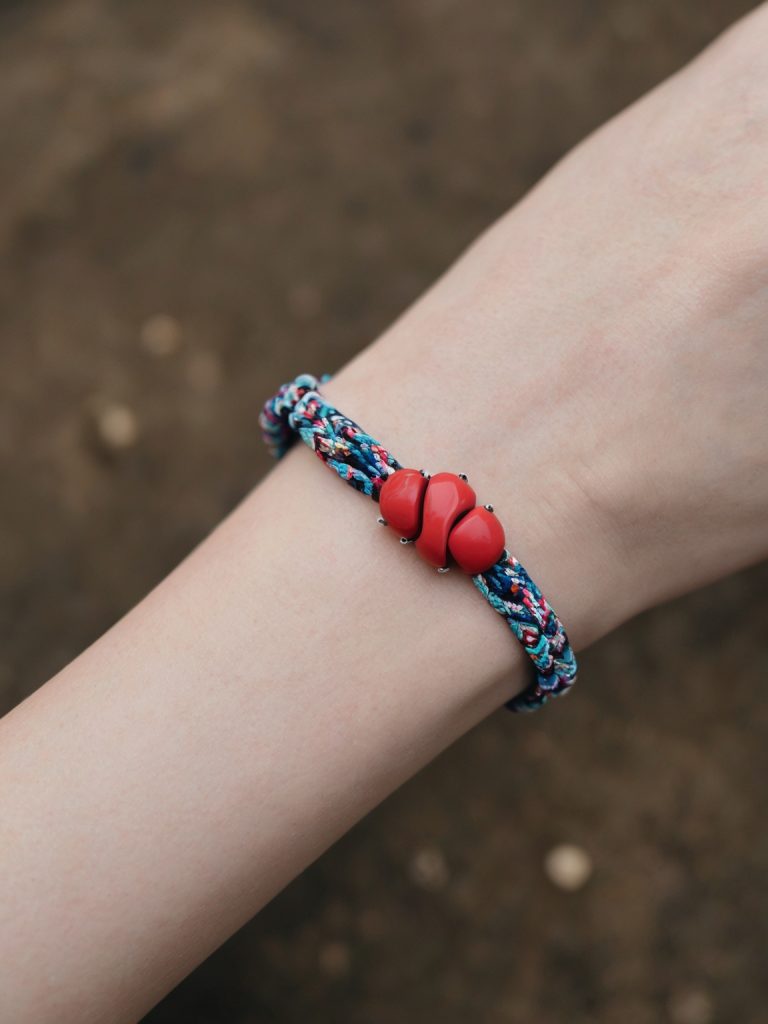
      10 Reasons Why Swiftie Friendship Bracelets are Special Among Taylor Swift Fans

      This article delves deeper than you’ll find anywhere else into the unique significance of Swiftie friendship bracelets. It goes beyond seeing them as just accessories and explores the reasons why they spark joy, connection, and a sense of belonging within the Taylor Swift fandom. You’ll discover how these bracelets foster creativity, kindness, and shared experiences, all while celebrating Taylor’s music and the amazing community she’s inspired.

      TL;DR

      • Swiftie friendship bracelets are more than just decorations; they represent a strong connection among Taylor Swift fans worldwide.
      • Making and giving away these bracelets fosters creativity, kindness, and shared experiences within the community.
      • Special edition bracelets celebrate important milestones and add to the excitement of being a Swiftie.
      • These bracelets act as a symbol of Taylor’s music and the joy it brings to fans’ lives.

      Hey there, fellow Swifties! Ever wonder why those colorful friendship bracelets adorning your wrists feel extra special? Well, it’s not just about the cool designs or showing off your love for Taylor. Swiftie friendship bracelets are powerful little things that weave magic within the Taylor Swift fandom. Let’s dive into ten reasons why these friendship threads hold a deeper meaning than meets the eye.

      1. Instant Fandom Connection: Friendship bracelets are a universal language of love and belonging. Sporting a Swiftie bracelet is a simple yet awesome way to connect with other fans, sparking conversations and creating instant camaraderie. It’s like a silent handshake that says, “Hey, you get me!”

      2. A Symbol of Unity: Forget borders and backgrounds! Swiftie friendship bracelets transcend differences, uniting fans from all corners of the globe. These colorful threads become a beautiful tapestry, weaving together a diverse community bound by their love for Taylor Swift.

      3. Unleashing Creativity: Friendship bracelets are a blank canvas for self-expression! Swifties can personalize their bracelets with colors, patterns, and even letter beads to represent favorite lyrics or albums. This creative process is a fun shared experience that strengthens bonds and creates lasting memories.

      4. Acts of Kindness in Every Thread: Swiftie friendship bracelets aren’t just about keeping them for yourself. The act of giving or trading these bracelets fosters goodwill and friendship within the community. Imagine the joy of receiving a bracelet handmade with love by another Swiftie! It’s a heartwarming way to spread positivity.

      5. A Constant Reminder of Joy: Life throws curveballs sometimes, but a Swiftie friendship bracelet can serve as a tiny beacon of hope. A glance at those colorful threads can instantly bring back happy memories of Taylor’s music and the amazing community you’re part of. A little reminder that brighter days are always ahead.

      6. Supporting What Matters: The spirit of giving goes beyond exchanging bracelets. Many Swifties use them for charitable causes, selling or trading them to raise funds for causes Taylor herself supports or those close to the fan community. It’s a beautiful way to turn your love for Taylor into positive change.

      7. Celebrating Every Milestone: The Taylor Swift fandom is a family that celebrates the big (and not-so-big) moments together. Special edition Swiftie friendship bracelets commemorate album releases, epic concert tours, and even Taylor’s birthday! These limited-edition threads add another layer of excitement and shared joy to these special occasions.

      8. Beyond the Music: While Taylor’s music is the initial spark, Swiftie friendship bracelets often lead to deeper connections. These shared experiences can blossom into lasting friendships that extend beyond music, fostering a sense of belonging and support within the Swiftie community.

      9. A Conversation Starter: Ever been at a concert and spotted someone with a cool Swiftie bracelet? It’s the perfect conversation starter! Those colorful threads can spark discussions about favorite songs, eras, or even concert memories. Suddenly, you’re not just strangers in a crowd, but fellow Swifties ready to share the joy.

      10. A Reminder of the Power of Community: In a world that can sometimes feel isolating, Swiftie friendship bracelets serve as a powerful reminder that you’re not alone. These little threads represent a global network of fans who share your passion for Taylor’s music. It’s a heartwarming feeling knowing you belong to something bigger than yourself. ????

      So there you have it, Swifties! The next time you wear or create a Swiftie friendship bracelet, remember the magic it holds. It’s more than just an accessory; it’s a symbol of connection, creativity, and the incredible power of the Taylor Swift fandom. Now, go forth and spread the Swiftie love with those colorful threads! ✨

      Swiftie Friendship Bracelets are colorful, handmade bracelets created and exchanged by Taylor Swift fans, also known as Swifties.

      What is Swiftie Friendship Bracelets and how did it start?

      The trend itself was inspired by a lyric in Taylor Swift’s song “You’re On Your Own, Kid” from her 2022 album “Midnights”. The line says “So make the friendship bracelets, take the moment and taste it.” Swifties took this lyric to heart and started making bracelets to wear to her concerts. These bracelets often spell out words, lyrics, or even inside jokes and memes associated with Taylor Swift.

      The act of creating and exchanging these bracelets has become a fun way for Swifties to connect with each other, express their love for Taylor Swift, and celebrate their shared fandom.

      Swiftie Friendship Bracelet Inspiration: Beyond the Rainbow

      Here’s a table with some unique and creative ways to craft your Swiftie friendship bracelets, taking inspiration from Taylor’s music and themes:

      ThemeInspirationMaterials
      Enchanted Forestfolklore & evermore vibesEarthy greens, browns, golds, with tiny wooden beads or charms shaped like leaves, mushrooms, or owls.
      Starry Nightreferences to space & constellations in her musicBlack or dark blue base with glow-in-the-dark thread for constellations or tiny silver star charms.
      Speak Now Sparklesbold & playful lyricsMetallic threads in different colors, mixed with clear or white for a dazzling effect.
      Delicate Daydreamsoft & dreamy melodiesPastel colors with white pearls or beads that shimmer like moonlight.
      Red Reputation Erabold statements & heartbreak anthemsBlack and red base with silver or white accents for a dramatic look. You can even try incorporating a small heart charm (broken or whole!).

      The Swiftonomics of Swiftie Friendship Bracelets

      Swiftie friendship bracelets are more than just colorful threads on your wrist; they’re a microcosm of the Taylor Swift fandom itself. Let’s untangle the economic and social forces behind this phenomenon, a.k.a. Swiftonomics.

      Supply and Demand:

      • Demand: Driven by a passionate fanbase, the desire to represent their love for Taylor Swift and connect with fellow fans creates a constant demand for these bracelets.
      • Limited Edition Supply: Special edition bracelets for tours, albums, or birthdays add a layer of exclusivity and further fuel demand.

      The Sharing Economy:

      • Trading and Gifting: A core aspect of Swiftonomics is the exchange of bracelets. Fans trade or give away their creations, fostering a sense of community and spreading the Swiftie love.

      Creative Economy:

      • Customization: Swifties personalize their bracelets with colors, patterns, and even letter beads, creating a unique and marketable product.
      • Charms and Customization: The addition of charms, beads, and threads of various textures opens doors for fans to get creative and even sell their unique designs.

      Social Capital:

      • Community Building: Swiftie friendship bracelets act as a social currency, sparking conversations and strengthening bonds within the fandom.
      • Shared Identity: Wearing a bracelet signifies belonging to a like-minded community, fostering a sense of shared identity and social connection.

      Beyond the Bottom Line:

      Swiftonomics isn’t just about buying and selling; it’s about the emotional and social value these bracelets hold. They represent creativity, self-expression, and the power of a shared passion that transcends mere commerce.