

More
    Home Blog Page 114

    Struggling to Get Eyes on Your New Website? Don’t Worry, Help is Here!

    0

    This article goes beyond generic website traffic advice. It provides actionable steps tailored to address the specific challenges faced by new websites. You won’t find this kind of in-depth, beginner-friendly guide anywhere else!

    TL;DR

    • New websites often experience slow traffic growth initially.
    • Common culprits include lack of SEO optimization, low-quality content, high competition, and weak promotion.
    • Focus on creating valuable content, optimizing for search engines, and promoting your website effectively.
    • Use website analytics to track performance and adapt your strategy for continuous improvement.
    • Be patient and persistent – building a successful website takes time and dedication.

    Hey there! Launched a fantastic website but feeling a little discouraged by the low traffic? You’re not alone. Many websites experience a slow start, and that’s perfectly normal. But fear not, because there are several reasons this might be happening, and even more ways to turn things around!

    Is your new website crickets?

    Why Your New Website Might Be Feeling Crickets

    There are a few common culprits behind a website’s initial visitor drought. Let’s explore them together:

    1. Search Engine Blues (SEO): Search engines are like the digital librarians of the internet, helping users find what they’re looking for. If your website isn’t speaking their language (keywords!), it might be invisible to potential visitors searching for topics related to your content. Consider tools like SEMrush or Ahrefs to help with keyword research.
    2. Content Conundrum: Imagine a website full of generic articles that don’t quite capture your interest. Not exactly a traffic magnet, right? Engaging, informative content that solves your target audience’s problems is key to attracting and retaining visitors. Consider your content pillars, which are the core topics your website focuses on. Build out your content strategy around these pillars to create a comprehensive and informative resource for your audience.
    3. A Competitive Crowd: Think your niche is unique? There’s a good chance others have similar ideas! In a competitive field, it takes extra effort to stand out and grab the attention you deserve. Conduct a competitive analysis to understand your competitor’s strengths and weaknesses. This can help you identify opportunities to differentiate your website and content.
    4. Marketing Mishap: Built a website, but haven’t told anyone about it? Social media, email marketing, and even online communities are fantastic ways to spread the word and drive traffic to your website. Influencer marketing can also be a powerful tool for reaching a wider audience. Partner with influencers in your niche to promote your website and content to their followers.
    5. Technical Hiccups: A slow-loading website or one that doesn’t display well on mobile devices can frustrate visitors and send them packing. Make sure your website runs smoothly and offers a seamless experience across all devices. Consider using a Content Delivery Network (CDN) to improve website speed and performance globally.
    Content Crime SceneClues to Look Out ForWebsite Woes
    The Copy Cat CaperContent copied from other sources, repetitive phrasesUnoriginal content doesn’t impress search engines or visitors.
    The Grammar GangsterTypos, spelling errors, awkward sentence structureVisitors get confused and frustrated, leaving your site with a bad impression.
    The Boring BroadcastGeneric content, no clear purpose, lacks valuable informationVisitors won’t find what they’re looking for and won’t return.
    The Clickbait CrookMisleading headlines, exaggerated promises, doesn’t deliver on contentVisitors feel tricked and won’t trust your website.
    The Keyword Keyword CaperKeyword stuffing, unnatural keyword placementSearch engines penalize websites with unnatural keyword usage.
    Watch your traffic grow over time

    Boosting Your Website’s Traffic: A Step-by-Step Guide

    Now that we’ve identified the potential roadblocks, let’s get down to business and explore some actionable strategies to increase your website traffic:

    1. SEO Savvy: Research keywords relevant to your content and use them strategically throughout your website’s titles, headings, and content. Don’t forget to optimize your website for speed and mobile responsiveness – a happy user is a returning user! Consider internal linking, which involves creating connections between different pages on your website. This helps search engines understand your website’s structure and improves user navigation.
    2. Content is King (and Queen): Focus on creating high-quality content that resonates with your target audience. Think informative articles, engaging videos, or eye-catching infographics – diversify your content to keep things interesting! Sprinkle in some long-tail keywords, which are more specific and less competitive than general keywords. This can help you attract visitors searching for niche topics related to your content. Consider creating pillar pages, which are comprehensive resources on a particular topic. Link to your pillar pages from other relevant content on your website.
    3. Spreading the Word: Social media platforms are a goldmine for website promotion. Share your content, participate in relevant online communities, and explore collaboration opportunities with influencers or other websites. Guest posting on established websites is a great way to gain exposure to a wider audience. Consider paid advertising options on social media or search engines to target specific demographics or interests.
    4. Website Analytics: Your Secret Weapon: Tools like Google Analytics are your friends! Use them to track your website’s performance and identify areas for improvement. See which types of content resonate most with your visitors, how long they stay on your site, and which pages have the highest bounce rates (visitors leaving after viewing one page). Adapt your strategy accordingly. A/B testing, where you compare two versions of a webpage to see which one performs better, can also be a valuable tool for optimizing your website’s conversion rate.
    5. Patience is a Virtue: Building a successful website takes time and dedication. Don’t get discouraged if you don’t see a surge in traffic overnight. Consistency is key – keep producing valuable content, optimizing your site, and promoting it effectively. Results will follow!

    Celebrate your website’s success!

    High-Quality Content Recipe: A Delicious Mix for Website Success!

    IngredientDescriptionWebsite-Friendly Twist
    Fresh & RelevantUse up-to-date information and address current topics within your niche.Think of it as seasonal produce for your website – keep it fresh and in season!
    Clear & ConciseBreak down complex topics into easy-to-understand language. Short sentences and bullet points are your friends!Imagine explaining something to a curious child – simple, clear, and engaging.
    Problem-Solving PunchFocus on content that solves your audience’s problems and answers their burning questions.Become the hero of their story – provide valuable solutions they can use right away.
    Engaging & FlavorfulInject personality and storytelling into your content to keep readers hooked. Use humor, visuals, or relatable anecdotes.Think of adding spices and herbs – a dash of personality goes a long way!
    Visually AppealingInclude high-quality images, infographics, or videos to break up text and enhance understanding.Visuals are the garnish – they add flavor and make your content more appealing.
    Actionable & DeliciousEnd your content with a clear call to action, prompting readers to take the next step.Leave them wanting more – a delicious call to action is the perfect aftertaste.

    By following this unique recipe, you can create high-quality content that not only informs your audience but also keeps them coming back for seconds (or thirds!).

    Should You Keep Going? Here’s the Honest Truth

    Unfortunately, there’s no magic formula or guaranteed timeframe for seeing significant website traffic. It depends on your niche, the level of competition, and the effectiveness of your strategies. However, if you’re consistently creating valuable content, optimizing your website, and actively promoting it, you should gradually see an upward trend. The key is to stay passionate about your website’s topic and keep putting in the effort. Remember, Rome wasn’t built in a day, and neither is a thriving online presence. But with the right approach and unwavering dedication, your website can blossom into a hub of visitors and a true success story!

    Niche Harvest: Unearthing Profitable Website Ideas

    Forget the usual suspects! This table offers a unique perspective on identifying profitable website niches, helping you cultivate a successful online garden:

    Niche CategoryNiche Harvest TipsYour Website’s “Crop”
    Untapped Expertise:Do you have a unique skill or knowledge set in a specific area?Share your expertise! Cater to a niche audience seeking in-depth information or practical advice. (Example: Bonsai tree cultivation for beginners)
    Hyperlocal Focus:Can you cater to a specific geographic area or community?Become the go-to resource for your local audience. Offer content relevant to their interests and needs. (Example: Local hiking trails and reviews)
    Problem-Solving Power:Is there a common problem people face in your area of interest?Become the solution provider! Offer resources, guides, or tutorials that help people overcome their challenges. (Example: Pet stain removal tips and tricks)
    Micro-Trend Mania:Are there emerging trends within a broader niche?Be an early adopter! Capitalize on a growing audience’s interest in a specific aspect of a popular topic. (Example: Sustainable home office furniture options)
    Passion Project Powerhouse:What are you truly passionate about?Turn your passion into profit! Combine your enthusiasm with valuable content to attract a like-minded audience. (Example: Historical reenactment costume creation tutorials)

    By considering these unique niche harvest tips, you can discover a profitable and engaging website concept that sets you apart from the competition! Remember, a niche doesn’t have to be massive – a passionate and dedicated audience can be incredibly rewarding.

    Bonus Tip: Building an email list is a fantastic way to nurture leads and convert website visitors into loyal fans. Offer valuable incentives like downloadable guides, exclusive discounts, or early access to new content in exchange for email signups. Regularly send out engaging newsletters that provide value to your subscribers and keep them coming back for more.

    Embrace the Journey

    Building a successful website is a journey, not a destination. There will be ups and downs along the way, but with the right strategies and a positive attitude, you can achieve your website traffic goals. By focusing on creating valuable content, optimizing your site for search engines, and actively promoting your website, you’ll be well on your way to attracting a loyal audience and establishing a thriving online presence. So, keep learning, keep creating, and keep growing – the web is waiting to hear your voice!

    Ready to take your website to the next level? Here are some actionable steps to get you started:

    1. Content Audit: Analyze your existing content and identify areas for improvement.
    2. Keyword Research: Discover relevant keywords your target audience is searching for.
    3. Content Calendar: Plan your content strategy for the upcoming weeks or months.
    4. Website Optimization: Ensure your website is mobile-friendly and loads quickly.
    5. Promotion Powerhouse: Explore social media promotion, influencer marketing, or email marketing to spread the word.

    Remember, slow and steady wins the race. By consistently implementing these strategies, you’ll see your website traffic grow over time. Don’t hesitate to revisit this guide as you progress on your website journey – there’s always something new to learn and exciting ways to refine your approach!


    Looking for Life Lessons in K-Dramas? Dive into These Popular Picks

    Looking for captivating stories, relatable characters, and a touch of inspiration? Look no further than Korean Dramas! This article guides you through 10 classic K-Dramas, offering a glimpse into their themes and the heartwarming lessons they convey. But K-Dramas are more than just entertainment. They delve into universal themes of love, resilience, and the importance of strong bonds. So, the next time you unwind with a K-Drama, remember, you might be learning valuable life lessons that can enrich your own journey.

    TL;DR

    • This article curates 10 popular Korean Dramas with brief summaries of their themes.
    • It explores common life lessons found in K-Dramas, like perseverance, friendship, and self-discovery.
    • The article highlights how K-Dramas offer entertainment alongside valuable takeaways for viewers.

    Hey there, fellow K-Drama fan! While I can’t spill the tea on shows released after January 2022 (gotta keep my info fresh!), I can definitely recommend some classic dramas packed with heartwarming stories and valuable life lessons.

    Here’s a curated list of 10 popular Korean dramas that stole hearts (and maybe a few tears!) up to 2022:

    A South Korean woman paraglides into North Korea, sparking an unexpected romance with a handsome officer.

    1. Crash Landing on You (2019-2020): Imagine accidentally paragliding into a foreign country with a completely different culture! Crash Landing on You throws a South Korean heiress into the arms (literally) of a handsome North Korean officer. This hilarious and heartwarming rom-com explores the power of love to overcome seemingly insurmountable obstacles, like forbidden borders and cultural divides.

    A determined ex-convict opens a bar-restaurant, seeking revenge and chasing his dreams in Seoul’s vibrant Itaewon district. 

    2. Itaewon Class (2020): This drama will ignite your inner fire! It follows a passionate young ex-convict who refuses to let his past define him. He throws open the doors of his new bar-restaurant in Seoul’s trendy Itaewon district, determined to achieve success and fight for justice against the powerful corporation that ruined his life. Itaewon Class is a compelling story about chasing dreams, overcoming adversity, and defying the odds.

    Young entrepreneurs navigate the exciting world of Korean tech startups, chasing ambitions and forging strong friendships. 

    3. Start-Up (2020): Calling all aspiring entrepreneurs! Dive headfirst into the fast-paced world of Korean tech startups with Start-Up. This drama follows a group of passionate young individuals who navigate the challenges and exhilarating highs of launching their own businesses. Start-Up is a refreshing take on ambition, perseverance, and the importance of finding your tribe as you chase your dreams.

    4. Hospital Playlist (2020-present): Looking for a feel-good drama that will make you laugh, cry, and everything in between? Hospital Playlist is your perfect pick. This slice-of-life gem follows the lives of five doctors who are also lifelong friends. You’ll get a glimpse into the demanding world of medicine, but also witness the deep bonds of friendship that see them through thick and thin.

    5. My Mister (2018): Sometimes, the most unexpected connections blossom into the most beautiful friendships. My Mister tells the moving story of an unlikely bond between a struggling middle-aged man and a young woman facing her own challenges. This poignant drama explores the themes of resilience, compassion, and finding solace and strength in human connection during difficult times.

    6. Reply 1988 (2015-2016): Get ready for a wave of nostalgia! Reply 1988 takes you on a heartwarming trip back to the late 1980s in a cozy Seoul neighborhood. This coming-of-age story captures the essence of family bonds, the enduring friendships of childhood, and the bittersweet memories of youth.

    7. Goblin (2016-2017): Prepare to be swept away by a fantastical romance! Goblin is a unique blend of humor, drama, and fate. It tells the story of an immortal goblin searching for his human bride, a woman destined to break his curse. Through their journey, you’ll explore the complexities of love, redemption, and the meaning of life and death.

    8. Descendants of the Sun (2016): Descendants of the Sun brings the heat with a captivating romance set against the backdrop of a war-torn country. Sparks fly when a strong-willed special forces captain and a dedicated doctor cross paths. This drama highlights the themes of sacrifice, duty, and the challenges of maintaining relationships in difficult circumstances.

    9. While You Were Sleeping (2017): Can you change your destiny? While You Were Sleeping explores this intriguing concept. A woman who can see the future through her dreams teams up with a determined prosecutor to prevent tragic events from coming true. This genre-bending drama emphasizes the importance of trust, fighting for justice, and taking action to change the course of your life.

    10. Strong Woman Do Bong Soon (2017): This delightful rom-com will have you cheering for the unconventional heroine, Do Bong Soon. Born with superhuman strength, Do Bong Soon uses her unique abilities to become a bodyguard for a quirky CEO. Strong Woman Do Bong Soon celebrates female empowerment, self-acceptance, and finding love in the most unexpected places.

    The power of friendship is a recurring theme in K-Dramas, offering heartwarming stories about the importance of support and connection.

    Beyond the Entertainment: Life Lessons from K-Dramas

    K-dramas offer more than just escape and entertainment. They weave valuable life lessons into their narratives, lessons that resonate with viewers far beyond the final episode. Here are some of the common themes you’ll find explored in many K-dramas:

    • Persistence and Determination: Korean dramas are full of inspiring characters who face seemingly insurmountable challenges. Yet, they never give up, demonstrating the power of perseverance and unwavering determination in achieving one’s goals.
    • Family and Friendship: Strong bonds of family and friendship are a cornerstone of Korean society, and this is reflected in K-dramas. These shows emphasize the importance of a strong support system in overcoming adversity and navigating life’s challenges.
    • Love and Relationships: Love is a universal theme, and K-dramas explore it in all its complexity. From heartwarming first loves to mature romances, these shows offer a glimpse into the joys and heartbreaks of love, sacrifice, and navigating relationships.
    • Self-discovery and Growth: The characters in K-dramas often embark on journeys of self-discovery as they face challenges and learn from their experiences. Viewers can connect with these characters’ growth and find inspiration for their own personal development.
    • Social and Moral Values: K-dramas don’t shy away from tackling social issues and ethical dilemmas. They prompt viewers to reflect on societal norms, consider different perspectives, and contemplate the importance of moral values in everyday life.

    K-Dramas for Different Moods

    MoodRecommendation
    Looking for a Laugh?Crash Landing on You, Strong Woman Do Bong Soon
    Feeling Inspired?Itaewon Class, Start-Up
    Want a Heartwarming Story?Hospital Playlist, Reply 1988
    In the Mood for Fantasy?Goblin
    Craving Action & Romance?Descendants of the Sun

    So, the next time you settle in for a K-drama marathon, remember, you’re not just watching a show – you’re potentially gaining valuable life lessons that you can apply to your own journey. With captivating stories, relatable characters, and thought-provoking themes, K-dramas offer a unique blend of entertainment and inspiration.

    Embracing Our Differences: Understanding Disabilities and Special Needs

    This article goes beyond basic information. It offers a warm, empathetic approach, highlighting the value of every individual and the power of building a supportive community.

    TL;DR

    • Disabilities are a natural part of human variation.
    • They can arise from genetics, environment, or accidents.
    • Caregiving offers challenges and rewards – growth, resilience, and deeper connections.
    • By advocating for inclusion, you can create a more accessible world.
    • Connecting with support networks empowers both caregivers and individuals with disabilities.
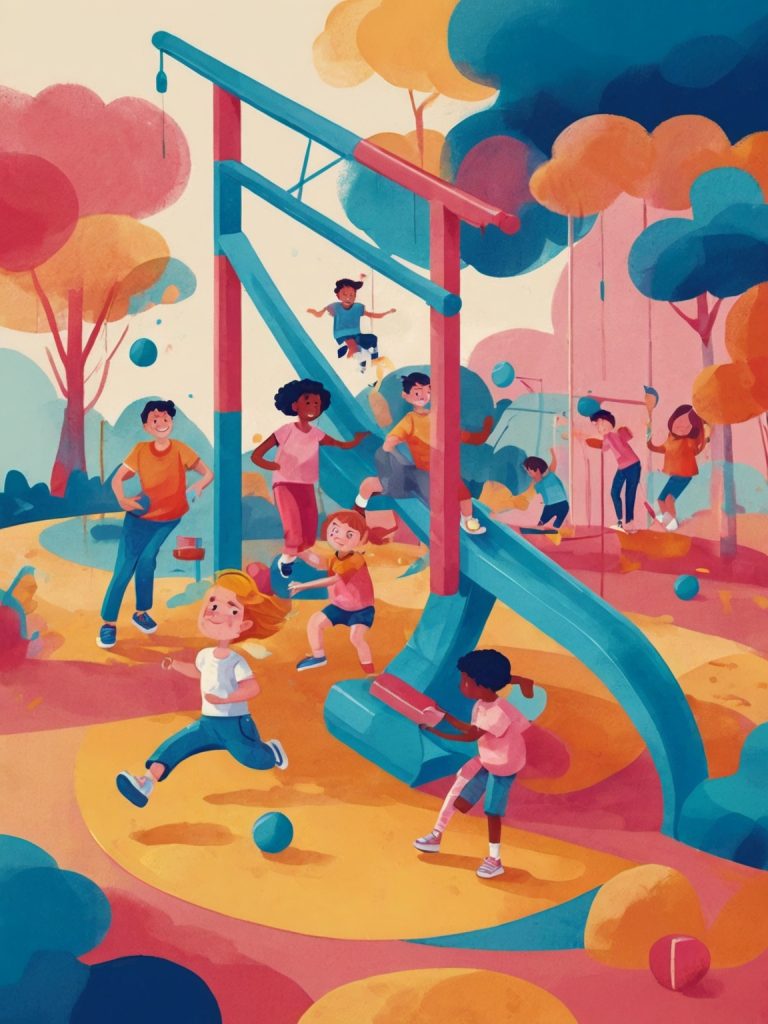
    Celebrating a world where everyone can play!

    The beautiful tapestry of humanity is woven with threads of incredible diversity. While some individuals may have disabilities or special needs, these differences make us who we are and contribute to a richer, more vibrant world.

    Understanding the Why: A Look at Causes

    Disabilities can arise from a variety of factors, some within our biology and others influenced by the environment. Genetic variations, chromosomal differences, or prenatal exposure to certain substances can play a role. Additionally, complications during birth or accidents later in life may also contribute. It’s important to remember that these are not choices – they’re simply part of the complex miracle of human development.

    CategoryDescriptionExample
    GeneticsVariations in genes or chromosomesDown syndrome, cystic fibrosis
    EnvironmentExposure to toxins, infections, accidentsLead poisoning, cerebral palsy
    Birth ComplicationsIssues during pregnancy or deliveryPremature birth, oxygen deprivation

    This table provides a basic overview of the three main categories that can contribute to disabilities. It’s important to remember that these are just general classifications, and the specific causes of disabilities can vary widely.

    Beyond Our Control: The Role of Environment

    The environment we live in can also impact our abilities. Exposure to toxins during pregnancy, infections, or accidents can sometimes lead to disabilities. These are external forces beyond anyone’s control, highlighting the importance of creating safe and healthy surroundings for everyone.

    Celebrating Diversity: A Spectrum of Abilities

    Humanity thrives on its differences. Each person, regardless of their abilities, possesses unique talents and deserves respect and understanding. Recognizing disabilities as a natural part of human variation allows us to build a more inclusive world where everyone feels valued and supported. Here, the concept of “universal design” comes into play. This means creating environments, products, and services that are accessible and user-friendly for everyone, regardless of ability.

    Growth Through Experience: The Power of Caregiving

    The joys and rewards of caregiving.

    While caring for individuals with disabilities can present challenges, it’s also an enriching journey of personal growth. Caregivers often develop incredible strengths like resilience, patience, empathy, and compassion. These qualities not only benefit the individual they care for, but also enrich their own lives and foster deeper connections with others. Studies have shown that caregivers often experience a heightened sense of purpose and meaning in their lives through their caregiving experiences.

    ChallengesRewards
    Patience and resilienceDeep connections and a sense of purpose
    Problem-solving and resourcefulnessIncreased empathy and compassion
    Time management and organizationPersonal growth and satisfaction

    Caregiving can be demanding, but it also offers unique opportunities for personal development. This table highlights some of the potential challenges and rewards caregivers may experience.

    Be a Champion for Change: Advocating for Inclusion

    Be a champion for change!

    By educating yourself about disabilities and special needs, you can become a powerful advocate for a more inclusive society. Learn about different conditions, the challenges individuals face, and their rights. This knowledge can empower you to speak up and create a world where everyone has the opportunity to thrive. There are many ways to get involved in advocacy efforts. You can volunteer your time with organizations that support people with disabilities, contact your local representatives to voice your concerns about accessibility issues, or even start your own awareness campaign in your community.

    Building a Support Network: You’re Not Alone

     The strength of community support.

    Whether you’re a caregiver or someone who simply wants to learn more, connecting with others who share similar experiences can be incredibly valuable. Support groups and online communities offer a space to share stories, access resources, and find helpful advice. When it comes to supporting individuals with disabilities, it’s important to remember that a collaborative approach is key. Caregivers, educators, therapists, and medical professionals all play a vital role in ensuring that individuals with disabilities have the support and resources they need to reach their full potential.

    ResourcesBenefits
    Support groupsShare experiences, find encouragement
    Online communitiesAccess information and connect with others
    Disability rights organizationsAdvocate for change and inclusion
    Professional organizationsGet connected with specialists and therapists

    Building a support network is crucial for both caregivers and individuals with disabilities. This table offers a few examples of resources that can provide valuable assistance and connection.

    Remember, disabilities and special needs are simply part of the human experience. They don’t define who someone is or diminish their potential. By fostering empathy, understanding, and a commitment to inclusion, we can all contribute to building a more compassionate and supportive world for everyone.

    Thriving Solo: Why Singlehood Can Be an Amazing Adventure

    0

    This article goes beyond the stereotypes to reveal the hidden gems of singlehood. You’ll discover practical tips and inspiring examples to create a rich and fulfilling life, even without a romantic partner. Forget the societal pressure to find “the one” – embrace the joys and unique opportunities that singlehood has to offer!

    TL;DR

    • Singlehood is becoming increasingly common and accepted.
    • Happiness doesn’t depend solely on romantic relationships.
    • Strong friendships and family bonds offer deep connection and love.
    • Singles enjoy greater freedom to pursue passions and interests.
    • Being single fosters self-reliance, purpose, and inner strength.
    Embrace the freedom to explore your passions and travel solo.

    Are you flying solo? You’re not alone! More and more people are choosing to embrace singlehood, and for good reason. While romantic partnerships can be wonderful, there are amazing benefits to be discovered on the single path. This article explores why being single can be an empowering and fulfilling experience.

    Singles can cultivate strong and fulfilling friendships.

    Ditching the Stigma: Single and Satisfied

    For centuries, marriage has been seen as the ultimate relationship goal. But what if happily ever after doesn’t involve a partner? Society is slowly shedding the stigma around singlehood, recognizing that it’s a valid and fulfilling way of life. Research by Bella DePaulo, a social psychologist, suggests that married people aren’t necessarily happier. In fact, many singles report feeling content and fulfilled without a romantic partner.

    Beyond Romance: Exploring Different Types of Love

    Our culture often puts romantic love on a pedestal. But there are so many other ways to experience love and connection! Strong friendships and supportive family bonds can provide a deep sense of belonging and joy. These relationships can be more stable and require less drama than passionate romances. Singles have the freedom to cultivate a wider circle of loved ones, enriching their lives with diverse connections. Think about it this way: instead of pouring all your emotional energy into one person, you can create a rich tapestry of supportive relationships that provide a strong foundation for happiness.

    Type of LoveDescriptionBenefit
    Romantic LovePassionate and intense connectionExcitement, fulfillment
    FriendshipStrong bond based on shared interestsSupport, companionship, sense of belonging
    Familial LoveUnconditional love between family membersSecurity, acceptance, care

    This table highlights that romantic love isn’t the only path to a fulfilling emotional life. Strong friendships and family bonds offer deep connections that can be just as rewarding. Singles can cultivate a wider circle of loved ones, enriching their lives with diverse relationships.

    Pursue your hobbies and interests without compromise.

    Freedom to Fly: Embracing Independence

    One of the greatest perks of singlehood is freedom. You get to call the shots! Want to travel to Thailand for a month? Go for it! Feeling like a night of takeout and Netflix? No need to negotiate. Being single allows you to pursue your passions and interests without compromise. This independence can also be empowering, fostering self-reliance and a strong sense of self. Imagine the possibilities! Maybe you’ve always dreamed of learning to play the cello or starting your own business. Singlehood allows you to dedicate time and energy to these pursuits, without having to answer to anyone else.

    Finding Your Purpose: Discovering Meaning on Your Own Terms

    French philosopher Albert Camus argued that life has no inherent meaning – it’s up to us to create it. Singlehood provides a unique opportunity to define your own purpose. Without the pressures of a relationship, you can fully immerse yourself in activities that ignite your soul. Think of Nikola Tesla, a brilliant inventor who attributed his scientific achievements partly to his single status. He channeled all his energy into his work, leaving a lasting mark on the world. Perhaps you’re passionate about social justice or environmental conservation. Being single allows you to volunteer your time or even start your own organization to make a difference in the world.

     Singles can dedicate time and energy to causes they care about

    Building Strength Through Solitude

    While solitude sometimes gets a bad rap, it can be a powerful tool for growth. Being single allows you to develop self-sufficiency, the ability to meet your own needs. This doesn’t mean becoming a hermit, but rather learning to be comfortable and content in your own company. Think of it as a chance to cultivate your inner strength and resilience. You’ll learn to rely on yourself for happiness and fulfillment, a valuable skill that will serve you well throughout your life. As Jean-Paul Sartre said, “If you are lonely when you’re alone, you are in bad company.” Embrace solitude as an opportunity to connect with yourself and discover your inner strength.

    Freedom to Fly: Unleashing Your Independence

    ActivityBenefit
    Pursue hobbies and interestsPersonal growth, fulfillment
    Travel spontaneouslyAdventure, exploration
    Make decisions without compromiseConfidence, self-reliance

    This table showcases the freedom and flexibility that come with singlehood. Singles can prioritize their passions, travel the world on their own terms, and make independent choices that shape their lives.

    Solitude allows you to connect with yourself and find inner strength.

    Singlehood is a Journey, Not a Destination

    Whether you’re single by choice or circumstance, there’s beauty to be found on this path. Embrace the freedom, explore different forms of love, and discover the strength and resilience that lies within you. Singlehood can be an enriching adventure, filled with self-discovery, meaningful connections, and the pursuit of your passions. So, spread your wings and enjoy the ride! This is just the beginning of a fulfilling and exciting chapter in your life.

    Finding Your Purpose: Owning Your Happiness

    AspectBenefitExample
    Define your own purposeMeaningful life, self-actualizationVolunteering for a cause you care about
    Pursue personal goalsSense of accomplishment, growthLearning a new skill, starting a creative project

    This table emphasizes the opportunity for singles to define their own happiness and purpose. Without the pressures of a relationship, singles can fully dedicate themselves to activities that ignite their soul and leave a positive impact on the world.

    Stuck in a Respect Rut? How to Manage a Boss You Don’t Admire Anymore

    0

    This article isn’t just about surviving a bad boss; it’s about emerging stronger and more resilient. You’ll discover how to use this challenge to develop valuable skills and gain clarity on what you truly value in a work environment.

    TL;DR

    • Maintain professionalism regardless of your feelings.
    • Shift your focus to your accomplishments and goals.
    • Communicate effectively with your boss if possible.
    • Build a strong support system with colleagues and mentors.
    • Find common ground for collaboration with your boss.
    • Use this experience as a chance for personal and professional growth.
    • Explore other options within or outside the company if necessary.

    Feeling frustrated by a boss whose leadership style leaves you cold? It happens to the best of us! But before you dust off your resume in a huff, let’s explore some strategies to manage the situation effectively and keep your career on track.

    Maintaining Professionalism: The Key to Keeping Your Cool

    First things first: professionalism is paramount. Even if your boss isn’t exactly winning any “Manager of the Year” awards, treating them with courtesy and respect is essential. Remember, you’re there to do a good job, and that includes fostering a positive work environment (as much as is within your control). This doesn’t mean being a doormat, but rather conducting yourself with maturity and composure.

    Maintain professionalism and focus on your job.

    Shifting Your Focus: From Frustration to Accomplishment

    Sometimes, a little perspective shift can go a long way. Instead of dwelling on your boss’s shortcomings, refocus your energy on your own accomplishments. Take pride in delivering excellent work, and remind yourself of the reasons you originally took the job. This renewed sense of purpose can be a powerful motivator. Track your wins, big and small. Did you exceed a sales target? Did you develop a new process that improved efficiency? Celebrating your achievements can boost your morale and help you weather a challenging work environment.

    Communication: A Bridge (Maybe Not Always Golden)

    If there are specific actions or behaviors causing the erosion of respect, consider having a conversation with your boss (but choose your timing wisely!). Approach them in a calm and professional manner, highlighting the issue and suggesting solutions. Remember, clear communication is always better than simmering resentment. However, if you’ve tried talking to your boss and the situation remains unchanged, don’t keep flogging a dead horse. Focus on the aspects of your job that you can control and channel your energy elsewhere.

    Building Your Support System: Leaning on Your Team

    Don’t go it alone! Feeling overwhelmed by a challenging boss? Talk to a trusted colleague, mentor, or HR representative. They can offer valuable advice and support, and simply having someone to vent to can be a huge stress reliever. Building strong relationships with your colleagues can also create a more positive work environment, and their camaraderie can help buffer the negativity from your boss.

    Build a supportive network with colleagues.

    Finding Common Ground: Collaboration is Key

    Even if your overall working relationship isn’t ideal, there might still be areas where you and your boss can collaborate effectively. Identify those common goals and focus on working together to achieve them. This doesn’t mean becoming best friends, but rather establishing a professional understanding that allows you to move projects forward. Perhaps your boss excels at big-picture strategy, while you have a knack for execution. Leveraging each other’s strengths can benefit both of you and the company.

    Sometimes, the best teachers are the toughest challenges.

    Embrace opportunities for personal and professional development.

    Growth Mindset: Turning Lemons into Lemonade

    Let’s face it, sometimes difficult situations can be the best teachers. Use this experience as an opportunity to develop your own leadership skills and emotional intelligence. Reflect on what you’re learning and how you can leverage these experiences for future career growth. Are there areas where you can improve your communication or conflict resolution skills? Perhaps you can take online courses or attend workshops to bolster your skillset. Taking a proactive approach to your own development empowers you and demonstrates initiative.

     Explore your options for future career growth.

    Weighing Your Options: When to Move On

    If, despite your best efforts, the situation becomes chronic and starts impacting your well-being or career advancement, it might be time to explore other options. Look for opportunities within the company that align better with your values and leadership preferences. If that’s not an option, consider starting your job search outside the company. Update your resume, network with former colleagues, and start researching companies with cultures that resonate with you. Remember, you deserve to work in an environment that fosters your growth and professional development.

    Remember, you can’t control someone else’s behavior, but you can control your own. By focusing on your work, maintaining professionalism, and exploring options, you can effectively navigate this challenging situation and emerge stronger on the other side. You might even surprise yourself by the resilience and resourcefulness you discover within yourself.

    Unlock the Secrets to a Stronger Relationship: Understanding Your Loved One’s Behavioral Traits

    This article goes beyond simply listing the benefits of understanding your partner’s behavior. It provides actionable tips on how to decode their communication style, navigate conflict, and build empathy. You’ll also discover how this knowledge can help you become a better support system and cheerleader for your partner, fostering a relationship that thrives on shared growth and mutual respect.

    TL;DR

    • Understand communication styles: Introverts and extroverts communicate differently. Be patient and adjust your approach accordingly.
    • De-escalate conflict: Recognize your partner’s conflict resolution style and choose a communication approach that fosters open discussion.
    • Build empathy: Learn why your partner reacts a certain way and validate their feelings.
    • Support each other’s dreams: Be your partner’s cheerleader and encourage them to step outside their comfort zone, but at their own pace.
    • Respect differences: Appreciate your partner’s unique quirks and celebrate what makes them special.

    Hey there! Ever feel like you and your partner (or friend, family member – whoever you love!) are speaking different languages? You might be surprised to learn that it’s not about the words themselves, but how your unique personalities tick. Here’s the good news: by cracking the code of each other’s behavioral traits, you can unlock a treasure trove of relationship happiness.

    A person listening attentively to another person talking, depicting active listening and communication.

    Decoding Communication Styles:

    Imagine this: you ask your partner for their opinion, and silence stretches on. You might think they’re mad, but what if they’re simply introverted and need time to gather their thoughts? Understanding their natural communication style – introverted or extroverted – can bridge this gap. Introverts recharge with quiet reflection, while extroverts blossom with social interaction. Knowing this helps you adjust your approach. Need a quick answer? A gentle nudge might work for an introvert, while an extroverted partner might appreciate an open-ended chat to explore their thoughts freely.

    Turning Down the Heat on Conflict:

    Disagreements are inevitable, but they don’t have to erupt into fiery arguments. Recognizing your loved one’s conflict-resolution style can be a game-changer. Does your partner clam up when things get tense? They might be an “avoidant” who needs space to cool down before talking things through. On the other hand, a “direct” communicator might tackle issues head-on. By understanding these styles, you can choose a communication approach that fosters open discussion rather than defensiveness.

    Two hands clasped together, representing support and understanding in a relationship.

    Building Bridges with Empathy:

    Have you ever wondered why your partner gets flustered easily, while you tend to stay calm under pressure? It all boils down to behavioral tendencies. By understanding why your loved one reacts a certain way, you open the door to empathy. Imagine this: your partner is stressed about an upcoming presentation. Knowing they’re naturally risk-averse, you can offer gentle encouragement and positive affirmations instead of pushing them outside their comfort zone too quickly. Phrases like “I know you’ve been working hard on this, and I believe in you” or “Let’s brainstorm some ideas together, so you feel confident” show you understand their anxieties and want to support them, not pressure them.

    Championing Each Other’s Dreams:

    Every person is unique, with their own set of strengths and weaknesses. Your partner might be the cautious one, hesitant to take risks, while you’re the adventurous soul. This doesn’t have to be a clash! By understanding their natural tendencies, you can become their personal cheerleader. When your risk-averse partner wants to try something new, offer a supportive hand by researching the activity together or joining them for the first time. This way, they feel secure knowing they have your backing, and you can still experience the excitement together.

    Celebrating Differences, Building Respect:

    Our past experiences and personalities shape how we behave. Recognizing and respecting these differences is the cornerstone of a healthy relationship. Instead of trying to mold your loved one into your own image, appreciate their quirks! Maybe your partner is meticulously organized, while you’re more carefree. This doesn’t mean one is better than the other – it simply reflects your unique personalities. By embracing these differences, you create a space where you can both thrive and learn from each other.

    A person offering a helping hand to another person climbing a mountain, symbolizing encouragement and shared growth.

    Growing Together, One Step at a Time:

    Understanding your loved one’s behavioral traits isn’t just about navigating the present; it’s about embarking on a journey of shared growth. When you recognize areas where you complement each other and where compromise might be needed, you create a powerful support system. You can help your partner overcome their challenges, and they can encourage you to pursue your passions. This understanding fuels personal growth and strengthens your bond. Imagine you’re learning a new skill together – your partner, with their meticulous planning, can help you stay on track, while your enthusiasm can keep them motivated. This teamwork fosters a sense of accomplishment and strengthens your connection.

    Remember, a strong relationship is built on a foundation of mutual understanding. By taking the time to decipher your loved one’s unique behavioral traits, you’ll unlock a treasure trove of communication, empathy, respect, and support. Now, go forth and build a relationship that thrives!

    Two people with different puzzle pieces fitting together, representing how different personalities can complement each other.

    How do you identify your loved ones’ Behavioral Traits?

    Here are some expanded ways you can identify your loved ones’ behavioral traits, going beyond simple observation:

    Become a Keen Observer:

    • Daily Interactions: Look beyond just actions and delve deeper. Does your partner carefully plan outings and social gatherings (indicating a judging trait) or go with the flow (perceiving trait)? How do they approach problem-solving? Are they methodical and detail-oriented (thinking trait) or rely on intuition and gut feelings (feeling trait)? These everyday behaviors offer valuable clues.
    • Triggers and Reactions: Pay attention to situations that evoke strong emotions. Does your partner become anxious in unstructured environments (craving for stability)? How do they handle unexpected changes (adaptability)? Notice if they tend to internalize emotions (introverted feeling) or express them outwardly (extroverted feeling).
    • Communication Style: Observe not just what they say, but how they say it. Does your partner speak in a clear and concise manner (thinking trait) or use rich metaphors and storytelling (feeling trait)? Do they prioritize logic and facts (thinking trait) or value personal connections and emotions (feeling trait)? The way they communicate sheds light on their personality preferences.

    Embrace Open Communication:

    • Self-Awareness: Encourage your partner to reflect on their own tendencies, but avoid turning it into an interrogation. Instead, ask open ended questions phrased in a way that invites self-discovery. For instance, “What kind of environment helps you focus best?” or “How do you typically recharge after a busy day?” can spark self-reflection.
    • Sharing Experiences: Look back on past situations and discuss how you both reacted. This can reveal patterns in behavior and how your personality types influence your responses. Frame it as a collaborative effort to understand each other better. You could say, “Remember that time we went to that crowded party? How did you feel compared to how I felt?”
    • Gentle Curiosity: Maintain a positive and judgment-free atmosphere throughout your conversations. Let your loved one know you’re genuinely interested in understanding their perspective, not criticizing their behavior. Phrases like “Tell me more about how you see things” or “That’s an interesting viewpoint. Can you elaborate?” show you’re approaching the conversation with an open mind.

    Consider Personality Tests (As a Supplement):

    • There are many online personality tests available, like the Myers-Briggs Type Indicator (MBTI) or the Enneagram. While these assessments shouldn’t be the sole source of truth, they can provide a framework for discussing behavioral traits and act as a springboard for conversation. Remember, these tests offer insights into preferences, not rigid definitions. Take the results with a playful approach, focusing on using them to spark discussions and explore together.

    Remember:

    • Identifying behavioral traits is an ongoing process, not a one-time event. Be patient and consistent in your efforts.
    • The goal is to cultivate mutual understanding and open communication, not to pigeonhole your loved one into a specific category.
    • Celebrate the unique ways your personalities differ and how they can complement each other. By appreciating these differences, you strengthen the foundation of your relationship.

    Alexithymia VS Autism: Understanding the Differences and Similarities

    This article provides a unique perspective on alexithymia and autism, going beyond the typical descriptions to explore the hidden connections between these conditions. Understanding these similarities can be especially helpful for individuals who struggle with both emotional processing and social interaction. By providing clear explanations and practical pointers, this article empowers you to seek the right support and navigate these challenges effectively.

    This knowledge is not readily available elsewhere, and it can be a game-changer for those seeking to understand themselves or someone they care about.

    TL;DR

    • Alexithymia and autism are distinct conditions, but they share some similarities.
    • Alexithymia is characterized by difficulty identifying and describing emotions.
    • Autism spectrum disorder involves social communication challenges and repetitive behaviors.
    • Both conditions can make social interactions difficult.
    • Early intervention and support are crucial for both alexithymia and autism.

    Are you ever at a loss for words when describing your emotions? Or perhaps you find social situations draining and struggle to connect with others? If so, you might be wondering if you have alexithymia or autism. While these conditions share some similarities, they are distinct and require different approaches to support. Let’s delve deeper to understand the key differences and surprising overlaps between alexithymia and autism.

    A person looking thoughtful with a thought bubble containing a jumble of question marks, symbolizing difficulty identifying emotions (alexithymia).

    Feeling Lost in the Emotional Landscape: Alexithymia Explained

    Alexithymia is a condition characterized by difficulty identifying and describing one’s own emotions. Imagine having a jumble of feelings inside you, but you can’t quite pinpoint what they are or how to express them. People with alexithymia often struggle to:

    • Recognize their emotions in the first place.
    • Put words to their feelings.
    • Describe the physical sensations that accompany their emotions (e.g., a racing heart for anxiety).
    • Understand the emotions of others.

    As a result, social interactions can be challenging for those with alexithymia. They might appear withdrawn or unemotional, unintentionally pushing others away. It’s important to remember that these difficulties stem from a genuine inability to grasp the emotional world, not a lack of interest in connecting with others.

    Navigating the Social Maze: Autism Spectrum Disorder (ASD)

    Autism spectrum disorder (ASD) is a neurodevelopmental condition characterized by social communication difficulties and restricted and repetitive patterns of behavior. While emotional processing challenges can be present in ASD, they are not always the primary focus. Here’s how autism differs from alexithymia:

    • Social Interaction: Individuals with ASD often have significant difficulties understanding social cues, maintaining friendships, and engaging in back-and-forth conversations. These challenges can be quite distinct from the social awkwardness sometimes experienced by those with alexithymia. People with ASD might misinterpret facial expressions or struggle to understand sarcasm, leading to misunderstandings and social isolation.
    • Restricted and Repetitive Behaviors: Repetitive movements (like hand-flapping), strict adherence to routines, and intense focus on specific topics are common in ASD but not typically seen in alexithymia. These repetitive behaviors can provide comfort and predictability for individuals with ASD, but they can also interfere with daily life and social interactions.
    • Diagnosis: Unlike alexithymia, which currently lacks official recognition in diagnostic manuals, ASD has well-defined diagnostic criteria outlined in resources like the DSM-5 and ICD-10. A diagnosis of ASD typically involves a comprehensive evaluation by a qualified mental health professional, including assessments of social communication skills, repetitive behaviors, and sensory sensitivities.
    Two people standing awkwardly apart, with one person looking confused, representing social interaction challenges.

    Where the Paths Converge: Exploring the Similarities

    Despite their differences, alexithymia and autism do share some common ground:

    • Emotional Processing: Both conditions involve difficulties in processing emotions. People with either alexithymia or ASD may find it challenging to understand their own feelings and those of others. They might struggle to identify the cause of their emotions, regulate their emotional responses, or express their feelings in a healthy way.
    • Overlap: It’s not uncommon for someone with ASD to also exhibit alexithymic traits. Research suggests a significant overlap between the two conditions, and it’s important to consider both possibilities during a diagnostic evaluation.
    • Social Challenges: While the reasons behind social difficulties differ, both conditions can lead to challenges in social situations. People with alexithymia might struggle to connect with others due to their difficulty understanding and expressing emotions. Individuals with ASD might face challenges due to difficulties with social cues, communication, or repetitive behaviors.
    • Co-occurrence: Both alexithymia and ASD can co-exist with other mental health conditions, such as anxiety or depression. This co-occurrence can make diagnosis and treatment more complex, highlighting the importance of a comprehensive evaluation by a qualified mental health professional.
    A child intently focused on lining up colorful blocks, depicting repetitive behaviors in autism.

    Moving Forward: Seeking the Right Support

    If you suspect you or someone you know might have alexithymia or autism, it’s vital to seek professional help. A qualified mental health professional can conduct a thorough assessment to differentiate between the two conditions and recommend appropriate support.

    For alexithymia, therapy can help individuals develop strategies for identifying and expressing their emotions. This might involve cognitive-behavioral therapy (CBT) to challenge negative thought patterns about emotions or mindfulness techniques to increase awareness of bodily sensations that can accompany emotions. In ASD, interventions might focus on improving social communication skills through social skills training, managing repetitive behaviors through applied behavior analysis (ABA), and developing coping mechanisms for sensory sensitivities through occupational therapy.

    Remember, alexithymia and autism are complex conditions. By understanding the differences and similarities, we can create a more supportive environment for those navigating these challenges.

    A therapist and a client talking and smiling, representing the importance of professional support.

    What is Alexithymia?

    Alexithymia is a complex and relatively unknown condition that can significantly impact a person’s emotional life and social interactions. Here’s a deeper look at what it means to have alexithymia:

    • Struggle to Identify Emotions: Unlike someone feeling sad and readily acknowledging that sadness, a person with alexithymia might experience a wave of melancholy but be unable to pinpoint it as sadness. They might describe it as a general feeling of unease or a physical sensation like a heavy chest. This difficulty in identifying emotions can be like having a jumble of feelings inside without the key to unlock and understand them.
    • Challenges Expressing Emotions: Because alexithymia makes it hard to identify emotions in the first place, expressing them becomes another hurdle. People with this condition may appear withdrawn or unemotional in social settings, even though they have emotions they just can’t quite grasp. Imagine trying to describe a color you’ve never seen before – that’s the challenge alexithymia can present when it comes to expressing emotions.
    • Impact on Social Interactions: Social situations can be a minefield for those with alexithymia. They might unintentionally push others away due to their difficulty connecting on an emotional level. It’s important to remember that this social awkwardness isn’t because they don’t care about others, but because navigating the often unspoken language of emotions is a constant challenge for them.
    A brain with interconnected pathways, highlighting the neurological basis of alexithymia and autism.

    Similarities Between Alexithymia and Autism: A Bridge Between Emotions and Social Interaction

    FeatureAlexithymiaAutism Spectrum Disorder (ASD)
    Emotional Processing DifficultyDifficulty understanding and identifying own emotionsEmotions may be present but not the primary focus of challenges
    Social InteractionDifficulty connecting due to limited emotional understandingDifficulty connecting due to challenges with social cues and communication
    Hidden ChallengesMay appear unemotional or withdrawnSocial awkwardness might be misinterpreted
    Potential OverlapSome individuals with ASD may also exhibit alexithymic traitsNot everyone with alexithymia has ASD, and vice versa
    Shared GoalImproved ability to navigate and express emotions for better social connectionImproved social communication skills and emotional understanding

    Source: https://www.techexplorist.com/scientists-uncovered-60-new-autism-genes/53190/

    Navigating the AI Age: Your Guide to Using Artificial Intelligence Wisely

    This article goes beyond the typical “what is AI” explanation. It equips you with practical tips to navigate the AI age confidently. You’ll learn how to be a discerning user of AI technology, while also understanding its broader societal implications.

    TL;DR

    • Understand AI basics: Learn how AI works and its limitations.
    • Question AI decisions: Don’t blindly accept AI outputs, be critical.
    • Protect your data: Be mindful of what information you share with AI.
    • Verify information: Double-check the authenticity of information online.
    • Consider the ethics of AI: Think about its impact on society.
    • Stay informed about AI trends: Keep up with the latest advancements.
    • Balance automation with human judgment: Use AI for tasks, but human skills are irreplaceable.
    • Promote diversity in AI development: Ensure AI is fair and inclusive.
    • Advocate for responsible AI regulation: Support clear guidelines for AI use.
    • Practice digital wellness: Set boundaries for AI use and prioritize offline activities.

    Hey there! Feeling a little overwhelmed by all the talk about artificial intelligence (AI)? You’re not alone. AI is rapidly changing our world, from the way we interact with our devices to the way doctors diagnose diseases. But with all this change, it’s important to be a smart user of AI, not just a passive observer.

    Here are some tips to help you navigate the exciting (and sometimes confusing) world of AI:

    1. Demystifying the Machine: Understanding AI Basics

    Think of AI as a powerful tool, much like a complex calculator. But just like any tool, it’s important to understand how it works before you use it. By learning the fundamentals of AI – its capabilities and limitations – you’ll be able to make informed choices about when and how to leverage its power in your daily life. For instance, understanding how AI algorithms learn can help you spot potential biases in their recommendations.

    Understanding AI Basics: A Friendly Cheat Sheet

    AI TermThink of it as…Example
    Machine LearningA super student that learns from mountains of dataA music streaming service recommending songs based on your listening history
    AlgorithmsSets of instructions that help AI learn and make decisionsA spam filter sorting your inbox
    Artificial Neural NetworksA web of connections inspired by the human brainA facial recognition system identifying you in a photo
    Big DataMassive amounts of information used to train AI systemsAll the search queries ever typed into a search engine
    Your RoleA curious friend asking questions and learning alongside AIQuestioning an AI recommendation that seems biased

    2. Don’t Be a Yes-Bot: Questioning AI Decisions with a Critical Eye

    AI systems are impressive, but they’re not infallible. They can be influenced by biases in the data they’re trained on, which can lead to unfair or even discriminatory outcomes. So, don’t just blindly accept what an AI tells you. Develop a healthy dose of skepticism and question its decisions, especially if they seem off-base. For example, if an AI resume screening tool consistently rejects candidates with certain educational backgrounds, it might be biased against non-traditional learning paths.

    Don’t Be a Yes-Bot: Questioning AI Like a Pro

    StepActionExample
    Look for the “Why”Ask AI to explain its reasoningInstead of just accepting a loan rejection, ask the AI system for the factors that influenced the decision.
    Compare and ContrastGet a second opinion (human or another AI)If an AI resume screener rejects a candidate, see if a human reviewer agrees or consult a different AI tool.
    Check for BiasesConsider the data AI might be biased againstIf an AI newsfeed shows you mostly negative stories, look for a source with a broader range of perspectives.
    Play Devil’s AdvocateThink of reasons why the AI might be wrongIf an AI stock tip seems too good to be true, consider external factors that could impact the market.
    Trust Your GutUse your common sense and experienceIf an AI translation seems awkward, don’t be afraid to rephrase it based on your understanding of the language.

    3. Privacy Matters: Protecting Your Data in an AI-Driven World

    In today’s digital world, data is king. And AI systems are hungry for it. As you interact with AI, be mindful of the information you share. Think twice before giving AI access to your personal details. Consider the long-term implications – what happens to that data down the line? Can it be used in ways you didn’t anticipate?

    Sharing with Caution: A Guide to Data Privacy with AI

    ActionWhy it MattersExample
    Think Before You LinkLimit AI access to unnecessary accounts.Do you really need an AI fitness tracker to connect to your social media?
    Review Permissions CarefullyUnderstand what data AI is collecting.Before using a new AI assistant, check what information it needs and why.
    Beware of Free TrialsFree services often rely on your data for revenue.Consider if the convenience of a free AI recipe app is worth sharing your grocery list.
    Go Anonymous When PossibleOpt for anonymized experiences when available.Can you use a general search engine instead of a personalized AI recommendation engine?
    Declutter Your Digital FootprintRegularly review and delete old data.Remove unused accounts and clear your browsing history to minimize the data AI can access about you.

    4. Truth Seekers: Verifying Information in an AI World

    With AI churning out content like never before, from news articles to social media posts, it’s becoming increasingly difficult to tell what’s real and what’s fabricated. Before you believe or share something online, take a moment to verify its authenticity. Double-check sources and be cautious of information that seems too good (or bad) to be true. There are even AI tools available to help you detect deepfakes and other forms of synthetic media.

    AI Detectives: Spotting Fakes in the Digital Age

    ToolSpecialtyBenefit
    HyperVergeAll-rounderProvides deepfake detection for images, videos, and manipulated content with high accuracy.
    Resemble DetectVideo SpecialistAnalyzes video for subtle inconsistencies that might indicate AI manipulation.
    SensityAI-Generated Content HunterTargets synthetically created identities and fake social media personas.
    FakeCatcher by IntelReal-Time Truth TellerFocuses on physiological cues like blood flow changes to detect deepfakes in real-time.
    Phoneme-Viseme Mismatch DetectorLip Service SpecialistAnalyzes if a person’s mouth movements match the audio in a video, a giveaway of potential manipulation.

    5. The Ethics Equation: Considering AI’s Impact on Society

    AI is powerful, but with great power comes great responsibility. Think about the ethical implications of using AI in different areas, like job hiring, healthcare decisions, or even criminal justice. For example, AI-powered facial recognition software raises concerns about privacy and potential misuse for surveillance. Advocate for the responsible development and deployment of AI technologies that benefit everyone, not just a select few.

    AI and Society: Thinking Beyond the Tech

    ConsiderationAsk YourselfExample
    Jobs of the FutureWill AI create new jobs or replace existing ones?Think about how AI could automate tasks in your industry and what new skills might be needed.
    Fairness and BiasCould AI perpetuate discrimination?Consider how AI algorithms used in loan approvals or hiring practices might be biased against certain groups.
    Privacy vs. SecurityHow much data are we comfortable sharing with AI for security purposes?Weigh the benefits of AI-powered surveillance against potential privacy concerns.
    Human ControlWho is ultimately responsible for AI decisions?Think about the importance of clear guidelines for how AI is developed and used.
    The Bigger PictureHow can AI be used for social good?Explore the potential of AI for tackling challenges like climate change or healthcare disparities.

    The world of AI is constantly evolving. By staying informed about the latest advancements and applications, you’ll be better prepared to adapt to changing technology and make informed choices about how AI fits into your life. This could involve following reputable tech news sources, attending industry talks, or even taking online courses on AI basics.

    Staying Ahead of the AI Curve: Your Weekly Dose of Knowledge

    ActionTipExample
    Follow the Curious CrowdCurate your social media feeds with AI influencers and publications.Follow tech journalists and research labs known for their AI coverage.
    Podcast PowerTune into informative podcasts on AI advancements.Subscribe to podcasts that discuss the latest AI breakthroughs and their real-world applications.
    Tech Talk Tuesdays (or any day!)Attend industry events or online webinars focused on AI.Look for local meetups or online conferences where experts discuss the future of AI.
    News with a TwistExplore news aggregators curated specifically for AI enthusiasts.Use platforms that summarize and categorize the latest AI news for easy consumption.
    Learning Never StopsTake online courses or tutorials on AI basics or specific applications.Many platforms offer introductory or specialized courses to deepen your understanding of AI.

    7. Human Touch: Balancing Automation with Judgment

    AI can automate a lot of tasks, freeing us up for more creative and strategic work. Imagine an AI assistant handling your scheduling or a virtual translator breaking down language barriers. But there are still situations where human judgment and intuition are irreplaceable. A doctor’s bedside manner or a teacher’s ability to inspire can’t be easily replicated by AI. Strive for a healthy balance between letting AI handle the routine stuff and using your own skills and experience for the things that truly matter.

    Machine Mates, Not Machine Masters

    TaskBetter Suited for AIBetter Suited for Human Judgment
    Repetitive TasksData entry, scheduling appointments, analyzing large datasetsNo need for human intervention – AI can handle these efficiently.
    Creative Problem-solvingLimited by pre-programmed solutionsHuman creativity can devise new approaches and adapt to unexpected situations.
    Emotional IntelligenceCan struggle with empathy and understanding human emotionsHumans excel at recognizing emotions, building rapport, and providing emotional support.
    Ethical Decision-makingMay lack the nuance to consider complex ethical dilemmasHumans can weigh moral implications and make decisions based on values.
    Big Picture ThinkingCan get caught up in optimizing individual tasksHumans can consider the broader context and make strategic decisions.

    8. Building Bridges, Not Walls: Promoting Diversity in AI Development

    AI systems are only as good as the data they’re trained on. If that data is biased, the AI will be biased too. Let’s work towards ensuring that AI is developed with diversity and inclusion in mind. This can involve encouraging participation from underrepresented groups in AI fields and using diverse datasets to train AI models. This helps mitigate bias and ensures fair outcomes for everyone, regardless of background.

    ActionWhy it MattersExample
    Diverse Teams, Diverse SolutionsMultiple perspectives reduce bias and lead to more inclusive AI.Encourage collaboration between engineers, data scientists, and ethicists from various backgrounds.
    Fairness in the DataAI reflects the data it’s trained on. Biased data leads to biased AI.Use diverse datasets that represent different demographics and viewpoints.
    Challenge AssumptionsQuestion underlying biases in the design process.Actively identify and address potential biases in AI algorithms and applications.
    Inclusion in TestingEnsure AI works well for everyone, not just the majority.Test AI systems with diverse user groups to identify and mitigate bias.
    Transparency MattersExplain how AI decisions are made and who’s accountable.Develop clear guidelines and documentation on how AI systems function and who is responsible for their outcomes.

    9. Rules of the Game: Advocating for Responsible AI Regulation

    Just like any powerful tool, AI needs clear guidelines. Support regulations and policies that promote transparency, accountability, and fairness in the development and use of AI technologies. This helps ensure that AI is used for good, not harm. For instance, regulations might require companies to disclose how AI systems work or establish clear guidelines for how AI can be used in recruitment or loan applications.

    10. Unplugging for Wellness: Practicing Digital Wellness in an AI Era

    AI can be a valuable tool, but it’s important to maintain healthy boundaries. Don’t let AI technology become an addiction. Set limits on your screen time and make time for offline activities. Prioritize face-to-face interactions and nurture real-world connections. Taking breaks from the digital world allows you to recharge and come back to AI with a fresh perspective.

    AI – Partner, Not Overlord

    By approaching AI with a mindful and informed perspective, we can harness its potential to make our lives easier, better, and more fulfilling. Remember, AI is a tool, and like any tool, it’s up to us to use it responsibly and ethically. Let’s work together to ensure that AI remains a powerful partner in progress, not a future overlord from a science fiction movie.

    The Art of Selective Ignoring: Protecting Your Time and Sanity in a Noisy World

    In today’s digital age, staying focused and protecting your mental well-being can be a challenge. This article offers a fresh perspective on the concept of “ignoring.” It explains how strategically ignoring certain people and situations can be empowering. By filtering out distractions and negativity, you can prioritize your inner voice, unleash your creativity, cultivate meaningful relationships, and achieve greater peace of mind. Unlike other articles, this one focuses on the practical application of selective ignoring to improve various aspects of your life.

    TL;DR

    • It’s okay to ignore negativity and unsolicited advice to focus on your own intuition.
    • Schedule distraction-free time to unleash your creative potential.
    • Prioritize quality over quantity in relationships to cultivate meaningful connections.
    • Disconnect from social media and negativity to protect your mental well-being.

    In our constantly connected world, attention is a battleground. Everyone – from advertisers to social media stars – wants a piece of yours. This relentless bombardment of information and requests can leave you feeling drained, scattered, and uninspired.

    The good news? You have the power to take control. Here’s how strategically ignoring certain people and situations can benefit you:

    1. Guard Your Inner Voice: Become the Captain of Your Thoughts

    Imagine Noah diligently building the Ark amidst ridicule. His unwavering focus on his mission, despite the naysayers, is a powerful example of the importance of guarding your inner voice. In our world, opinions fly around like confetti, especially online. While some can be valuable insights, unfiltered negativity and unsolicited advice can cloud your judgement and drown out your own intuition. Learning to ignore the noise allows you to listen to your own compass – the one that guides you towards your goals and aspirations.

    2. Embrace Quiet Time for Deep Work: Unleashing Your Creative Potential

    Think about your most creative moments. Often, they happen when you’re alone, free from distractions. Just like J.K. Rowling weaving magic in cafes or Nikola Tesla’s isolated inventions, ignoring distractions fuels focused work. Schedule some “me-time” to delve into your passions, free from interruptions. This quiet contemplation allows your mind to wander, make connections, and generate ideas that might otherwise be lost in the daily hustle.

    3. Prioritize Quality Over Quantity in Relationships: Cultivating Meaningful Connections

    Social media creates the illusion of connection, boasting a vast network of “friends” and followers. But are these truly meaningful bonds? Philosopher Arthur Schopenhauer compared relationships to prickly hedgehogs: closeness brings warmth but also potential for hurt. True friendships require time and investment. By ignoring fleeting connections and those who drain your energy, you free up space for nurturing deeper, more fulfilling relationships. Invest in the people who inspire and support you, the ones who bring out the best in you.

    4. Protect Your Mental Well-being: Silence the Noise for Inner Peace

    Studies have shown a link between constant social media exposure and anxiety and depression. Ignoring the pressure to curate a perfect online life and the endless comparison game allows you to focus on what truly matters – your own happiness and well-being. Disconnect from the negativity, silence the notifications, and step away from the constant stream of information. This mindful detachment allows you to reconnect with yourself, manage stress, and cultivate inner peace.

    Here’s a unique table summarizing the benefits of disconnecting from negativity, silencing notifications, and stepping away from information overload:

    ActionBenefitAnalogy
    Disconnect from negativityGuards Your Inner GardenImagine your mind as a beautiful garden. Negative influences are like weeds that choke out your creativity and happiness. Disconnecting allows you to nurture the positive seeds within.
    Silence NotificationsRestores Your Mental BandwidthThink of your brain as a computer with limited RAM. Constant notifications are like open tabs, using up your processing power. Silencing them frees up mental space for what truly matters.
    Step Away from Information OverloadCreates Room for DiscoveryImagine yourself lost in a dense forest. Too much information is like tangled undergrowth. Stepping away allows you to see the bigger picture and discover new paths for growth.

    Remember, ignoring isn’t about being unfriendly. It’s about setting boundaries and becoming the gatekeeper of your time and energy. It’s about protecting your mental space and fostering the focus and clarity you need to thrive. So, silence your notifications, disconnect for a while, and focus on what brings you peace and purpose. After all, a little wise ignoring can go a long way in helping you chart your own course to a calmer, more fulfilling life.

    “Selective attention is a superpower.”

    Finding Your Flow State

    This article goes beyond generic flow state advice. It offers a personal story to illustrate the concepts and emphasizes the importance of self-discovery to find your own flow triggers.

    TL;DR

    • Find your passion: Flow comes from activities you enjoy intrinsically.
    • Embrace the challenge: Seek activities that challenge your skills but are still achievable.
    • Set SMART goals: Goals provide direction and a sense of accomplishment.
    • Minimize distractions: Silence your phone and find a quiet space.
    • Be present: Mindfulness helps you focus on the moment and reduce mental chatter.
    • Enjoy the journey: Focus on the process and intrinsic rewards, not just the outcome.

    Have you ever witnessed an athlete moving with seemingly effortless grace, or an artist so engrossed in their creation that time seems to slip away? These experiences exemplify the flow state, a period of complete immersion in an activity characterized by intense focus, energized involvement, and a feeling of timelessness. In this peak state, worries and anxieties dissolve, replaced by a sense of exhilaration and mastery.

    The Allure of Flow

    The flow state is a captivating human experience because it allows us to tap into our full potential. Imagine a musician so attuned to their instrument that it becomes an extension of themselves, or a programmer so absorbed in coding that complex algorithms seem to unfold effortlessly. Flow isn’t just about peak performance; it’s about the inherent satisfaction and joy that comes from being fully engaged in a meaningful activity.

    Why is Flow Elusive?

    The very nature of flow makes it seem elusive. Unlike a skill you can develop through practice, flow is a state of mind that arises from a confluence of factors. The more we chase after it, the more likely it is to slip through our grasp. The key lies in cultivating the conditions that make flow more likely to occur.

    Unlocking Your Flow State

    While achieving flow isn’t a guaranteed outcome, there are steps you can take to increase your chances of experiencing it:

    • Discover Your Passion: The foundation of flow is intrinsic motivation. The activities that trigger flow are those we find inherently enjoyable and rewarding, regardless of external pressures. Perhaps it’s writing, rock climbing, playing a musical instrument, or engaging in a stimulating conversation.
    • Embrace the Challenge: Flow thrives on a sweet spot between challenge and skill level. If an activity is too easy, boredom sets in. Conversely, if it’s too difficult, anxiety takes over. The ideal flow activity is one that pushes you to grow and develop your abilities, while still being achievable.
    • Set SMART Goals: Specific, Measurable, Achievable, Relevant, and Time-bound goals provide a roadmap for your activity and a sense of accomplishment as you progress. This clarity and direction can help you stay focused and motivated.
    • Minimize Distractions: In our information-saturated world, distractions are plentiful. Silence your phone notifications, find a quiet workspace, and eliminate anything that might pull your attention away from the task at hand.
    • Be Present in the Moment: Mindfulness practices like meditation can train your attention to stay focused on the present moment and reduce the chatter of the inner critic. By quieting your mind, you create the mental space necessary to fully immerse yourself in the activity.
    • Embrace the Journey: Flow isn’t about achieving a perfect outcome; it’s about enjoying the process of growth and development. Let go of anxieties about the future or regrets about the past. Focus on the present moment and the intrinsic rewards of the activity itself.

    Beyond the Tips

    While these tips can nudge you in the right direction, the flow state is a deeply personal experience. What ignites flow in one person might be mundane for another. Finding your own flow triggers may involve experimentation and self-discovery. Pay attention to the activities that leave you feeling energized, engaged, and in control. These are likely the activities that hold the key to unlocking your own flow state.

    The Flow State: A Lifelong Pursuit

    The flow state isn’t a destination; it’s a journey. By incorporating these practices into your life, you can cultivate a growth mindset and increase your chances of experiencing flow more frequently. As you develop your skills and refine your focus, flow will become less elusive and more of a natural part of your creative and productive endeavors. So, embrace the present moment, find activities that spark your passion, and watch as your abilities and enjoyment flourish.

    Effortless Excellence: Why Forcing Flow Backfires

    The flow state, that elusive zone of peak performance where time melts away and actions feel effortless, is a coveted experience. However, the very act of chasing it can be counterproductive. Flow isn’t a prize to be claimed through sheer willpower; it’s a harmonious state that emerges when certain conditions are met.

    Think of a sculptor meticulously crafting a masterpiece. Years of honing their technique allow them to manipulate the stone with a seemingly effortless grace. This isn’t because they’re forcing every stroke; it’s because their skillset has become so deeply ingrained that their movements flow naturally. Similarly, flow isn’t about brute force or relentlessly striving for a perfect outcome. It’s about cultivating an environment where your skills and passion can flourish freely, allowing you to become fully immersed in the present moment.

    The paradox of flow lies in its resistance to conscious control. The more we fixate on achieving it, the more likely it is to slip through our grasp. Instead, focus on the activities that ignite your passion, the ones that challenge you just enough to keep you engaged and growing. Set clear goals to provide direction, and cultivate mindfulness to quiet the inner critic and stay present in the moment. By prioritizing these elements, you create a fertile ground where flow can blossom organically, leading to a more fulfilling and productive experience.