

Hello folks. Let’s talk about the mother of all treasure stories: Yamashita’s Gold. It’s the kind of legend that sounds like fantasy. Yet a man in the Philippines — Rogelio “Roger” Roxas — claimed he actually found a part of it. Spoiler: the story gets messy, violent, and painfully human.
TL;DR
- Massive WWII Loot: Japanese forces extensively looted Asia (Operation Golden Lily), melting valuables into gold bars and hiding them in the Philippines.
- Yamashita’s Role: General Tomoyuki Yamashita was allegedly ordered to secure and hide this treasure in complex, booby-trapped vaults.
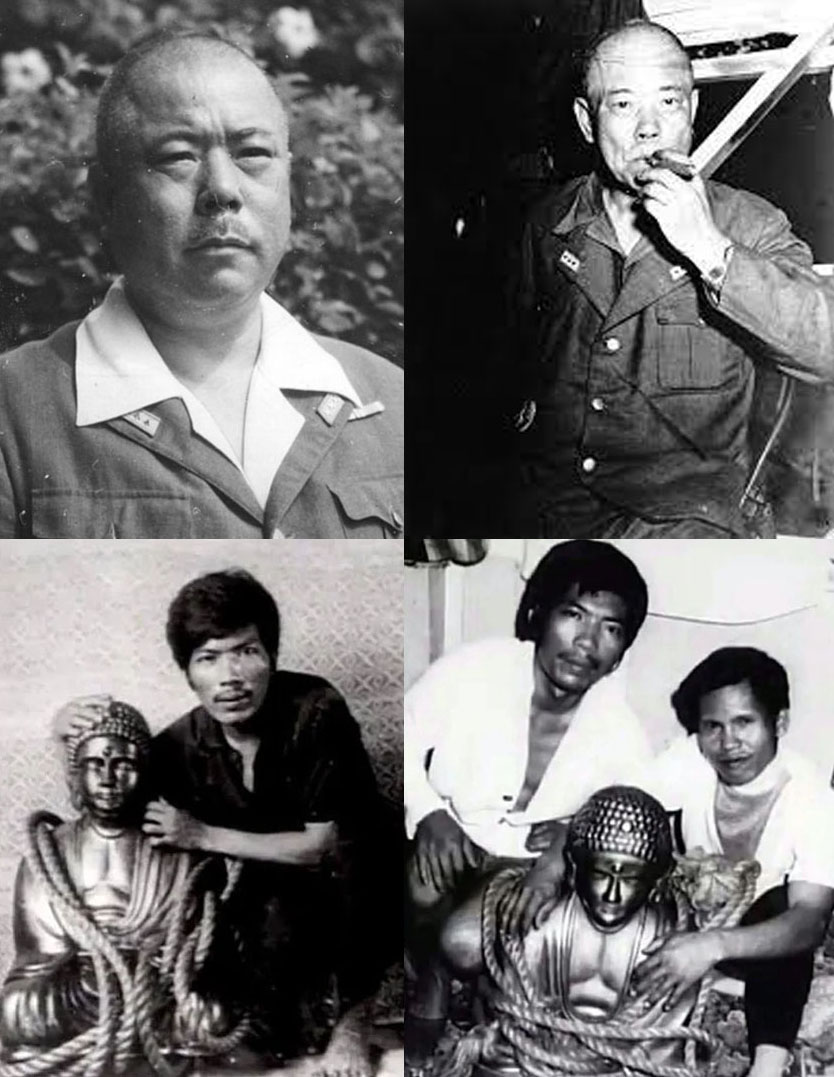
- The Discovery: Filipino treasure hunter Roger Roxas found a vault in 1971, recovering a large gold Buddha and crates of gold bars.
- Marcos Seizure: President Ferdinand Marcos allegedly used state force to seize the treasure, torturing Roxas to cover the theft.
- Tragic Aftermath: Roxas sued and won a huge settlement ($43 billion), but the award was vacated, and he died before receiving justice or the gold.
What the treasure is (and where it came from)
During World War II, Japan didn’t just conquer land. It looted. Big time. Banks, museums, temples, and even black markets were stripped. The operation was organized and brutal. They melted valuables into plain gold bars so the loot could be moved and hidden easily. Those bars were stamped as Japanese-made to hide origins. Smart. Cold. Effective.
Next, they needed a hub. The Philippines, sitting in the middle of Japan’s wartime reach, became the staging ground. Ships moved treasure around. Later, when Allied control of the seas made shipping impossible, stories say Japan buried or hid huge caches across the Philippine islands. Some shipments were even sunk.
This whole effort is often linked to a name: the Golden Lily. Whether every detail is true is still debated. But the scale of wartime looting? That’s real.
Enter General Tomoyuki Yamashita
When the sea lanes closed, command reportedly turned to General Yamashita to secure and hide the wealth. He had a fearsome reputation. He stormed down the Malayan peninsula in 1941 and forced the British surrender at Singapore — a massive military humiliation for the Allies. For that he earned nicknames and infamy.

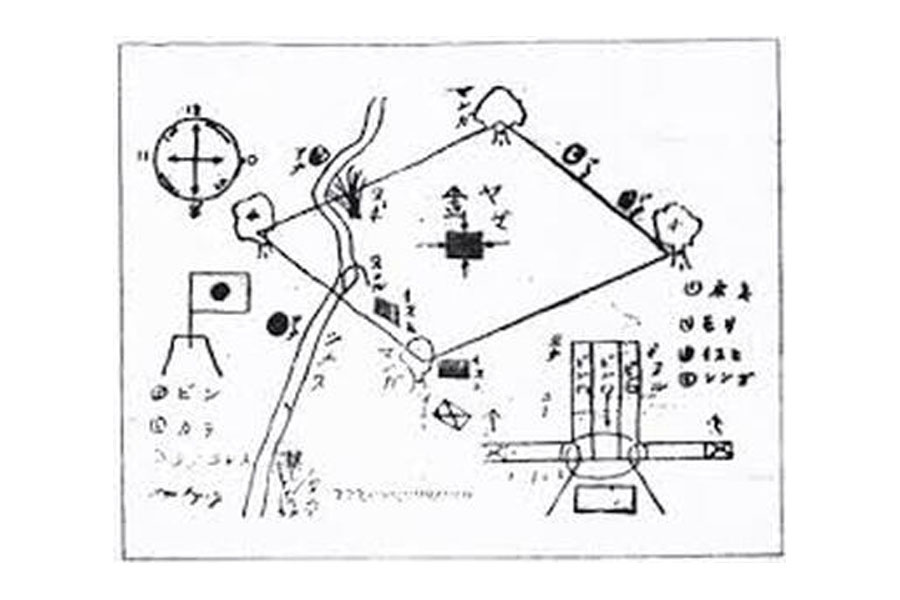
Yamashita’s orders, as the story goes, were to hide treasure in secret vaults. These vaults were mapped in coded kanji, heavily trapped, and often sealed or buried. The maps were meaningless unless you could read the code. The vaults were sometimes built or sealed with slave labor and reportedly left guarded by men who never came back out. Grim stuff.
Roger Roxas: obsession becomes discovery
Roger Roxas grew up hearing the stories. He believed some of the treasure must lie near Baguio, where Yamashita made his last stand. For years he hunted. He bought a metal detector. He followed leads. Eventually, in 1961, he secured a map supposedly from a Japanese soldier and later met an interpreter named Okubo who claimed he’d helped move gold toward Baguio near the General Hospital.

Armed with the map, cash, and stubbornness, Roger dug. After months in jungle and tunnels, creaking through collapses and skeleton-strewn passageways, his metal detector finally sang. He found a gold-coloured Buddha statue — about a metre tall — and, inside it, gems and diamonds. Around the statue were wooden crates. Inside those crates, Roger said, were gold bars. He estimated thousands of bars. He thought he’d hit the jackpot: a real Yamashita vault.
Then the state swooped in
News of Roxas’s find reached powerful ears. Ferdinand Marcos — then president of the Philippines and a man notorious for greed and corruption — had the resources to do what Roger could not: seize power, resources, and evidence. Marcos moved fast.
In April 1971 men stormed Roger’s home and took the Buddha, the gold, and gems. Roger went public. The press called Marcos a thief. Marcos couldn’t shoot the story down easily. So, instead, he used state force and legal pressure. Roger was arrested, tortured, and coerced into signing documents saying Marcos had nothing to do with the seizure. He lost his sight in one eye. The state returned a Buddha later — but Roger and his family insisted it was a fake.
Years later, Roxas sued. In 1996 he was awarded an enormous sum — reportedly $43 billion — but the award was later vacated or overturned amid legal confusion. Roxas died before he ever benefited. His bust of gold never resurfaced publicly. And the claims that he found a portion of Yamashita’s hoard remain disputed — but believable to many.
The aftermath and the big, nagging questions
So where does this leave us?
- Did Yamashita’s vaults really exist? Probably some did. The looting was documented. Organized hiding of treasure is plausible.
- Did Roger find a vault? His testimony, the skeleton-filled tunnels, and the recovered nearby boxes make his claims credible to many historians and treasure hunters.
- Was Marcos involved in seizing the booty? Allegations, witness reports, and the later lawsuit point to powerful state involvement. The Marcos family’s wealth and the timing make the suspicion hard to ignore.
- Where are the rest of the vaults? Legend claims up to 175 vaults. If that’s true, most remain unfound.
My take — short and blunt
I think part of the treasure is real. Wartime looting doesn’t vanish into fiction. Roger Roxas likely found something — the details align too well with wartime patterns for it to be pure fantasy. But when politics, power, and corruption enter the scene, truth gets scrambled. Records disappear. Witnesses get silenced. Evidence gets “lost” or replaced with fakes.
Also, treasure fever makes people heroic and reckless. Roger was both: brave and stubborn, but painfully vulnerable to a ruthless state. That’s the human tragedy here — not only the lost gold, but the man who spent his life chasing it and got crushed in the end.
Why the story still matters
This isn’t just a pirate tale. It’s about history, justice, and the way power rewrites facts. It’s also a cautionary tale for treasure hunters: riches can change fortunes, but they can also get you hurt, jailed, or worse. Finally, it’s a living mystery that keeps people poking through archives, jungles, and court records. That’s part of the reason the legend survives.
Final thoughts
Yamashita’s Gold sits at the border between myth and fact. Plenty of smoke suggests a very real fire. Roger Roxas’s story is both inspiring and tragic. Whether the remaining vaults are found or not, the truth about what happened to many wartime treasures will probably keep historians and treasure hunters busy for decades.
If you ever stumble on a strange metal detector beep in your backyard — maybe don’t immediately upload the footage. Check the law first. And maybe keep a flashlight handy.