



Episode 9–10 of Our Unwritten Seoul hurtle us toward the finale with double-edged twists, sibling stakes, and revelations that leave you breathless. Every choice feels monumental—should the twins stay in their comfort zones or leap headlong into the unknown? Here, we unpack the highs and lows, untangle the emotional knots, and ponder what these crossroads mean for each character. Plus, you’ll get fresh insights on identity, loyalty, and whether it’s ever too late to rewrite your story.
TL;DR:
- Twin Switcheroo: The twins revert to their original roles, saving Mi-rae from a crisis but halting her self-discovery.
- Burnout is Real: Mi-rae experiences burnout and retreats, refusing to help with the corporate exposé.
- Betrayal & Empowerment: Sang-young’s manipulation is exposed, and Mi-rae finds the courage to fight back with her sister’s help.
- Unexpected Romance: Mi-ji and Ho-soo’s relationship deepens, leading to a long-awaited kiss.
- Generational Trauma: A mother-daughter confrontation exposes years of favoritism and deep-seated family insecurities.
- Shocking Revelation: Sang-wol’s true identity is revealed, proving her immense sacrifice for a friend.
- Cliffhanger: Ho-soo’s hearing loss returns, leaving his future uncertain on the eve of a major victory.
1. The Fingerprint Fiasco: Twins Back to Original Roles

Last week’s cliffhanger resolved in a blink. Mi-rae’s cunning colleagues gloated as the fingerprint scanner awaited confirmation of identity. All eyes were glued, jaws clenched. Yet when Mi-rae pressed her finger, the scanner beeped approval. Relief—and a twinge of frustration—ripples through the office. The twins have switched back…for now.
But this victory is bittersweet. While the switch saved them from immediate disaster (and possible termination), it yanks Mi-rae off her self-discovery high. She was blossoming—dabbling in risk, chasing her own happiness—until word reached her that Se-jin was leaving. In an instant, her confidence evaporated.
She recoiled into that familiar defensive shell and retreated from the bold, idealistic choices she’d just made. That hesitation speaks volumes: Mi-rae favors practicality over passion, safety over unknown detours. When she stood by Se-jin despite the odds, it marked her most courageous moment—yet also nudged her past her breaking point.
2. Mi-rae’s Retreat: When Burnout Becomes a Break
Burnout is a sly beast. It doesn’t barge in—it creeps up with missed lunches, jittery anxiety, and the urge to hide under the desk. For Mi-rae, the sudden reversal after a taste of risk felt like tumbling off a cliff. She’s accomplished great things: facing workplace bullies, pairing idealism with pragmatism, even daring to love. Yet one setback—rumors, betrayal, the fear of dependency—snuffed out her spark.
Now, when Tae-yi begs her to help expose the company’s unethical antics, she declines flatly. It’s not a moral failure but a survival tactic. She has nothing left to give. Fighting corruption requires more than righteous fury; it demands energy she simply can’t muster…yet.
3. Sunbae Turned Saboteur: Sang-young’s Betrayal
Enter Sang-young, the ever-charming sunbae who transformed into a two-faced villain. He wooed Mi-rae with mentorship veiled as kindness—until it suited him otherwise. One drunken night, he crossed boundaries and blamed her when rumors spiraled. His victim-blaming howl left Mi-rae questioning her own memories, eroding her resilience.
Now, his sloppy “concern” to transfer her to another branch reeks of manipulation. When Mi-rae records his harassment on her phone, flags are raised. But the true turning point arrives when Mi-ji intervenes—belt bag swung, righteous justice delivered—forcing Mi-rae to reclaim her voice and vow to press charges. This moment reignites her dormant courage and reminds us how trauma can galvanize, not permanently shatter, the human spirit.
4. Whistle-blowing Showdown: Corporate Exposé Chaos
Meanwhile, Tae-yi’s frustration bubbles over. Mi-rae won’t hear reason, so he anonymously pens a scathing exposé on the company forum. Of course, suspicion lands squarely on Mi-rae. Although she’d love to help root out corruption, she’s adrift, fearing she’d drown if she adds another fight to her plate.
Mi-ji, never one to stand by idle, clashes with Mi-rae in a verbal showdown. Frustrated tears and pointed accusations fly—until Mi-ji stomps out. This sparks a domino effect: Mi-rae finds refuge at Ho-soo’s place. Awkward tension gives way to meaningful conversation. Eventually, walls crumble, and the two share a breathless kiss—proof that vulnerability can bloom into something beautiful, even amid chaos.
5. Mi-ji & Ho-soo: From Awkward Tension to Tender Moments
Mi-ji and Ho-soo’s relationship arc feels like watching two shy dancers learning each other’s steps. Initially, their bond revolves around convenience—Mi-rei needs a couch, Ho-soo offers one. Yet forced proximity unleashes comfort, shared secrets, and, yes, that long-anticipated smooch.
Their dynamic highlights the drama’s core theme: love often emerges in unexpected ways. It’s not lightning-bolt romance; it’s gentle, fumbling, and real. While their chemistry simmers, we also see how Mi-ji’s fierce loyalty can both protect and alienate her loved ones—a duality that sets up beautiful conflict and growth.
6. Choong-gu’s Poisonous Plot: Ro-sa’s Test of Trust
If corporate intrigue is one dish, family betrayal is another. Choong-gu gleefully weaponizes Ro-sa’s secret—her grown son who resides in a nursing home. By implying he unearthed this through spies, he fractures the trust between Ro-sa, Mi-ji, and Ho-soo. Suddenly, Ro-sa walls off, terrified her past will undermine her future.
Mi-ji’s confession—admitting she’s been posing as Sang-wol—only deepens the wound. Ro-sa banishes her, a gut-wrenching blow that leaves Mi-ji questioning her entire Seoul adventure. Amid the fallout, Ho-soo stands by his friend’s side with unwavering support, reinforcing that chosen family can be just as powerful as the one you’re born into.
7. Homecoming Confessions: Mi-ji and Ok-hee’s Heart-Opening
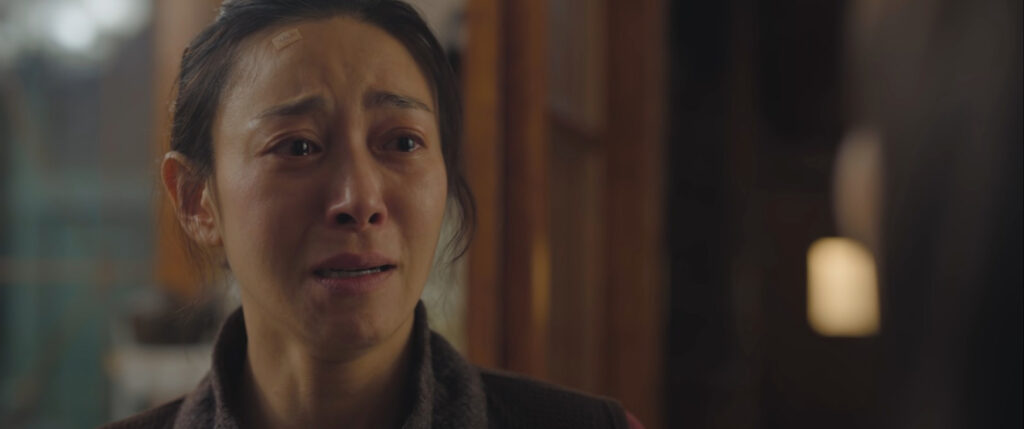
Reeling from isolation, Mi-ji retreats to her hometown. There, Ok-hee—their mother—finally pieces together the twin switch. What follows is the first genuine heart-to-heart these two have shared.
Mi-ji confronts Ok-hee about the years of favoritism toward Mi-rae. Her mother confesses: she never mastered motherhood, never knew how to show love. The scars of that failure mushroomed into Ok-hee’s own insecurities, which she unwittingly passed on. Yet in that vulnerability, they discover common ground. Ok-hee begs Mi-ji to chase her own dreams rather than remain tethered to familial expectations.
8. Mother-Daughter Ripples: Generational Patterns Exposed
The drama doesn’t stop there. The next day, Ok-hee tags along to confront her own mother, Wol-soon. Once a stoic matriarch, Wol-soon’s facade crumbles, revealing a childlike ache for connection. This reversal terrifies Ok-hee, who’s unsure how to navigate a parent so raw.
Boon-hong—ever the voice of wisdom—reminds Ok-hee that it’s never too late to break these cycles. Watching three generations grapple with love, regret, and hope is both painful and cathartic. It underscores that family legacies aren’t predetermined scripts; they’re living stories we can edit, if only we muster the courage.
9. Echoes of the Past: Sang-wol’s Hidden History
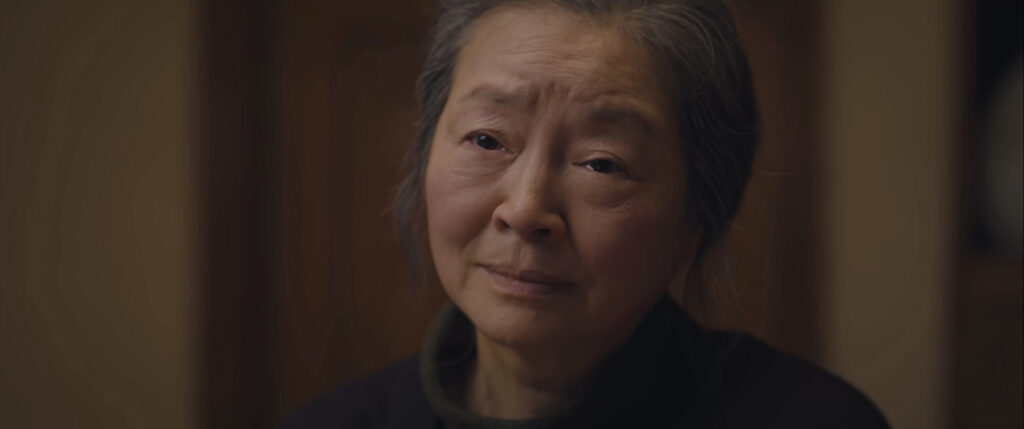
Back in Seoul, Tae-yi introduces Mi-rae to his sister, who’s been cloistered in her room for months. Through the closed door, they converse—echoes of guilt, pain, and a longing for forgiveness passing between them.
Then comes the bombshell: Ro-sa isn’t who everyone thinks. “Ro-sa” is actually Sang-wol, the ex-convict who served time for a crime her friend committed. When Ro-sa was sentenced to death (for killing her abusive husband in a protective rage), Sang-wol confessed and went to prison instead. After release, she adopted Ro-sa’s identity to escape stigma and care for Ro-sa’s son. A notarized will—tucked away until now—cements her legal claim.
This revelation electrifies the public and blows legal proceedings wide open. What was once mere rumor now becomes a powerful testament to loyalty, sacrifice, and the lengths people go to protect loved ones.
10. Surprising Legal Victory—And the Calm Before the Storm
With the will’s unveiling, Sang-wol’s case turns in her favor. Courts and media alike rally behind this unconventional heroine. Celebrations bubble up—texts ping with congratulations, restaurant staff cheer, even Choong-gu looks momentarily deflated.
Yet the showrunners lock eyes with us, signaling that no victory is safe. As Ho-soo answers a phone call and silence crashes over his ear, the music cuts out…leaving us with one chilling realization: trouble is just around the corner.
11. Cliffhanger: Ho-soo’s Silent Crisis
That final shot of Ho-soo, clutching his phone as the world grows quiet, packs an emotional gut punch. His hearing has plagued him before—ringing, muffled words, half-heard pleas—but never total silence. If he goes fully deaf, does he retreat? Initiate a self-destructive breakup? Or lean on Mi-ji and finally accept the support he’s so long denied?
It’s a masterstroke of suspense: personal health crises often hit hardest because they strip away agency. Now, our gentle giant may face his greatest test—learning to rely on someone else.
12. Fresh Take: My Perspective on the Twin Saga
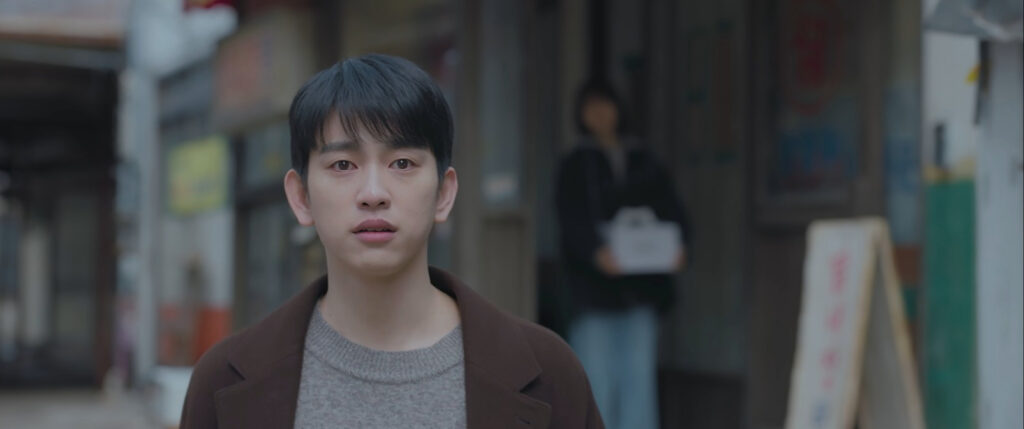
You know, at first I thought Our Unwritten Seoul was just another run-of-the-mill identity-swap romp. Twins and secrets? Yawn. But after episode 10, I’m eating my words. This drama nails the small details: how a single act of kindness—or cruelty—can echo for years, shaping destinies.
- Mi-rae’s arc isn’t about changing careers or finding love (though that’s delightful). It’s about reclaiming her voice after trauma. Watching her spiral, then rebound, reminds us that progress is messy.
- Mi-ji’s loyalty teaches that sometimes, “rescuing” someone means giving them space to fight their own battles. Yet when it counts, you unleash the fiercest version of yourself—bag-smack and all.
- Family dynamics here are so raw. The shift from obligation to genuine connection, generation to generation, mirrors our own real-world struggles. It’s a reminder that love isn’t a static gift; it’s learned, practiced, and often painfully imperfect.
And let’s not forget Sang-wol—a character who embodies the ultimate “found family.” Her journey from convicted felon to media darling subverts every stereotype. She’s flawed, fierce, and deeply human.
14. Final Verdict ⭐️⭐️⭐️⭐️☆
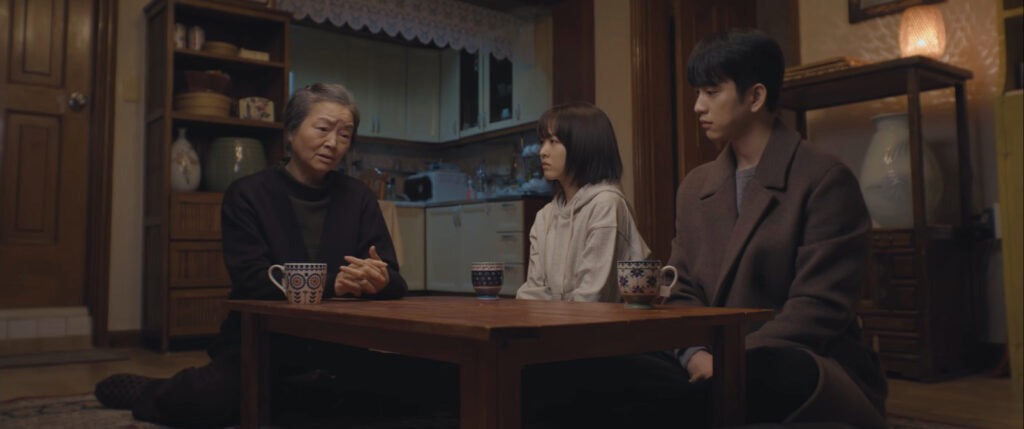
- Storytelling: 4.5/5. Rich with thematic depth, although at times the plot threads risk overcrowding.
- Characters: 5/5. Every major and minor player feels fully realized, driven by authentic motivations.
- Emotional Impact: 4/5. Hits hard in spots, but a few twists stretch credibility.
- Rewatch Value: 4/5. You’ll pick up new layers on a second run, especially in the mother-daughter scenes.
Overall, these episodes remind us why K-dramas captivate: they marry high-stakes emotion with cultural nuance. If you haven’t dived into Our Unwritten Seoul yet, now’s the time. And if you have, let me know—what moment shook you the most?
Stay tuned for the season finale!