

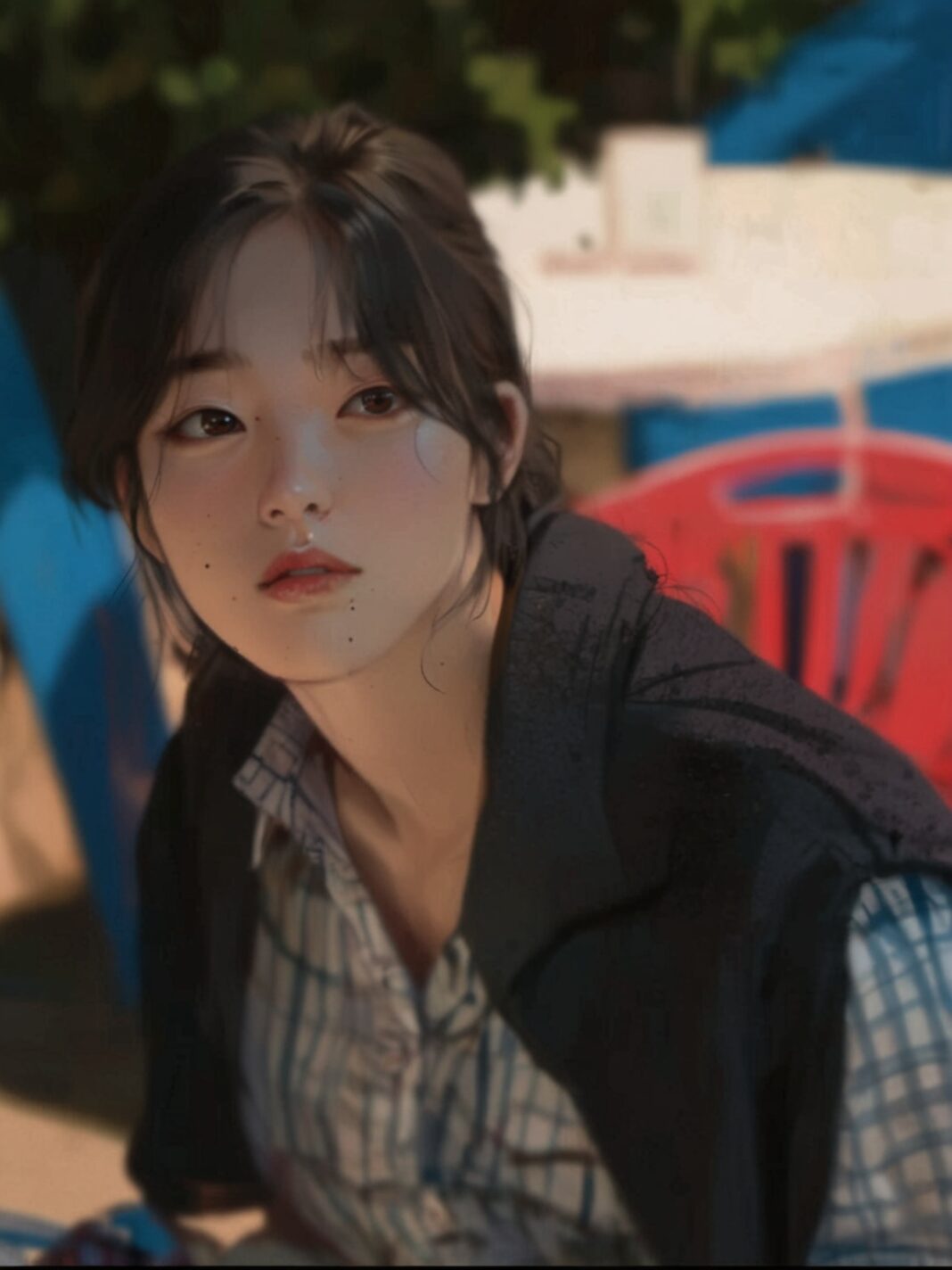

It’s official. SBS just dropped a drama that doesn’t just want your attention — it wants your heart, your tears, and that existential crisis you’ve been avoiding since 2020. Our Movie arrives with a purpose, and it’s not just to sell popcorn. It’s here to unpack grief, self-worth, healing, and that one terrifying question: what would you do if you knew you were running out of time?
Directed with elegance, featuring visuals crisp enough to shame some indie films, Our Movie follows LEE JE-HA (Namgoong Min), a once-celebrated film director whose life has been one long creative dry spell ever since his big hit — The Lonely People — took over theaters five years ago. But here’s the thing: Je-ha isn’t your average washed-up genius. His demons come fully dressed with family betrayal, unresolved grief, and that lovely accessory known as imposter syndrome.
Je-ha’s first film’s success wasn’t just questioned by critics; it’s been torn apart by industry sharks who attribute his fame to his father, a renowned movie director. Add to that the juicy scandal that Je-ha’s dad allegedly made his biggest movie, Love in White, with his mistress — soon after Je-ha’s mother died. If you’re thinking that’s enough family drama to last three Netflix seasons, you’re not wrong.
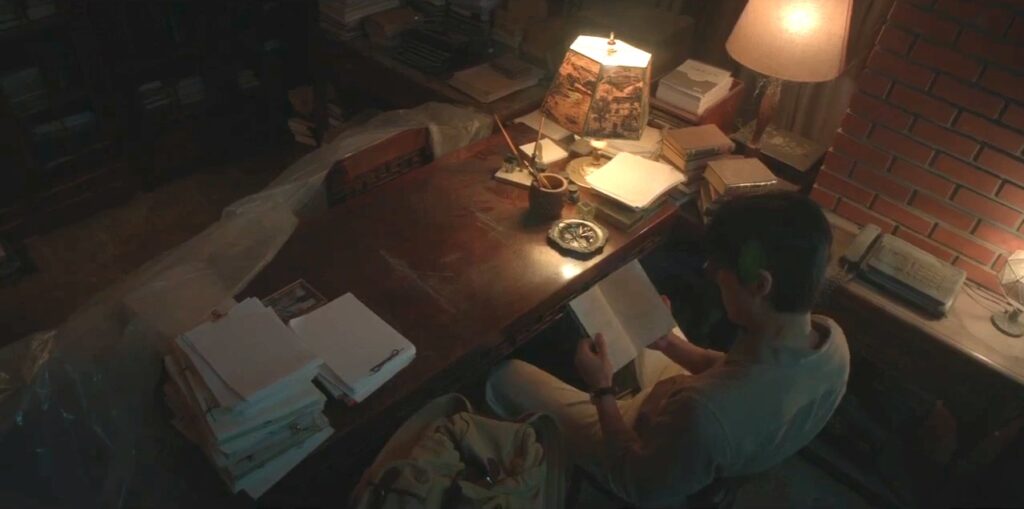
But plot twist: after a tense confrontation with the now-aged star of Love in White, Je-ha discovers that the original script of the film was actually written by his mother. Yes — the movie that haunted him for years was not some love letter to his father’s mistress but a painfully beautiful, autobiographical work by his own mom. That’s not just emotional whiplash; that’s therapy in script form.
Enter the leading lady of this emotional cinematic spiral: LEE DA-EUM (Jeon Yeo-bin). If Je-ha is bottled-up emotional damage with tailored shirts, Da-eum is all bright smiles, random camcorder recordings, and emotional honesty with a hint of chaos. She bikes through the city with carefree energy — but behind the cheerful facade, she’s battling a terminal illness inherited from her mother. And if that doesn’t punch you right in the feels, I don’t know what will.
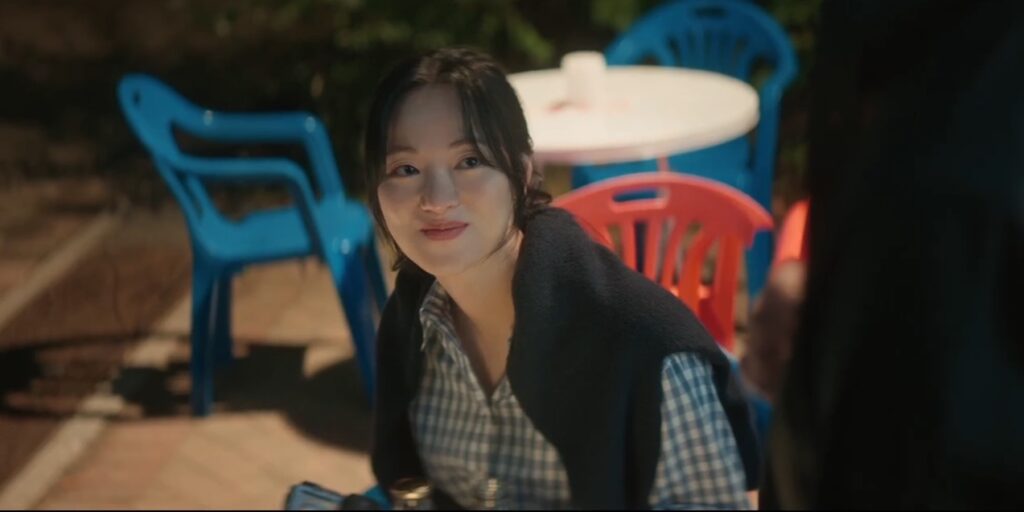
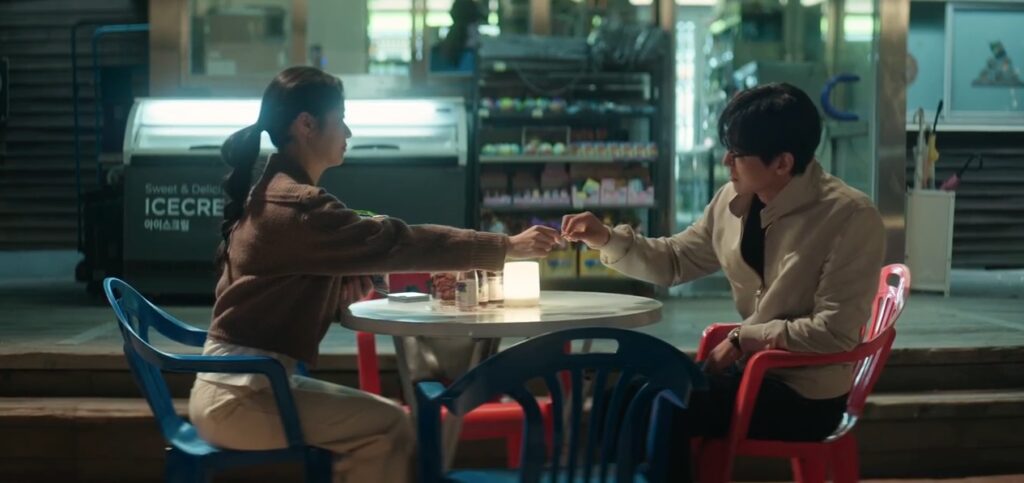
Their first encounter? Classic awkward-meets-poetic. She offers him juice like a sitcom character, and he takes it with the energy of someone who’s eaten nothing but regret for five years. Their chemistry is immediate, not because it’s flirty, but because they represent complete opposites: one fading away slowly, the other refusing to live at all.
As Da-eum and Je-ha orbit each other’s existence with accidental run-ins and reluctant conversations, more layers peel back. Da-eum’s diagnosis has kept her in a hospice since she was 20, while Je-ha has been creatively comatose in his grief and anger. When Da-eum learns Je-ha is remaking Love in White, she’s not just excited — she’s ready to embody the role. Why? Because she is that character: a woman on the brink of life and death, balancing hope and despair.
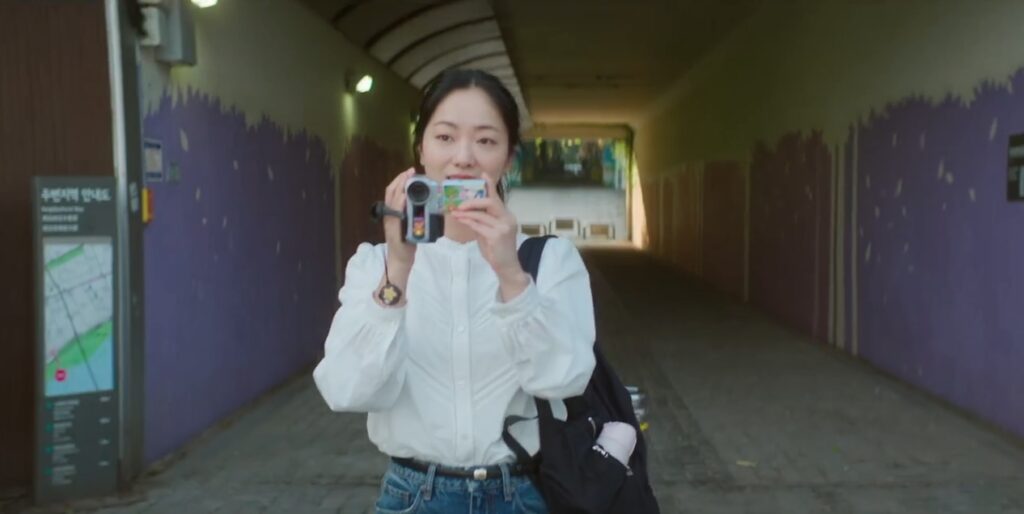
Now, here’s the kicker. Je-ha doesn’t want her in his movie. Not because she’s not talented — in fact, her audition blows everyone away — but because she’s dying. And Je-ha’s enough of a realist (or coward) to know that casting a terminally ill actress could be a production disaster. Of course, Da-eum isn’t having any of that. She’s got one year left, maybe less. Why shouldn’t she go out doing what she loves, in a role written by a woman facing death — much like herself?
In a subtle yet powerful turn of events, Je-ha begins rewriting the script. Lines spoken by Da-eum start making their way into his draft. Suddenly, this isn’t just a project to revive his career — it’s a story infused with the living breath of someone who understands its message more intimately than anyone else ever could.
Naturally, there’s resistance. Da-eum’s father, a doctor, disapproves of her acting ambitions, believing it’s dangerous, even reckless. But what’s reckless to him is purposeful to her. Determined, she leaves the hospice, teams up with her best friend, and pushes forward. Life’s too short for permissions.
The drama shines brightest when it explores this tension: the desire to protect versus the right to live freely. And yes, while the romance is budding, Our Movie is, at its core, a love story about life itself. It’s about embracing both its fragility and its beauty, no matter how fleeting.
As the episodes progress, the emotional weight builds. By the time Je-ha stands inches from Da-eum, locks eyes, and murmurs, “Don’t die,” the stakes are sky-high. We know what’s coming, and yet, we want to see these two broken people rebuild themselves together. Not in spite of their pain, but because of it.
And yet — because I can’t just fangirl without thinking critically — we do have to talk about the elephant in the room: the age gap. Je-ha is older, weathered by his industry experiences, and, frankly, more jaded. Meanwhile, Da-eum, though 25, is written with a youthfulness that occasionally feels more 19 than mid-twenties. Combined with the mentor-mentee dynamic, things get dicey. That moment when he shifts from icy director to romantic lead? A little too sudden for my liking.
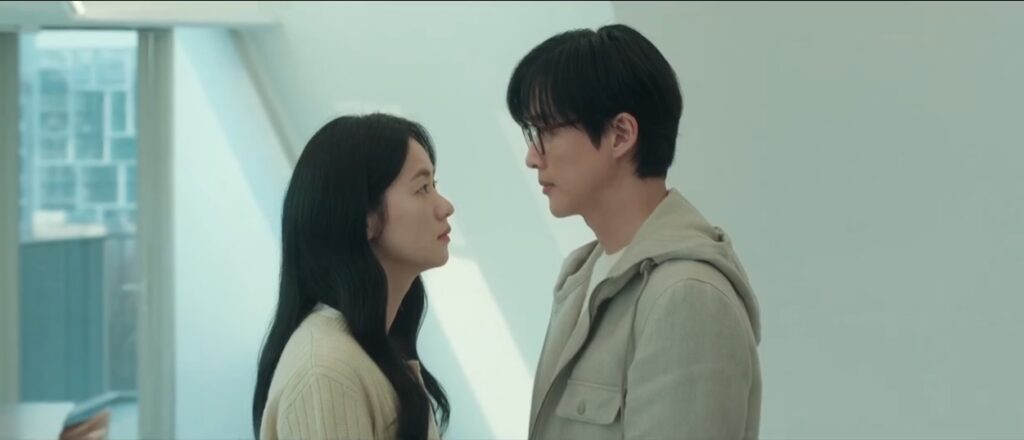
Still, the show’s emotional intelligence balances out most of those awkward beats. This isn’t a one-sided story of an older man “saving” a younger woman. If anything, Da-eum is dragging Je-ha out of his emotional grave with her stubborn light. It’s her terms, her performance, and her life.
Also, can we take a moment to appreciate Namgoong Min’s performance here? This man can express more agony with a single blink than some actors can with full monologues. And Jeon Yeo-bin — effortlessly charming, sharp, and radiating that brand of chaotic good energy that makes you want to protect her while simultaneously knowing she could beat you in chess blindfolded.
What keeps Our Movie compelling isn’t just the romantic storyline — it’s the depth of grief, the exploration of parental relationships, and that delicious meta-commentary about who gets to tell whose story in filmmaking. It’s storytelling about storytelling, and honestly, it’s working overtime.
My Take:
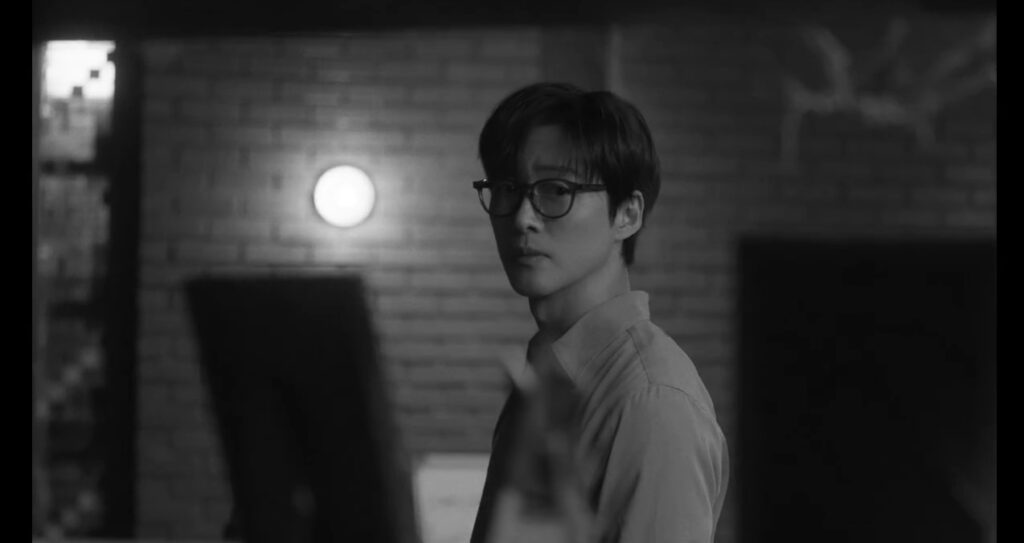
Personally, I’m invested. I love a good “fix each other with reluctant healing” trope, and this drama is giving exactly that — but dressed in arthouse cinematography and gut-punch dialogue. The pacing is deliberate, and I don’t want them to rush it just for the sake of delivering kisses by Episode 4. Give me slow-burn, emotional wreckage, and then, maybe, catharsis.
That said, I’m watching that age gap carefully. If the writers handle it with sensitivity and keep Da-eum’s autonomy at the forefront, this could go from “good drama” to “masterpiece.” But if it leans too heavily into savior tropes or weird power dynamics? I’m out.
For now though? I’m in. Fully.
Final Verdict:
⭐⭐⭐⭐☆ (4.5/5)
Beautiful, slow-burning, emotionally rich — with a dash of awkward romantic pacing. Worth your time, your tears, and maybe even a tub of overpriced gelato.