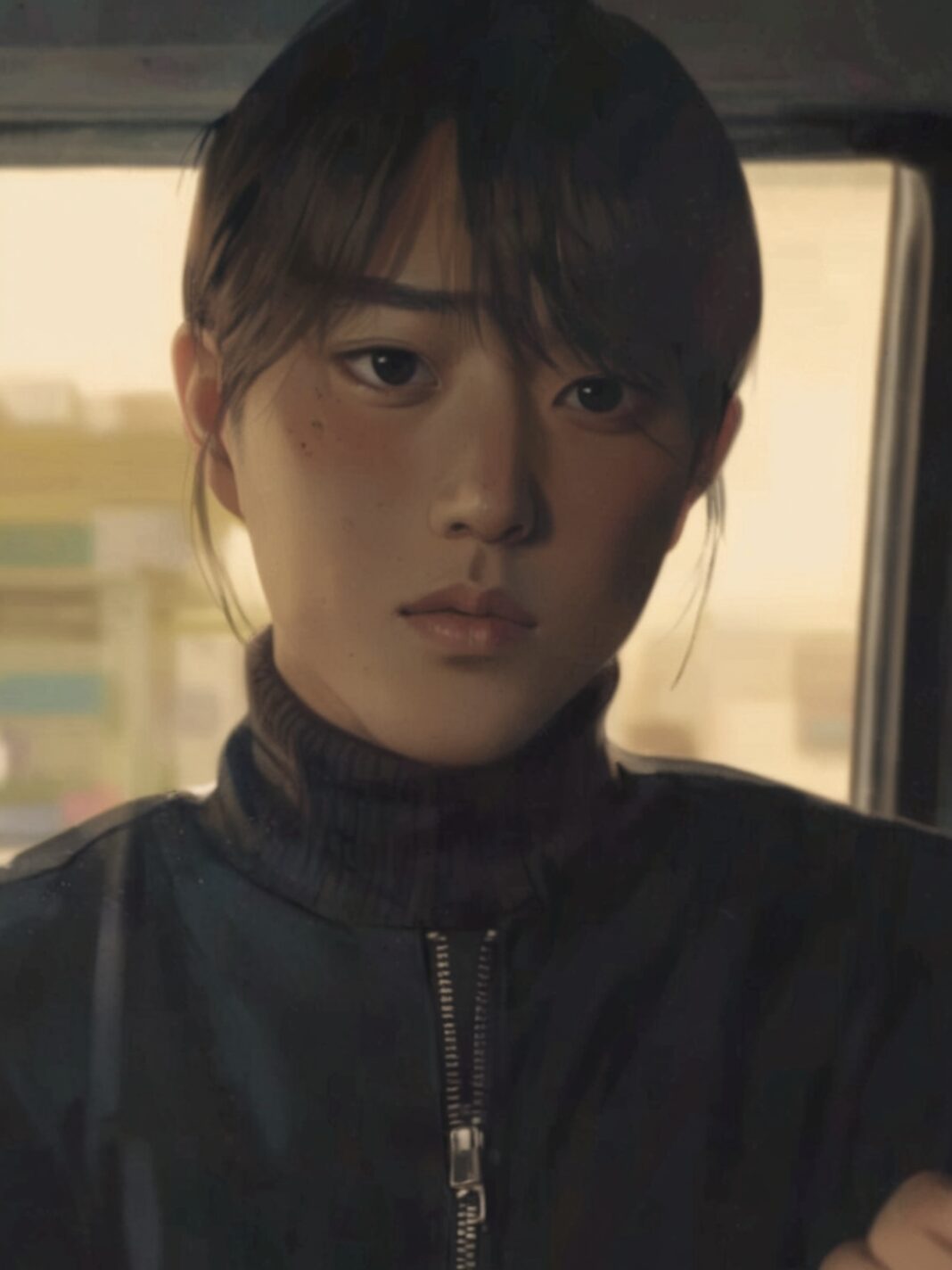


When you tune into Good Boy, you expect a cat‑and‑mouse chase. Yet Episodes 5 and 6 serve up more than just chase scenes. Indeed, we get explosions, shady back‑room deals, and a painfully adorable forced romance. In other words, this show is doubling down on its commitment to wild twists.
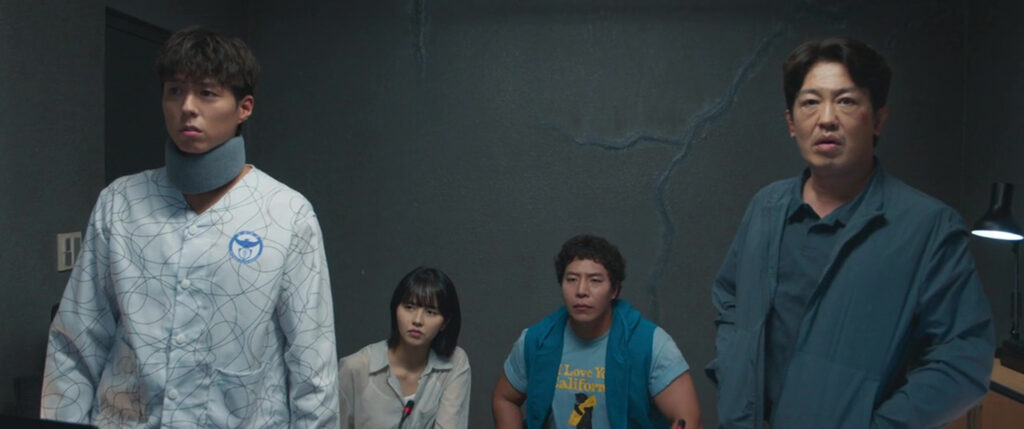
After two explosive episodes, our trio of righteous cops—Dong‑joo, Hanna, and Jong‑hyeon—find themselves deeper in the mire. Although they’ve peeled back several layers of Joo‑young’s criminal empire, they still can’t quite grab the man pulling the strings. Meanwhile, a fresh wave of bad guys has slithered into Insung City, and the collateral damage threatens to land right in our heroes’ laps.
TL;DR
- Wilder Plot: “Good Boy” ups the ante with explosions, new villains, and deeper criminal conspiracies.
- Joo-young’s Control: The unassuming civil servant pulls strings, even making powerful figures squirm.
- New Threat: Candy: A dangerous hallucinogen and its psychopathic creator, Drugmon (Kim Yeon-ha), emerge.
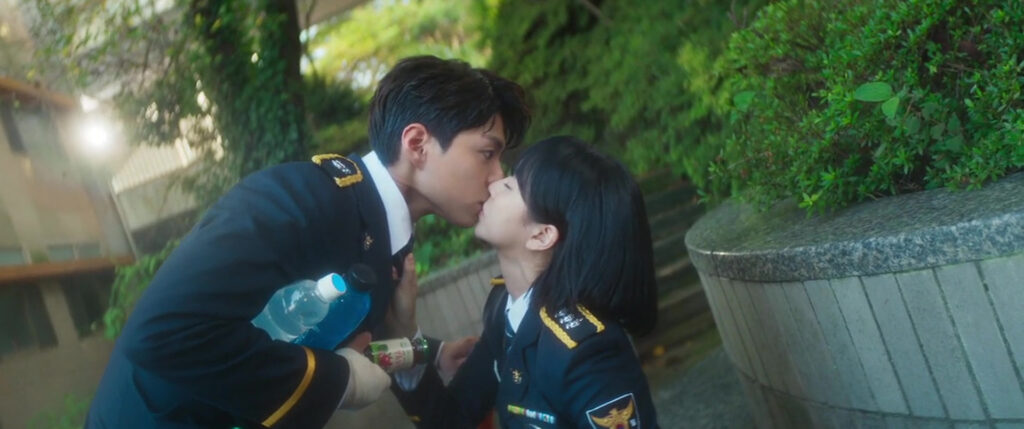
- Romance Blooms: Hanna and Dong-joo share an adorable, accidental kiss amidst the chaos.
- Social Commentary: The show cleverly critiques unchecked power and corruption within society.
Joo‑young’s Cool Denial and High‑Level Protection

First, let’s talk about Joo‑young’s arrest. As he’s hauled away, he’s cooler than a Polar Bear in a snowstorm. He feigns ignorance about the crimes—no sweat—and even jokes that his stylish wristwatch comes courtesy of “a Russian friend.” Oddly enough, all his alleged partners happen to sport the same watch. Coincidence? Hatch this theory, Inspector.

Soon afterward, the case is yanked from local control and dumped on the prosecution. That’s right: higher‑ups wrestle it away from our plucky investigators. Seok‑hyeon, clearly irritated, grumbles at being forced to escort what he calls a “petty criminal.” He even wonders aloud who Joo‑young really is and why he’s got the VIP cover‑your‑tail-wag privileges. But Joo‑young’s unassuming mask fools them all. Underneath that bland exterior, he’s The Brotherhood’s puppet master—a truth our good boys are only beginning to sniff out.
New Villains and Candy’s Sweet Danger
Meanwhile, a new threat emerges: Candy. No, not that childhood treat. This one’s a synthetic hallucinogenic that’s wreaked havoc across Korea. Its mysterious creator, the so‑called Drug Demon (affectionately nicknamed Drugmon), has everyone on edge. We first saw Candy when hapless Man‑shik accidentally got blitzed on it back in Episode 1. Now, the production pipeline needs tracing, and it leads straight into Joo‑young’s murky orbit.
To crack the Candy case, our team reluctantly joins forces with rival unit captain Ahn Dae‑young. He’s as slick as they come, briefing them on the drug’s import route. From there, they hope to link every tainted packet back to its source—and to Joo‑young himself.
Enter Drugmon: The Female “Demon” Who’s Anything But Cute
Plot twist alert: Drugmon is actually a woman named Kim Yeon‑ha (Lee Ho‑jung). That rumor about some giant Russian guy? Total disinformation. In reality, she’s petite, but her psychopathic streak is skyscraper‑tall. After returning from the Philippines, she sets her sights on a gang mimicking her Candy recipe. Yet she warns them in advance, phoning in their lab’s GPS coordinates just before a massive explosion. Yep. She’s that extra.
Our good boys and Dae‑young’s squad raid the lab, barely escaping the fiery blast. True to criminal mastermind form, Drugmon disappears like smoke. The police, buying her sob story, label her an amnesiac trafficking victim and stash her in protective custody. Convenient, right? Now, the only safe haven she really needs is Jong‑hyeon’s sprawling mansion—his vacation‑home–turned–police safe house. Remember, he’s rolling in cash, so he can afford the bougie digs.
Romance Under Fire: Hanna and Dong‑joo’s Slow‑Burn
While grenade blasts fill the air, Hanna and Dong‑joo get their own subplot. Flashing back to their athletic days, we see Hanna as the star shooter, with Dong‑joo cheering from the sidelines. She got the big applause; he was the supportive sidekick. Fast‑forward to today, and it’s the same. Hanna’s brilliance shines. Dong‑joo’s feelings? Blindingly obvious.
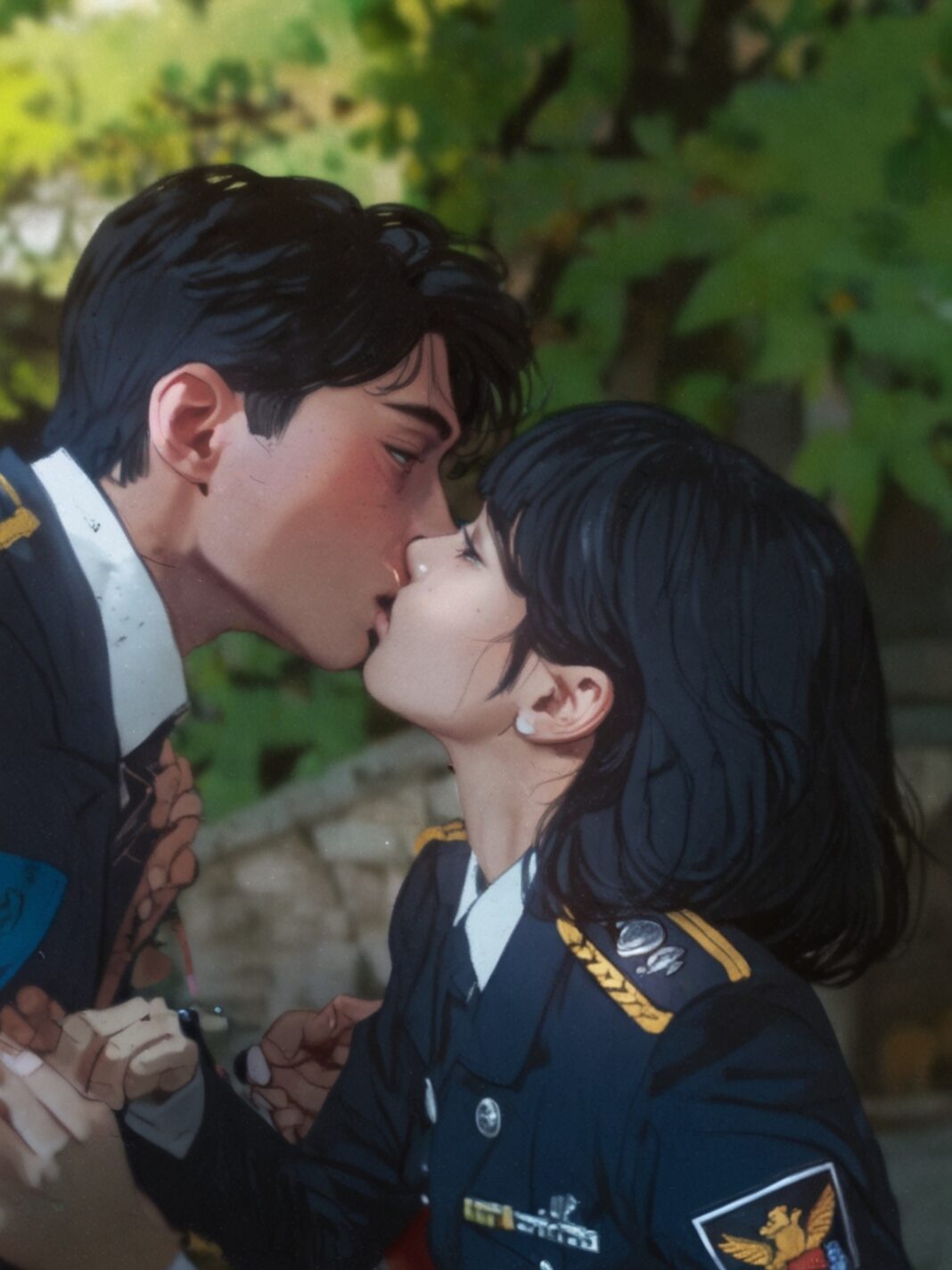
When they’re assigned to guard Drugmon, Dong‑joo seizes every excuse to play bodyguard. He shades Hanna from the sun and fetches her iced coffee. Naturally, Hanna—pragmatic and studious—denies any spark. But when stress peaks during a sun‑baked police ceremony, she accidentally lets slip a kiss. Cue: Dong‑joo passing out. Literally. This is so high‑school rom‑com, but I’m here for it. The show nails that awkward sweetness: Hanna mortified; Dong‑joo floating on cloud nine.
The TAE Corporation Tie‑In: From Frozen Fish to Frozen Assets
Just when you think the plot can’t thicken, it does. Knockoff—the Candy rip‑off boss—gets arrested after Drugmon points him out. Investigation uncovers that TAE Corporation, owned by none other than the mayor’s son, imported the raw drug materials hidden in frozen Russian fish. Oh, and Cheong‑il Shipping (the bankrupt company Hanna dug up) is now a TAE subsidiary. Small world.
Coach Oh, a logistics guru, is moonlighting by hiding the drug cargo inside frozen food. He arranges customs clearance via Joo‑young’s cozy relationship with the port. Meanwhile, the police commissioner and the mayor—both wristwatch cult members—keep a lid on things. Until they don’t. Knockoff’s bust goes public, leaving the commissioner red‑faced and Man‑shik in the hot seat at the press conference.
Power Plays and Civil Servant Supremacy
One of the most striking aspects of Good Boy is its skewering of hierarchical power. In most dramas, the top dogs—mayor, commissioner, tycoons—are Untouchable Villains. Not here. Joo‑young, a mere civil servant, laughs while making them squirm. After Knockoff’s arrest, the mayor literally crawls to Joo‑young, begging forgiveness. It’s delicious power reversal.
Then there’s Joo‑young’s meltdown: reckless driving in an unregistered supercar, causing a three‑vehicle pileup. Later, he sends goons to beat up Man‑shik and steals his gun. He even fires it at random on city streets, terrorizing innocents. This calm, measured psychopath truly enjoys playing God.
KO Jung‑ah’s Dangerous Curiosity
Man‑shik’s daughter, Jung‑ah, adds another layer of peril. She sneaks back from the Philippines, only to wander into Yeon‑ha’s path at the safe house. The girl recognizes her as the woman on the flight—our Drugmon—by her boarding‑pass name. Bad news. Yeon‑ha disposes of evidence by microwaving Jung‑ah’s phone, triggering yet another explosion.
The team races back, but the safe house is charred. Thankfully, Jong‑hyeon’s home insurance will cover repairs. More importantly, Jung‑ah is safe—found hanging out at a street stall like it’s casual Sunday brunch. But Yeon‑ha vanishes, sending Joo‑young a package: Man‑shik’s gun, minus the last bullet. The implication? Joo‑young used the bullet to silence Gyeong‑il’s mother. Talk about low blow.
Social Commentary: Violence as Entertainment?

With bodies piling up and drug wars ablaze, you might wonder: is this all too much? The show revels in its carnage. Yeon‑ha offing dealers in cold blood. Random pedestrians terrorized by stray bullets. Even the civilian mayor reduced to a beggar. It’s dark, yes, but it nudges viewers to question authority. When power is unchecked, even social “pillars” can be puppets. And who’s holding the strings? A man with a wristwatch.
Perhaps the writers are critiquing real‑world corruption. Maybe every executive, politician, or cop complicit in shady deals wears an invisible watch. It’s a clever metaphor. While we cheer for the good boys, we also see how fragile justice can be.
Character Deep Dive: Why Joo‑young Steals the Show
It’s impossible to watch without fixating on Joo‑young. He’s the calm at the storm’s eye. No shouting. No caricatured evil laugh. Just a steady gaze that freezes everyone in place. Yet beneath that pleasant civil‑servant façade lies a ruthless strategist who plays with people like chess pieces.
What’s his endgame? Is he driven by ego? A thirst for control? Or does he believe he’s delivering “justice” of his own twisted design? We don’t know yet—and that uncertainty is intoxicating. A villain who refuses to reveal his cards is far more compelling than one who monologues his motives.
Episode Pacing & Production Notes
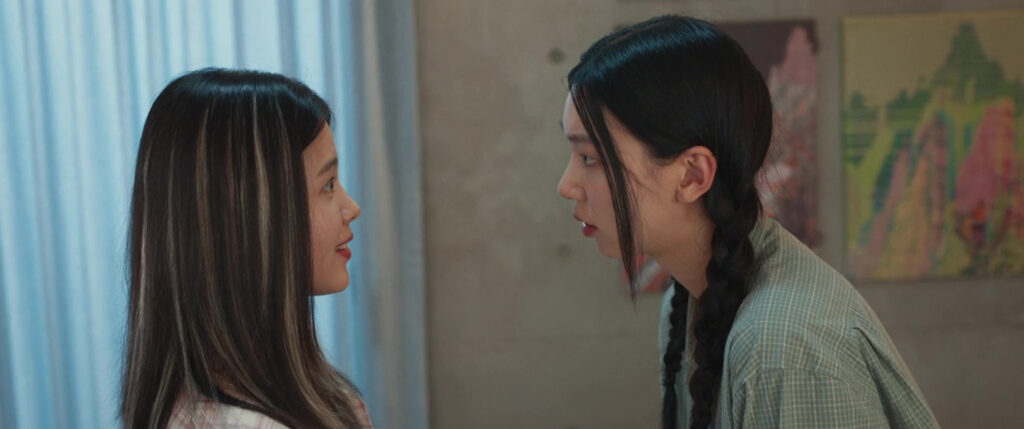
Visually, Episodes 5 and 6 maintain Good Boy’s slick aesthetic. Nighttime cityscapes glow neon. Even the safe house’s scorch marks are detailed with painstaking realism. Action scenes, from the lab explosion to the car crash, are choreographed with tight editing. No filler shots here. Every angle serves the tension.
The score deserves a shout‑out too. Sparse piano notes during interrogation. Thumping bass when Joo‑young makes a power move. And that rom‑com swirl when Hanna finally kisses Dong‑joo. It’s almost too on‑the‑nose—but I love it.
Fresh Insights: What This Show Gets Right
- Moral Ambiguity
Most dramas present binary good vs. evil. Good Boy thrives in gray. Characters operate ethically when convenient. They break rules for the “greater good.” That uncertainty keeps us guessing. - Power Reversals
The mayor begging at Joo‑young’s feet? Chef’s kiss. This role‑flip adds flavor. It reminds us: titles don’t guarantee dominance. - Romance in the Trenches
The Hanna‑Dong‑joo arc is the perfect palette cleanser between explosions. It’s realistic—slow burn, awkward confessions, genuine chemistry. - Female Villain Complexity
Kim Yeon‑ha isn’t a cardboard villain. She’s ruthless but methodical, with her own code. She’s scary precisely because she blends trauma’s vulnerability with cold calculation.
My Takeaway: Why You Should Be Watching
If missing your morning coffee wasn’t enough motivation, Good Boy offers more reasons: it’s a masterclass in genre‑blending. Crime thriller? Check. Action spectacle? Check. Heartwarming romance? Check. And sprinkled throughout is a biting social critique about who really holds power. It feels fresh—like someone shook up the typical police‑procedural tree and let the critiques fall where they may.
Even after six episodes, we’re still guessing what Joo‑young’s true aims are. And that hook? It’s what makes me hit “Next Episode” faster than I can say, “Don’t blow up the set.”
Final Verdict
| Category | Rating (out of 5) |
|---|---|
| Plot Twists | ⭐⭐⭐⭐⭐ |
| Character Depth | ⭐⭐⭐⭐☆ |
| Action & Pacing | ⭐⭐⭐⭐⭐ |
| Romance Subplot | ⭐⭐⭐⭐☆ |
| Production & Style | ⭐⭐⭐⭐⭐ |
| Overall Enjoyment | ⭐⭐⭐⭐⭐ |
Overall Rating: ★★★★½
If you haven’t yet joined the Good Boy fandom, now’s the time. Episodes 5 and 6 show the series firing on all cylinders—literally and figuratively. Strap in, because this ride is only getting wilder.