

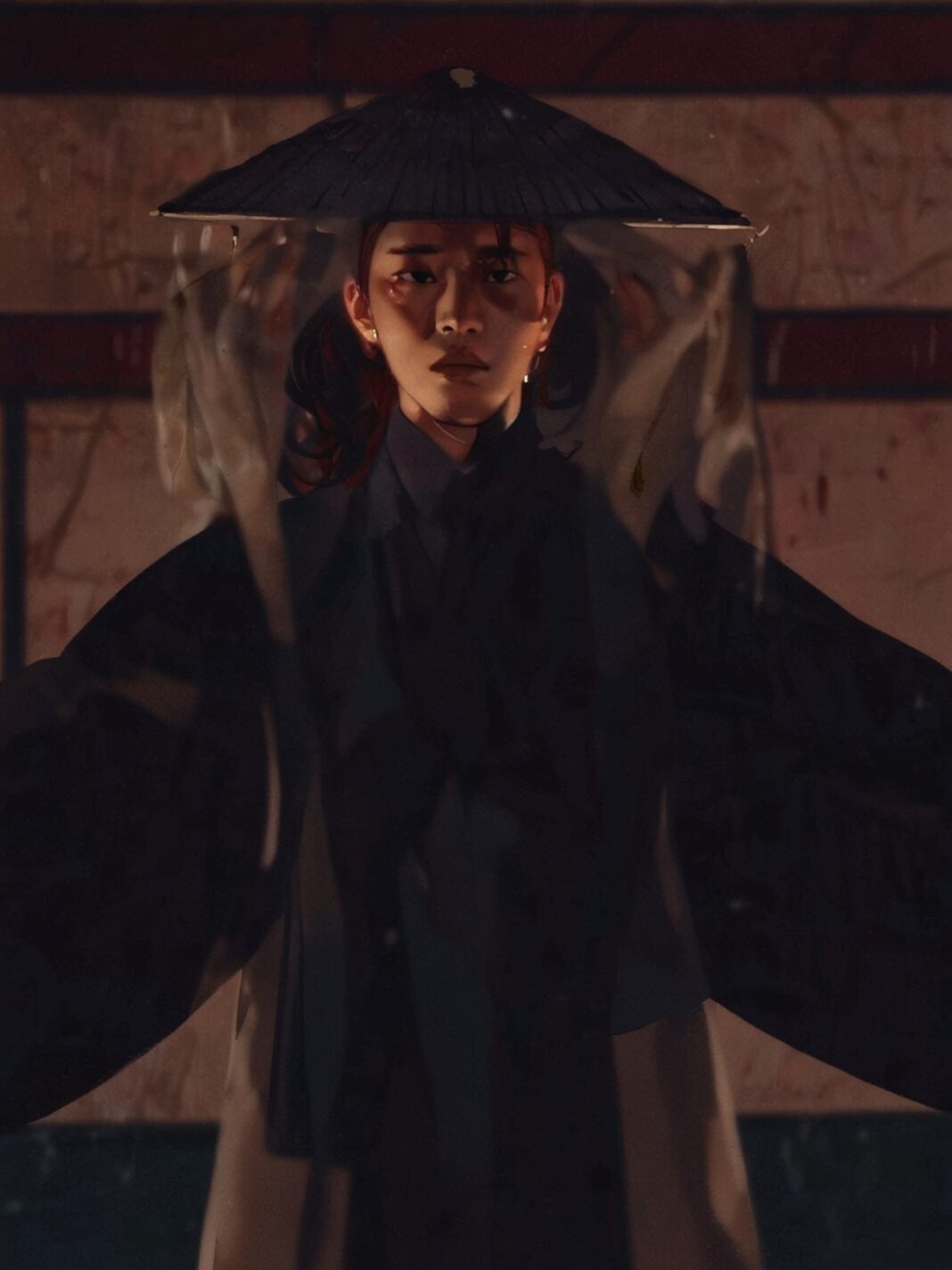

When a story promises ghosts, ancient grudges, and a mythical imoogi, you brace for chills. Yet The Haunted Palace outdoes itself in episodes 15 and 16 by weaving heartache, sacrifice, and surprising hope into its supernatural tapestry. Here’s an in-depth, scene-by-scene dive into the finale—complete with fresh insights, crisp writing, and a verdict at the end.

TL;DR:
- Queen tragically dies, shattering the king’s world.
- Colossal Shadow uses psychological warfare, possessing the king.
- Heroes Yeo-ri and Kang-cheol go on the run to save the prince.
- Sacrifices made with unique magical powers to confront the evil.
- Post-battle, the king seeks atonement for ancestral sins.
- Kang-cheol miraculously returns, choosing humanity over divinity.
- Happy ending with new reforms, family life, and continued supernatural consultations.
From Triumph to Tragedy: A Queen’s Last Stand

First things first: that Colossal Shadow doesn’t mess around. One moment we’re basking in the queen’s confident strides; the next, she’s struck down in a brutal attack that shatters the king’s world. When we see him crumple over her body, raw grief grips us—swiftly followed by righteous fury.
- Key Moment: King Cheon orders the blind shaman beheaded on the spot, only to tearfully postpone the execution when he realizes even vengeance feels hollow without his queen.
- Insight: Humanizing a monarch through grief makes him relatable, reminding us that power doesn’t inoculate us against loss.
This heartbreaking twist sets the stage: everyone who believed the royal family was untouchable now scrambles for survival. The plot shifts gears from regal intrigue to a desperate chase, and boy, does it deliver.
Mind Games: The Colossal Shadow’s Psychological Siege
The real terror isn’t simply brute force—it’s psychological warfare. By invading the king’s mind with century-old trauma, the Colossal Shadow becomes more than an external villain; it becomes his inner demon.
- Memory Flood
- Perpetrator: Cheon Geum-hwi, the original imoogi-shaman hybrid who lost his family
- Tactic: Forcing the king to relive the massacre of Geum-hwi’s village from a hundred years ago
- Possession
- Effect: The king carries on in public ceremonies, but something’s off—his eyes betray the spirit controlling him.
Why it matters: This echoes modern conversations about intergenerational trauma and how unaddressed wounds can corrupt leaders. You don’t need a supernatural curse to see parallels in real-world politics and private grief.
The Great Escape: Yeo-ri and Kang-cheol on the Run
Suddenly, our heroic duo—blind shaman’s apprentice Yeo-ri and wandering warrior Kang-cheol—find themselves on the palace’s most wanted list. Instead of packing swords, they pack desperation and hope: hope to save the young prince, hope to end the blood countdown.
- Lord Choi’s Sanctuary: A brief respite at his residence shows how alliances can form in crises. The palace guard who helps them reminds us that conscience survives even in rigid hierarchies.
- High-Stakes Distraction: Kang-cheol engages the possessed king in a tense standoff, while Yeo-ri escorts the prince through shadowed corridors.
The pacing here is masterful. Quick cuts between stealthy escapes and heart-pounding confrontations keep you glued to the screen—and stock up those nerves for the finale’s emotional climax.
Secrets and Sacrifices: The Power Weapons Revealed

Every great epic needs a final trump card. Episodes 15–16 deliver two:
- Yeo-ri’s Fire Reaper Ritual
- Kang-cheol’s Life-Snuffing Magical Bead
Rather than argue over who’ll die, they share an intimate moment imagining a few more days of normalcy—a clever subversion of the typical “who sacrifices themselves” trope. It’s a refreshing reminder that heroes crave small joys too.
- New Insight: Love and longing can be as potent as any spell. In stories (and life), our motivations often rest on fleeting moments of happiness, not grand ideals.
Showdown in the Throne Room
With the prince escorted to safety, Yeo-ri storms the king’s chambers alone. Here, the series’ visual storytelling shines:
- Chains and Knives: Emblems of the ancient bond between shaman and imoogi, they clang against the polished floors as Yeo-ri channels searing spirit-fire.
- Counter-Ritual: The blind shaman’s shrine buzzes with low chanting, a musical counterpoint that underscores magic’s duality.
Just when you think Yeo-ri will triumph, her strength fails—and she collapses, blood staining her robes. Cue Kang-cheol’s dramatic entrance: a single gulp of mystic petals, his magical bead blinding the Colossal Shadow in a flash of white light.
Aftermath: Tears, Apologies, and True Closure
The dust settles on carnage and sorrow, but the finale refuses to leave loose ends. It’s one thing to defeat a monster; it’s another to heal centuries of hate.
- Royal Reckoning
- The king publicly bows before the villagers’ souls, taking responsibility for ancestral sins.
- He promises reforms, transparency, and an end to slave labor.
- Personal Goodbyes
- Yeo-ri’s grandmother’s spirit appears to comfort her, acknowledging that love transcends death.
- The queen’s ghost lingers by the king, her silent blessing granting him peace.
- Shaman’s Fate
- The blind shaman, once spared by the king, meets his end by a bolt of lightning—fulfilling Kang-cheol’s cryptic prophecy.
Fresh Take: Closure isn’t about erasing pain. It’s about acknowledging it. The series teaches that saying “I’m sorry” can be more powerful than any sword or spell.
Resurrection and Rebirth: Kang-cheol’s Miraculous Return
Just as you’re wiping tears, Kang-cheol’s coffin lid snaps open. He grumbles about being smothered—classic! Turns out the Jade Emperor offered him a choice: ascend as a dragon or live as a human. He picked life.
- Symbolism: Dragons often symbolize power and divinity. By choosing humanity, Kang-cheol embraces mortality—proof that love outweighs glory.
This resurrection coda elevates the finale above mere fantasy. It’s a commentary on agency: even supernatural beings can choose compassion over dominance.
Epilogue: Happily Ever After… With a Twist

Time jump! The kingdom buzzes with new reforms. Our heroes settle into domestic bliss:
- The king mentors the young prince on ethics and governance.
- Yeo-ri and Kang-cheol marry and have a feisty daughter who inherits dad’s temper—cue adorable family hijinks.
Yet they remain available to consult on all things supernatural—for a fee, of course. After all, imoogi shamaning isn’t a charity.
My Perspective: Why The Haunted Palace Resonates

Here’s what stuck with me long after the credits rolled:
- Empathy Over Exorcism
- Instead of mindless monster-slaying, the series demands we listen to marginalized voices—even if they’re centuries old.
- This focus on reconciliation is a breath of fresh air amid action-heavy dramas.
- Complex Heroes
- No one is purely good or evil. The king’s grief-driven rage and the imoogi’s vendetta both stem from loss.
- Complexity elevates character arcs and keeps us emotionally invested.
- Cultural Depth
- Incorporating Korean folklore—imoogi, reaper spirits, ancestral curses—grounds the narrative in rich tradition.
- At the same time, themes of justice and forgiveness feel universal.
- Visual & Musical Flourish
- From moonlit temples to thunderous spirit battles, each frame is a painterly composition.
- The score’s blend of traditional instruments and haunting vocals amplifies every twist and tear.
Final Verdict ⭐️⭐️⭐️⭐️⭐️
The Haunted Palace bows out with emotional precision. By blending folklore, politics, and genuine heart, episodes 15 and 16 deliver a finale that’s as cathartic as it is epic. Whether you came for the imoogi fire duels or stayed for the moral reckonings, this one’s a five-star triumph.