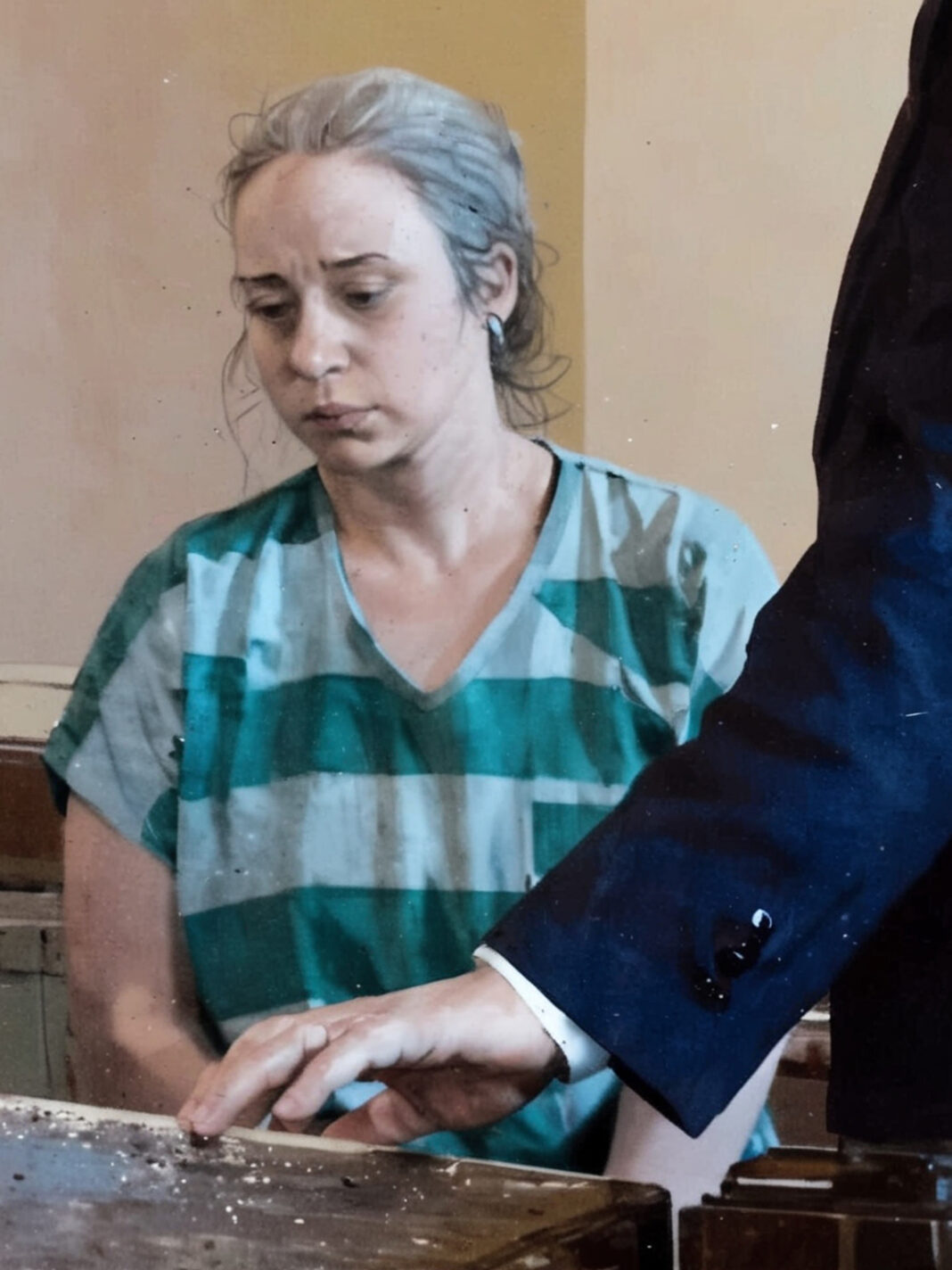



It sounds like something out of a twisted crime novel: a 32-year-old woman living with her parents’ corpses for years, racking up debts in their names and texting friends to pretend they were on holiday. Yet this grim tale is painfully real. Welcome to the Essex parricide case—the story of Virginia McCullough, gambling debts, betrayal, and an elaborate four-year deception.
TL;DR:
- Virginia McCullough murdered her parents due to overwhelming gambling debts.
- She concealed their bodies for nearly four years, faking their lives through texts and postcards.
- She used their identities to fund her lavish lifestyle and continued gambling.
- The elaborate deception unraveled when a doctor grew suspicious, leading to her arrest and confession.
- The case highlights the dangers of addiction, elder welfare neglect, and financial fraud.
The Early Signs: A Close-Knit Family…Until It Wasn’t
Virginia McCullough grew up in Essex, England, the only child of doting parents. On the surface, they appeared inseparable. Family dinners were warm, birthdays were celebrated with gusto, and weekend outings to the local parks made for cherished memories. Yet beneath this cozy picture simmered a private torment: Virginia’s growing gambling addiction.
From casual online bets to high-stakes roulette, she plunged headlong into the digital casino world. At first, it was the thrill—just a few quid here and there. However, the stakes escalated rapidly. Within months, she blew through her savings. Eventually, the losses mounted to around £17,000 (about $26,000), a debt so staggering that even the promise of repayment looked distant.
Meanwhile, her parents remained blissfully unaware. They doted on their daughter, unfazed by missed repayments or strange withdrawals. Little did they know, every credit card swipe, every loan application under their names, was sinking them deeper into this financial abyss. Virginia could have fessed up. She could have pleaded for help. Instead, she devised a far darker solution.
Debt, Desperation, and Descent into Crime
By the time her gambling debts spiraled out of control, Virginia faced a grim reality: confess or cover it up. She chose the latter.
She started pilfering small amounts from her father’s card. Then she took a bolder step—applying for personal loans in both parents’ names. Every day brought new overdrafts and bounced Direct Debits. Despite a growing pile of unopened bank statements, her parents never suspected a thing.
The ticking clock of debt collected interest mercilessly. The longer she waited to act, the deeper she sank. So she hatched a plan. Rather than risk a confession—an admission that would destroy her family—she decided to remove her parents altogether.
The Planning Phase: Poison and Betrayal
In early 2018, Virginia set her scheme into motion. She acquired prescription sedatives online—enough pills to affect two adults over multiple nights. Next, she spiked her parents’ evening drinks, aiming for a slow, undetectable decline. The first night, it worked partially. Her father slipped away in his sleep, but her mother simply fell into a drug-induced slumber.
Disappointment turned to panic. With her dad gone, Virginia knew she’d need a backup plan to silence her mother. She fetched a hammer from the toolbox. Then she waited until her mother awoke groggy and disoriented. In quick succession, she struck—repeatedly. When the hammer proved too slow, she grabbed a kitchen knife and delivered the final blows: seven deep puncture wounds to her mother’s chest.
In a matter of hours, both parents lay dead in the home they once filled with laughter. Yet the darkest chapter was only beginning.
Concealing the Crimes: A Macabre Domestic Routine
Rather than call the authorities, Virginia paid for body bags and zipped them up. She wrapped her parents in old sleeping bags, as if tucking them into bed. For her father, she built a makeshift memorial: a small shrine covered with a sheet and family photos in the living room. Her mother’s body found a more gruesome hiding spot—stuffed into the back of a wardrobe upstairs.
Now came the real performance: pretending her parents were alive.
She nabbed their mobile phones and began forging texts to relatives. “Dad and I are at Walton-on-the-Naze this week,” she typed, adding little heart emojis to make it seem authentic. Every few days, she concocted excuses: a sudden bout of food poisoning, an impromptu cruise in Scotland, even a mysterious work conference abroad.
Postal deception followed. Virginia drove to seaside towns and mailed postcards bearing cheery messages: Wish you were here! Love, Mum and Dad. Meanwhile, she applied for yet more credit cards in their names and went on lavish shopping sprees. Dresses, gadgets, jewelry—you name it, she bought it. And she did it all from the very home where her parents’ corpses lay rotting in the walls.
Four Years of Deception: Texts, Postcards, and Fake Vacations
Lockdown in March 2020 might have stalled travel, but it worked to Virginia’s advantage. With relatives unable to visit, she convinced everyone that her parents had simply retired to the coast and were self-isolating. Video calls? No, they preferred to disconnect on holiday. Phone calls? Very spotty reception, of course.
For nearly four years, shear nerve and a stack of stolen IDs kept her scheme alive. Monthly pension checks arrived; she tore off the coupons, pocketed the cash, and binged more online bets. Using her parents’ bank logins, she reordered groceries weekly—only to redirect the delivery to a local charity after pocketing the credit. Every transaction added another layer of deceit.
Despite neighbors noticing odd odors and the faint hum of a freezer churning nonstop, no one smelled a crime. No one guessed that the creaks of that wardrobe held a corpse.
The Collapse of the Facade: Doctor’s Concern and Police Raid
In May 2022, an attentive long-time GP grew suspicious. Both patients hadn’t collected repeat prescriptions in months. When the local council reached out, Virginia stuck to her story: her parents were on a health retreat in Ireland. It was plausible—until the police decided on a welfare check.
Armed with a search warrant, officers arrived one crisp morning. Virginia didn’t answer the door. Striking it down with a battering ram, they stepped into a house thick with stench. At the threshold, Virginia stood, hands in the air, eyes wide. No chase was needed. She was done.
Within minutes, they recovered the bodies. Beneath family photos, the skeleton of deceit collapsed.
Confession and Legal Consequences
Strangest of all, Virginia didn’t resist. Shackled and seated in a cell, she confessed every detail: the timing of the poison, the number of hammer blows, the stab wounds. She even led police to the hammer—rusted and bloodstained—hidden under the stairs.
In court, she pled guilty to two counts of murder. The presiding judge sentenced her to a minimum of 36 years in prison, citing premeditation, cruelty, and utter deceit. The Essex parricide case—once a secret buried under four years of rot—now stood exposed in full.
Lessons from a Dark Case: Insights on Addiction, Deceit, and Justice
Criminal psychology experts have weighed in. They note a toxic blend of unchecked gambling addiction, fear of familial shame, and a meticulous mind forged a deadly cocktail. Parricide is rare in the UK—making this case all the more shocking. Moreover, the methodical concealment shows how someone can weaponize digital communication to mask the reality of death.
Meanwhile, the legal system faces questions: How did months pass without a welfare check? Why didn’t the stench trigger immediate concern? And what safeguards can prevent identity theft of this scale?
My Take: Reflections on Mental Health and Systemic Gaps
This case hits hard on several fronts. First, it underscores how addiction can warp priorities. Virginia didn’t stop when the losses got out of hand—she doubled down, choosing murder over confession. That’s a chilling testament to the power of compulsion.
Second, the story spotlights societal blind spots around elderly welfare. In an age where digital connections abound, real human contact has dwindled. We need community networks to check on our most vulnerable—before tragedy strikes.
Finally, identity theft and financial fraud share center stage here. In Virginia’s world, forged texts and stolen credentials bought her years of freedom. Stronger fraud detection systems—both in banking and pension services—could thwart similar crimes.
Conclusion: Aftermath and Ongoing Questions
Virginia McCullough’s four-year masquerade ended in a courtroom, not on a beach. Her parents, once the victims of an unwavering trust, now lie buried under headlines of betrayal. Now serving a lengthy sentence, she remains a stark reminder: unchecked addiction and secrecy can lead to unthinkable acts.
As the Essex community grapples with the horror, important dialogues emerge: how to recognize early signs of gambling addiction, how to bolster elder welfare checks, and how to strengthen fraud prevention. If lessons are learned, perhaps the next tragedy can be averted.
In the end, this grim tale isn’t just about murder—it’s about how a series of small choices, left unaddressed, can culminate in a crime beyond imagining. May we all take heed before we find ourselves complicit in silence or willful ignorance.